
1. The Butter Topping Secret
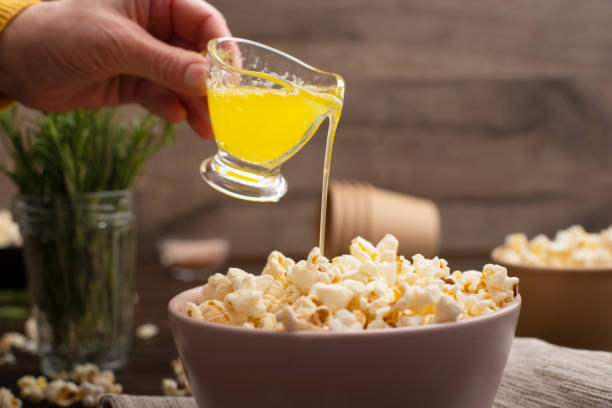
If you’ve ever been to the movies, you know the distinct taste of that buttery topping. The key difference lies in the type of butter or rather, the butter-flavored topping used at movie theaters. Movie theaters use an artificial butter flavor that has a consistency that allows it to coat every kernel perfectly. While at home, regular butter often leaves the popcorn soggy or unevenly coated, theater butter is engineered to provide a rich, satisfying experience. This “butter” is actually a blend of oil, artificial flavoring, and additives that make it thicker and more stable at high temperatures, perfect for slathering on those warm popcorn kernels.
One of the best parts about theater butter is its texture. “Movie theater butter is designed to not soak into the popcorn as quickly as regular butter would,” says food scientist Jessica L. This allows each piece to remain crispy and savory for longer, which is part of why it tastes so satisfying. At home, even when you carefully drizzle butter over your popcorn, you often end up with a soggy bottom and uneven coverage. The secret lies not just in the butter, but in its formulation, making sure every kernel gets its buttery coating while maintaining that irresistible crunch that’s so synonymous with movie popcorn.
2. Oil Matters: The Type of Oil Used
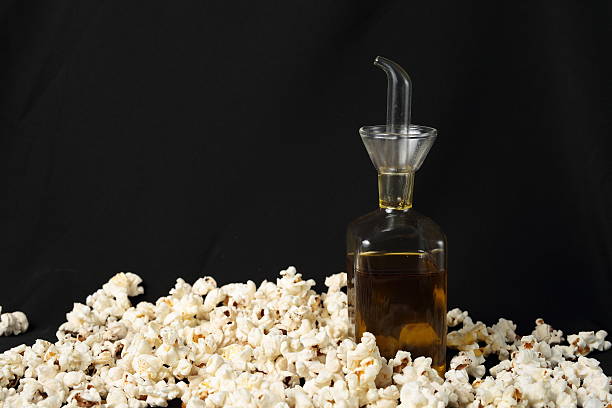
When it comes to popping popcorn, the oil used is just as important as the seasoning. Movie theaters typically use coconut oil or a blend of oils, which offer a distinct flavor and texture that’s hard to recreate at home. Coconut oil has a subtle, creamy flavor that blends beautifully with the salty and buttery seasoning, creating that smooth and rich taste we love. It also has a high smoke point, meaning it’s able to reach the necessary temperature for optimal popping without burning, keeping the kernels crispy and fresh. At home, we may use vegetable oil, canola oil, or olive oil, but these oils don’t offer the same rich flavor.
“The oil’s flavor plays a huge role in the overall taste of movie popcorn,” explains nutritionist Rachel M. Coconut oil adds a layer of richness that’s especially noticeable when compared to the more neutral oils used in home kitchens. It also helps achieve that golden, slightly glossy sheen that movie theater popcorn is known for. The oil doesn’t just cook the popcorn; it contributes to the distinct texture and flavor we associate with that big-screen snack. So while your homemade popcorn might be light and airy, it won’t have the same hearty, satisfying depth of flavor without the right oil.
3. The Popping Method: The Secret of Machine Poppers
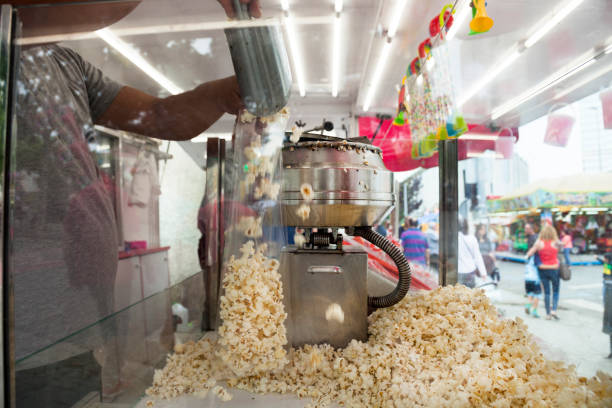
One of the significant differences between movie theater popcorn and homemade versions comes down to the popping method. In theaters, large, commercial-grade machines are used to pop kernels. These machines are designed for maximum efficiency, ensuring that almost every kernel pops, leaving very few unpopped pieces behind. They use a high temperature and a consistent amount of heat to ensure that every kernel pops evenly. This is often different from home poppers, where the kernels may not get as even a distribution of heat, resulting in some unpopped kernels or overdone ones.
“When you use a professional-grade popcorn machine, the popping process is more uniform,” says popcorn expert Henry T. At home, many people use air poppers, stovetops, or microwaves, which might not generate as consistent a heat. The popcorn might be fluffier, but it’s often less even in texture. The specialized equipment used in theaters is optimized to pop larger, fluffier kernels at a higher capacity, and this contributes to the movie popcorn’s perfect texture, crispy yet light. So, the next time you’re enjoying that perfect movie snack, consider how the popping method itself plays a big part in the overall experience.
4. The Popcorn Kernel Quality
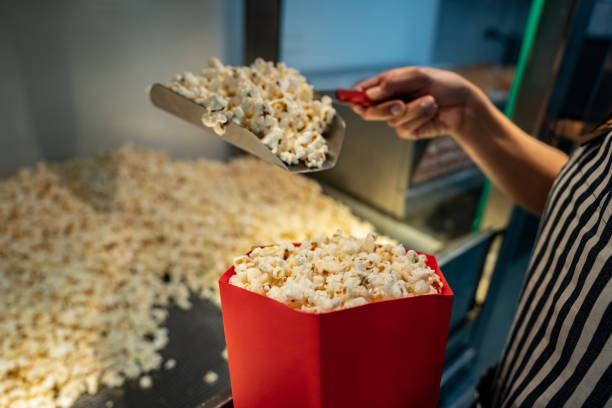
Not all popcorn is created equal, and the quality of the kernels used in movie theaters plays a significant role in how that popcorn tastes. Movie theaters tend to use high-quality, large popcorn kernels, which pop to a larger size compared to the smaller, denser kernels we typically buy at home. The larger kernels not only provide a satisfying crunch, but they also offer more surface area for the butter and oil to coat. This results in the perfect balance of texture and flavor. At home, even the best kernels can often be smaller and not puff up as large, meaning they don’t carry the same bite.
“Movie theaters generally use premium quality kernels because they produce the best popcorn in terms of both taste and texture,” explains popcorn producer Steve H. The larger, fluffier kernels have a lighter, airier crunch that’s more satisfying and easier to coat evenly with butter and seasoning. At home, depending on the brand or method, you might not get that same degree of puffiness or crunch. The kernel quality is an essential part of that signature movie theater popcorn, making every bite a satisfying and crispy experience.
5. The Size Factor: Larger Batches for Bigger Flavor
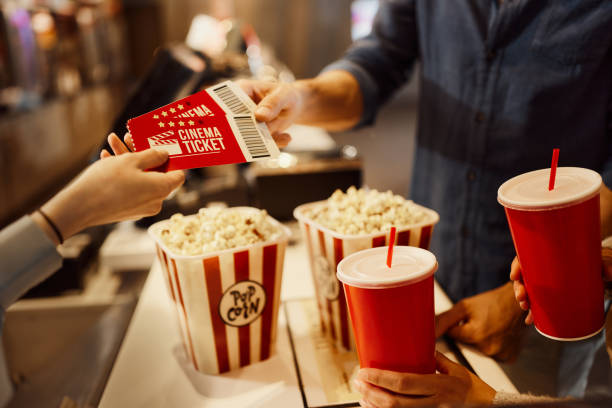
When you buy popcorn at a theater, you often get a much larger serving than what you’d typically make at home. It’s not just about quantity, it’s about how the popcorn is made in bulk. Large commercial machines can pop a huge batch of popcorn all at once, meaning that each kernel has more room to expand and cook evenly. At home, unless you’re using a commercial-sized popcorn maker, you’ll probably make smaller batches, which can affect the texture and overall flavor. The sheer size of the batch in the theater helps enhance the overall experience, creating a more satisfying taste.
With larger batches, you get a more consistent coating of butter and oil across the popcorn, which makes the flavor profile stronger. “Making a larger batch in a commercial machine ensures that the butter and oil are spread more evenly over the kernels,” says chef and food blogger, Matt P. The industrial equipment is designed to handle big portions at once, meaning the popcorn stays fresher and crunchier for longer. At home, even if you try to replicate this by making multiple smaller batches, you may not achieve the same uniformity or texture. This is one of the many reasons why movie theater popcorn tastes so good, it’s designed to be mass-produced while maintaining perfect flavor and consistency.
6. Freshness: The Popcorn You Can Smell From a Mile Away
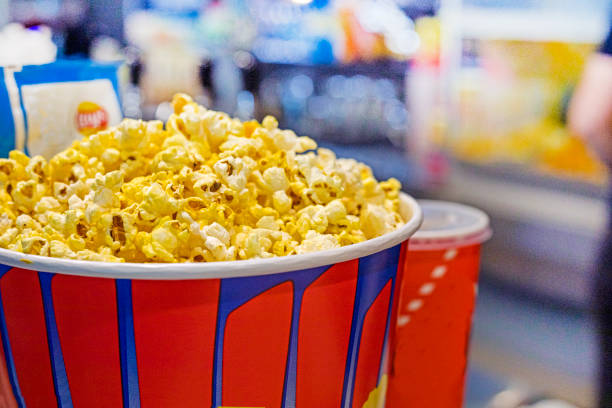
One of the most noticeable factors that set movie theater popcorn apart from the kind we make at home is freshness. The popcorn in theaters is popped right before it’s served, making it exceptionally fresh. You can smell it the minute you walk into a theater, and the aroma wafts through the air, enticing your senses. This constant supply of freshly popped popcorn keeps the flavor sharp and the texture crisp. At home, unless you’re making popcorn from scratch, the process can take longer and may lack that immediacy. By the time you get around to adding butter or seasoning, the popcorn may lose some of its fluffiness.
“The freshness of theater popcorn is undeniable. It’s a snack that’s made to order and served hot, which is why it tastes so much better,” says food critic Brenda A. The combination of hot popcorn, fresh oil, and just-poured butter creates a sensory experience that’s hard to replicate at home. In contrast, when we pop popcorn at home, it’s easy to forget about it for a few minutes, and the popcorn can become stale or overly dry. The immediate freshness of movie theater popcorn is what makes it so unique and delightful every single time you visit.
7. The Seasoning: A Movie Theater Signature
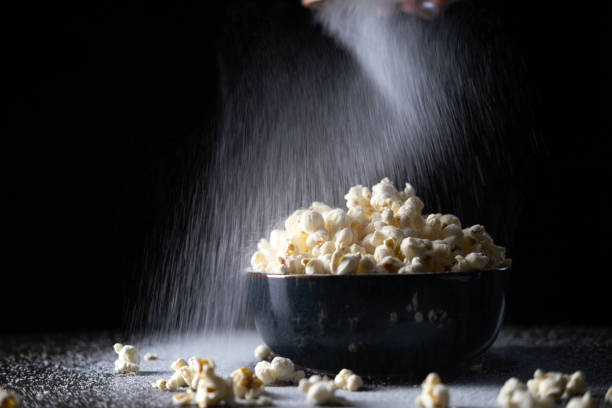
We can’t talk about movie popcorn without mentioning the seasoning. It’s not just about butter; movie theaters typically use a combination of salt and seasoning that’s finely calibrated for the perfect amount of flavor. The salt is often extra fine, allowing it to evenly coat every kernel. Many theaters also offer a variety of seasoning options like cheese powder or caramel. The seasoning is specifically designed to cling to the popcorn without making it too salty or overpowering.
“Movie theater popcorn is so well-seasoned because it’s all about balance,” says culinary expert Amy K. The popcorn’s flavor isn’t just salty but a combination of savory notes that enhance the popcorn’s natural flavor without overpowering it. This careful balance is what makes movie theater popcorn taste different. At home, you might sprinkle salt on, but without the right technique or special seasoning blend, you might end up with uneven seasoning, which diminishes the flavor experience.
8. The Packaging: Theater Popcorn in a Bag vs. a Bowl
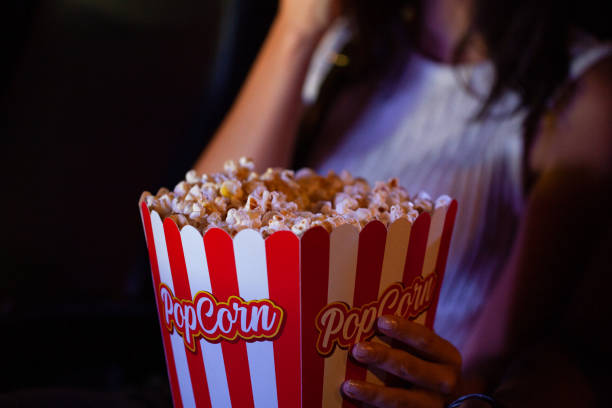
Have you ever wondered why popcorn tastes better when it’s in that familiar movie theater bag or bucket? The packaging itself plays a role in the flavor experience. In a theater, popcorn is typically served in a paper bag or plastic bucket, which helps trap in the heat and aroma, intensifying the overall sensory experience. The smell is one of the first things that hit your senses, and it sets the stage for that satisfying first bite. At home, when we make popcorn, we often store it in bowls that don’t retain the heat the same way, and the smell isn’t quite as prominent.
According to sensory expert Karen W., “The packaging used in movie theaters is designed to enhance the experience, keeping popcorn warm and its aroma intact.” The way popcorn is packaged at the theater helps maintain its texture and taste, making every bite feel like part of the show. At home, unless you’re creating the same environment (hot air, the right container), it’s just not the same. The experience at the theater is multi-sensory, from the smell of the popcorn to the texture of the bag, and even the sound of the first bite, it all contributes to that unique movie snack.
9. The Atmosphere of the Movie Theater
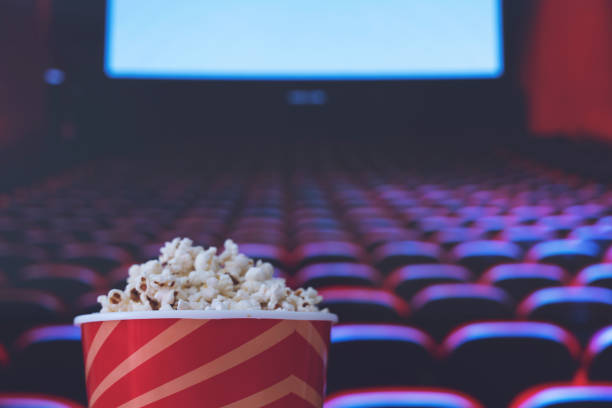
You might be surprised, but the atmosphere plays a crucial role in how we perceive the taste of movie popcorn. Think about it: the lights dimming, the excitement building as the film starts, and then the sensation of holding a warm, buttery bag of popcorn. This environment primes our senses to enjoy the snack even more. The sensory overload that we experience at the movies can make food taste better, and that’s no accident. The combination of smells, sounds, and sights heightens the flavor of the popcorn, making it feel even more indulgent.
Dr. Sarah W., a sensory psychologist, states, “The environment we’re in amplifies the taste and enjoyment of food.” When you’re at the movies, your brain associates the snack with enjoyment and entertainment, making the popcorn taste better than when you eat it at home. The atmosphere contributes significantly to the overall taste, even though the same popcorn could be made in your kitchen. The movie theater experience is about immersion, and that goes for the food too.
10. The Size of the Popcorn Bucket: Why Bigger Is Better
One of the often overlooked but crucial factors that contribute to the taste of movie theater popcorn is the size of the popcorn bucket. At the movies, we’re typically given massive portions of popcorn, which does more than just satisfy our hunger; it elevates the whole snacking experience. Larger portions allow for better distribution of flavoring, as the kernels can be evenly coated with butter, oil, and seasoning. With more space in the bucket, there’s less chance of clumping, which often happens when we make popcorn at home in smaller quantities. More popcorn means more opportunity for seasoning and butter to coat each kernel, creating that perfectly balanced, rich flavor we associate with theater popcorn.
When we pop a small batch of popcorn at home, we might find that some kernels don’t get enough seasoning, or worse, the butter soaks into the bottom of the bowl, leaving the top pieces bland. With movie theater popcorn, the large volume means the seasoning has a chance to be evenly distributed throughout the entire batch. Even if you don’t finish the bucket all at once, it’s likely to stay crispy and flavorful longer due to the efficient popping process and the abundance of seasoning. “Larger portions allow for better heat distribution and seasoning application,” explains popcorn enthusiast Lisa M. So, whether you’re at a movie theater or making popcorn at home, the size of your portion plays a big role in the ultimate flavor satisfaction.
11. The Batch Consistency: Why Theater Popcorn Never Seems Burnt
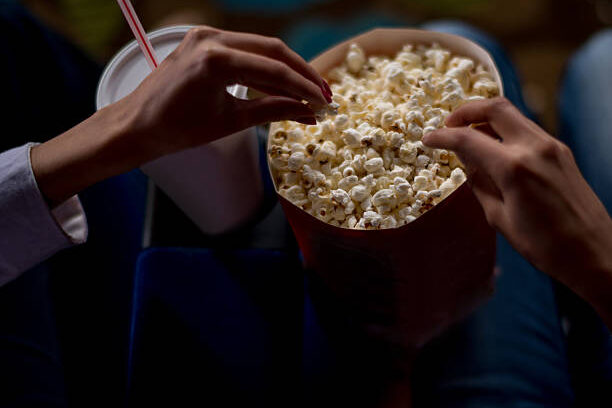
Ever notice how movie theater popcorn seems to always be perfectly crisp, never undercooked or burnt? Part of the reason lies in the batch consistency of popcorn. Movie theaters have the technology to ensure that each batch is cooked evenly. Their machines are calibrated to maintain the perfect popping temperature, while stirring or agitating the kernels to ensure even popping. This helps avoid burnt kernels that are all too common when we make popcorn at home. Additionally, large batches are popped continuously, which means they are consistently fresh, and the kernels are cooked at optimal temperatures. At home, unless you’re closely monitoring the heat and using the best equipment, it’s easy to have an uneven batch, with some popcorn burnt and some still unpopped.
“The batch process in theaters is designed for perfection,” says popcorn machine manufacturer Mark L. The automated machines in movie theaters have timers, temperature regulators, and stirring mechanisms to keep the popcorn from burning while making sure that every kernel pops. At home, the inconsistency in the stovetop or microwave method often leads to overdone or underdone kernels. This perfect balance of batch consistency is one of the reasons why theater popcorn has such a unique and reliably good flavor.
12. The Popcorn Experience: More Than Just a Snack

Finally, the experience of having popcorn at the movies adds to its allure. It’s not just about the taste, it’s about the experience. Sitting in the dark theater, surrounded by other moviegoers, with a huge bucket of buttery popcorn in your hands, it’s an event in itself. This context makes the popcorn taste better. You’re not just eating popcorn; you’re enjoying a cinematic moment. That’s something you can’t replicate when you make popcorn at home, no matter how well you season it.
“The experience itself elevates the enjoyment of food,” says cultural expert Lisa H. The atmosphere, the excitement of the movie, and the enjoyment of the snack are all interwoven into one perfect moment. So, when we munch on movie popcorn, it’s more than just a snack; it’s a part of the movie magic. When you’re at home, you can’t quite mimic that, no matter how hard you try. It’s the whole package, the experience that makes theater popcorn stand out.


