
1. Blue Hides Wear And Tear Better
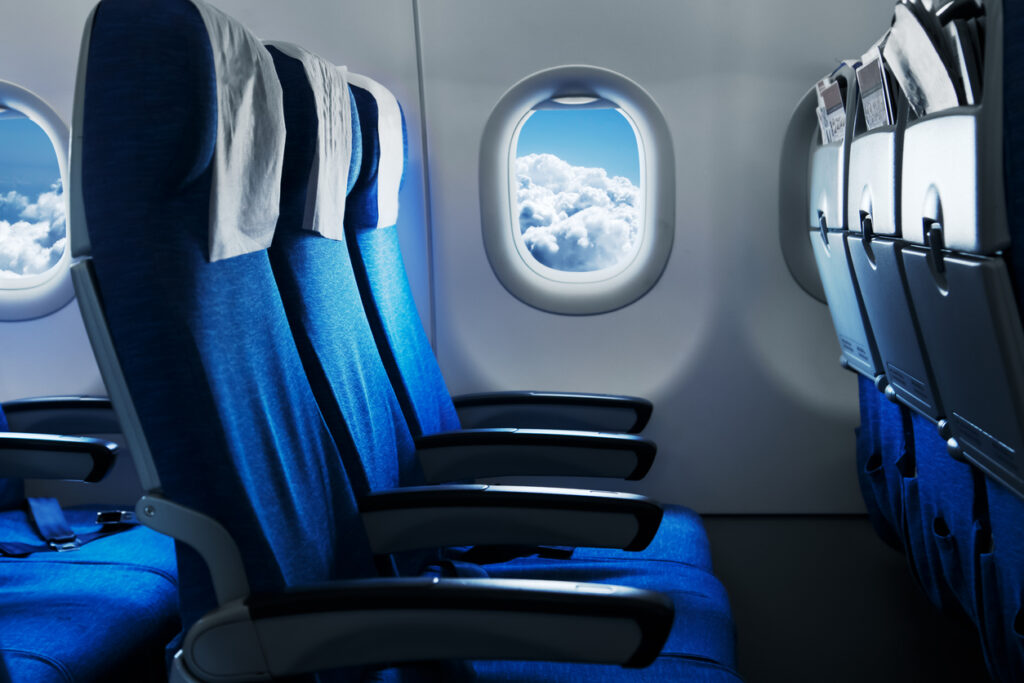
You may not notice it at first, but once you start paying attention, airplane seats almost always seem to come in shades of blue. It feels familiar, almost expected, like something that quietly belongs to the flying experience. Airlines did not arrive at this choice by accident. Over time, they noticed how much these seats go through in a single day. Hundreds of passengers board, settle in, shift around, eat snacks, spill drinks, and drag bags across the cushions. It is constant movement, constant contact, and constant pressure on the fabric. Airlines needed a color that could quietly handle all that activity without looking worn too quickly. That is where blue found its place.
Darker shades of blue naturally hide stains, fading, and small scuffs that would stand out on lighter fabrics. A spilled drink or shoe mark becomes less noticeable, helping the cabin appear cleaner between deeper cleanings. Since aircraft operate multiple flights daily, cleaning time is limited, and blue helps bridge that gap. Passengers may not realize it, but they respond to how fresh a cabin looks. Over time, this practical advantage made blue a dependable solution. It keeps cabins looking neat longer, reduces maintenance pressure, and quietly supports the smooth rhythm of travel.
2. Blue Feels Calmer For Nervous Flyers
Flying can feel routine for some travelers, but for others, it still brings a quiet sense of unease. You see it in small ways, someone holding their armrest during takeoff, another passenger glancing outside as the engines power up. Airlines understand that emotions play a role in how people experience a flight, and the environment inside the cabin matters more than we often realize. Color is one of those subtle tools designers use to shape that atmosphere. Blue naturally creates a calmer setting, and over time airlines noticed that passengers seemed more relaxed in cabins filled with cooler, softer tones.
Blue often reminds people of open skies and calm water, which brings a sense of steadiness. When passengers step into a cabin with gentle blue seating, the space feels less crowded and more composed. This does not remove the stress of flying, but it softens the experience. Even those who are not nervous benefit from a calmer environment during long flights. Over time, blue quietly became part of how airlines create comfort. It helps passengers settle in, relax, and ease into the journey without even thinking about it.
3. Blue Ages Better Over Time
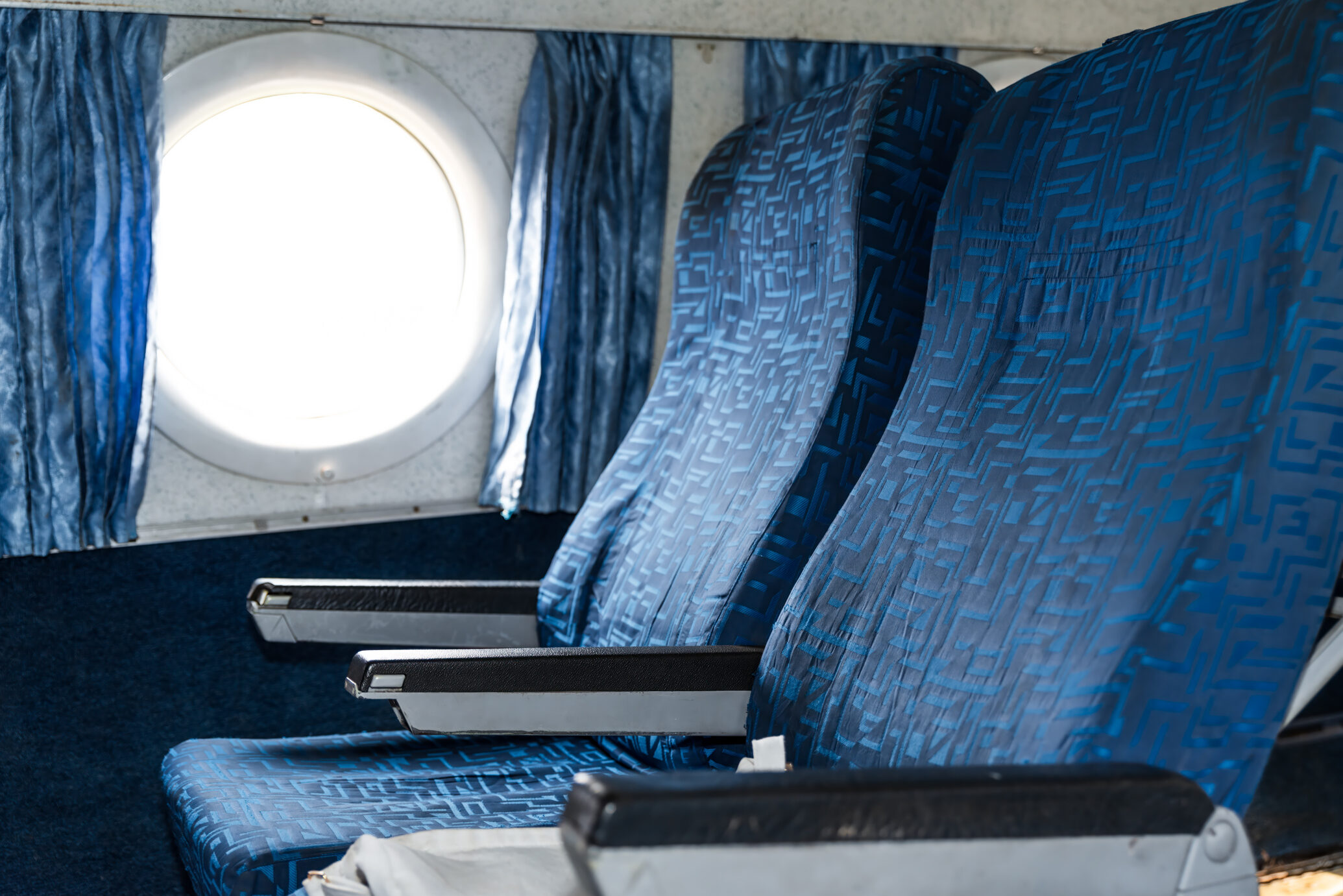
Airplane seats are designed to last for years, not just a short season. During that time, they face constant friction from clothing, bags, and movement. Cabin lighting and sunlight also affect how colors appear, especially during long hours in the air. Some colors begin to fade quickly, while others start to look dull after repeated use. Airlines noticed that blue holds its appearance better than many alternatives. Even after months of heavy use, blue fabrics tend to look steady and consistent, which helps cabins maintain a polished feel.
This durability makes a real difference in how passengers perceive the aircraft. When seats continue to look fresh, the cabin appears newer, even if the aircraft has been in service for years. That consistency helps airlines maintain a clean and professional image without frequent replacements. Passengers may not think about how long those seats have been used, but they notice when everything looks well maintained. Over time, blue proved to be a reliable choice. It balances longevity, appearance, and practicality in a way that supports the everyday demands of air travel.
4. Blue Matches Airline Branding Easily
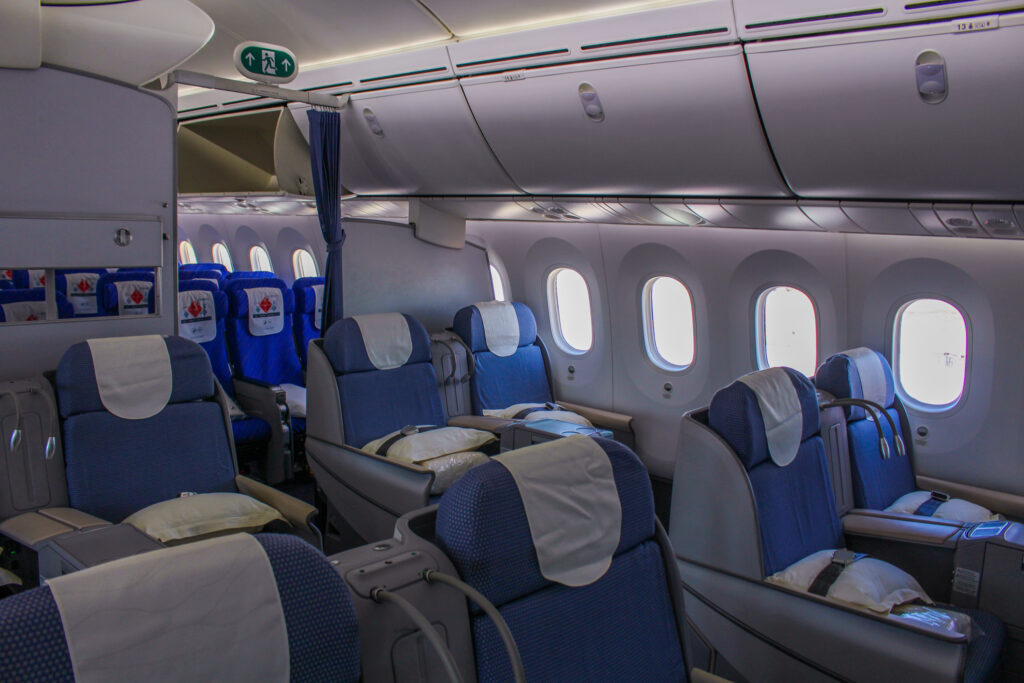
Airlines refresh their branding from time to time, whether through new logos, updated uniforms, or redesigned cabin details. Choosing a flexible base color makes those transitions smoother. Blue works naturally with many different brand colors, from bright accents to neutral tones. Designers often prefer colors that will not clash when updates happen, and blue offers that flexibility. It allows airlines to evolve their look without replacing every seat, which saves time and cost while keeping the cabin visually balanced.
When everything inside the aircraft feels coordinated, the experience becomes more welcoming. Blue allows logos, headrest covers, and uniforms to stand out without overwhelming the space. Passengers may not consciously notice branding details, but they respond to how organized the environment feels. Over time, blue became a reliable foundation for airline design. It supports visual harmony, simplifies updates, and helps maintain a consistent appearance across fleets. This quiet adaptability is one reason blue continues to show up in cabins around the world.
5. Blue Looks Cleaner Under Cabin Lighting
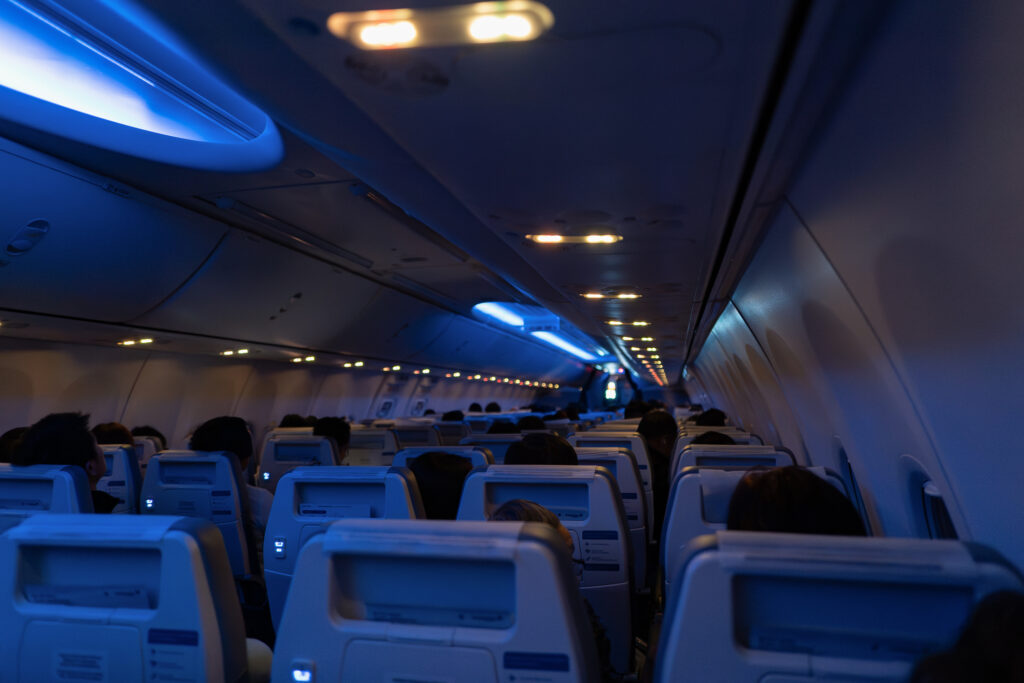
Lighting inside an airplane changes throughout the journey. During boarding, the cabin is bright and welcoming. Later, lights dim to help passengers relax, especially on overnight flights. Then they brighten again for meals or landing. Some colors look uneven under these shifting conditions, which can make seats appear worn even when they are clean. Blue tends to maintain a steady appearance across different lighting environments, helping cabins look consistent from start to finish.
This consistency helps create a smoother experience for passengers. When lighting changes, blue remains balanced rather than harsh or faded. During long flights, this matters more than we realize. Passengers spend hours in the same space, and visual comfort plays a role in how relaxed they feel. Designers noticed that blue performed well under varying light conditions, making it easier to maintain a calm and tidy atmosphere. Over time, this practical advantage helped reinforce blue as a dependable and comfortable choice.
6. Blue Became The Industry Standard Over Time
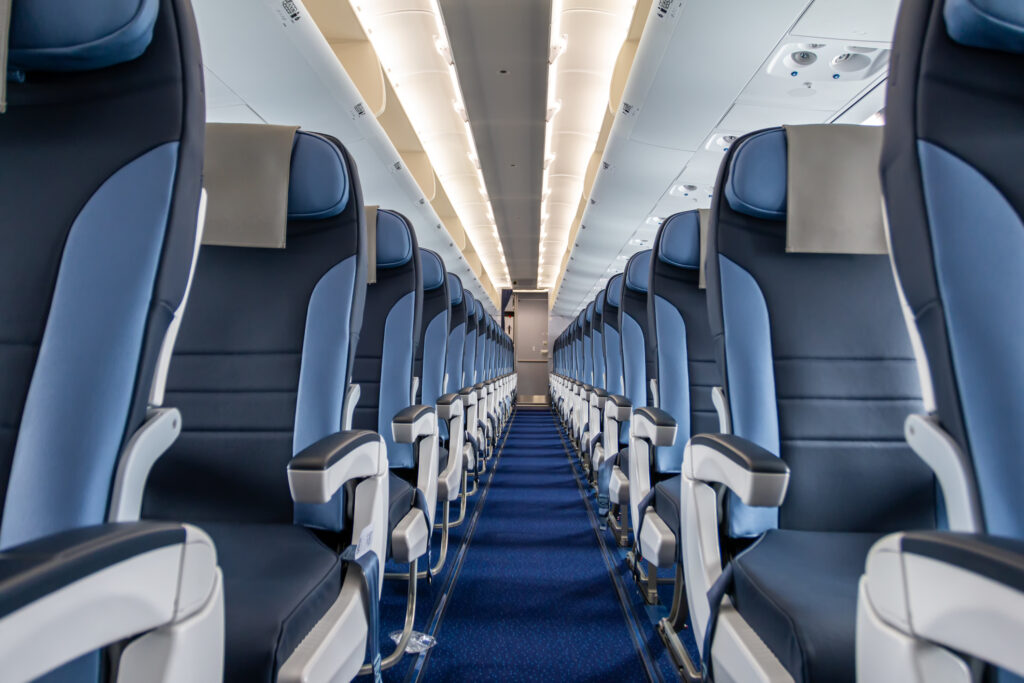
Sometimes, a design choice becomes common simply because it works. Early airlines experimented with different colors, but blue quickly proved to be practical and comfortable. As more airlines adopted it, passengers began to associate blue seats with flying itself. Over time, this familiarity made blue feel like the natural option. Airlines often avoid changing elements that already support passenger comfort, and blue quietly delivered consistency.
This gradual shift turned blue into an industry habit. New airlines followed the trend because it felt dependable and recognizable. Passengers moving between aircraft still encountered a familiar environment, which helped create continuity across travel experiences. When something quietly supports comfort and practicality, there is little reason to change it. Blue seats became part of the shared visual experience of flying. Over time, the color moved from practical decision to quiet tradition.
7. Blue Works Well With Cabin Materials
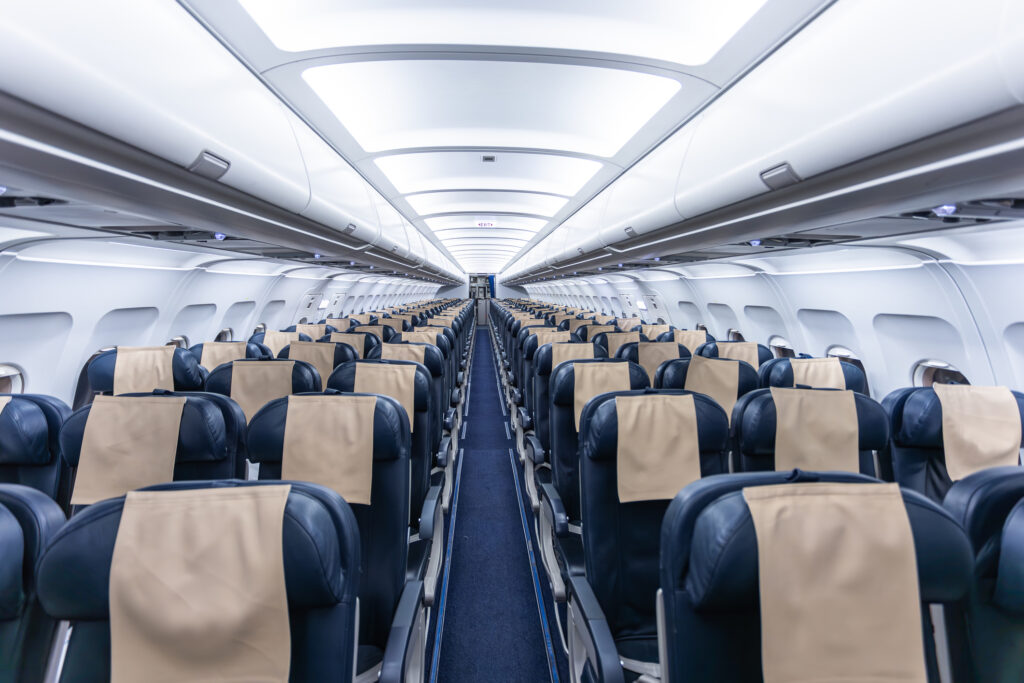
Airplane interiors combine plastics, metals, carpets, and fabrics, all within a compact space. Not every color blends well with these materials, but blue tends to harmonize naturally with common cabin finishes. Gray plastics, metallic surfaces, and neutral flooring all pair comfortably with blue tones. Designers often look for colors that support a cohesive environment, and blue offers that flexibility without requiring complex customization.
This compatibility helps airlines maintain consistency across different aircraft models. When passengers move between planes, the overall experience still feels familiar. Blue quietly supports that continuity, making travel feel smoother and more predictable. It also simplifies design decisions and reduces production complexity. Over time, this practical benefit reinforced blue as a dependable choice. It blends easily, looks balanced, and helps create the seamless cabin environment travelers have come to expect.
8. Blue Feels More Professional And Neutral
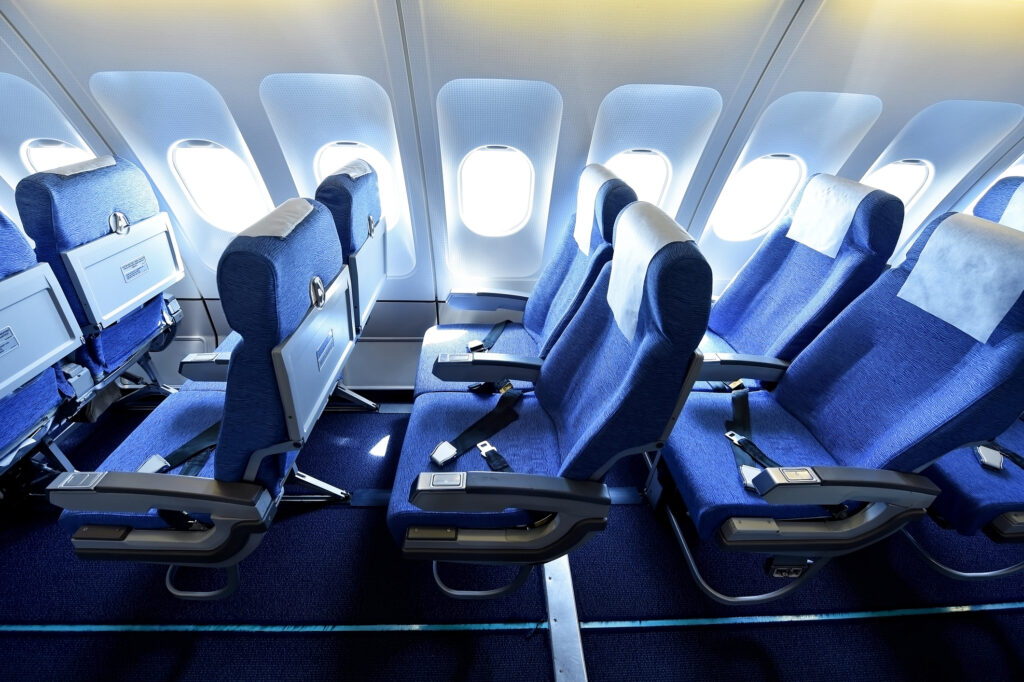
When you step into an airplane cabin, there is an unspoken expectation that everything should feel orderly and professional. Airlines work hard to create that impression from the moment passengers board. Color plays a quiet but important role in setting that tone. Blue naturally feels neutral, calm, and professional without drawing too much attention. It does not feel too bold or distracting, which helps create a balanced environment where passengers can settle in comfortably. Over time, airlines noticed that blue helped maintain a composed and structured atmosphere inside the cabin.
Bright colors can sometimes feel overwhelming in enclosed spaces, especially during long flights. Blue, on the other hand, stays subtle and comfortable to look at for hours. It also works well across different cultures and preferences, which matters for international travel. Passengers from different backgrounds tend to respond positively to neutral tones. This makes blue a safe and dependable choice. Over time, airlines leaned into this quiet professionalism. The result is a cabin environment that feels calm, organized, and welcoming without trying too hard.
9. Blue Does Not Show Dirt As Easily
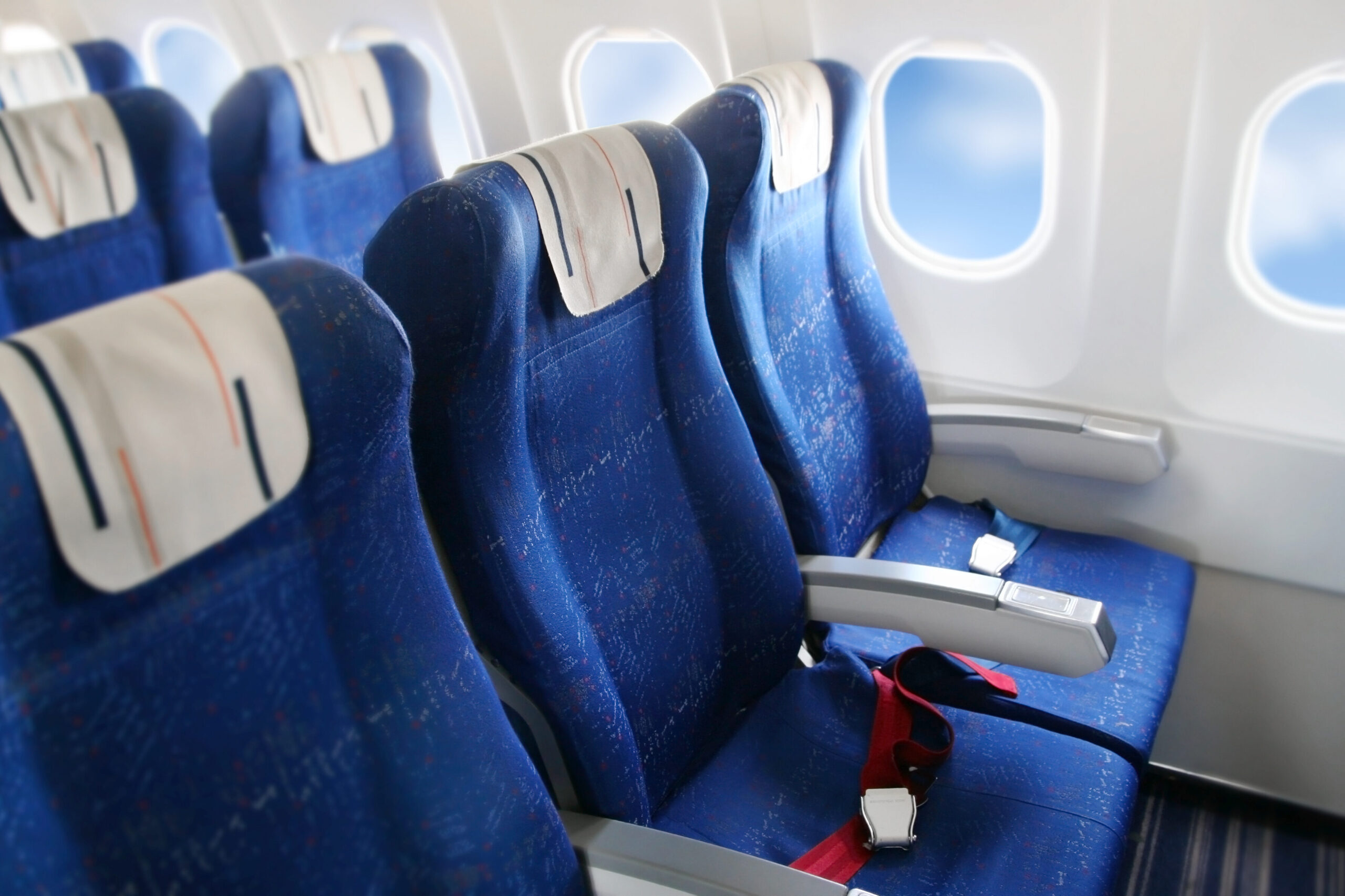
Air travel involves constant movement, and with that comes dust, crumbs, and small spills. Passengers bring in dirt from airports, walkways, and luggage compartments. Even with regular cleaning, seats still face daily exposure to small messes. Airlines quickly realized that lighter colors made dirt more noticeable, which made cabins appear worn faster. Blue helped solve that problem in a simple and practical way.
Darker shades of blue make small particles and marks less visible, helping the cabin look cleaner between maintenance cycles. This matters especially on busy routes where aircraft operate multiple flights in a single day. Passengers often judge cleanliness quickly when they board, and blue helps create a positive first impression. Over time, this practical benefit became hard to ignore. Blue quietly keeps the cabin looking tidy, even when travel gets hectic. That everyday advantage helped make blue one of the most reliable choices for airline seating.
10. Blue Works Across Different Aircraft Types
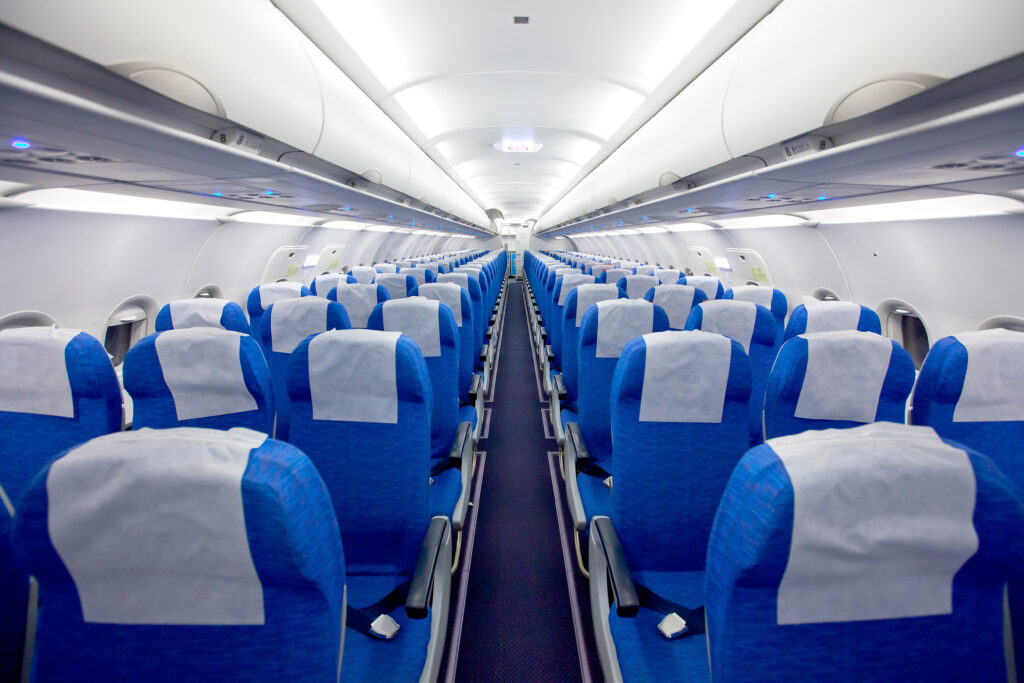
Airlines operate different aircraft depending on routes, passenger numbers, and travel distance. Some planes are small and compact, while others are wide and spacious for long haul journeys. Designers need a color that works well in both settings without feeling out of place. Blue naturally adapts to these differences. In smaller cabins, it helps reduce the feeling of tightness, while in larger cabins, it maintains a calm and cohesive atmosphere. This flexibility makes blue an easy and practical choice across fleets.
Passengers may not always fly on the same aircraft, even when traveling with the same airline. When the cabin still looks familiar, the experience feels more comfortable and predictable. Blue helps create that continuity. It blends well with different lighting, seat layouts, and cabin sizes without requiring major design changes. Over time, airlines recognized that blue worked consistently across aircraft types. That reliability helped reinforce its place as a trusted and widely used seating color.
11. Blue Handles Fabric Texture Better
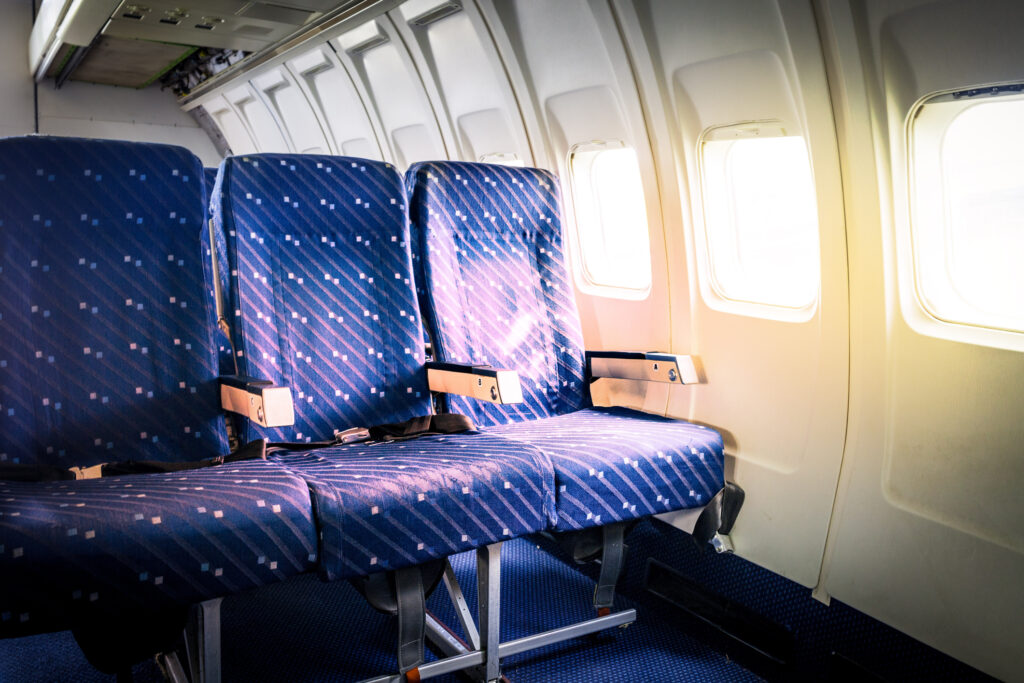
Airplane seats are made from durable materials designed to handle constant use. These fabrics often include subtle textures or patterns that help hide signs of wear. Blue works especially well with these textures, allowing designers to create patterns that remain understated and balanced. This makes the seats look neat even after months of frequent use. The texture blends naturally with the color, helping reduce the visibility of creases and scuffs.
Passengers may not consciously notice these small details, but they contribute to the overall comfort of the cabin. Blue textured fabrics feel softer to the eye and less distracting during long flights. This matters when passengers spend hours looking at the same surroundings. Over time, airlines discovered that blue allowed them to create durable seating that still looked inviting. The combination of texture and color helped maintain both comfort and appearance, which made blue an even more practical option.
12. Blue Feels Cooler In Enclosed Spaces
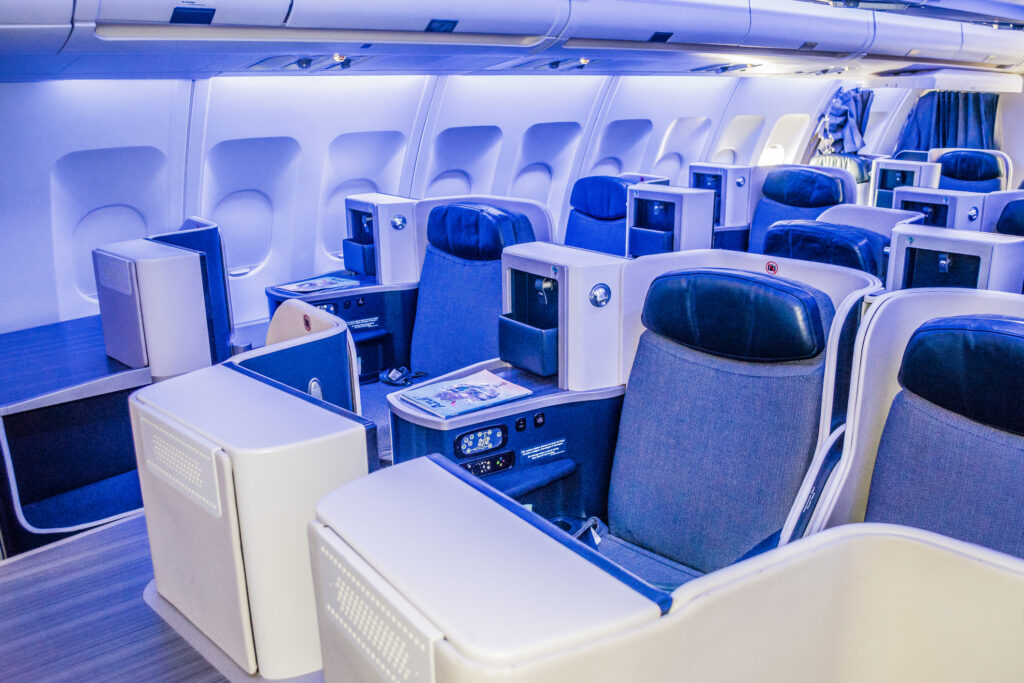
Airplane cabins are enclosed environments where passengers sit close together for extended periods. Colors can influence how spacious or comfortable a space feels. Blue naturally creates a cooler and more open visual effect. This helps reduce the feeling of crowding, especially during full flights. When passengers enter a cabin filled with calm tones, the space often feels less overwhelming.
Warm colors can sometimes make enclosed spaces feel tighter or more intense. Blue has the opposite effect. It softens the atmosphere and helps create a relaxed environment. This becomes particularly helpful on long journeys where comfort matters most. Passengers may not think about color directly, but they respond to how the space feels. Over time, airlines recognized that blue contributed to a calmer and more comfortable cabin. This quiet advantage helped reinforce blue as a natural choice for seating.


