
1. Adolf Hitler And The Machinery Of Hate
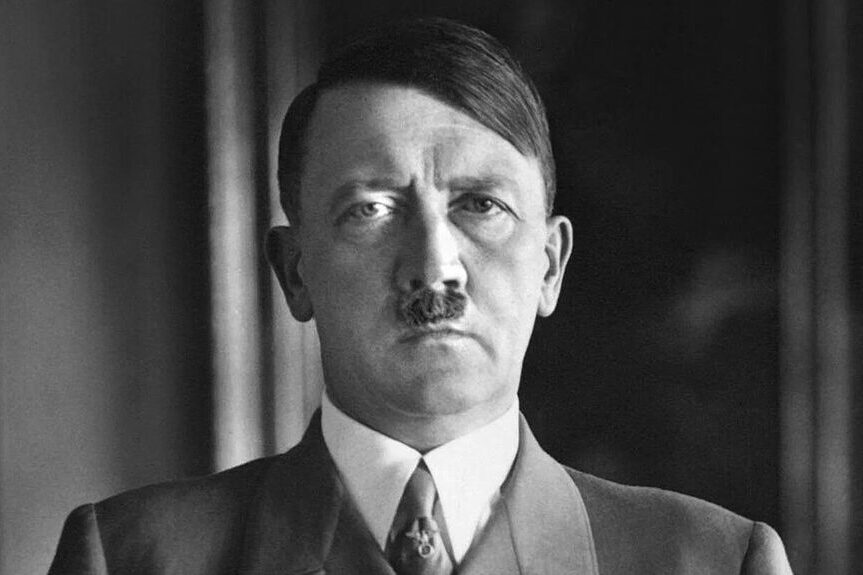
Some names still make history feel closer than we expect, and Adolf Hitler is one of them. His rise in 1930s Germany came during economic struggle and uncertainty, which made his promises of national pride appealing to many people. What began as political ambition slowly turned into something darker. Through propaganda, strict control, and growing persecution, Hitler built a system that targeted Jews and many other groups. The Holocaust followed, resulting in the deaths of six million Jews and millions of others across Europe. Families were separated, communities disappeared, and fear became part of everyday life.
As Hitler expanded Germany’s reach, World War II followed and reshaped the world. Tens of millions of people died, and entire cities were destroyed. What still feels difficult to understand is how ordinary systems became part of the cruelty. Schools, media, and government offices all played roles in enforcing harmful policies. Many people complied quietly, sometimes out of fear and sometimes out of belief. Hitler’s legacy remains a reminder that dangerous ideas rarely appear suddenly. They often grow slowly, shaping everyday life before people fully recognize how much has already changed.
2. Joseph Stalin And Rule Through Fear
Joseph Stalin’s leadership in the Soviet Union left a lasting mark that still shapes conversations about power and control. After rising to leadership in the 1920s, Stalin built a government centered on authority and suspicion. Political opponents were removed, and ordinary citizens often lived with quiet uncertainty. The Great Purge became one of the most troubling periods, where many people were arrested, imprisoned, or executed based on accusations that were sometimes unclear. Families often woke up to find loved ones gone, unsure if they would ever return.
Stalin’s economic policies also reshaped daily life. Forced collectivization of farms led to famine, particularly in Ukraine, where millions died from hunger and hardship. Labor camps known as Gulags became part of the system, sending prisoners to harsh environments. What made Stalin’s rule especially unsettling was how fear became normal. People avoided speaking openly, and trust became fragile. Neighbors watched neighbors, and silence often felt safer than conversation. Stalin’s legacy still serves as a reminder that leadership built on fear can reshape not just governments but also the emotional lives of ordinary people.
3. Mao Zedong And Policies That Cost Millions
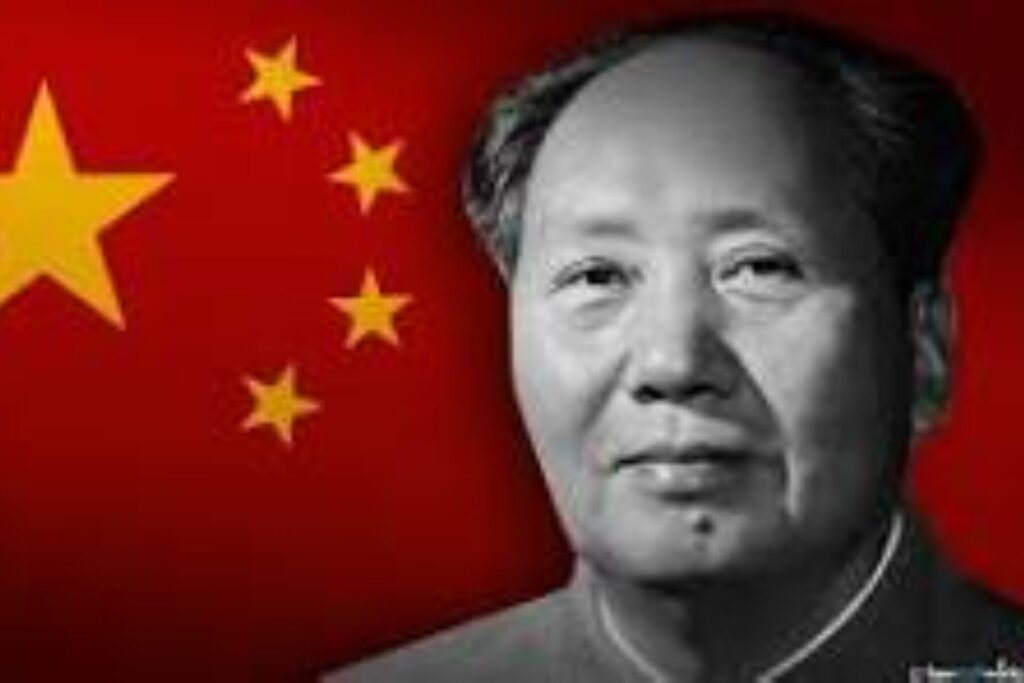
Mao Zedong helped shape modern China, yet his leadership also brought painful consequences for millions. When Mao launched the Great Leap Forward in the late 1950s, the goal was rapid industrial growth and agricultural transformation. Communities were reorganized, and production targets were set high. But the results were devastating. Poor planning and unrealistic expectations contributed to famine across large regions. Families struggled to find food, and millions lost their lives during this period. Villages that once supported themselves found daily survival becoming increasingly difficult.
Later, Mao introduced the Cultural Revolution, which encouraged young people to challenge teachers, intellectuals, and traditions. Schools closed, families were divided, and public criticism became common. People were often punished for their beliefs or backgrounds. Everyday life became unpredictable, and long held traditions were disrupted. Mao remains a complex figure, praised by some for unifying China but criticized for the suffering that followed his policies. His story reminds us how ambitious reforms can create unintended consequences, especially when ideas move faster than practical planning and ordinary people carry the burden.
4. Pol Pot And The Empty Cities
Pol Pot’s rule in Cambodia during the 1970s reshaped the country in ways that still echo today. When the Khmer Rouge took control in 1975, they aimed to create a rural farming society. Cities were emptied almost overnight, and families were forced into the countryside. Professionals, teachers, and educated individuals were often treated as threats. Everyday life changed quickly, and survival became uncertain. Schools, businesses, and hospitals were abandoned as communities were reorganized into labor groups.
The years that followed brought hunger, exhaustion, and fear. People worked long hours in difficult conditions, and many died from starvation, illness, or execution. Nearly a quarter of Cambodia’s population was lost during this period. What makes Pol Pot’s rule particularly unsettling is how quickly normal life disappeared. Conversations became quiet, and trust faded. Survivors later shared stories of resilience, but also of loss that still shapes generations. Pol Pot’s legacy remains a reminder that extreme visions, when forced on people, can transform entire societies faster than anyone expects.
5. King Leopold II And The Congo Tragedy
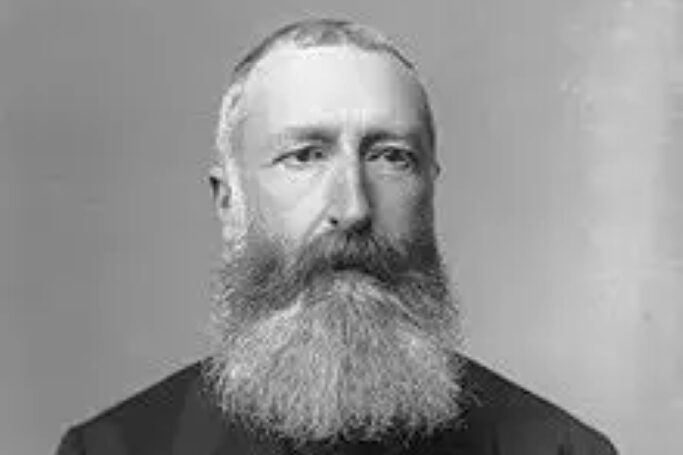
King Leopold II of Belgium ruled the Congo Free State in the late nineteenth century, and his leadership became one of the most troubling colonial stories. The region was rich in rubber, and production demands increased quickly. Local communities were required to meet quotas, and failure often led to punishment. Villages were disrupted, and families were separated as people were forced into labor. What began as economic ambition soon created widespread suffering.
Reports from missionaries and travelers revealed harsh conditions and violence. Millions of people died from forced labor, starvation, and disease. The distance between Leopold and the Congo made the situation even more unsettling, since decisions made far away shaped daily life for millions. Eventually, international pressure led Belgium to take control of the territory. Today, Leopold’s legacy remains a difficult chapter in both African and European history. His story reminds us that economic ambition without accountability can quietly lead to devastating consequences that affect generations.
6. Idi Amin And Uganda’s Years Of Fear
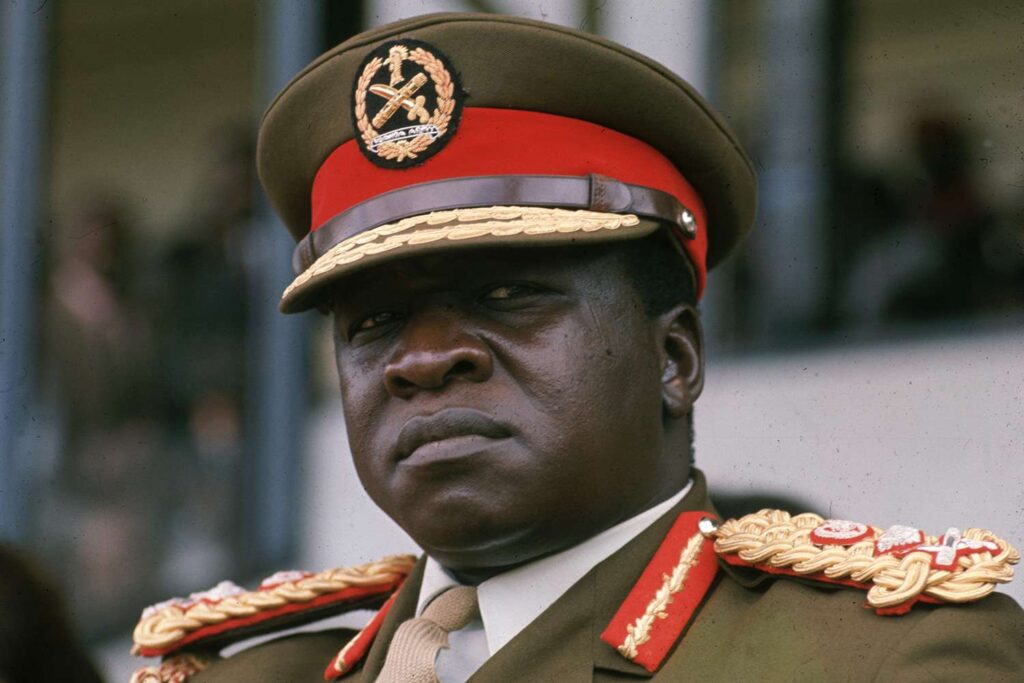
Idi Amin ruled Uganda during the 1970s, and his leadership quickly became associated with fear and uncertainty. After seizing power in 1971, Amin promised change and national pride. But his rule soon turned unpredictable. Political opponents disappeared, and communities lived with growing tension. Many professionals and intellectuals fled the country, leaving institutions weakened and families separated.
Amin also expelled tens of thousands of Asians from Uganda, disrupting businesses and the economy. Violence and instability increased, and many citizens felt unsure about the future. Reports of human rights abuses spread beyond Uganda, shaping how the world viewed his leadership. By the time Amin was removed from power in 1979, the country had endured years of instability. His legacy remains tied to uncertainty and fear, reminding us how leadership decisions can reshape daily life and create lasting challenges long after power changes hands.
7. Benito Mussolini And The Rise Of Fascism
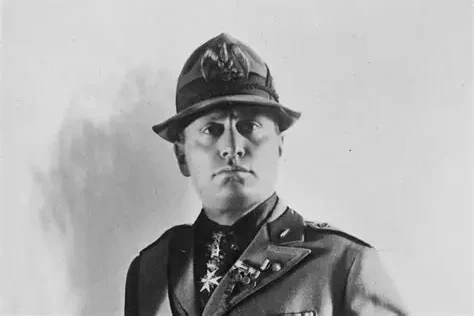
Benito Mussolini’s rise in Italy during the early twentieth century felt, at first, like a promise of order during uncertain times. Many Italians were frustrated after World War I, and Mussolini presented himself as someone who could restore national pride. But as his influence grew, so did his control. Political opponents were silenced, media was restricted, and fear slowly became part of everyday life. Fascism under Mussolini emphasized loyalty to the state above individual freedom, and dissent became dangerous.
Mussolini later aligned with Adolf Hitler, drawing Italy into World War II and deepening the country’s instability. Military failures and economic strain followed, leaving citizens struggling through uncertainty and hardship. Over time, public support faded as the consequences of his leadership became clearer. Mussolini’s rule reminds us how quickly power can concentrate when people seek strong leadership during difficult times. His legacy remains tied to authoritarian control and the lasting impact of decisions made during moments when fear and frustration shaped public choices.
8. Saddam Hussein And Power Through Control
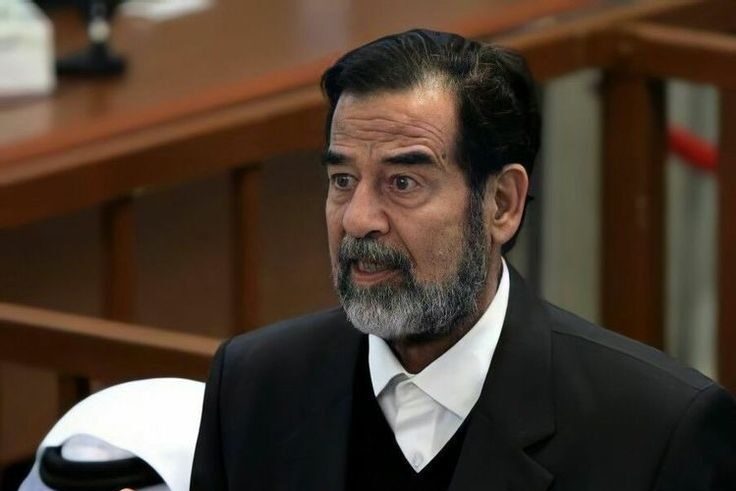
Saddam Hussein ruled Iraq for decades, and his leadership shaped both the country and the wider region. Rising to power in 1979, Saddam built a government centered on loyalty and authority. Political opponents were removed, and dissent became risky. Many Iraqis lived carefully, unsure how openly they could speak. His government maintained control through security forces and strict oversight, creating an atmosphere where silence often felt safer.
Conflicts during Saddam’s rule, including the Iran Iraq War and the invasion of Kuwait, brought further instability. Economic hardship followed, and ordinary citizens carried much of the burden. Reports of repression and human rights concerns shaped global views of his leadership. By the time Saddam was removed from power in 2003, Iraq had experienced years of tension and uncertainty. His legacy remains complex, but it also reflects how long periods of centralized power can reshape institutions, communities, and daily life in ways that continue long after leadership changes.
9. Kim Jong Il And Isolation And Control
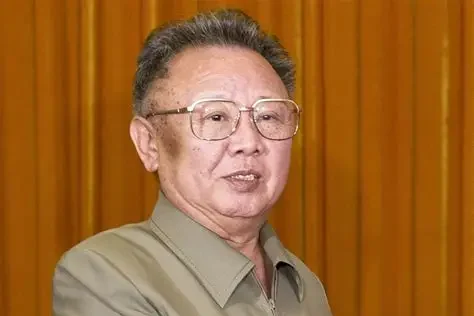
Kim Jong Il led North Korea from 1994 to 2011, continuing the leadership style established by his father. Under his rule, the country remained largely isolated from the outside world. Information was tightly controlled, and citizens often had limited access to global news. This isolation shaped everyday life, where loyalty to leadership became central to society. Public messaging emphasized unity and discipline, while personal freedoms remained restricted.
During Kim Jong Il’s leadership, North Korea faced economic challenges and food shortages. Many families struggled with limited resources, and daily life required resilience. The government maintained strong control over movement and communication, reinforcing isolation. Kim Jong Il’s leadership continues to influence North Korea today, since many systems remained in place after his passing. His legacy reminds us how isolation can shape a nation’s development and how leadership styles can extend beyond one generation, quietly influencing everyday life for years.
10. Vlad The Impaler And Fear As A Tool
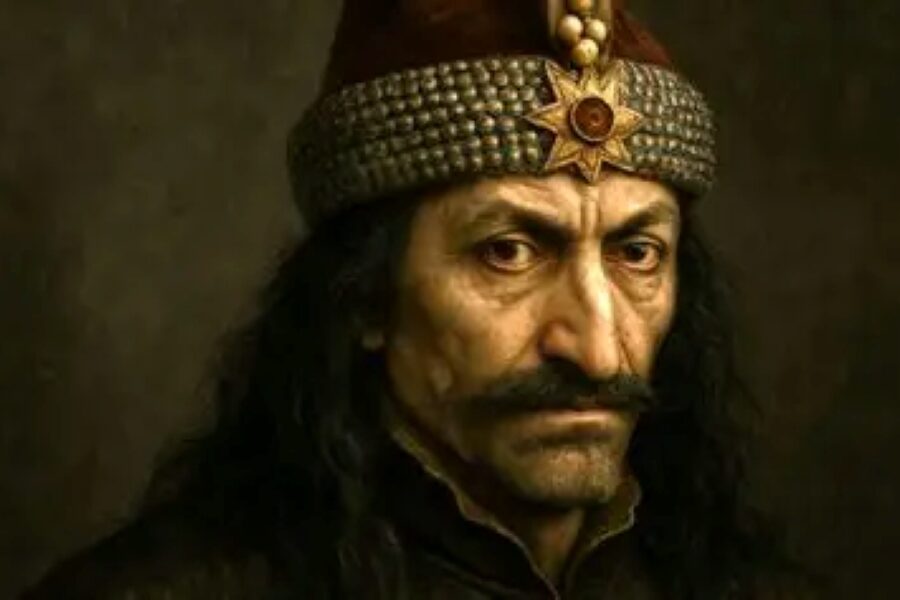
Vlad III, often known as Vlad the Impaler, ruled parts of Eastern Europe during the fifteenth century. His leadership became known for harsh punishments, which he used to maintain authority. Stories of impalement spread widely, creating fear among enemies and citizens alike. While some accounts describe him as defending his territory, others focus on the brutality of his methods. His reputation grew over time, shaping both history and folklore.
Vlad’s rule reflected a period when leaders often relied on intimidation to maintain control. The fear surrounding his leadership became part of regional memory and later influenced fictional stories. What remains notable is how his reputation traveled beyond his lifetime, blending history and legend. Vlad’s story reminds us how leadership rooted in fear can leave lasting impressions, shaping how generations remember both the person and the time in which they lived.
11. Ivan The Terrible And A Reign Of Suspicion
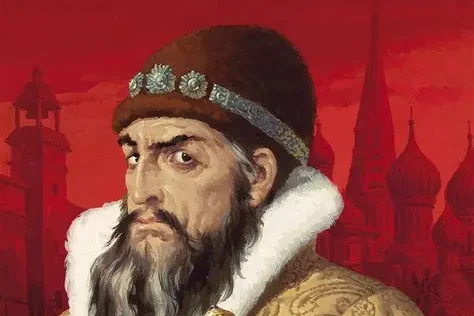
Ivan IV of Russia, often called Ivan the Terrible, ruled during the sixteenth century and left a complicated legacy. Early in his reign, reforms brought some stability, but over time his leadership grew increasingly harsh. Suspicion of betrayal led to crackdowns, and many people were punished during campaigns aimed at securing power. Communities experienced uncertainty, and fear shaped daily life.
Ivan created a force known as the Oprichniki, which enforced his authority and targeted perceived enemies. Cities such as Novgorod suffered during these campaigns, leaving lasting memories of hardship. What makes Ivan’s story notable is how leadership shifted from reform to fear. His rule shows how power can change leaders themselves, shaping decisions that affect entire populations. Ivan’s legacy remains a reminder that suspicion and unchecked authority can reshape societies in ways that echo long after the ruler is gone.
12. Genghis Khan And Conquest And Consequences
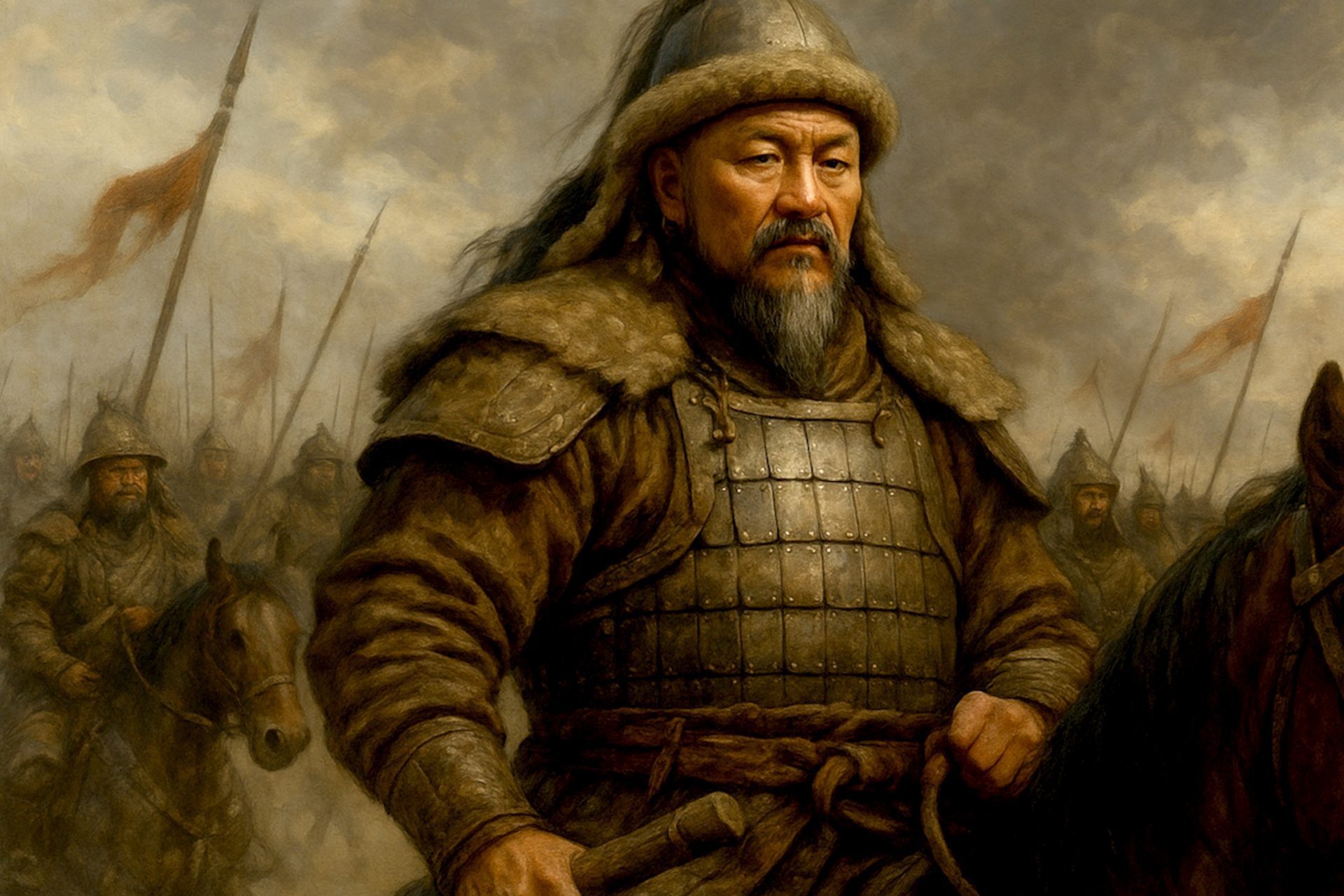
Genghis Khan built one of the largest empires in history, stretching across vast regions of Asia and Europe. His leadership brought rapid expansion, and many cities surrendered quickly to avoid conflict. But resistance often led to destruction, and populations were displaced during campaigns. His armies moved swiftly, reshaping territories and trade routes.
While Genghis Khan also encouraged trade and communication across regions, the cost of conquest was significant. Many communities experienced upheaval, and cultural landscapes changed. His story reflects the complexity of historical figures who shaped the world through both expansion and disruption. Genghis Khan’s legacy remains tied to ambition, movement, and the lasting effects of conquest, showing how large scale leadership decisions can transform geography and daily life for generations.
13. Francisco Franco And A Long Quiet Fear
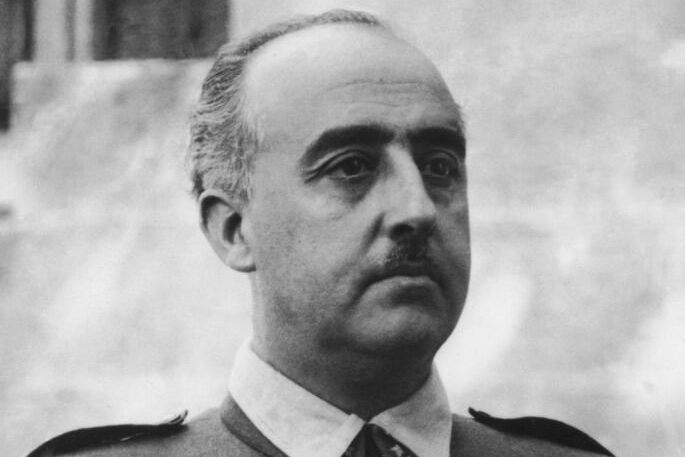
Francisco Franco ruled Spain for decades after the Spanish Civil War, and his leadership shaped everyday life in quiet but lasting ways. When Franco took power in 1939, the country was already divided and exhausted. His government emphasized order, tradition, and strict control. Political opposition was limited, and many people learned to speak carefully. Over time, families adjusted to a society where silence often felt safer than open disagreement. Cultural expression, media, and education were shaped by government expectations, which slowly influenced how people lived and interacted.
Franco remained in power until 1975, making his leadership one of the longest in modern Europe. During those years, Spain changed gradually, but the atmosphere of caution stayed with many communities. Some citizens supported the stability his rule offered, while others remembered restrictions and limited freedoms. When Franco’s rule ended, Spain moved toward democracy, but the transition also reflected decades of careful living. Franco’s legacy remains tied to how long leadership can shape habits, conversations, and expectations, even after change finally begins.
14. Nicolae Ceausescu And Control Behind Closed Doors
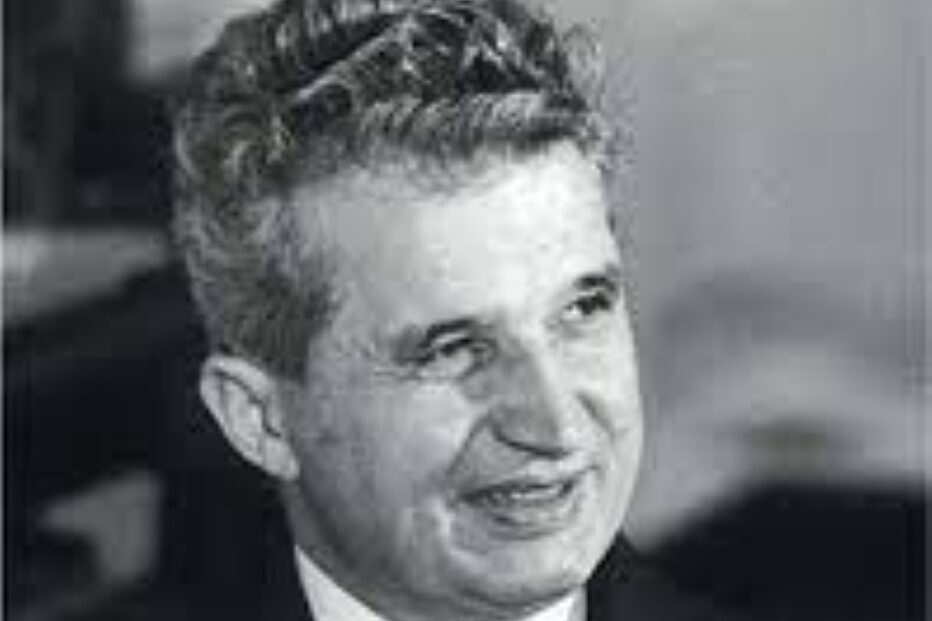
Nicolae Ceausescu ruled Romania for over two decades, and his leadership slowly tightened control over everyday life. At first, he was seen as a leader who might bring independence and progress. But over time, restrictions increased. Media was closely monitored, and citizens often felt watched. Daily life included shortages of food, electricity, and basic supplies, as economic policies placed pressure on ordinary families. People adapted quietly, learning to navigate long lines and limited resources.
Ceausescu’s government also emphasized loyalty and public displays of support. Large gatherings and speeches became common, even as private frustrations grew. By the late 1980s, dissatisfaction became more visible, leading to protests and eventual change in leadership. The sudden end of Ceausescu’s rule reflected how quickly long standing systems can shift when pressure builds. His legacy remains tied to how control behind closed doors can shape everyday experiences, creating a quiet tension that lingers long after leadership ends.
15. Bashar Al Assad And A Country In Conflict
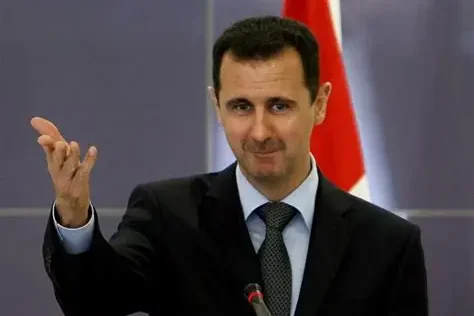
Bashar Al Assad became Syria’s president in 2000, following his father’s leadership. At first, some people hoped for gradual reform and modernization. But over time, political tensions grew, and protests in 2011 marked the beginning of a long and difficult conflict. Communities across Syria experienced disruption, displacement, and uncertainty. Families moved in search of safety, and everyday routines changed dramatically as the conflict continued.
The situation in Syria drew global attention, with different groups involved and long lasting consequences for the region. Cities changed, and generations grew up during instability. Assad’s leadership remains part of an ongoing conversation about governance, conflict, and resilience. His story is still unfolding, which makes it feel closer than many historical figures. It also reminds us that history is not always something that has already ended. Sometimes it is happening quietly around us, shaping lives in ways that will be understood more clearly in the years ahead.
16. Augusto Pinochet And Order And Uncertainty
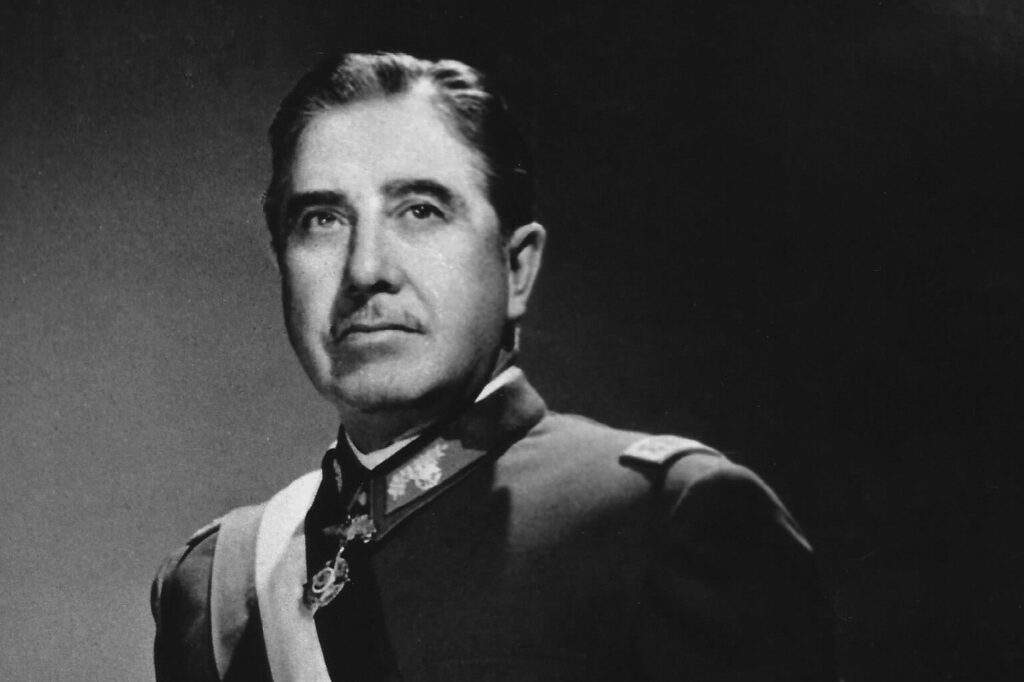
Augusto Pinochet took power in Chile in 1973 after a military takeover, and his leadership brought both order and uncertainty. Supporters believed his government would stabilize the economy, while critics worried about restrictions and political repression. During his rule, many political opponents were detained or forced into exile. Families were often left searching for answers about missing loved ones, and conversations about politics became cautious.
Pinochet remained in power for many years, and Chile experienced economic changes alongside political tension. Over time, public opinion shifted, and the country moved toward democratic elections. Pinochet’s leadership remains a complex chapter in Chile’s history, with debates continuing about stability, freedom, and accountability. His story reflects how leadership decisions can shape both economic progress and personal experiences, leaving communities to reflect on how those years influenced their lives and future direction.
17. Slobodan Milosevic And Division And Conflict
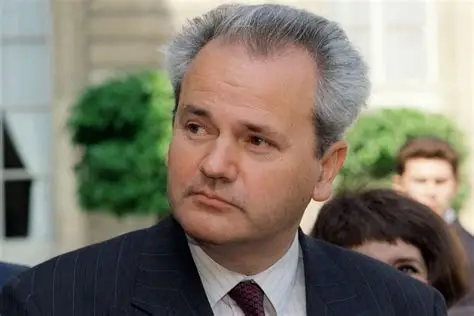
Slobodan Milosevic played a central role in the conflicts that affected the Balkans during the 1990s. As tensions grew between different groups, Milosevic’s leadership became closely tied to rising nationalism. Communities that had lived side by side for years found themselves divided. Conflict brought displacement, uncertainty, and emotional strain for families across the region.
The wars in the Balkans reshaped borders and left lasting memories of hardship. International involvement followed, and Milosevic later faced legal proceedings related to his role in the conflicts. His story reflects how leadership during tense moments can influence how communities view one another. Even after conflict ends, rebuilding trust takes time. Milosevic’s legacy remains connected to division and the long process of recovery that follows periods of instability.
18. Kim Jong Un And A Continuing Story
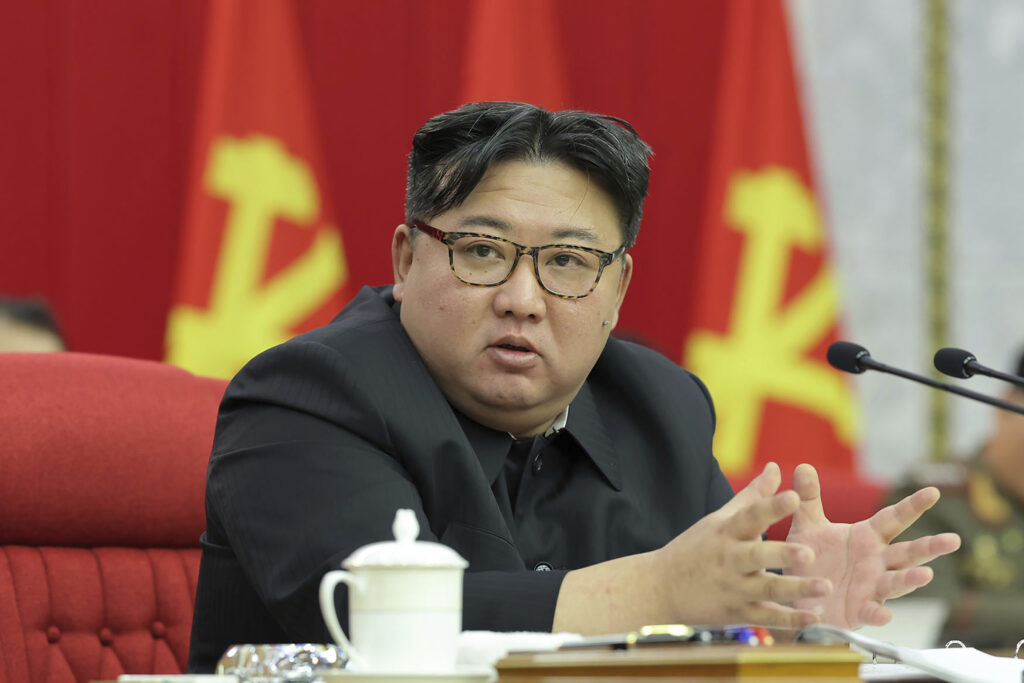
Kim Jong Un leads North Korea today, and his leadership connects past systems with present realities. When he took power in 2011, many observers wondered how the country might change. North Korea remains largely isolated, with strict control over information and movement. Daily life for many citizens is shaped by these systems, which have developed over generations.
Kim Jong Un’s leadership continues to influence global conversations, particularly around diplomacy and security. While some developments suggest gradual shifts, the overall structure remains familiar. His story feels different from earlier entries because it is still unfolding. The decisions made today will shape how future generations understand this period. As history continues to develop, Kim Jong Un’s leadership reminds us that the past and present often overlap. Understanding these figures helps us reflect on how leadership shapes everyday life and why paying attention to history still matters.
There is a lot of evil in the world. Leave a comment if we’re missing any that come to mind.


