
Not Using The Shiny And Dull Sides Correctly
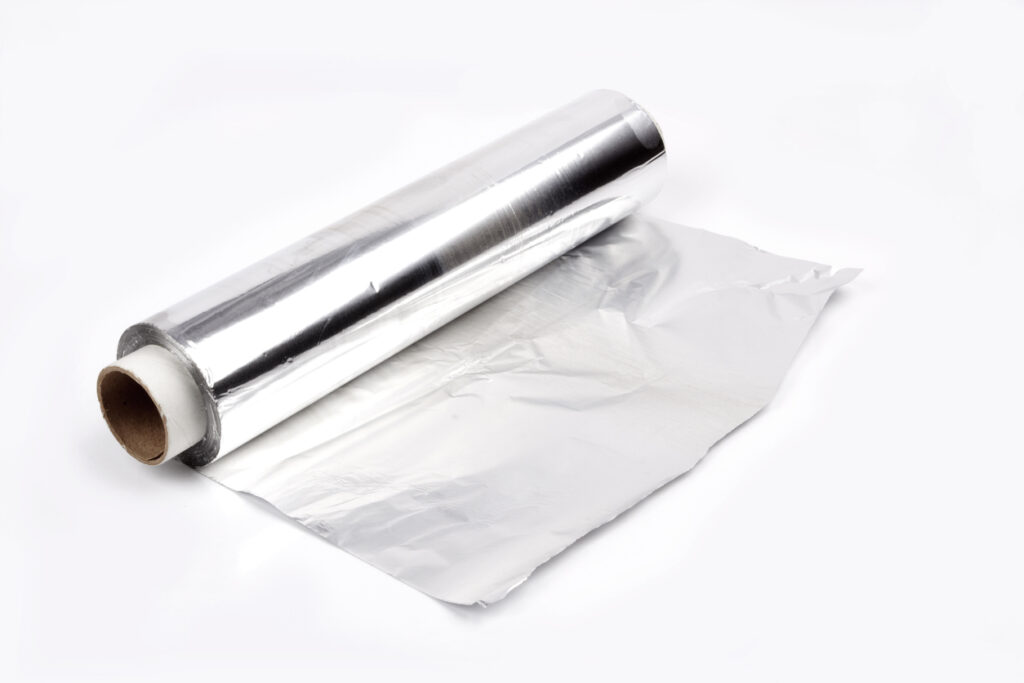
Aluminum foil is one of those quiet kitchen staples most of us grew up using without much thought. You tear a sheet, wrap leftovers, cover a pan, and move on. Somewhere along the way, many people heard that the shiny side matters, and suddenly it became a small kitchen debate. Some say the shiny side should face in, others insist it should face out. Over time, it became one of those kitchen rules people followed without really knowing why. In truth, the difference is minimal, and most everyday cooking does not depend on it. What actually matters more is how thoughtfully the food is wrapped. When foil is sealed gently around food, it holds in moisture and protects flavor, which is what most people are hoping for in the first place.
Once you stop worrying about which side is facing up and focus instead on sealing properly, foil starts doing what you always expected. Food reheats more evenly, vegetables stay tender, and meats keep their juiciness. It feels like a small shift, but it quietly improves everyday cooking. Many people notice that leftovers taste closer to when they were first prepared, which makes reheating more enjoyable. Over time, this small change becomes natural. You wrap more carefully, store food more intentionally, and the results become consistent. It stops feeling like a rule and starts feeling like a helpful habit. And sometimes, that is all it takes to make everyday cooking feel smoother.
Wrapping Food Too Loosely
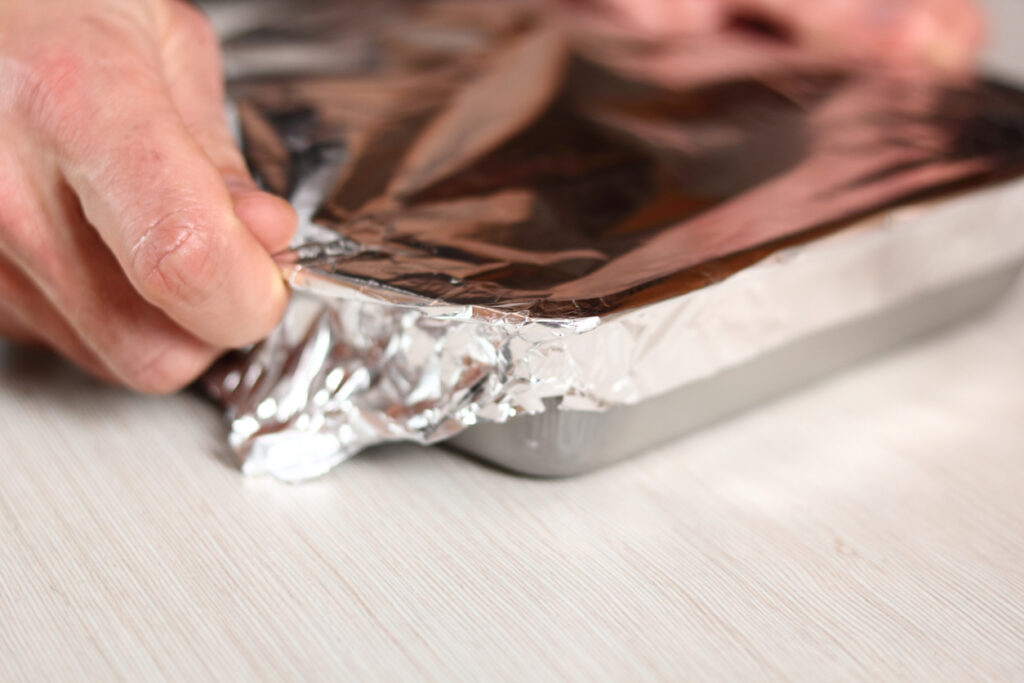
It often happens at the end of a long day. You are cleaning up, the kitchen is quiet, and you just want to get leftovers into the fridge quickly. You pull a sheet of foil, lay it over the dish, fold the edges once, and call it done. It feels efficient, and in the moment, that is all that matters. But loose wrapping allows air to circulate around the food. Overnight, that air slowly pulls moisture away, and by the next day, the rice feels dry, the chicken loses tenderness, and everything tastes slightly different. It is not always dramatic, just enough to notice. This is especially common with foods that rely on moisture, like pasta, roasted vegetables, or baked dishes.
When foil is wrapped snugly, it helps preserve moisture and keeps flavors intact. Leftovers stay softer, sauces hold their texture, and reheating becomes easier. It does not need to be perfect, just gently pressed around the food so air cannot easily sneak in. Over time, this small habit becomes automatic. You press the foil down without thinking, and the results quietly improve. Food tastes fresher, and fewer leftovers go to waste. It is one of those small kitchen adjustments that does not require new tools or extra time. Just a little more attention while wrapping can make yesterday’s meal feel much closer to today’s.
Using Foil For Acidic Foods Too Often
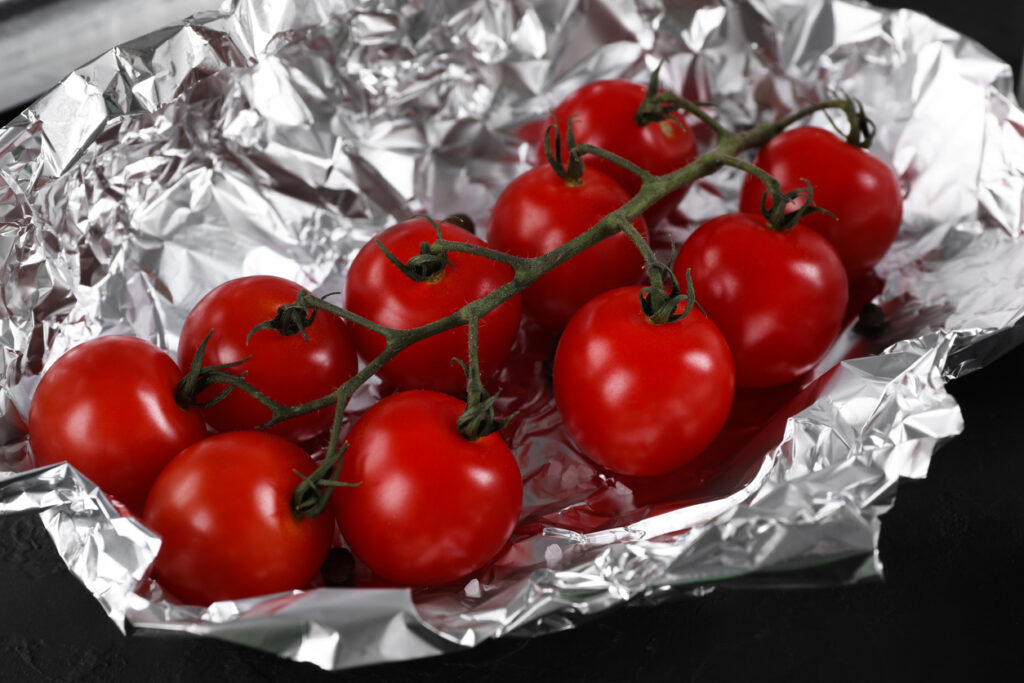
It feels natural to wrap almost anything in aluminum foil, especially when storing leftovers. Tomatoes, citrus dishes, and saucy meals often end up covered in foil without much thought. Over time, some people notice a slight change in taste, especially with tomato based dishes or foods that contain vinegar or lemon. The flavor might seem a little different, not unpleasant, just slightly muted or faintly metallic. Because the change is subtle, it is easy to overlook. Many people continue using foil this way for years without realizing that the acidity in certain foods can react gently with aluminum. It does not happen with every dish, but when it does, it can affect how fresh the food tastes.
A simple adjustment can help. Placing a layer of parchment paper between the food and foil creates a gentle barrier while still allowing the foil to seal everything properly. Once you try this, the difference becomes easier to notice. Flavors stay brighter, sauces taste fresher, and leftovers hold their original character. This works particularly well for baked fish, roasted vegetables, and saucy casseroles. It is not a complicated change, just a small extra step that quietly improves results. Many home cooks find that once they try this method, it quickly becomes part of their routine without much effort.
Lining The Bottom Of The Oven
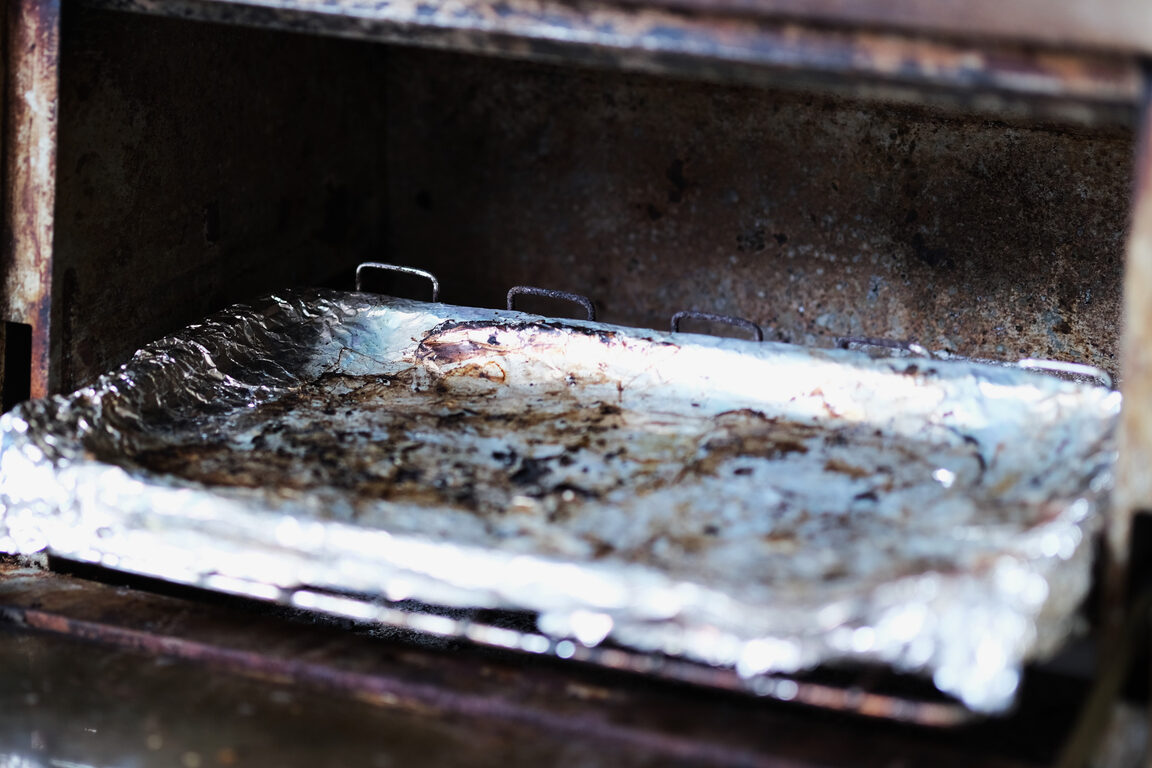
Lining the bottom of the oven with foil often feels like a smart shortcut. Spills are easier to manage, and cleanup becomes less stressful. It seems practical, especially when baking dishes that tend to bubble over. Many people adopt this habit early because it feels like a simple way to keep the oven clean. However, placing foil directly at the bottom of the oven can affect how heat moves around inside. When airflow is restricted, heat may not circulate evenly. This sometimes leads to uneven cooking, where one side browns faster than the other or dishes take longer than expected. It can be confusing when recipes suddenly behave differently, even though you followed the same steps.
A better option is placing foil on a lower rack beneath the dish instead of directly on the oven floor. This still catches drips but allows heat to circulate naturally. Once you try this, cooking tends to feel more consistent again. Cakes bake evenly, roasted vegetables brown more predictably, and casseroles cook at the expected pace. It is a small adjustment, but it keeps the oven working as intended. Over time, this habit becomes second nature. You still keep cleanup simple, but you also maintain reliable cooking results. It is one of those quiet improvements that helps everything run smoothly.
Using Foil In The Microwave
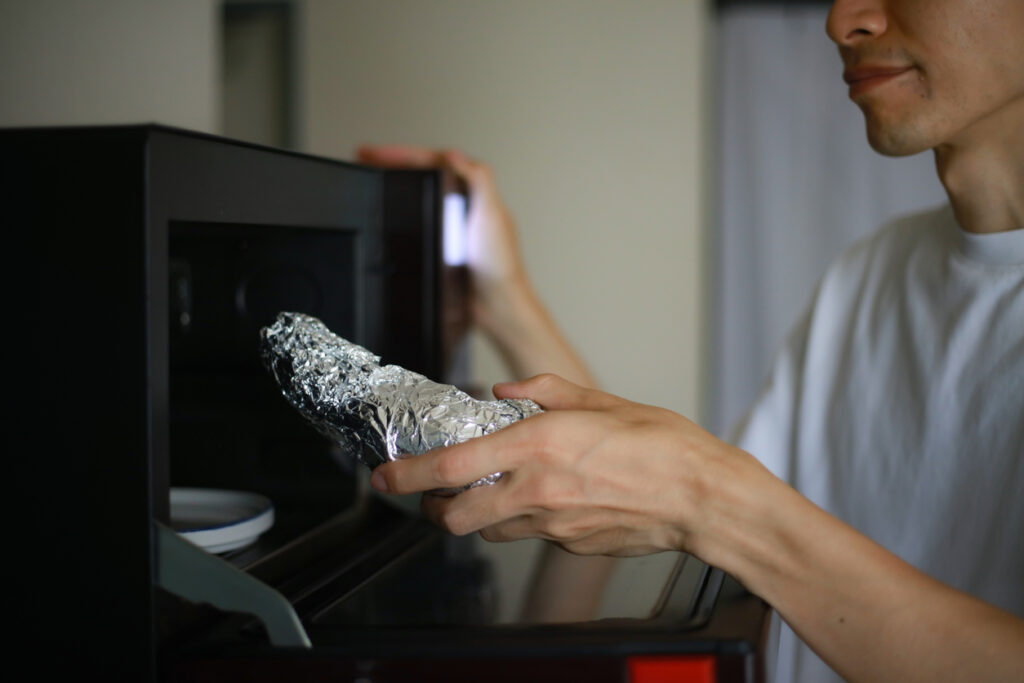
It sometimes happens without much thought. You place leftovers in the microwave, and there is already foil covering the dish. It seems harmless, especially if it is just a small piece. Many people assume that a little foil will not make much difference. However, foil reflects microwave energy instead of allowing it to heat food properly. This can lead to uneven heating, where some parts become very hot while others stay cold. In some cases, small sparks can even appear, which can be surprising and a little concerning. Even when sparks do not occur, the reheating process often feels inconsistent and frustrating.
Removing foil before microwaving usually solves the problem immediately. Once you start using microwave safe covers instead, reheating becomes smoother. Plates warm evenly, sauces stay balanced, and food feels closer to freshly cooked. Aluminum foil still works beautifully in ovens, grills, and storage situations, but it simply does not perform well in the microwave. Over time, remembering this becomes automatic. You remove foil without thinking and replace it with a lid or plate. It is one of those small kitchen habits that keeps things simple and helps avoid unnecessary frustration during busy moments.
Covering Food Too Tightly While Baking
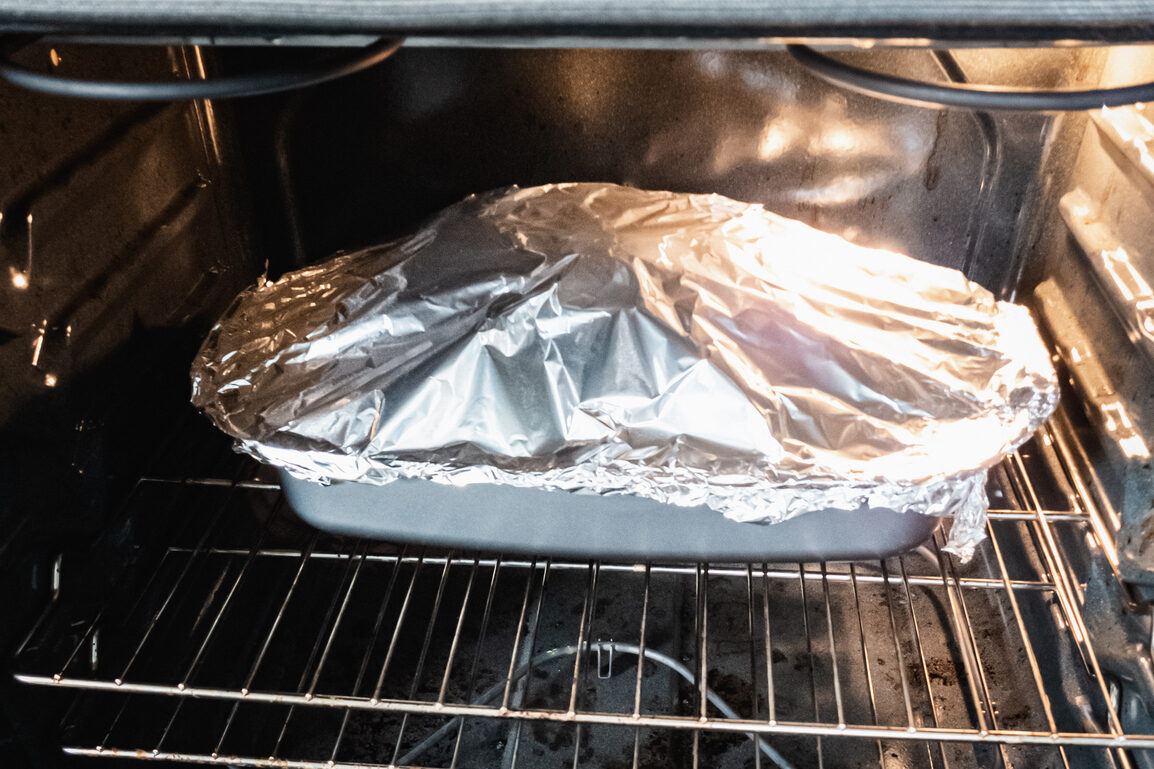
It often feels like sealing food tightly with foil is the best way to keep everything moist. You cover a casserole, press the foil down firmly, and slide it into the oven. It seems like the safest choice, especially when you want to avoid dryness. But when foil is wrapped too tightly, it traps steam with nowhere to escape. Instead of gently cooking, the food begins to steam heavily. Vegetables can turn softer than expected, pasta dishes lose their texture, and baked meals may feel slightly watery. It is not always obvious at first, but the final result often lacks that balanced texture people look forward to.
Using foil as a loose tent instead can quietly improve results. A gentle cover protects the top from burning while still allowing steam to escape. This helps food cook evenly while maintaining better texture. Roasted vegetables brown more naturally, casseroles hold their shape, and baked dishes feel more balanced. Over time, this small change becomes instinctive. You stop pressing the foil down tightly and begin leaving space for airflow. The difference is subtle but consistent. Meals come out looking better and tasting closer to what you imagined. It is a small adjustment that often leads to more satisfying results.
Using Foil Instead Of Parchment For Baking
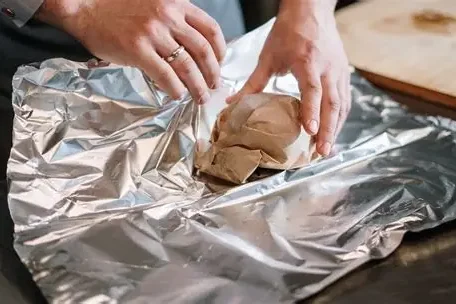
It is easy to grab aluminum foil when lining a baking tray. It is already in the drawer, and it feels like a quick solution. Many people use foil for cookies, roasted vegetables, or baked snacks without thinking much about it. Sometimes it works just fine, but other times food sticks slightly or browns unevenly. Cookies may cling to the surface, and delicate foods can tear when lifted. These small frustrations often feel like part of baking, but they are not always necessary. Foil reflects heat differently, which can change how food cooks on the bottom. That is why some baked goods turn out darker than expected.
Switching to parchment paper often makes baking smoother. Cookies lift easily, vegetables roast evenly, and cleanup becomes simpler. Parchment creates a gentle barrier that helps food cook consistently. Foil still works well for heavier dishes or shielding, but parchment tends to perform better for baking. Once you start using each for its strength, the difference becomes noticeable. Baking feels less unpredictable, and results become more consistent. Over time, reaching for parchment when baking becomes automatic. It is a small habit that quietly improves everyday cooking and makes baking feel more relaxed.
Storing Hot Food Wrapped Immediately
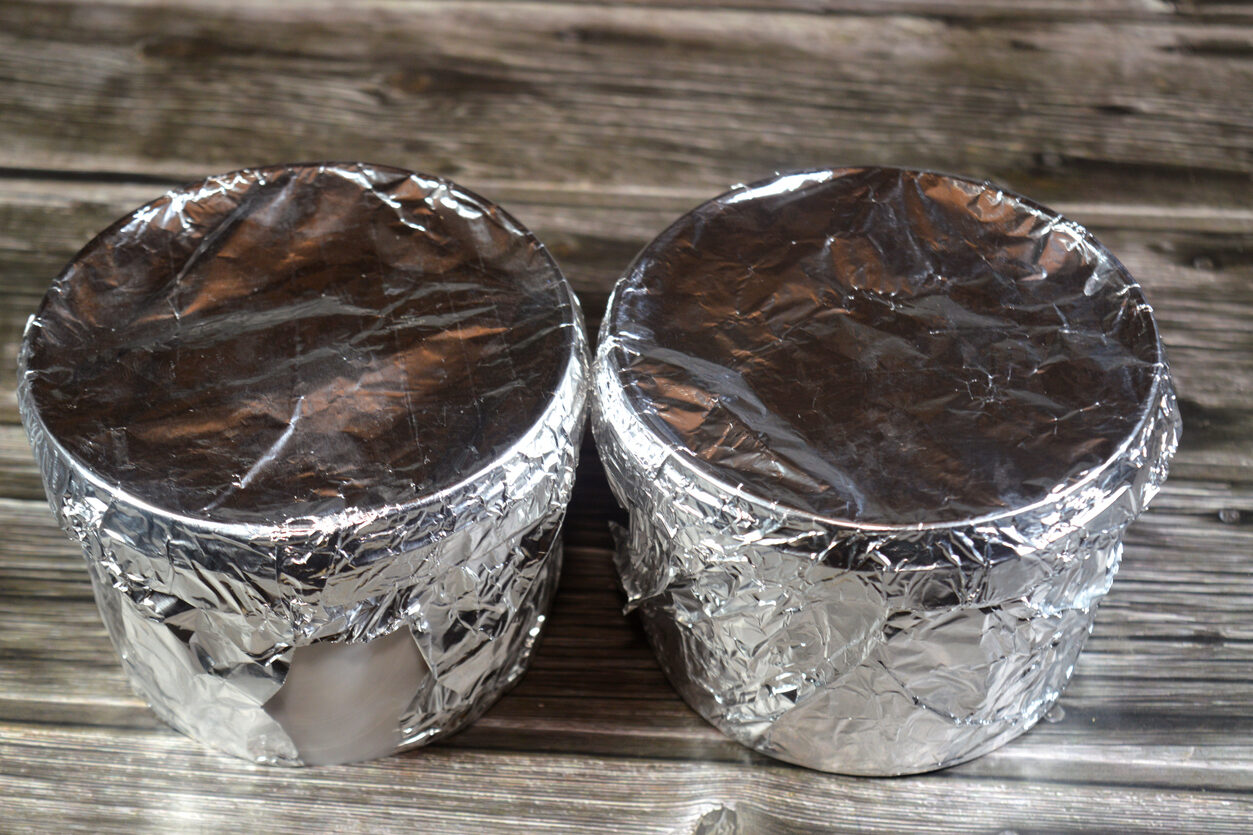
After cooking, it is tempting to wrap leftovers right away. You want to clean up quickly, and sealing food immediately feels efficient. The dish is still warm, but you cover it with foil and place it in the fridge. While this feels practical, wrapping hot food tightly traps heat and moisture inside. This can cause condensation to form, which may leave food slightly soggy by the next day. Rice can clump together, roasted vegetables lose their crispness, and baked dishes may feel softer than expected. It is a small change, but one that affects how leftovers taste later.
Letting food cool slightly before wrapping can improve texture and freshness. Once the steam settles, wrapping the dish helps maintain its original consistency. Leftovers reheat better, and flavors remain closer to how they were first served. This does not require waiting too long, just enough time for the heat to ease. Over time, this becomes part of the natural rhythm of cooking. You prepare leftovers, allow them to rest briefly, then wrap them properly. It is a quiet habit that helps food hold up better and makes reheating more enjoyable the next day.
Reusing Torn Or Crinkled Foil
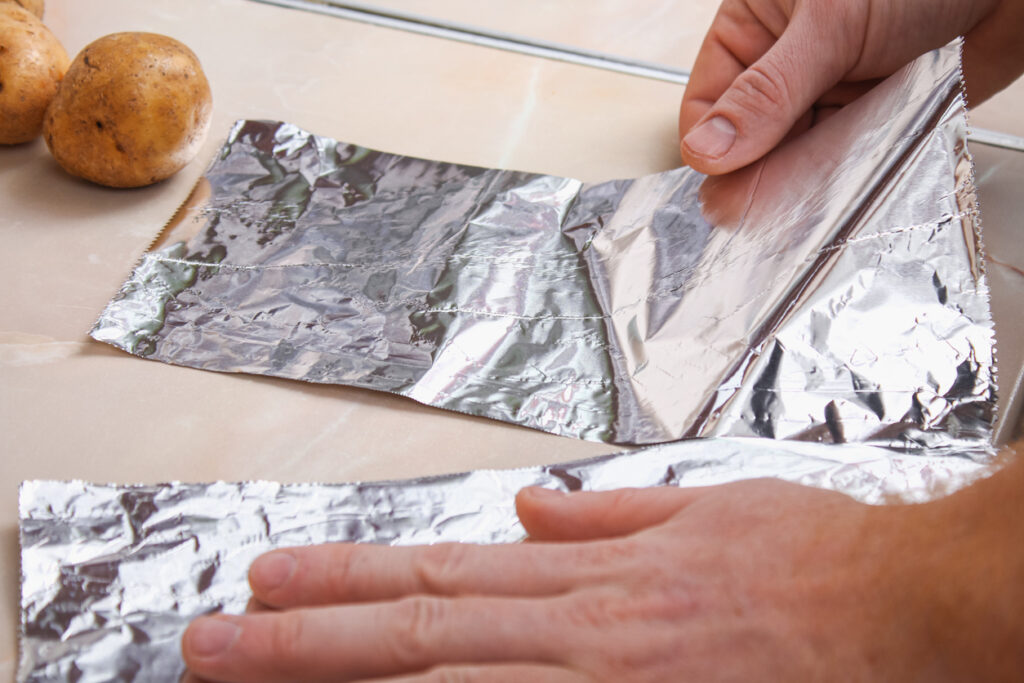
Reusing foil often feels like a practical choice. If it looks clean enough, many people fold it up and save it for later. Sometimes this works well, especially when the foil is still sturdy. But once foil becomes heavily crinkled or slightly torn, it no longer seals properly. Small openings allow air to slip through, which affects freshness. Leftovers may dry out faster, and wrapped items lose moisture overnight. Because the damage is subtle, it is easy to overlook. The foil still looks usable, but it no longer protects food the same way.
Taking a moment to check the foil before reusing can help. If it still feels strong, it can work again. If it is thin or damaged, replacing it helps preserve food better. This small decision keeps leftovers tasting fresher and prevents unnecessary drying. Over time, this habit becomes automatic. You quickly assess the foil and decide whether it still works. It is not about wasting foil, but about using it effectively. When foil seals properly, it supports storage and cooking more reliably. That small awareness often makes a quiet difference in everyday kitchen routines.
Forgetting Foil Is Best As A Helper, Not A Fix
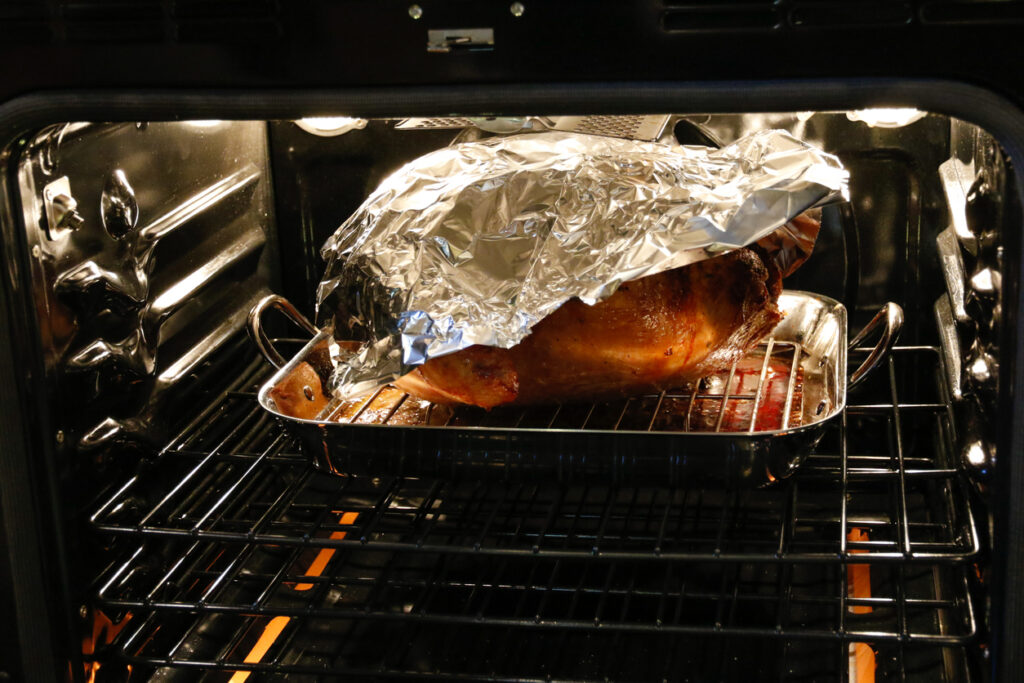
Aluminum foil often becomes a quick solution for many kitchen situations. You cover a dish to prevent burning, wrap leftovers quickly, or shield food during cooking. It is helpful and flexible, which makes it easy to rely on. But foil works best when it supports good cooking habits rather than replacing them. When temperature is too high or food is rushed, foil cannot always fix the outcome. Sometimes dishes still cook unevenly or lose texture. It is not a flaw, just a reminder that foil is a helpful tool, not a complete solution.
When used thoughtfully, foil quietly improves results. It helps retain moisture, protects surfaces, and supports even cooking. Over time, using foil intentionally becomes second nature. You begin to notice when to tent loosely, when to wrap snugly, and when to leave space for airflow. These small choices add up to better cooking experiences. Meals turn out more consistent, leftovers hold up better, and kitchen routines feel smoother. It becomes less about relying on foil for everything and more about using it where it helps most. That quiet balance often leads to more comfortable and confident cooking.
Using Too Little Foil When Wrapping
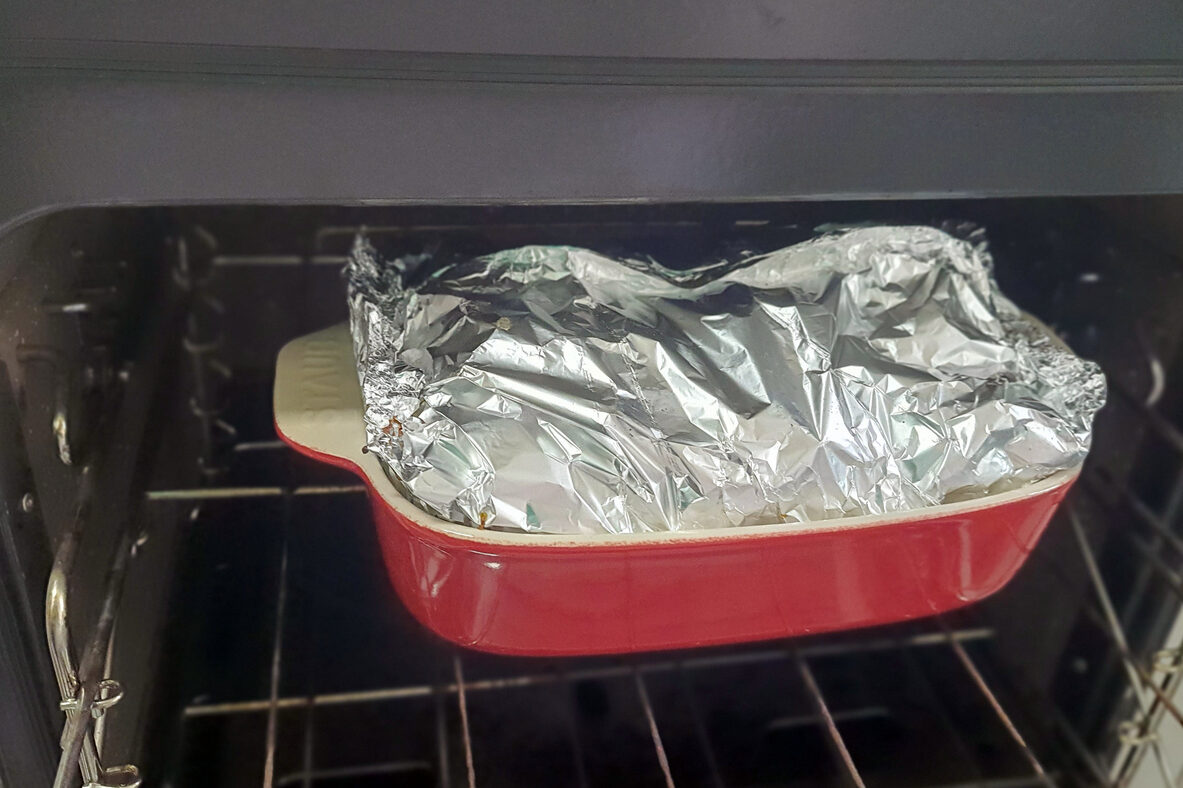
It often starts with trying to be economical. You pull a small piece of foil, stretch it across a bowl, and hope it covers enough. At first, it seems fine, but as you fold the edges, you notice the foil pulling back or leaving small openings. Those small gaps allow air to creep in slowly. By the next day, leftovers may taste slightly dry, and sauces may thicken more than expected. It is not always dramatic, just enough to notice that the food no longer tastes as fresh. This is especially common with rice, pasta, and baked dishes that rely on moisture to stay appealing.
Using a slightly larger sheet of foil makes wrapping easier and more effective. The foil sits comfortably over the dish and allows you to fold the edges without tension. This helps lock in moisture and preserve flavor. Over time, you begin to notice how much better leftovers hold up when wrapped properly. It becomes less about using more foil and more about using the right amount. Once this habit settles in, wrapping feels smoother and more reliable. That small adjustment quietly improves storage, reduces waste, and makes reheating meals feel more satisfying the next day.
Forgetting Foil Can Reflect Heat
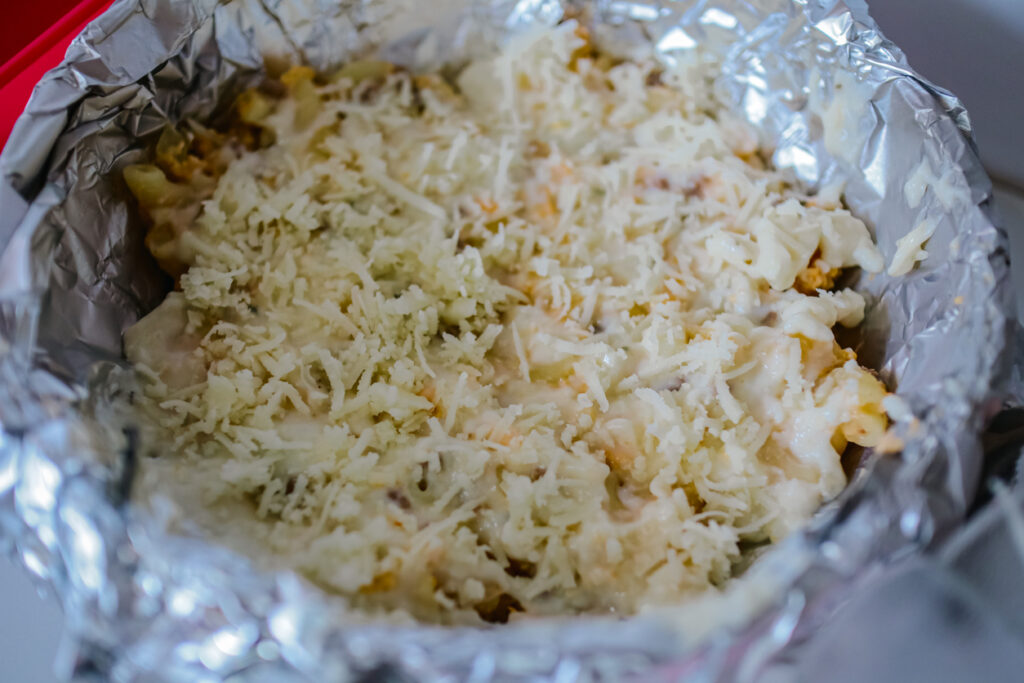
Aluminum foil naturally reflects heat, which can be helpful in many situations. But sometimes, this reflective quality affects cooking in ways that are easy to overlook. When foil is placed over food too early, it can prevent the surface from browning properly. Dishes may cook through but remain pale on top. This often happens with casseroles, baked pasta, and roasted vegetables. The food is fully cooked, yet it lacks the color and texture that usually make it more appealing. It can feel confusing when the recipe is followed correctly but the final appearance seems slightly off.
Removing foil partway through cooking often solves this issue. Allowing food to finish uncovered helps the surface develop color and texture naturally. Over time, you begin to notice when foil helps and when it limits results. You start covering dishes only when necessary and uncovering them at the right moment. This small awareness leads to better cooking outcomes. Meals come out looking more balanced and appetizing. It becomes less about using foil automatically and more about using it thoughtfully. That small shift quietly improves how food looks, tastes, and feels when served.


