
1. Daily Coffee Runs

Some mornings begin with a quick stop for coffee, and it barely feels like spending. You tell yourself it is just today, just something small to make the day smoother. Soon it becomes familiar, almost comforting, and you stop noticing the cost. This is how small purchases quietly blend into everyday life. They feel harmless because they are routine, not splurges. A cup today, another tomorrow, and the habit grows gently. Over time, these small comforts shape your spending without asking permission, blending into mornings so naturally that you rarely stop to consider what they quietly cost each week. The routine becomes part of your day, something you look forward to without thinking about the price.
Before long, the coffee stop becomes part of your identity. You know the barista, the order is memorized, and skipping it feels unusual. That emotional attachment makes the habit harder to question. A few dollars no longer feel like spending, just part of starting your day right. But when you multiply that comfort across weeks and months, the total quietly grows. You are not overspending in one moment, you are simply repeating something small. And that repetition, soft and familiar, is what slowly turns a simple coffee into a steady drain that quietly follows you through every month.
2. Food Delivery Convenience

There are evenings when cooking feels like too much. You are tired, the day ran long, and ordering food feels like the easiest decision. It arrives quickly, and the relief makes it feel worth it. It does not feel like overspending, just choosing comfort after a busy day. But delivery fees, service charges, and tips quietly sit in the background. You rarely notice them because the focus is on convenience. One order feels harmless, then another during a busy week, and soon the habit becomes part of your routine without much thought.
Over time, the ease becomes the default. Cooking starts to feel optional while delivery becomes automatic. The small fees begin repeating more often than you realize. Each order feels like a small decision, not a financial one. But the total builds quietly, shaped by tired evenings and busy schedules. You may not remember each order, but the spending continues in the background. Convenience is comforting, and that is why it quietly becomes expensive. Before long, what started as an occasional treat gently turns into one of the most consistent drains on your monthly spending.
3. Streaming Services You Rarely Watch

It usually begins with one subscription. A show everyone is talking about, or a platform offering something new. Then another one follows, maybe for music, maybe for movies, maybe for fitness. Each one feels affordable on its own, which makes adding them feel easy. You tell yourself you can always cancel later. But later rarely comes. The subscriptions quietly renew in the background while you move on with your day. Because the amounts are small, they rarely catch your attention.
Months pass, and some platforms sit untouched. You forget why you signed up, but the charges continue quietly. These subscriptions feel invisible because they happen automatically. You do not physically spend the money, so it never feels like spending. Over time, the total grows across services you barely use. What felt like harmless entertainment slowly becomes recurring spending. And since nothing dramatic happens, you rarely question it. These quiet renewals often become one of the easiest ways money slips away without you even noticing.
4. Impulse Snacks And Drinks

You stop for fuel and grab a snack. You pass a store and pick up a drink. These purchases feel casual, almost forgettable. They happen in small moments between errands, during busy afternoons, or while running late. Because they are unplanned, they rarely make it into your budget. A few dollars here and there feel harmless, especially when they lift your mood. But these small stops repeat more often than you realize.
Over time, these quick purchases quietly become routine. The snack becomes part of errands, the drink becomes part of breaks, and the spending blends into daily life. Each purchase feels tiny, but together they form a steady pattern. You rarely remember each stop, yet the total grows quietly. These moments are often tied to convenience and comfort, which makes them easy to repeat. Before long, what felt like occasional treats gently turn into regular spending that quietly chips away at your budget.
5. Ride Hailing For Short Trips

Sometimes it just feels easier to request a ride. The weather is warm, the day is long, or you simply want to save time. A short trip does not feel expensive, so it becomes an easy choice. You tell yourself it is just this once, just for convenience. But these small rides often repeat more than expected. The ease makes them appealing, and the cost feels small enough to ignore.
Over time, short rides quietly replace other options. Walking feels unnecessary, waiting feels inconvenient, and ride hailing becomes familiar. Each trip feels minor, but together they form a steady expense. Convenience often feels more valuable in the moment than later, which is why the habit grows naturally. You are not making big spending decisions, just small ones repeated often. And those small rides, comfortable and easy, quietly become one of the unnoticed ways your money slowly disappears.
6. Online Shopping Add Ons
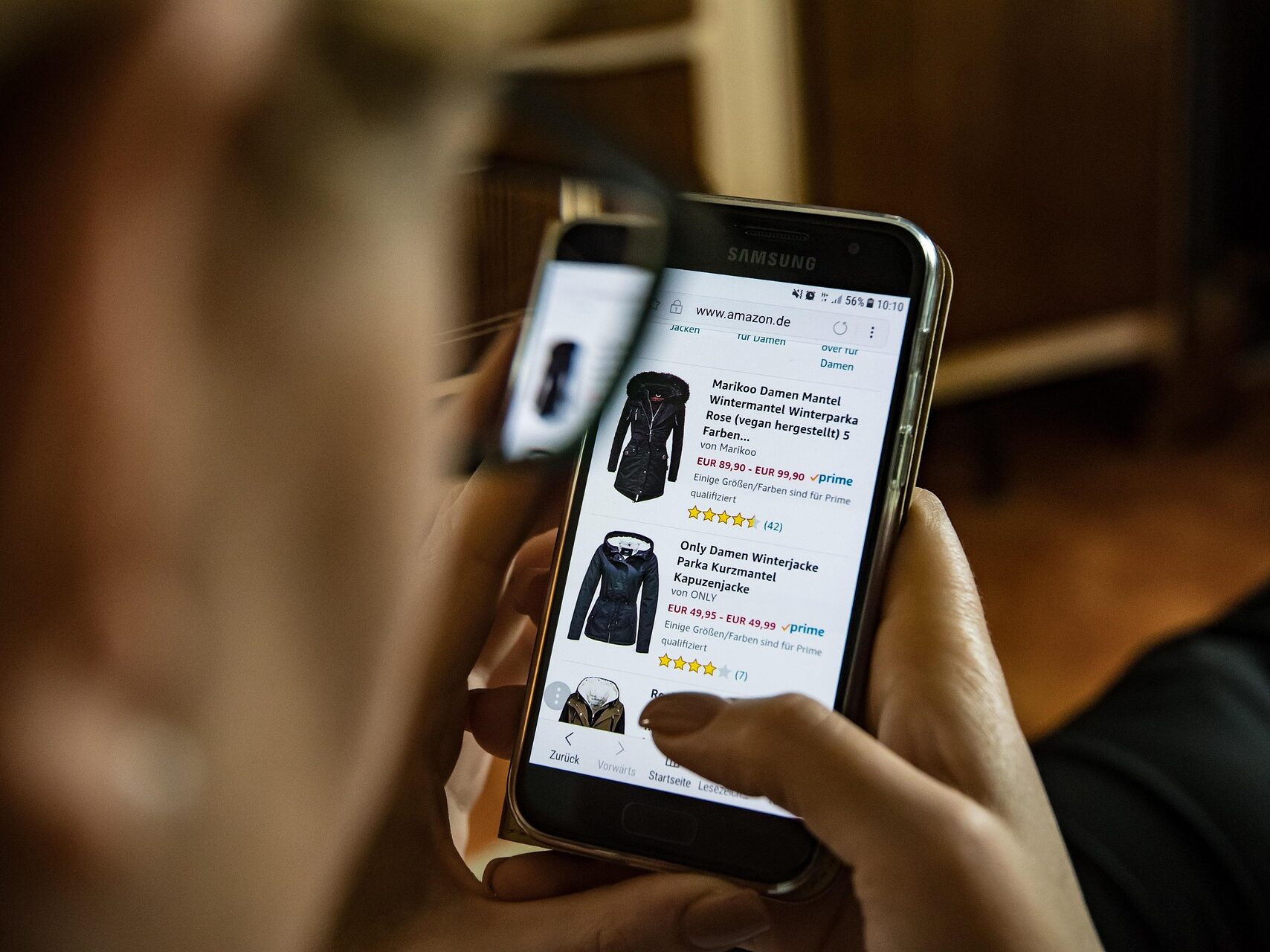
You open a shopping site intending to buy just one thing. Maybe it is something you actually need, something you have been planning for days. Then you notice a small suggestion below the item. It looks useful, affordable, and easy to justify. Adding it to your cart feels harmless because it barely changes the total. These small add ons often feel like smart decisions in the moment. The excitement of buying something makes it easier to approve small extras without thinking too deeply.
Over time, these little additions quietly become part of your shopping habit. You go in for one item and leave with three. Each purchase feels small enough to ignore, yet they repeat often. Because the extras are inexpensive, they rarely stand out in your memory. But when shopping becomes frequent, these add ons quietly raise your spending. The pattern grows gently, shaped by quick decisions made in seconds. Before long, what felt like harmless additions slowly turn into one of those quiet spending habits that rarely feels obvious but steadily affects your monthly budget.
7. Mobile App Purchases
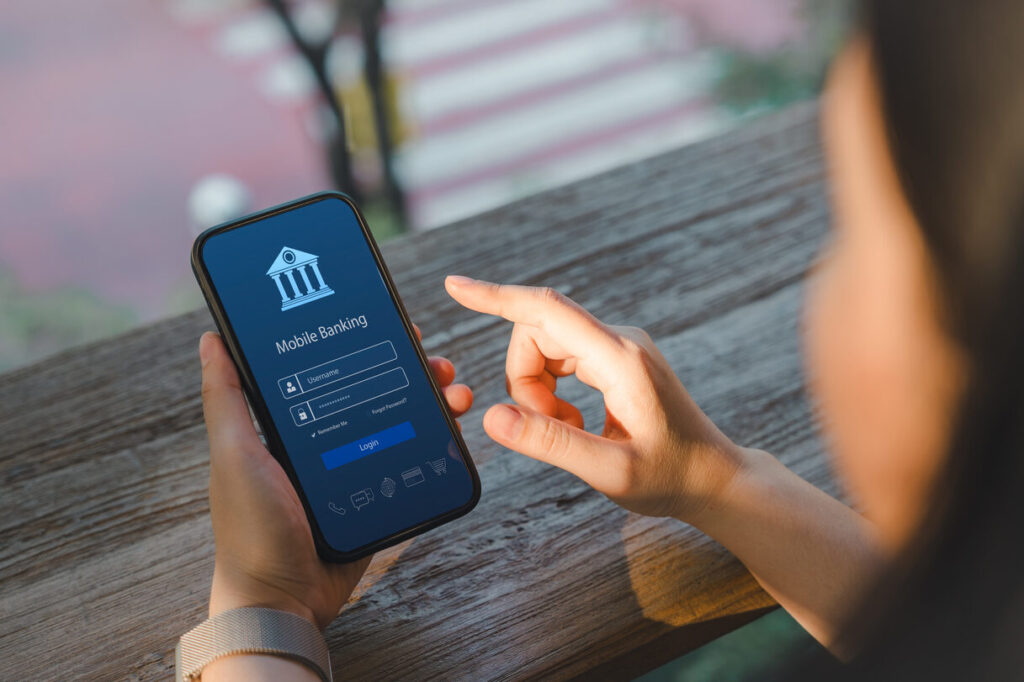
It often starts with something simple, like removing ads or unlocking a feature. The price is small, and the benefit feels immediate. With one quick tap, the purchase is complete, and you move on. Digital spending feels easier because there is no physical exchange. You are not handing over cash or seeing the item arrive. It happens quietly, which makes it easier to approve without thinking too much.
Over time, these small purchases repeat across multiple apps. One upgrade here, another premium feature there. Each one feels harmless on its own, but together they quietly add up. Because these purchases are quick and digital, they rarely stay in your memory. You may not remember each one, yet the spending continues in the background. These tiny taps slowly become part of your routine. And without much notice, small digital purchases quietly turn into a steady expense that blends into everyday life.
8. Bank Fees You Overlook
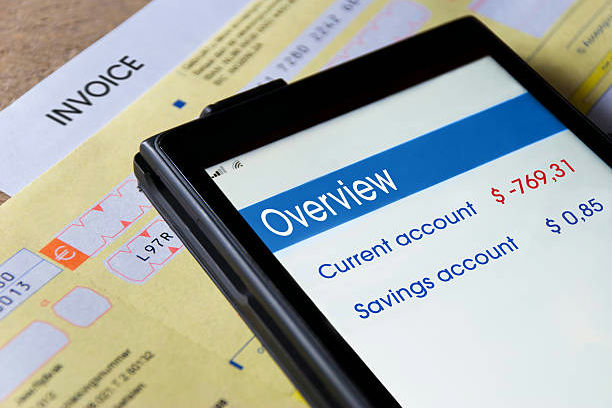
Sometimes money leaves your account without you actively spending it. A small maintenance fee, an ATM charge, or a minor penalty appears quietly in your transaction list. These fees often feel too small to question, so they pass unnoticed. Because they happen automatically, they rarely feel like real spending. You might scroll past them without giving them much thought, assuming they are just part of banking.
Over time, these small charges quietly accumulate. Each fee feels insignificant, but they repeat regularly. Because there is no visible purchase, the spending feels invisible. You may not notice them for weeks or months. But the total quietly grows, shaped by automatic deductions. These unnoticed fees often become one of the simplest ways money slips away. And since nothing dramatic happens, it is easy to overlook how these small amounts quietly reduce your balance over time.
9. Convenience Store Stops

Sometimes it starts with a quick stop on your way home. You walk in for water, then pick up a snack, maybe add something small near the counter. It never feels like a real shopping trip. It feels quick, harmless, and almost forgettable. Convenience stores are designed for speed, and that ease makes small purchases feel natural. You tell yourself it is just one small item, something to get through the moment. These stops often happen during busy days, long drives, or when you simply want something quick without planning ahead.
Over time, these quick visits quietly become routine. You begin stopping more often without noticing how frequently it happens. The prices are slightly higher, but the convenience makes it feel worth it. Each purchase feels minor, yet the repetition is what slowly adds up. You rarely track these small expenses because they do not feel important. But week after week, they quietly become part of your spending. These small stops, comfortable and familiar, slowly turn into one of those unnoticed habits that gently chip away at your budget.
10. Subscription Boxes

At first, the idea feels exciting. A monthly box filled with something new, something curated, something just for you. It feels like a small treat you deserve. Signing up is easy, and the price seems manageable. The first delivery feels satisfying, and you look forward to the next one. It becomes a small highlight, something that brings a bit of surprise into your routine. Because it feels enjoyable, it does not feel like spending, more like gifting yourself something thoughtful each month.
Over time, the excitement becomes quieter. The boxes still arrive, but the anticipation is not the same. Some items go unused, and you begin to forget why you signed up. Still, the subscription renews automatically. Because the charge is small and recurring, it quietly blends into your monthly expenses. You may not think about canceling because nothing feels urgent. And that is how these subscriptions quietly continue, slowly becoming part of your spending without much notice.
11. Paid Mobile Data Add Ons
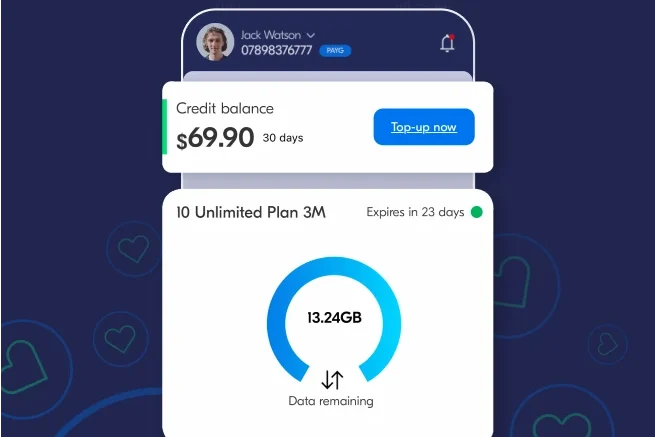
Running out of data often happens at inconvenient moments. You are in the middle of something important, and buying extra feels like the quickest solution. The amount is small, and the process is fast, so it does not feel like a real decision. You approve the purchase and move on with your day. It feels practical, like solving a small problem without much thought. Because it happens digitally, the spending feels even less noticeable.
Over time, these small top ups begin repeating. You run out again, then again, and buying extra becomes familiar. Each purchase feels minor, yet they quietly build across weeks and months. Because the charges are scattered, they rarely stand out in your spending. You may not even remember how often it happens. These small add ons slowly become part of your routine. And before long, what felt like occasional purchases quietly turn into a steady expense that blends into everyday life.
12. Fashion Micro Purchases

Sometimes it is just a small accessory. Other times it is something on sale that feels too good to leave behind. These purchases often happen without planning. You see something you like, and because the price is low, it feels easy to justify. It does not feel like shopping, just picking up something small. These moments often happen while browsing online or passing through a store. Each purchase feels harmless because it is affordable and quick.
Over time, these small fashion buys quietly build. One item here, another later, and your wardrobe slowly fills with things you barely remember buying. Because each purchase is small, it rarely feels significant. Yet the repetition quietly shapes your spending. These small additions become part of your routine, especially when shopping feels casual. Before long, what started as occasional buys gently becomes steady spending that blends into everyday life without drawing much attention.
13. Extra Grocery Items

You head to the store with a simple list in mind. Maybe just a few essentials to get through the week. As you move through the aisles, something catches your attention. A snack you have not had in a while, a drink that looks refreshing, or an item on promotion that feels like a good deal. Each addition feels small, almost harmless. You tell yourself it is just one extra item, something that will not make much difference. These moments feel normal, especially when shopping becomes relaxed and unplanned.
Over time, these extra items quietly become part of your grocery routine. One or two additions slowly turn into several each visit. Because the changes feel small, you rarely notice how much your total increases. These purchases often come from convenience, mood, or curiosity. You leave the store with more than planned, yet nothing feels excessive. The repetition is what quietly builds the cost. Week after week, these small extras slowly increase your grocery spending without feeling like major decisions.
14. Paid Parking
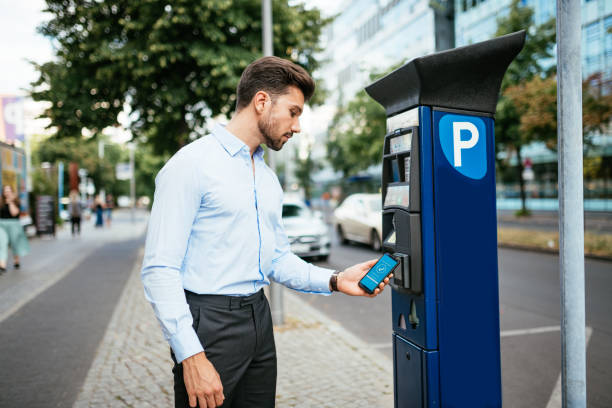
Parking fees often feel like a small inconvenience rather than spending. You pay quickly and move on without much thought. Whether it is a short visit, a quick errand, or a brief stop, the amount feels small enough to ignore. These payments often happen in busy moments, when your focus is elsewhere. Because they are necessary in the moment, they rarely feel like optional spending.
Over time, these small parking costs quietly repeat. You pay for short stops, work visits, or weekend outings. Each payment feels minor, yet they quietly accumulate. Because they are scattered across different days, they rarely stand out in your spending. You may not remember each one, but they continue adding up. These small fees become part of everyday movement, blending into your routine. Slowly, these unnoticed payments turn into steady spending that quietly reduces your monthly budget.
15. Digital Rentals

It starts with one movie you want to watch immediately. Renting feels easier than waiting, and the cost seems small enough to justify. You approve the payment, enjoy the moment, and move on. These rentals often feel casual, especially when they happen during quiet evenings or weekends. Because the purchase is quick and digital, it barely feels like spending.
Over time, these rentals quietly repeat. Another movie, another show, another quick decision. Each one feels harmless, yet the repetition slowly builds. Because the charges are small and scattered, they rarely draw attention. You may not even remember how often you rent something. These small moments of convenience quietly shape your spending. What begins as occasional entertainment slowly becomes steady spending that blends into your routine.
16. Tips And Service Charges

Sometimes it is a small tip for convenience. Other times it is a service charge added automatically. These amounts often feel minor, especially when they are attached to something you already planned to buy. You approve them quickly, focusing more on the experience than the extra cost. These small additions often feel polite or necessary, which makes them easy to accept.
Over time, these small charges quietly add up. Each tip or service fee feels insignificant, yet they repeat often. Because they are attached to other purchases, they rarely stand out. You may not track them individually, but they quietly increase your total spending. These small additions become part of everyday transactions. And slowly, these minor charges turn into one of the quiet ways your money slips away without much notice.
17. Gaming Micro Purchases

It often starts while you are relaxing after a long day. You open a game to unwind, and a small offer appears. It might be extra coins, bonus levels, or something that makes the game easier. The price looks small, and the benefit feels immediate, so you approve it without much thought. Because the purchase improves your experience right away, it feels justified. These small gaming purchases rarely feel like real spending because they happen in moments of fun. You are not budgeting, you are simply enjoying yourself. The payment is quick, and you move on without thinking about it again.
Over time, these small purchases quietly repeat. One upgrade leads to another, and soon it becomes part of how you play. Each purchase feels minor, yet they slowly build across weeks and months. Because the amounts are small, they rarely stand out in your spending. You may not even remember how often you approve them. These quick decisions quietly shape your spending habits. What begins as occasional upgrades slowly becomes steady spending that blends into your everyday routine, quietly adding up in the background.
18. Convenience Fees
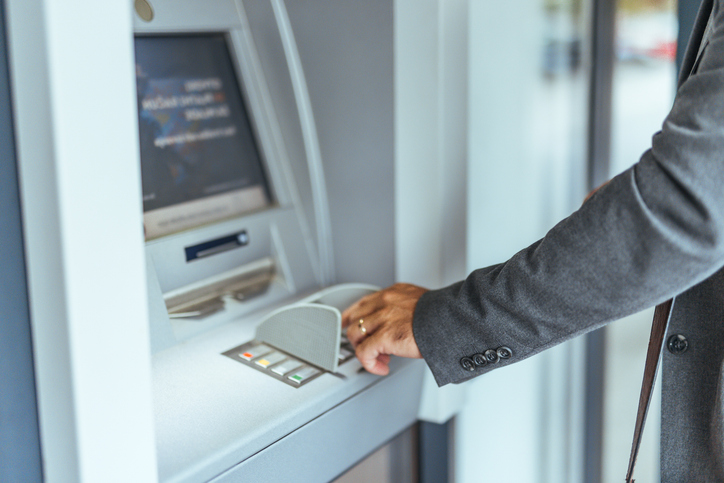
Sometimes it is a small processing fee, a booking charge, or an added cost for quicker service. These fees often appear at checkout, when you are already committed to the purchase. The amount feels small enough to ignore, so you approve it without much hesitation. Because the fee is attached to something you already want, it rarely feels like a separate expense. These moments often happen quickly, and you move on without giving them much attention.
Over time, these small fees quietly repeat across different purchases. A service charge here, a processing fee there, and the pattern grows gently. Each fee feels insignificant on its own, yet they accumulate across weeks and months. Because they are scattered, they rarely catch your attention. You may not track them individually, but they quietly increase your spending. These small additions become part of everyday transactions. Slowly, these convenience fees turn into one of the quiet ways your money slips away without you realizing how often they appear.
19. Fitness App Subscriptions
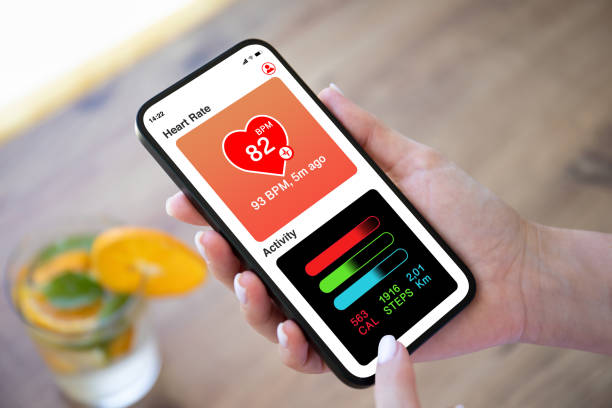
You download a fitness app with good intentions. Maybe you want to stay active, track your steps, or try guided workouts. The subscription price feels affordable, and signing up feels like investing in yourself. At first, you use it regularly and feel motivated. It becomes part of your routine, and the small monthly cost feels worthwhile. Because it supports your goals, the spending feels positive and easy to justify.
Over time, routines change and the app gets used less often. Busy days come, and you forget to open it. Still, the subscription quietly renews each month. Because the charge is small, it rarely feels urgent to cancel. Months pass, and the payment continues automatically. You may not even remember when you last used it. These small monthly charges quietly become part of your spending. What started as a positive intention slowly turns into another recurring expense that blends into your routine without drawing much attention.
20. Seasonal Decor

A small decoration for the season often feels harmless. Maybe it is something cozy for your home or something festive that adds warmth. These purchases usually feel enjoyable because they create a pleasant atmosphere. The price often seems small, which makes it easy to justify. One decoration does not feel like much, especially when it brings a little excitement to your space. These purchases often feel more emotional than practical, and that makes them easier to repeat.
Over time, seasonal purchases quietly return throughout the year. A new season arrives, and you find something else that feels fitting. Each purchase is occasional, so it rarely feels like overspending. Yet across months, the spending quietly builds. These small decorative touches slowly become part of your routine. Before long, what felt like simple seasonal joy turns into steady spending that blends into your everyday expenses without standing out.
21. The Little Just This Once Habit

It usually begins with a simple thought. Just this once, just something small. Maybe you had a long day or wanted a small reward. The purchase feels harmless because it feels occasional. These moments often happen quietly, without much planning. Because they seem rare, they are easy to justify. You tell yourself it will not become a habit, just a small break from routine.
Over time, these just this once moments quietly become familiar. The decision repeats, not because you planned it, but because it feels normal. Each purchase remains small, yet the pattern slowly grows. These small habits shape your spending more than big decisions. Once you begin noticing them, something shifts. You become more aware of how small choices influence your finances. And that quiet awareness often becomes the beginning of more thoughtful spending, where small decisions gradually start working in your favor.


