
Reducing Confusion In Busy Systems
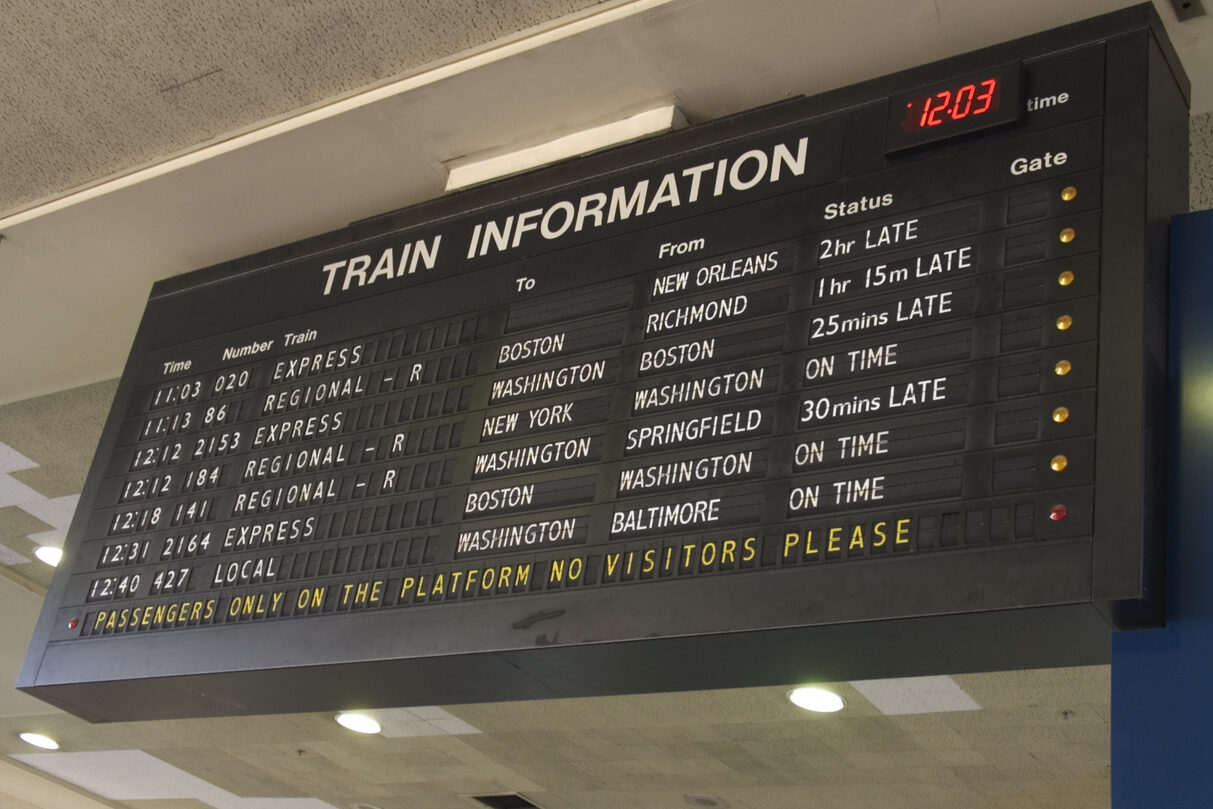
You usually notice time formats when something important depends on them. Maybe you are catching a train, checking a hospital appointment, or reading a flight ticket. In many countries, using 24 hour time simply makes things easier to understand at a glance. Seeing 19:30 instead of 7:30 removes the small moment of hesitation. In places like Germany, Japan, and France, public systems move quickly and people rely on schedules heavily. That small clarity helps prevent mistakes. Over time, the format stops feeling formal and just becomes everyday language, quietly blending into daily routines without much thought at all.
In countries where schedules feel less rigid, the 12 hour clock still works comfortably. People rely more on context, like saying this evening or later tonight. The relaxed rhythm fits how conversations naturally flow. When daily life allows flexibility, there is less pressure to standardize everything. So the difference often grows from daily needs rather than rules. One system supports precision while the other supports familiarity. Neither feels unusual to those who use them every day, and that quiet comfort is what keeps both formats alive across different parts of the world.
Military Influence On Civilian Life
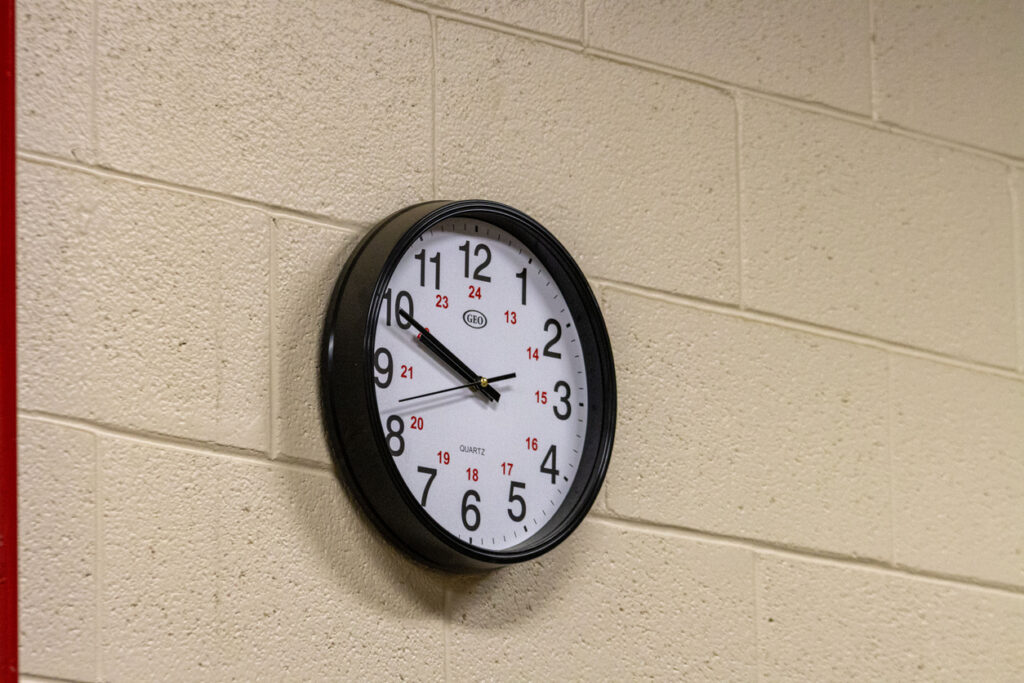
Military time did not begin as a civilian preference. It grew from the need for clarity during military coordination, where timing mistakes could create serious consequences. During World War One and World War Two, several European countries began using the 24 hour clock to reduce confusion between morning and evening operations. This approach helped ensure messages were clear across different units. After the wars ended, many of those countries kept the system because people had already become familiar with it. Over time, it naturally shifted from military use into everyday civilian life, becoming part of normal communication.
In countries like the United States, the military still uses the 24 hour format, but civilian life remained attached to the 12 hour clock. That quiet separation created two parallel systems. People in military or aviation environments often switch comfortably between formats. Others rarely encounter military time unless traveling or reading official schedules. Over time, history shaped how each country adopted its habits. Where military systems blended into civilian life, 24 hour time stayed. Where civilian traditions remained stronger, the familiar AM and PM format continued without much pressure to change.
Cultural Comfort And Habit
Sometimes the reason is simply what people are used to. In many English speaking countries, the 12 hour clock feels natural because it flows easily into conversation. Saying let us meet at six tonight sounds relaxed and friendly. It matches the rhythm of everyday speech. Over time, that familiarity becomes part of culture. Parents teach children, schools reinforce it, and the habit continues quietly from one generation to another. People rarely question it because it simply feels normal. Comfort often plays a bigger role than practicality when habits are passed down naturally.
In many European countries, the 24 hour clock carries the same sense of comfort. People casually say sixteen thirty or nineteen hundred without thinking twice. It becomes part of daily speech and stops feeling technical. When a system grows alongside everyday conversation, it stays naturally. Changing it would feel unnecessary. Over time, both formats settle into their regions, shaped by language, routine, and shared experience. What begins as a small preference gradually becomes tradition, and tradition quietly shapes how entire societies tell time without anyone needing to formally decide.
Education And Early Learning

What children learn early often becomes second nature later in life. In countries that use the 24 hour clock, students are introduced to it in primary school. They grow up reading schedules, school timetables, and digital clocks using this format. Because of that early exposure, it never feels complicated. It becomes as normal as reading numbers or telling the date. Over time, students grow into adults who naturally understand the 24 hour system without needing to translate it mentally. Learning early removes the sense that the format is technical or unfamiliar.
In countries where children mainly learn the 12 hour clock, the experience feels different. People may encounter the 24 hour format later when traveling, working internationally, or using digital devices. That later exposure can make it feel less natural at first. Still, many people eventually learn both formats comfortably. Education quietly shapes these preferences without much attention. When children grow up seeing one system daily, it becomes their default. Over time, those early lessons shape how entire countries read time in ways that feel effortless.
Transportation And Public Safety
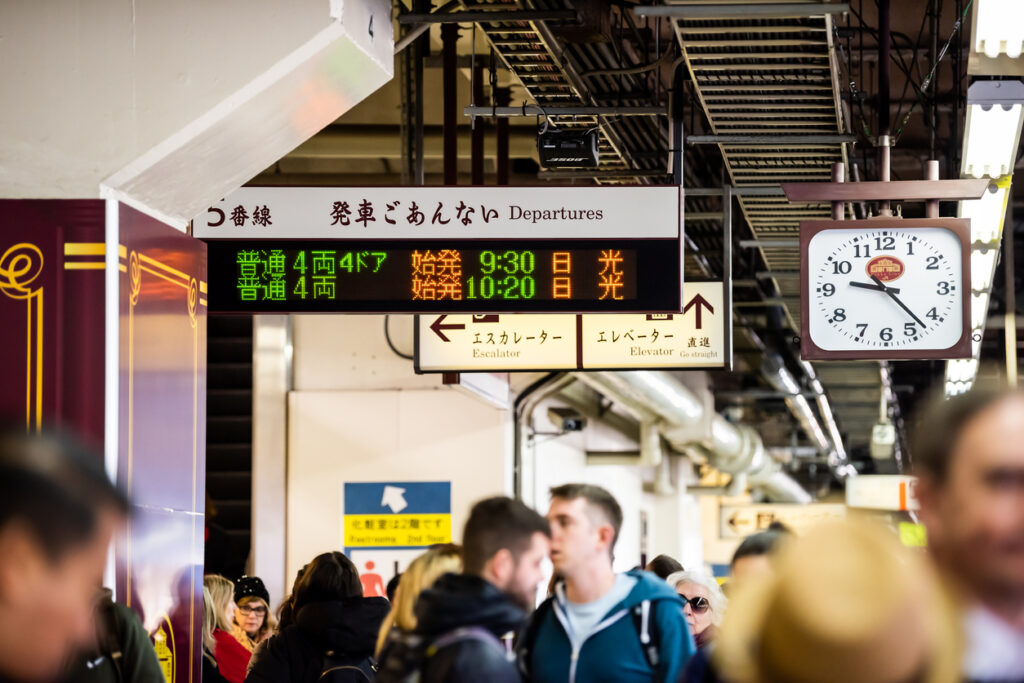
Transportation systems often influence how countries adopt time formats. In places where trains and buses run with precise schedules, clarity becomes essential. Countries like Switzerland and Japan rely heavily on public transportation, and small misunderstandings can affect thousands of commuters. Using the 24 hour clock helps avoid confusion and keeps everything running smoothly. When people depend on shared schedules daily, precision becomes part of everyday life. Over time, the format blends into announcements, signs, and timetables until it feels completely normal.
In countries where personal cars are more common, daily travel feels more flexible. People often leave earlier or later depending on traffic, weather, or personal plans. That flexibility reduces the need for strict time precision. The 12 hour clock fits comfortably into this relaxed rhythm. Over time, transportation habits quietly influence how societies tell time. Where public systems require coordination, military time becomes practical. Where travel feels more individual and flexible, the familiar AM and PM format continues without pressure to change.
Global Communication And Business
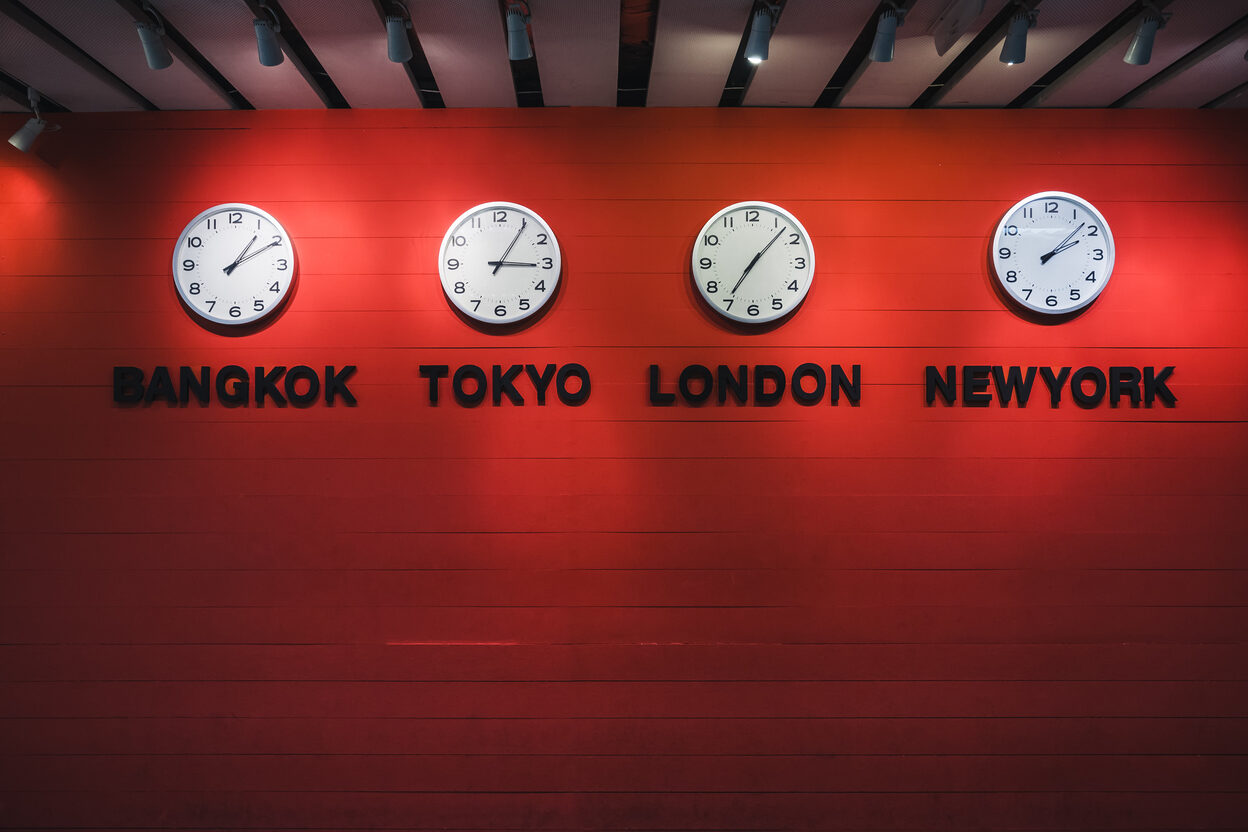
As businesses expanded across borders, time clarity became more important. Companies working across different countries often use the 24 hour clock to avoid misunderstandings. A meeting scheduled at 14:00 leaves little room for confusion. In industries like aviation, shipping, and global customer support, this clarity helps teams stay coordinated. Over time, people working in international environments become comfortable switching between formats. The 24 hour clock begins to feel practical rather than formal, especially in professional settings.
At home, many people still return to the 12 hour format in conversation. They might say two in the afternoon instead of fourteen hundred. This quiet balance reflects modern life. Work may run on precision, while daily conversations remain relaxed. Over time, countries that participate heavily in global business often develop this dual habit. People learn to move between both formats easily depending on context. It becomes less about choosing one system and more about using whichever feels most helpful in the moment.
Government And Administrative Systems

When you deal with official documents, time suddenly feels more serious. Government offices, hospitals, and emergency services in many countries prefer the 24 hour clock because it removes uncertainty. If a medical record says 03:00, there is no confusion about whether it happened in the morning or evening. This clarity matters in situations where timing can affect decisions or outcomes. Over time, these official environments shape how people view time. Even if daily conversations stay relaxed, formal systems quietly rely on precision to avoid small misunderstandings and maintain consistency across departments.
In some countries, this creates an interesting mix. People might casually say eight tonight but see 20:00 on official paperwork. Switching between both formats becomes normal. Over time, citizens grow comfortable reading both without effort. The 24 hour clock remains behind the scenes, supporting structure and consistency, while the 12 hour format stays present in daily conversation. This quiet balance allows countries to keep familiar habits while still maintaining clarity where it matters most, blending precision into everyday life without forcing people to change completely.
Media And Technology Influence
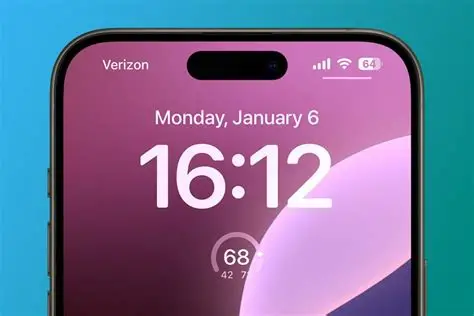
Technology has slowly changed how people see time, often without them noticing. Smartphones, computers, and digital clocks frequently offer the 24 hour format as a default option in many regions. Younger generations grow up seeing both formats and become comfortable switching between them. Over time, military time begins to feel less unfamiliar. It becomes just another way to read numbers on a screen, quietly expanding how people understand time without requiring any formal change.
At the same time, traditional media still reinforces familiar habits. Television schedules, radio announcements, and everyday advertising in countries like the United States continue using AM and PM. These repeated patterns keep the 12 hour clock comfortable and recognizable. Over time, both systems exist side by side. People may use one on their phone and another in conversation. This quiet coexistence reflects how technology introduces change gently, while culture holds onto what feels familiar and easy.
A Quiet Balance Between Precision And Familiarity
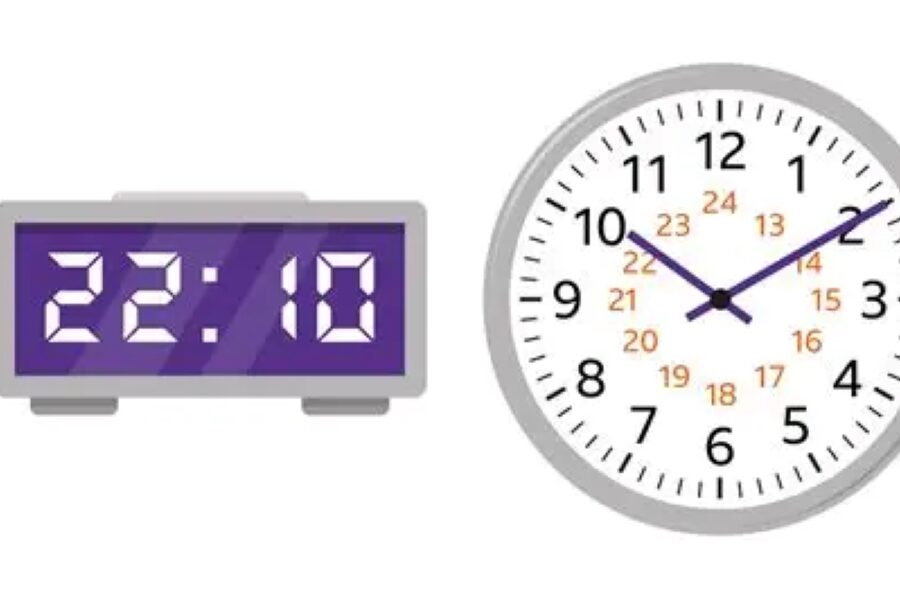
Over time, many countries have settled into a comfortable balance between precision and familiarity. The 24 hour clock offers clarity, especially in structured environments, while the 12 hour format keeps conversation relaxed and natural. People often move between both without thinking much about it. A person might read 18:00 on a ticket but say six in the evening to a friend. This flexibility reflects how daily life adapts quietly to different needs.
As travel, remote work, and global communication continue growing, people become more familiar with both systems. What once felt unusual gradually becomes normal. The difference between formats becomes less about preference and more about context. One supports precision, while the other supports conversation. Over time, both formats simply become tools people use naturally. And somewhere between morning meetings and evening plans, time continues moving the same way everywhere, even if the clock looks slightly different.
Historical Influence And Regional Tradition
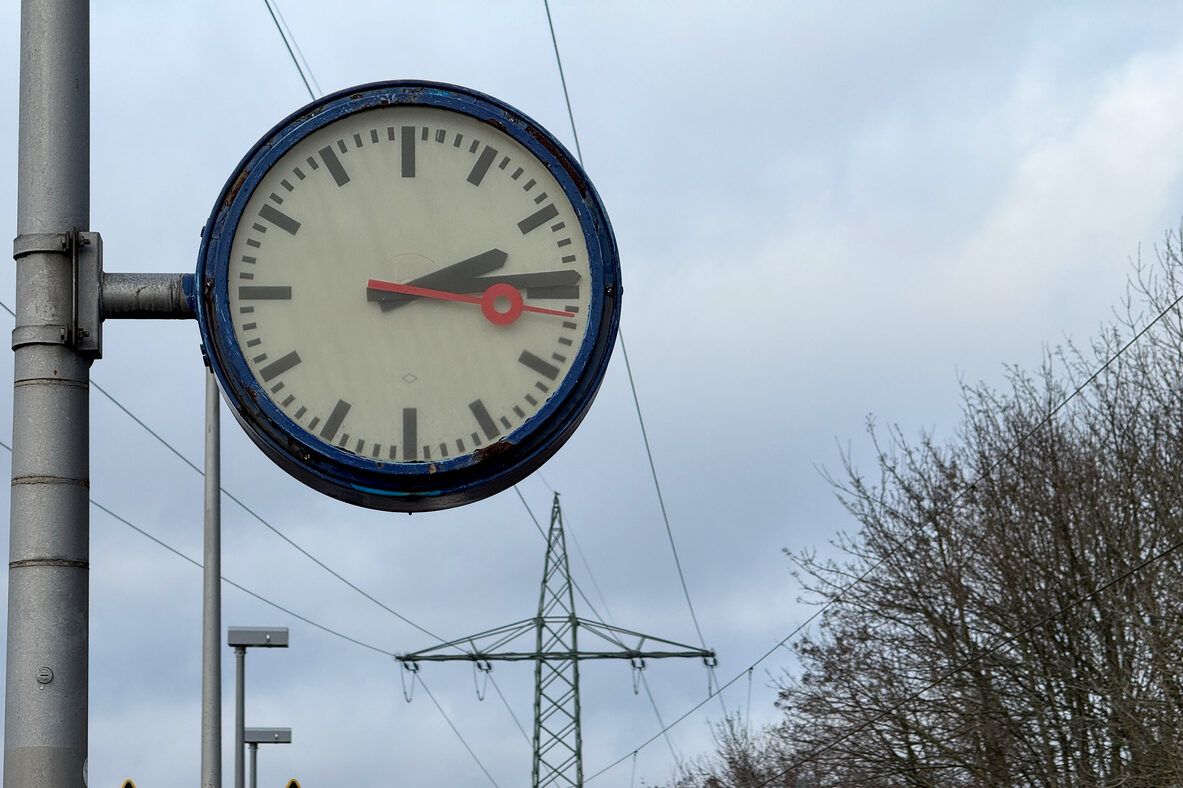
History quietly shapes everyday habits, including how people tell time. Many European countries adopted the 24 hour clock decades ago, and over time it became part of regional tradition. Once a system settles into daily life, it rarely changes. People grow up seeing it on clocks, school schedules, and transportation boards. That familiarity creates comfort. Over generations, the format becomes part of identity, even though it might seem small.
In countries that maintained the 12 hour clock, the same pattern developed. The format became tied to routine, conversation, and daily planning. Changing it would feel unnecessary because the existing system works well. Over time, regional traditions settle into place and remain stable. What began as a practical choice becomes cultural habit. These quiet historical influences explain why neighboring countries sometimes use different time formats, even though their daily lives look very similar.


