
The Hidden Power of the Plunger Flange
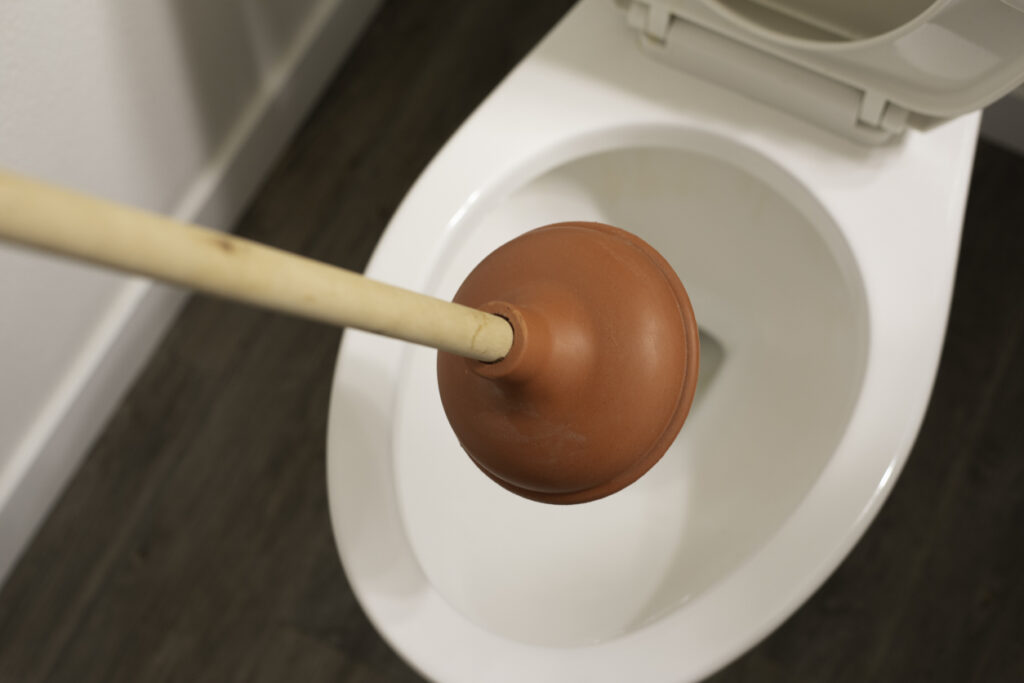
Most homeowners have a plunger tucked away in the bathroom, but many are actually using the wrong tool for the job. A standard flat-bottomed plunger is designed for the flat surfaces of sinks and tubs, whereas a true toilet plunger features a distinct fold-out rubber flap called a flange. This extra piece of rubber was specifically designed to extend into the toilet’s drain hole, creating the airtight seal necessary to produce the pressure needed to clear a stubborn clog.
When you leave the flange tucked inside, you’re essentially trying to use a sink tool on a toilet, which rarely ends well. By simply pulling that rubber sleeve out before you start, you transform the device into a high-suction powerhouse. It’s a small mechanical adjustment that makes a messy household chore significantly faster and more effective. Understanding this design feature, which has been a hardware staple for decades, can save you a lot of frustration and potentially a call to a professional plumber during an emergency.
The Secret Life of the McFlurry Spoon
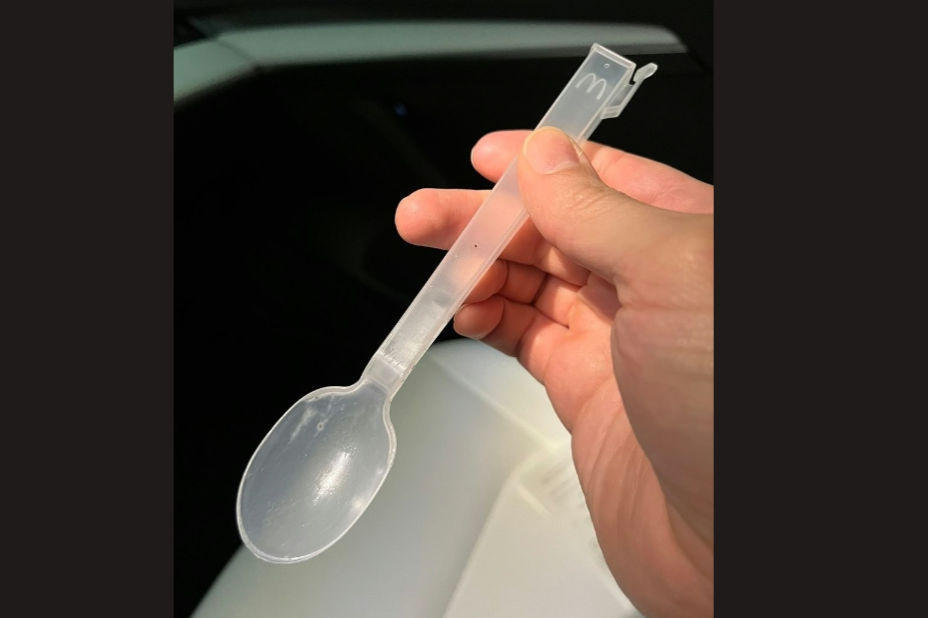
If you’ve ever tucked into a creamy McFlurry, you’ve likely puzzled over that uniquely thick, square plastic spoon. It looks like a straw that doesn’t actually work, but there is a brilliant reason for its shape. Since its debut in 1997, this utensil was engineered to serve as a detachable blending blade for the McDonald’s mixing machine. Instead of cleaning a permanent metal stirrer after every single order, employees simply clip your heavy-duty spoon onto the machine to whip your toppings into the soft serve.
This clever design is all about fast-food efficiency and food safety. By using the spoon itself as the mechanical mixer, the restaurant avoids cross-contamination between different flavors and keeps the line moving quickly. While it might feel a bit bulky in your hand, that hollow, square handle is actually a specialized tool that ensures every bite of your dessert is perfectly blended. It is a classic example of how a simple piece of plastic can be a functional part of a much larger industrial process.
The Clever Groove Under Your Coffee Mug
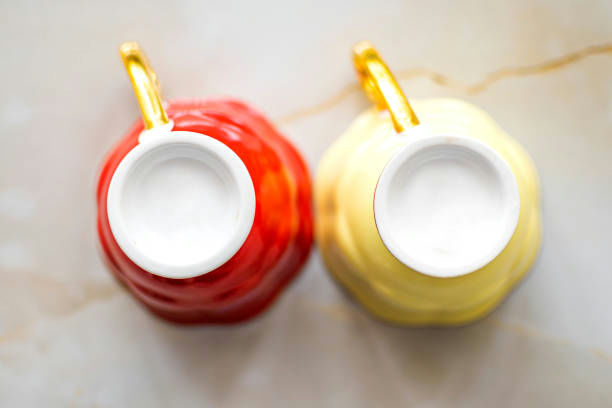
Have you ever noticed a tiny notch or “drainage gate” carved into the bottom rim of your favorite ceramic coffee mug? This isn’t a manufacturing defect or a chip in the pottery; it is a purposeful design feature meant to save your kitchen floors. When you place a mug upside down in the dishwasher, water naturally pools in the recessed base. Thanks to this small gap, the water can drain away freely during the drying cycle rather than sitting in a stagnant puddle.
Beyond just keeping your dishes dry, this little groove allows cool air to circulate under the mug when it’s sitting on a coaster or table. This helps prevent the vacuum seal that sometimes causes a coaster to “stick” to the bottom of a hot cup, only to fall off and crash a moment later. It’s a subtle touch of engineering that makes your morning caffeine routine just a little bit smoother. Most high-quality stoneware brands have included these since the late 20th century to improve the overall user experience in modern kitchens.
The Versatile Stapler Notch Trick
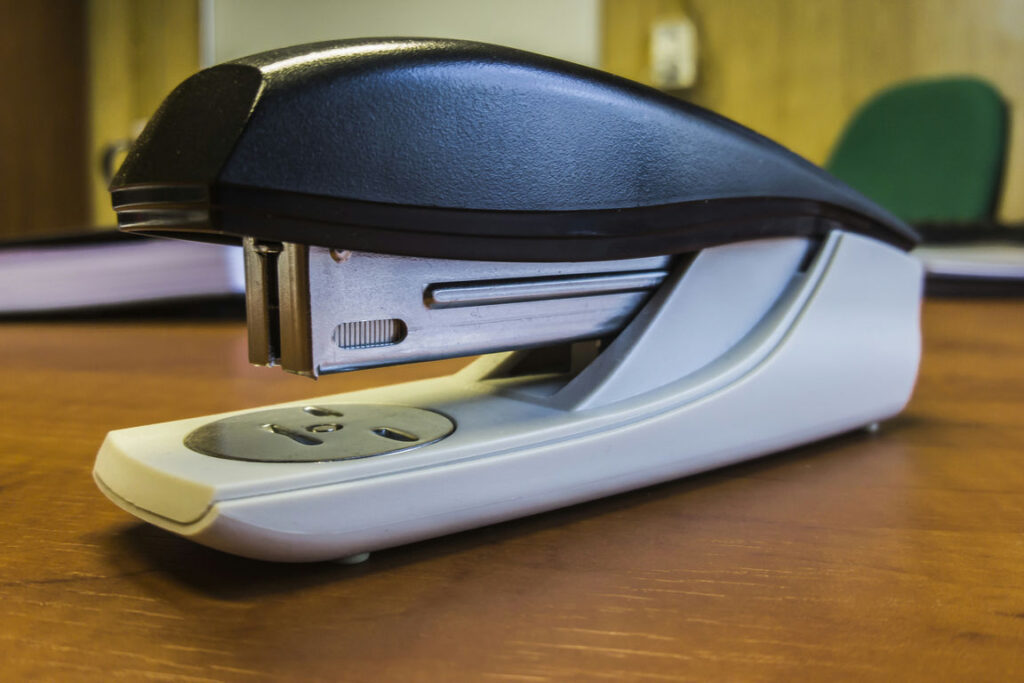
The humble office stapler holds a secret that most cubicle dwellers haven’t discovered since the device became a desk staple in the 1940s. If you look at the metal base plate, officially known as the anvil, you will see two different sets of grooves. By pushing a button or spinning the plate from underneath, you can switch between “permanent” and “temporary” settings. The standard setting curls the staple legs inward for a secure hold, but the alternative setting splayed the legs outward.
This secondary “pinning” function is incredibly useful for documents you only need to keep together for a short time. When the staple legs point outward, they hold the paper firmly but can be pulled out easily with your fingers, acting more like a straight pin than a permanent fastener. It’s a fantastic trick for attaching receipts or temporary memos without needing a heavy-duty staple remover later. Once you know how to toggle this feature, your office organization becomes much more flexible and tailored to your specific needs.
The Original Purpose of Converse Eyelets
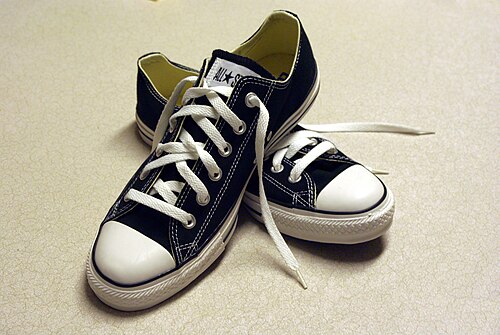
Classic Converse Chuck Taylor All Stars are iconic for their timeless style, but those two extra holes near the sole have a history rooted in performance. Originally released as a technical basketball shoe in 1917, the “Chucks” were designed with these side eyelets to provide much-needed ventilation for athletes. Since the shoes are made of heavy canvas, these holes allow heat to escape and air to circulate, keeping a player’s feet cooler during an intense game on the court.
Interestingly, some professional players also used these extra eyelets for “bar lacing,” which allowed them to pull the sides of the shoe tighter around the arch of the foot for better support. While most people today wear them as fashion statements rather than athletic gear, the holes remain a functional nod to the shoe’s sporty heritage. They help reduce moisture buildup, making the sneakers more comfortable for all-day wear. It’s a perfect example of how 100-year-old sports technology has seamlessly transitioned into a permanent fixture of modern street fashion.
The Life-Saving Padlock Drain Hole
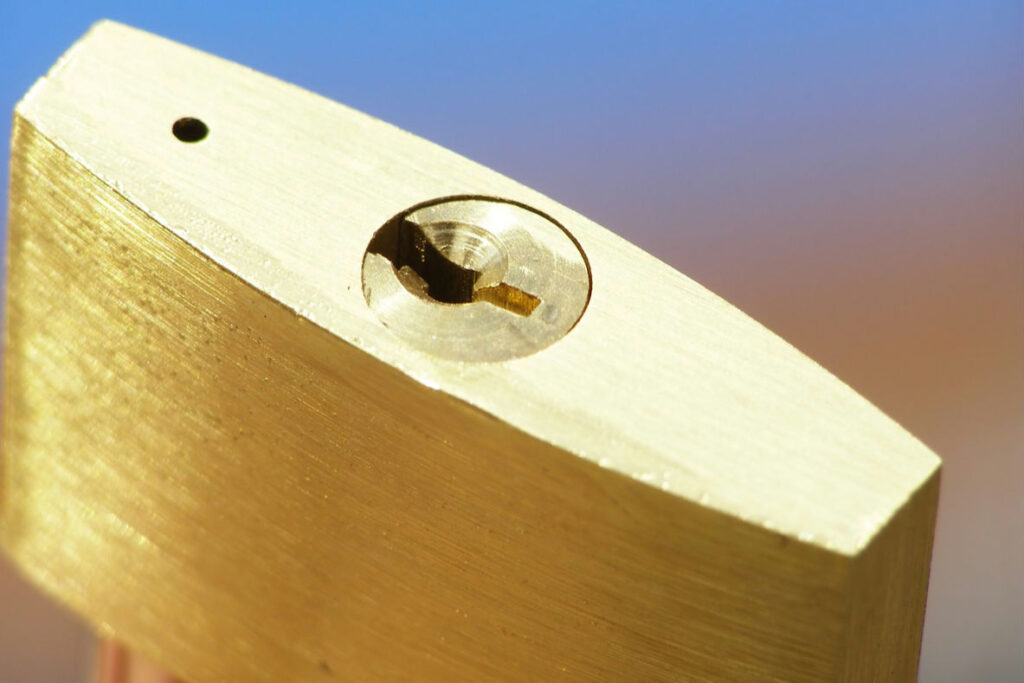
If you look at the bottom of a heavy-duty padlock used outdoors, you will likely find a tiny, mysterious hole right next to the keyway. This isn’t for a secret key; it is actually a drainage port designed to protect the internal tumblers from the elements. Because locks are often exposed to rain and humidity, water can easily get trapped inside the metal casing. This hole allows liquid to escape, preventing the internal springs and pins from rusting shut or freezing solid during the winter.
In addition to drainage, this little opening serves as a maintenance port for the owner. If your lock starts to feel sticky or difficult to turn, you can drop a bit of graphite or light machine oil into the hole to lubricate the mechanism without having to take the whole thing apart. This simple design choice significantly extends the lifespan of the hardware and ensures your property stays secure in any weather. It’s a tiny detail that does a massive amount of work to keep the mechanical parts moving smoothly year after year.
The History of the Wine Bottle Punt

The deep indentation at the base of a wine bottle, known as a “punt,” is a feature that dates back to the era of hand-blown glass. Historically, this curve ensured the bottle could stand upright without a sharp seam on the bottom scratching the table or making the bottle wobble. In modern times, the punt serves a structural purpose by strengthening the glass container, which is especially important for pressurized bottles of sparkling wine like Champagne to prevent them from exploding under stress.
There is also a practical benefit for the person doing the pouring. The punt allows you to place your thumb in the base while holding the body of the bottle with your fingers, giving you a much more stable and elegant grip when serving guests. Additionally, it helps collect natural sediment at the bottom of the bottle in a tight ring, preventing the “dust” from clouding your glass as you reach the end of the wine. It’s a beautiful blend of ancient craftsmanship and modern utility that enhances the entire tasting experience.
The Legacy of the Jeans Ticket Pocket
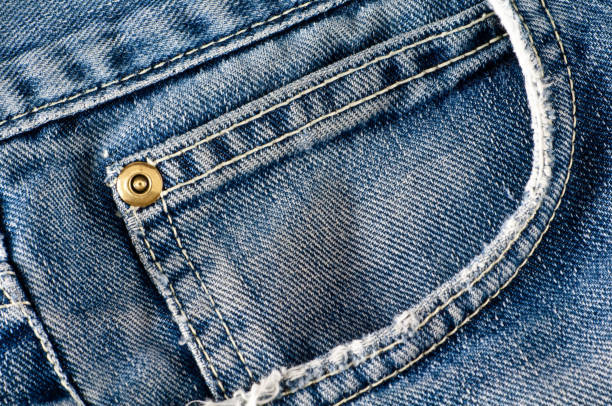
Almost every pair of modern blue jeans features a tiny, narrow pocket nestled inside the front right pocket. While many people today use it for spare change or lip balm, its original name was the “watch pocket.” When Levi Strauss first patented the design in May 1873, it was specifically sized to hold a standard pocket watch, protecting the delicate timepiece from scratches while a laborer worked. It was a essential feature for miners, carpenters, and railroad engineers who needed to keep time on the job.
As the world transitioned to wristwatches during World War I, the pocket’s original purpose became obsolete, but the design survived as a beloved stylistic tradition. In the mid-20th century, it gained a new reputation as a “ticket pocket” for holding train stubs or small slips of paper. Today, it stands as a charming connection to the rugged history of American workwear. Even if you don’t carry a vintage watch, that little pouch remains a permanent fixture of denim culture, reminding us of the practical roots of our everyday wardrobe staples.
The Metal Tong Lemon Squeeze
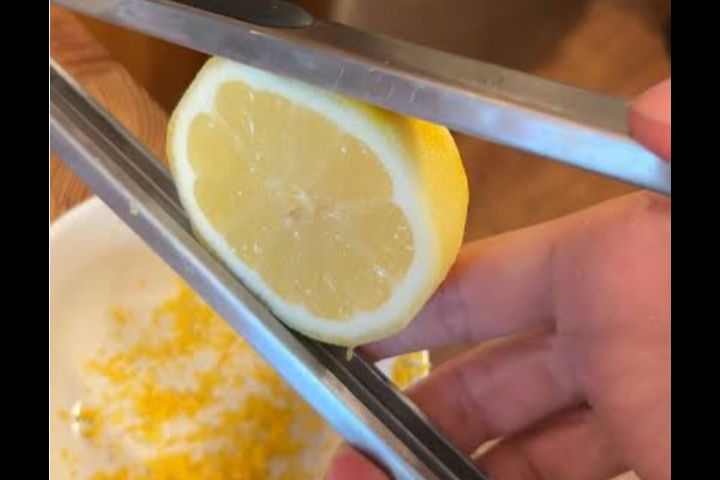
Cooking often involves finding creative ways to use the tools you already have, and one of the best kitchen hacks involves a pair of basic metal tongs. If you need to juice a lemon but don’t want to get your hands sticky or hunt for a bulky manual juicer, your tongs are the perfect substitute. By placing a lemon half between the arms of the tongs near the hinge and squeezing the ends together, you create a powerful lever that extracts far more juice than you could by hand alone.
This technique is a favorite among professional chefs because it is fast, efficient, and keeps your fingers away from the acidic citrus. It also helps catch some of the seeds before they fall into your salad or pan. Using simple physics to your advantage turns a common serving tool into a high-pressure juice extractor in seconds. It’s a great way to simplify your cleanup and make the most of every piece of fruit in your kitchen. This trick proves that you don’t always need a specialized gadget to get professional results at home.
The Right Way to Use a Bobby Pin
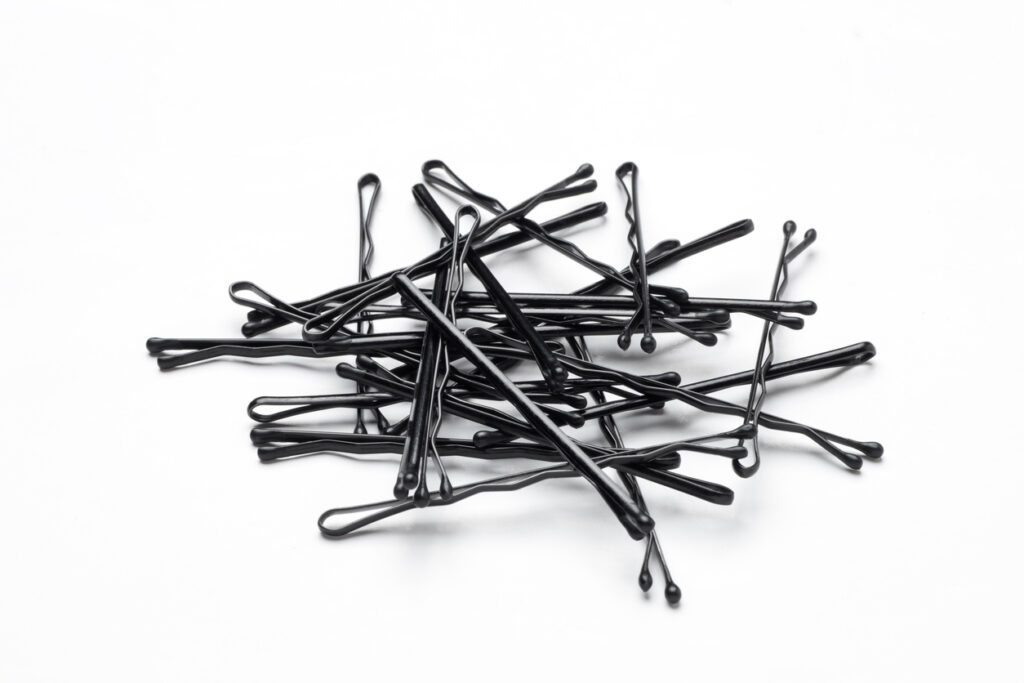
It’s one of the most common hair accessories in the world, yet a vast majority of people have been using bobby pins upside down for years. If you look closely, you’ll see that one side is perfectly flat while the other has a series of wavy ridges. For the best grip, the wavy side should actually face downward, resting against your scalp. These ridges are designed to “lock” into the hair and provide the friction necessary to keep the pin from sliding out throughout the day.
When you flip the pin so the flat side is on top, the sleek surface looks much neater and more intentional against your hairstyle. This design has been the standard since the pins were first popularized in the 1920s to manage the trendy “bob” haircuts of the era. Making this one small adjustment can mean the difference between a style that stays put and one that falls apart by lunchtime. It’s a tiny, human-centered design choice that works wonders once you know the secret to the zigzag.
The Secret Utility of the Pot Handle Hole
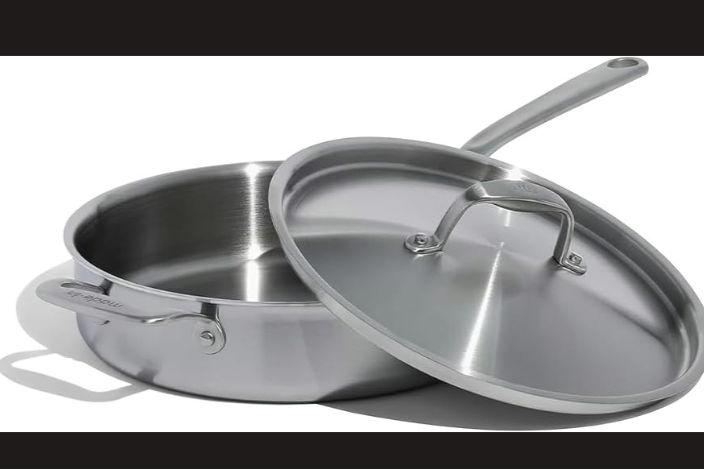
If you look at the long handle of your favorite sauté pan or stockpot, you’ll likely see a small, rectangular hole at the very end. Most home cooks assume this opening is strictly for hanging the cookware on a wall rack or a hook in the pantry. While that is certainly a practical storage solution, the hole was also cleverly engineered as a “built-in” spoon rest. By sliding the handle of a wooden spoon or a spatula through the opening, you can keep your utensil propped up directly over the pot while you simmer your dinner.
This design choice was popularized in mid-century kitchenware to help reduce the mess on your stovetop and countertops. Instead of placing a dripping spoon onto a separate ceramic rest, which eventually leads to more dishes to wash, the condensation and sauce simply drip back into the pan where they belong. It’s a subtle ergonomic feature that makes the flow of cooking much smoother and keeps your workspace tidier. Once you start using this trick during your nightly meal prep, you’ll realize how much thought went into making a simple handle serve a dual purpose.
The Brilliant Tab on the Aluminum Foil Box
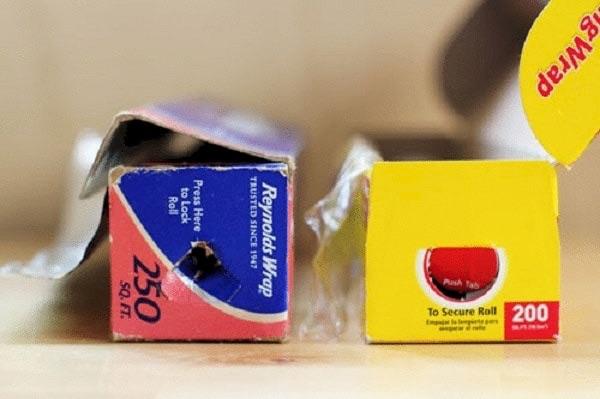
Wrestling with a roll of aluminum foil or plastic wrap can be one of the most annoying parts of packing up leftovers. Often, the entire roll will go flying out of the cardboard box just as you try to tear off a clean sheet. To solve this common kitchen frustration, manufacturers began adding small, perforated “press here” tabs to the ends of the boxes decades ago. When you push these triangles inward, they act as a locking mechanism that holds the cardboard core in place, allowing the roll to spin freely without falling out.
These tabs are a classic example of a “hidden in plain sight” feature that many people overlook for years. By taking two seconds to lock the sides of the box, you turn a flimsy container into a stable, functional dispenser. This simple bit of paper engineering makes it much easier to get a straight tear and prevents the foil from bunching up or wrinkling. It’s a small detail designed to make a repetitive household task feel effortless. Next time you open a fresh roll, look for those little notches and give them a press to save yourself some kitchen stress.
The Puncture Spike on the Ointment Cap
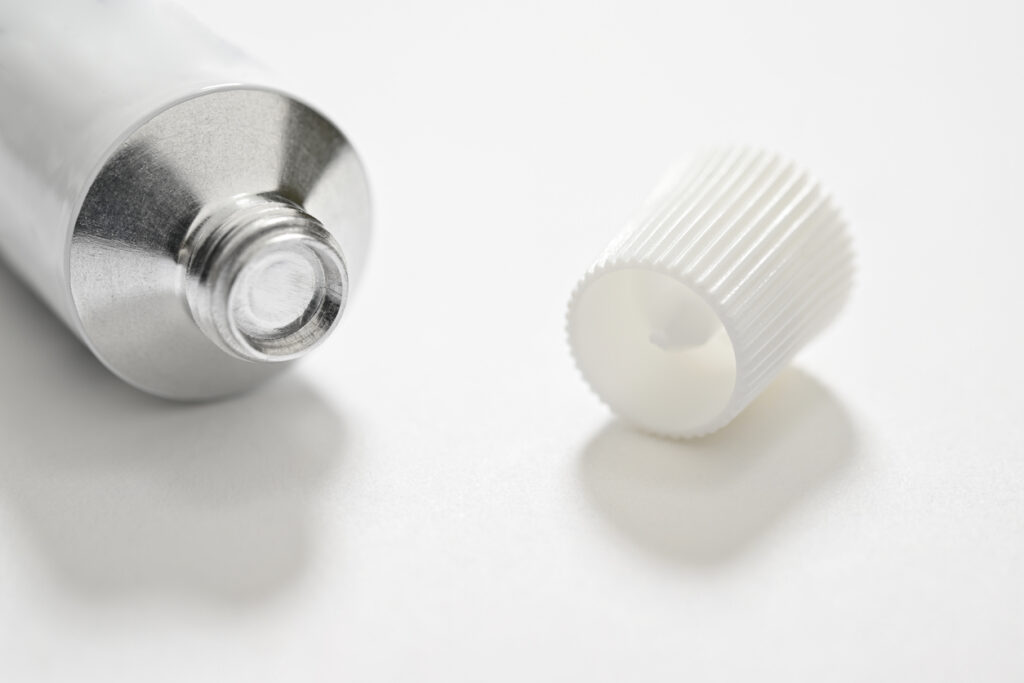
Opening a brand-new tube of ointment, toothpaste, or art supplies can sometimes be a struggle, especially when there is a thick foil safety seal blocking the opening. Many people find themselves reaching for a pair of scissors or trying to pick at the edge with a fingernail, which can be messy and unhygienic. However, if you flip the plastic cap over, you will often find a sharp, molded plastic spike centered on the underside. This spike was specifically designed to be pressed into the foil seal to create a perfect, centered opening with zero effort.
This feature has been a standard in pharmaceutical and cosmetic packaging for a long time because it ensures the product remains sterile until the exact moment of use. By using the cap as a tool, you avoid introducing bacteria from your hands or household tools into the tube. Simply unscrew the cap, flip it around, and push the point into the seal to get started. It’s a tiny, inexpensive addition to the plastic mold that provides a high level of convenience for the consumer. It’s one of those “aha!” moments that makes you appreciate the thoughtfulness behind everyday packaging.
The Hidden Hook on Your Tape Measure
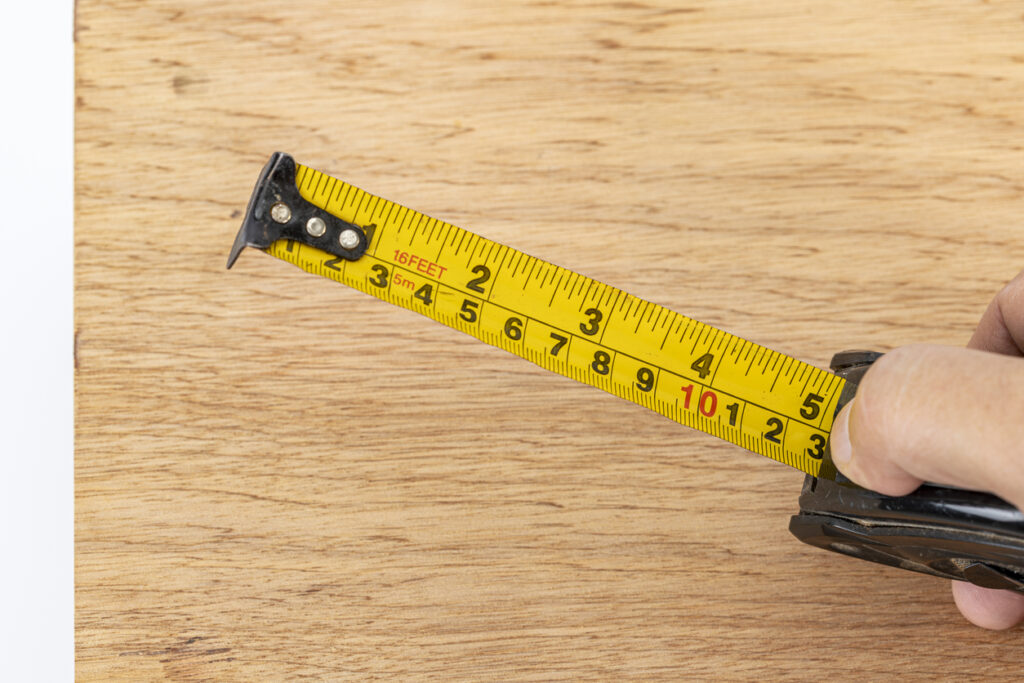
If you’ve ever tried to measure a long piece of lumber or a room by yourself, you know how difficult it can be to keep the end of the tape from slipping. If you look closely at the metal “hook” at the end of a standard retractable tape measure, you’ll see a small, teardrop-shaped hole. This isn’t just a random cutout; it is designed to fit over the head of a nail or a screw. This allows you to anchor the tape securely at your starting point, so you can walk away and pull the tape tight without needing a second person to hold it.
Furthermore, the bottom edge of that metal hook often features a serrated or “toothed” edge. This is meant to act as a scribing tool, allowing you to scratch a mark into wood or drywall if you don’t have a pencil handy. These features were integrated into the tool’s design to empower DIY enthusiasts and professionals to work more independently and accurately. Knowing how to use these little built-in shortcuts can make your next home improvement project go much faster. It turns a basic measuring device into a multi-functional tool that’s ready for any job site challenge.


