
1. The Couch Cushion Conspiracy
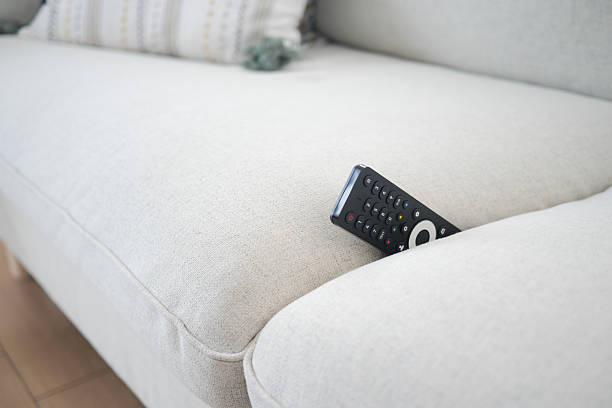
It’s funny how the couch seems to swallow things whole. One minute your remote is in your hand, the next it’s vanished between the cushions like it has a secret life of its own. Psychologists say our brains form habits without us even noticing. We reach for the remote while lounging, absentmindedly toss it down, and before we know it, it’s lodged deep in the couch where our eyes don’t wander. “Most people misplace things in the most predictable spots because they aren’t fully aware of their own movements,” notes behavioral expert Dr. Rebecca Strong.
The trick is that the brain likes routines. When we plop down on the sofa the same way every evening, our hand instinctively goes to the nearest convenient spot often the cushion gap. It’s not magic; it’s habit. Being conscious of these little movements can actually help. A simple solution is a designated tray or a small basket on the coffee table. That way, your brain still follows the same habit, but the remote doesn’t disappear into a cushion black hole. Try it for a week and notice how often you bypass the cushion chase altogether.
2. The Kitchen Table Trap
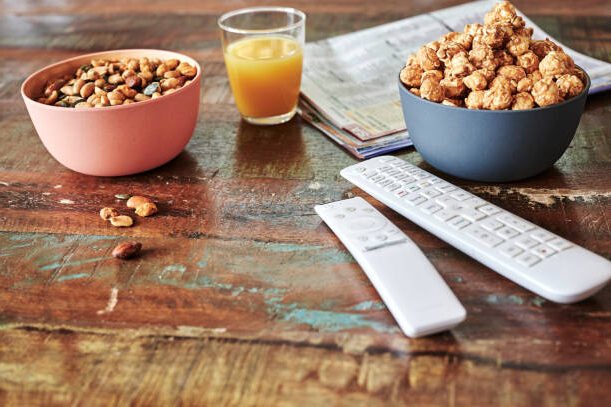
Sometimes the remote isn’t on the couch but ends up in the kitchen, usually on the table or counter. You might have gotten up for a snack or a drink and, on autopilot, set it down next to your cup of coffee. Behavioral studies suggest that distractions trigger these “misplacements.” When your attention is split, your brain temporarily disconnects from storing the location properly. It’s why the kitchen table, a spot used often for multitasking, becomes a remote magnet.
Interestingly, the same studies reveal that humans are drawn to flat surfaces when unsure where to place something. It’s a natural spatial shortcut. You’re not forgetful; your brain is just taking the path of least resistance. Some people swear by leaving a sticky note or a visual cue near their coffee mugs to remind themselves where the remote belongs. Even something as simple as training yourself to always return it to the living room tray before leaving the couch helps. Over time, you condition yourself out of the kitchen table trap, saving countless moments of frantic searching.
3. The Side Table Slide
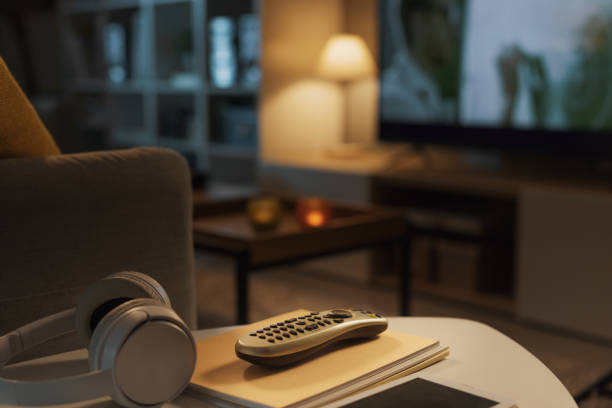
Side tables can seem like the perfect resting place, but somehow, the remote slides off and disappears behind lamps, coasters, or stacks of magazines. Often, it’s not negligence; it’s physics paired with habit. A subtle nudge when reaching for a drink or leaning back in your chair is enough to send it tumbling into shadowy corners. Professional organizers note that “the easiest spots for misplacement are those that are visually cluttered or unevenly surfaced,” and side tables often fit both categories.
The solution is surprisingly simple: define one exact spot on the table for the remote and make it visually clear. Some use small bowls, others place it next to a lamp stand with a slight lip to prevent sliding. This creates a tiny mental anchor, and your brain learns where it goes without effort. What feels like repeated misfortune is really a tiny battle between gravity, clutter, and our distracted minds. Give it a week, and the side table slide becomes a memory instead of a nightly hunt.
4. The Recliner Retreat
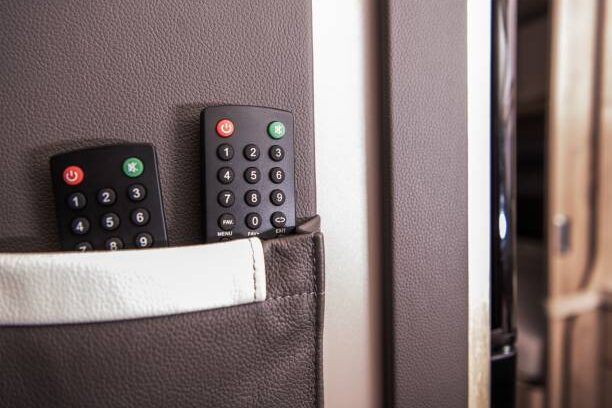
If you have a recliner, you know the mysterious vanishings are amplified. The chair’s contours are perfect hiding spots, and the more comfortable the recliner, the less likely you’ll notice where the remote slipped. Ergonomic studies show that deep seating encourages slouching and casual hand movements, which can send objects off to unintended nooks. “Humans often misplace items during comfortable routines,” a cognitive researcher says. That includes your most-used TV remote.
What helps is habit stacking: pair the act of standing up with returning the remote to a visible, fixed location. Some families install little pockets or pouches on the side of the recliner. Others simply use the couch tray method. Over time, your brain stops relying on the chair’s accidental cushion pockets and instead associates the remote with one stable location. It’s a subtle shift, but it transforms the recliner from a remote black hole into a comfortable haven where misplacement is a rare event rather than the norm.
5. The “Always the Same Spot” Secret
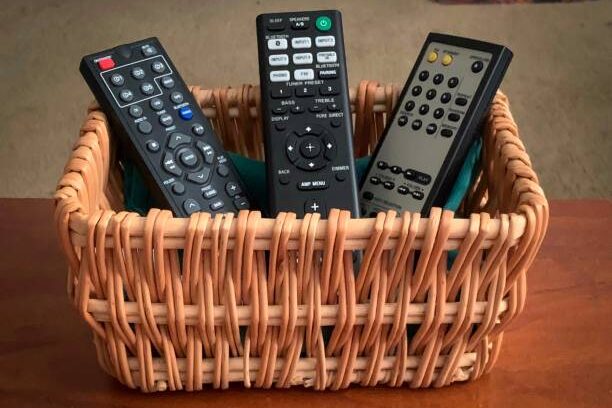
By now, you may notice a pattern: no matter where it disappears, the remote always ends up in the same few spots. Our brains thrive on repetition, and behavioral science confirms that “items left in predictable places are still misplaced because the user isn’t consciously aware of the placement.” In other words, it’s not random chaos it’s routine with a touch of absent-mindedness. The couch, the kitchen table, the side table, and the recliner all make perfect sense when you see it this way.
The gentle fix is creating a permanent home for your remote and training yourself to use it consistently. Whether it’s a tray, a pouch, or a small basket, your brain will latch onto the habit and misplacement becomes rare. The lesson is simple: understanding your patterns beats frustration. Next time you can’t find it, stop, think, and check those habitual spots first. Once you do, the “mystery” disappears. And if you’ve found this helpful, consider taking a few minutes tonight to designate a home for every remote in your living space. A small change today saves countless lost minutes tomorrow.
6. The Bedside Slip
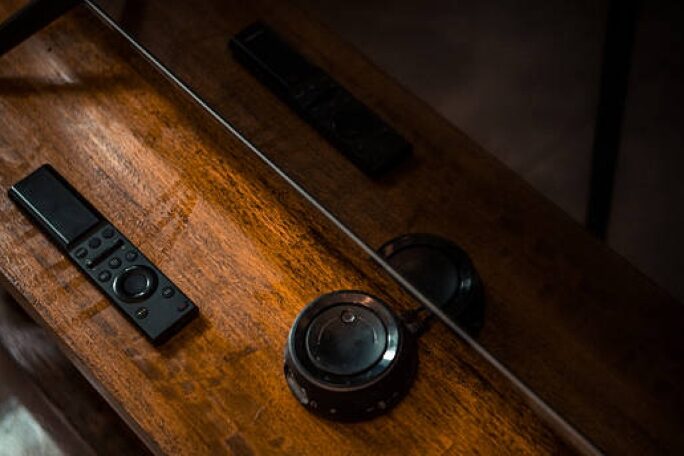
It seems harmless enough to take the remote to bed, but that’s where the bedtime vanishings begin. We often prop it on the nightstand, under the pillow, or between sheets while settling in, and by morning it’s gone. Sleepy hands are clumsy, and our brains are in rest mode, so memory doesn’t work as efficiently. “People are far more likely to misplace items in transitional moments, like moving from the couch to bed,” notes Dr. Lauren Thompson, a cognitive behavior specialist.
A simple habit helps: pick a single spot on the nightstand and make it visually distinct. Some use a small dish or a brightly colored coaster to anchor the remote’s place in the mind. Over time, even groggy hands will find it. The key is awareness and repetition; your brain loves patterns, and by creating a bedtime ritual that includes returning the remote, the mystery disappears. Suddenly, what felt like nightly frustration becomes a simple, predictable part of your routine.
7. The Pet Patrol
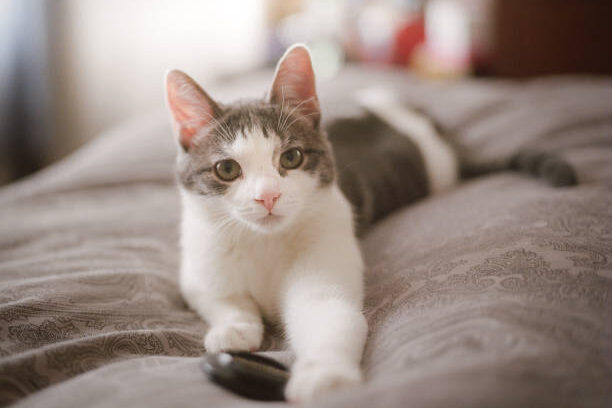
Pets have a funny way of turning your living room into an obstacle course. Cats especially see the remote as a toy, while dogs might nudge it under the couch or chase it along the floor. Even if you’re careful, a curious paw can displace it in a second. Behavioral experts say that unpredictable external factors, like pets, contribute to recurring misplacement patterns, especially in homes with furry friends.
One workaround is a dedicated remote caddy elevated off the floor or a small shelf out of reach. Some households have found success training pets to leave certain objects alone, though consistency is key. It’s not just about your memory it’s also about managing your environment. By accounting for your pet’s natural curiosity and adjusting your storage accordingly, you reclaim control. With a little foresight, the remote stops playing hide-and-seek with your furry companion and stays exactly where it belongs.
8. The Coffee Table Shuffle

Coffee tables are deceptively tricky. They seem ideal for resting your remote, but the clutter of books, magazines, cups, and coasters makes it easy for the device to blend into the scenery. Studies in human behavior suggest that when an object merges visually with its surroundings, our brains have a harder time encoding its location, leading to repeat disappearances.
A practical fix is to designate one corner or tray specifically for the remote. Keep it slightly elevated or visually distinct so your eyes can instantly locate it. Once the brain has a clear reference point, the accidental shuffle of objects no longer results in a vanishing act. What once felt like random misplacement becomes entirely predictable. Over a couple of weeks, you’ll notice the coffee table no longer swallows your remote into a sea of clutter.
9. The Carried-Away Curse
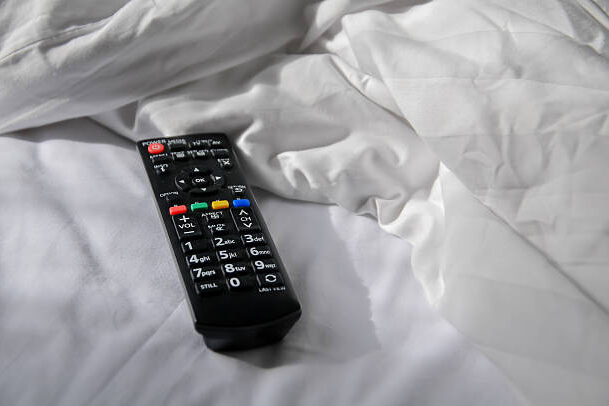
Ever walk into another room holding the remote for a quick adjustment and forget it there entirely? That’s the classic “carried-away curse.” Our minds focus on the next task, like grabbing a snack or answering a text, and the remote ends up abandoned on a chair, counter, or shelf. Cognitive science explains this as an attention lapse: our brains struggle to encode locations while multitasking.
Breaking the cycle is straightforward. Make a mental note or even a verbal cue: “Remote goes back to the tray.” Habits form faster when paired with a consistent action. Some people even set a small visual cue near doorways as a reminder. Within days, you’ll notice the “carried-away curse” disappearing. What felt like a recurring mystery is just your brain’s way of handling multiple tasks at once. Once you consciously redirect it, the remote stays put.
10. The Habitual Hide-and-Seek
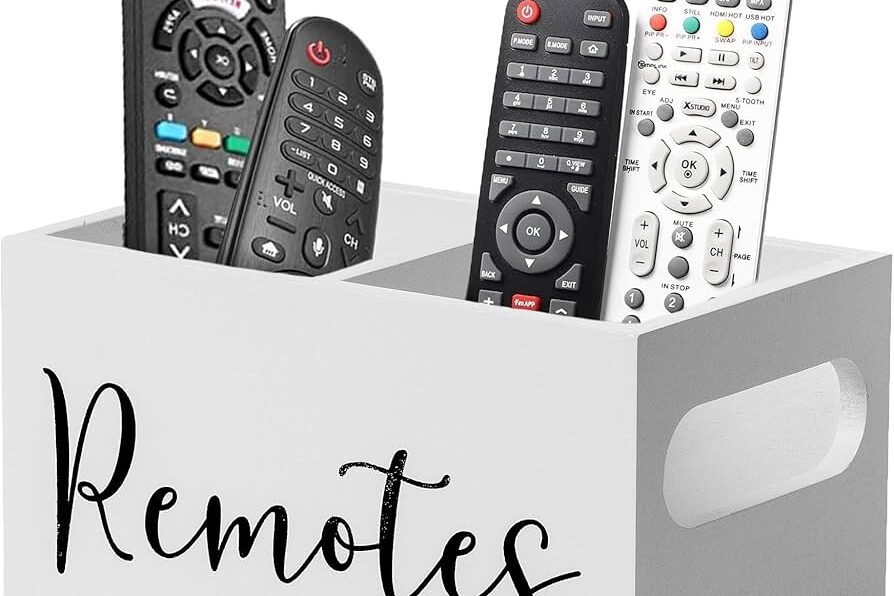
At this point, you might realize the remote’s hiding spots are less about magic and more about routine. Whether it’s the couch cushions, kitchen table, side table, recliner, nightstand, coffee table, or even a curious pet’s paw, the misplacement is habitual, not random. Experts say that the repetition of these spots creates a predictable pattern that only seems mysterious because we aren’t fully aware of our own habits.
The solution is deceptively simple: pick one or two permanent spots and return the remote consistently. Visual anchors, trays, pouches, or designated shelves train the brain to associate the remote with a home. Soon, the frantic searching stops, replaced by effortless retrieval. By noticing patterns, understanding triggers, and creating a habit, the remote becomes easy to locate, ending the playful hide-and-seek. Take a few minutes today to set up its home, and your evenings will be less about searching and more about relaxing with your favorite shows.
11. The Kids’ Interference
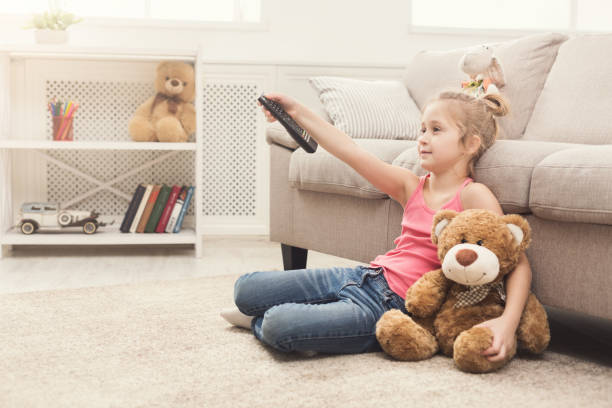
If you have children, you know they can turn any room into a small adventure zone and the remote is an irresistible target. Kids often pick up the remote to play with it, stash it in toy bins, or even “help” by moving it to another room. Cognitive specialists note that external disruptions, especially from unpredictable household members, are a leading cause of repeated misplacement. It’s not forgetfulness, it’s environmental chaos that our brains can’t always account for.
A helpful approach is to create a designated “adult zone” for electronics, preferably out of children’s reach. Some parents even use small baskets or trays with labels to subtly teach kids the remote stays put. Over time, your brain will adjust to the reduced interference, and your remote will spend less time in unexpected toy piles. Awareness combined with small habit tweaks ensures that what once felt like random disappearances becomes predictable, and searching through the living room for the hundredth time becomes a thing of the past.
12. The Guest Shuffle

Guests bring another layer of unpredictability. A friend may absentmindedly move the remote to clear space for drinks or snacks, or set it down in an unusual corner without thinking. Social psychology suggests that when multiple people interact with objects, the usual memory cues get disrupted, making it harder for your brain to recall where you left something. Even a simple gathering can cause repeated vanishings.
The easiest fix is a “guest-friendly zone.” A small bowl or tray labeled as the place for remotes keeps both you and visitors on the same page. You can even make it a gentle joke with friends, turning the habit into something playful yet effective. Once your household gets used to the designated zone, the remote stops wandering. The key takeaway is that misplacement isn’t personal; it’s environmental, social, and habitual. A little structure prevents a lot of lost minutes, so the next time friends are over, your remote will stay exactly where it belongs.


