
1. Lane
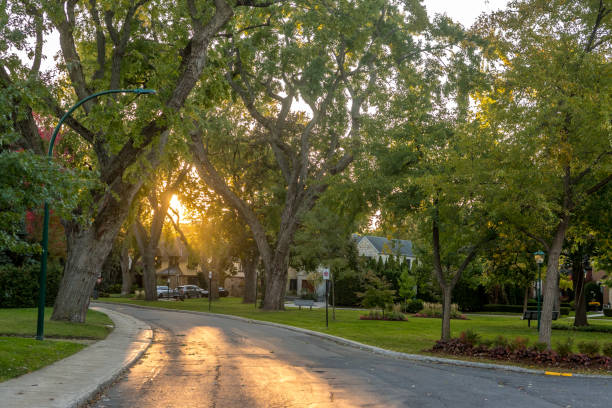
There’s something gentle about a street called Lane, and that feeling is not accidental. Traditionally, a lane referred to a narrow road, often found in rural areas or older towns. It was never meant to be busy or grand. Instead, it suggested a simple path, sometimes bordered by hedges or trees, connecting small homes or leading out toward open land.
Over time, even as cities expanded, the name stuck. Developers began using Lane to give newer neighborhoods a softer, more peaceful feel, even if the road itself was no longer rural. As one urban planning reference puts it, “a lane historically indicated a minor roadway, often less traveled and more intimate in scale.” That sense of intimacy still lingers today. When you see “Lane” on a sign, it quietly promises something slower, a break from the rush, even if just in name. It’s a reminder that not every road was meant to carry the weight of a city, some were simply meant to connect neighbors in a quieter way.
2. Court
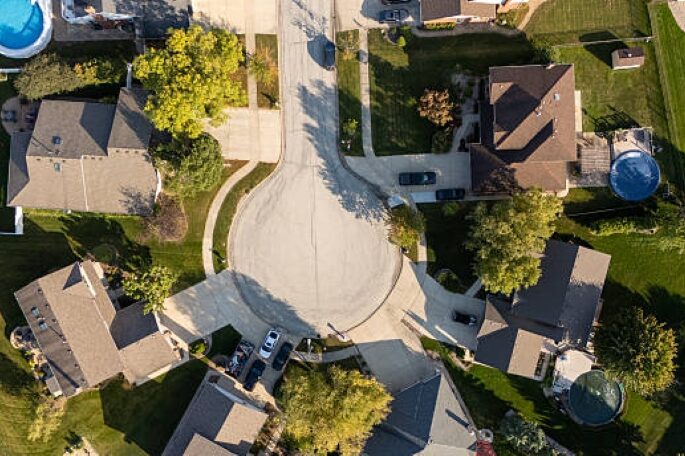
If you’ve ever driven into a Court, you probably noticed how it feels enclosed, almost tucked away. That’s because a court is typically a short road that ends in a loop or cul-de-sac. It doesn’t lead you through to somewhere else. Instead, it invites you in and gently tells you this is as far as you need to go.
The name itself comes from older European layouts, where “court” referred to a courtyard or enclosed space. According to planning guides, “a court is a street that terminates in a circular turnaround, often designed for limited traffic.” That design naturally creates a quieter environment, making it popular for residential areas. Families tend to appreciate the reduced traffic, and it often feels more private than other streets. Even today, the word carries that subtle sense of retreat. Living on a Court can feel like being part of a small pocket within a larger neighborhood, where the road doesn’t just pass through but pauses, giving the space a sense of calm and belonging.
3. Avenue
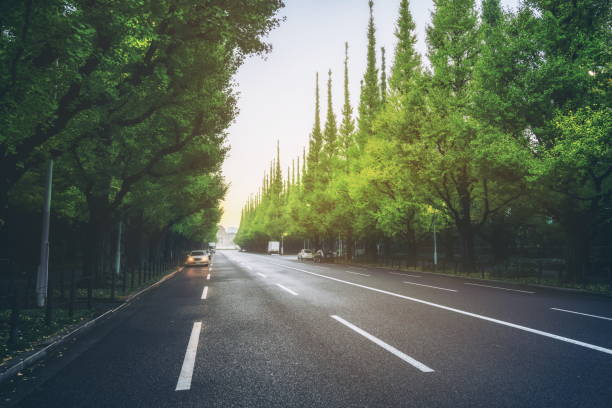
An Avenue feels different the moment you hear it. It sounds broader, more open, and that’s exactly what it was meant to be. Traditionally, avenues were wide streets, often lined with trees, designed to connect important parts of a city. In some of the earliest uses, they even led to significant landmarks or estates, giving them a sense of purpose beyond just getting from one place to another.
That idea still shapes how we see avenues today. “An avenue is typically a wider road, sometimes tree-lined, running perpendicular to streets in a grid system,” as described in urban planning references. The width and layout made them suitable for heavier traffic and movement, which is why many major city routes carry the name. But beyond function, there’s also a feeling attached to it. An Avenue suggests openness, a kind of forward motion. It’s the road that doesn’t just serve a neighborhood but connects it to something larger, quietly encouraging movement, growth, and a sense that there’s always more just ahead.
4. Boulevard
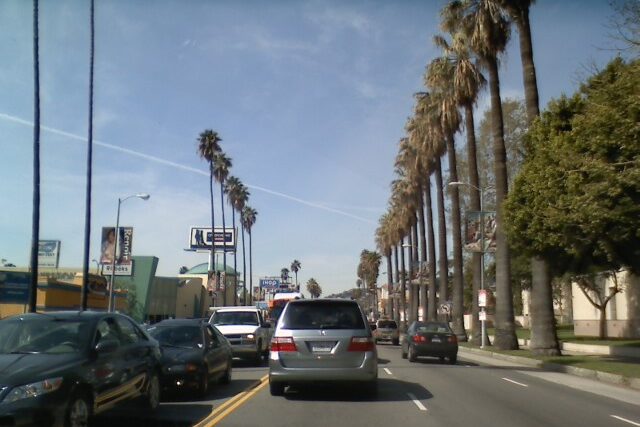
There’s a certain weight to the word Boulevard, and it often feels a little more grand than the others. That’s because boulevards were originally designed to be wide, prominent roads, sometimes built where old city walls once stood. In places like Paris, they became symbols of openness and movement, replacing narrow, crowded paths with something far more expansive and deliberate.
Today, that same idea carries through. Planning references often note that “a boulevard is a broad avenue, frequently divided by a median and designed to handle significant traffic.” You’ll often find trees, landscaped centers, or multiple lanes, all pointing to its purpose as a major route. But beyond the structure, there’s a feeling attached to it. A boulevard suggests importance, a kind of presence. It’s not just a road you pass through quickly, it’s one you notice. Even in modern cities, the name still hints at scale and intention, reminding you that some roads were built not just for function, but to shape how a place feels when you move through it.
5. Terrace
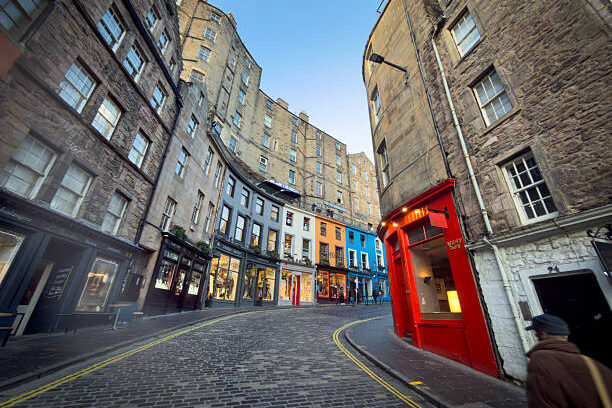
Terrace has a slightly different feel, and that comes from its connection to the land itself. Originally, a terrace referred to a row of houses built on a raised or leveled piece of ground, often following the natural slope of a hill. Over time, the name extended to the road that ran alongside those homes.
Today, “a terrace is often a street that follows a slope or features a row of similar houses,” according to common descriptions. You’ll notice that many terraces have a certain uniformity, homes lined up in a way that feels intentional and balanced. There’s also often a sense of elevation, whether literal or just in how the space is arranged. The name carries a quiet hint of order and design, suggesting that the street was shaped with a bit more care. When you find yourself on a Terrace, it can feel like everything is sitting just where it should be, the road, the homes, the view. It’s subtle, but it adds a layer of character that makes the space feel considered rather than случай.
6. Circle
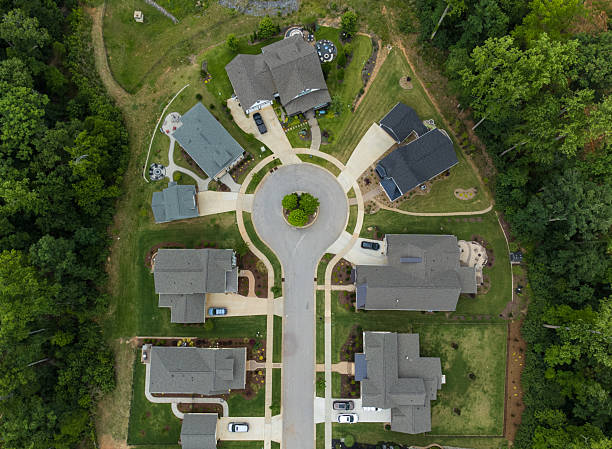
A Circle is one of the easier names to recognize once you think about it. As the name suggests, it refers to a road that loops back onto itself, forming a circular shape. It’s a design that naturally slows traffic and creates a more contained environment, often used in residential areas.
Planning sources commonly explain that “a circle is a road that forms a loop, typically connecting back to itself at one or more points.” That structure changes how the space feels. There’s less of a sense of passing through and more of a sense of staying within. It often becomes a place where neighbors recognize each other, where the road feels shared rather than busy. Over time, the name has come to carry that feeling of completeness. A Circle doesn’t lead you somewhere new, it brings you back around. And in a quiet way, that mirrors how many of these street names work. They may seem small at first, but once you notice them, they begin to connect, turning something as simple as a road sign into a story that keeps unfolding the more you pay attention.
7. Parkway
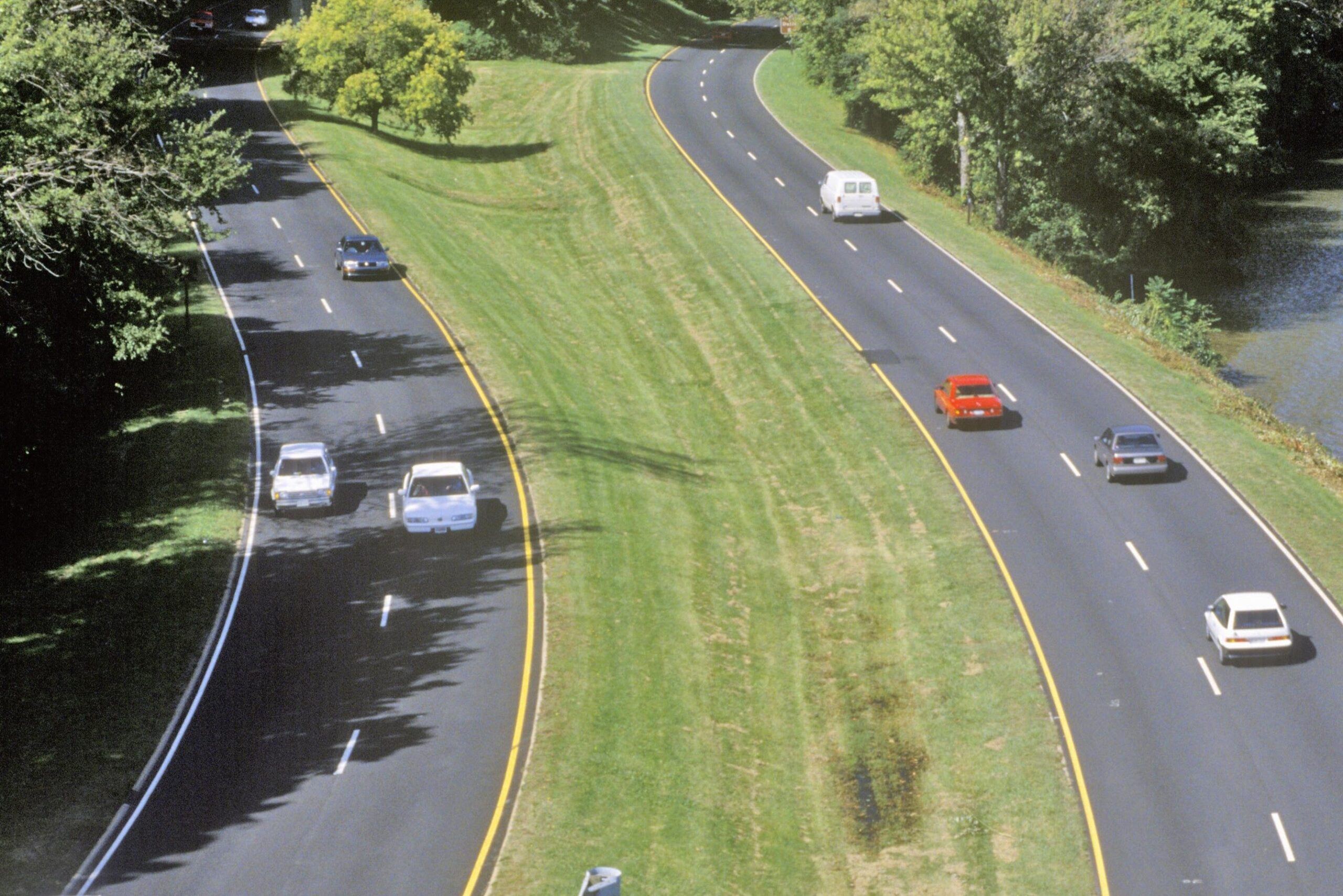
A Parkway carries a certain calm with it, and that comes from how it was first imagined. Originally, parkways were designed as scenic roads, often built to connect parks or run alongside green spaces. They weren’t just about getting from one place to another, but about enjoying the ride along the way, with trees, open views, and a sense of ease built into the design.
Today, that intention still lingers. Planning references often explain that “a parkway is a landscaped thoroughfare, frequently with restrictions on heavy traffic to preserve its character.” Even when modern traffic fills them, the name still hints at something softer. You’ll often see wider medians, greenery, or gentle curves that break away from rigid city grids. A Parkway feels less rushed, almost like it’s asking you to take your time. It reminds you that roads were not always just about speed and efficiency. Sometimes, they were created to offer a moment of quiet in motion, where the journey itself mattered just as much as the destination.
8. Alley
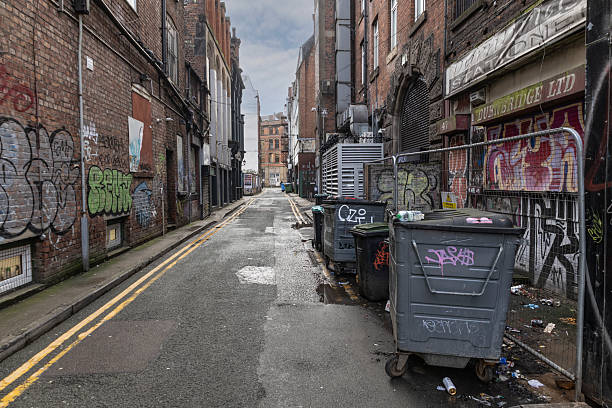
An Alley doesn’t try to stand out, and that’s exactly its purpose. Traditionally, alleys were narrow passageways tucked behind buildings, used for service access, deliveries, or simply moving out of sight from the main streets. They were practical, not decorative, and often overlooked in the larger layout of a city.
Urban descriptions usually define it as “a narrow lane between or behind buildings, often used for secondary access.” Even today, alleys carry that same behind-the-scenes feeling. They’re where trash bins are kept, where deliveries happen, where the city quietly takes care of its daily needs. But there’s also something unexpectedly human about them. Without the noise of main roads, they can feel still, almost reflective. In some neighborhoods, they’ve even been repurposed into creative spaces or shortcuts known only to locals. An Alley may not have been designed to be admired, but it holds a different kind of value, one rooted in function, history, and the quieter side of everyday life.
9. Crescent
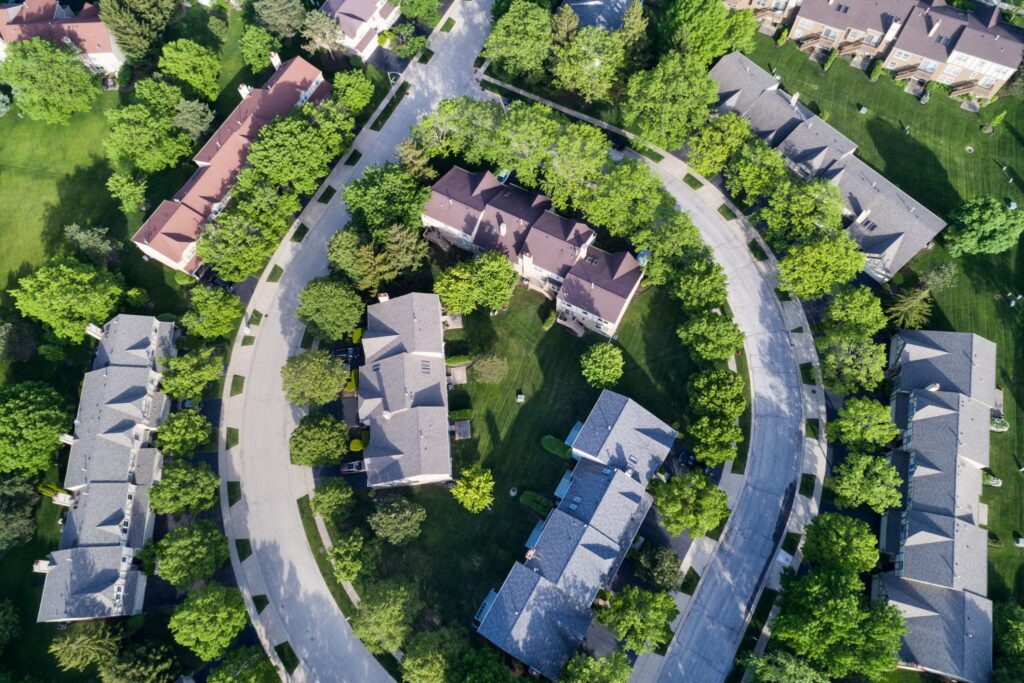
A Crescent has a softness to it, and that comes from its shape. Named after the curve of a crescent moon, this type of road typically bends in a gentle arc, sometimes reconnecting with the same road at both ends. It’s not as enclosed as a circle, but it still creates a sense of quiet separation from busier streets.
Planning definitions often describe it as “a road that curves in a semi-circular shape, usually joining the same street at both ends.” That design naturally slows things down, both in traffic and in pace. When you’re on a Crescent, there’s less urgency, less of that straight-line rush. It feels more like the road is guiding you rather than directing you. Over time, the name has come to suggest a kind of calm balance, a space that’s slightly set apart without being completely closed off. It’s one of those street names that quietly shapes how a place feels, not by standing out, but by softening the experience of moving through it.
10. Row
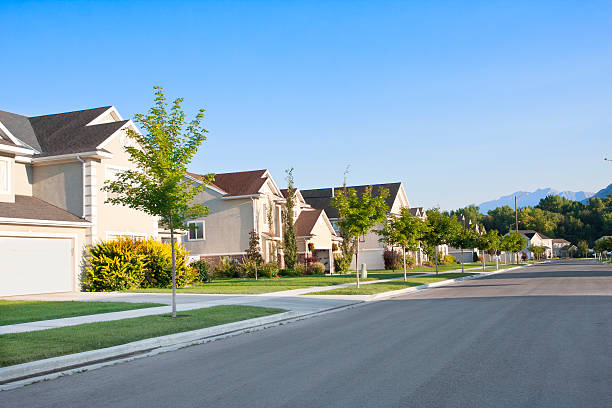
A Row is simple, and that simplicity is exactly where its meaning comes from. Traditionally, it referred to a street lined with a uniform row of houses or buildings, often built close together in a neat, continuous line. The focus wasn’t on the road itself, but on what stood along it.
Urban references often note that “a row typically describes a street bordered by a series of similar or connected buildings.” You’ll see this clearly in older neighborhoods, where homes share walls or follow a consistent design, creating a sense of order and rhythm. There’s something comforting about that repetition. It gives the street a clear identity, one that feels steady and familiar. Even in newer areas, the name is sometimes used to recreate that feeling of cohesion. A Row doesn’t need to be wide or busy to matter. Its character comes from what it holds together, quietly showing how a simple line of homes can shape the way a street is experienced, and how people come to feel connected within it.


