
1. Saturday Morning Cartoons
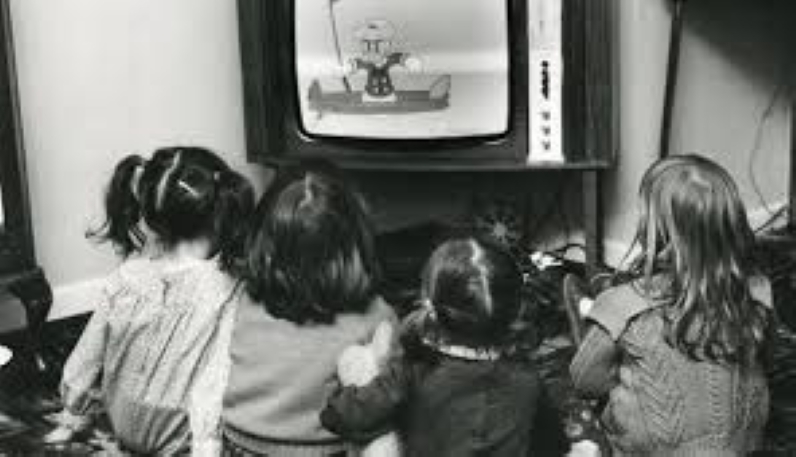
Saturday mornings had a rhythm that felt completely different from the rest of the week. You woke up earlier than you needed to, not because anyone told you to, but because you wanted to. The house was usually quiet, and the TV felt like it belonged to you for a while. You sat close, maybe with a bowl of cereal, flipping through channels until you found the shows you had been waiting for all week.
There was something comforting about knowing those cartoons only came at that time. A media observer once said “Saturday blocks created a sense of ritual viewing for kids.” You didn’t rush through it, and you didn’t skip ahead. You just stayed there, watching one show roll into the next. Even the commercials became part of the experience. Looking back, it was never just about the cartoons themselves, it was about having that small, predictable space that felt entirely your own.
2. Blowing Into Game Cartridges
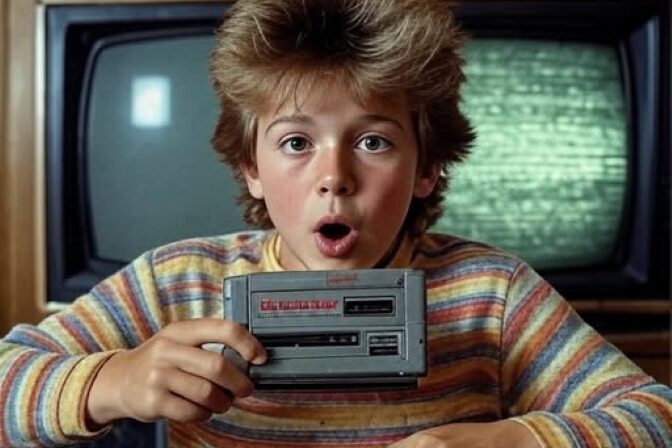
There was always that moment when a game would not start, no matter how many times you tried. You would take the cartridge out, look at it for a second, then do the one thing everyone seemed to believe worked. You blew into it carefully, put it back in, and pressed the button again, hoping this time the screen would finally load the way it should.
It became a habit without anyone really questioning it. A gaming historian once noted “the ritual persisted more from shared belief than actual effectiveness.” Still, it felt like you were doing something useful. When the game finally worked, it almost confirmed the method, even if it was just coincidence. That small routine turned frustration into a kind of quiet problem solving, something simple that felt like a fix in the moment.
3. School Book Fairs
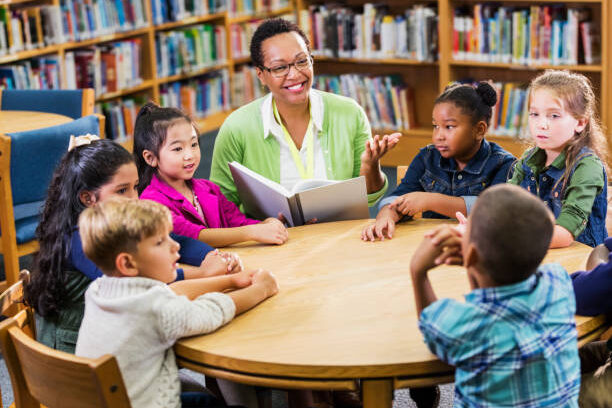
When the book fair arrived at school, it changed the usual routine in a noticeable way. Walking into that space felt different from being in a classroom. Tables were filled with books, posters, and small items that immediately caught your attention. You moved slowly, picking things up, flipping through pages, and trying to decide what mattered most.
Even if you did not buy anything, the experience stayed with you. A literacy advocate once said “book fairs often create early positive associations with reading.” It was not just about books, it was about choice. You were deciding what you liked, what looked interesting, and what felt worth having. That sense of independence made it memorable. Looking back, it was one of those small school moments that quietly encouraged curiosity without feeling like work.
4. Rewinding VHS Tapes
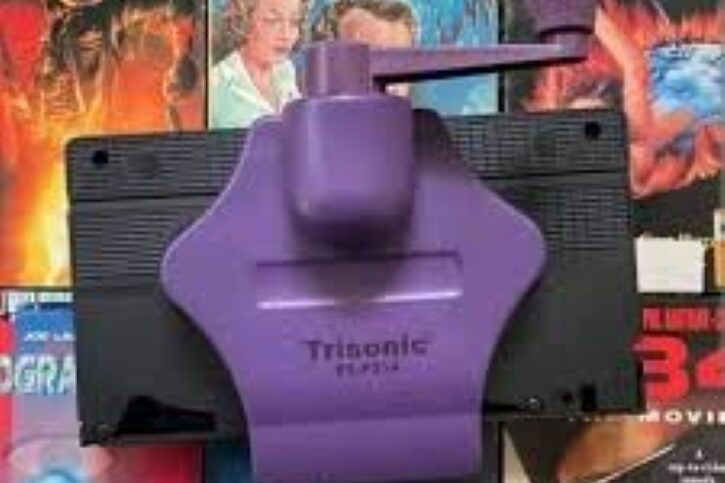
Watching something on a VHS tape came with one small responsibility at the end. You had to rewind it. Whether it was for yourself or the next person, you pressed the button and waited as the tape spun back to the beginning. Sometimes you watched the numbers count down, other times you left it and came back later to check.
It was a simple step, but it felt like part of the process. A media historian once shared “physical media required participation in ways digital formats do not.” You were not just watching something, you were handling it, maintaining it in a small way. Forgetting to rewind even felt like breaking an unspoken rule. It added a sense of care to something that now happens instantly without thought.
5. The Taste of Lunchbox Snacks
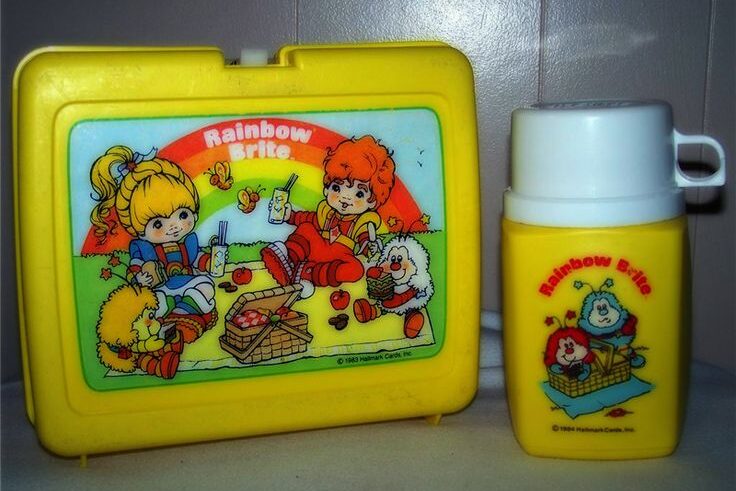
Opening your lunchbox at school always came with a small moment of curiosity. Even if you packed it yourself or saw what went in, it still felt like a reveal. You looked at what was inside, traded items with friends, or saved your favorite snack for last. It was a small part of the day, but one that stood out.
Food writers have often noted that “childhood snacks are strongly tied to memory and comfort.” It was never just about hunger. It was about routine, familiarity, and sometimes surprise. The same snack could feel different depending on the day. Looking back, those simple lunches carried a kind of comfort that had less to do with the food and more to do with the moment around it.
6. Hopscotch and Sidewalk Chalk
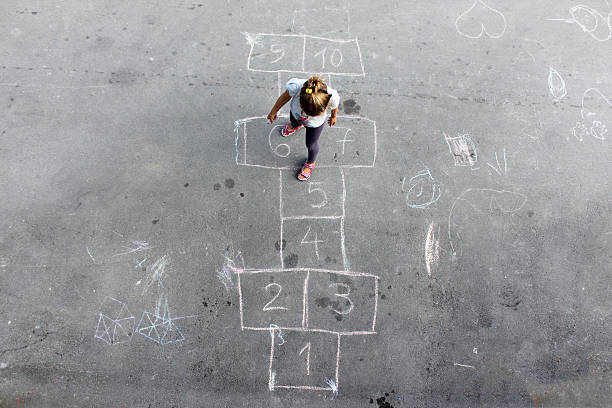
There was a time when a simple piece of chalk could turn an ordinary sidewalk into a whole world. Drawing squares, numbers, or complicated designs meant you could make rules, invite friends, and create games that lasted for hours. Hopscotch wasn’t just a game; it was a way to challenge yourself, test balance, and feel a small sense of accomplishment each time you completed a round.
Sidewalk chalk had a magic that other toys didn’t. Even if it rained and washed everything away, you could start again tomorrow. A childhood play expert once said, “open-ended outdoor activities like sidewalk chalk encourage creativity and social interaction.” You weren’t just playing, you were building something temporary that belonged to you for a while. Looking back, it was both fleeting and memorable. Those bright colors, the feel of chalk dust on your fingers, and the laughter of friends made afternoons feel bigger than they really were.
7. Catching Fireflies at Dusk
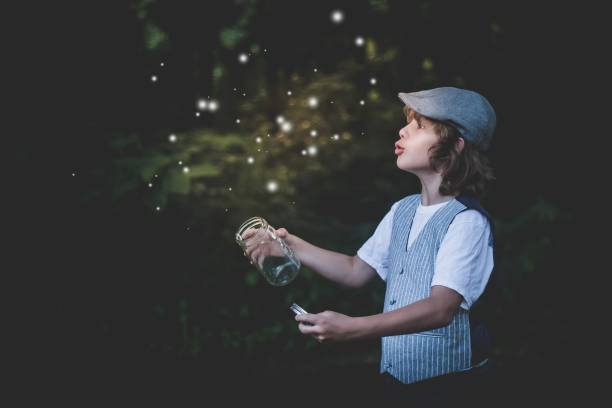
Summer evenings had a quiet wonder to them, especially when fireflies appeared. You ran through yards or fields, trying to catch them, fascinated by the tiny lights blinking in the dark. The glow wasn’t just fun to watch; it felt magical, like a secret the world shared with you alone.
Biologists note that observing fireflies can foster curiosity about nature early on. You learned patience and timing without even realizing it. Every blink was unpredictable, and every catch felt like a small victory. Even if you let them go, the memory of the glowing lights stayed. That feeling of wonder and awe, simple and natural, is something few other experiences can replicate. Looking back, those nights remind you how small moments can carry a surprising kind of joy that lingers long after.
8. Collecting Stickers and Trading Cards
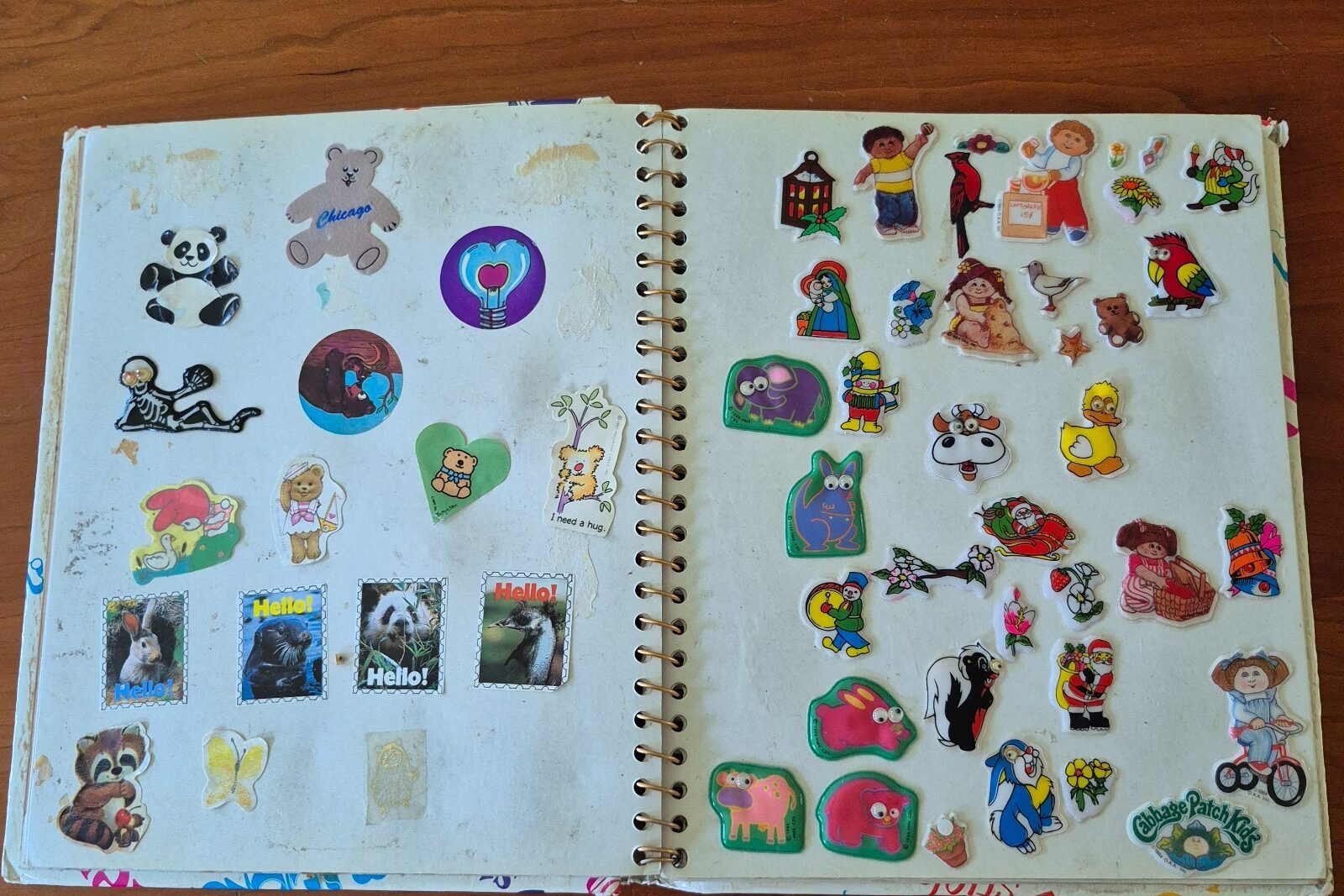
Collecting stickers, cards, or small toys was more than just a pastime; it was a way to connect. You arranged them carefully in books or boxes, compared them with friends, and traded the ones you wanted most. Every new addition felt like a personal treasure, and each trade taught negotiation and patience.
A child development study noted that collecting teaches both focus and social skills. The process mattered as much as the item itself. You learned to spot differences, appreciate rarity, and make small choices that felt important. The thrill of getting something rare or completing a set created a sense of accomplishment. Even if the collection was long forgotten, the memory of that excitement and the friendships built around it still feels vivid. It was simple, yet meaningful in its own way.
9. Playing “Restaurant” or “Store”
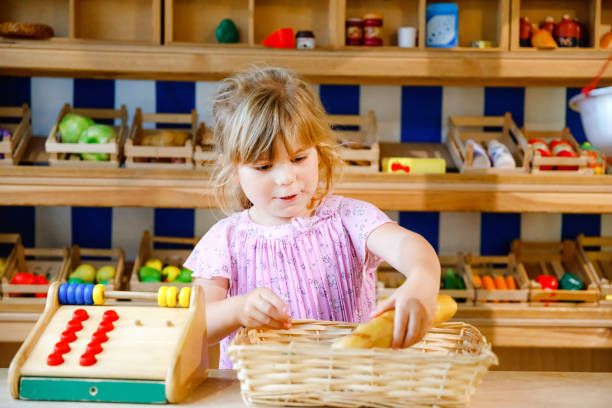
Imagination was the currency of play. Setting up a pretend restaurant or store meant you got to decide the rules, take orders, and assign roles. It wasn’t just make-believe; it was practice for real-life skills like teamwork, responsibility, and creativity.
Childhood play experts point out that role-playing games help develop problem-solving skills. You learned how to be patient, handle mistakes, and even negotiate prices, all in your own backyard. Those games might seem small now, but they encouraged planning, cooperation, and fun all at the same time. Looking back, it’s clear that what felt like simple play was also a quiet rehearsal for the world outside. Those moments had more impact than we often realize.
10. The Joy of Jumping in Puddles
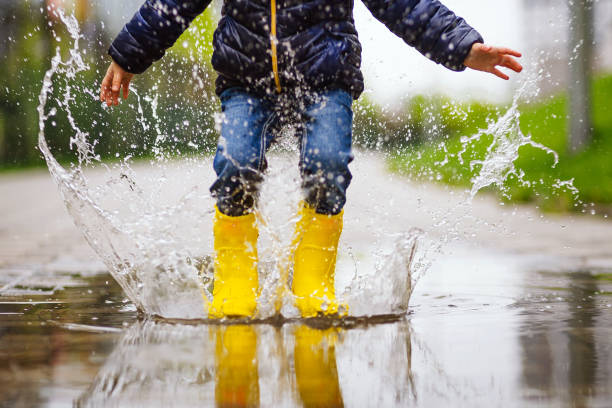
Rainy days had a way of turning ordinary streets into playgrounds. Jumping in puddles wasn’t just fun; it was freedom in its simplest form. The splash, the cool water, and the laughter of friends or siblings made bad weather feel like an adventure.
A psychologist once noted that playful experiences like puddle jumping contribute to emotional resilience and simple happiness. There was no goal, no plan, just pure enjoyment of the moment. Looking back, it’s easy to see that the joy didn’t come from the puddles themselves, but from embracing small opportunities for fun and letting go of rules for a while. Those tiny experiences remind us how much happiness can exist in the simplest acts. Childhood was full of them, and remembering them now brings a quiet, comforting warmth.
11. Waiting by the TV for Your Favorite Show
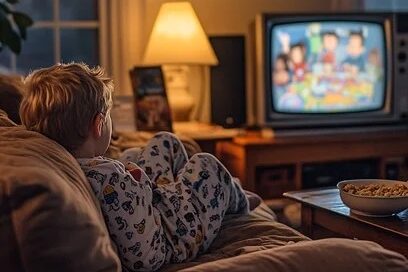
There was a time when watching your favorite show meant planning your whole afternoon around it. You kept an eye on the clock, even if you pretended not to care. Homework got done faster, snacks were ready early, and you made sure you were in the right spot before the theme song started. Missing it felt like missing out on something everyone else would talk about the next day, and that made it matter more.
That kind of waiting created a rhythm that feels rare now. A media researcher once said “scheduled programming created shared anticipation among viewers.” You were part of something at the same time as everyone else, even without thinking about it. The excitement built slowly, and that build up made the moment feel bigger. Looking back, it wasn’t just about the show, it was about learning how to wait.
12. The Sound of Ice Cream Truck Music
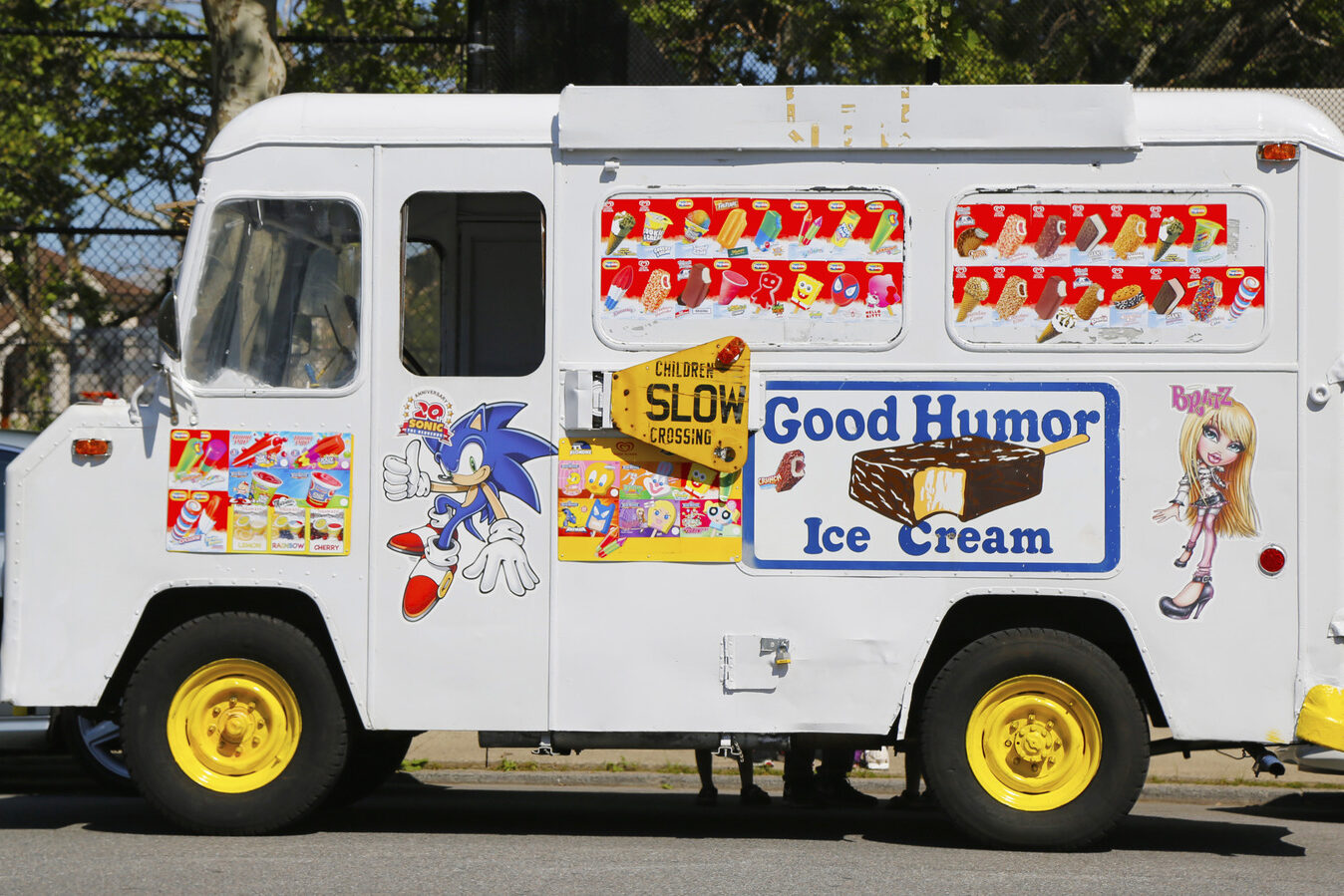
You could be anywhere in the house when you first heard it, faint at first, then clearer as it got closer. That familiar tune instantly changed your mood. You stopped what you were doing, looked around, and tried to figure out where it was coming from. Sometimes you ran outside without even thinking, hoping you still had time to catch it before it turned the corner and disappeared.
What made it special was how unpredictable it felt. You never knew exactly when it would show up, and that made every visit exciting. A cultural writer once described it as “turning ordinary streets into shared moments of joy.” Even now, hearing something similar can pause you for a second. It brings back that quick burst of excitement, the kind that didn’t need much to feel important.
13. Writing Notes Instead of Texting
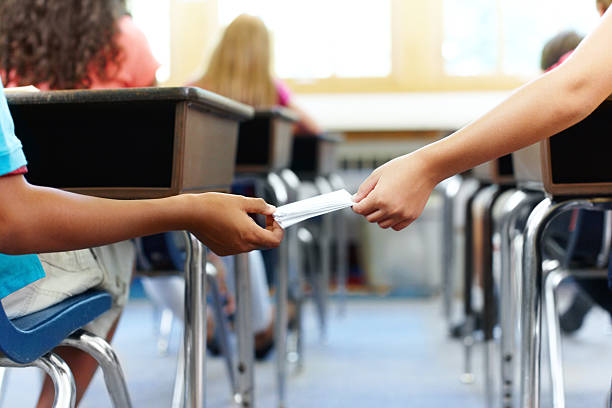
Before phones became everything, passing notes was its own quiet way of staying connected. You folded paper carefully, sometimes in ways that took practice, and passed it along when no one was paying attention. The message didn’t have to be long to feel important. Even a simple sentence could carry meaning because you knew someone took the time to write it down.
There was something personal about it that feels different from texting now. Handwriting, small drawings, and even the way the paper was creased added something extra. An education expert once noted “handwritten messages often create stronger emotional connections.” You could hold onto them, reread them, and keep them hidden away. It made communication feel slower, but also more thoughtful in a way that stayed with you.
14. Playing Outside Until the Streetlights Came On
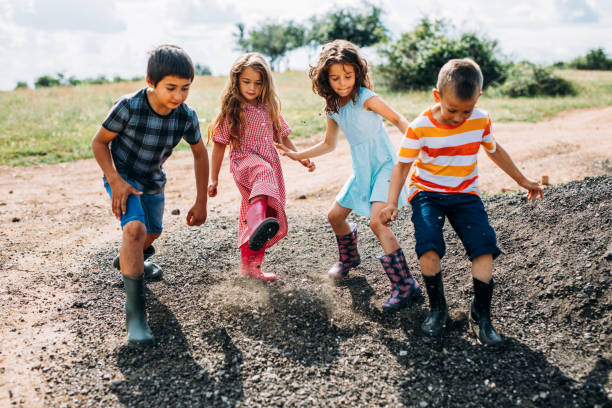
There was an unspoken understanding that the day ended when the streetlights came on. Until then, you stayed outside without thinking too much about time. You rode bikes, played games, and moved from one spot to another without any real plan. Someone’s yard became the meeting place, and everything else just fell into place as the hours passed.
Those evenings felt open and easy in a way that is harder to find now. A childhood development study once shared that “unstructured outdoor play helps build confidence and creativity.” At the time, it just felt like fun and nothing more. You didn’t track minutes or worry about schedules. You simply stayed out until someone called your name, and even then, you asked for a few more minutes.
15. The Feeling of New School Supplies

Getting ready for a new school year always came with a quiet kind of excitement, even if you didn’t say it out loud. Walking through aisles filled with notebooks, pencils, and folders made everything feel fresh. You picked out items that felt right, sometimes based on color or design, and imagined how you would use them once school started again.
It wasn’t really about the supplies themselves, but what they stood for. A teacher once said “new supplies often represent a fresh start more than a simple need.” You felt like things could be different, even if you weren’t sure how. Opening a new notebook or using a sharpened pencil carried a small sense of possibility. Looking back, it was a simple feeling, but one that stayed with you.


