
1. Ellen DeGeneres and the Smile That Didn’t Match the Stories
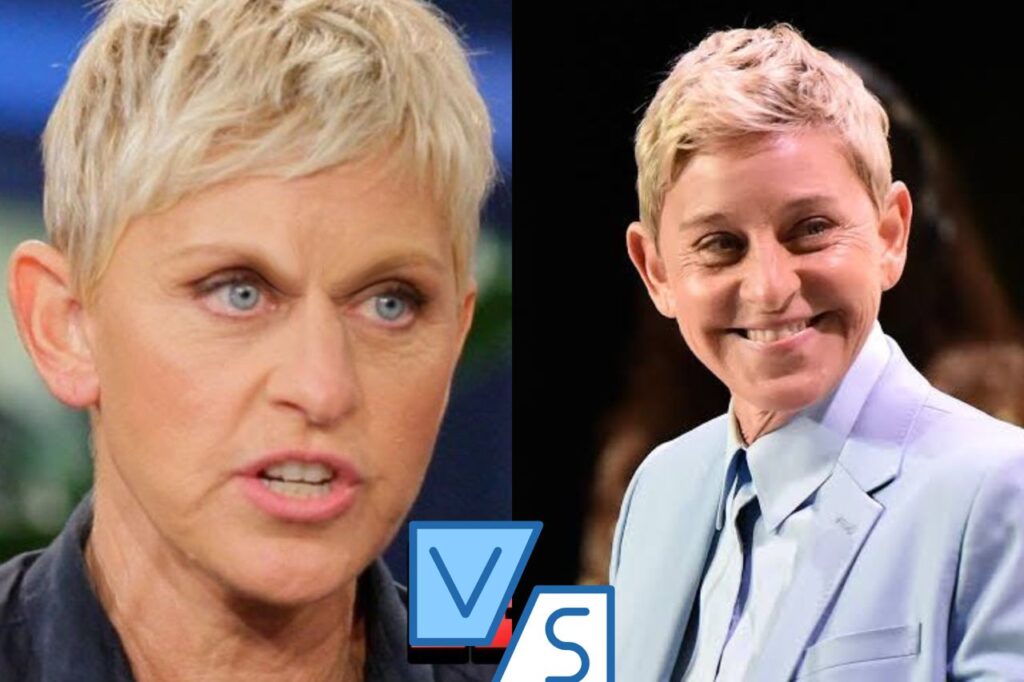
For years, Ellen felt like a safe place on television. Her message was simple and uplifting, and her show became part of many people’s daily routine. But then stories began to surface from former employees who described a very different environment behind the scenes. One widely shared sentiment was that the workplace felt tense rather than kind. As one report quoted staff, “It’s not all ‘be kind’ behind the scenes.” That contrast caught people off guard because her brand was so closely tied to warmth. Viewers who had trusted that image started to reconsider what they were seeing. Some defended her, saying leadership at that level comes with pressure. Others felt disappointed, like they had believed in something that turned out to be more complicated.
In the end, Ellen’s situation reminds us how easy it is to connect with a public personality and assume it reflects the whole truth. When the curtain pulled back, it didn’t necessarily erase everything she had built, but it did change how people saw it. It’s one of those moments that makes you pause and think about how much of television is real.
2. James Corden and the Charming Persona Debate

At first glance, James Corden comes across as playful and approachable, especially with segments like carpool singing that made him widely popular. But over time, stories began circulating from restaurant staff and industry insiders describing moments where that charm didn’t quite hold up. One restaurant owner even publicly called him out, saying he was “the most abusive customer” at one point, though the situation was later addressed and apologized for. What made this stand out was how sharply it contrasted with the upbeat image viewers were used to. Fans who enjoyed his humor found themselves questioning whether those off-camera moments were isolated or part of a pattern. It created a kind of quiet tension around his public persona.
To be fair, people are complicated, and one bad moment doesn’t always define a person. Still, repeated stories tend to stick. In Corden’s case, the discussion shifted from just entertainment to character, and that’s where things became more layered. It’s a reminder that even the most cheerful television presence can carry a story that feels very different once you step outside the spotlight.
3. Dr. Phil and Questions About Tough Love
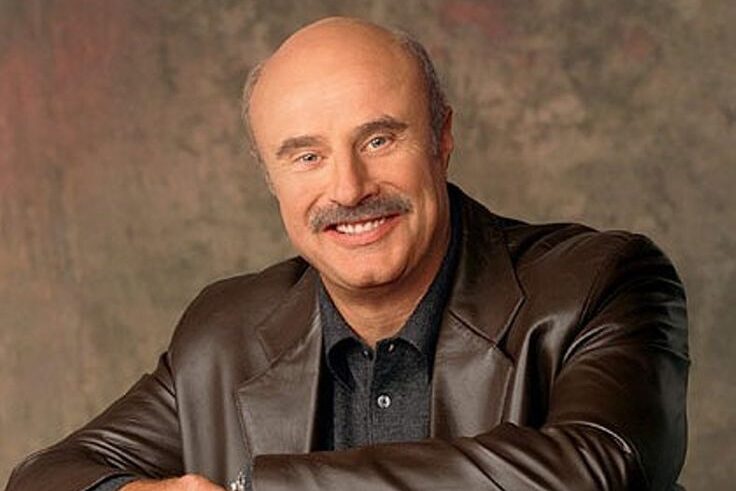
Dr. Phil built his reputation on giving direct advice, often in situations that felt intense and emotional. For many viewers, his blunt approach seemed helpful, like someone finally saying what needed to be said. But critics have long questioned whether the show sometimes prioritizes drama over genuine care. One common critique echoed online is that “it feels more like entertainment than therapy.” Some former guests have also spoken about feeling exposed rather than supported, suggesting that the experience didn’t always match what they expected. That raised bigger questions about the line between helping people and broadcasting their struggles for ratings.
Supporters argue that tough conversations can lead to real change and that not every situation is easy to handle gently. Still, the criticism hasn’t gone away. It sits in the background, shaping how people interpret the show today. Watching it now, many viewers find themselves wondering whether they’re seeing guidance or performance. It’s not always a clear answer, and that uncertainty is what keeps the conversation going.
4. Wendy Williams and the Cost of Saying Too Much
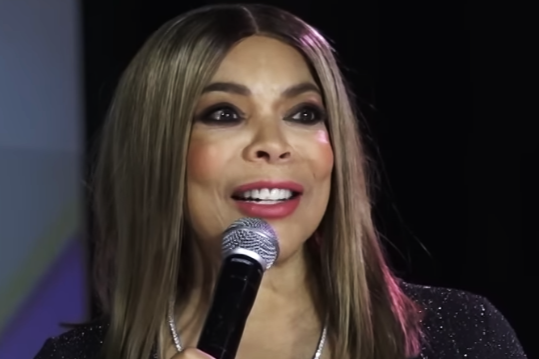
Wendy Williams made her name by saying what others wouldn’t. Her show thrived on bold commentary and unfiltered opinions, and for a long time, that honesty felt refreshing. But over the years, some moments crossed into territory that viewers found uncomfortable, especially when sensitive topics were discussed in a very public way. One reaction that often came up was, “Sometimes it feels like it goes too far.” Her style was never meant to be soft, and that’s part of why people tuned in. Still, there’s a difference between being candid and being hurtful, and that line can shift depending on who’s watching. Critics argued that certain comments lacked empathy, while fans defended her as simply being real in a world that often isn’t.
As time went on, those debates became part of her legacy. It wasn’t just about what she said, but how it landed with people. Looking back, her career shows how powerful words can be, especially when they’re shared with millions. It also shows how quickly public opinion can change when honesty starts to feel a little too sharp.
5. Jimmy Fallon and the Friendly Image Under Scrutiny
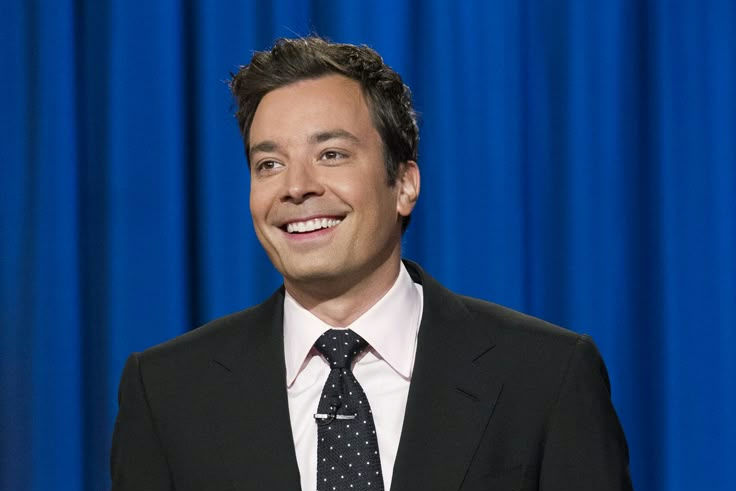
Jimmy Fallon has always leaned into a lighthearted, easygoing style. His interviews feel more like casual hangouts, and that’s a big part of his appeal. But behind that relaxed tone, reports began to surface about a workplace that wasn’t always as fun as it looked. Some staff described a stressful environment, with one account noting that “it could be unpredictable day to day.” For viewers, that felt surprising because Fallon’s entire brand is built on being approachable and kind. The idea that things might be different behind the scenes created a disconnect. It didn’t necessarily erase his on-screen personality, but it added another layer to how people saw him.
Supporters pointed out that running a daily show is demanding, and pressure can affect any workplace. Still, the conversation stuck, and it made fans look a little closer. Sometimes, the most easygoing personalities are carrying more behind the scenes than we realize. Fallon’s story fits into a larger pattern where the reality of production doesn’t always match the feeling of the final product.
6. Oprah Winfrey and the Weight of Influence
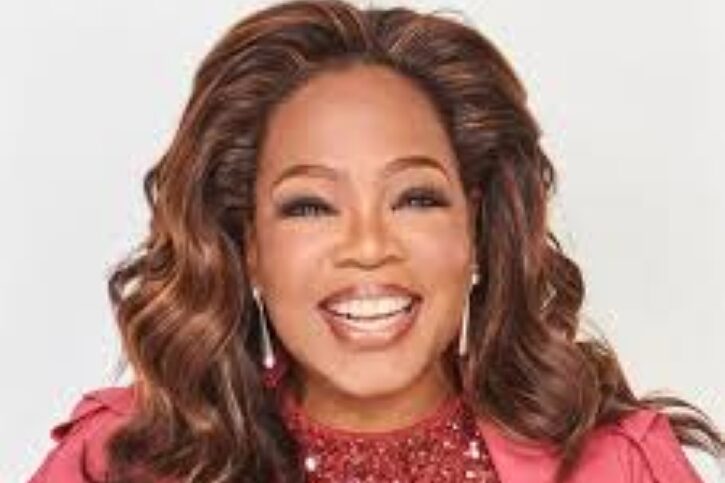
For many Americans, Oprah Winfrey represents trust. Her recommendations have launched careers, books, and even health trends. But over the years, some critics have questioned how that influence has been used, especially when it came to platforming controversial figures. One long-circulated criticism is that “giving someone a platform can sometimes validate them more than intended.” That concern became part of a broader conversation about responsibility. When someone reaches Oprah’s level, every guest and topic carries weight, and not all of them have aged well in hindsight. Some viewers felt certain episodes gave too much credibility to questionable ideas, even if that wasn’t the intention at the time.
Still, others argue that her show reflected the culture of its moment and opened up conversations that people were already having privately. That tension between influence and accountability is what keeps her name in discussions like this. It doesn’t erase her impact, but it adds complexity. When you think about her legacy now, it feels less like a single story and more like a mix of meaningful highs and debated choices.
7. Dr. Oz and Trust That Took a Hit

Mehmet Oz, widely known as Dr. Oz, built his brand on health advice that felt accessible and easy to understand. For a long time, viewers tuned in because he seemed to simplify complicated topics. But criticism grew when some of his recommendations were called into question by medical professionals and lawmakers. One often-cited concern was that “not all advice was backed by solid evidence.” That raised a bigger issue about trust. When people turn to a TV doctor, they’re often looking for guidance they can rely on, not just something that sounds convincing. As debates grew, some viewers began to feel unsure about what to take seriously and what to question.
Supporters say he helped spark interest in personal health and made information more approachable. Critics say the line between education and entertainment became blurred. Either way, his story highlights how quickly credibility can shift when public confidence is shaken. It’s not always about one moment, but about how repeated doubts begin to change the way people listen.
8. Bill Maher and the Fine Line of Commentary
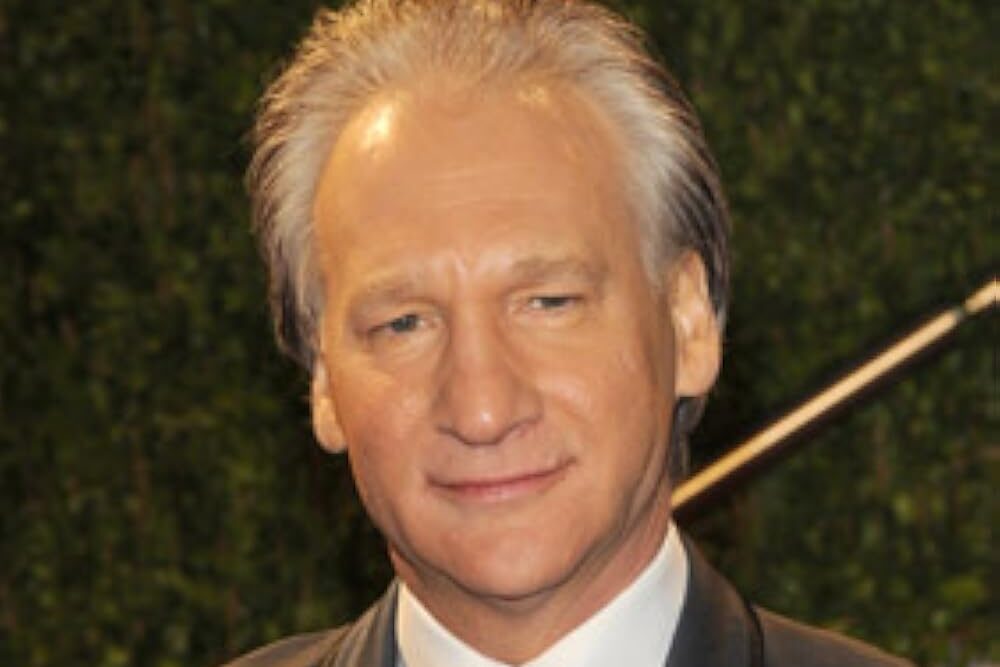
Bill Maher has never tried to be universally liked. His style is direct, opinionated, and often provocative, which is exactly why some viewers tune in. But that same approach has also led to repeated backlash, especially when certain jokes or comments were seen as crossing a line. A common reaction from critics is that “being provocative doesn’t always mean being thoughtful.” What makes Maher’s case interesting is that his audience often expects him to challenge norms. That’s part of his identity. Still, there’s a difference between pushing boundaries and alienating people, and that line can shift quickly depending on the topic.
Some fans appreciate that he says what others won’t, while others feel that certain remarks miss the mark entirely. Over time, those moments have shaped how he’s perceived, not just as a host but as a public voice. Watching his show now, people often bring their own expectations into it, either ready to agree or prepared to question. That ongoing tension is what keeps him both relevant and controversial.
9. Tyra Banks and Tough Love That Felt Too Tough
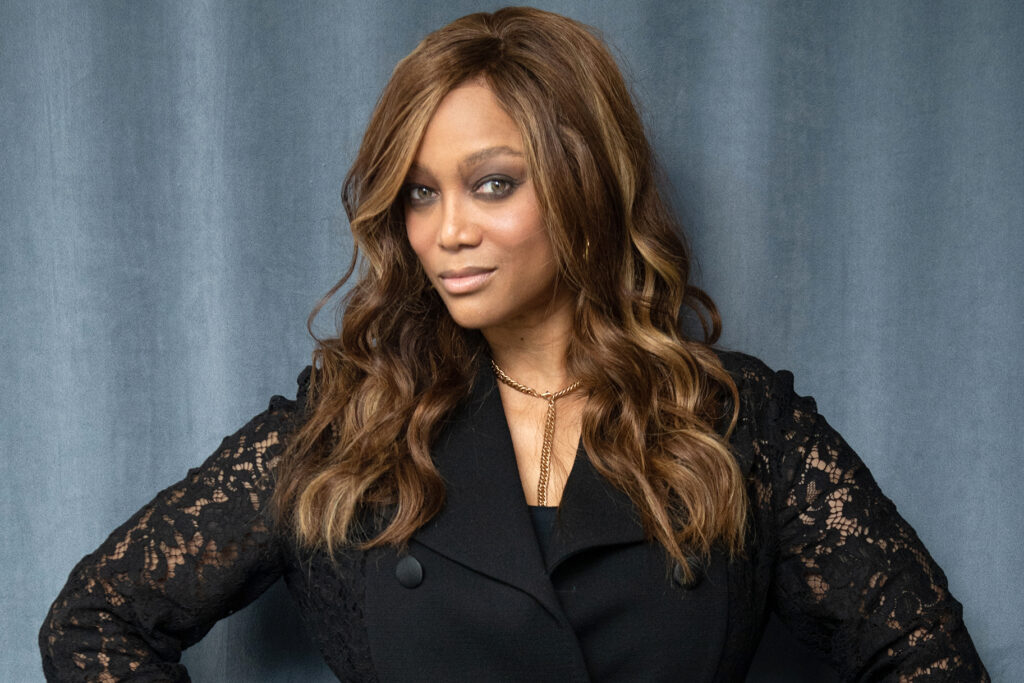
Tyra Banks brought a unique energy to daytime TV, blending fashion, personal stories, and emotional moments. At her best, she created space for conversations that felt honest and relatable. But looking back, some segments have drawn criticism for how guests were treated, especially when sensitive topics were involved. One reflection that surfaces often is that “some moments feel uncomfortable in hindsight.” The issue wasn’t always obvious at the time. In fact, many viewers initially saw her approach as bold and engaging. But as perspectives shifted, certain interviews and challenges began to feel more intense than supportive. That reevaluation changed how parts of her show are remembered today.
Fans still credit her with breaking barriers and bringing new voices to television. Critics, though, point to specific moments that didn’t land well over time. It’s a reminder that what feels acceptable in one era can look very different later on. Tyra’s legacy carries both the impact she made and the questions that followed.
10. Sharon Osbourne and Moments That Sparked Backlash
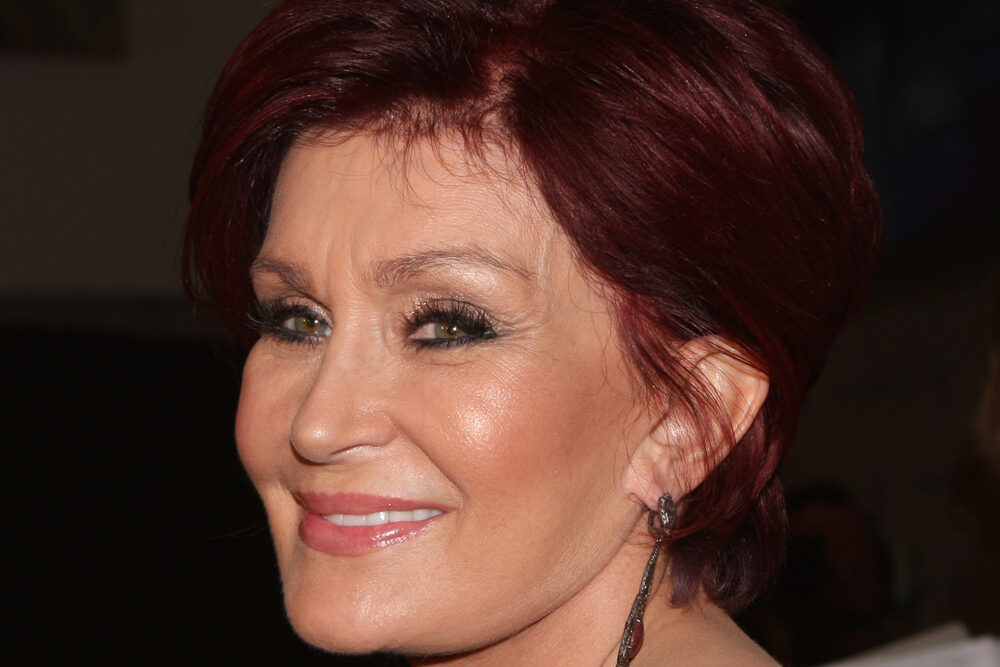
Sharon Osbourne became a familiar face to U.S. audiences through shows like The Talk, where conversations often touched on real and sometimes uncomfortable issues. But one on-air exchange in particular drew significant backlash and led to broader discussions about tone, accountability, and workplace dynamics. A widely shared reaction at the time was that “the conversation escalated in a way that felt hard to watch.” What followed wasn’t just about that single moment, but about how it reflected deeper tensions behind the scenes. Reports and public responses added layers to the story, making it more than just a televised disagreement. For many viewers, it shifted how they saw her role on the show.
Supporters felt she was being candid and standing her ground, while critics believed the situation could have been handled differently. That divide is part of what keeps her name in conversations like this. It shows how quickly a single moment can reshape public perception, especially when it plays out in front of a national audience.
11. Rosie O’Donnell and Opinions That Divided the Room
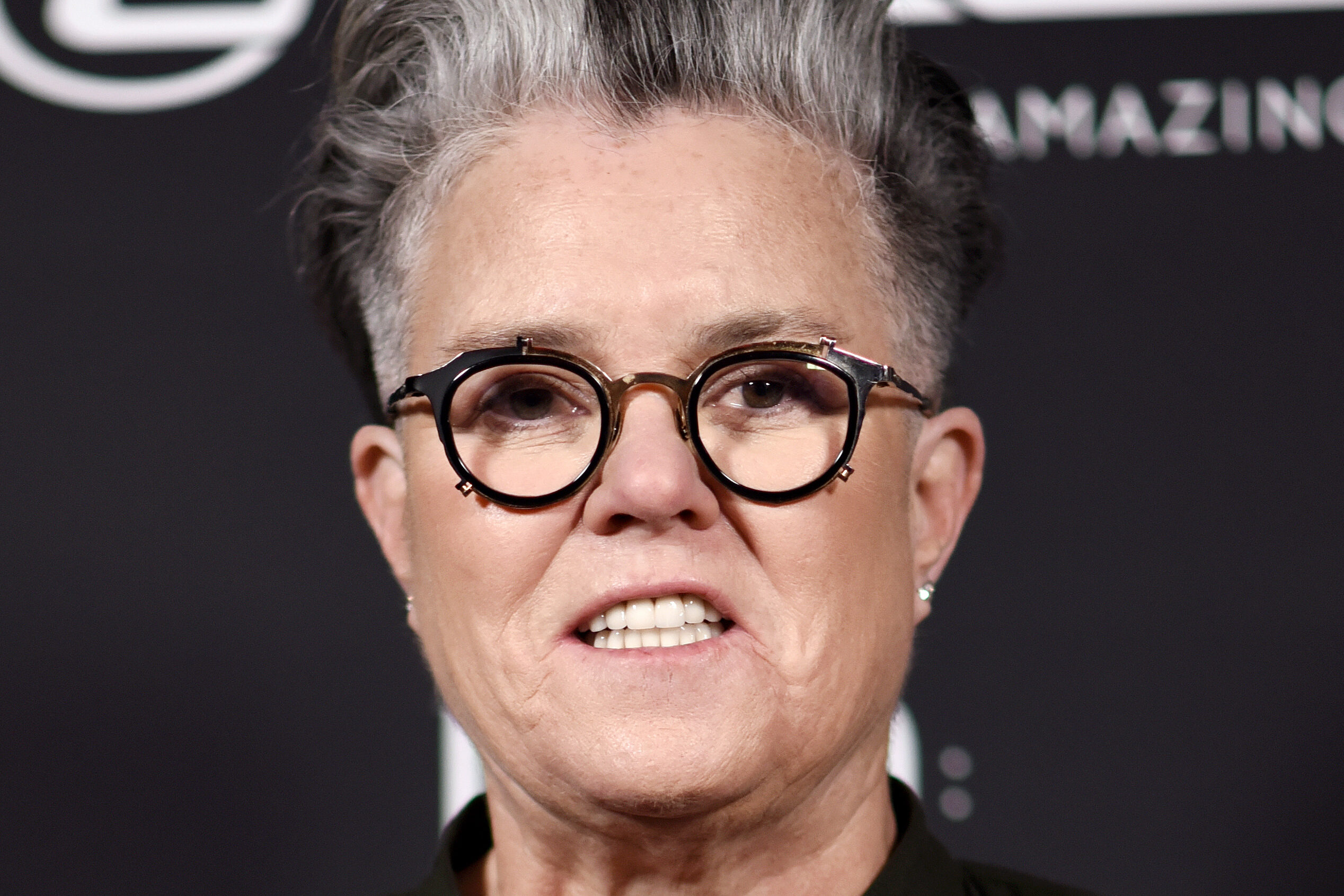
For many viewers, Rosie O’Donnell was once a warm and welcoming presence, especially during the early days of her daytime show. She created a space that felt friendly and conversational. But over time, her strong opinions, particularly on political and social issues, began to take center stage. One common reaction from audiences was that “it started to feel more like debate than daytime TV.” That shift didn’t sit the same way with everyone. Some viewers appreciated her honesty and felt she was simply using her platform to speak openly. Others felt the tone became too intense for a format they once saw as light and comforting. That divide gradually shaped how people remembered her time on television.
Looking back, Rosie’s story feels like a reminder of how quickly tone can change perception. What begins as authenticity can sometimes feel overwhelming, depending on how it’s delivered. It doesn’t erase the connection she built early on, but it does show how audiences can drift when the balance between personality and perspective starts to shift.
12. Montel Williams and Criticism Around Guest Treatment
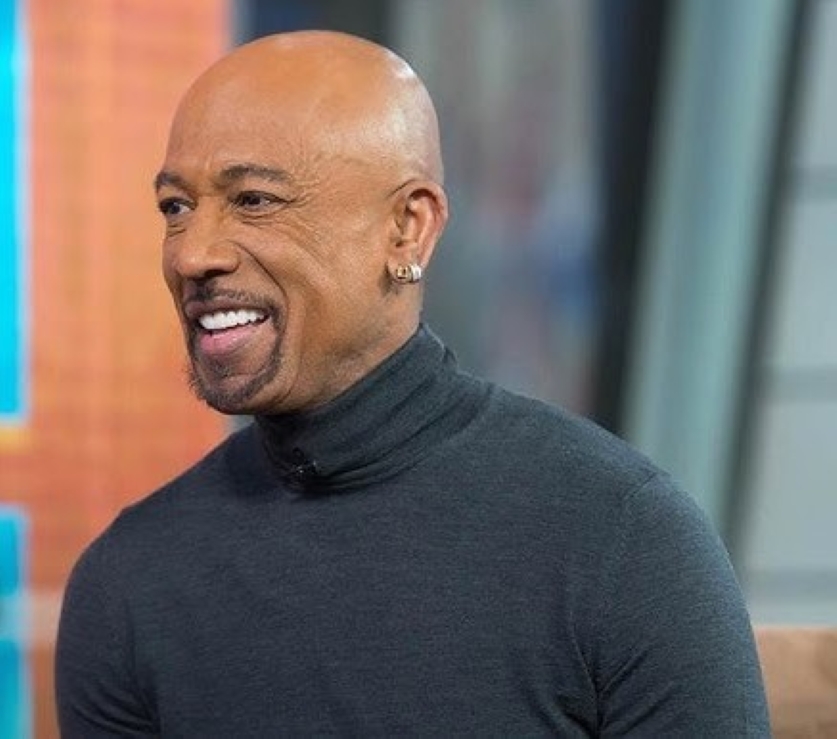
Montel Williams built his show around serious topics, often bringing attention to personal struggles and social issues that weren’t always discussed openly. For many viewers, that felt important and even necessary. But over time, some critics questioned whether certain segments handled guests with enough care. A sentiment that appeared in discussions was that “some stories felt more exposed than supported.” That concern wasn’t always about intention, but about execution. When real people share difficult experiences on television, the way those stories are framed matters just as much as the stories themselves. In some cases, critics felt the emotional weight was heightened for the sake of impact rather than understanding.
Supporters argue that Montel gave a voice to people who might not have been heard otherwise. And that’s true in many respects. Still, the criticism adds another layer to how his show is remembered. It highlights how delicate the balance is between raising awareness and respecting vulnerability, especially in a format designed to capture attention.
13. Maury Povich and Drama That Became the Main Attraction

Maury Povich became a household name through episodes that often centered on paternity tests and emotional confrontations. For many viewers, the show was entertaining in a way that felt almost unbelievable. But over time, critics began to question whether the format leaned too heavily into spectacle. One observation that often comes up is that “it started to feel more like performance than reality.” That shift raised questions about the people involved. When personal situations are turned into public entertainment, it can blur the line between storytelling and exploitation. Some viewers found themselves laughing at moments that, in another context, might feel deeply private.
Fans of the show argue that everyone who appears agrees to participate and understands the format. Still, the larger conversation remains. Maury’s legacy sits in that space between entertainment and discomfort. It’s a reminder that what draws attention isn’t always what sits easily with us afterward, even if we keep watching.
14. Jerry Springer and Conflict as Entertainment
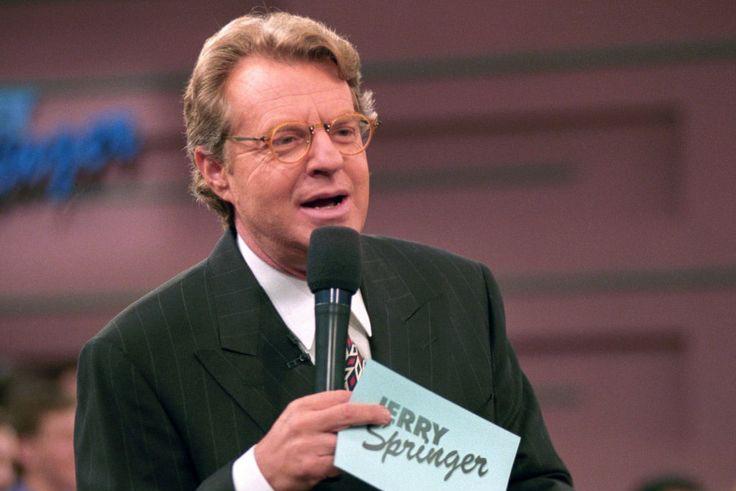
Jerry Springer is often remembered for a show that pushed boundaries further than most. What started as a more traditional talk format eventually transformed into something centered on conflict, confrontation, and shocking reveals. For many viewers, it became known for moments that felt chaotic and unpredictable. A common reflection is that “it turned everyday issues into spectacle.” That approach made the show incredibly popular, but it also brought heavy criticism. Some argued that it encouraged extreme behavior and reduced serious topics to entertainment. Watching it, people often found themselves caught between curiosity and discomfort.
Even so, Springer himself later acknowledged the nature of the show, once describing it as something that wasn’t meant to be taken too seriously. That honesty didn’t erase the criticism, but it did add context. His show remains one of the clearest examples of how far talk television can go when ratings and shock value take the lead, leaving audiences to decide how they really feel about it.
15. Chelsea Handler and Humor That Didn’t Always Land

Chelsea Handler built her brand on sharp humor and a style that felt bold and unapologetic. For many viewers, that confidence was refreshing, especially in a space that often played it safe. But her approach also drew criticism when certain jokes were seen as crossing into uncomfortable territory. One reaction that surfaced in discussions was that “not every joke feels the same to every audience.” Comedy is always subjective, and what one person finds funny, another might find off-putting. In Handler’s case, that divide became part of how she was perceived.
Some fans admired her willingness to say what others wouldn’t, while critics felt that certain comments lacked sensitivity. Over time, those differing reactions shaped her public image. It wasn’t just about being funny, but about how that humor connected or didn’t connect with people. Her story fits into a larger pattern where bold personalities can both attract and challenge audiences at the same time, leaving a mixed but memorable impression.
16. Conan O’Brien and the Stories That Feel Different in Hindsight
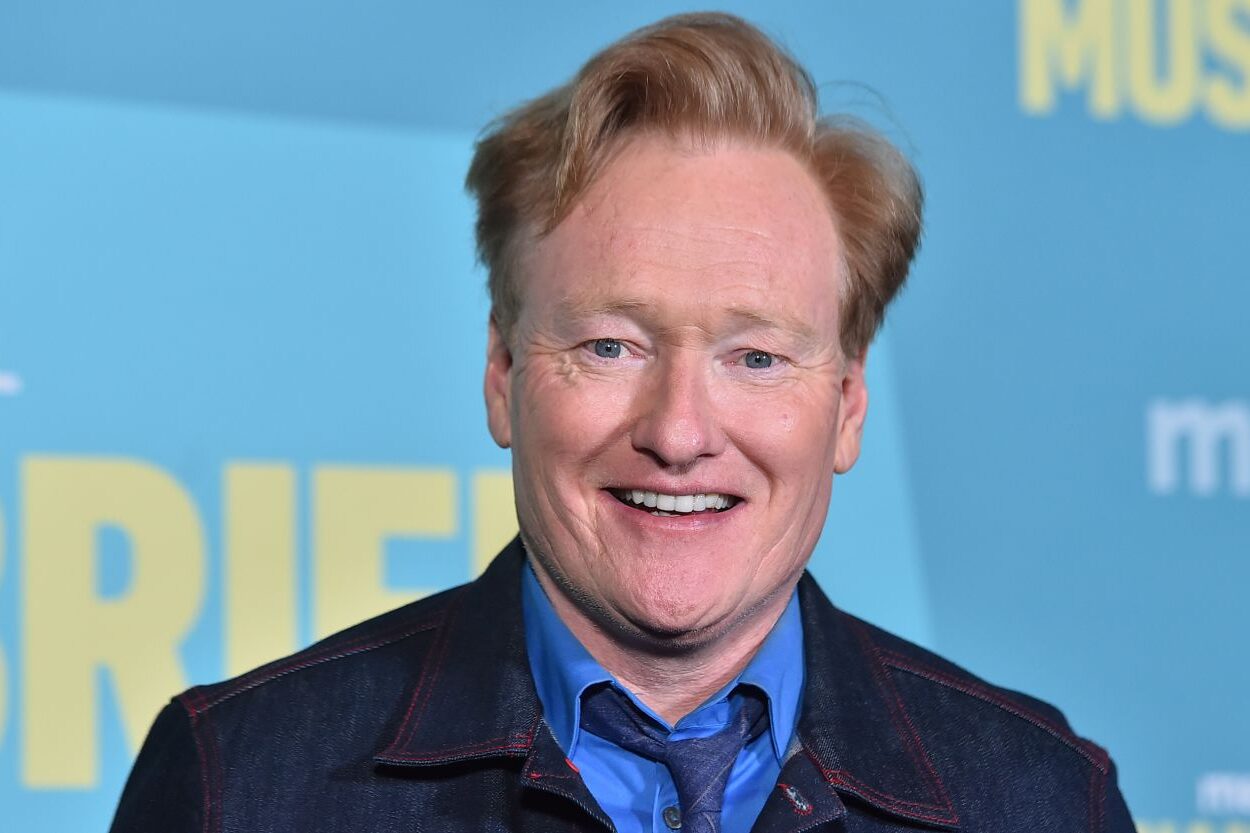
Conan O’Brien is widely liked for his quick wit and self-aware humor, which makes him stand out on this list in a different way. Unlike many others here, the criticism around him tends to be quieter and more reflective, often tied to behind-the-scenes accounts from earlier in his career. Some discussions have included comments like “the pressure of the environment could be a lot for staff at times.” What makes this entry feel like a closing note is that it shows how even generally well-liked figures aren’t completely untouched by criticism. It doesn’t necessarily redefine who he is, but it adds a small layer of perspective to an otherwise positive image.
Looking across all these names, a pattern starts to emerge. Public personas are rarely the full story, and the closer you look, the more nuanced things become. It’s not always about labeling someone as good or bad, but about understanding that people and reputations can be complicated. If this list got you thinking, feel free to share your thoughts or pass it along. Conversations like this are always more interesting when more voices join in.


