
Tuvalu
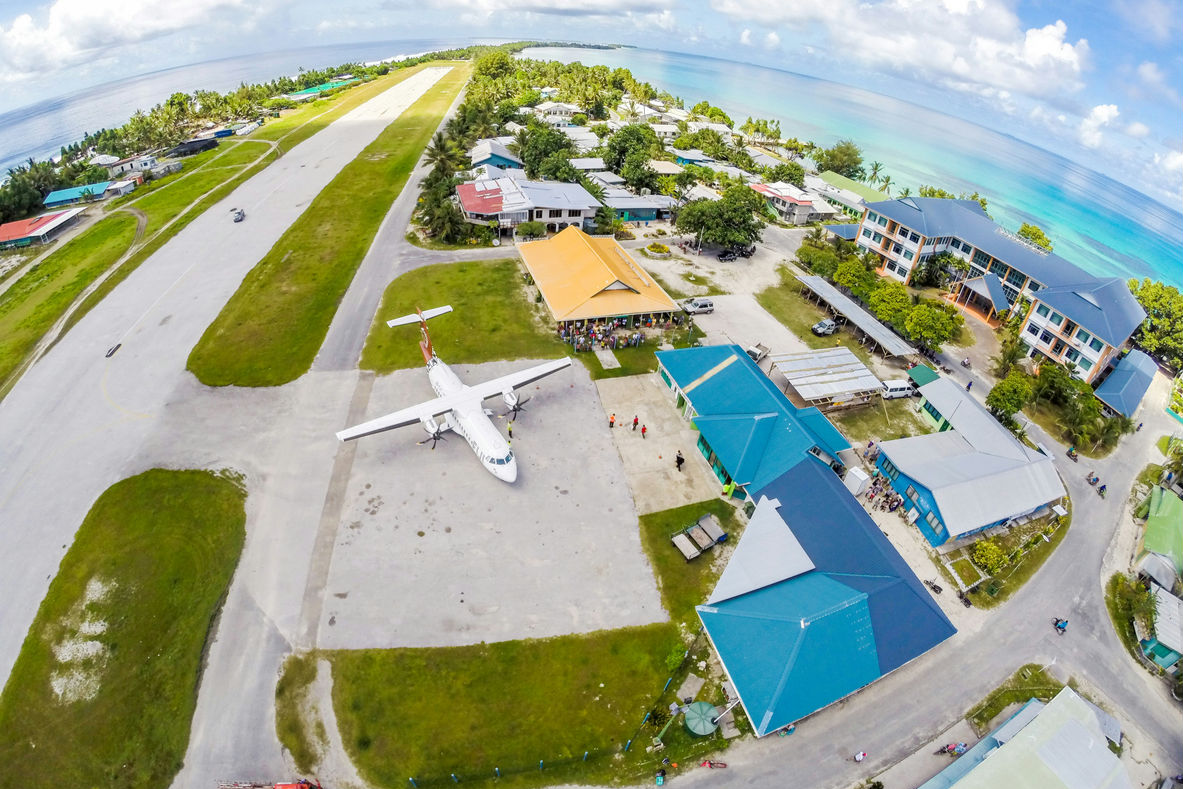
Tuvalu is a tiny island nation in the Pacific that is currently facing a fight for its very existence due to rising sea levels. This beautiful country is made up of nine coral atolls, but the problem is that most of the land sits less than two meters above the ocean. Since the late 19th century, global water levels have been climbing, and for Tuvalu, this means constant flooding and salt ruining the soil used for farming. It is heartbreaking to think that a place people have called home for generations could simply be washed away by the tides. Researchers suggest that by the year 2050, the capital city, Funafuti, could be mostly underwater, making daily life nearly impossible for the local residents.
Because the situation is so dire, the government has started looking at some truly futuristic solutions to save their heritage. In 2022, Tuvalu announced plans to build a “Digital Twin” of the nation in the metaverse so their culture and history can live on even if the physical land vanishes. By the year 2100, experts believe that up to 90 percent of the islands will be uninhabitable or completely submerged. This raises massive legal questions about whether a country can still be a country if it has no ground to stand on. While the world watches, Tuvalu remains the most urgent reminder that our changing climate has real-world consequences for millions of people today.
Kiribati
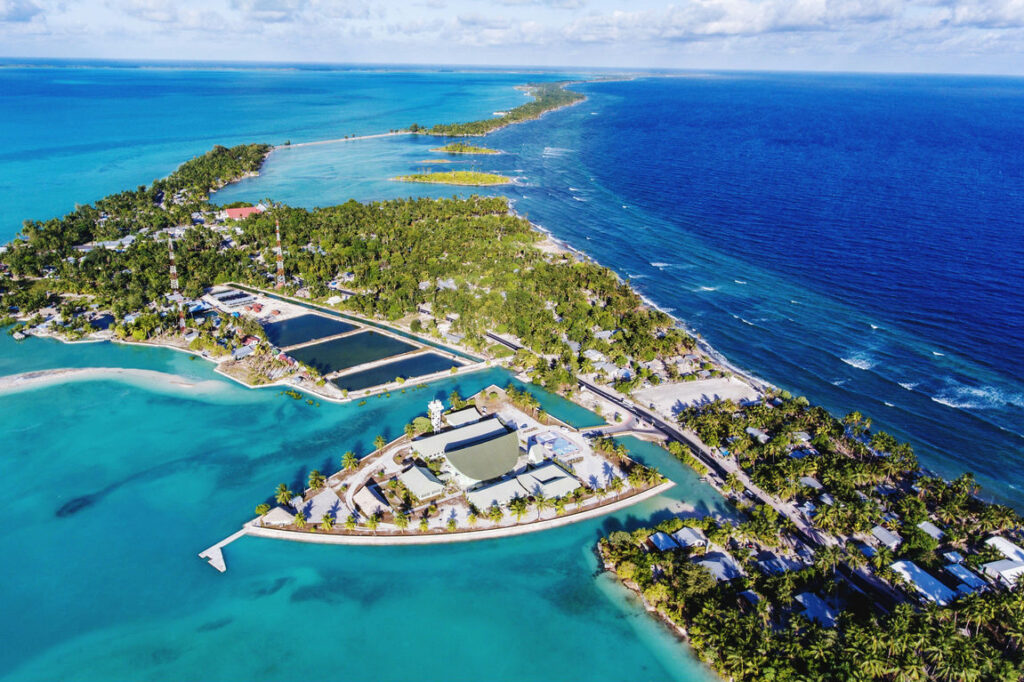
Kiribati is a stunning collection of 33 islands spread across the central Pacific Ocean, but its future is looking incredibly uncertain. Most of its land is just a few feet above the water, which makes it a prime target for sea-level rise and violent storms. The country gained its independence from the United Kingdom back in 1979, yet today its biggest battle is not political but environmental. Scientists have warned that Kiribati could lose about 20 percent of its land in the coming decades. As the ocean inches higher, saltwater leaks into the underground wells, making it hard for people to find fresh water to drink or grow their food.
What makes Kiribati truly unique is how the government is preparing for a future where they might have to leave. In 2014, the nation made headlines by purchasing 20 square kilometers of land on Vanua Levu, an island in Fiji, for roughly 8 million dollars. This was a bold move meant to ensure their citizens have a place to go if the islands become unlivable. This concept, often called “migration with dignity,” aims to help people move before a total disaster strikes. By 2070, many experts believe the majority of the population will have to relocate. Losing their ancestral home would be a tragedy, as it challenges their very identity and sovereignty as a recognized nation.
Maldives
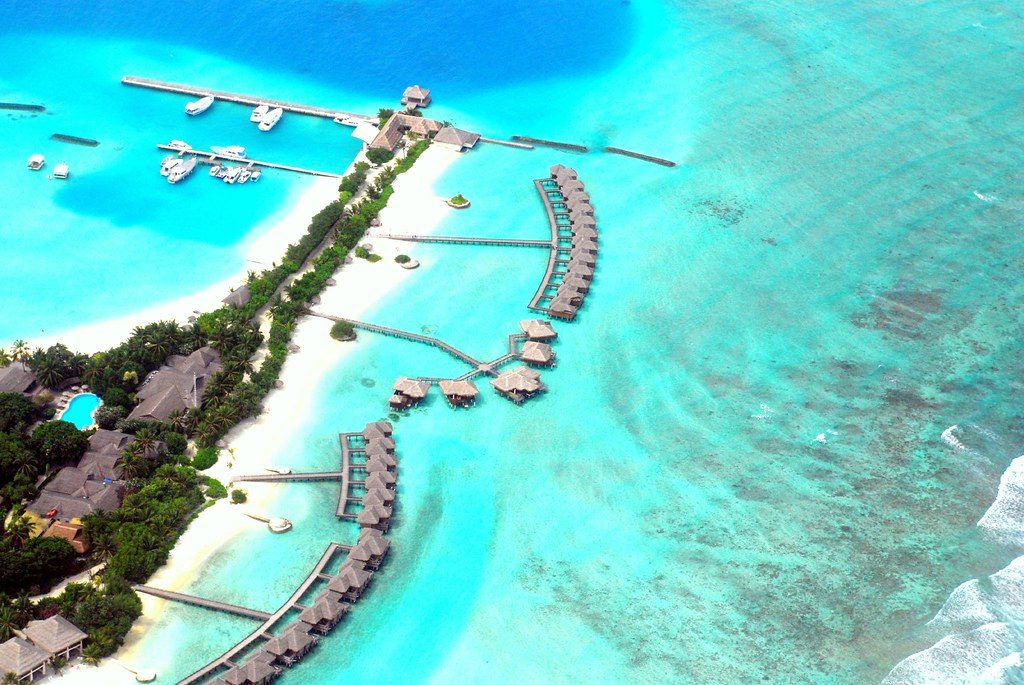
The Maldives is famous for being a dream vacation spot with white sands and clear blue water, but it is also one of the lowest-lying countries on the planet. Over 80 percent of its 1,192 islands are less than one meter above sea level, which puts them at extreme risk as the polar ice caps melt. In 1987, the islands suffered from massive tidal waves that woke the government up to the reality of climate change. Since then, they have been shouting for global help, even holding an underwater cabinet meeting in 2009 to grab the world’s attention. Without major changes, much of this paradise could be gone by the year 2075.
To fight back, the Maldives has started some incredible engineering projects to keep their people safe. They created a massive artificial island called Hulhumalé, which was reclaimed from the sea and sits higher than the natural islands. This project began in 1997 and continues to grow as a safe haven for residents fleeing flooded areas. However, building sea walls and artificial land is very expensive and might only buy them a little more time. If global temperatures keep rising, the unity of the Maldives will be tested as people are forced to move. The next 50 years will determine if this nation remains a sovereign state or becomes a memory in history books.
Marshall Islands
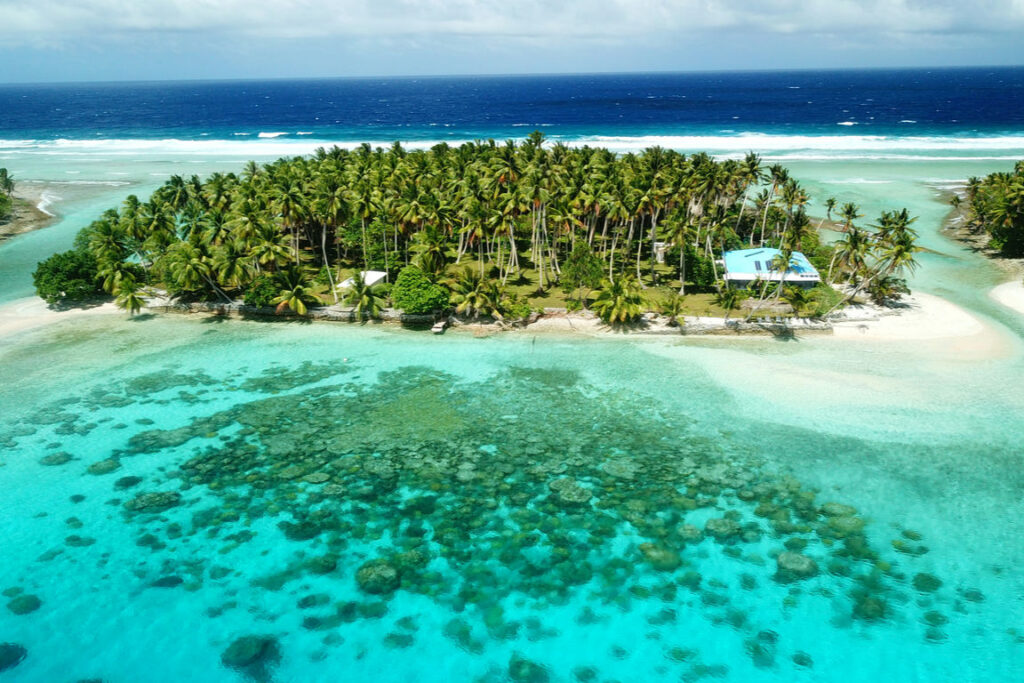
The Marshall Islands are located in the middle of the Pacific and are currently on the frontlines of the global climate crisis. With most of the land sitting just six feet above the water, the islands are extremely vulnerable to “king tides” and tropical storms that wash over the shores. Since gaining independence in 1986, the nation has worked hard to build a stable society, but the environment is making that difficult. Saltwater is increasingly soaking into the ground, killing coconut trees and ruining the limited supply of fresh drinking water. It is a scary reality for the families who have lived there for thousands of years.
Many experts are worried that the Marshall Islands could become uninhabitable as early as 2060. This creates a massive legal headache because international law usually requires a country to have physical territory to be recognized as a state. If the people have to move to the United States or other countries, what happens to their seats at the United Nations? The government is fighting hard in international courts to ensure they keep their rights even if the land disappears. It is a race against time to save a culture that is deeply tied to the sea. Without drastic global action to stop rising seas, this proud nation faces a very quiet but permanent disappearance.
North Korea
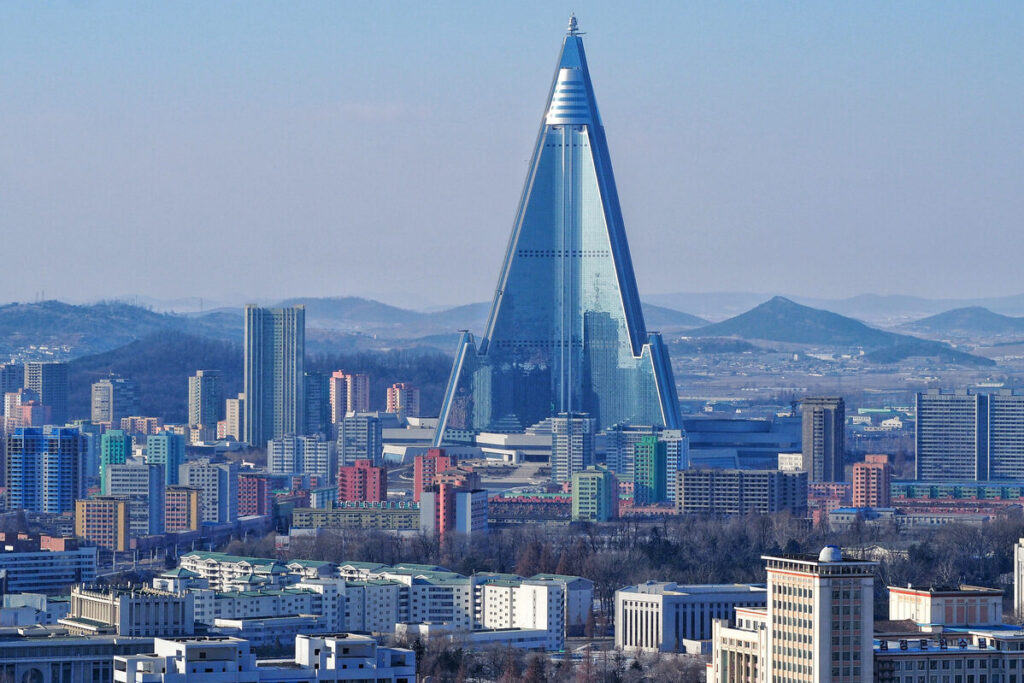
North Korea has been a separate, isolated nation since the peninsula was divided at the end of World War II in 1945. Unlike many island nations, the threat to North Korea’s existence isn’t from the ocean, but from the possibility of political collapse or a peaceful reunification with South Korea. For over 70 years, the country has been ruled by the Kim dynasty, keeping it cut off from most of the world. However, many historians believe that the massive economic gap between the North and South will eventually lead to a breaking point. If the two sides ever decide to become one again, North Korea would cease to exist.
Economic struggles and strict sanctions have made life very difficult for the average person living there. While the government has stayed in power through military strength, a sudden change in leadership or a popular uprising could lead to a rapid merger with the South. We saw a similar event in 1990 when East and West Germany reunited after the Berlin Wall fell. If a similar “Korean Unification” happens in the next 50 years, the North Korean state as we know it would vanish from the map. This would be a massive turning point for Asia, creating a single, powerful country where two rivals once stood for decades.
Belgium
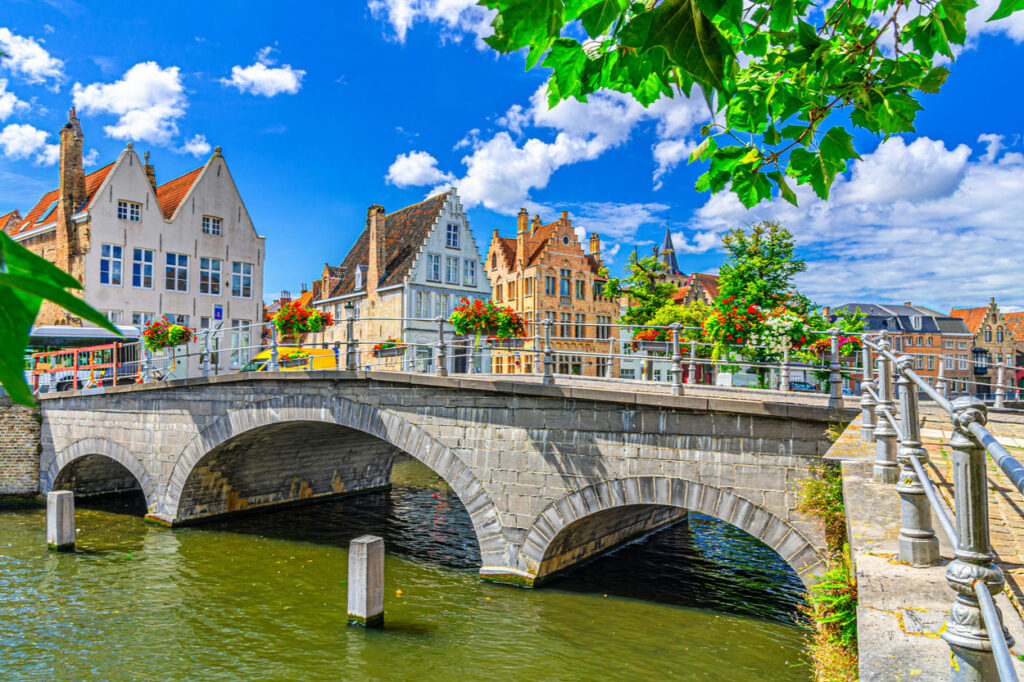
Belgium is a wealthy and peaceful country in the heart of Europe, but it has a very complicated internal life that could lead to it splitting apart. The country is basically divided into two main groups: the Dutch-speaking people in the north, called Flanders, and the French-speaking people in the south, known as Wallonia. This divide has caused a lot of political drama over the years. In fact, after the 2010 elections, Belgium went a record-breaking 541 days without a formal government because the two sides couldn’t agree on anything. Many people wonder if the country would be better off just becoming two separate nations.
While there is no violence or war, the cultural and economic differences between the north and south keep growing. Flanders is generally wealthier and often pushes for more independence, while Wallonia has a different industrial history. If the political gridlock ever becomes too much to handle, a peaceful “divorce” might be the only solution left on the table. This wouldn’t happen overnight, but the conversation about a split is very common in Belgian politics today. If they do decide to go their separate ways by 2070, it would change the face of the European Union, where Belgium’s capital, Brussels, currently serves as a major hub.
United Kingdom
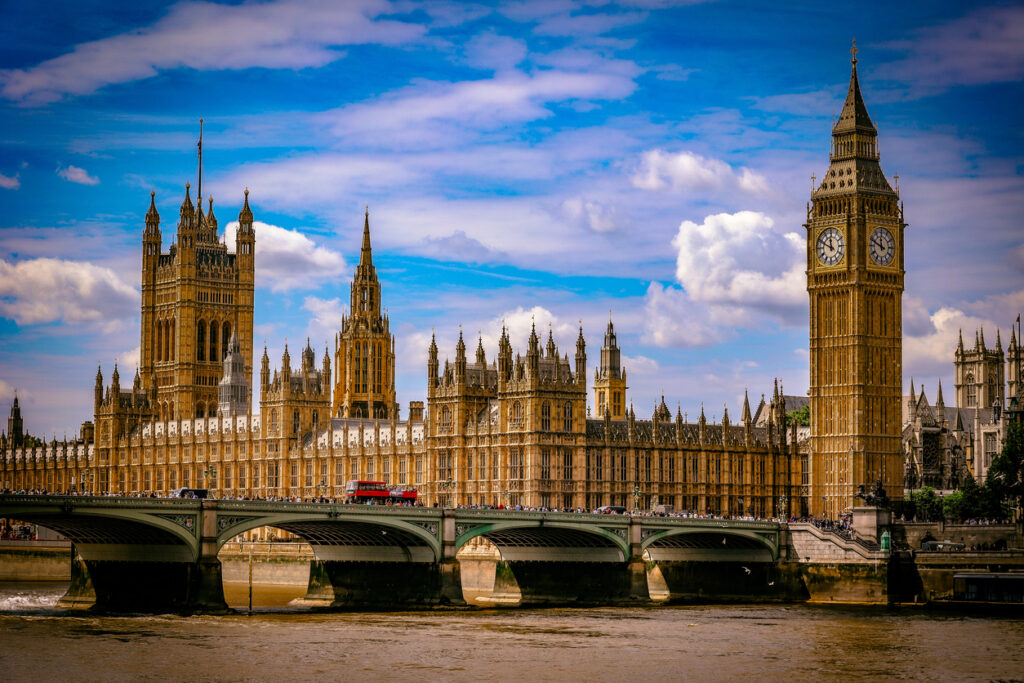
The United Kingdom has a long and powerful history, but its modern borders have been under a lot of pressure lately. Since the formation of the UK in its current state in 1922, the four nations, England, Scotland, Wales, and Northern Ireland, have shared a single government. However, recent events like “Brexit” in 2016 have reopened old wounds and made many people rethink the union. In Scotland, there is a very strong movement for independence, and they even held a referendum in 2014 where 45 percent of people voted to leave. If Scotland tries again and wins, the UK would be fundamentally changed forever.
It isn’t just Scotland that might leave the group; there is also a lot of talk about Northern Ireland. Many people there are discussing the idea of joining the Republic of Ireland to create a single, unified Irish nation. If both Scotland and Northern Ireland were to leave, the United Kingdom would essentially dissolve, leaving behind a much smaller version of itself. This process would be a huge deal for world politics and the global economy. Over the next 50 years, the choices of voters in these regions will decide if the “Union Jack” flag continues to represent a united group or if it becomes a relic of the past.
Moldova
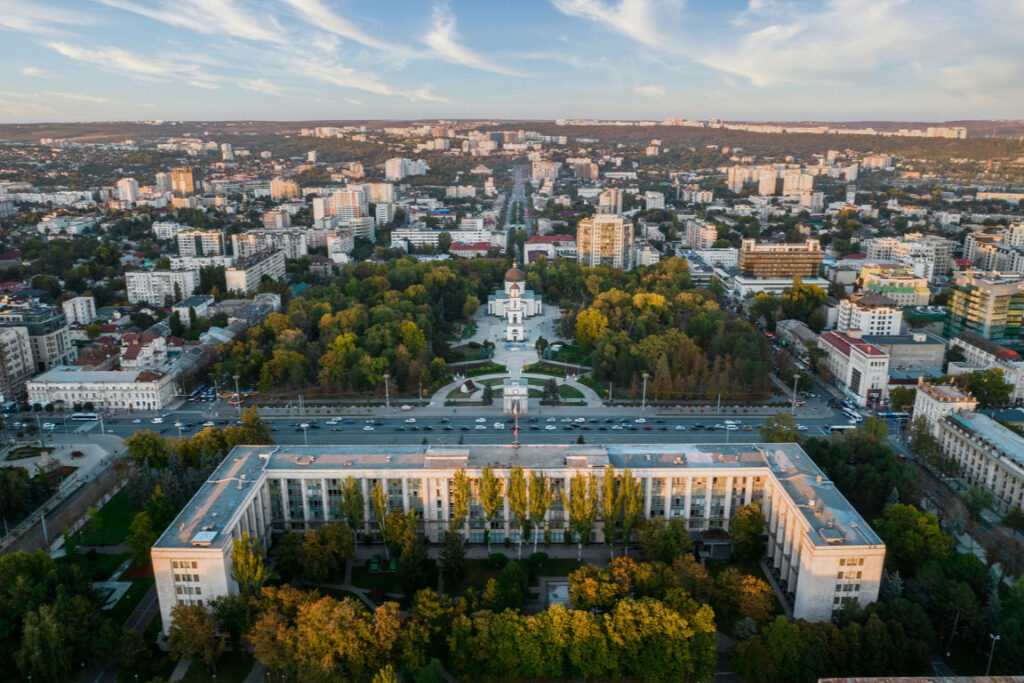
Moldova is a small country located between Romania and Ukraine that has struggled with its identity since it gained independence from the Soviet Union in 1991. One of its biggest challenges is a strip of land called Transnistria, which broke away in the early 1990s and acts like its own country, even though no one else recognizes it. This has left Moldova in a constant state of uncertainty. Because many Moldovans share a language and history with Romania, there has been a long-running debate about whether the two countries should just merge into one. This would effectively end Moldova’s run as an independent state.
The future of Moldova is also heavily influenced by the big powers around it. Some people want to join the European Union and get closer to the West, while others feel more connected to Russia. This tug-of-war makes it hard for the country to find a stable path forward. If the pressure from neighboring conflicts gets too intense, or if the economic benefits of joining Romania become too hard to ignore, Moldova might choose to give up its sovereignty. By the year 2070, we might see the borders of Eastern Europe redrawn once again, potentially leaving Moldova as a chapter in history rather than a spot on the map.
Somalia
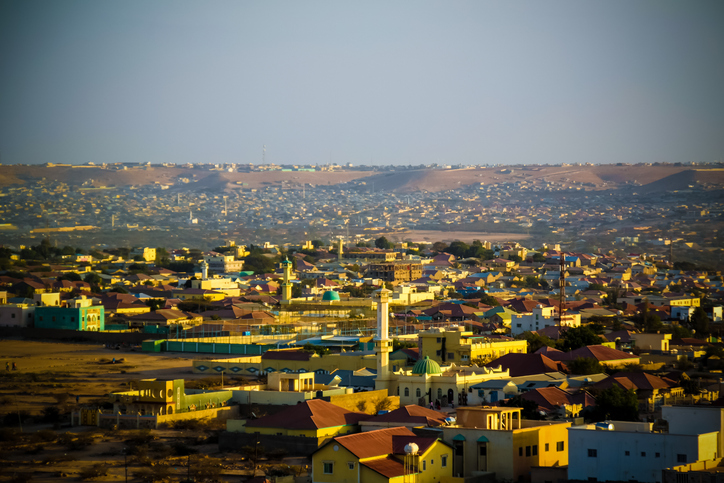
Somalia has had a very tough journey since its central government collapsed back in 1991, leading to years of conflict and instability. While there is a recognized federal government in the capital of Mogadishu today, it does not have full control over the entire country. Various regions have started acting like their own independent states. The most famous example is Somaliland, which declared independence in 1991. Even though the rest of the world hasn’t officially recognized it yet, Somaliland has its own money, its own police, and its own elections. It functions completely separately from the rest of the Somali nation.
Because of these deep internal divisions, many experts think Somalia might never return to being one single, unified country. Instead, it could eventually be officially recognized as a collection of smaller, independent states. The struggle to keep everyone under one flag has been going on for over 30 years with very little success. If this trend continues for another few decades, the international community might finally decide to change the maps to reflect what is actually happening on the ground. Somalia’s story shows us that a country can exist on paper while being completely divided in real life, leading toward an eventual official breakup.
Yemen
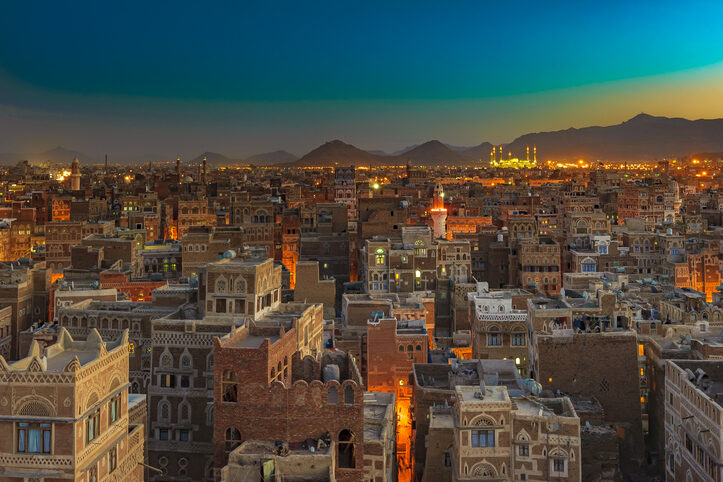
Yemen is currently facing one of the most difficult times in its history due to a brutal civil war that flared up in 2014. The country is basically split into different zones controlled by rival groups, making it almost impossible for a single government to rule. Historically, Yemen was actually two separate countries, North Yemen and South Yemen, which only joined together in 1990. Many people in the south still remember those days and are pushing to become independent once again. This history of division makes the current conflict even more complicated and hard to solve for the international community.
The long-term survival of Yemen as one nation is in serious doubt because the central government has lost so much power. Years of fighting have destroyed the infrastructure and created a massive humanitarian crisis, leaving the people focused more on survival than national unity. If a peace deal isn’t reached soon, the country could permanently fracture into two or more smaller pieces. By the time we reach the year 2076, the Yemen we see on today’s map might be replaced by a new set of borders. It is a sad example of how internal struggles and historical divides can pull a nation apart until it simply ceases to exist.


