
1. Krakatoa’s Earth-Shattering Roar
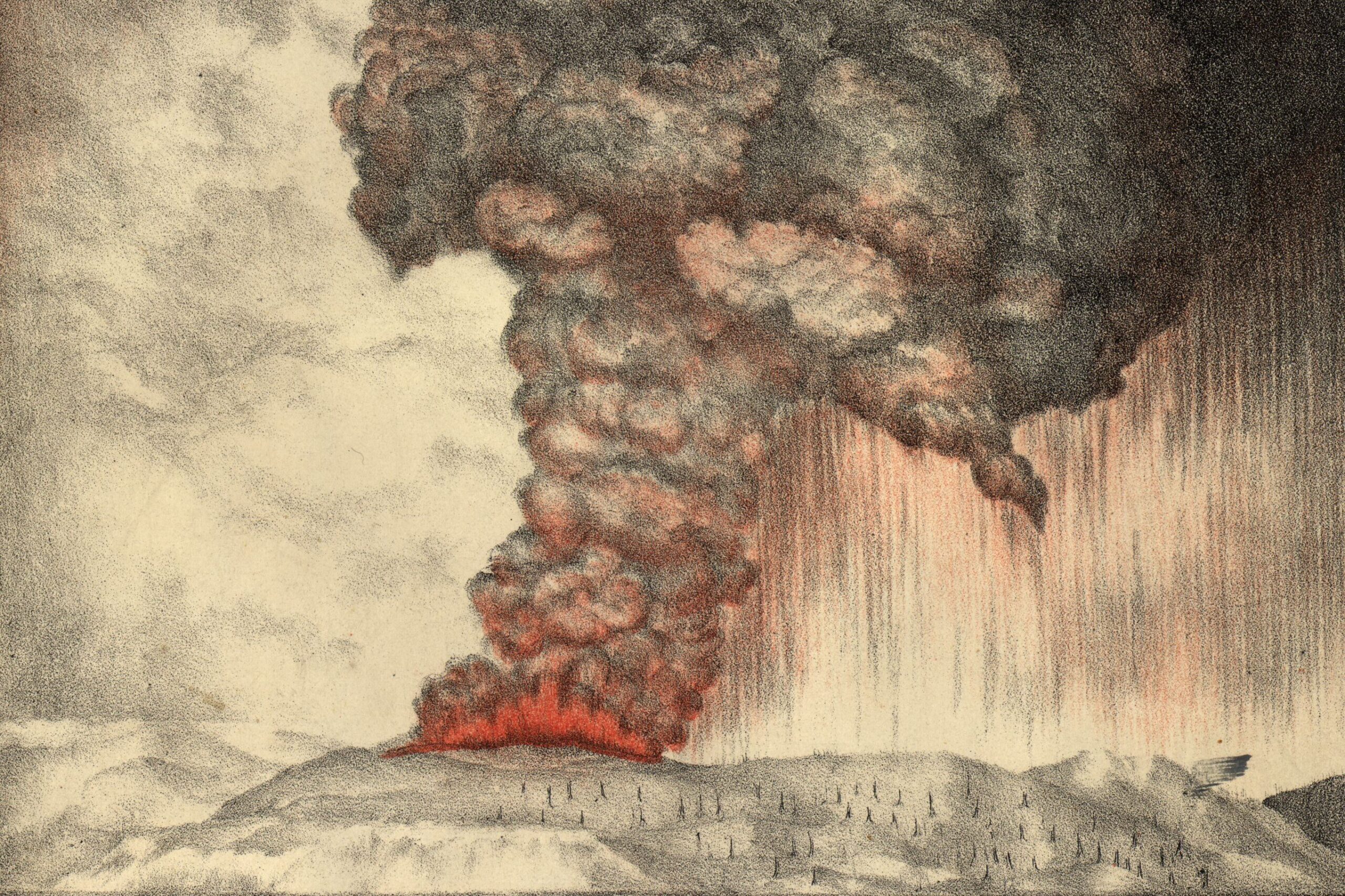
It’s hard to imagine a sound so loud that it circles the planet, but that’s exactly what happened in 1883 when Krakatoa erupted. People thousands of miles away reported hearing it as if it were just beyond the horizon. You can almost picture someone pausing mid-conversation, wondering what could possibly make a sound that travels so far with such force.
Scientists later described it as one of the loudest events ever recorded, estimating it reached around 310 decibels. One account noted, “The explosion was heard over one-eighth of the Earth’s surface,” which feels almost impossible until you sit with it. The pressure wave didn’t just pass by once, it circled the globe multiple times. It’s the kind of reminder that nature doesn’t need much to command attention. It simply does, and we listen, whether we want to or not.
2. The 1 Blast That Shook a Forest
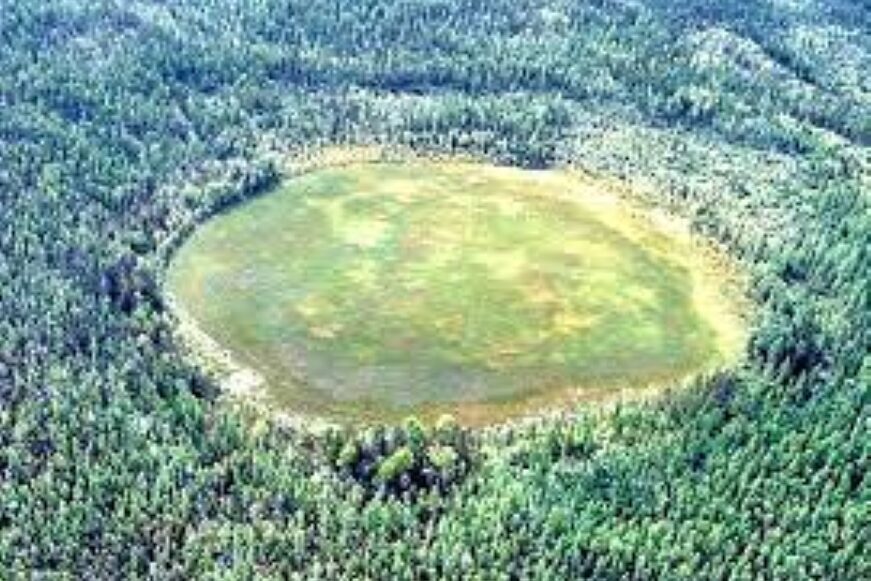
There’s something unsettling about a sound with no clear source, and that’s what people near Tunguska experienced in 1908. A sudden explosion flattened millions of trees in Siberia, yet no crater was ever found. If you think about it, it must have felt like the sky itself had cracked open for a brief moment.
Reports described a shockwave so strong it knocked people off their feet from miles away. One observer said it felt like “the sky split in two,” a simple way to describe something so overwhelming. Scientists believe it was caused by an asteroid exploding in the atmosphere, releasing energy comparable to a large nuclear blast. It wasn’t just loud, it was disorienting, the kind of sound that leaves silence behind in a different way. Even today, it remains one of those events people return to, trying to understand how something so powerful could appear and vanish almost instantly.
3. A Blue Whale’s Deep Ocean Call
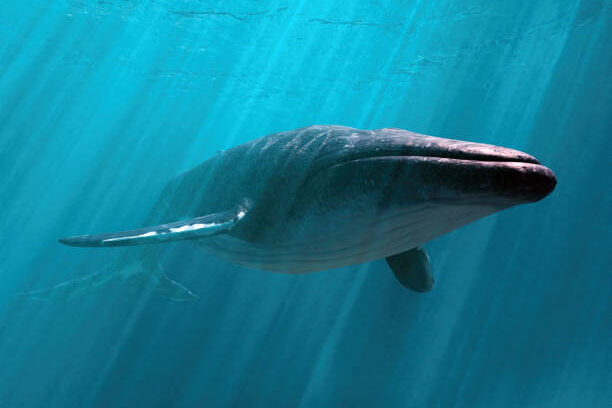
Not all loud sounds are sharp or sudden. Some are slow, steady, and almost gentle if you’re close enough. The blue whale produces calls that can reach up to 188 decibels underwater, making it the loudest animal on Earth. It’s strange to think something so massive communicates in sounds that travel for hundreds of miles beneath the surface.
Researchers often describe these calls as low-frequency pulses, more felt than heard. One marine biologist explained, “They’re like a long-distance conversation across the ocean.” It’s not a noise meant to startle, but one meant to connect. Still, its power is undeniable. If you could hear it clearly above water, it would be overwhelming. It’s a different kind of loud, one that feels calm but carries incredible strength, reminding us that volume doesn’t always come with chaos. Sometimes, it moves quietly through its own space, steady and sure.
4. The Saturn V Rocket Launch
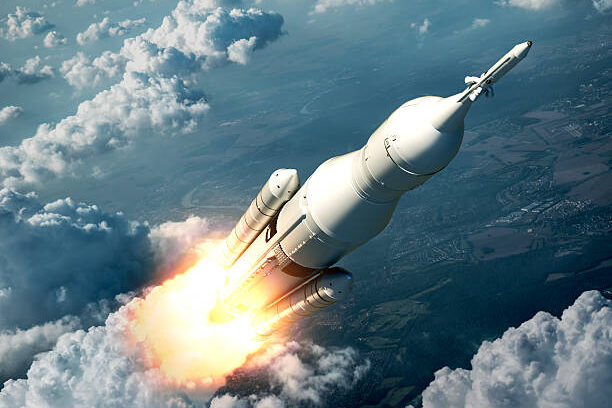
If you’ve ever watched a rocket launch on video, you might think you understand how loud it is. But being there in person is something else entirely. When the Saturn V rocket launched during the Apollo missions, the sound reached around 204 decibels. It wasn’t just heard, it was felt in your chest, like a deep vibration that refused to stay still.
People who witnessed it often said the ground seemed to move along with the sound. One account described it as “a crackling thunder that doesn’t stop,” which captures the way it builds and holds. The engines produced enough energy to shake buildings miles away. It’s one of those moments where human engineering meets raw force, creating something that feels almost natural in its intensity. Standing there, you wouldn’t just be watching history, you’d be standing inside it, surrounded by a sound that makes everything else seem small for a while.
5. The Atomic Bomb Over Hiroshima
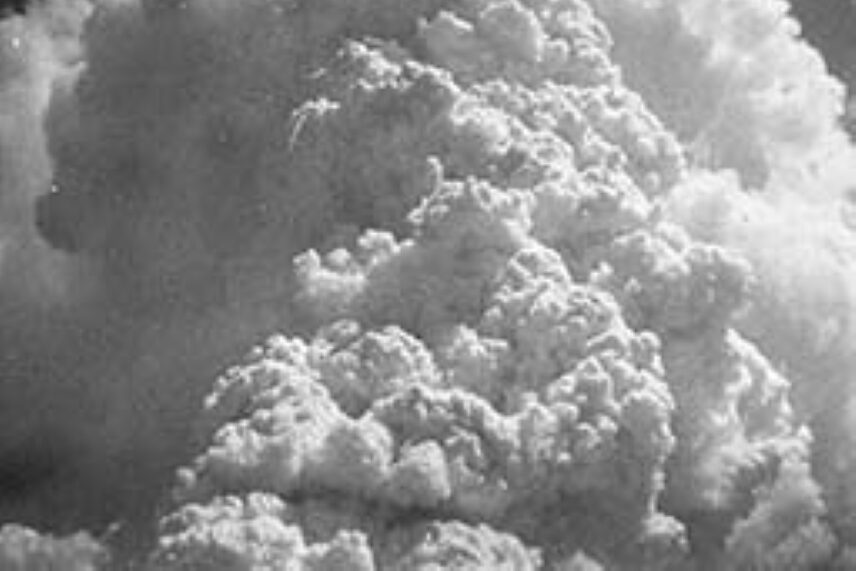
There are sounds tied to moments that changed the world, and the atomic bomb dropped on Hiroshima is one of them. The explosion produced a shockwave estimated at over 240 decibels near its source. It’s difficult to separate the sound from the event itself, but those who survived often spoke of a sudden, overwhelming burst followed by an eerie quiet.
One survivor recalled it as “a flash, then a boom that swallowed everything,” a simple yet haunting way to describe it. The sound wasn’t just loud, it marked a turning point in history. It carried destruction, but also a reminder of how powerful human actions can be. When people reflect on it now, the focus often shifts from the noise to what it meant. Still, the sound remains part of the memory, a sharp moment that echoes through time, urging us to think carefully about the forces we create and how we choose to use them.
6. The Chelyabinsk Meteor Shockwave
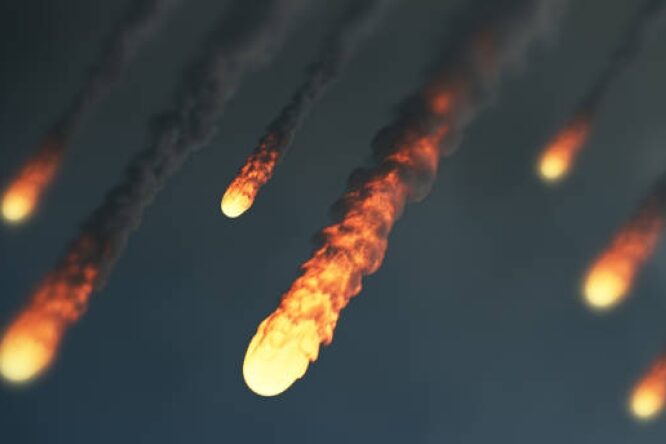
You might remember seeing dashcam videos of a bright streak racing across the sky in 2013. That was the Chelyabinsk meteor, and while the light caught attention first, the sound followed in a way people didn’t expect. A few minutes after the flash, a powerful shockwave hit, shattering windows across the city and startling thousands who had already begun to move on from the moment.
Witnesses described it as a delayed boom that grew quickly, like thunder rolling in but much sharper. One report noted, “The shockwave arrived after the flash and broke glass across a wide area,” which gives you a sense of how far its reach extended. Scientists estimate the explosion released energy equivalent to several hundred kilotons of TNT. It wasn’t just the volume that made it memorable, but the timing. That pause between sight and sound gave it an eerie rhythm, a reminder that sometimes the loudest moments arrive just after you think everything has passed.
7. A Jet Engine at Close Range
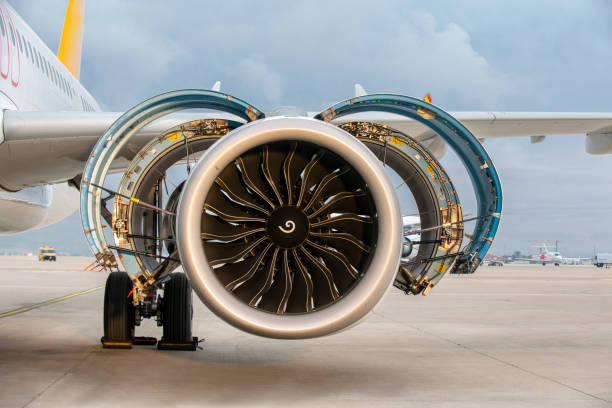
Standing near a jet engine during takeoff is something most people never experience up close, and that’s probably for the best. At close range, the sound can reach around 150 decibels, strong enough to cause immediate hearing damage. But beyond the numbers, it’s the way the sound feels that stays with you. It doesn’t just hit your ears, it presses against your whole body.
People who work on airport runways often describe it as a constant roar that never fully fades, even after the plane lifts off. One aviation source explains, “Jet engines produce an intense roar that can be physically felt,” which feels like an understatement once you picture it. The air vibrates, the ground hums, and for a moment, everything else disappears under that single force. It’s a kind of everyday loudness compared to explosions or cosmic events, but no less powerful in its own space. It reminds you how much energy is packed into something we often take for granted.
8. The Tsar Bomba Detonation
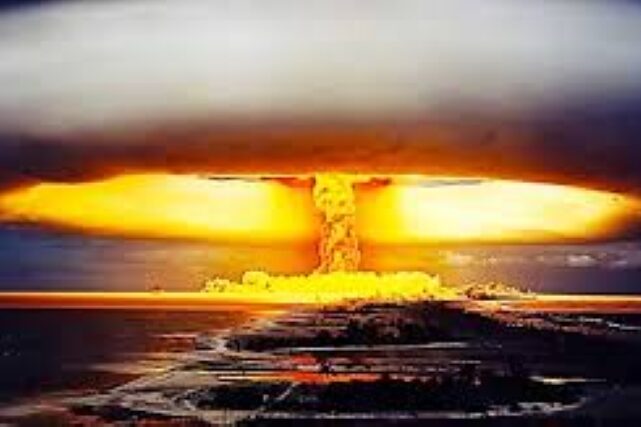
In 1961, the Soviet Union tested the most powerful nuclear weapon ever created, known as Tsar Bomba. The explosion produced a sound estimated to exceed 224 decibels, though exact figures are hard to pin down because of its sheer scale. Even miles away, observers felt the shockwave ripple through the air like a living thing moving outward.
Accounts from the time describe a deep, rolling blast that seemed to stretch on longer than expected. One record noted, “The shockwave circled the Earth multiple times,” which echoes the kind of reach we saw with Krakatoa. It wasn’t just loud, it was vast. Windows shattered far from the test site, and the mushroom cloud rose higher than most commercial aircraft can fly. When people talk about it today, they often focus on the size and power, but the sound is part of that story. It carried the weight of what was possible, and what perhaps should never be repeated.
9. Thunderclaps That Shake the Sky
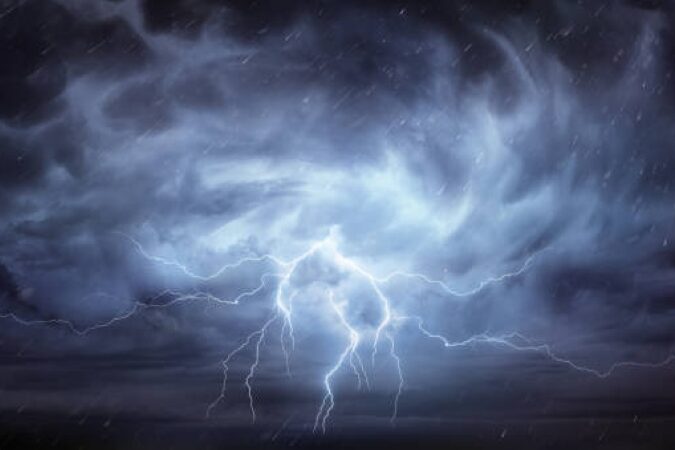
Most of us have heard thunder, but not all thunder is the same. Some lightning strikes produce thunderclaps that feel immediate and overwhelming, reaching up to 120 decibels or more depending on distance. It’s the kind of sound that makes you pause mid-step, even if you’ve heard it countless times before.
There’s something familiar about it, though. A reminder of storms from childhood, of watching rain hit the windows while counting seconds between flash and sound. Yet when it’s close, that comfort shifts slightly. One weather expert described it as “a rapid expansion of air creating a shockwave we hear as thunder,” which grounds it in science but doesn’t take away the feeling. It’s loud, but it’s also part of a rhythm we know well. It rolls in, makes its point, and moves on, leaving behind a quieter space that feels just a little more still than before.
10. A Firecracker Chain Reaction
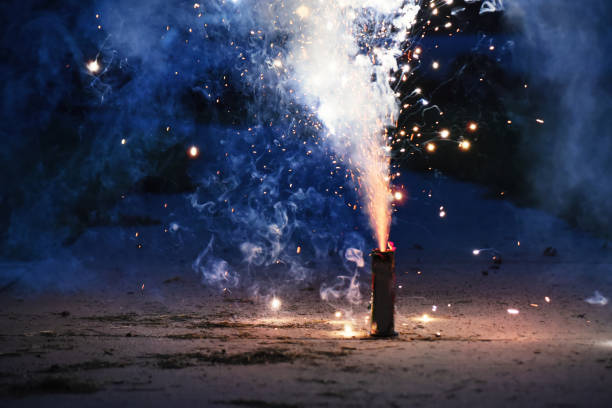
It might seem small compared to everything else on this list, but a chain of firecrackers going off in quick succession can create a surprisingly intense burst of sound. Each pop builds on the last, layering into something that feels bigger than the individual pieces. At close range, some firecrackers can reach around 140 to 150 decibels, especially when many are set off together.
You’ve probably heard it during celebrations, where the sound becomes part of the atmosphere. One safety guide puts it simply, “Repeated explosions can quickly raise sound levels to harmful ranges,” which is easy to overlook in the moment. There’s a rhythm to it, almost like a rapid drumbeat, sharp and bright. It doesn’t last long, but it leaves an impression. Compared to volcanoes or rockets, it’s brief and local, yet it still shows how sound can build quickly when energy is released in bursts. It’s a reminder that loudness isn’t always about scale, sometimes it’s about repetition.
11. The Vela Incident’s Mysterious Double Flash
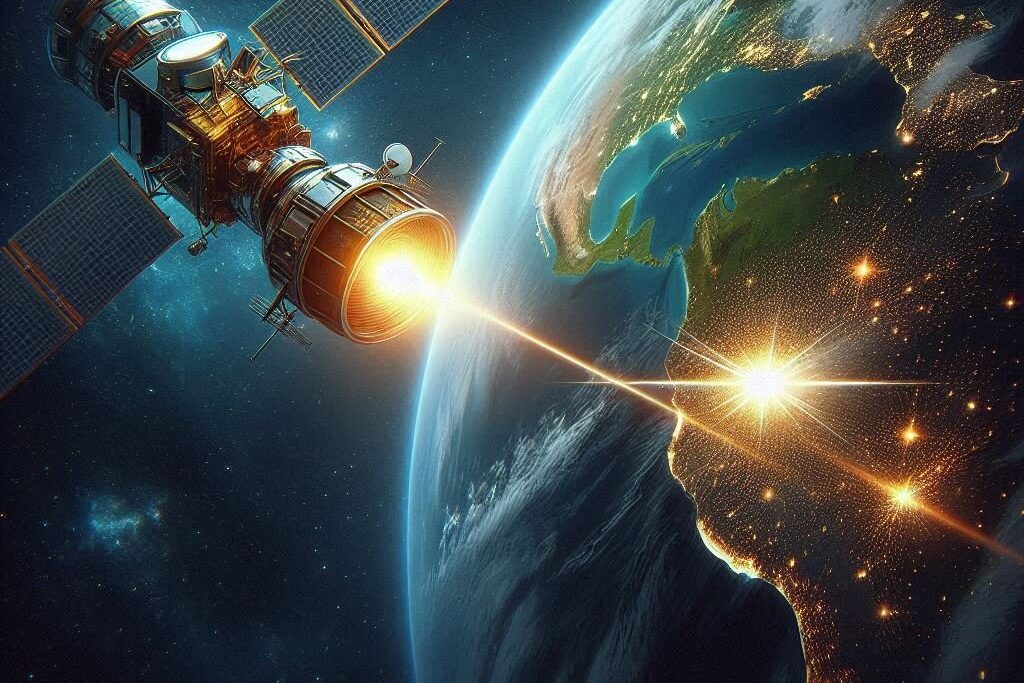
Sometimes the loudest sounds are the ones we never fully hear but only piece together through evidence. In 1979, a U.S. satellite detected what became known as the Vela Incident, a double flash of light near the South Atlantic that many believe was a secret nuclear test. While no one stood close enough to describe the sound directly, scientists have long suggested it would have produced a powerful blast consistent with high-yield explosions.
What makes this one linger is the uncertainty around it. One analysis described the signal as “characteristic of a nuclear detonation,” which quietly says a lot without filling in every gap. If such a blast did occur, the sound would have spread across open ocean, largely unheard by people but no less real. It’s a different kind of entry, one shaped by what we infer rather than what we remember firsthand. And in that way, it reminds us that not every powerful moment is fully witnessed, yet it still leaves behind traces strong enough to be felt long after.
12. The Chicxulub Impact That Changed Everything
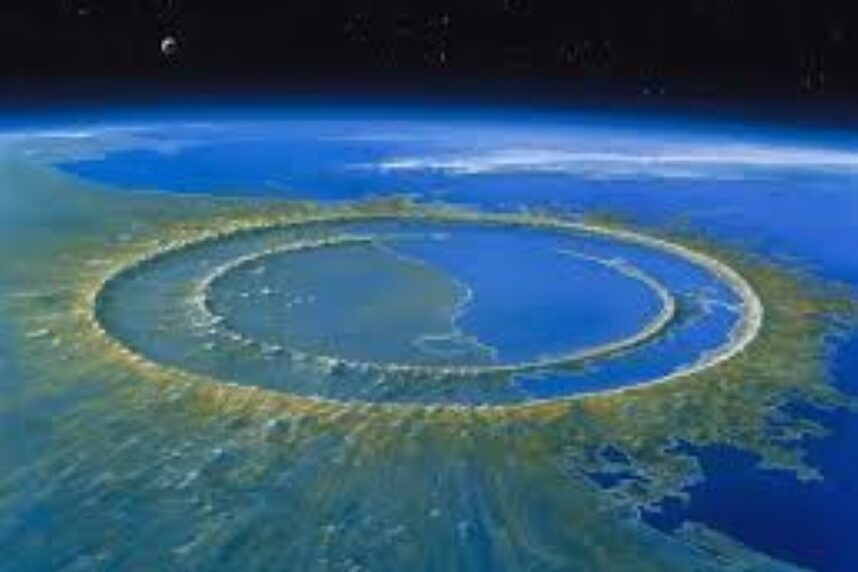
It feels almost impossible to picture a sound tied to the end of the age of dinosaurs, but the Chicxulub asteroid impact about 66 million years ago would have produced one of the loudest events in Earth’s history. The force of the collision, near what is now Mexico’s Yucatán Peninsula, released energy far beyond any volcanic eruption or human-made explosion we’ve discussed.
Scientists often describe it in terms of scale, but one summary puts it simply, “The impact generated shockwaves that traveled around the globe,” which echoes a pattern we’ve seen before. The sound itself would have been part of a chain of effects, from air blasts to seismic waves, all blending into something beyond ordinary experience. It wasn’t just loud, it was final in a way that reshaped life on Earth. And as this list comes to a close, it leaves you with a quiet thought. From ocean calls to cosmic collisions, sound tells stories of connection, warning, and change, if we’re willing to listen a little more closely.


