
The Tiny Architects Of Our Natural World
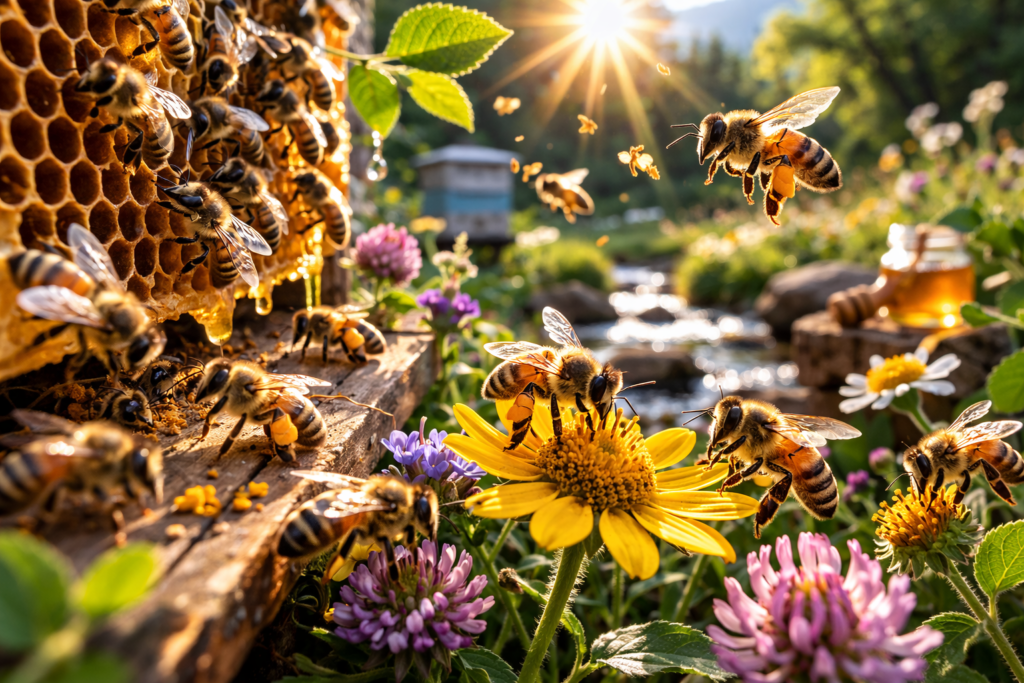
It is often easy to overlook the common honeybee as it hums through a garden, yet these miniature marvels are the literal backbone of our global ecosystem. As the Earthwatch Institute recently declared them the most important living beings on the planet, we are beginning to understand that our own survival is inextricably linked to their frantic, buzzing existence. These insects are far more than just honey producers because they serve as the primary pollinators for the vast majority of the world’s flowering plants and crops. Without their relentless pursuit of nectar, our dinner tables would look incredibly sparse and the vibrant biodiversity of our landscapes would simply wither away into a monochrome shadow of its former glory.
The life of a worker bee is a poignant paradox where incredible productivity meets a tragically short timeline. These all-female crews operate with a level of selfless devotion that is almost impossible for the human mind to grasp, as they essentially work themselves to death for the greater good of the colony. This matters because their story is a reflection of the ultimate sacrifice, where an individual’s entire lifetime of effort results in just a fraction of a teaspoon of honey. By exploring the brief but brilliant journey of the worker bee, we can learn to appreciate the hidden costs of the natural luxuries we often take for granted while reflecting on the delicate balance of life that sustains us all.
A Life Defined By Intensity
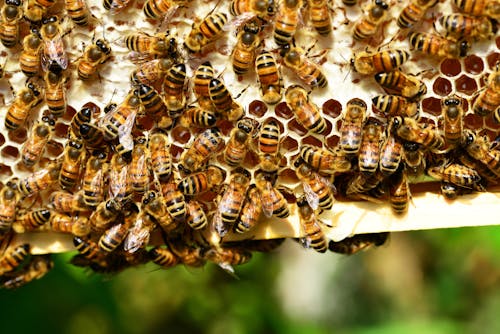
The life of a worker honeybee during the height of the foraging season is a whirlwind of activity that rarely lasts longer than six weeks. From the moment they emerge from their wax cells, these diligent females are thrust into a series of demanding roles that scale in intensity as they age. This brief window of existence is entirely dedicated to the maintenance and survival of the hive rather than any individual gain or comfort. They transition from nursery maids to hive cleaners and eventually to the high-stakes role of foragers where they brave the elements to gather resources. The sheer physical toll of this lifestyle is so immense that their biological systems simply wear out under the pressure of constant flight and resource management.
Because they operate at such a high metabolic rate, the summer worker bee is essentially a candle burning at both ends. Researchers have noted that their wings often become tattered and their bodies lose their fuzzy insulation as they navigate the hazards of the outside world. This rapid aging process is a direct result of their commitment to the colony’s future success and growth. While six weeks seems like a flash in the pan to us, for a bee, it represents a complete and exhausted legacy of service. It is a sobering thought that the honey we stir into our tea is the result of thousands of lives that were lived and lost in the span of a single human summer month.
Working Themselves To Death
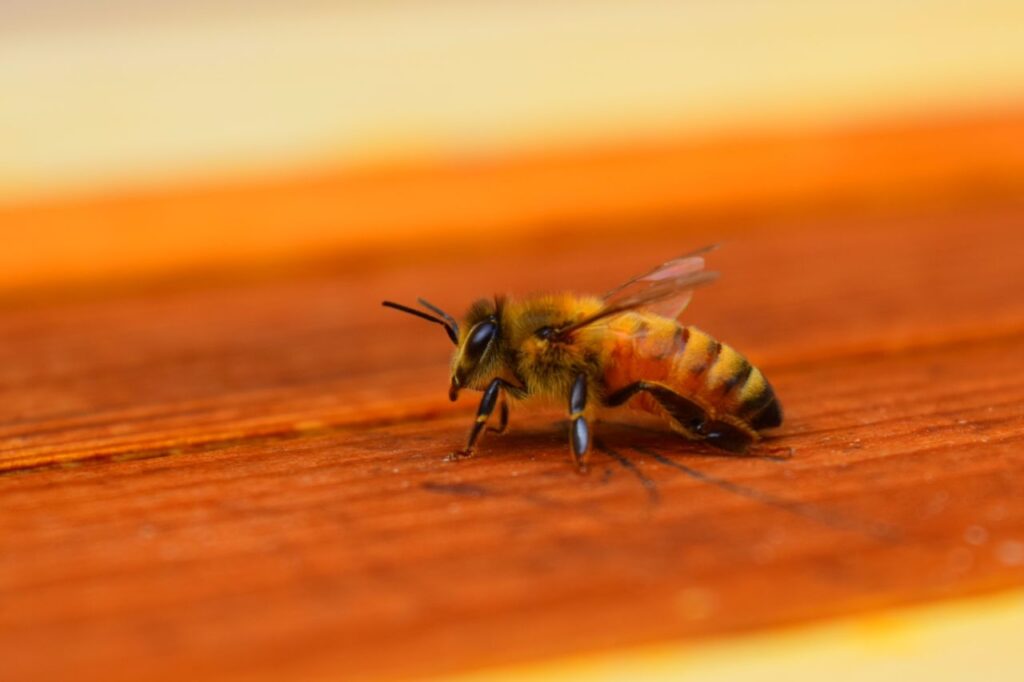
Foragers represent the final and most dangerous phase of a worker bee’s life because they must leave the safety of the hive to scout for food. By the time a bee reaches this stage, she has already spent weeks performing domestic duties and her body is starting to show the heavy signs of wear. You can often spot these veteran workers by their tattered wing edges and smooth, hairless abdomens which result from thousands of take-offs and landings. They fly until their flight muscles literally give out or their wings become too damaged to provide the necessary lift. This is not a choice made out of ambition but a biological drive to provide for the next generation of larvae waiting back home.
The term “working to death” is a literal description of their final days as they push their physical limits in the scorching sun or against buffeting winds. Even as their strength fades and their movements become sluggish, they continue to seek out flowers until they can no longer return to the hive. This relentless pace ensures that the colony has enough stored energy to survive the times when flowers are not in bloom. It is a hauntingly beautiful cycle of industry where the individual accepts their inevitable decline as a necessary trade-off for the collective’s immortality. Their tattered wings are not just signs of age but are badges of honour representing miles flown and millions of flowers visited in their quest.
Total Devotion To Colony

Every worker bee is born into a system of total communal devotion where the needs of the many always outweigh the needs of the one. Their lives are structured around a complex division of labour that changes as they mature, ensuring that every necessary task within the hive is covered. Initially, they act as cleaners and nurses for the queen’s brood, but they soon move on to constructing honeycomb and guarding the entrance against intruders. This transition through various roles shows a level of flexibility and dedication that keeps the hive functioning like a well-oiled machine. There is no such thing as a “day off” in the life of a worker because the survival of the queen depends on their constant vigilance.
This selfless behaviour extends to every facet of their existence, from the way they share food to the way they regulate the temperature of the hive. They do not forage for their own hunger but rather to fill the communal larder and ensure that the queen can continue to lay thousands of eggs. This level of cooperation is what has allowed honeybees to thrive on every continent except Antarctica for millions of years. It is a remarkable example of social synergy where the individual finds purpose solely through their contribution to the whole. By placing the colony’s health above their own, these tiny insects achieve a level of societal efficiency that humans can only hope to emulate in our most cooperative moments.
A Final Act Of Service
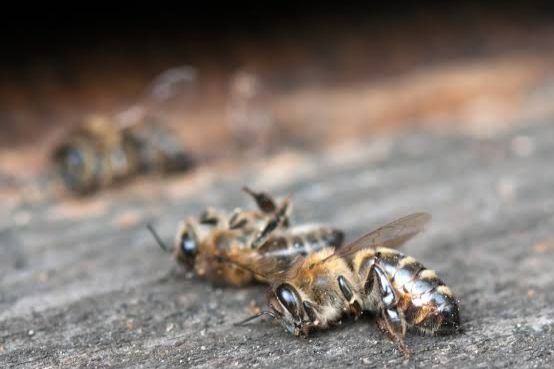
Perhaps the most touching aspect of a worker bee’s life is the way they choose to face their inevitable end. When a forager senses that her strength is finally failing or that she may be carrying a disease, she will often make the conscious decision to die away from the hive. This final exit is a strategic move to prevent the spread of pathogens to her sisters and to save the colony the effort of removing her body. She will fly out into the sunset one last time and settle on a leaf or the ground, passing away quietly in isolation. It is a lonely but profoundly dignified conclusion to a life that was spent in the constant company of thousands of others.
This behaviour highlights the sophisticated social intelligence of the hive where even death is managed for the benefit of the group. By avoiding becoming a burden or a health risk, the dying bee performs her final duty to the family she spent her life serving. It is a stark reminder of the “sad but impressive” nature of their existence, where even their last breath is an act of tactical sacrifice. This quiet departure ensures that the hive remains a clean and healthy environment for the young bees that will soon take her place. It reflects a level of instinctive grace that is both heartbreaking to witness and deeply inspiring to those who study the complex social structures of these essential pollinators.
The Tiny Fraction Of Honey
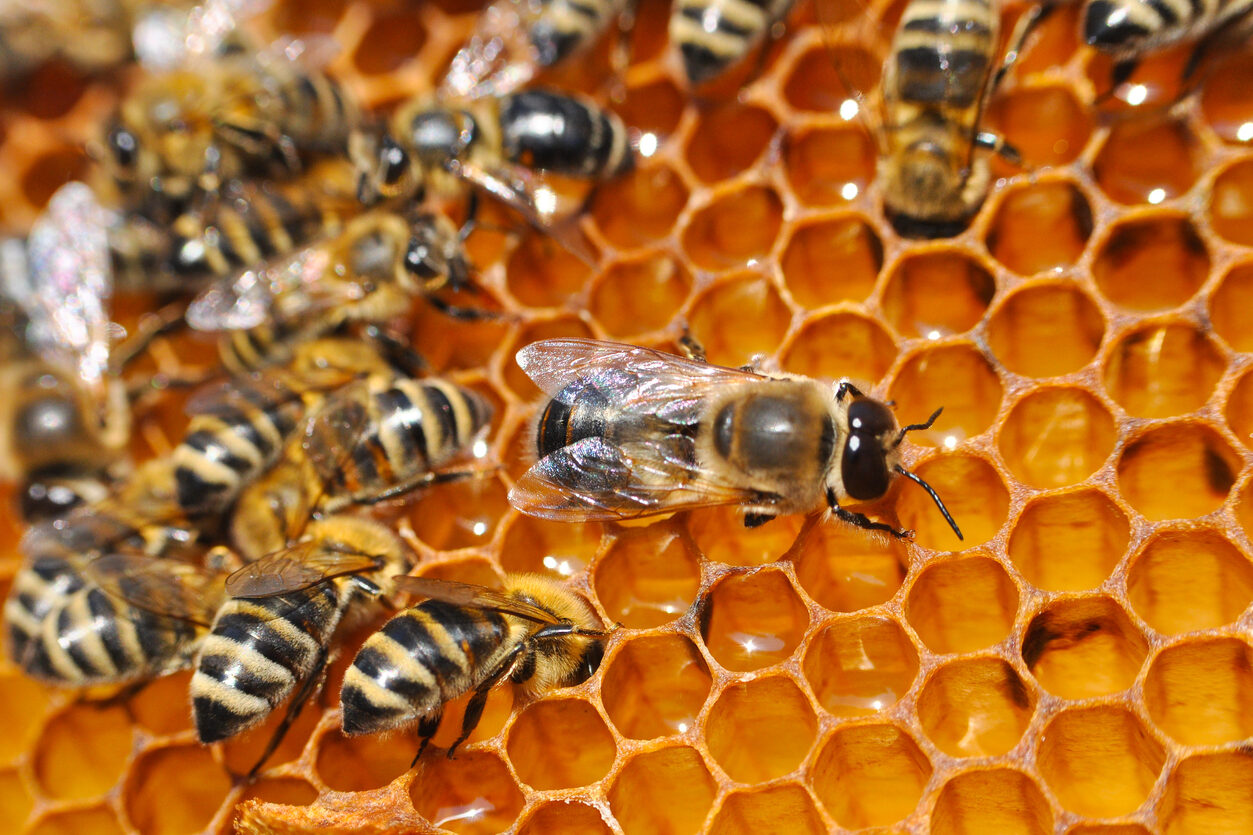
To understand the scale of a worker bee’s labor, one must look at the literal fruit of their toil, which is the honey we so enjoy. Over the course of her entire adult life, a single worker bee will contribute only about one-twelfth of a teaspoon of honey to the hive’s stores. This tiny amount seems almost insignificant when viewed in isolation, but it represents the sum total of every flight, every flower visited, and every drop of nectar processed. When you consider the millions of bees in a healthy colony, these microscopic contributions add up to the massive surplus needed to sustain the hive through the winter. It is a powerful lesson in how small, individual actions can create a monumental impact when multiplied by a collective.
Every drop of honey is a liquid testament to thousands of hours of high-intensity labour and precise chemical engineering within the bee’s own body. The process of turning nectar into honey requires constant regurgitation and fanning with their wings to evaporate excess moisture. This means that the one-twelfth of a teaspoon is not just collected but is painstakingly crafted through physical exertion. When we consume a single tablespoon of honey, we are essentially eating the entire life’s work of dozens of individual bees. It puts a heavy price on a simple pantry staple and reminds us that there is nothing truly “cheap” about the products provided by the natural world. Each jar of honey is a library of tiny biographies written in gold.
The Miles Flown Daily
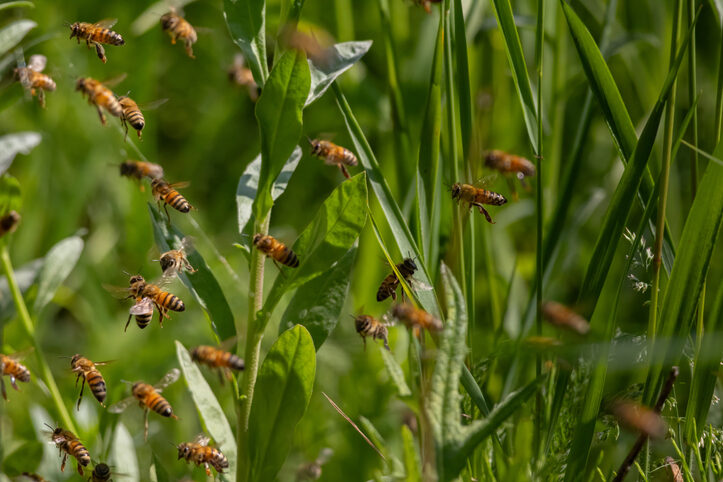
The physical feats performed by a worker bee are nothing short of Olympian when you consider their diminutive size and the distances they cover. A single foraging trip can take a bee up to five miles away from the safety of the hive in search of the best nectar sources. To produce just one pound of honey, the collective of a hive must fly over fifty-five thousand miles, which is more than twice the circumference of the entire Earth. This level of travel is accomplished through a combination of incredible navigational skills and a metabolism that operates at the absolute peak of biological possibility. They navigate using the sun and the Earth’s magnetic field, ensuring they can find their way back home across vast distances.
During these marathon flights, the bee’s wings beat hundreds of times per second, creating the signature hum that we associate with a busy garden. This constant motion requires a massive amount of energy, which the bee obtains by consuming some of the nectar she gathers along the way. It is a high-stakes balancing act where she must bring back more fuel than she consumes to ensure the hive remains in profit. The sheer volume of flowers visited, roughly two million for a single pound of honey, is a statistic that defies easy comprehension. It highlights the “impressive” side of their short lives, showing that they pack more travel and work into six weeks than many creatures do in a decade.
Seasonal Differences In Survival
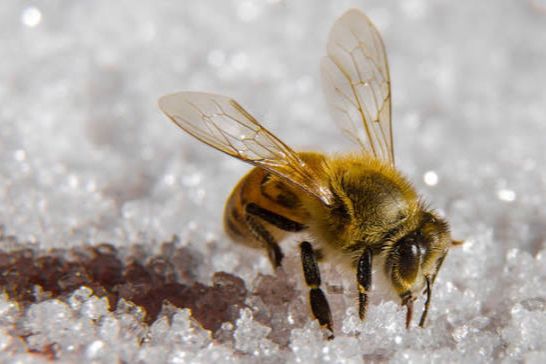
While the summer worker bee is a short-lived specialist, the “winter bees” are a different breed of survivor designed for the long haul. Born as the flowers begin to fade and the temperatures drop, these bees can live for four to six months, and in some extraordinary cases, nearly a year. They are physically “beefier” than their summer sisters, possessing higher levels of fat and protein stored in their bodies to help them endure the cold. Their primary job is not to forage but to stay inside the hive and form a tight cluster around the queen. By vibrating their flight muscles, they generate heat to keep the centre of the hive at a steady, life-sustaining temperature even when the world outside is frozen.
This seasonal shift is a brilliant evolutionary adaptation that allows the colony to persist through the harshest months of the year. These winter bees are the guardians of the future, tasked with ensuring that the queen survives to lay the next generation of foragers in the spring. They do not face the same tattered-wing fate as the summer workers because they remain largely sedentary, focusing all their energy on thermoregulation and food conservation. It is a quiet and slow-paced existence compared to the frantic buzzing of July, but it is no less critical for the continuity of the species. Without these long-lived winter specialists, the entire cycle of the hive would collapse before the first blossoms of the new year could appear.
The High Price Of Defense
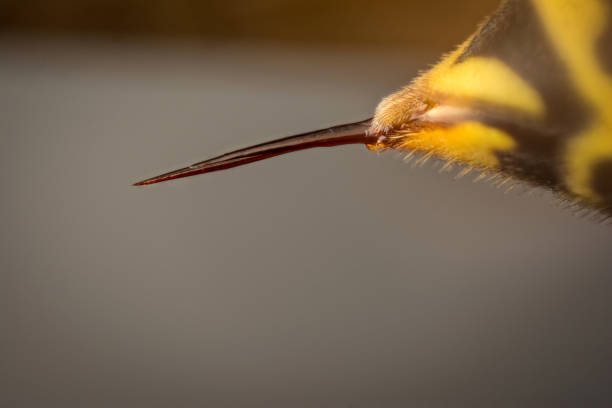
One of the most tragic elements of a honeybee’s life is the mechanical flaw in their primary means of defence. Unlike wasps or hornets, a honeybee’s stinger is barbed, meaning that once it is deployed into the thick skin of a mammal, it cannot be easily withdrawn. When a worker bee stings a predator to protect her home, the act of flying away causes the stinger and the attached venom sac, and often part of her internal organs, to be ripped from her body. This is a fatal injury that ensures the bee will die shortly after her act of bravery. She effectively trades her life for a few extra moments of protection for the queen and the brood.
This ultimate sacrifice is triggered only when the bee perceives a dire threat to the colony, as they are not naturally aggressive creatures. It is a calculated biological gamble where the individual’s death serves as a powerful deterrent to would-be honey thieves like bears or humans. The stinger continues to pump venom even after the bee has detached, proving that her influence lingers even as her life fades. This “price of defense” is a stark reminder of the harsh realities of nature, where survival often requires the highest possible stakes. It adds a layer of solemnity to the sight of a bee, knowing that her most potent weapon is also her own executioner.
High Volume Foraging Success
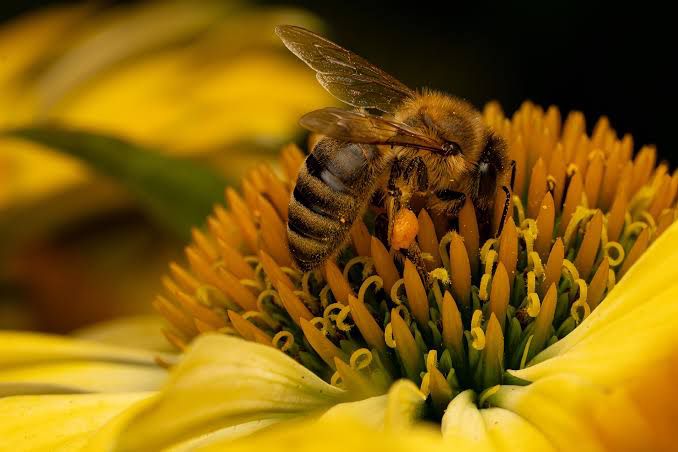
The sheer scale of a worker bee’s foraging success is what makes them the most efficient pollinators on the planet. In her short life, a single bee can visit thousands of individual flowers, meticulously collecting pollen and nectar with every stop. This high-volume approach is necessary because the rewards from a single flower are often minuscule, requiring a relentless pace to make the effort worthwhile. As she moves from bloom to bloom, she inadvertently transfers pollen, facilitating the reproductive cycle of the plants that provide our food and oxygen. This accidental service is the foundation of terrestrial life, making the bee an unwitting hero of global proportions.
Because they are so focused on efficiency, bees have developed a sophisticated communication system known as the “waggle dance” to share the location of the best patches with their sisters. This allows the hive to deploy its workforce with surgical precision, ensuring that no time or energy is wasted on poor-quality sources. The “impressive” nature of their work lies in this combination of individual stamina and collective intelligence. They are not just random insects flying about; they are part of a highly coordinated logistics network that manages thousands of data points every day. Each successful foraging trip is a victory for the colony and a contribution to the wider health of the environment, proving that even the smallest life can have a massive reach.
The Legacy Of The Manchester Bee
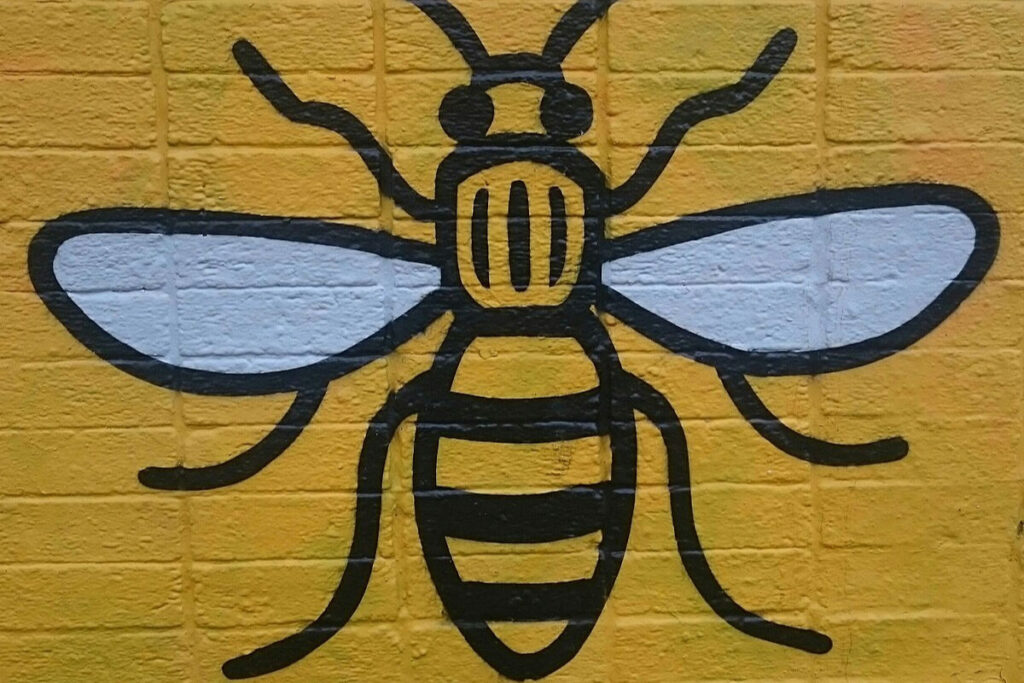
The image of the worker bee has transcended the natural world to become a powerful cultural symbol, most notably in the city of Manchester. During the Industrial Revolution, the bee was adopted as a symbol of the city’s hardworking people and its booming textile industry. Just as the bees in a hive work together for a common goal, the citizens of Manchester built a city based on collective effort and industrial prowess. The “Manchester Bee” can be seen today on everything from bollards and bins to the grand facade of the Town Hall. It represents a city made by the workers, for the workers, reflecting a pride in the same tireless energy that defines the insect itself.
However, some residents find the comparison a bit bittersweet, noting that worker bees literally work themselves to death. This adds a layer of historical reflection to the symbol, acknowledging the often-harsh conditions faced by the working class during the 19th century. Yet, the enduring popularity of the bee shows that we still value the ideals of cooperation and community strength that these insects represent. Whether in a Victorian coat of arms or a modern street art mural, the worker bee reminds us that great things are achieved through the small, consistent efforts of many. It is a legacy that honors the spirit of the insect by applying its most “impressive” traits to the human story of progress and resilience.
Reliance on a single biological factory for our survival is a precarious position that demands we become better stewards of the environment.
Like this story? Add your thoughts in the comments, thank you.


