
The New Industrial Revolution of Digital Stardom

The modern landscape of American wealth has shifted dramatically from the boardrooms of Wall Street to the bedroom studios of the digital age. This transition represents a fascinating evolution in how we define “work” and “celebrity” in a world where attention is the most valuable currency available. It is no longer enough for a creator to simply upload a video and hope for the best because the most successful figures on this list have transformed themselves into multifaceted conglomerates. They have moved beyond the fickle nature of platform algorithms to build tangible empires that exist in our physical reality, from the snacks we eat to the clothes we wear every single day.
Understanding this topic matters because it reveals the blueprint for the future of the global economy and the changing face of the American Dream. We are witnessing a moment where individual personalities hold as much market power as traditional media networks or legacy consumer brands. By looking at the staggering earnings and business models of these twenty individuals, we gain insight into a world where community and authenticity drive multi-million dollar deals. This list is a testament to the power of human connection in a digital world and how the most savvy entrepreneurs are turning “likes” into a legacy that will likely last for decades to come.
20. Addison Rae

Addison Rae has managed to navigate the notoriously difficult transition from a viral social media personality to a legitimate multi-hyphenate star with remarkable grace. While she first gained global fame for her choreographed dances, her current financial standing is rooted in a much more diversified portfolio that includes significant ventures in both the beauty and entertainment industries. Her “Item Beauty” line became a staple fixture in Sephora stores across the country while her multi-picture deal with Netflix solidified her status as a rising actress in Hollywood. These professional pivots have allowed her to maintain a steady stream of income that is far less dependent on the shifting trends of short-form video platforms than many of her original contemporaries.
The real engine behind her five million dollar creator earnings in 2025 is her ability to blend traditional media success with modern digital influence. By securing royalties from her burgeoning music career and high-value acting contracts, she has built a financial cushion that most influencers can only dream of achieving. Her story is one of strategic brand positioning because she has carefully curated an image that appeals to both high-fashion labels and mainstream cinematic audiences. Even as the digital landscape becomes increasingly crowded, Addison remains a prominent figure by ensuring her name is attached to high-quality projects that offer longevity beyond the scroll of a mobile phone screen.
19. Kai Cenat
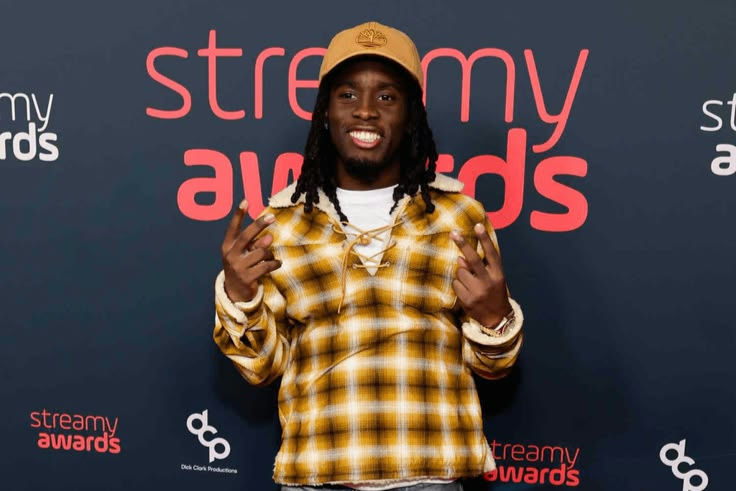
Kai Cenat has redefined what it means to be a live entertainer in the modern era by turning the art of the “stream” into a massive financial powerhouse. As one of the most prominent faces on Twitch, his eight point five million dollar earnings are a direct result of his pioneering “subathon” model which involves broadcasting for days on end to drive direct fan subscriptions. This level of dedication has fostered an incredibly loyal community that is willing to support him financially in exchange for his high-energy and often unpredictable content. His success is not just about the hours he spends on camera but rather the way he has gamified the viewing experience to create a sense of collective participation.
Beyond the direct support of his fans, Kai has become a magnet for massive brand integrations that want to tap into his highly engaged and youthful demographic. These partnerships often involve large-scale livestream events that blur the lines between traditional advertisements and genuine entertainment. By focusing on high-value streaming integrations and global appearances, he has managed to secure a spot among the elite earners in the creator space. His business model is a fascinating study in the power of real-time connection and it shows that being “live” is perhaps the most authentic way to build a brand in a world that is increasingly dominated by polished and edited media.
18. Emma Chamberlain

Emma Chamberlain remains the quintessential example of how to turn a relatable online persona into a high-end luxury brand that commands respect from the global fashion elite. Her wealth engine is anchored by “Chamberlain Coffee” which has successfully made the difficult leap from a niche direct-to-consumer website into the aisles of major national retailers like Target and Sprouts. This transition into wholesale retail represents a significant milestone in her entrepreneurial journey because it proves that her influence can drive physical product sales on a massive scale. Emma has moved far beyond the “vlogger” label to become a genuine business mogul who understands the nuances of supply chains and retail partnerships.
In addition to her caffeine empire, Emma holds a long-term and multi-million dollar contract with Louis Vuitton that positions her as a permanent fixture in the luxury fashion world. This partnership is supplemented by her work with other high-end brand ambassadorships and her popular podcast which provides a steady stream of advertising revenue. Her estimated nine million dollar earnings reflect a career built on intentionality and a refusal to over-extend her brand into spaces that do not feel authentic to her personal aesthetic. By maintaining this level of quality over quantity, she has ensured that her name remains synonymous with a specific kind of effortless cool that continues to attract the world’s most prestigious advertisers.
17. Marques Brownlee
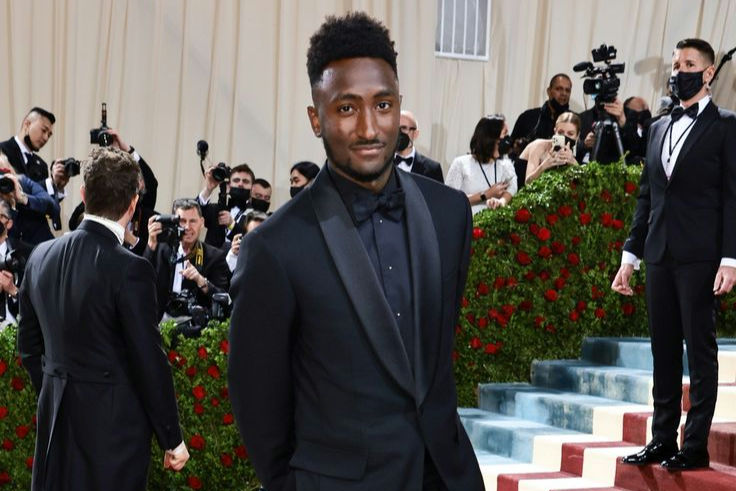
Marques Brownlee, often known by his initials MKBHD, has spent over a decade building a reputation as the premier tech reviewer in the United States through his uncompromising commitment to production quality. His ten million dollar earnings are the result of operating a highly efficient tech-consulting and production firm that produces some of the most visually stunning content on the internet. Marques has successfully monetized his deep technical expertise by securing high-tier tech sponsorships from companies that value his honest and thorough approach to product testing. Unlike many creators who chase fleeting trends, he has focused on being a reliable source of information for a tech-hungry audience that trusts his word implicitly.
The business model behind the MKBHD brand is further bolstered by a premium merchandise shop and a highly successful signature line with Ridge Wallet. This partnership is a prime example of how he integrates products into his lifestyle in a way that feels organic rather than forced. By focusing on high-margin physical goods that appeal to his tech-savvy followers, he has created a diversified income stream that complements his digital ad revenue perfectly. Marques continues to set the standard for what a professional creator looks like because he balances the demands of a modern media company with the integrity of a traditional journalist while remaining incredibly relevant in an ever-changing industry.
16. Logan Paul
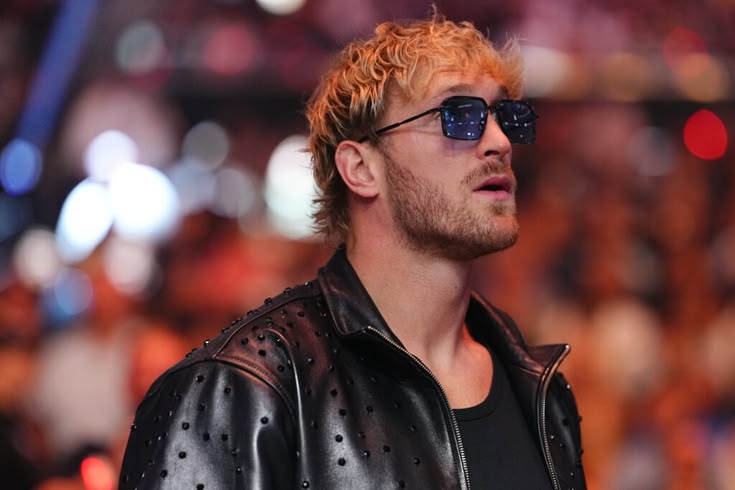
Logan Paul has undergone one of the most dramatic brand transformations in digital history by evolving from a controversial prankster into a serious business operator and combat sports athlete. While his direct creator earnings for 2025 are estimated at ten million dollars, this figure is only a small part of his overall financial picture because his net worth is heavily buoyed by his equity in Prime Hydration. This beverage brand has become a global phenomenon that rivals industry giants and it serves as the ultimate proof of his ability to move markets through sheer force of personality. Logan has mastered the art of “stunt marketing” to drive massive awareness for his physical products and business ventures.
In addition to his success in the beverage industry, he continues to operate his Maverick clothing line and host the “Impaulsive” podcast which remains a top-tier platform for high-margin advertising. The podcast also serves as a critical promotional vehicle for his own products and his various ventures in the world of professional wrestling and boxing. Even though his direct “content” earnings might be lower than those of his brother this year, his long-term wealth is secured through significant ownership stakes in companies that have multi-billion dollar potential. Logan represents a new breed of creator who views content not as the end goal but as a powerful marketing tool for a much larger corporate portfolio.
15. Jordan The Stallion
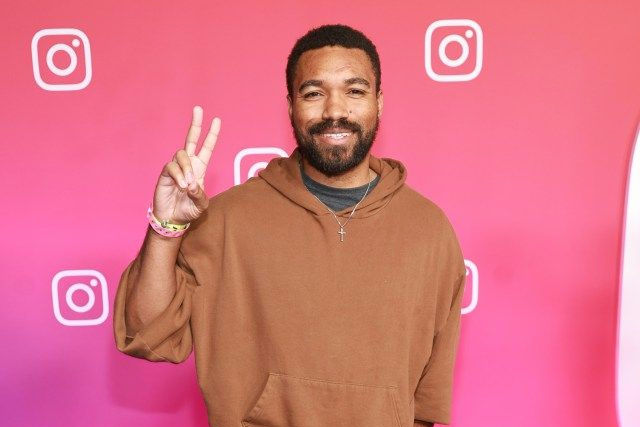
Jordan the Stallion has carved out a unique and highly profitable niche for himself by becoming the “Fast Food Secrets Guy” of the internet. His rise to eleven million dollars in annual earnings is a fascinating example of how hyper-specific content can lead to massive financial rewards when it is paired with high audience engagement. By sharing “secrets” and hacks about popular food chains, he has built a loyal following that views him as a consumer advocate with an inside track. This trust translates into high-value sponsorships because brands are eager to partner with someone who has such a direct and influential line of communication with their customer base.
The actual business model driving his wealth is built on a sophisticated combination of affiliate marketing and data licensing. Jordan uses his massive reach to drive traffic to specific brands and his engagement rates are so high that he can command premium sponsorship rates that far exceed the usual industry standards. He has essentially turned the “review” format into a data-driven business where his insights into consumer behavior are just as valuable as the videos themselves. By staying focused on a single relatable topic and mastering the art of the “reveal,” he has proven that you do not need a massive production budget to build a multi-million dollar media empire in the modern age.
14. Druski
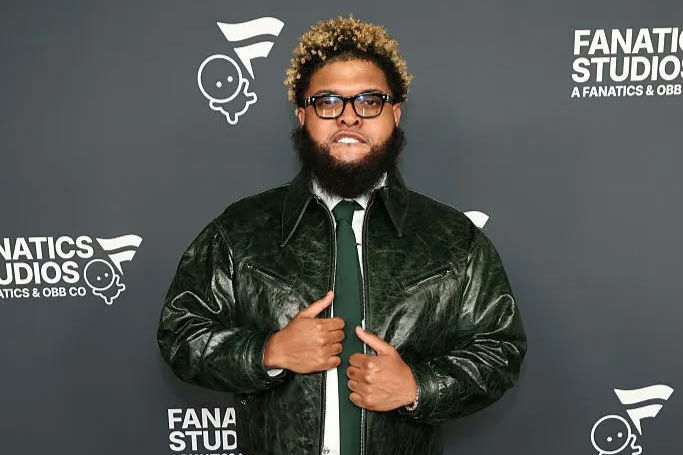
Druski has successfully translated his infectious personality and viral comedic sketches into a legitimate media brand that is currently valued at fourteen million dollars. He is the founder of “Coulda Been Records,” which started as a satirical take on the music industry but has since morphed into a highly profitable entity that hosts sold-out live talent shows. This venture allows him to monetize his sense of humor in the physical world while also providing a platform for other emerging talents. Druski has a rare ability to bridge the gap between internet culture and mainstream entertainment which has made him a favorite for major corporations looking to stay relevant.
His wealth is further fueled by strategic partnerships with global giants like Google and Nike who hire him to create branded comedy content that doesn’t feel like a traditional commercial. These deals are lucrative because Druski maintains total creative control and ensures that the “ad” is just as funny as his regular content. By selling out live events and leveraging his massive social media presence to drive merchandise sales, he has built a diversified business that is not solely reliant on platform ad revenue. Druski is a prime example of a creator who has used his “viral” moments as a foundation for a long-lasting and professionally managed entertainment company that rivals traditional comedy networks.
13. Dixie D’Amelio
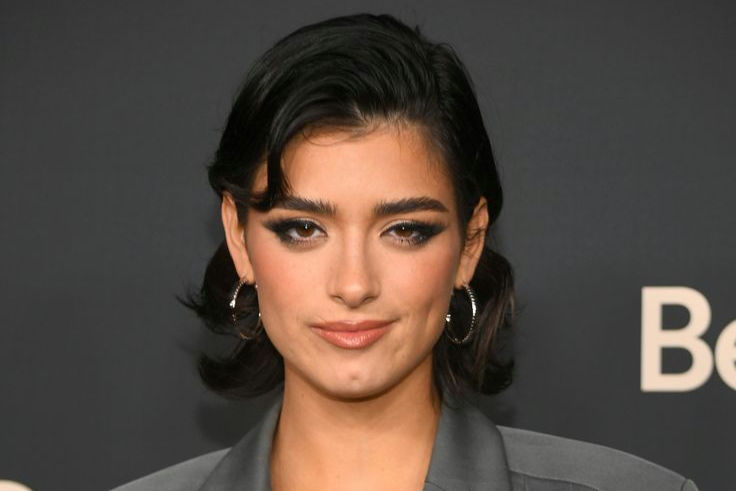
Dixie D’Amelio has cleverly navigated the shadow of her family’s massive digital presence to establish herself as a serious contender in the worlds of high fashion and music. Her fourteen point six million dollar earnings are a testament to her ability to leverage her personal brand into high-value partnerships with luxury labels such as Valentino and Puma. While she initially gained fame through TikTok, she has worked hard to pivot toward more traditional and prestigious media formats that offer greater longevity. This focus on “prestige” branding has allowed her to secure ambassadorships that pay significantly more than standard social media deals and provide a more stable financial foundation.
Beyond her work as a fashion icon, Dixie has invested heavily in a music career that feeds into high-value performance contracts and significant social media integration deals. This dual-track approach ensures that she is constantly in the public eye through multiple different channels and platforms. By focusing on high-fashion and the music industry, she has managed to distance herself from the “influencer” label and rebrand herself as a genuine celebrity with a distinct artistic voice. Her business model is built on the idea of cross-platform synergy where her social media reach supports her music and her music supports her fashion deals which ultimately creates a virtuous cycle of wealth and influence.
12. IShowSpeed
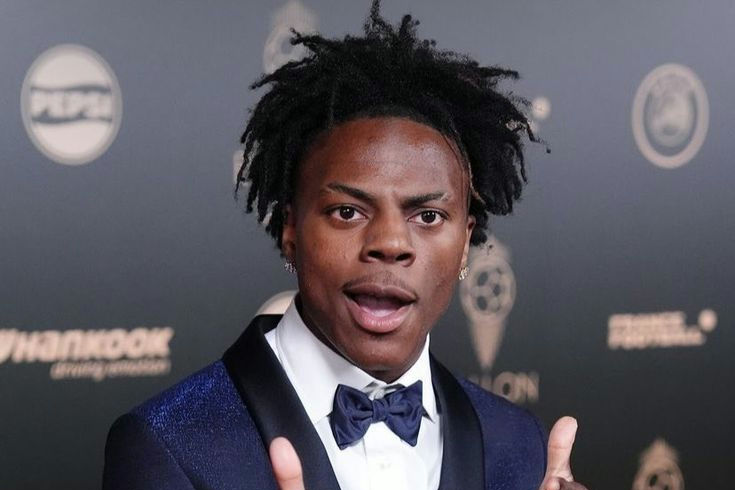
IShowSpeed, whose real name is Darren Watkins Jr., has become a global phenomenon by leaning into a high-energy and often chaotic style of livestreaming that resonates with millions of viewers. His twenty million dollar earnings are largely driven by his massive viewership and his ability to command six-figure appearance fees for a single event. Speed has turned his “viral” tours across Europe and Asia into major financial successes where he essentially functions as a one-man traveling circus. These global appearances are often mobbed by fans and they provide a level of physical world engagement that few other digital creators can match in the current climate.
In addition to his appearance fees, Speed generates a significant portion of his wealth through massive merchandise drops that sell out almost instantly to his dedicated fanbase. He has also pioneered a model of international engagement where he travels to major sporting events and collaborates with global icons which further increases his visibility and marketability. His revenue is a mix of direct platform earnings and these high-stakes global ventures that treat him more like a world-class athlete or pop star than a traditional YouTuber. Speed represents the raw power of the “creator as a celebrity” and his business engine is fueled by his willingness to take risks and put himself at the center of the cultural conversation.
11. Ms. Rachel

Ms. Rachel, also known as Rachel Griffin Accurso, has seen an absolutely explosive rise in her wealth and influence by creating educational content that is a godsend for parents of toddlers. Her twenty-three million dollar earnings mark her as a newcomer to the top ranks of the creator elite and her success is rooted in the deep trust she has built with her audience. Her videos are designed to be developmental tools rather than just entertainment and this educational focus has opened doors to lucrative licensing deals that other creators simply cannot access. She has filled a massive void in the digital marketplace for high-quality and research-backed children’s programming that parents feel good about.
The core of her business engine is a major partnership with Spin Master which is launching a line of developmental toys and tools specifically designed for speech development based on her methods. This transition from video content to physical educational products is a massive leap that provides a highly stable and scalable income stream. By focusing on a demographic that is constantly renewing, new parents, she has built a brand with incredible staying power and long-term potential. Ms. Rachel’s story is a powerful reminder that solving a genuine problem for people is often the fastest and most sustainable way to build a multi-million dollar empire in any industry including the digital creator space.
10. Charli D’Amelio
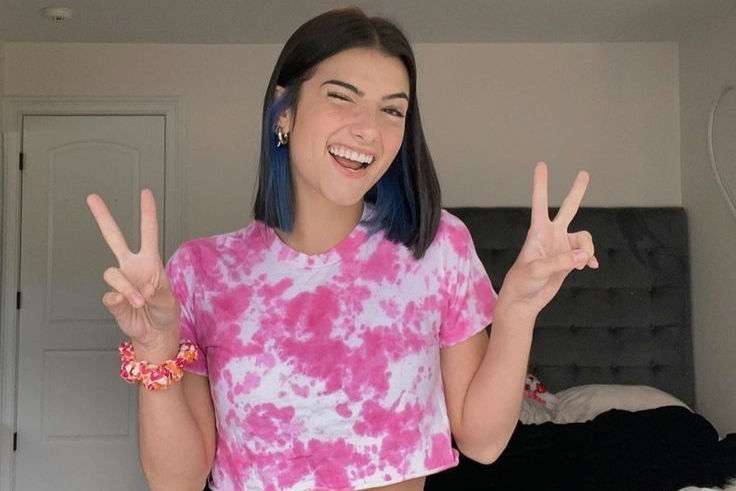
Charli D’Amelio has managed to maintain her position as a dominant force in the digital world by successfully diversifying her income far beyond the viral dance clips that first made her a household name. While she initially rose to prominence on TikTok, her current financial standing of twenty-three point five million dollars is largely supported by a sophisticated portfolio of fashion lines and high-value brand deals. Her “Born Dreamer” fragrance has become a significant revenue driver alongside “Social Tourist,” which is a clothing line launched in a strategic partnership with Hollister. These ventures allow her to tap into the retail market while providing her young audience with tangible products that reflect her personal style and aesthetic.
The true genius of her financial strategy lies in her transition from a simple influencer to a serious venture investor through her family’s fund known as 444 Capital. This investment vehicle focuses on backing innovative startups and it highlights her commitment to building long-term wealth that is entirely independent of social media algorithms. Even as her direct engagement on some platforms has seen a slight dip, her savvy business decisions and early stakes in successful apps like Step have ensured that her net worth continues to climb. Charli remains the highest-paid female creator in the United States because she has consistently prioritised equity-based brands and strategic investments over fleeting sponsorship opportunities that offer no lasting value.
9. Mark Rober
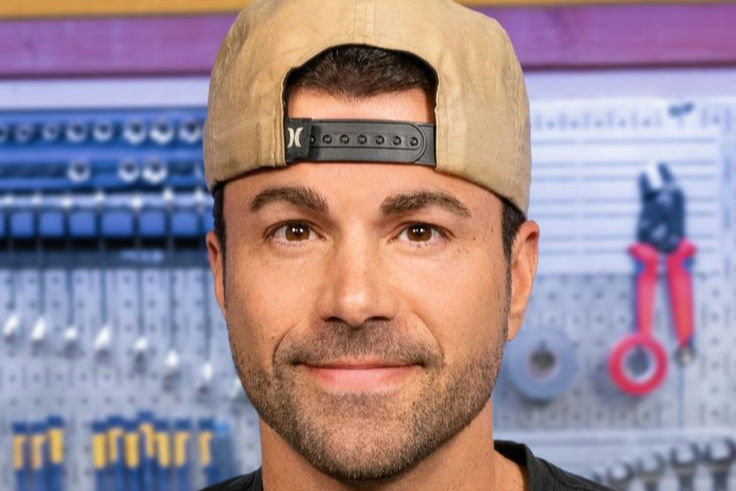
Mark Rober has turned his background as a former NASA engineer into a massive educational empire that is currently generating twenty-five million dollars in annual earnings. He is a master of using science-based content to captivate millions of viewers, but his primary wealth engine is actually a highly successful subscription box business called CrunchLabs. This direct-to-consumer model allows him to teach engineering principles to children through hands-on “Build Boxes” that arrive at their doorsteps every month. By bridging the gap between digital entertainment and physical education, Mark has created a scalable business that provides consistent and predictable revenue while also having a positive social impact.
His influence has grown so significant that he recently secured a major deal with Netflix to host a competition show that is set to premiere in early 2026. This move into traditional streaming media is supplemented by his massive YouTube ad revenue and his collaborative philanthropic efforts like Team Water, which raised over forty million dollars for global water security in 2025. Mark’s business model is particularly robust because it relies on the universal appeal of learning and curiosity which are trends that do not go out of style. He has successfully built a brand that parents trust and children love, which has positioned him as one of the most respected and financially successful figures in the entire creator landscape.
8. Markiplier

Markiplier, whose real name is Mark Fischbach, has remained one of the most consistent and high-earning gamers on YouTube by constantly evolving his content and business interests. While his “Let’s Play” videos still draw millions of views, his thirty-two million dollar earnings are heavily supported by his apparel brand known as Cloak. This high-end athleisure line was co-founded with fellow creator Jacksepticeye and it has become a major fixture in the gaming community by offering stylish and high-quality clothing. Mark has a unique ability to foster a deep sense of community with his fans which translates into incredible brand loyalty and a steady stream of merchandise sales.
Beyond his digital content and clothing line, Mark has successfully ventured into the world of traditional filmmaking and scripted audio series like “The Edge of Sleep.” He often produces and stars in his own films which allows him to maintain creative control while also capturing a larger share of the profits. This move toward long-form storytelling shows his ambition to be seen as a legitimate filmmaker rather than just a social media personality. By diversifying his income through apparel, media production, and high-value sponsorships, he has built a resilient financial empire that is well-prepared for any changes in the digital economy and continues to grow year after year.
7. Alex Cooper

Alex Cooper has solidified her status as the most powerful woman in podcasting by securing a landmark multi-year deal with SiriusXM valued at a staggering one hundred and twenty-five million dollars. This deal represents a massive increase from her previous contract and it highlights the immense value of her “Call Her Daddy” brand in the competitive audio landscape. While her thirty-two million dollar earnings in 2025 are impressive, they are only the beginning of a larger strategy to dominate the media industry. Alex has moved beyond being a host to becoming a producer and developer of new talent through her “Unwell Network” which she launched to sign and grow other creators.
The “Unwell Network” functions as a modern media incubator where Alex uses her expertise to help other podcasters build their own successful brands while she retains a share of the revenue. This business engine is supplemented by high-end brand partnerships and an exclusive advertising strategy that leverages the global reach of SiriusXM. She has successfully turned a single podcast into a diversified media company that includes events, merchandise, and a comprehensive programming development strategy. Alex Cooper’s rise is a testament to the power of niche communities and the way a strong personal brand can be used as a foundation for a multi-million dollar corporate entity that defines the future of audio entertainment.
6. Ryan Kaji

Ryan Kaji, the young star behind the “Ryan’s World” brand, remains a global licensing powerhouse with estimated annual earnings of thirty-five million dollars. While he started by simply reviewing toys on YouTube, his parents have cleverly transformed his channel into a massive intellectual property that is licensed to thousands of products. From clothing and toothpaste to drones and board games, the “Ryan’s World” logo can be found in major retailers like Walmart and Target across the United States. This licensing model is incredibly lucrative because it allows the brand to generate passive income from a wide variety of physical goods that are sold all over the world.
The business engine behind Ryan’s success is managed by a company called pocket.watch, which helps to distribute his content and manage his vast array of licensing deals. Even as Ryan grows older, his brand continues to evolve to stay relevant to new generations of children who are just discovering his videos. His wealth is a prime example of how digital fame can be converted into a long-lasting retail empire that functions similarly to legacy children’s brands like Disney or Nickelodeon. By focusing on high-margin products and wide distribution, the Kaji family has secured a financial future that is far more stable than the unpredictable world of YouTube ad rates and platform algorithms.
5. Rhett & Link
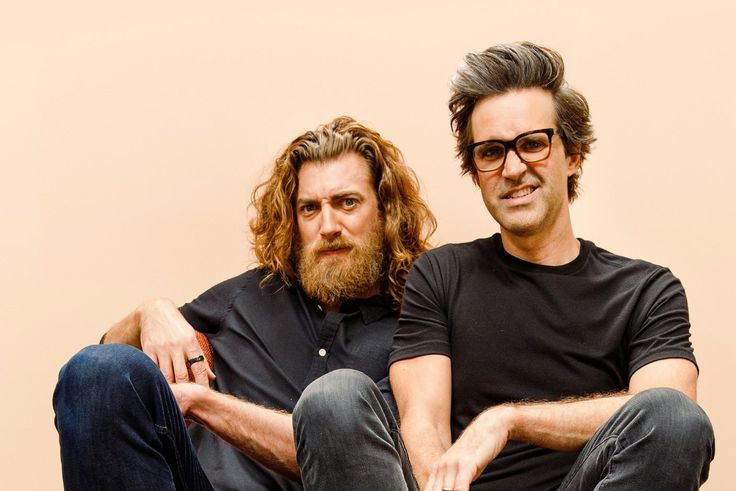
Rhett and Link have built one of the most successful and long-lasting media companies in the creator space through their “Mythical Entertainment” brand. Their thirty-six million dollar earnings are driven by their flagship daily show, “Good Mythical Morning,” which has cultivated a massive and dedicated fanbase over many years. However, they are far more than just hosts because they have strategically acquired other major creator brands like “Smosh” and launched their own subscription service called the “Mythical Society.” This membership platform offers exclusive content and perks to their most loyal fans which provides a reliable source of recurring revenue that is independent of advertisers.
The duo has also expanded their empire into physical products with their own lines of grooming supplies and snacks alongside a successful book and podcast network. By operating as a full-service media studio, they can produce high-quality content at a lower cost while maintaining total control over their creative vision. Their business model is a masterclass in diversification because they have multiple income streams that include everything from live events and merchandise to media licensing and digital subscriptions. Rhett and Link represent the “elder statesmen” of the YouTube world and their continued success shows that longevity in the digital age is possible when you treat your brand as a professional business from the very beginning.
4. Matt Rife

Matt Rife has experienced a meteoric rise to the top tier of the creator world by leveraging viral social media clips to sell out massive comedy tours globally. His fifty million dollar earnings in 2025 are a result of his unique ability to bypass traditional television networks and connect directly with his fans on platforms like TikTok and Instagram. By using his crowd-work clips to generate hype, he has created an intense demand for his live shows which allows him to sell out stadiums and theatres with minimal marketing costs. This direct-to-fan model is incredibly profitable because it ensures that he retains a much larger percentage of the ticket sales and merchandise revenue.
In addition to his touring success, Matt has secured high-value deals with Netflix for multiple comedy specials including a Christmas crowd-work special released in late 2025. These specials provide a significant upfront payment while also introducing his comedy to a much wider global audience which further fuels his ticket sales. His wealth is built on the concept of ticket scarcity and the power of a highly engaged digital community that is willing to pay premium prices to see him perform in person. Matt Rife has proven that stand-up comedy can be a multi-million dollar business in the digital era when a creator understands how to use social media as a powerful promotional engine rather than just an end goal.
3. Jake Paul
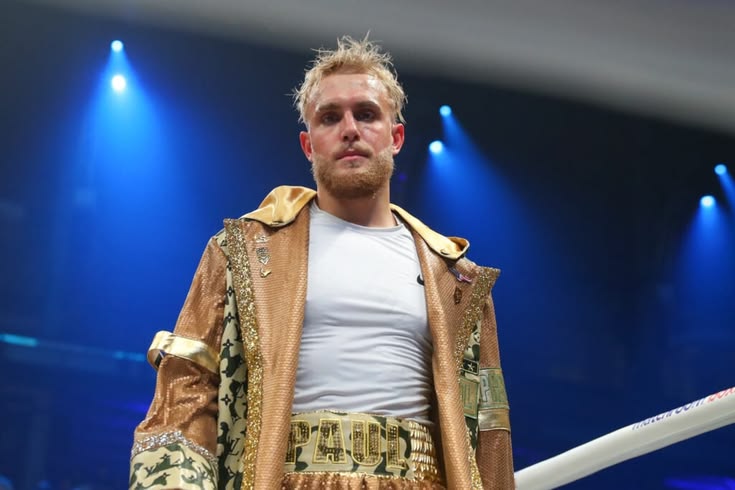
Jake Paul has successfully rebranded himself as a professional boxer and a high-stakes media mogul with earnings reaching fifty million dollars in 2025. His primary wealth engine is “Most Valuable Promotions,” which is a boxing promotion company that manages both his own fights and those of other world-class athletes. By controlling the promotion of his events, Jake is able to secure massive paydays from streaming giants like Netflix who recently broadcast his high-profile bouts to a global audience. He has also co-founded “Betr,” a sports media and micro-betting platform that has been valued at hundreds of millions of dollars after successful funding rounds.
Beyond the boxing ring, Jake maintains a strong presence in the consumer goods market with his men’s grooming line called “W,” which is stocked in major retailers like Walmart. This brand has seen significant growth and has contributed to his status as a diversified entrepreneur who understands how to monetize his massive social media following. His income is a mix of high-stakes fight purses, pay-per-view shares, and the profits from his various business ventures and brand deals. Jake Paul is a polarizing figure but his financial success is undeniable as he continues to push the boundaries of what is possible for a creator who transitions into the worlds of professional sports and venture capital.
2. Dhar Mann
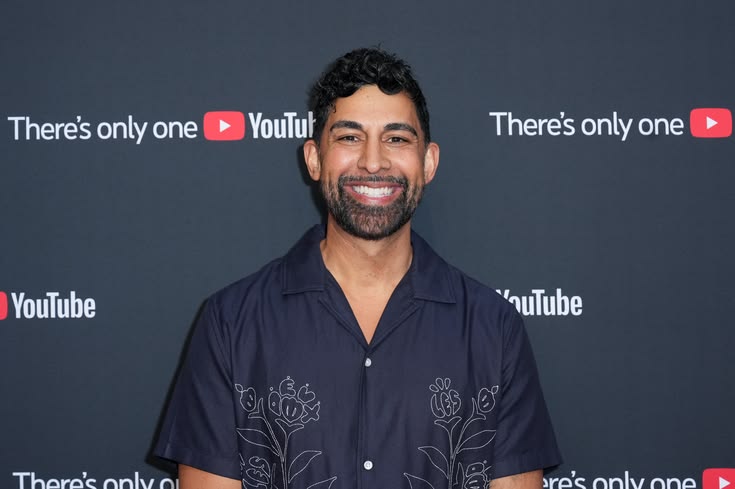
Dhar Mann has built a massive production empire that rivals traditional Hollywood studios by creating viral moral-lesson videos that resonate with a global audience. His fifty-six million dollar earnings are a reflection of the incredible reach of his “Dhar Mann Studios” which produces high-quality short-form dramas that are licensed across multiple platforms. His content generates billions of views every month and this massive viewership drives significant ad revenue while also creating a powerful platform for his various business ventures. Dhar has mastered the art of “educational entertainment” by creating relatable stories that teach important life lessons to a diverse and highly engaged following.
The real driver of his wealth is the way he has scaled his production process to produce a constant stream of content that appeals to many different demographics. His studio in Burbank functions as a modern-day television network where he can oversee every aspect of the creative and business process from one central location. This efficiency allows him to maintain high margins on his content while also driving sales for his high-margin merchandise and various brand partnerships. Dhar Mann’s success is a testament to the power of storytelling and it shows that there is a massive market for content that is both entertaining and meaningful in an increasingly crowded digital landscape.
1. MrBeast (Jimmy Donaldson)
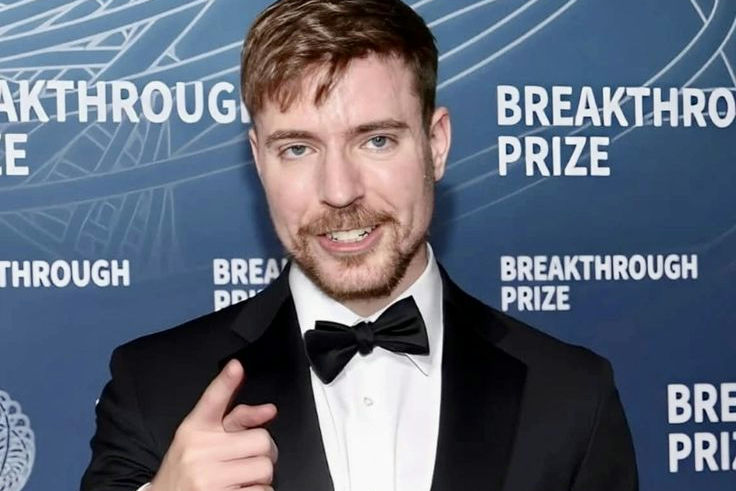
MrBeast remains the undisputed leader of the creator world with a staggering eighty-five million dollars in annual earnings and a business empire that is valued in the billions. His primary wealth driver is “Feastables,” a snack brand that has become a global phenomenon and is now stocked in major retailers around the world. He also operates “MrBeast Burger,” a virtual kitchen model that has successfully expanded across multiple continents by leveraging his massive digital reach. Jimmy has a unique ability to turn every video into a major cultural event which drives incredible ad revenue and provides a powerful marketing platform for his various physical products.
In addition to his snack and food brands, MrBeast manages a massive in-house production studio that handles high-budget content translation for international markets. This allows his videos to be watched by hundreds of millions of people in their native languages which significantly increases his global influence and earning potential. He has also secured a massive deal with Amazon Prime for his “Beast Games” series which further solidifies his status as a mainstream entertainment icon. While he reinvests a large portion of his income into his videos, his equity in “Feastables” and other ventures has made him a billionaire on paper. MrBeast is the ultimate example of the “creator as a conglomerate” and he continues to set the standard for what is possible in the modern digital economy.
Like this story? Add your thoughts in the comments, thank you.


