
The Price of Professional Passion

Love is rarely as simple as the films suggest because the realities of a demanding career often act as a silent third party in the bedroom. When we choose a vocation, we aren’t just selecting a way to pay the bills but are instead choosing a lifestyle that dictates when we eat, when we sleep, and how much emotional energy we have left for our partners at the end of a grueling shift. Research consistently shows that the strain of certain roles can erode the foundation of even the most stable marriages.
Understanding these professional pressures matters because it allows couples to prepare for the inevitable storms that come with irregular schedules or high-stress environments. Whether it is the loneliness of a long-haul driver or the secondary trauma carried home by a first responder, the workplace frequently spills over into our domestic lives in ways that require immense intentionality to manage.
Bartenders And Nightlife Staff

Working behind the bar involves much more than simply mixing drinks because it places an individual in a high-energy environment where the social clock is completely inverted from the rest of the world. While a partner might be waking up for a standard nine-to-five desk job, the bartender is often just getting into bed after a shift fueled by adrenaline and loud music. This fundamental disconnect in biological rhythms means that shared meals and quiet evenings become rare luxuries rather than daily staples, which can lead to a profound sense of isolation for both parties involved.
Beyond the physical exhaustion of standing for ten hours, there is a significant emotional labor component that often goes unrecognised by those outside the trade. Bartenders spend their entire shift being charismatic and attentive to strangers, which frequently leaves them socially depleted by the time they return home to their significant other. When you add the fact that alcohol is readily available and the workplace is built around socialising, it is easy to see how jealousy or mistrust can begin to fester. Maintaining a bond requires a partner who is incredibly secure and a worker who is disciplined enough to prioritise their home life despite the chaotic and often flirtatious nature of the hospitality industry.
Flight Attendants And Cabin Crew

The glamour of jetting across the globe quickly fades when faced with the reality of constant jet lag and the unpredictability of standby rosters. Flight attendants occupy a unique space where their home base is essentially a moving target, meaning they are often physically absent for birthdays, anniversaries, and the small daily moments that build a relationship. This lifestyle demands a partner who is exceptionally independent and comfortable with long periods of solitude, as the person in the air is often in a different time zone and unable to answer a phone call during a crisis. The physical distance is not just geographical but also emotional, as the fatigue from crossing multiple continents can make meaningful conversation feel like a monumental task.
In addition to the scheduling conflicts, the high-stress nature of ensuring passenger safety in a confined tube at 30,000 feet creates a specific kind of mental weariness. When cabin crew members finally return home, they often need several days just to recalibrate their bodies and minds, which can be misinterpreted by a partner as withdrawal or lack of interest. The “crash” after a long international rotation means that the limited time spent together is often focused on recovery rather than romance. To make a relationship work in this field, both individuals must be masters of communication and willing to make the most of the fleeting intervals when they are actually in the same country.
Surgeons And Medical Physicians

Entering the medical profession is often described as a calling, but that noble pursuit frequently requires the total surrender of one’s personal life to the needs of the patient. Surgeons in particular face a level of pressure that is almost incomparable, as they carry the literal weight of life and death in their hands every single day. This intensity often leads to a necessary but difficult emotional detachment which can be incredibly hard to “switch off” when they walk through the front door at home. Partners often report feeling like they are secondary to the hospital, as emergency calls and extended operating theatre hours take precedence over dinner plans or family commitments without any prior warning.
The educational journey to becoming a consultant or senior physician involves years of 80-hour weeks and chronic sleep deprivation, which sets a pattern of work-centrism that is difficult to break later in life. Even when they are physically present, the mental load of worrying about a recovering patient or a complex diagnosis can make them appear distant or distracted. Because the stakes of their work are so high, small domestic grievances can seem trivial to the doctor, leading to a disconnect in empathy levels between the spouses. Survival in these marriages usually depends on the non-medical partner having a robust support network and a deep understanding that their spouse’s absence is a sacrifice for the greater good.
Lawyers And Legal Professionals

The legal profession is built on a foundation of conflict and meticulous detail, which are traits that do not always translate well to a harmonious domestic environment. Many attorneys, especially those in high-stakes corporate or criminal law, are expected to bill an incredible number of hours, often exceeding 60 to 70 hours a week to meet partnership tracks. This competitive atmosphere fosters a “work-first” mentality where the office becomes the primary relationship and the home becomes a secondary thought. Furthermore, the argumentative nature required to win a case can sometimes bleed into private discussions, making it difficult for a lawyer to stop cross-examining their partner during a simple disagreement over household chores.
Beyond the sheer volume of hours, the psychological burden of carrying a client’s legal problems can lead to significant burnout and irritability. There is a constant need to be “on,” responding to urgent emails at midnight or preparing for a trial that lasts for several weeks on end. This leaves very little room for the emotional vulnerability that is necessary for a healthy partnership to flourish over many years. When both partners are high-achievers in the legal field, the tension can double as they compete for time and intellectual dominance. A successful union in this context requires a conscious effort to leave the courtroom tactics at the office and prioritise soft communication over winning a point.
Investment Bankers And Analysts

In the world of high finance, time is literally money, and the culture of investment banking often demands that employees are available twenty-four hours a day. Young analysts and seasoned bankers alike are frequently tethered to their phones and Bloomberg terminals, meaning that even a romantic holiday can be interrupted by a sudden market shift or a multi-billion pound merger. This environment creates a hierarchy where the career sits firmly at the top, often leaving spouses feeling like they are merely an accessory to a professional life. The high-pressure stakes and the sheer speed of the industry can make the slower pace of domestic life feel boring or frustrating to the banker.
The financial rewards of the industry can sometimes mask the underlying strain, but luxury holidays cannot always compensate for the lack of genuine presence. Many in finance struggle with the “golden handcuffs” phenomenon, where the high salary requires a level of devotion that essentially erases a personal life. This lead to a situation where the couple has plenty of resources but no time to actually enjoy them together, creating a sense of resentment and hollowed-out intimacy. To sustain a marriage under these conditions, there must be a mutual agreement on the long-term goals and a very disciplined approach to carving out “unplugged” time where the markets are strictly forbidden from the conversation.
Police Officers And Law Enforcement

Serving in law enforcement carries a weight that few other professions can truly understand because the threat of danger is a constant companion throughout every shift. This reality creates a unique form of stress for the partner at home, who must cope with the anxiety of not knowing if their loved one will return safely at the end of the night. Over time, many officers develop a “tactical’ mindset and an emotional guardedness as a way to protect themselves from the trauma they witness on the streets. Unfortunately, this protective shell can make it incredibly difficult for them to open up to their spouses, leading to a sense of emotional estrangement that is hard to bridge.
The practicalities of policing also play a major role in relationship breakdown, as rotating shifts and mandatory overtime mean that a regular family routine is almost impossible to maintain. An officer might work nights for a month and then switch to early mornings, completely disrupting the household’s sleep patterns and social life. This “ships passing in the night” dynamic prevents the consistent bonding time that most relationships require to stay healthy and vibrant. Furthermore, the “us against them” mentality that can develop within the force often leads officers to socialise exclusively with other police, further isolating their partners from their inner world. Resilience in these relationships requires proactive counselling and a commitment to radical honesty.
Firefighters And Paramedics

First responders live a life governed by the sound of an alarm, and the transition from a life-saving emergency to a quiet dinner table is often jarring and difficult. Firefighters and paramedics are frequently exposed to human suffering and traumatic events that the average person never sees, which can result in compassion fatigue or post-traumatic stress. This emotional exhaustion often means that when they return home after a twenty-four-hour shift, they have nothing left to give to their families. The need for quiet and recovery time can be misinterpreted by a partner as coldness, especially if the partner has been waiting all day to share their own news or frustrations.
The scheduling for these roles is notoriously erratic, with long shifts followed by several days off, which can actually create a different kind of tension. While having days off during the week sounds ideal, it often means the first responder is out of sync with a partner who works a standard schedule or with children who are in school. This can lead to a feeling of living separate lives under the same roof, where the person at home manages the domestic sphere alone while the responder is either working or recovering. To keep the flame alive, couples in this field must learn how to navigate the “decompression” period and find ways to connect that don’t rely on a traditional calendar.
Military Enlisted And Officers

Military life is perhaps the ultimate test of a relationship’s durability because it involves the most extreme forms of separation and high-stakes pressure. Long deployments to hostile environments mean that couples must go months without physical contact, relying on sporadic internet connections or letters to maintain their bond. This physical absence is compounded by the psychological change that often occurs during service, as the person who leaves for a tour of duty is rarely exactly the same person who returns. The spouse at home must become incredibly self-sufficient, essentially running a household as a single parent, which can lead to a difficult power struggle when the service member returns and tries to reintegrate.
Frequent relocations, often called “permanent change of station,” mean that military families are constantly being uprooted, making it difficult for the non-military spouse to maintain their own career or social circle. This can create a sense of resentment if one partner feels their entire life is dictated by the other’s orders and postings. The constant underlying fear for the safety of the service member adds a layer of chronic stress that can wear down the most resilient of spirits over time. Successful military marriages are often built on a foundation of shared mission and a very strong community of other military families who understand the specific sacrifices that “civilians” simply cannot grasp.
Long-Haul Truck Drivers

The life of a long-haul truck driver is one of profound solitude and a constant view of the open road, but that independence comes at a very high cost to their domestic life. Drivers can be away from home for weeks at a time, living in the small cabin of their vehicle and communicating with their families only through phone calls and video chats. This creates a “parallel life” dynamic where the driver is experiencing a world of motorways and service stations while their partner is managing the realities of home life entirely alone. The loneliness can be crushing for both sides, leading to a breakdown in intimacy that is very difficult to repair during the short windows when the driver is actually home.
When a driver does return, there is often a “re-entry” period that can be fraught with tension as they try to fit back into a routine that has functioned perfectly well without them. The physical toll of sitting for twelve hours a day and the stress of meeting tight delivery deadlines often leaves the driver exhausted, meaning they may not have the energy for the social activities their partner has been craving. Because the job is so isolating, drivers can lose the habit of daily compromise and communication, making domestic life feel restrictive or overwhelming. A thriving relationship in this industry requires a partner who truly values their own company and a driver who makes a heroic effort to remain emotionally present from a distance.
Chefs And Restaurant Managers

The culinary world is notorious for its brutal hours and high-pressure environments, where the “dinner rush” is a daily battle that demands total concentration and physical stamina. For a chef or restaurant manager, work begins when the rest of the world is finishing, meaning they are almost always working during the very times when couples usually bond, such as evenings, weekends, and bank holidays. This creates a lifestyle where the person in the kitchen is perpetually absent from social gatherings and family events, leading to a sense of “social widowhood” for their partner. The kitchen culture itself is often intense and adrenaline-fueled, making the transition to a calm home life feel like a difficult “come down.”
Beyond the schedule, the physical exhaustion of standing in a hot, cramped kitchen for fourteen hours can leave a person with very little patience or desire for conversation at the end of the night. Many chefs struggle with substance use or unhealthy coping mechanisms due to the high stress, which can introduce further instability into a marriage. The restaurant industry also has a high degree of socialising after shifts, which can lead to a lifestyle that excludes the spouse entirely. For a relationship to survive the heat of the kitchen, there must be a profound level of respect for the craft and a creative approach to finding “weekend” time on a random Tuesday morning when the restaurant is finally closed.
Actors And Entertainers

The world of acting and entertainment often appears glamorous from the outside, filled with red carpets and adoration, yet behind the scenes, it can be incredibly disruptive to personal relationships. The fundamental challenge lies in the inconsistent nature of the work itself, as periods of intense, demanding filming or touring can be followed by long stretches of unemployment. This financial instability alone can place enormous stress on a partnership, as one person’s income ebbs and flows dramatically, making it difficult to plan for a stable future. Moreover, the constant need to travel for auditions, shoots, or performances means that actors are frequently away from home, forcing their partners to manage daily life largely independently and creating a palpable sense of emotional distance.
Furthermore, the public scrutiny that comes with fame can be a heavy burden on a private relationship because every argument or perceived misstep can become fodder for tabloids and social media. The line between the public persona and the private individual becomes increasingly blurred, making it hard for both partners to maintain a sense of normalcy and intimacy away from the gaze of the media. Jealousy can also become a significant issue, whether it’s from on-screen romantic scenes or the constant attention from fans, which can erode trust and create insecurity. Sustaining a relationship in this field requires a partner with extraordinary patience, unwavering trust, and a mutual understanding that the career often demands an all-encompassing commitment that can feel like a direct threat to the home.
Musicians And Touring Artists

The life of a professional musician, particularly those who tour extensively, is a constant rhythm of travel, late-night performances, and often unpredictable income, which makes building a stable relationship an incredibly difficult feat. Bands spend months on the road, moving from city to city, living out of suitcases and sleeping in different hotel rooms every night, meaning they are physically separated from their partners for significant periods. This geographic distance is compounded by the fact that their working hours are completely inverse to a traditional schedule, playing until the early hours of the morning while their loved ones are asleep at home, thus making real-time communication a genuine challenge.
Moreover, the music industry is rife with temptations and a culture that often celebrates excess, which can test the boundaries of trust and fidelity in a partnership. The constant attention from fans, combined with the availability of alcohol and other indulgences, can put immense pressure on an individual’s commitment to their partner. Beyond the social aspect, the financial insecurity that plagues many musicians, especially in the early stages of their careers, can create significant strain, as one partner might feel they are carrying a disproportionate share of the household’s financial burden. For a relationship to thrive amidst the chaotic harmony of a musician’s life, it requires an exceptional level of mutual understanding.
Commercial And Fighter Pilots

Piloting an aircraft, whether it is a commercial airliner carrying hundreds of passengers or a fighter jet on a critical mission, demands an extraordinary level of focus, precision, and responsibility, which translates into a highly structured and often isolating lifestyle. Commercial pilots spend countless hours away from home, crisscrossing continents and battling jet lag, meaning they are frequently absent for significant family milestones and the daily routines that cement a relationship. The cumulative fatigue from constantly changing time zones and the intense concentration required during flights can make it difficult for them to be fully present and engaged when they finally return home, often needing several days to simply decompress and recalibrate their internal clocks before they can truly connect with their partners.
For military fighter pilots, the pressure is even more intense, involving life-or-death situations and frequent deployments to remote or dangerous locations, which places immense stress on both the pilot and their family. The partner at home lives with an underlying current of anxiety, constantly aware of the risks involved in their loved one’s profession, and often takes on the full burden of childcare and household management during extended absences. Furthermore, the highly disciplined and mission-oriented mindset required to operate in such high-stakes environments can be difficult to switch off, making it challenging for pilots to transition into a more relaxed and emotionally open domestic role.
Film And TV Production Staff

The behind-the-scenes world of film and television production is an industry built on long hours, tight deadlines, and an itinerant lifestyle that can be incredibly challenging for maintaining stable relationships. Crew members, from cinematographers to lighting technicians and production assistants, often work twelve to fourteen-hour days, six or even seven days a week, especially when a project is “on location.” These intense periods can last for months at a time, forcing individuals to live away from their homes and families, effectively putting their personal lives on hold while a project is underway.
Moreover, the nature of production means that jobs are often temporary and location-dependent, leading to a nomadic existence where individuals must frequently relocate for new projects, uprooting their lives and their partners in the process. This constant instability makes it difficult to establish deep roots within a community or maintain a consistent social circle for the non-production partner, who might feel perpetually adrift. The “feast or famine” cycle of employment, where periods of intense work are followed by unpredictable lulls, can also create significant financial and emotional stress. For a relationship to survive the relentless pace and geographical demands of film and TV production, both partners must possess extraordinary patience, flexibility, and a deep, shared commitment to making the most of the fragmented moments they do manage to carve out together.
Event Planners And Managers

Behind every seamless wedding, corporate conference, or large-scale festival lies an event planner or manager who has poured countless hours into its meticulous execution, often at the expense of their personal life. This profession demands an almost 24/7 availability because events often take place during evenings, weekends, and holidays, precisely the times when most people are socialising with their partners and families. The lead-up to an event involves intense logistical coordination, problem-solving, and managing numerous vendors, all under immense pressure, which creates an environment of chronic stress that is difficult to switch off when they finally do get home.
The nature of event planning also means that individuals are frequently on-site, sometimes for days at a time, overseeing setup and execution, which translates into significant periods of physical absence from home. Even when they are physically present, their minds are often still mentally running through checklists, anticipating potential issues, or reliving the day’s stressors, making them emotionally unavailable. The job requires an individual to be incredibly outgoing and charming to clients, which can leave them feeling socially depleted when it comes to engaging with their partner.
Travel Journalists And Photographers

The allure of exploring exotic locations and capturing breathtaking stories around the world is undeniable for travel journalists and photographers, but this dream career often comes with significant costs to personal relationships. The fundamental challenge lies in the constant, often unpredictable travel, which means individuals are frequently thousands of miles away from home, missing key life events and the daily routines that bind a couple together. Weeks or even months spent on assignment in remote locations can lead to profound loneliness for both the traveller and the partner left behind, as communication becomes sporadic and real connection is difficult to maintain across different time zones and unreliable internet connections.
Beyond the physical separation, the lifestyle demands a singular focus on the next story or shot, which can make it difficult for the journalist or photographer to fully disengage from work even when they are not actively travelling. There’s a constant need to be ‘on’, scouting locations, writing pitches, or editing content, which can intrude on precious time with their partner. The excitement and novelty of each new destination can also create a disconnect, as the travelling partner is constantly experiencing fresh adventures while the partner at home is living a more routine existence, leading to a sense of divergent lives.
Therapists And Counsellors

While therapists and counsellors are expertly trained in understanding human emotions and fostering healthy communication, their profession can paradoxically create unique challenges for their own relationships. The core of their work involves deep, empathetic listening to their clients’ problems and traumas for hours on end, which can lead to significant emotional exhaustion or “compassion fatigue” by the end of the day. When they return home, they often have very little emotional energy left to engage with their own partner’s needs or to process their own feelings, leading to a sense of emotional withdrawal that can be misinterpreted as disinterest or aloofness.
Furthermore, the ethical requirement to maintain strict confidentiality about their clients’ lives means that therapists cannot fully share the details of their day with their partner, creating a professional barrier to intimacy. This can lead to one partner feeling excluded from a significant part of their loved one’s life. Therapists are also trained to analyse relational dynamics, which, while beneficial in their practice, can sometimes make them overly analytical in their personal relationships, potentially turning everyday disagreements into “therapy sessions” rather than organic conversations.
Social Workers

Social work is a profoundly demanding and emotionally draining profession, requiring individuals to navigate complex human crises, advocate for vulnerable populations, and often confront systemic inequalities. This constant exposure to trauma, poverty, and difficult family situations can lead to severe emotional exhaustion, known as burnout or vicarious trauma, where the social worker absorbs the suffering of their clients. When they return home after a day of dealing with intense, often heartbreaking cases, they often have very little emotional bandwidth left for their own relationships, leading to a sense of detachment or irritability.
Beyond the emotional toll, social workers often face high caseloads, bureaucratic hurdles, and significant administrative tasks, which can lead to long, unpredictable hours and a feeling of being constantly overwhelmed. This chronic stress can manifest as anxiety or depression, further impacting their ability to be present and engaged in their personal lives. The remuneration for social work is often disproportionately low given the immense demands of the job, which can add financial stress to the relationship, especially if one partner feels they are consistently picking up the financial slack.
Massage Therapists
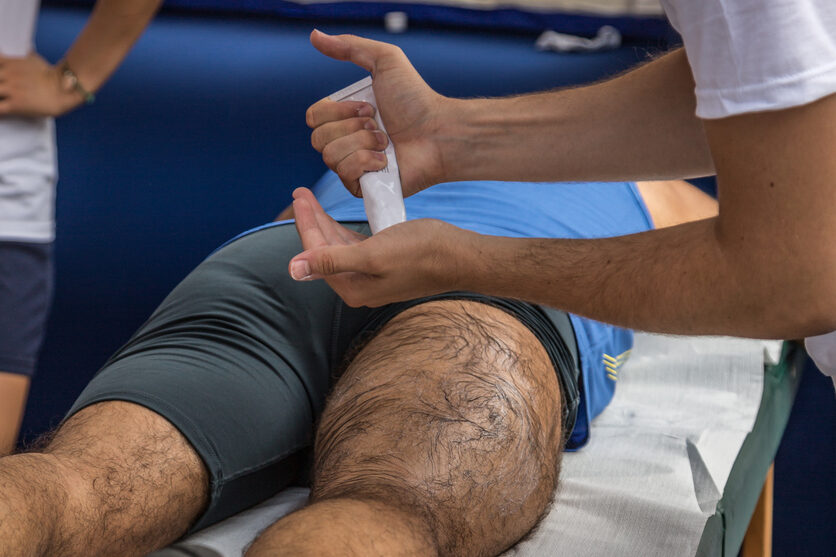
While often perceived as a relaxing and therapeutic profession, being a massage therapist can present subtle yet significant challenges to maintaining a stable romantic relationship, both physically and emotionally. The work itself is incredibly physically demanding, requiring therapists to use their bodies for hours each day to provide deep tissue work or repetitive motions, leading to chronic fatigue, wrist strain, or back issues. After a full day of physically exerting themselves to relieve others’ tension, therapists often come home feeling physically depleted, with little energy left for intimacy or active engagement with their partner.
Moreover, the intimate nature of the work, involving physical touch with clients, can sometimes raise uncomfortable questions or insecurities for a partner, even if completely unfounded. While professional boundaries are strictly maintained, the perception of constant physical contact with others can trigger jealousy or mistrust in less secure relationships, creating unnecessary tension. There’s also the subtle emotional labour of being constantly “on” and nurturing for clients, which can leave therapists feeling emotionally drained, with limited capacity to nurture their own relationships.
Clergy And Religious Workers

Being part of the clergy or working in a religious capacity places individuals in a unique “fishbowl” existence where their personal lives are often under intense public scrutiny and held to exceptionally high moral standards. For a pastor, priest, rabbi, or imam, their role extends far beyond formal services, often involving constant availability for congregational crises, counselling sessions, and community events that can occur at any hour of the day or night. This relentless demand on their time means that traditional family routines are frequently disrupted, and planned evenings or holidays can be interrupted by unforeseen pastoral emergencies.
Furthermore, the spouse and children of religious leaders are often expected to embody the values of the institution, creating an unspoken pressure to maintain a perfect public image that can be stifling and artificial. This lack of true privacy can prevent genuine vulnerability within the family unit, as imperfections might feel like a failure to the community. The emotional burden of hearing confessions, providing spiritual guidance through grief, or mediating conflicts within the congregation can also be incredibly heavy, leading to compassion fatigue or emotional exhaustion that makes it difficult for them to process their own feelings with their partner.
Politicians And Campaign Managers
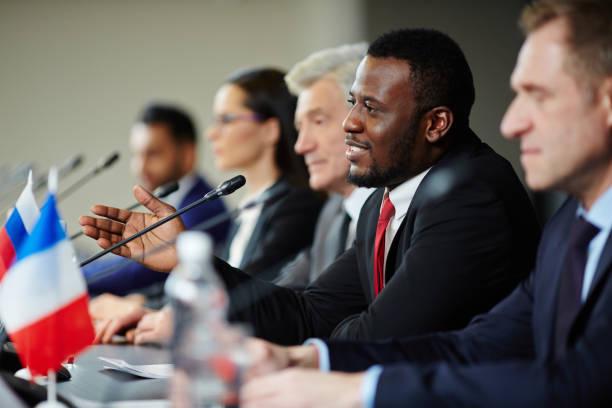
Living in the high-stakes world of politics means your personal life is essentially a public commodity, as every decision and relationship is scrutinised under the harsh glare of the media. For politicians and their dedicated campaign managers, the working day never truly ends because the 24-hour news cycle and the constant need for public engagement demand absolute devotion. This environment creates a relentless pressure that leaves very little room for a private, nurturing domestic life, as the “mission” of the party or the next election often takes precedence over anniversaries or quiet evenings at home.
Beyond the public scrutiny, the sheer volume of travel and the long, unpredictable hours during legislative sessions or campaign trails can lead to a profound sense of abandonment for the partner left behind. When the politician or manager finally returns home, they are often emotionally drained from the constant negotiation, conflict, and performance required by their roles. This can result in a relationship where communication is strategic rather than intimate, as the habits of political spin and power dynamics inadvertently bleed into the marriage.
Corporate Executives And CEOs

Reaching the top of the corporate ladder is often seen as the pinnacle of success, but the view from the boardroom can be incredibly lonely for those trying to maintain a stable marriage. Corporate executives and CEOs are essentially the “owners” of their organisations’ problems, which means they are never truly off the clock, even during family holidays or late-night dinners. The high-pressure environment of quarterly results, shareholder expectations, and global market fluctuations requires a level of mental preoccupation that often leaves the spouse feeling like an outsider in their own life.
The lifestyle that accompanies these roles often involves constant international travel and high-level networking events, which can further isolate a partner who does not share the same professional world. While the financial rewards are significant, they can sometimes act as a buffer that masks a growing lack of genuine emotional intimacy. Resentment often builds when the executive partner uses their professional status to dictate the family schedule, leaving the other partner to handle the domestic logistics alone.
Logisticians And Supply Chain Managers

While logistics might seem like a purely technical field, the reality of managing complex global supply chains is a high-stress endeavour that can wreak havoc on a personal life. Logisticians are the unsung heroes who ensure the world’s goods move seamlessly, but this means they are the first to be called when a ship is delayed in a storm or a factory line breaks down in a different time zone. The constant need to solve puzzles and manage crises creates a level of chronic mental fatigue that makes it difficult for them to “unplug” when they walk through the front door.
The scheduling in logistics is often dictated by global clocks rather than local ones, meaning a manager might be on a call with Asia at midnight and another with the Americas at dawn. This erratic schedule prevents the establishment of a consistent family routine, which is the bedrock of many stable relationships. The feeling of being “on call” for a global network can make a partner feel secondary to a shipping container or a warehouse inventory list. To survive the pressures of the supply chain, couples must find ways to synchronise their lives despite the chaotic nature of the industry.
Oil Rig Workers And Miners

The industrial nature of oil rig work and mining involves some of the most extreme working conditions imaginable, often requiring individuals to live in total isolation for weeks or months at a time. These “fly-in-fly-out” or offshore rosters create a jarring cycle of total absence followed by intense, full-time presence, which can be incredibly difficult for a relationship to absorb. While the worker is away, the partner at home essentially lives as a single person, managing all domestic responsibilities and emotional burdens alone.
The physical isolation of a rig or a remote mine means that communication is often limited to brief satellite calls or messages, preventing the nuanced, daily connection that keeps a marriage vibrant. Furthermore, the work is physically punishing and dangerous, leading to a level of exhaustion that can make the worker want to spend their entire home leave sleeping or recovering. This can lead to resentment from the partner who has been waiting weeks for some shared adventure or help with the children. A successful union in these sectors requires a partner who is exceptionally self-sufficient and a worker who understands that their “off” time is actually the most important “on” time for their family.
Foreign Service And Diplomats

A career in the foreign service is often romanticised as a life of international intrigue and cultural exploration, but the reality of mandatory relocations every few years is a significant strain on any long-term partnership. Diplomats are essentially professional nomads, and while their career moves forward with each new posting, their spouse’s career often comes to a grinding halt. This power imbalance can create a profound sense of resentment, as one partner’s identity is consistently subsumed by the other’s official role.
Beyond the logistical challenges, the nature of diplomatic work involves high levels of public performance and socialising that can feel like a secondary job for the entire family. Living in a high-security compound or a foreign capital also brings a level of stress regarding safety and political stability that can wear down a couple’s resilience. The constant cycle of making and breaking friendships in each new city can lead to a feeling of superficiality, making the relationship the only constant, yet also the thing under the most pressure to be “perfect.”
Ultimately, the survival of a relationship depends less on the job title and more on the conscious effort to bridge the emotional distance created by the workplace.
Like this story? Add your thoughts in the comments, thank you.


