
1. Julie Andrews
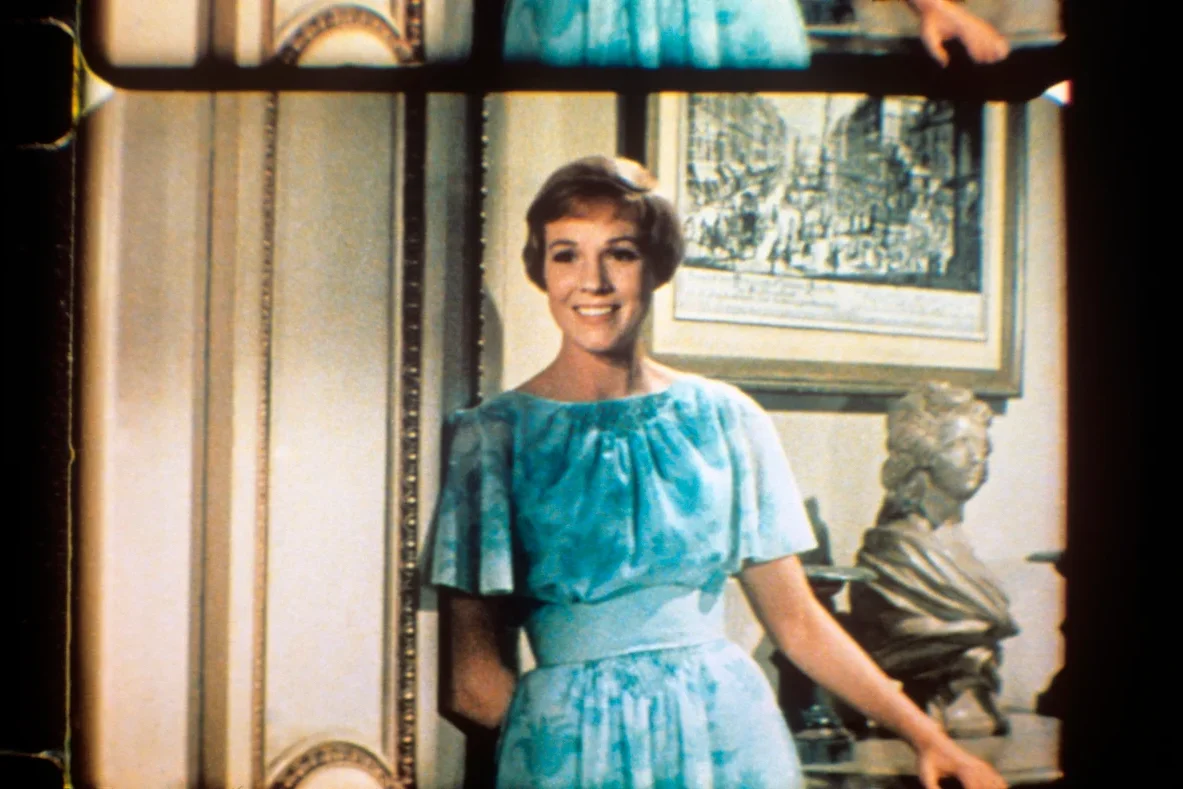
If you ever watched The Sound of Music on a quiet afternoon, Julie Andrews probably never felt like a distant celebrity but more like someone who stepped straight into your living room and stayed there for years. Her Maria carried such warmth, humor, and emotional honesty that audiences followed her long after the film finished. Once the movie became a worldwide success, Andrews moved naturally into a long, steady career filled with musicals, dramatic performances, family films, television appearances, and later voice work that introduced her to younger generations discovering her for the first time.
Life changed direction in the late nineteen nineties when throat surgery damaged her singing voice, something that could have ended many careers completely. Instead, she calmly reshaped her creative life toward writing children’s books, narration, and mentoring artistic projects. Over time she often spoke about how the film’s message of kindness and courage still resonates with families everywhere. Rather than becoming only a nostalgic memory, she remained a trusted cultural presence whose calm dignity and gentle professionalism allowed her career to grow older alongside the audiences who first loved her.
2. Christopher Plummer
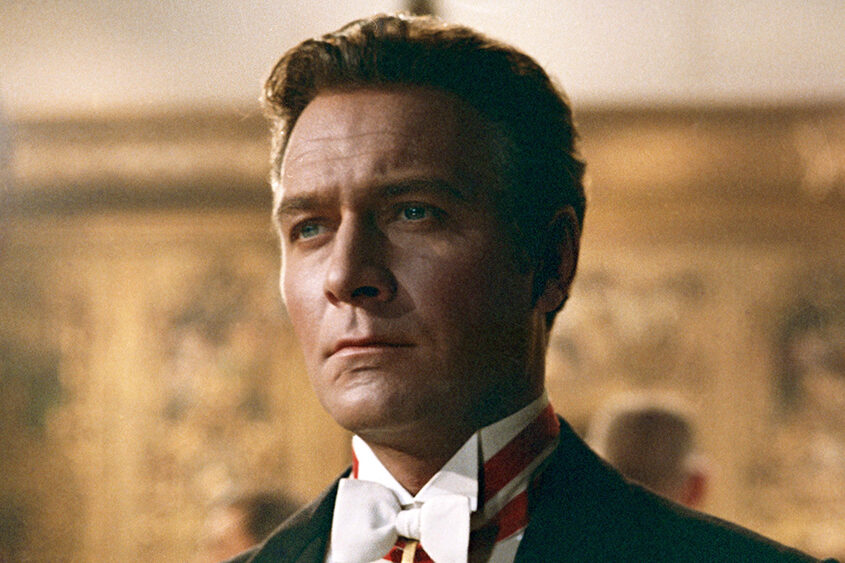
Christopher Plummer gave Captain von Trapp a stern authority that grounded the emotional center of the story, yet in real life he always viewed himself primarily as a serious classical actor rather than a musical film star. After The Sound of Music became globally famous, he deliberately focused on theater productions, Shakespearean roles, and complex dramatic films that would prove his range and protect his long term professional identity. His training, discipline, and deep respect for stage craft slowly earned him admiration among directors and fellow performers across both film and theater communities.
As the decades passed, audiences repeatedly rediscovered him in powerful supporting performances that carried intelligence, restraint, and emotional depth. His Academy Award win late in life for Beginners felt like recognition of a full lifetime of careful artistic choices rather than a sudden comeback moment. In later interviews he admitted he eventually understood why families loved the musical so deeply, even if he once resisted its overwhelming popularity. His journey ultimately showed that a single famous role does not have to limit a performer when persistence, professional pride, and lifelong dedication continue shaping the work.
3. Charmian Carr
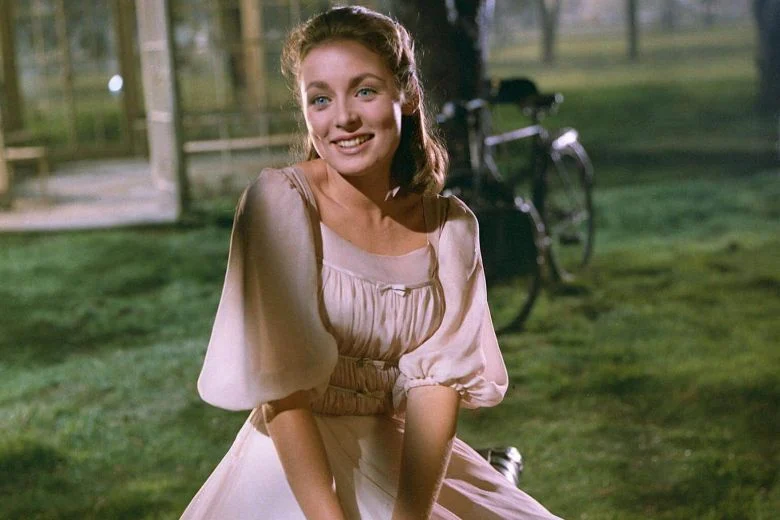
Charmian Carr captured teenage uncertainty and excitement so naturally as Liesl that many viewers assumed she would become a permanent Hollywood presence. Instead, after a few additional acting appearances, she made the deeply personal decision to step away from the industry and build a more private life. She married, raised her daughters, and gradually developed a successful interior design career in California, working with respected clients and becoming known for comfortable, elegant home spaces that reflected her calm personality and practical creativity.
Even though she left the screen behind, audiences never forgot the famous gazebo scene, and Carr warmly connected with fans through reunions, memoir writing, and anniversary celebrations. She often described filming the movie as feeling like the happiest summer camp imaginable because the young cast formed genuine friendships that lasted into adulthood. Her life feels especially relatable because she chose stability and meaningful work over endless public visibility. Rather than chasing headlines, she built a balanced world centered on family, creativity, and gratitude for the single film that quietly kept introducing her to new admirers across generations.
4. Nicholas Hammond
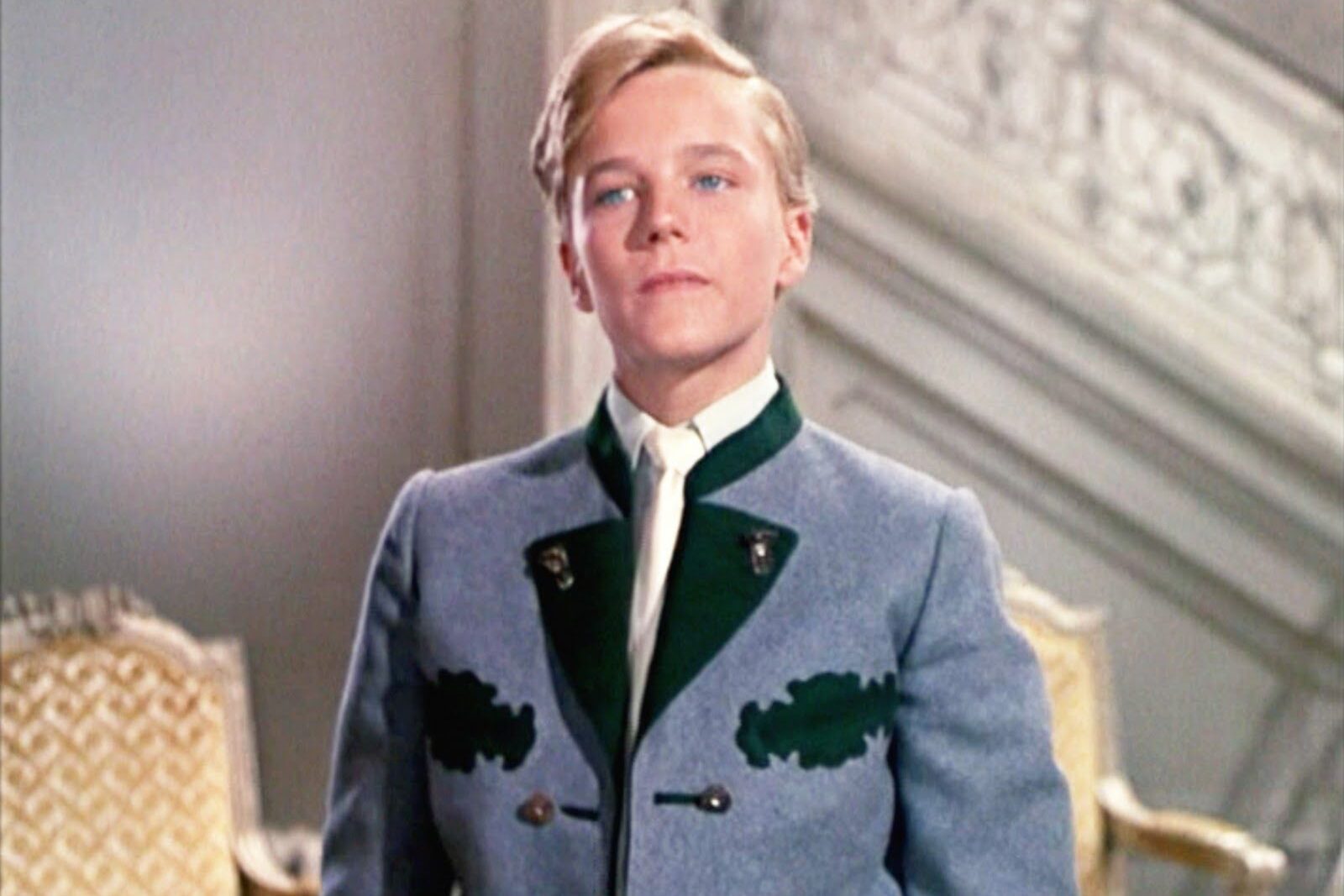
Nicholas Hammond played Friedrich with a thoughtful seriousness that already hinted at a performer likely to remain committed to acting beyond childhood fame. After the film, he continued working steadily and later became widely recognized by television audiences for portraying Peter Parker in the nineteen seventies Spider Man series. While many young actors struggle with the transition into adult careers, Hammond quietly accepted a wide range of roles in television, theater, and film while gradually learning production skills that expanded his professional stability.
Much of his later life unfolded in Australia, where he became a respected presence in both acting and directing circles. Hammond has often reflected that the Sound of Music production treated the children like genuine professionals, teaching them early discipline and respect for rehearsal work. His career never depended on sudden headline grabbing fame, yet it demonstrates something more durable than short celebrity bursts. By steadily adapting to new markets, learning behind the scenes skills, and accepting varied creative opportunities, he built the kind of performing life that survives for decades without the burnout many child actors face.
5. Heather Menzies
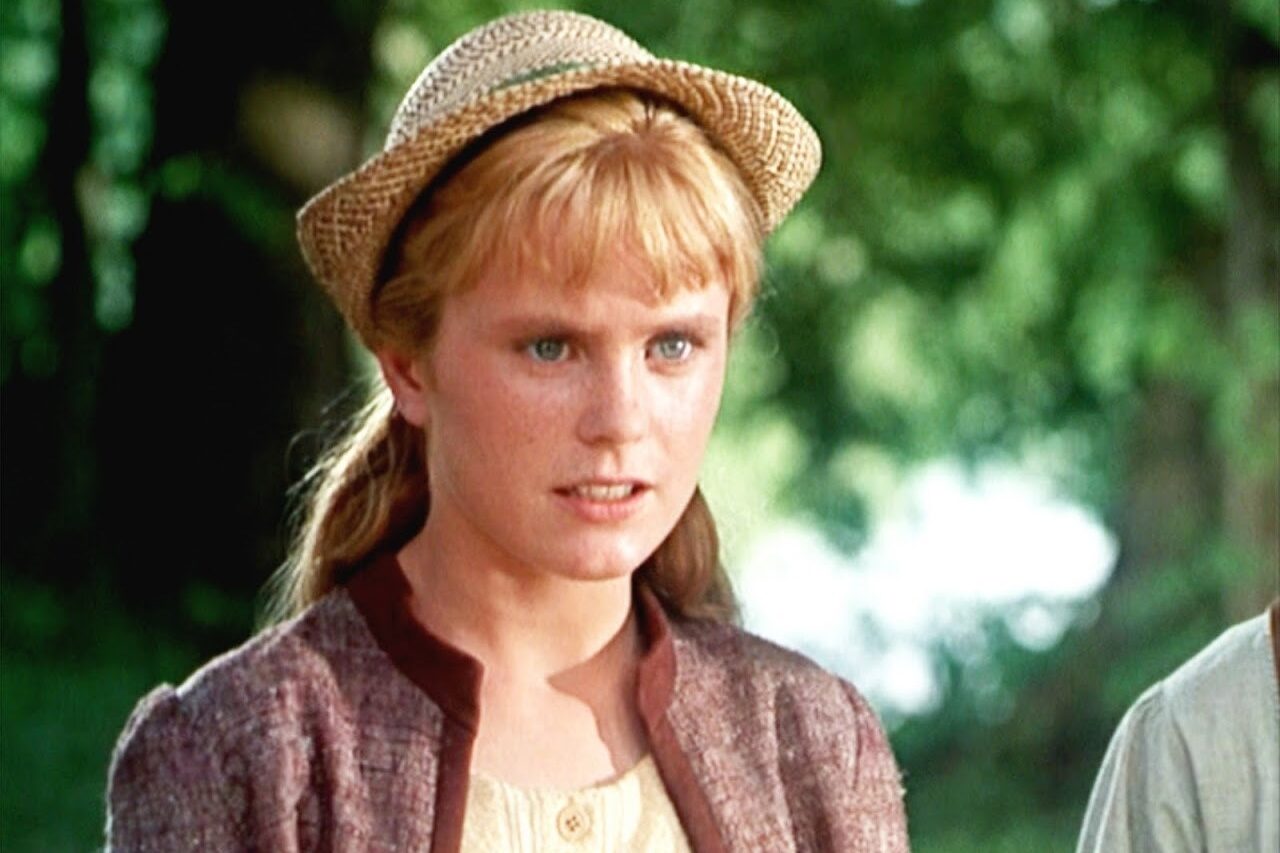
Heather Menzies brought practical energy to the role of Louisa and successfully carried that professionalism into her adult acting career. Throughout the nineteen seventies she appeared regularly in popular television shows and gained strong recognition starring in the Logan’s Run television adaptation, which helped her transition naturally from youthful roles into mature leading performances. Colleagues often described her as focused, dependable, and refreshingly direct, qualities that helped her remain steadily employed during a period when many former child actors struggled to secure consistent opportunities.
Her personal life later became deeply centered around her marriage to actor Robert Urich, and when he faced serious illness, she devoted enormous emotional strength to supporting him and later contributing to cancer awareness work in his honor. In interviews she frequently remembered how the young Sound of Music cast bonded like real siblings because they studied, rehearsed, and traveled together constantly during filming. Her adult story blends professional dedication, personal loyalty, and meaningful charitable involvement, creating a life that feels grounded and sincere rather than defined only by early cinematic success.
6. Duane Chase
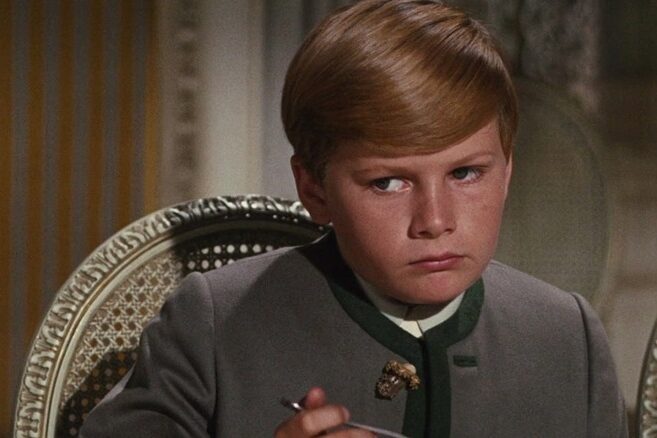
Duane Chase gave Kurt a bright and cheerful personality that many viewers still remember fondly, yet his own ambitions quickly moved away from the entertainment industry once filming ended. After a few additional appearances, he focused fully on education, eventually studying geology and developing a professional career in environmental land management and forest related planning. His daily work involved research, conservation strategy, and outdoor field responsibilities, a lifestyle that suited his practical temperament far better than auditions and studio schedules ever had.
From time to time he still attends anniversary events and interviews, usually sounding gently amused that a childhood musical continues connecting him with audiences decades later. Chase has openly said that ordinary working life felt more stable and satisfying than the unpredictable nature of acting careers. His path adds a refreshing sense of realism to the cast history because it shows that early fame does not need to become a permanent identity. Sometimes the happiest outcome is choosing a reliable profession, building a family, and carrying the film simply as one warm chapter.
7. Angela Cartwright
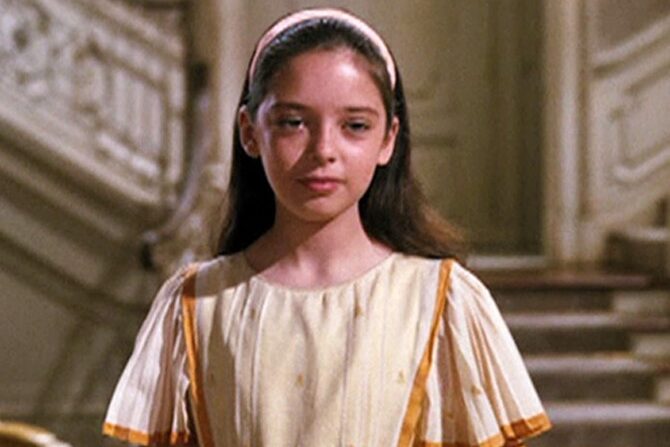
Angela Cartwright already understood film sets before joining The Sound of Music, yet her role as Brigitta gave audiences a quiet, observant child who always seemed to notice more than she said. After the movie’s success, she continued acting for years and became especially familiar to television viewers through her role in the series Lost in Space. During those early adult years she kept working steadily, learning how the industry functioned beyond childhood fame while slowly developing creative interests that stretched beyond performing.
As time passed, Cartwright gradually shifted toward photography, visual storytelling, and mixed media artwork, building a respected creative career that allowed her more personal expression than scripted roles ever could. She later published art books and led workshops encouraging others to explore their own creative instincts. When she speaks about the film now, her tone carries gratitude rather than nostalgia fatigue, as if she sees it simply as the beginning of a much longer creative journey. Her life shows how artistic identity can evolve naturally when someone stays curious and open to new forms.
8. Debbie Turner
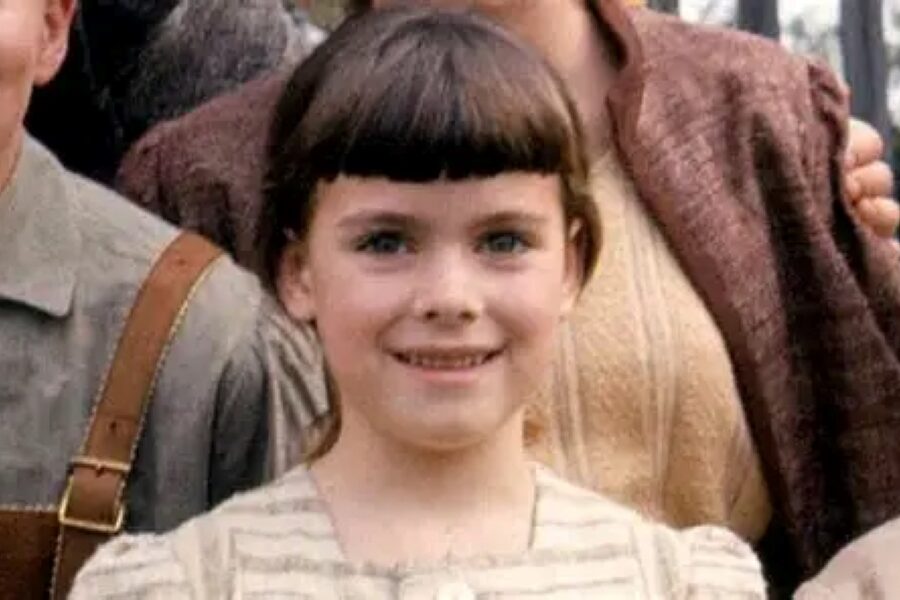
Debbie Turner was the soft spoken Marta, the smallest von Trapp daughter whose gentle presence made many viewers feel protective of her instantly. After the film, she made the same choice several of the younger cast members eventually made by stepping away from acting and focusing on education and normal teenage life. Instead of chasing auditions, she allowed herself the freedom to grow up privately, something that helped her avoid the pressures that often follow child performers into adulthood.
Later, Turner discovered a passion for floral design and event decoration, eventually building a successful business centered on weddings, celebrations, and carefully crafted family events. When she appears at reunions, she often remembers how patient Julie Andrews was with the younger children and how safe the set felt for them. Her adult life reflects a calm, grounded rhythm that feels very human. Rather than living inside a single famous childhood moment, she created a creative profession, raised her family, and kept the film as one warm memory that still connects her to audiences today.
9. Kym Karath
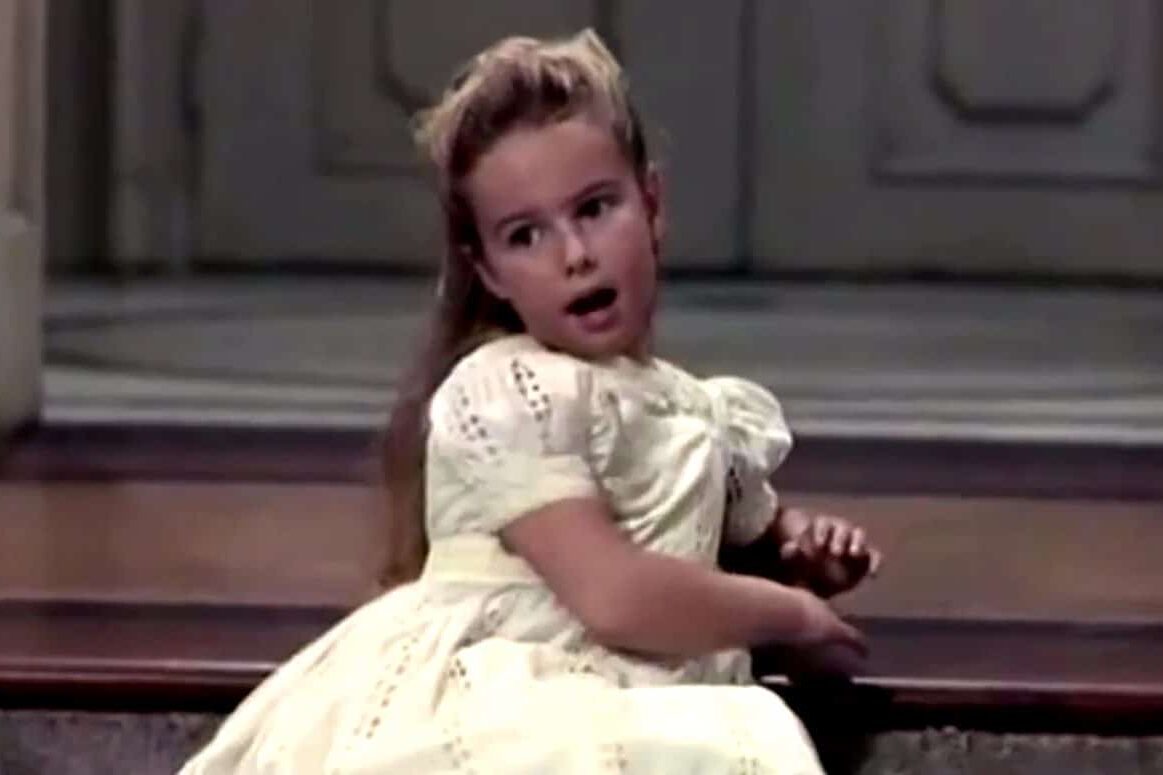
Kym Karath may have been the tiny Gretl during the famous thunderstorm scene, but her later life gradually revealed a determined and thoughtful adult personality. She continued acting through parts of her youth while also pursuing serious education, studying humanities and exploring broader media work connected to television production and public communication. Unlike some former child stars who try to separate completely from their early roles, Karath seemed to understand early on that the film would remain part of her identity.
As the years moved forward, she became involved in writing, public speaking, and charitable work, often participating in anniversary celebrations that introduced the movie to new audiences. Karath has frequently mentioned how surprising it feels that families still discover the film for the first time decades later. Instead of resisting that connection, she treats it as a shared cultural memory she happens to represent. Her adult path shows how childhood fame can mature into thoughtful engagement with audiences, turning a single early performance into a lifelong opportunity for storytelling and connection.
10. Daniel Truhitte
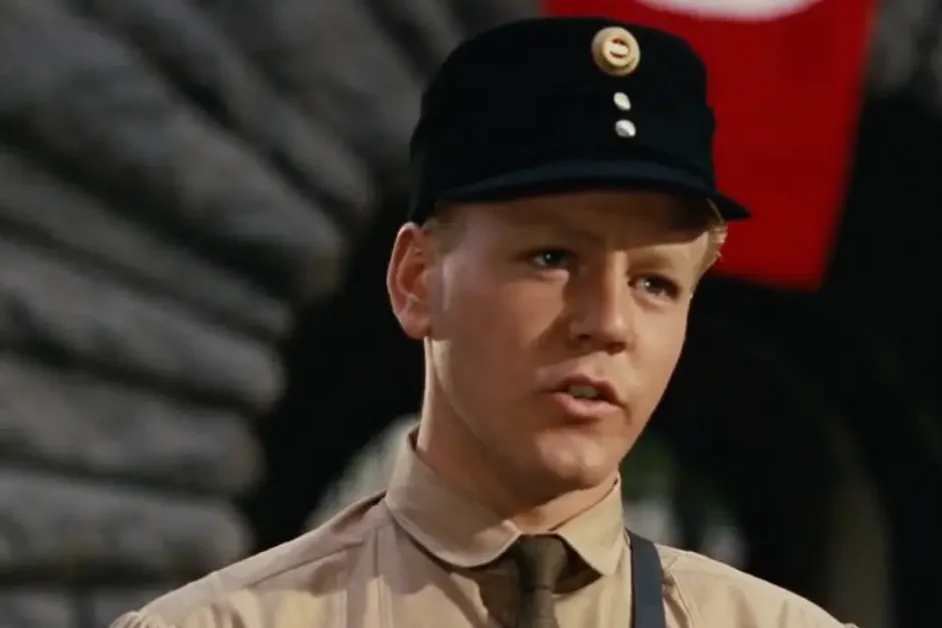
Daniel Truhitte, remembered as Rolfe the young telegram delivery boy, brought a nervous sincerity to the role that made the character feel more complicated than he first appeared. After the film, Truhitte stayed connected to music and performance for some time, working in theater productions and continuing to develop his singing ability. Unlike major Hollywood stars, his career followed a quieter regional path, performing on stage and teaching rather than remaining inside the film spotlight.
Eventually he moved into teaching performing arts, helping younger students learn stage discipline, vocal training, and musical confidence. Those who studied under him often described him as patient and deeply encouraging, someone who genuinely cared about helping students discover their own voices. From time to time he also appeared at Sound of Music anniversary gatherings, where audiences seemed genuinely happy to reconnect with a familiar face from the story. His life feels like a natural continuation of the film’s musical spirit, passing songs and stage knowledge forward to new generations rather than holding tightly to one early screen moment.
11. Eleanor Parker
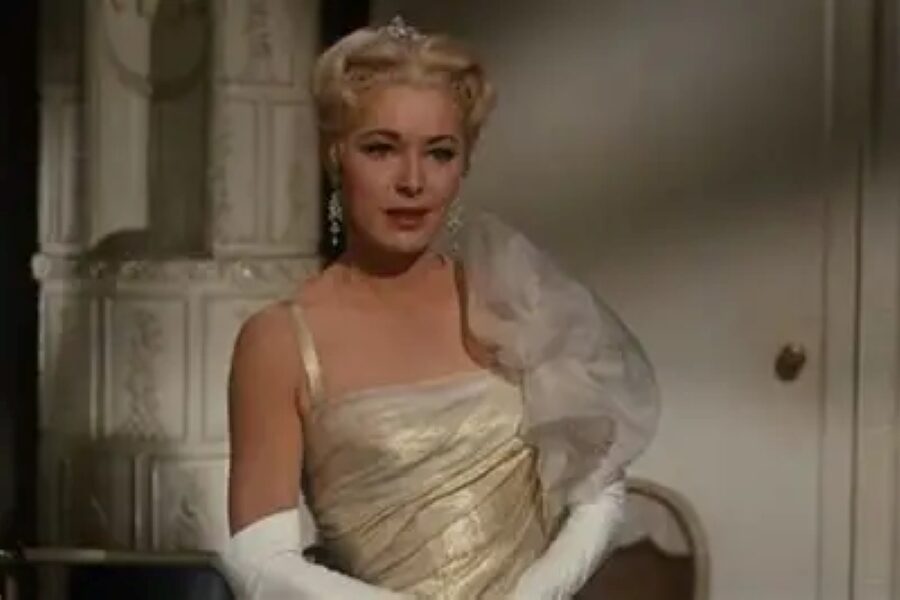
Eleanor Parker played the sophisticated Baroness Elsa with such controlled charm that many viewers forget she was already an established Hollywood star long before joining the film. By the time she appeared in The Sound of Music, she had already built a strong dramatic reputation and multiple award nominations, so the role became one more polished addition to an already respected career. Her performance added an adult emotional layer to the story, showing a woman who understood love even while quietly stepping aside.
Following the film, Parker continued acting in both cinema and television, choosing roles carefully while maintaining a relatively private personal life away from heavy publicity. Industry observers often described her professionalism and preparation as exemplary, noting she approached even supporting roles with full dramatic commitment. In later years she gradually stepped back from frequent screen appearances, yet her body of work remained widely respected. Her place in the Sound of Music cast serves as a reminder that not everyone in the story was just beginning, some were already seasoned performers adding depth.
12. The Cast Together
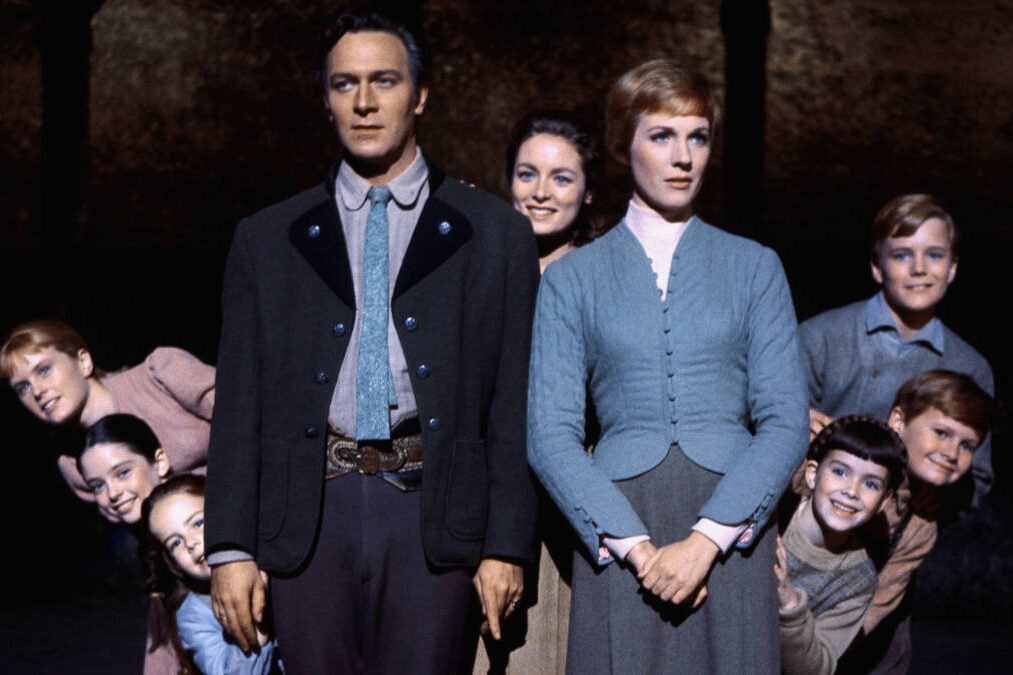
Looking across the full group today, what feels most striking is how differently each life unfolded once filming ended and real adulthood began. Some remained actors, some became teachers, designers, scientists, artists, or business owners, and many simply built family centered lives that never depended on staying famous. Yet the film itself kept gently reconnecting them through reunions, interviews, anniversary screenings, and the endless cycle of new viewers discovering the story for the first time at home.
That continuing connection seems to explain why audiences still feel emotionally attached to them. The Sound of Music was never only about performance or spectacle, it was about home, courage, and moving forward into uncertain futures. In a quiet way, the cast lived out that same idea in their own separate directions, each stepping off the mountain path into whatever real life offered next. Maybe that is why the story still feels alive today, because behind the songs were ordinary people who simply kept growing, working, and living long after the final scene faded.


