
1. The Star Wars Early Bird Kit That Started It All
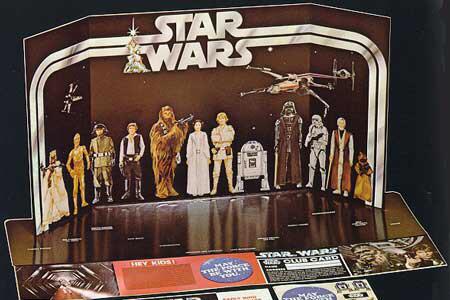
If you grew up in the late seventies, the toy craze often started with one unexpected moment, and for many families it was the strange Star Wars Early Bird package in 1977. Instead of actual figures, kids opened a flat cardboard display with a certificate promising the real toys later by mail. Some children felt confused, others proudly set it up anyway and waited. Most of those cardboard pieces were bent, mailed off, or thrown away once the figures arrived. Very few stayed complete with envelope, stand, and paperwork tucked safely together in one place.
Today that odd little placeholder has turned into one of the most famous toy collectibles ever. Complete unused kits now sell for astonishing prices because they represent the beginning of the entire Star Wars toy empire. Collectors love the story behind it almost as much as the item itself. It feels funny and a little poetic that the toy which technically contained no toy became the one families wish they had stored carefully. Sometimes the first chapter of a childhood memory quietly becomes the most valuable page.
2. The Cardboard Barbie Dreamhouse Everyone Played Hard With
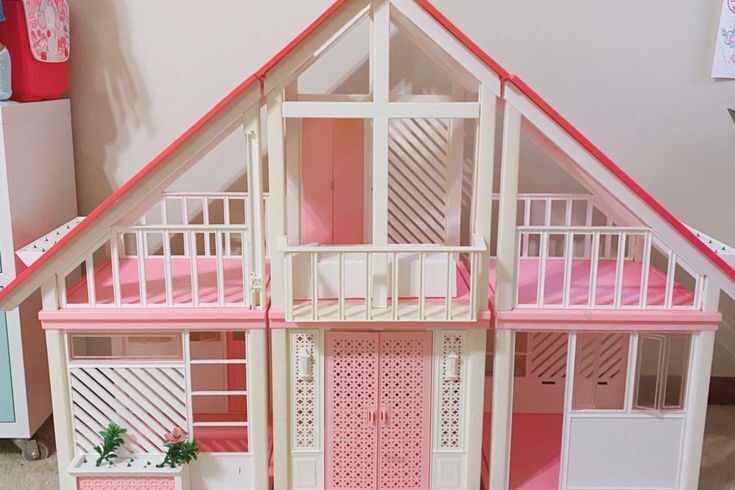
The late seventies Barbie Dreamhouse looked bright, stylish, and full of promise the moment it opened on a living room floor. Its folding cardboard walls showed printed furniture, patterned carpets, and cheerful windows that felt modern for the time. Kids arranged plastic pieces, invented stories, and leaned on the panels like it was a real apartment. Because it was mostly cardboard, many houses warped, tore, or slowly lost parts as the years passed. Parents rarely thought to store it flat again once playtime truly began.
That everyday play is exactly why surviving complete Dreamhouses became valuable. Clean panels, intact punch out furniture, and original boxes are surprisingly rare now. When one appears in excellent condition, collectors treat it almost like preserved pop art from the seventies. The colors, the graphics, and the layout capture a specific moment in American childhood design. Families who gently packed theirs away without realizing it saved more than a toy. They saved a small snapshot of how imagination once looked spread across a bedroom floor.
3. The Atari Console That Ruled The Living Room
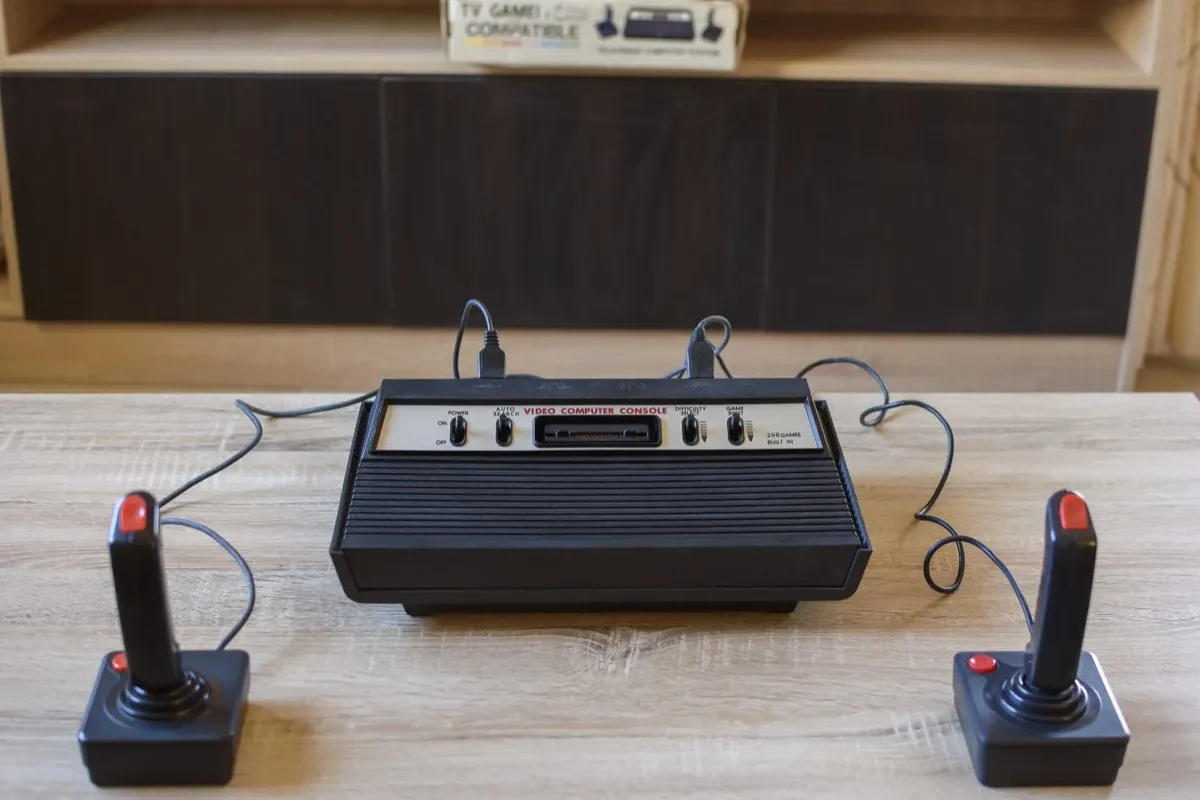
Around the end of the seventies, many American evenings suddenly included a wood trimmed Atari console sitting proudly below the television. Controllers tangled, cartridges stacked nearby, and kids arguing over whose turn it was became normal household sounds. Nobody treated the system like a future collectible. Boxes were tossed, manuals disappeared, and the console itself often gathered scratches from constant use. It was simply the fun machine that brought space battles and blocky sports into ordinary homes for the first time.
That heavy everyday use explains why early boxed Atari systems are so valuable now. Complete sets with original packaging, inserts, and clean hardware rarely surface compared to loose consoles. Collectors see them as the beginning of mainstream home gaming culture rather than just another old electronic device. Finding one preserved neatly in its original box feels like discovering the exact living room moment when video games first became a shared family ritual. Something once blamed for too much screen time quietly became one of the most respected artifacts in gaming history.
4. The Skeletor Figure Kids Could Never Keep Complete
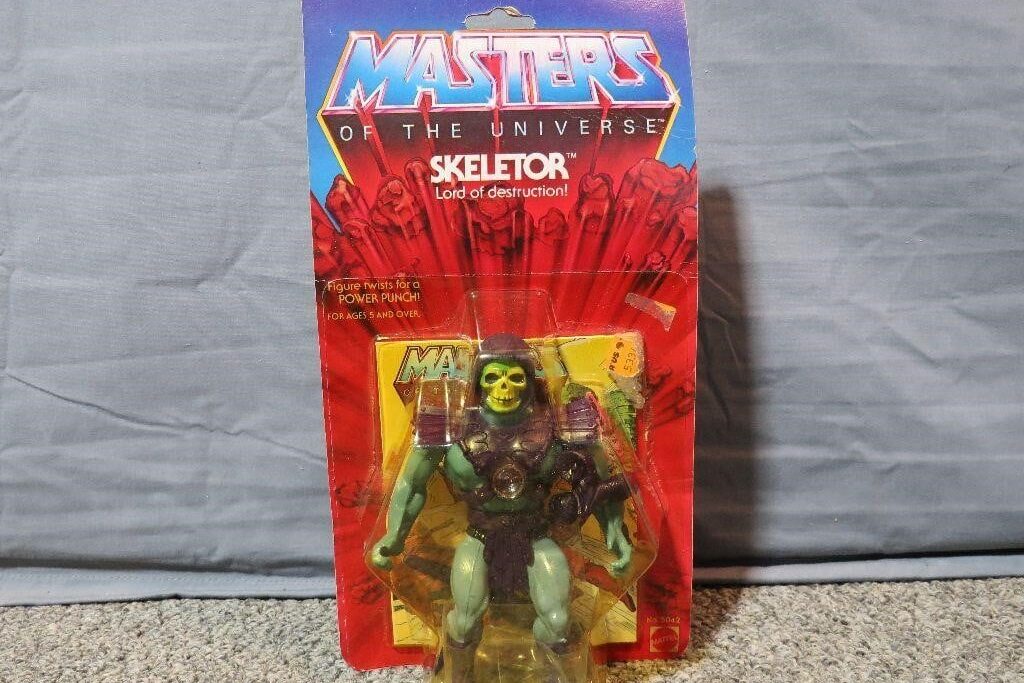
Masters of the Universe figures were built for dramatic battles on carpets, couches, and backyard dirt piles, and Skeletor often took the hardest hits. His skull face, purple hood, and thin staff made him instantly recognizable, but that same tiny staff usually vanished within weeks of opening the package. Kids mixed weapons between characters, lost pieces under furniture, and rarely kept packaging once play started. Most Skeletor figures that survived childhood therefore exist today missing something small but important.
That missing accessory is exactly what transformed complete early Skeletor figures into valuable collector pieces. A first release version with original weapon, clean paint, and strong joints feels surprisingly rare when viewed decades later. Sealed examples command even more attention because so few were left untouched. It feels almost humorous that the villain children smashed into every imaginary wall is now one of the hardest figures to find whole. Time has a quiet way of rewarding the toys that somehow escaped the wildest parts of play.
5. The Original Optimus Prime With All His Parts
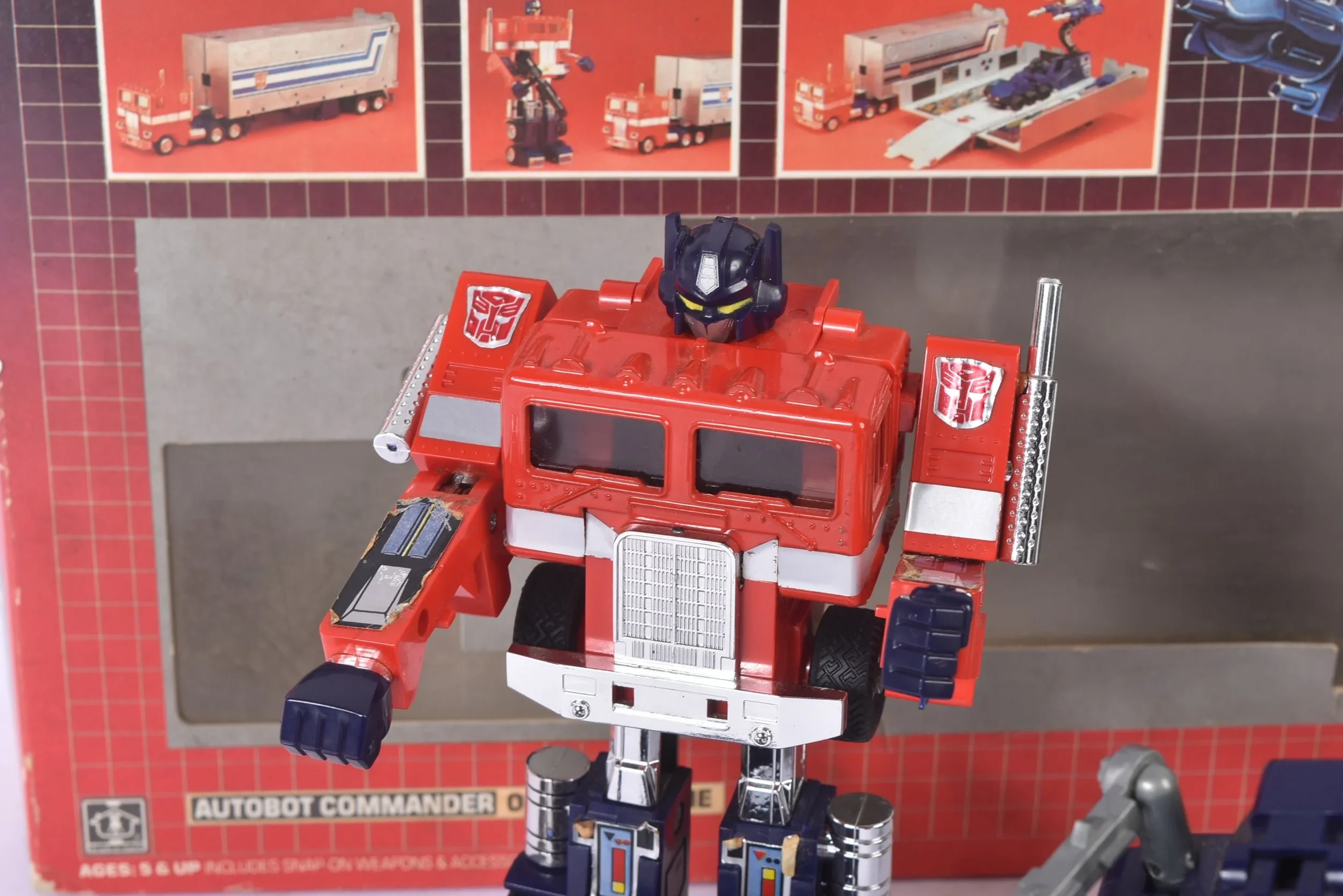
When the first Optimus Prime transformer arrived in the mid eighties, it felt heavier and more serious than most toys thanks to its metal components and complex trailer setup. Kids transformed it from truck to robot endlessly, attaching fists, hoses, missiles, and the command station until something inevitably rolled under the couch forever. Very few children managed to keep every tiny part together through years of play. The box usually disappeared quickly once the excitement of transforming it for the first time took over.
Because of that, a complete Generation One Optimus Prime with trailer, accessories, instructions, and packaging now feels incredibly special. Collectors see it as the symbolic centerpiece of the entire early Transformers era. High quality preserved sets sell for remarkable amounts today. There is something fitting about that outcome. Optimus Prime was always written as the responsible leader protecting everyone else, and somehow the few toys that were stored responsibly ended up protecting their owners financially decades later.
6. The Strawberry Shortcake Doll That Kept Its Sweet Smell
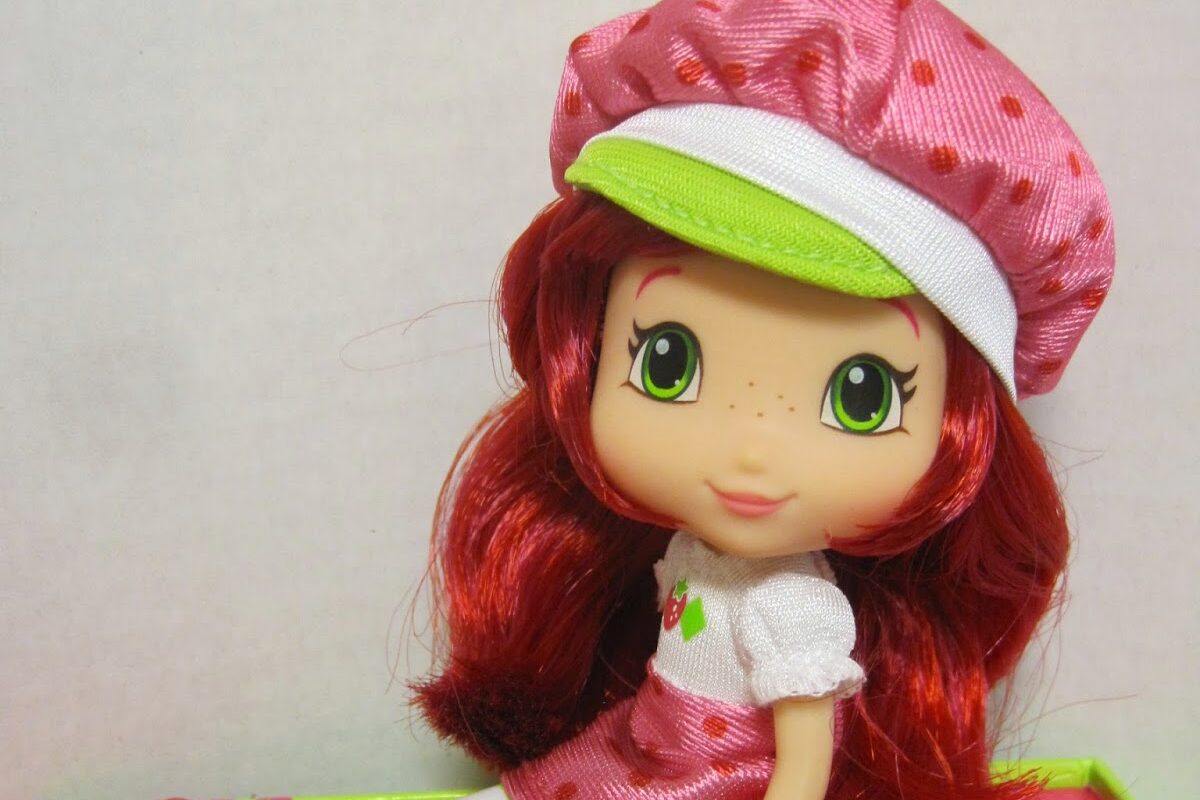
Early eighties Strawberry Shortcake dolls were soft, bright, and carried a sugary fruit scent that made them instantly lovable. Children hugged them to sleep, packed them into school bags, and brushed their yarn hair until it tangled into frizz. Over time the smell faded for most dolls, clothes stained, and boxes vanished into attic clutter. Nobody imagined the scent itself would someday matter more than how the doll looked sitting on a shelf. They were comfort toys first and collectible objects never entered anyone’s mind.
That lingering fragrance is now one of the biggest reasons preserved dolls became valuable. Examples that still carry noticeable scent, original outfits, and clean packaging feel unusually rare in today’s collector market. Opening one can feel like stepping straight back into an eighties toy store aisle. It is strangely touching because the feature designed to make children smile for a few months ended up lasting decades in the very few dolls stored gently. Sometimes the smallest sensory detail becomes the strongest bridge between childhood memory and adult nostalgia.
7. The Talking Teddy Ruxpin That Read Bedtime Stories
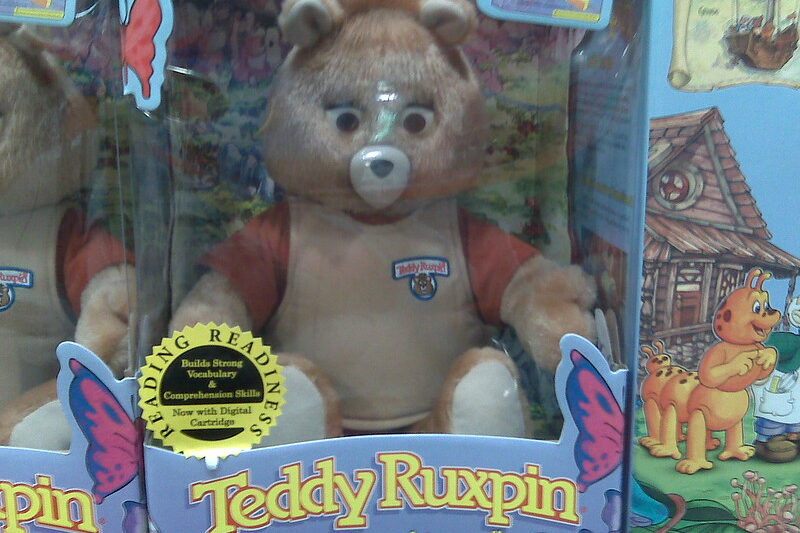
When Teddy Ruxpin appeared, many children genuinely believed their bear was alive. A cassette slid into his back, a button pressed, and suddenly his mouth moved while a gentle story filled the room. Families played those tapes constantly at bedtime, during quiet afternoons, or just to show visiting relatives the magic trick again. Motors wore down, tapes stretched, and fur collected the marks of years of hugs. Working units that still speak clearly today are far less common than people remember.
That scarcity turned early functional Teddy Ruxpin sets into surprisingly strong collectibles. Bears with original tapes, booklets, and boxes feel especially special because they preserve the full storytelling experience. Collectors are not just buying a toy, they are buying the memory of a voice reading softly from a bedroom shelf. It feels right that something built entirely around storytelling now carries its own long story about early interactive technology, childhood trust, and the quiet ritual of pressing play before falling asleep.
8. The Wooden Little People Sets That Filled Playrooms
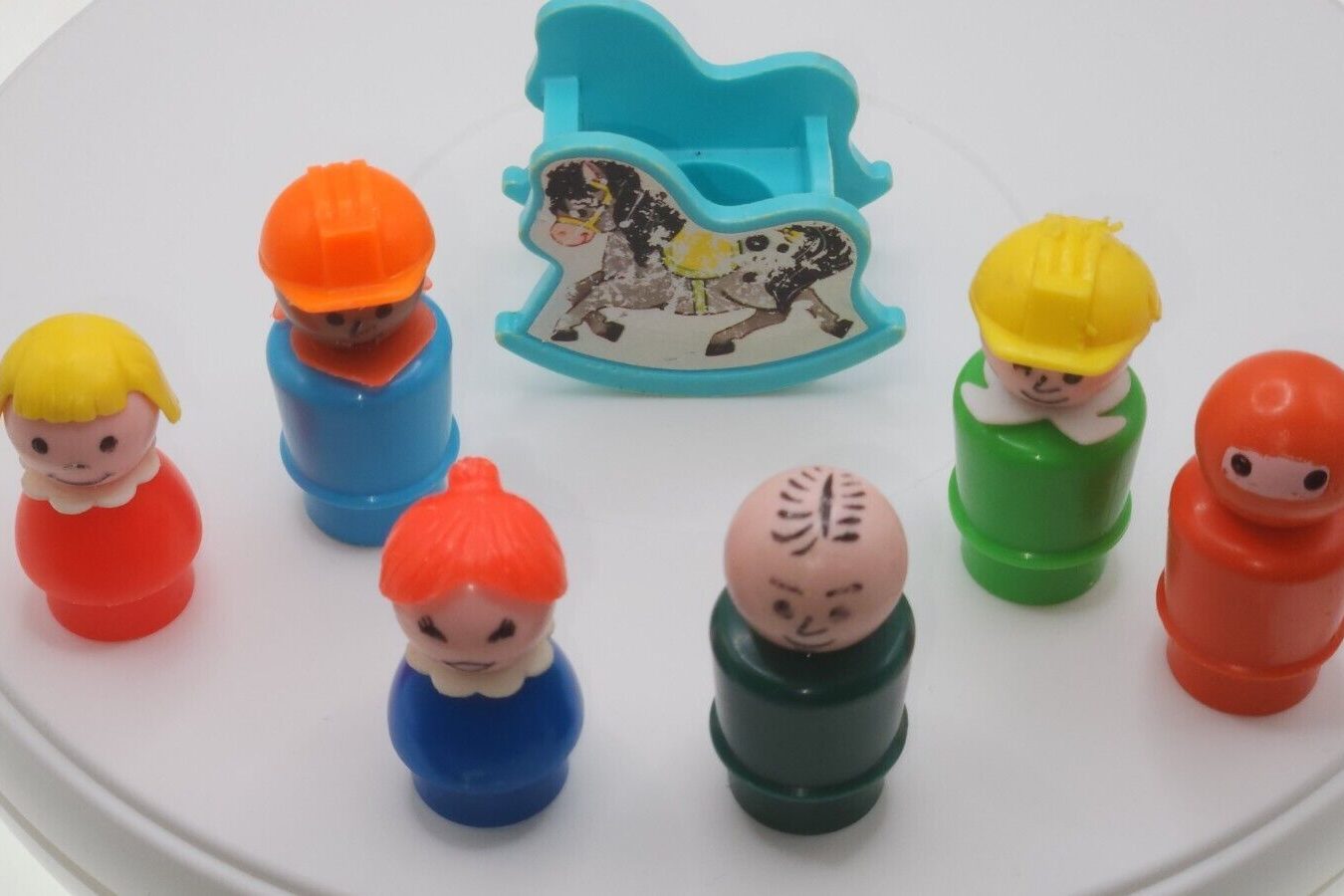
Seventies Fisher Price Little People sets were simple wooden figures with round heads and painted smiles, built sturdy enough to survive being dropped, chewed, or rolled across the floor. Kids sent them through barns, schoolhouses, parking garages, and imaginary towns that stretched across entire carpets. Individual figures often disappeared slowly over the years, slipping into toy boxes, yard grass, or donation bags without anyone noticing a missing farmer or firefighter. Complete early sets therefore became surprisingly difficult to find later.
Today a full boxed Little People playset with every wooden character included feels like discovering a perfectly preserved miniature neighborhood. Collectors value them not for flashiness but for their honest durability and nostalgic storytelling charm. Seeing one intact instantly brings back the slow imaginative play that defined many childhood afternoons. Families who somehow kept every single piece together did more than save toys. They unknowingly preserved a full cast of characters that once helped children practice everyday life through simple, patient imagination.
9. The Cabbage Patch Kid With Its Adoption Papers
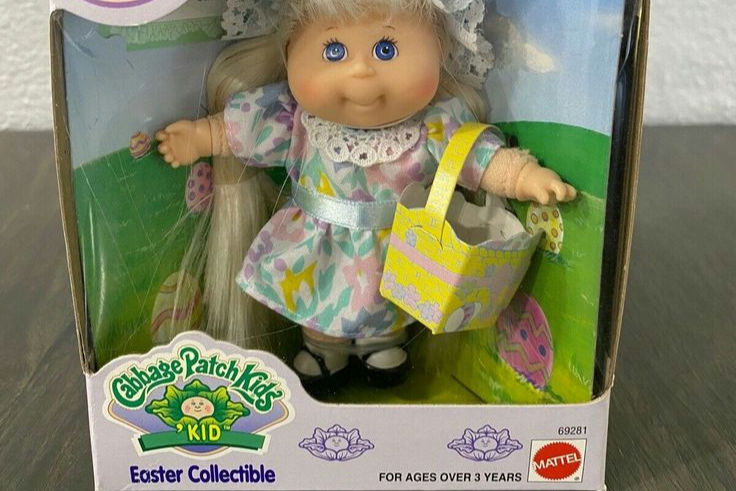
When Cabbage Patch Kids arrived in the early eighties, each doll came with a printed name and official adoption papers, making the experience feel unusually personal. Children signed the documents proudly, introduced their doll like a new family member, and carried it everywhere. Those papers often got folded, scribbled on, or lost during moves and cleanups. The dolls themselves survived in many homes, but the identity paperwork rarely stayed in perfect condition alongside them.
That missing documentation is what now separates ordinary dolls from highly valuable early examples. First run dolls that still include untouched adoption certificates, original outfits, and clean tags attract serious collector attention. The paperwork turns the toy back into the full emotional experience it was meant to be. It feels almost symbolic that the story built around belonging and identity still matters decades later. Keeping those papers safe did not just preserve cardboard. It preserved the original moment a child proudly welcomed their new companion home.
10. The Original Game Boy That Survived Every Trip
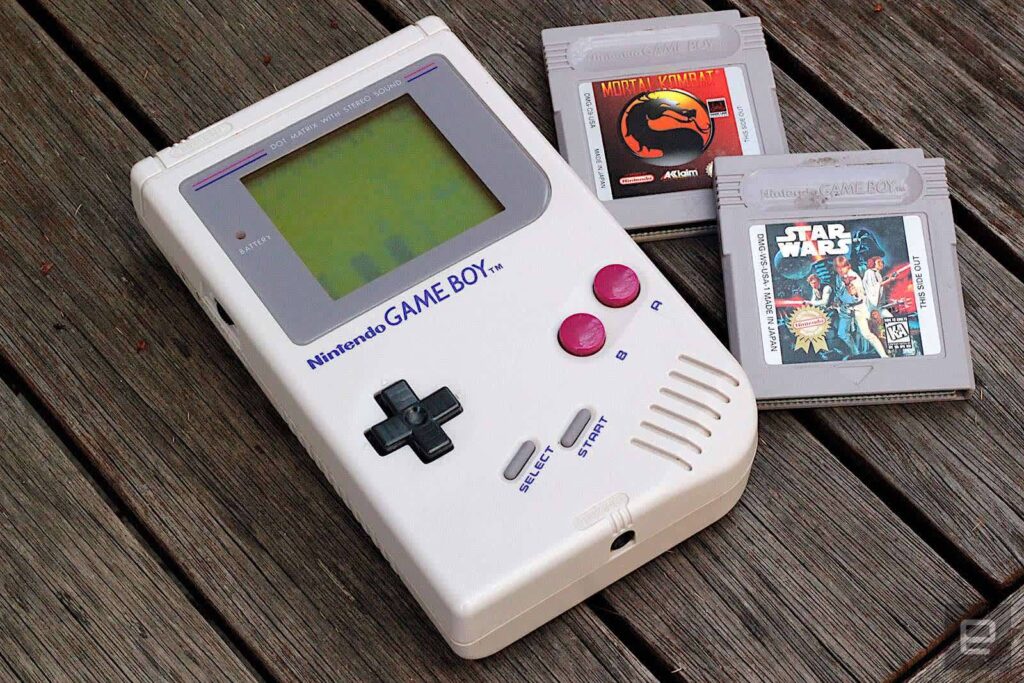
By the end of the eighties, the Game Boy had become the travel companion of choice for countless kids riding in back seats, waiting in airports, or sitting through long family visits. Screens picked up faint lines, battery covers loosened, and stickers appeared on nearly every unit. Boxes and manuals rarely lasted past the first week once Tetris started loading regularly. The system was loved everywhere and treated like something meant to be used constantly rather than stored carefully.
That is exactly why untouched launch era Game Boy sets now feel so valuable. A clean handheld with original packaging, paperwork, and matching inserts represents a rare survivor of endless road trips and playground trading sessions. Collectors see it as the moment portable gaming truly became part of everyday childhood life. Looking across all these toys, the pattern feels gently clear. The ones that earned the highest value were rarely the most protected at the time. They were simply the lucky few that someone quietly placed back on a shelf.
11. The Milton Bradley Omni Game Table Nobody Really Needed
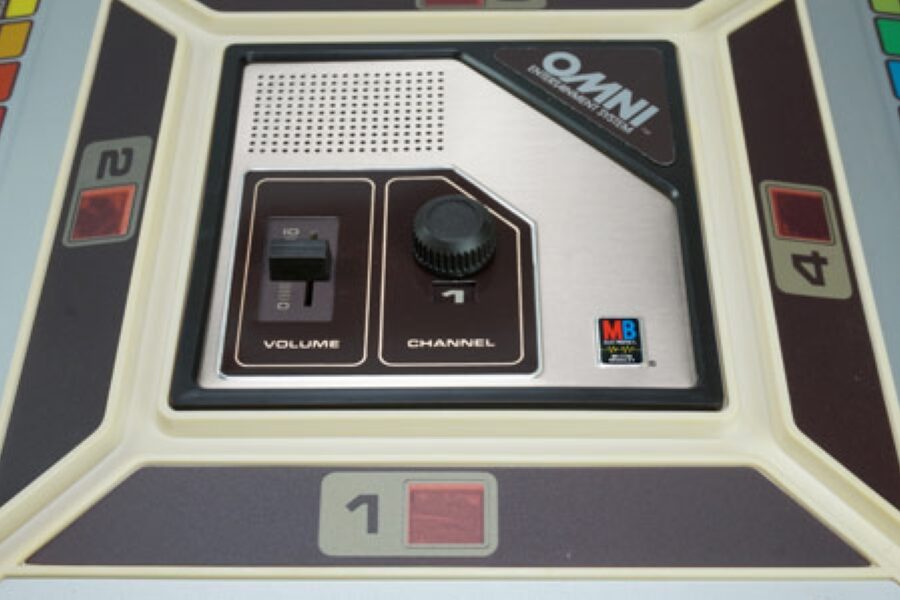
When the Milton Bradley Omni appeared in the early eighties, it looked like something pulled straight from the future. The large electronic tabletop promised lights, sounds, interchangeable game boards, and a high tech experience that felt far beyond ordinary board games. Kids were curious and parents were impressed at first glance, yet the size, price, and limited number of available games quietly made families hesitate before buying. Many children only saw one at a store display or at a friend’s house rather than owning one themselves.
That hesitation meant the Omni never truly settled into everyday family routines the way simpler consoles or board games did. It was interesting, even exciting for a short moment, but it never became part of weekly play habits. Today collectors view it more as a fascinating experiment than a beloved childhood staple. It represents a time when toy companies tried to leap forward too quickly, forgetting that most kids just wanted something easy to switch on and enjoy after dinner without needing a futuristic instruction session first.
12. The Extra Jem Dolls That Stayed On Store Shelves
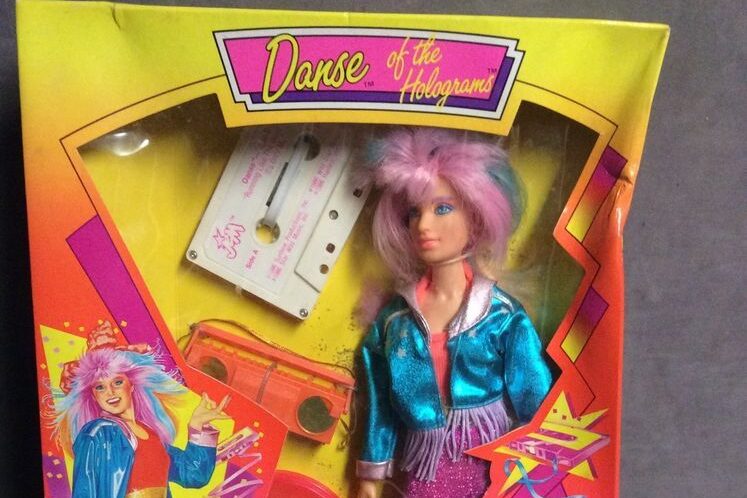
The Jem and the Holograms dolls created genuine excitement when the animated series first aired, and many kids immediately wanted the main character with her bright hair and stage outfits. Stores filled quickly with additional side characters, alternate costumes, and extended fashion lines meant to build a full musical world inside children’s bedrooms. At first the shelves looked colorful and promising, yet most kids stayed focused on just one or two favorite characters instead of building the entire collection.
Because the emotional connection centered on the star herself, many of the extra dolls simply never left store racks in large numbers. They were not disliked, just not urgently loved. Over time that lukewarm demand meant the line never built the nostalgic collector frenzy seen with other dolls from the same decade. Today they remain pleasant reminders of eighties pop culture rather than prized collectibles. Sometimes children choose their favorites very clearly, and once that choice is made, no amount of extra glitter, outfits, or packaging can convince them to bring the whole supporting cast home.
13. The Backyard Laser Tag Set That Lost Its Spark
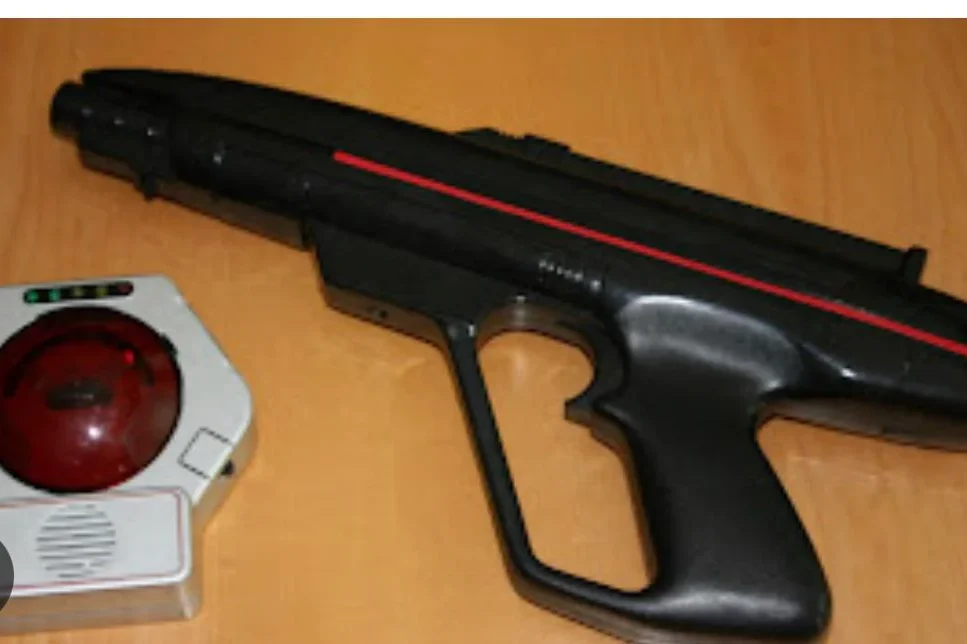
When home Laser Tag sets first arrived, the idea felt unbelievably thrilling. Commercials showed kids running through suburban yards at sunset, vests glowing, friends diving behind trees in dramatic slow motion. Opening the box really did feel exciting, and the first few games often delivered that same movie like energy. Yet after a few weekends, practical problems began creeping in as batteries drained quickly, sensors stopped responding perfectly, and some plastic pieces proved less durable than expected.
Families slowly realized the game required a lot of maintenance to keep running smoothly, which meant it came out less and less often after the first summer. Unlike simpler toys that could be grabbed anytime, Laser Tag sometimes needed preparation that felt like work rather than spontaneous fun. Today the original sets bring warm memories but modest collector interest because so many ended up stored unfinished in closets. It stands as one of those toys that delivered one unforgettable season of excitement, then quietly stepped aside once everyday convenience started mattering more than flashy backyard battles.
14. The Triangular Coleco Console That Looked Cooler Than It Played
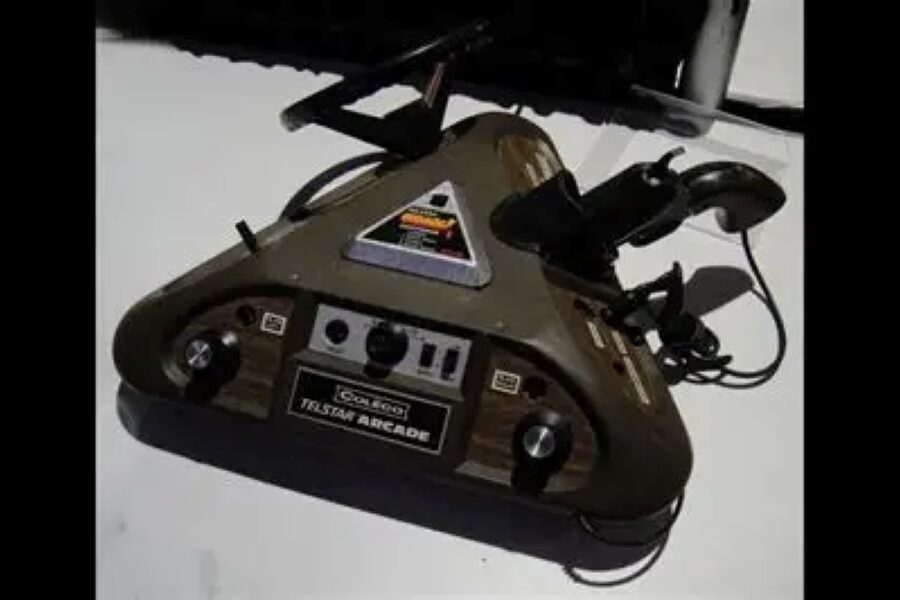
Coleco’s triangular Telstar Arcade console instantly caught attention because nothing else on the shelf looked remotely like it. Its sharp shape, built in steering wheel, paddle controller, and light gun suggested endless gaming possibilities packed into one futuristic machine. Kids stared at it through store glass imagining racing games, shooting games, and home arcade adventures that would last forever. The design truly felt bold and imaginative during a period when video games were still finding their identity.
Unfortunately, the excitement faded once players realized the system offered only a limited selection of built in style experiences compared with rapidly improving programmable consoles entering the market. Technology moved fast, and flexibility soon mattered more than appearance. Families who wanted variety naturally drifted toward systems offering broader libraries. Today the Telstar Arcade survives mostly as a beautiful curiosity rather than a must have collectible. It reminds people that eye catching design can open the door, but lasting play value is what convinces a toy to stay in the room year after year.
15. The McDonaldland Plush Toys Everyone Already Had
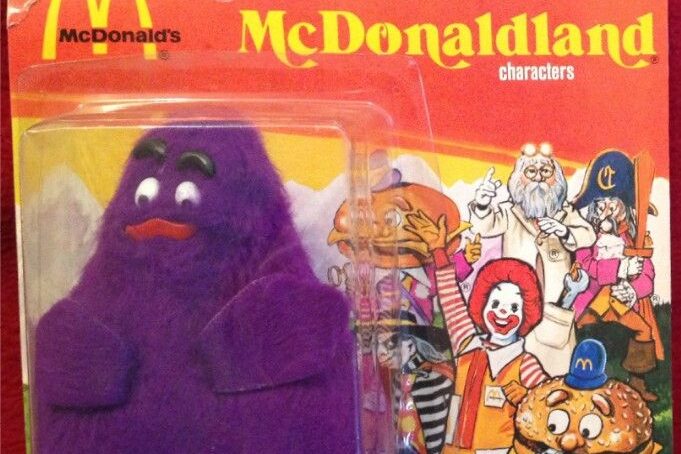
Late seventies and early eighties McDonaldland plush toys arrived through cheerful fast food promotions, often handed to children during family meals or special campaigns. Characters like Grimace and Mayor McCheese quickly found their way onto car seats, bedroom pillows, and school show and tell days. Kids enjoyed them sincerely, yet because millions were produced and distributed so widely, almost every neighborhood seemed to have the same smiling plush faces sitting somewhere nearby.
That huge production meant scarcity never developed, which quietly kept their resale value low even decades later. They remain charming nostalgic keepsakes rather than high priced collector trophies. Still, there is something comforting about how ordinary they stayed. Not every childhood object needs to become rare or expensive to matter. These plush toys did their job simply by being present during small family outings, warm car rides home, and sleepy evenings. Sometimes the most meaningful toys are not the ones locked behind collector glass, but the ones that were common enough to belong to everyone.


