
When Imagination Ran Wild On The Small Screen
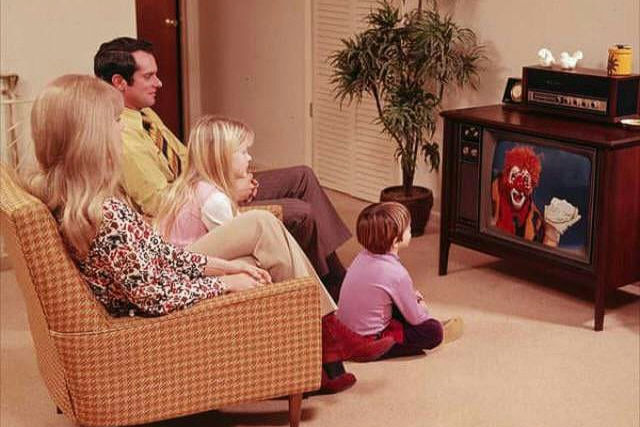
There was a particular kind of magic found in the living rooms of the mid-to-late twentieth century where the unthinkable became the televised norm. During this era, network executives possessed an almost reckless sense of bravery, greenlighting scripts that would likely be laughed out of a modern boardroom. We didn’t just tolerate these bizarre setups; we invited them into our homes every week, forming genuine emotional bonds with witches, aliens, and even the occasional reincarnated automobile.
These programs mattered because they pushed the boundaries of visual effects and narrative structure, often using their fantastical elements to comment on the rigid social structures of the day. Whether it was a robot trying to pass as a schoolgirl or a nineteenth-century monster running a hotel, these stories allowed audiences to explore the human condition through a delightfully warped lens. They remind us that before the age of hyper-realistic prestige drama, we were perfectly happy to suspend our disbelief in exchange for a bit of heart and a lot of harmless, high-concept fun.
My Mother The Car
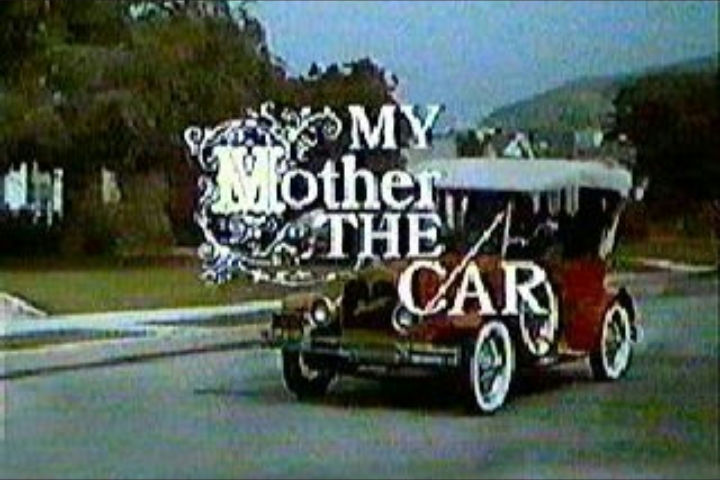
The mid-sixties offered up what remains arguably the gold standard for baffling television concepts when Jerry Van Dyke took the lead in this short-lived curiosity. The plot follows an attorney named Jerry Crabtree who visits a used car lot only to discover that his deceased mother has returned to the mortal plane in the form of a 1928 Porter touring car. While the premise sounds like something from a fever dream, the show leaned heavily into the domestic sitcom tropes of the era, featuring a car that spoke through the radio and gave motherly advice to her grown son. It was a bold attempt, though critics at the time were famously unkind to the concept of a man arguing with his vehicle’s dashboard in his own driveway.
Despite its reputation as one of the most ridiculed programs in history, there is something oddly charming about the earnestness with which it was produced. The series ran for thirty-odd episodes from 1965 to 1966 and featured the voice of Ann Sothern as the titular maternal automobile, providing a sassy and protective presence for her confused offspring. It was a product of a time when the “talking object” subgenre was in its infancy, and while it failed to capture the long-term imagination of the public like its contemporaries, it remains a fascinating cultural artifact of network experimentation.
Bewitched
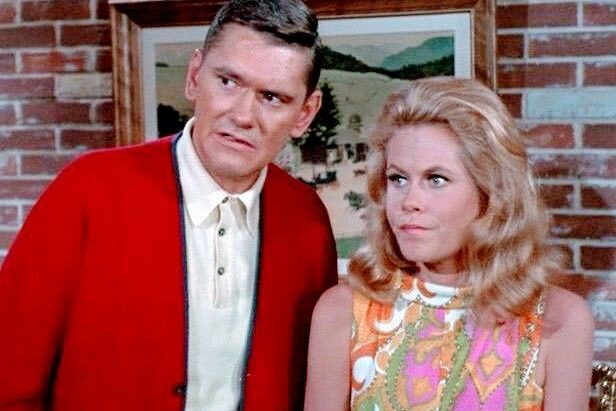
When Samantha Stephens first twitched her nose in 1964, she didn’t just cast a spell on her mortal husband Darrin; she captivated an entire generation of viewers who were eager for a bit of suburban fantasy. The premise was deceptively simple yet inherently ridiculous as it focused on a powerful witch who marries a mortal advertising executive and promises to give up her powers to live as a typical American housewife. Of course, the promise was rarely kept, as the couple dealt with meddling supernatural relatives and magical mishaps that threatened to expose Samantha’s true nature to their nosy neighbors.
The show enjoyed an impressive eight-year run, becoming a staple of the ABC lineup and proving that audiences were more than happy to accept magic as a backdrop for marital comedy. Elizabeth Montgomery brought a sophisticated wit to the role of Samantha, which helped ground the more outlandish elements of the script, such as turning neighbors into animals or conjuring historical figures into the living room. Even today, the image of Samantha’s nose-twitch remains one of the most iconic symbols of sixties television, proving that a little bit of magic goes a long way in making a sitcom truly timeless.
The Many Loves Of Dobie Gillis
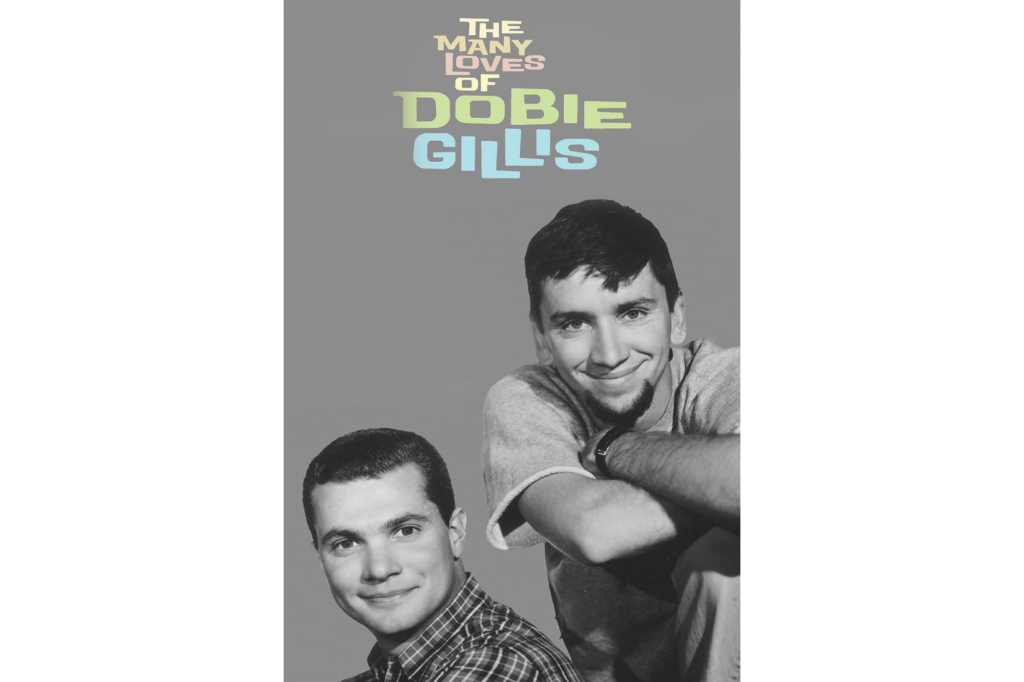
In the transition between the fifties and sixties, television found its first real voice for the disillusioned youth through the misadventures of Dobie Gillis and his eccentric social circle. The program was notable for its frequent use of breaking the fourth wall, with Dobie often standing next to a statue of The Thinker to share his philosophical woes about girls, money, and his lack of direction. It was a show that embraced the absurdity of the teenage experience, but the real star for many was the iconic Maynard G. Krebs, played by Bob Denver.
What made this premise stand out was its intellectual quirkiness and its willingness to let its characters be genuinely strange without requiring a supernatural gimmick. The storylines often revolved around Dobie’s desperate attempts to find a girl who loved him for who he was rather than for the money he didn’t have, leading to increasingly frantic and surreal situations. Running from 1959 to 1963, it successfully bridged the gap between the clean-cut fifties and the more experimental sixties, influencing countless teen comedies that would follow in its wake. It was a show that proved you didn’t need a talking car or a witch to be ridiculous, because the simple process of growing up and trying to find your place in the world was plenty weird enough on its own.
The Ugliest Girl In Town
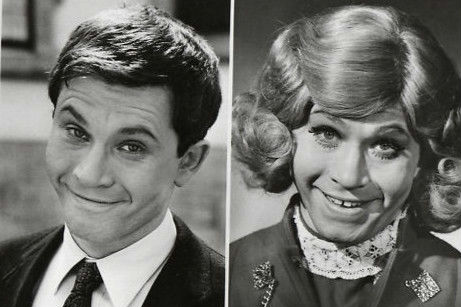
The late sixties saw the debut of a premise so outlandish that it seems almost impossible to believe it made it to air, even by the standards of the time. The story followed an American talent agent named Timothy Blair who falls head over heels for a British actress and decides he must follow her back to London. However, lacking the funds or a visa to stay indefinitely, he discovers that a photograph of him in a wig and dress has accidentally become a sensation in the modeling world. To remain close to his beloved and keep his career afloat, Timothy takes on the persona of “unconventional” female model Peachy J. Petals, leading to a series of frantic costume changes and narrow escapes from being discovered.
This show was a classic example of the “farce” genre taken to its absolute extreme, relying on the physical comedy of a man trying to navigate the high-fashion world of swinging London in drag. While it only lasted for twenty episodes between 1968 and 1969, it captured the vibrant and often confusing aesthetic of the era perfectly, complete with psychedelic fashion and groovily dated slang. The ridiculousness of the premise was matched only by the charm of lead actor Peter Kastner, who had to play both the lovestruck hero and the awkward model with equal conviction.
The Brady Bunch
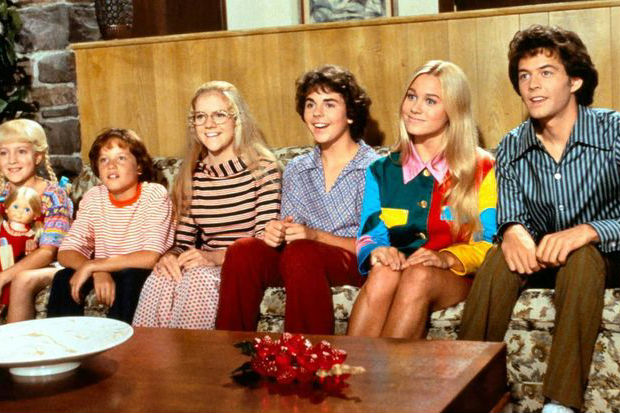
While it might seem like a straightforward family comedy at first glance, the underlying premise of this seventies staple was actually quite a stretch when you consider the logistics of their daily lives. The show introduced us to a widowed architect with three sons who marries a woman with three daughters, creating a massive blended family that somehow maintains a sense of perfect harmony. They all resided in a house that featured a remarkably modern design for the time, yet famously only had one shared bathroom for six children, a detail that provided endless minor conflict. Add in a live-in housekeeper and a dog, and you have a recipe for chaotic living that the show managed to portray as a brightly lit, idyllic dream of suburban American life.
What truly pushed the show into the realm of the ridiculous was the sheer lack of realistic professional pressure on the patriarch, Mike Brady, who seemed to spend an enormous amount of time dealing with minor sibling squabbles. Despite being an architect responsible for supporting nine people, his office was in his own home and he was always available to deliver a moral lecture at a moment’s notice. The program ran from 1969 to 1974 and became a cultural phenomenon because it offered a sense of stability and cheerfulness during a decade of significant social upheaval.
Mork And Mindy
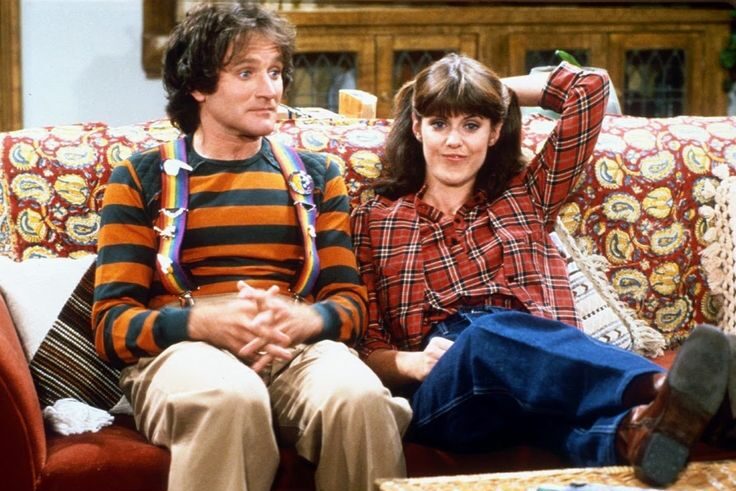
The late seventies were forever changed when a silver-suited alien in a giant egg-shaped spacecraft landed in Boulder, Colorado, introducing the world to the manic genius of Robin Williams. The premise of an extra-terrestrial from the planet Ork living with a human woman to observe our strange customs was the perfect vehicle for Williams’ improvisational style and rapid-fire delivery. Mork was a character who wore his suits backwards, sat on his head, and greeted people with a “Na-Nu Na-Nu,” making him one of the most eccentric figures in sitcom history. The show relied almost entirely on the juxtaposition of Mork’s literal interpretations of human idioms against the grounded, sensible nature of his roommate and eventual love interest, Mindy McConnell.
The series, which aired from 1978 to 1982, was an absolute ratings juggernaut in its early seasons because it felt unlike anything else on television at the time. It took the “fish out of water” trope to a literal cosmic level, allowing for biting social commentary hidden beneath layers of slapstick and nonsense words. As the show progressed, the premises became even more bizarre, eventually featuring a child who aged backwards, played by Jonathan Winters, which took the absurdity to new heights. It was a program that succeeded through sheer force of personality.
The Brady Bunch Hour
In one of the most baffling decisions in television history, the beloved Brady family was brought back for a variety show format that felt like a surreal fever dream. The premise suggested that the original family had been chosen to star in their own musical variety program, which required them to sing, dance, and perform comedy sketches in a beachside home. Most of the original cast returned, though the role of Jan had to be recast, and the resulting production was a jarring mix of scripted sitcom moments and awkward choreographed musical numbers.
Airing for only nine episodes between 1976 and 1977, the show is often cited by TV historians as a fascinating misstep that tried to force a dramatic family dynamic into a glitzy, sequins-and-hairspray format. The sight of the Brady kids performing disco-inspired routines while Greg Brady attempted to be a serious host was both cringe-inducing and strangely hypnotic for viewers. It was a show that didn’t know if it wanted to be a sitcom or a concert, and that identity crisis led to some of the most unintentionally hilarious moments in the medium’s history. Despite its short life, it remains a beloved piece of trivia for fans of the original series, serving as a cautionary tale about the dangers of trying to reinvent a classic formula too drastically.
Holmes And Yoyo
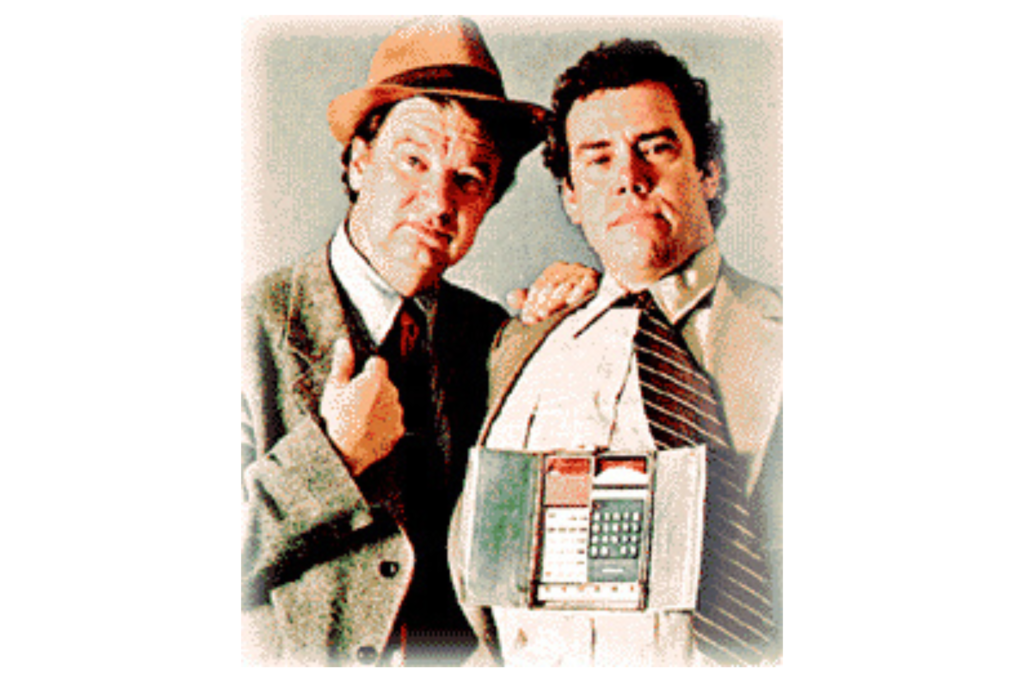
The mid-seventies “buddy cop” genre received a futuristic and incredibly silly makeover with the introduction of a detective who was literally part machine. Detective Alexander Holmes was a veteran officer who was prone to accidents, so his department decided to pair him with a new partner who could withstand a bit of physical punishment. This partner was Gregory “Yoyo” Yoyonivich, a highly sophisticated humanoid android who possessed superhuman strength and a computer-like brain, though he was prone to frequent technical glitches. The comedy stemmed from Yoyo’s robotic literalism and the various malfunctions he suffered, such as picking up radio signals or having his chest compartment pop open at the most inconvenient times which was always played for laughs.
Running from 1976 to 1977 on ABC, the show was a lighthearted take on the sci-fi police procedural that relied heavily on physical comedy and the chemistry between the two leads. Yoyo was played by John Schuck, whose deadpan delivery made the android’s social blunders genuinely funny, while Richard B. Shull provided the perfect frustrated foil as the human partner. While it didn’t last long on the airwaves, it captured a specific moment in time when the public was fascinated by the idea of friendly robots living and working alongside us, even if those robots occasionally short-circuited.
Struck By Lightning
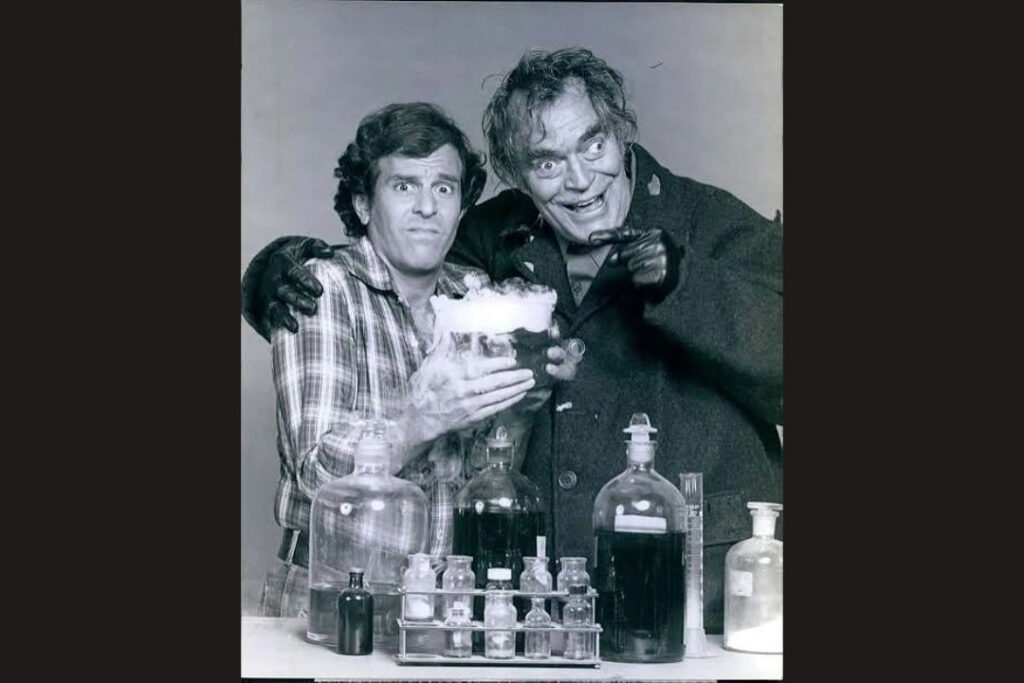
In 1979, the sitcom world decided to dip its toes into the gothic horror genre by modernizing the legend of Frankenstein for a suburban audience. The premise followed a young science teacher named Ted Stein who inherits a dilapidated old inn in Massachusetts, only to discover a startling secret about his family tree. Upon arriving, he meets the inn’s hulking caretaker, Frank, who reveals that Ted is actually a descendant of the infamous Dr. Frankenstein and that Frank is the original monster created by his ancestor. Rather than being a terrifying creature of the night, Frank is portrayed as a gentle, slightly dim-witted giant who just wants to help run the inn and keep his identity a secret from the locals.
The show attempted to blend the eerie atmosphere of a classic monster movie with the lighthearted tropes of a workplace comedy, but it struggled to find its footing and only lasted for a handful of episodes. Jack Elam brought a wonderful grumpiness to the role of the monster, while Jeffrey Kramer played the fish-out-of-water teacher trying to adjust to his new life as a mad scientist’s heir. It was a bold experiment in genre-mashing that showed just how far network executives were willing to go to find a unique hook for a sitcom. Although it was quickly canceled, it remains a cult favorite for those who appreciate the more obscure and weird corners of television history.
Small Wonder
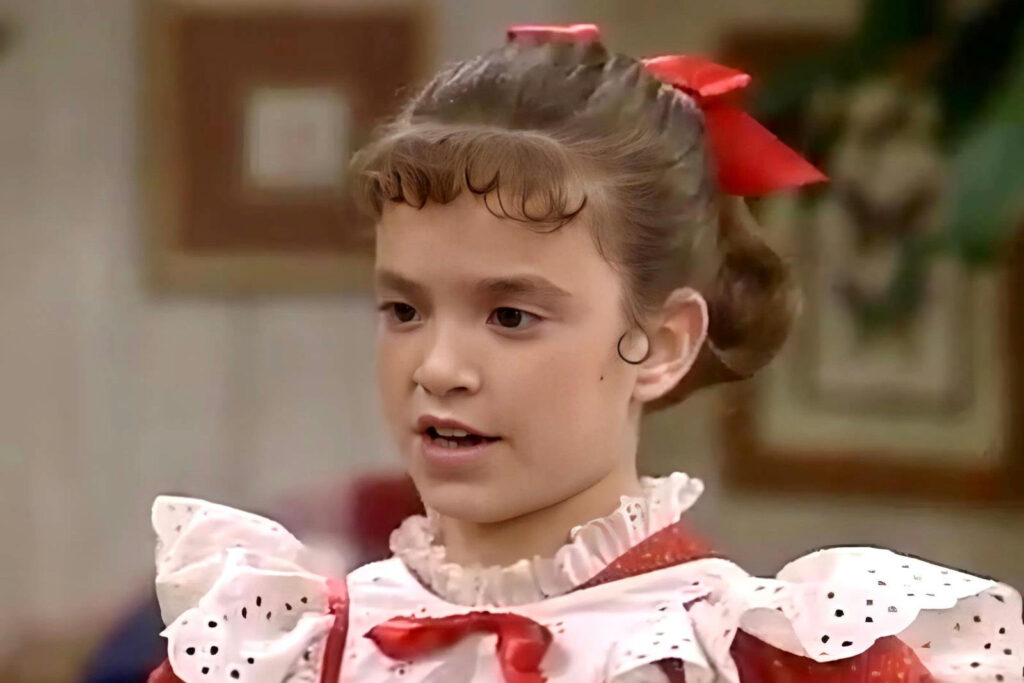
As we entered the mid-eighties, the fascination with technology moved into the domestic sphere with the arrival of a show about a robotic young girl living in the suburbs. Ted Lawson, a brilliant robotics engineer, creates V.I.C.I. (Voice Input Child Identicant) and decides to bring her home to live with his wife and son as if she were a real human child. The family spends most of their time trying to hide Vicki’s robotic nature from their incredibly nosy neighbors, the Brindles, which is made difficult by her monotone voice and superhuman abilities. Whether she was lifting a heavy sofa with one hand or extending her neck to look over a fence, Vicki’s presence provided a constant stream of low-budget special effects and deadpan comedy.
The program was a surprising success, running from 1985 to 1989 in first-run syndication and becoming a staple of after-school television for many children of the decade. Tiffany Brissette’s performance as Vicki was remarkably consistent, as she maintained a stiff, robotic physicality that made the character both endearing and slightly unsettling. The show was the ultimate expression of eighties techno-optimism mixed with traditional family values, suggesting that even a machine could learn the importance of love and honesty. Yet, it remains a deeply nostalgic memory for a generation that grew up wondering if their own toys might one day come to life and join the family while their parents weren’t looking.
Manimal
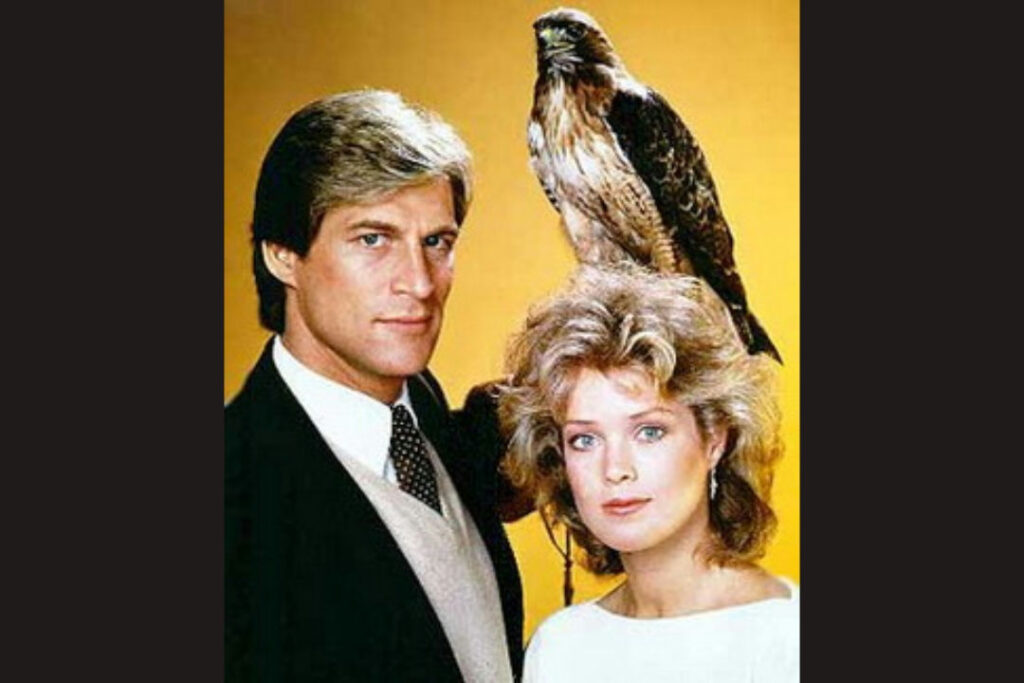
The early eighties pushed the boundaries of the “high-concept” action-comedy when it introduced us to Dr. Jonathan Chase, a wealthy and mysterious professor who possessed an ancient family secret. The premise was as bold as it was bizarre, suggesting that a man could use his innate ability to transform into any animal to assist the police in solving the most difficult crimes of the city. While the show took itself surprisingly seriously, the core idea of a suave British gentleman turning into a hawk or a black panther to stop a bank heist was pure television gold. It relied heavily on groundbreaking but time-consuming prosthetic makeup effects that became the hallmark of the series, even if the transformations were often reused due to the sheer cost of production.
Airing in 1983, the series has since become a legendary cult classic precisely because of how unapologetically it embraced its eccentric central gimmick. Simon MacCorkindale brought a level of gravitas to the role of the shape-shifting professor, which helped ground the show even when he was logically turning into a snake to navigate a ventilation shaft. It was a program that felt like the ultimate playground for special effects artists of the era, showcasing the industry’s growing fascination with physical transformation sequences. Although it only lasted for eight episodes, its impact on the cultural memory of eighties television is immense.
Mr. Smith
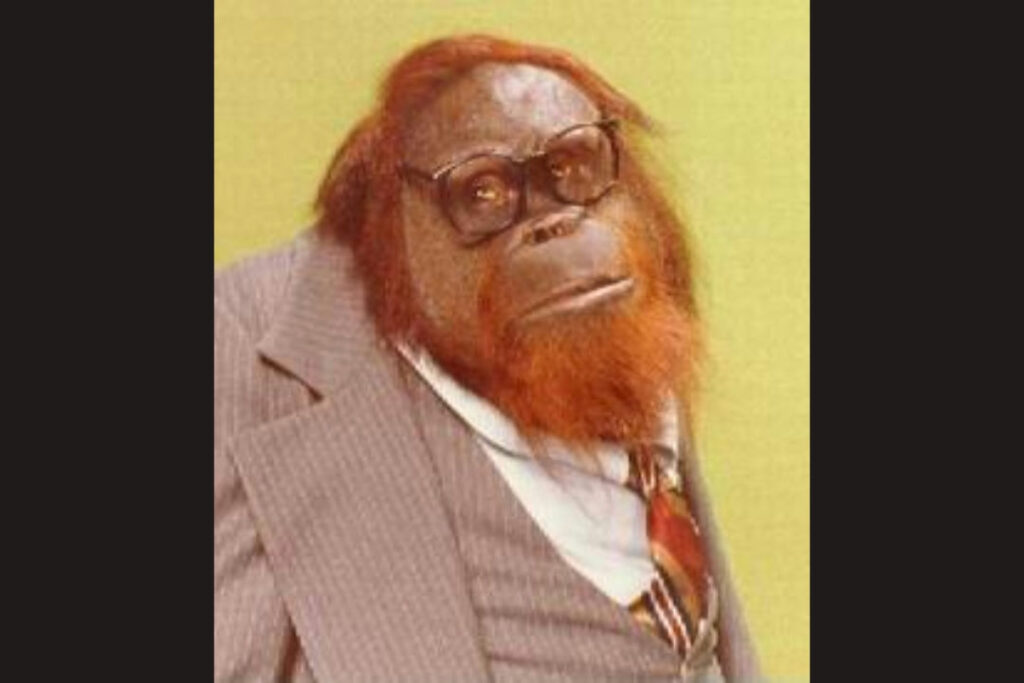
In perhaps the most surreal example of eighties television logic, a genius-level orangutan became the central figure of a political satire that took viewers all the way to the corridors of power in Washington. The story followed a primate who had been part of a secret experiment and accidentally ingested a chemical that gave him an IQ of 256 along with the ability to speak perfect English. Instead of returning to a life in the wild or a zoo, the ape, known as Mr. Smith, decides to pursue a career as a high-level political consultant to a government agency.
The series ran for thirteen episodes in 1983 and featured a real orangutan named C.J., with the voice of the articulate primate provided by Leonard Frey to give him a sophisticated and slightly pompous personality. The comedy frequently stemmed from the fact that Mr. Smith was often the most intelligent and reasonable person in the room, highlighting the absurdity of the political machine through the eyes of a literal animal. Looking back, it serves as a perfect bookend to an era of television where a talking ape in a suit was seen as a perfectly viable candidate for a prime-time television lead.
These shows remind us that the medium’s primary goal was once simple entertainment through imagination, often relying on the strength of a single factory of ideas to sustain an entire series.
Like this story? Add your thoughts in the comments, thank you.


