
1. The Famous Star Wars Line Everyone Quotes Wrong
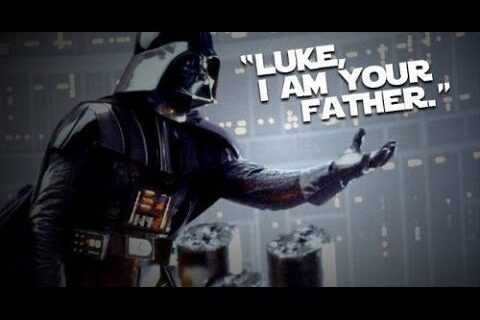
Almost everyone has at least one memory they would defend without hesitation, and this is usually where conversations about shared false memories begin. People often call it the Mandela Effect, that strange moment when a detail feels completely real until the original proves otherwise. One of the most famous examples comes from Star Wars. For years, friends, comedians, teachers, and radio hosts repeated the dramatic line Luke, I am your father. It sounded full, clear, and perfectly shaped for retelling, so it spread naturally through playground chatter, television jokes, and everyday conversations across generations of fans.
Watching the actual scene again surprises many viewers because Darth Vader really says No, I am your father. Inside the film, the shorter line lands with emotional force, but outside the story it feels incomplete, almost like a sentence missing its subject. That small gap encouraged people to add Luke so listeners would instantly understand the reference. Once the longer version circulated through comedy sketches, advertisements, and fan discussions, it slowly replaced the real wording in everyday memory. The moment perfectly shows how human recall favors clarity and storytelling rhythm over strict accuracy when people share moments aloud together.
2. Looney Tunes That Somehow Became Looney Toons
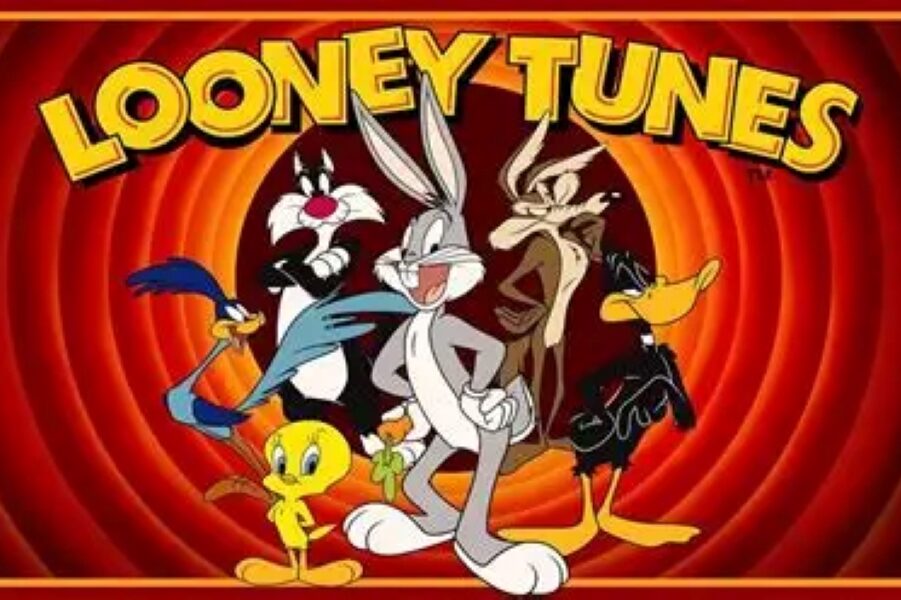
Ask almost anyone about the classic Warner Bros cartoons from childhood and many will confidently spell the title as Looney Toons. The spelling feels logical because cartoons are animated drawings, so the brain links the word with the art form automatically. Childhood memories often store the sound of a name more strongly than the historical reason behind it. Since most kids never learned the series was tied to musical shorts, the original word Tunes never carried strong meaning for them. During school years, birthday cards, notebooks, and early internet searches quietly reinforced the easier spelling.
The official studio title has always been Looney Tunes, rooted in the company’s early music themed animation branding. Memory experts often explain that the mind leans toward familiar language patterns when details feel uncertain. Because the word Toons instantly communicates cartoons, people unconsciously corrected what looked like an odd spelling. Once fan pages, toy conversations, and casual typing repeated the simpler form, it strengthened the shared belief. Seeing the real title later can feel strangely unsettling, not because the difference is large, but because the wrong version lived comfortably in memory for so long.
3. The Berenstain Bears Name Shock
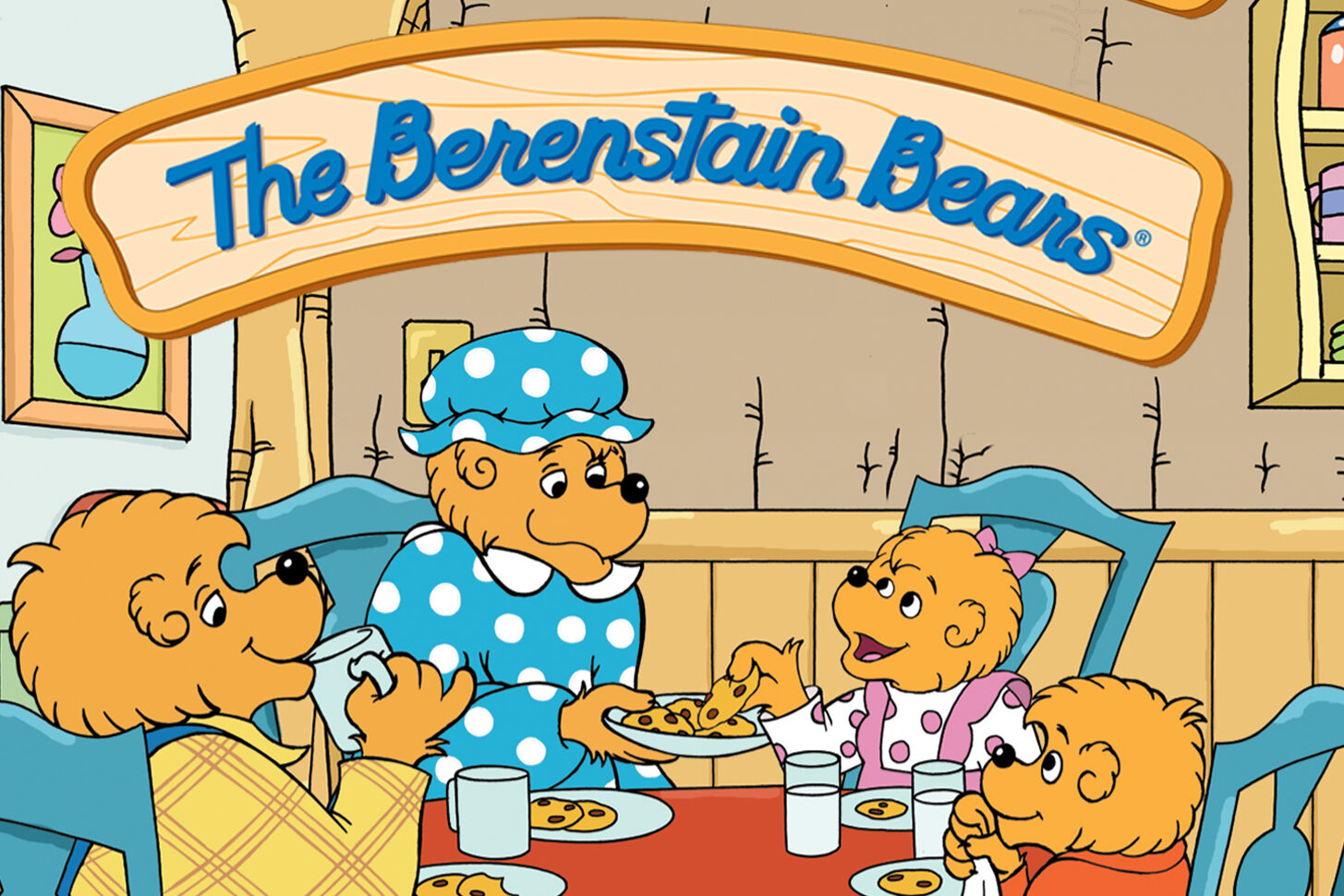
Many adults remember reading the gentle family stories about the bear cubs and confidently recall the name spelled Berenstein. That ending looks common in surnames, so it slides easily into expectation without raising questions. Childhood reading rarely involves careful letter checking, especially when the story itself feels warm and familiar. Parents reading aloud often pronounce the name quickly, which leaves spelling details even less fixed in memory. School libraries, classroom reading circles, and book fairs all reinforced the spoken version rather than the printed letters over the years.
Looking back at the real book covers shows the name has always been Berenstain. Young readers often predict word endings based on the most common patterns they already know. Since stein appears frequently in family names, the brain quietly substituted it while reading. That silent correction repeated each time the book was opened, strengthening the internal version. Discovering the actual spelling later can feel oddly personal, almost like finding out a childhood neighbor’s name was different than you thought. The surprise comes less from the letters themselves and more from realizing how confidently the brain filled the gap.
4. Snow White’s Mirror Line We All Learned First
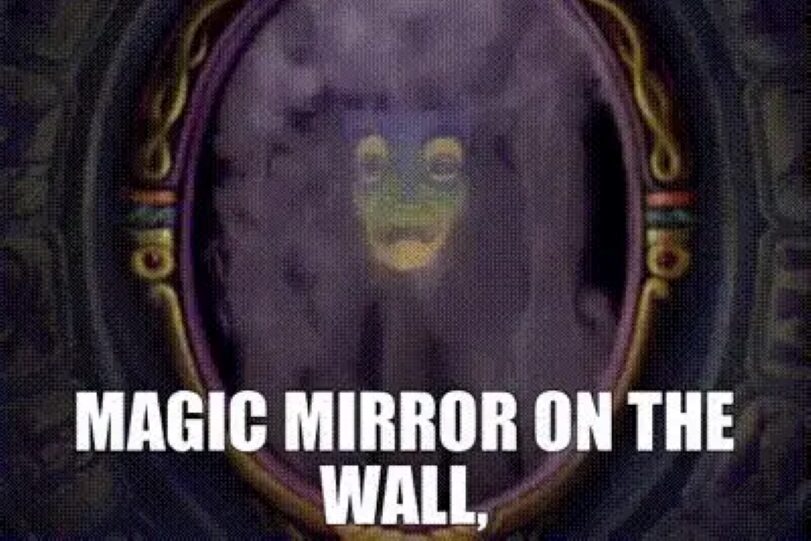
If someone casually asks for the Evil Queen’s famous line, most people instantly answer Mirror, mirror on the wall. The phrase sounds musical and balanced, almost like it was made for school plays or costume parties. Childhood exposure to fairy tales often happens through retellings, picture books, and playground performances rather than careful movie listening. Each retelling tends to favor rhythm and repetition because those features help children remember lines easily. Over time, the repeated mirror phrasing settled into shared memory and felt completely official.
Watching the Disney film again reveals the Queen actually says Magic mirror on the wall. Audiences often reshape lines into forms that sound more chant like and symmetrical. Doubling the word mirror creates a stronger rhythm, so storytellers naturally adopted it. Storybooks, parody sketches, and school performances kept repeating the altered version for decades. Because most viewers heard the quote many times outside the film, that smoother version became the one stored permanently. The tiny difference shows how storytelling habits slowly reshape the details people believe they heard firsthand.
5. Pikachu’s Tail That Memory Repainted
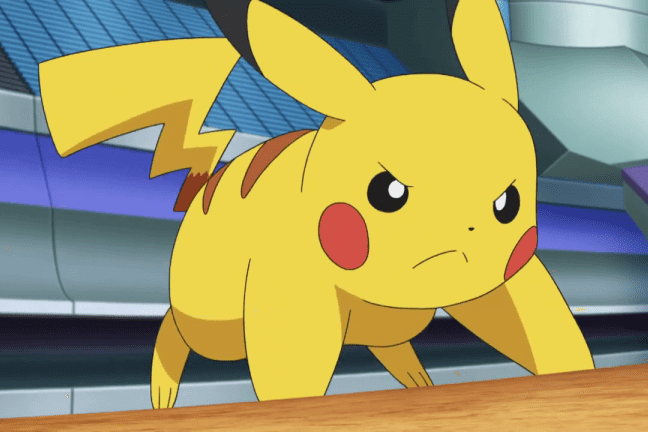
Many longtime Pokémon fans remember drawing Pikachu with a black tip at the end of his lightning shaped tail. The detail seems visually balanced because his ears already contain black coloring, so the tail feels like it should match. Childhood drawings, trading card sketches, and quick doodles during school often reinforced that version without anyone checking official artwork. Fast paced animated scenes also make it easy for small color boundaries to blur in memory. Over years of casual recall, the imagined black tip slowly became part of how many fans pictured the character.
Official character sheets show Pikachu’s tail is fully yellow with only a brown base near his body. Viewers often add contrast when recalling bright characters from memory. The brain prefers symmetrical color patterns, so it quietly invents matching accents that never existed. Because most people encountered Pokémon through movement and excitement rather than still design study, the invented detail stuck easily. Comparing old childhood drawings with the real design today can feel amusing and slightly surreal. The mistake highlights how memory stores the feeling of a character more strongly than the exact visual blueprint.
6. Hannibal Lecter’s Greeting That Changed In Retelling
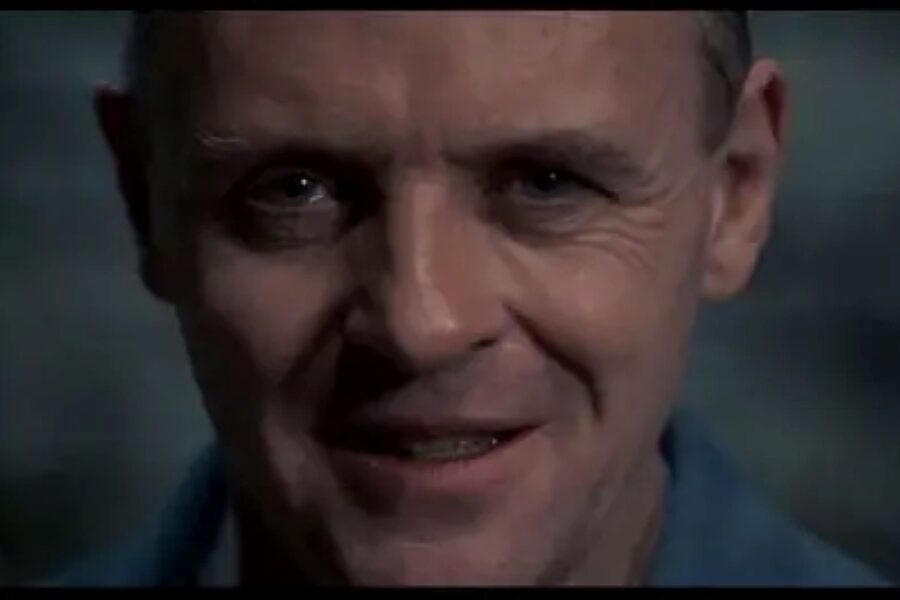
For many movie fans, the chilling introduction of Hannibal Lecter begins with the calm words Hello, Clarice spoken in a controlled voice. The phrase sounds theatrical and perfectly shaped for impressions, which helped it travel widely through pop culture. Late night comedy shows, Halloween performances, and casual friend imitations repeated the greeting so often that it became the accepted version. Because many people first encountered the character through clips, references, or jokes, their memory formed around those retellings instead of the original dialogue.
Watching Silence of the Lambs carefully shows Lecter actually greets her with Good morning. Audiences often reshape lines to heighten emotional tension when retelling scenes. Hello, Clarice feels colder and more dramatic, so it fits storytelling better in conversation. Once that stronger version dominated impressions and trailers, it gradually replaced the authentic line in everyday recall. Hearing the original greeting today can feel almost like the movie softened its own moment. The shift shows how performance culture outside a film can reshape the memory of what happened inside it.
7. The Fruit Logo With The Invisible Basket
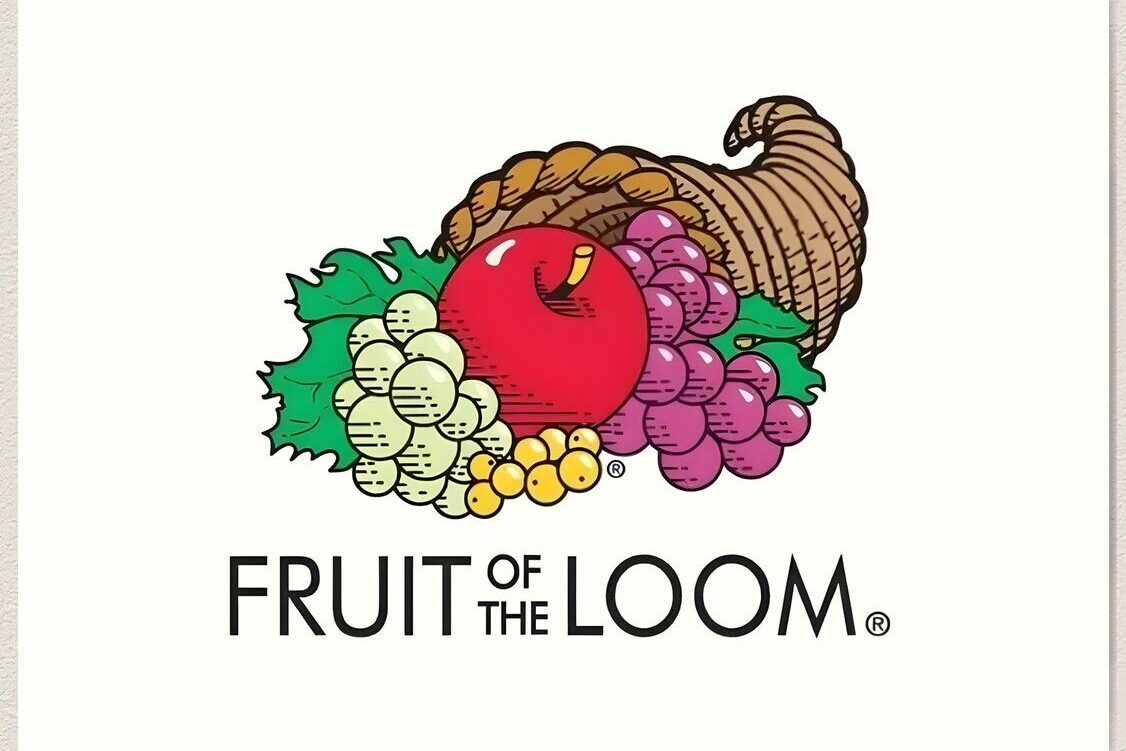
A surprising number of shoppers remember the Fruit of the Loom logo showing fruit spilling from a woven cornucopia basket. The image feels seasonal and symbolic, almost like something from a harvest illustration. Clothing labels are rarely examined closely, usually noticed only for a second while dressing or folding laundry. Because the fruit cluster appears arranged in a rounded pile, the brain naturally assumes something must be holding it together. That small visual assumption quietly forms a complete story that feels logical.
Trademark history shows the logo always displayed only fruit with no basket at all. The brain prefers complete scenes rather than floating objects, so it fills in expected details automatically. Since cornucopias commonly appear beside fruit in school drawings and holiday decorations, memory supplies one without permission. Years of casual conversation and resale descriptions kept repeating the basket idea, strengthening the illusion. Seeing the plain logo today can feel oddly minimal, almost like a familiar prop disappeared. The experience reveals how memory often records what seems reasonable rather than what was truly printed.
8. The Air Freshener Brand We All Added Letters To

During routine shopping trips, many people remember picking up a household spray spelled Febreeze. The longer spelling looks comfortable because it follows familiar English sound patterns learned in school. Most shoppers read packaging quickly while moving through aisles, so the brain often corrects unusual spellings automatically without conscious notice. Grocery lists written from memory later reinforce the corrected version, since the hand naturally writes the expected letters. Over years of cleaning routines, that small spelling adjustment quietly becomes permanent.
Looking directly at the can reveals the brand has always been spelled Febreze. Marketers often shorten names deliberately so they stand out and remain visually compact. Because the real spelling feels slightly incomplete at first glance, the brain keeps trying to fix it silently. Online reviews, shopping reminders, and spoken recommendations often carried the longer version, spreading the assumption further. Only when someone pauses and studies the label slowly does the difference finally register. That brief moment of surprise shows how easily routine objects slip past detailed observation.
9. The Peanut Butter Brand That Was Never Jiffy
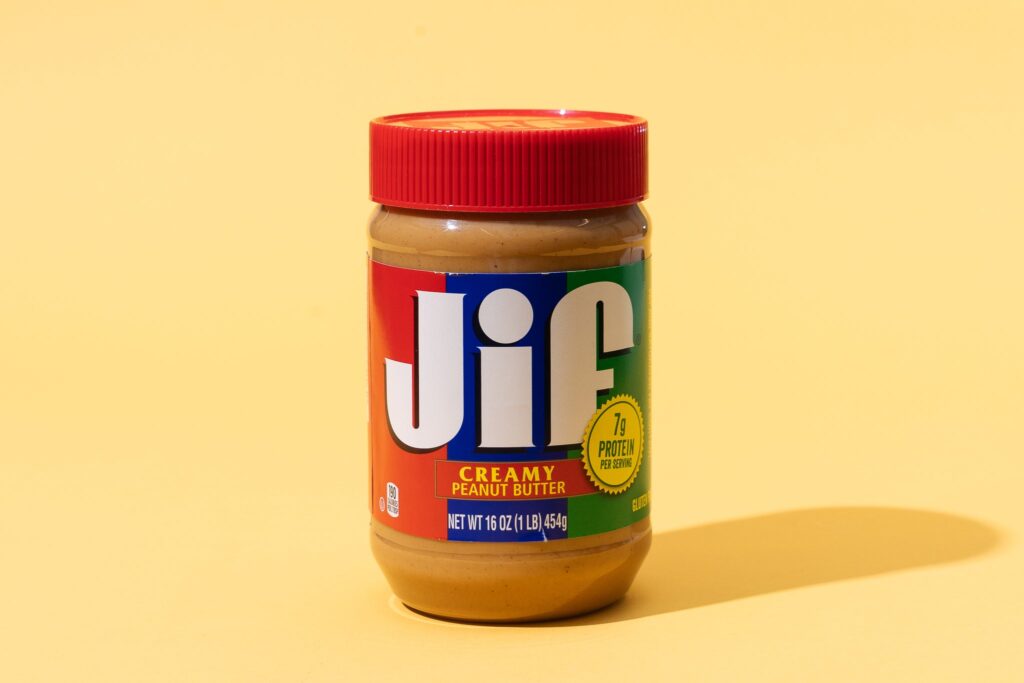
Many adults remember childhood lunches featuring a peanut butter brand they confidently call Jiffy. The name feels friendly and familiar, almost like it belonged on every supermarket shelf beside bread and jelly. Breakfast routines move quickly in busy households, so children rarely study jar labels carefully. Instead, they store the sound of what parents or siblings say while passing food across the table. Over time, repeated morning chatter fixes that spoken version firmly in memory and it begins to feel official.
Store records show the brand has always been Jif, never Jiffy. Crowded supermarket shelves often cause memory blending between similar sounding products. Hearing different brand names during shopping trips makes the mind smooth them into something easier to recall later. Advertising slogans reinforced the real name visually, yet spoken conversation often stretched it slightly. Years later, the invented version can feel just as authentic as any label from childhood. The realization usually brings a small laugh along with the awareness that memory preserves feelings more strongly than exact printed detail.
10. The Gold Robot With One Hidden Silver Leg
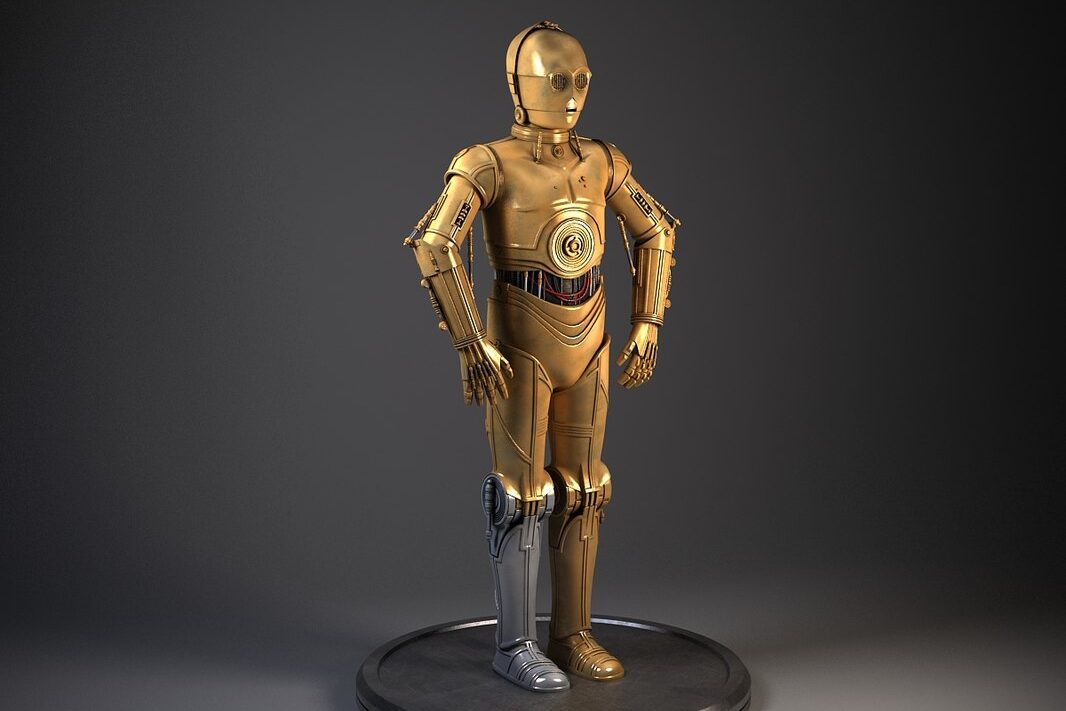
Most people picture the Star Wars droid C 3PO as completely gold from head to toe. Childhood toys, quick movie scenes, and poster art often reinforce that smooth golden image without inviting closer inspection. When characters move quickly across the screen, viewers tend to store a simplified color impression rather than every design detail. Since gold is the defining feature people associate with the character, the brain naturally keeps only that dominant trait. Over years of casual recall, the fully gold version becomes the one that feels correct whenever his name comes up in conversation.
Looking closely at the original film shows one of C 3PO’s lower legs is actually silver. Costume designers confirmed this detail in production photos, though lighting and camera angles made it easy to miss. Memory often compresses visual complexity into the clearest possible symbol, and a fully gold robot is easier to summarize mentally. Merchandise, drawings, and quick childhood recollections rarely emphasized the silver panel, which allowed the simpler version to spread widely. Discovering the detail later often brings a surprised second look, followed by the realization that the brain stored the idea of the character more than the exact costume.
11. Forrest Gump’s Chocolate Quote Shift
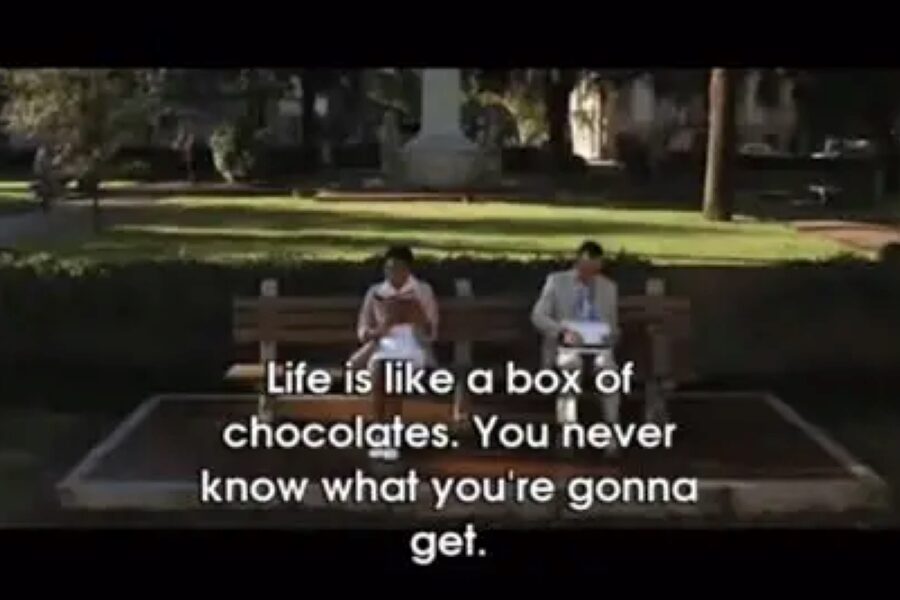
Many people love repeating the gentle wisdom Life is like a box of chocolates whenever talking about uncertainty or surprise. The sentence sounds timeless, almost like a proverb passed down through generations rather than a movie line. Because it fits so neatly into everyday advice, it spread through greeting cards, graduation speeches, and social captions. Once a quote begins living independently in conversation, most people remember the version they hear socially instead of the exact film wording. Over time, the familiar phrasing settles into memory as the authentic one.
Watching the actual Forrest Gump scene shows he really says Life was like a box of chocolates while reflecting on his past. Listeners often convert reflective statements into present tense so they sound more universally applicable. The change from was to is makes the line feel like permanent life advice rather than a personal memory. That small adjustment helped the sentence travel easily through everyday conversation. Hearing the original line later can feel slightly surprising, yet the meaning remains warm. It quietly reminds us that memory prefers the version that fits daily storytelling best.
12. Curious George And The Tail That Feels Missing
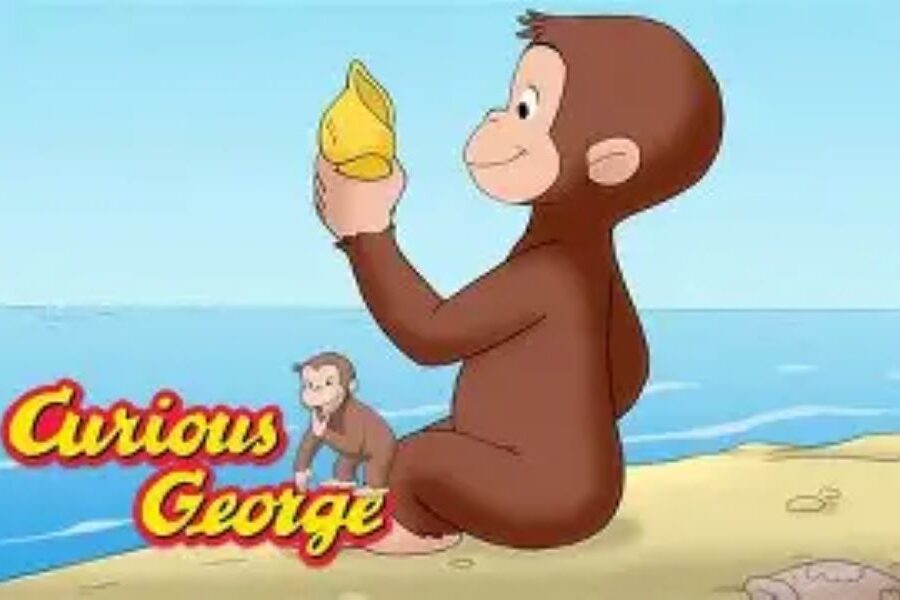
When many adults picture Curious George swinging through trees, they instinctively imagine a long monkey tail behind him. The image feels so natural that few people question it during childhood reading. Most cartoon monkeys in television shows and toys have visible tails, so the brain assumes the same rule applies here. Story time usually focuses on George’s playful troublemaking rather than his physical design, which leaves small visual details less firmly recorded. Over years of remembering the character in motion, the expected tail quietly becomes part of the mental picture.
Looking back at the original illustrations shows Curious George never had a tail at all. Children often rely on category expectations when picturing animals, especially when drawings are simple and stylized. Because the books emphasize human like gestures and expressions, the missing tail rarely draws attention while reading. Later, when someone points it out, the discovery can feel oddly disorienting. Many people immediately picture the old version again even after seeing proof. The moment highlights how memory fills gaps using familiar patterns instead of checking the original drawing stored long ago.


