
1. Baby Shark

You know how sometimes a random tune just walks into your head while you are brushing your teeth or sitting in traffic and refuses to leave. That is exactly how Baby Shark works on most people, and honestly the song barely tries to hide why. The words are tiny, the melody moves in the smallest possible steps, and every line repeats so quickly that your brain memorizes it before you even notice. When something sounds this simple, the mind stores it like a shortcut instead of a full song, which makes it easier to replay later without effort.
Another reason it lingers is the actions people naturally attach to it. Once your body has done the little hand motions or clapped along with kids singing it, the sound becomes linked with movement and memory together. That double connection makes the tune extra stubborn in the best and worst way. It does not feel like remembering music. It feels like your brain pressing play on a tiny automatic loop it already saved for easy access.
2. Happy
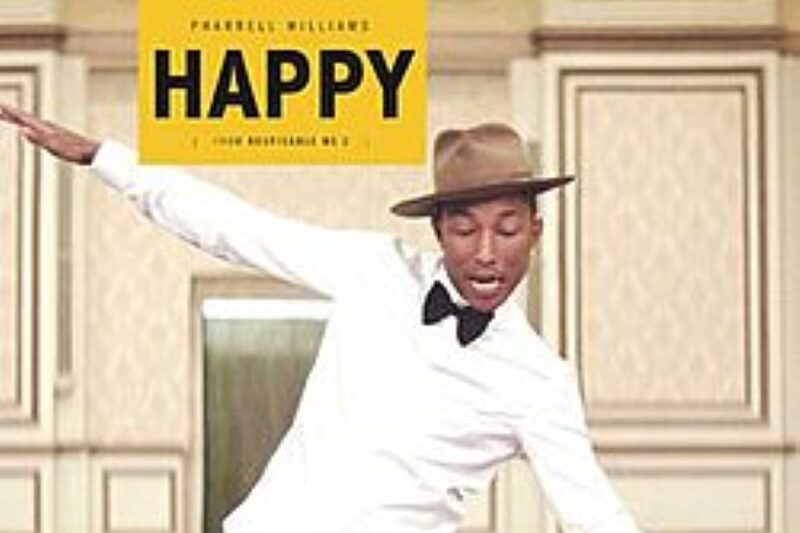
Happy by Pharrell Williams slips into your head in such a friendly, casual way that you almost do not notice it happening. The rhythm feels like walking down a sunny street and the lyrics use everyday language that sounds like someone chatting beside you. Because the word happy repeats again and again, the brain locks onto it as the emotional center of the song. When music carries a clear feeling with a steady beat, memory tends to treat it like a familiar mood rather than just sound. That makes it easier for the tune to come back when your energy lifts even slightly.
The chorus also arrives very early, which means your brain hears the main hook before it has time to wander off. Once that hook settles, the melody does not jump around wildly, so recalling it later takes almost no mental work. The mind likes patterns that feel comfortable and predictable. That gentle predictability is what makes this song feel like it casually walks back into your thoughts whenever the day feels light.
3. We Will Rock You
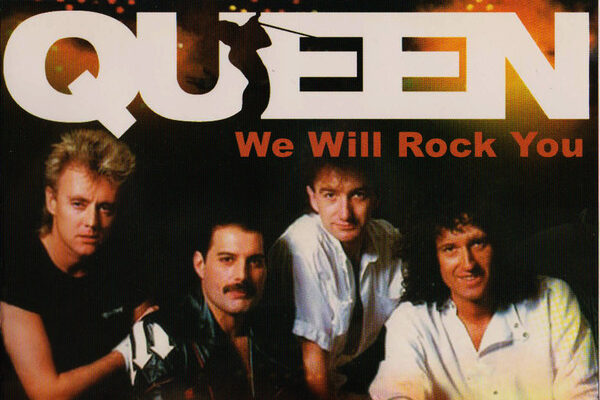
We Will Rock You does not behave like a normal song, and that is exactly why it sticks so strongly. Before the singing even begins, the stomp stomp clap rhythm already feels familiar, almost like something people knew long before hearing the track. Humans naturally remember group beats because rhythm has always helped people move together, chant together, and celebrate together. Once your brain catches that simple pattern, the rest of the song follows automatically. You do not even need the lyrics first. The beat alone is enough to trigger everything.
Because the rhythm is so stripped down, there is almost nothing for the mind to struggle with when recalling it later. Complex melodies sometimes fade, but a clean percussive pattern stays sharp. The moment your thoughts drift or you hear a similar beat somewhere, your memory pulls this one forward instantly. It feels less like remembering a performance and more like recalling a shared crowd moment your brain still thinks is happening.
4. Call Me Maybe

Call Me Maybe feels like overhearing a real life crush story set to music, and that conversational honesty is part of what makes it so sticky. The lyrics describe a simple situation almost everyone recognizes, seeing someone interesting and hoping they reach out. Because the story is so easy to picture, your brain quietly builds a little scene while listening. Once music connects with a mental picture, the memory tends to hold on longer. The chorus also lands quickly and repeats with almost the exact same phrasing each time, which lowers the effort needed to recall it later.
Another thing working in its favor is how smoothly the melody flows without sudden dramatic jumps. When tunes move in comfortable steps, the brain predicts the next note easily, and prediction strengthens memory. That is why you might catch yourself humming it while doing something completely unrelated. The song sounds less like a staged performance and more like a thought someone casually said out loud, which makes your mind treat it like everyday conversation worth replaying.
5. Ymca

YMCA has survived decades of parties, weddings, and stadium singalongs because it gives listeners something physical to do while the music plays. The moment people start forming the letters with their arms, the brain links sound with body movement, and that combination creates a stronger memory than listening alone. Once you have ever joined the motions, even once, the tune becomes stored alongside the feeling of lifting your hands and laughing with other people. Later, remembering the movement alone can bring the chorus rushing back.
The melody itself is also very direct and bright, with clear pauses that almost invite the crowd to jump in. Songs that leave room for participation tend to stick longer because listeners mentally rehearse the lines even when they stay silent. Your brain treats those silent rehearsals as practice. That is why YMCA does not feel like a song you heard once. It feels like a shared event your mind still keeps ready for the next celebration.
6. Shake It Off

Shake It Off works like a motivational pep talk disguised as a pop song, and that emotional simplicity helps it stay in memory. The lyrics revolve around one clear message repeated in slightly different ways, which gives the brain a strong central idea to anchor onto. When songs repeat a positive instruction in plain speech, listeners often internalize the phrase almost like advice. Later, during a stressful or awkward moment, the brain naturally retrieves the same line because it fits the situation emotionally.
The rhythm also has a playful bounce that matches natural walking tempo, which quietly encourages the body to move along. Once music syncs with your physical rhythm, the mind remembers it more easily because it links the sound with motion. The melody never becomes overly complicated, so recalling it feels effortless. Instead of sounding like something distant, the track feels like a friendly voice reminding you not to take things too seriously, which makes it return often.
7. Dancing Queen
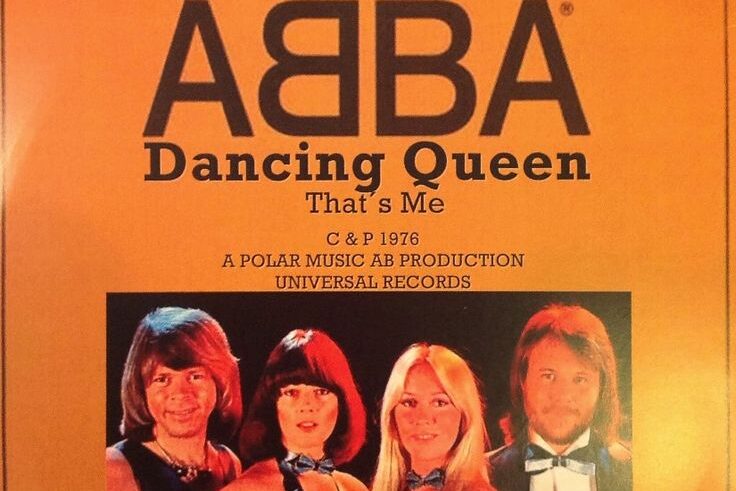
Dancing Queen tends to reappear in people’s minds because it captures a very specific feeling of youthful freedom that listeners can instantly imagine. Even people who never lived through the disco era can picture bright lights, crowded dance floors, and that one magical night energy the song describes. When music paints such a clear emotional scene, the brain stores both the image and the melody together. Later, recalling the feeling alone can pull the tune back into awareness.
The structure of the chorus also rises smoothly toward the title phrase, creating a satisfying musical lift that feels emotionally complete every time. That sense of arrival makes the brain want to revisit the moment again because it delivers a reliable emotional payoff. Since the melody moves in graceful, predictable steps, humming it later feels natural and comfortable. It becomes less like recalling an old track and more like reopening a small glowing memory.
8. Let It Go

Let It Go became unforgettable partly because many people first heard it during a powerful movie scene, not just on the radio. When a song is tied to a dramatic visual transformation, the brain stores it alongside the character’s emotional journey. That layered memory makes the tune easier to recall later because remembering the scene automatically recalls the music. The chorus also uses very clear, open vowel sounds that are easy to sing loudly, which encourages people to join in.
Once someone has ever sung the main line at full volume, the experience becomes personal rather than passive listening. Singing activates more memory pathways than hearing alone, so the song settles deeper into recall. Later, even a random reminder of the movie or a similar emotional moment can bring the melody back instantly. It feels less like background entertainment and more like a personal soundtrack moment your brain keeps ready.
9. Sweet Caroline
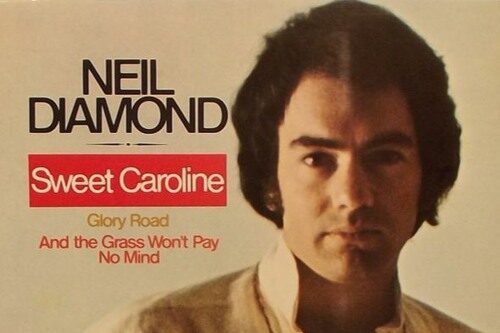
Sweet Caroline sticks because it invites the audience into the performance in a way few songs do. The famous response lines people shout during the chorus turn listeners into participants, and participation strengthens memory far more than passive hearing. Even if you first learned it at a sports event or party, your brain treats that shared shouting moment as rehearsal. Once a song becomes tied to communal singing, recalling it later feels automatic.
The melody also moves in a warm, steady arc that feels comfortable for almost anyone to hum without strain. Tunes that sit in an easy vocal range tend to replay more often because the brain knows it can reproduce them without effort. Over time, the song stops feeling like something belonging to the artist and starts feeling like something belonging to everyone. That shared ownership is exactly what keeps it quietly returning.
10. Rolling In The Deep

Rolling In The Deep grips memory because the opening rhythm arrives strong and confident, giving the brain a clear sonic identity from the very first seconds. Distinct openings help listeners tag a song quickly, which makes it easier to retrieve later from memory. The lyrics also carry intense emotional clarity, focusing on betrayal and strength in language that feels direct and relatable. When music carries strong emotional certainty, the brain flags it as meaningful rather than disposable.
The chorus then expands with powerful phrasing that feels satisfying to anticipate, and anticipation strengthens recall because the mind enjoys predicting what comes next. Once you have mentally predicted that chorus a few times, the pattern becomes deeply familiar. Later, even hearing a similar drum beat or vocal tone somewhere can quietly trigger the whole track inside your thoughts. The song returns not loudly, but confidently.
11. Uptown Funk

Uptown Funk lingers because it borrows the groove style of classic dance tracks that were already built around tight rhythmic repetition. The bass, horns, and vocal phrasing all lock into a steady pocket that feels almost physical when you hear it. Music that emphasizes groove over complex melody tends to stay in the body as much as in the ears. Once your foot tapped along even slightly, the rhythm stored itself alongside that movement.
The lyrics also use playful spoken style lines that feel more like conversation than poetry, which makes them easier to remember naturally. Because the phrases are short and punchy, recalling one line often pulls the next one along automatically. Over time the track becomes less like a performance you listened to once and more like a familiar party atmosphere your brain remembers being inside. That atmosphere is what keeps replaying.
12. I Wanna Dance With Somebody

I Wanna Dance With Somebody stays memorable because it blends upbeat tempo with a slightly vulnerable emotional message about wanting connection. That mix of excitement and longing gives the brain two emotional hooks instead of one. When music holds both joy and gentle need, listeners tend to revisit it mentally because the feeling feels human and layered. The chorus also lands on a bright, easily stretched phrase that almost demands to be sung aloud.
Once people have ever sung that chorus in a car, at a party, or alone at home, the experience becomes personal rehearsal. Singing strengthens recall dramatically, so the melody settles deeper each time. Later, even a passing thought about friendship, dancing, or old celebrations can quietly bring the tune back. It does not feel forced when it returns. It feels like your mind remembering a moment when music and emotion felt perfectly matched.
13. Don’t Stop Believin
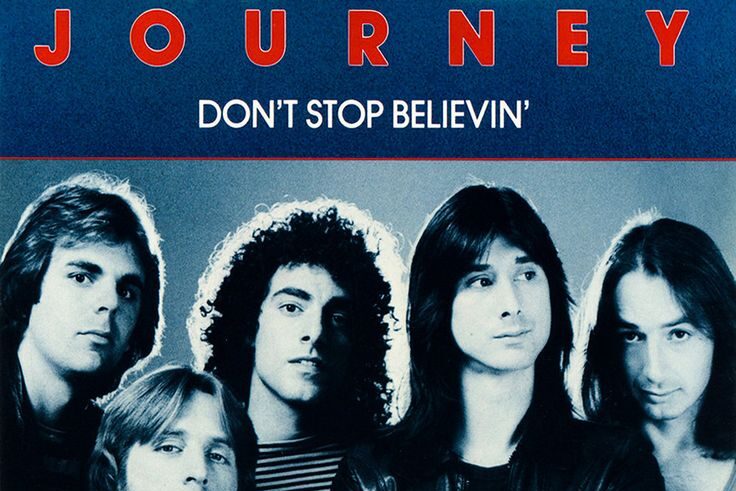
Don’t Stop Believin feels like a song people already know before the chorus even arrives, and that familiarity is a big part of why it keeps replaying in the mind. The opening piano line is simple and steady, almost like footsteps, which makes the brain settle into the rhythm without effort. Then the lyrics start telling a small life story about ordinary people hoping for something better, and that kind of everyday narrative is easy for listeners to picture. When the brain forms images while hearing music, it tends to store the melody along with the imagined scene.
By the time the chorus finally explodes, most listeners have already emotionally leaned into the journey, which makes the payoff feel satisfying and memorable. Songs that delay their biggest moment often stick longer because the brain enjoys anticipating that release again later. Even remembering the feeling of waiting for that chorus can trigger the whole track internally. It becomes less about nostalgia and more about the brain replaying a familiar emotional climb it already knows by heart.
14. Somebody That I Used To Know

Somebody That I Used To Know stays in memory because its opening is unusually quiet and intimate, almost like someone speaking privately rather than performing. That soft start makes listeners lean in mentally, and when attention sharpens early, memory tends to record the moment more clearly. The lyrics also unfold like a personal conversation about a broken relationship, which invites the brain to follow the emotional timeline step by step. When music feels like storytelling instead of decoration, people tend to replay it internally while reflecting on similar experiences.
The chorus then shifts into a sharper rhythmic phrase that repeats the title in a clipped, distinctive pattern, which gives the brain a clean anchor point. Anchors help memory retrieve songs quickly later because one remembered phrase pulls the rest along behind it. Even hearing someone mention an old relationship can quietly activate that stored musical pattern. The song returns not because it is loud, but because it feels like a remembered conversation your mind recognizes instantly.
15. Firework

Firework tends to linger because it builds from a gentle reflective opening into a soaring chorus that feels emotionally encouraging. That gradual lift mirrors the structure of motivational speeches, where quiet doubt transforms into confident reassurance. When music follows a psychological rise like that, the brain stores the emotional transition as part of the memory, not just the notes themselves. Later, moments of self reflection or small victories can reactivate the same internal soundtrack because the emotional path feels relevant again.
The chorus also stretches the main word across long open notes, which makes it extremely comfortable for people to sing at full volume. Once someone has sung those lines loudly even once, the physical act strengthens recall dramatically. The brain remembers not only hearing the message but expressing it. That personal expression helps the melody settle deeper and return easily. The song feels less like something you listened to once and more like a feeling your mind keeps saved.
16. Livin On A Prayer
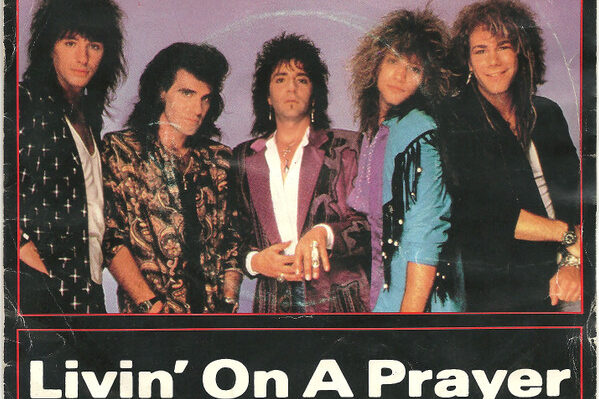
Livin On A Prayer holds attention because it tells a clear working class story that unfolds almost like a short film in musical form. Listeners quickly picture the characters, their struggles, and their hopes, which gives the brain concrete images to attach to the melody. When songs attach themselves to characters instead of abstract ideas, recall becomes easier because remembering the story automatically recalls the music. The steady drumbeat underneath also mimics a determined walking pace, reinforcing that narrative sense of pushing forward.
When the famous chorus finally arrives, the melody jumps into a powerful communal shout that feels designed for group singing. Collective singalong moments strengthen memory because listeners mentally rehearse the lines even if they stay silent. Once the brain has rehearsed something several times, it treats it as familiar territory. Later, even hearing someone mention holding on or pushing through hard times can quietly bring the entire chorus rushing back into awareness.
17. Old Town Road

Old Town Road became unusually sticky because it blends two familiar musical styles into one extremely minimal structure. The beat is steady and repetitive, almost hypnotic, while the lyrics use short conversational phrases that sound closer to casual speech than traditional singing. When language feels conversational, the brain processes it faster and stores it with less effort. That efficiency makes recalling the lines later feel almost automatic, like remembering something someone said earlier in the day.
Another reason it loops easily is its short runtime and fast arrival at the chorus, meaning listeners hear the hook repeatedly within a very small window. Repeated hooks in tight timeframes strengthen memory quickly because the brain gets multiple rehearsals before attention drifts. Later, even a passing thought about horses, roads, or western imagery can pull the rhythm back instantly. The track feels less like a long song and more like a compact rhythmic idea the brain keeps handy.
18. Poker Face

Poker Face sticks because it combines a cool, almost mechanical beat with a vocal melody that repeats tight rhythmic syllables in quick succession. That clipped phrasing gives the brain clear sound chunks that are easy to store and replay. When music divides words into neat rhythmic packets, recall becomes simpler because the brain retrieves the packets instead of reconstructing a long flowing line. The electronic pulse underneath also stays extremely consistent, which removes unpredictability and makes the pattern feel stable.
Stability helps memory because the mind prefers structures it can predict without strain. Once the chorus lands, the repeated title phrase becomes the central hook, and repetition strengthens that anchor each time it returns. Later, hearing similar electronic beats or even seeing the phrase written somewhere can quietly trigger the stored rhythm. The song reappears not dramatically, but efficiently, because your brain already filed it under easily retrievable patterns.
19. All Star
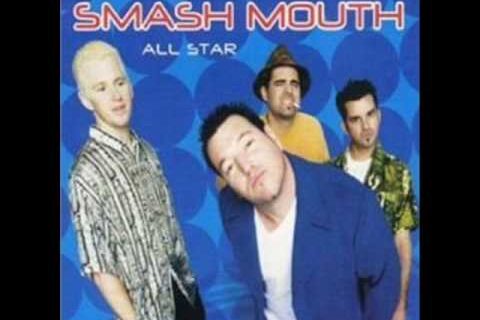
All Star remains surprisingly persistent because its opening spoken style line feels like someone casually addressing the listener directly. That conversational entry lowers the mental distance between performer and audience, making the brain treat the words almost like dialogue instead of lyrics. Once the rhythm kicks in, the melody stays within a comfortable vocal range and follows a smooth predictable path, which means recalling it later requires almost no effort.
The chorus also uses clear motivational phrasing that feels broadly applicable to everyday situations, so the brain finds many chances to reuse it internally. Songs that fit multiple life moments tend to replay more often because the mind keeps finding excuses to bring them back. Over time, the track stops feeling tied to a single memory and becomes a general background anthem the brain keeps ready whenever energy needs a small lift.
20. Hey Ya

Hey Ya feels playful from the very first seconds, and that playful unpredictability actually helps it stick longer in memory. The rhythm shifts just enough to keep attention alert while still staying danceable, which creates a balance between surprise and familiarity. When music surprises slightly without becoming confusing, the brain tends to mark it as interesting and worth storing. The lyrics also use short energetic phrases that feel almost like spontaneous speech, which makes them easy to repeat internally.
The famous line encouraging listeners not to overthink happiness acts almost like a spoken reminder, and lines that feel like advice often replay because the brain treats them as useful. Once people have clapped or moved along to the beat, the physical involvement strengthens recall even more. Later, a random upbeat moment can quietly bring the chorus back, not as a performance, but as a remembered burst of carefree energy.
21. Bad Guy

Bad Guy lingers because it uses a very sparse musical arrangement, which leaves plenty of empty space around the vocal rhythm. That emptiness actually helps the brain focus more sharply on the distinctive phrasing, making each line stand out clearly. When fewer sounds compete for attention, the primary pattern becomes easier to store and retrieve. The whispered delivery style also feels unusually close and personal, which naturally draws stronger listener focus during the first exposure.
The bass line underneath repeats with almost mechanical consistency, giving the mind a solid rhythmic spine to remember. Once the chorus lands with its darker tonal shift, the contrast between sections becomes memorable because the brain likes clear structural differences. Later, even hearing a similar bass pulse somewhere can quietly activate the stored pattern. The track returns not loudly, but with the same calm confidence it had the first time.
22. Can’t Stop The Feeling

Can’t Stop The Feeling stays with listeners because it mirrors the natural rhythm of walking, clapping, and casual dancing, which makes it feel physically intuitive. When a beat matches everyday body movement, the brain links the sound with muscle memory almost instantly. That connection makes recalling the tune later feel natural, as if the body remembers it first. The lyrics also focus on a simple shared experience of enjoying music itself, which makes the message universally relatable.
Because the chorus lands early and repeats with almost identical structure each time, the brain quickly identifies it as the core pattern worth saving. Once stored, that pattern becomes easy to retrieve whenever mood lifts or background music starts somewhere nearby. The song feels less like a complex composition and more like a friendly reminder of what dancing in the kitchen or smiling at nothing feels like.
23. Seven Nation Army
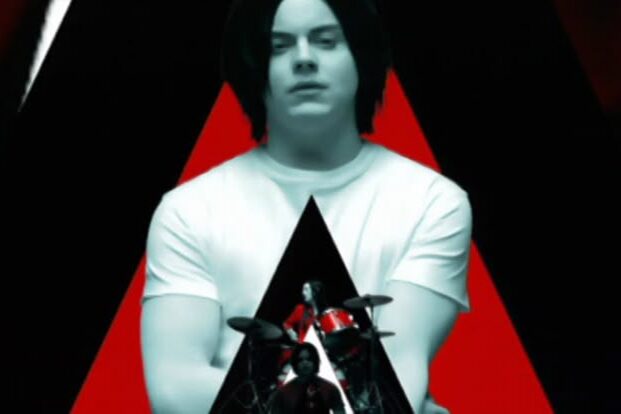
Seven Nation Army sticks largely because of its instantly recognizable guitar riff, which acts like a musical fingerprint. Distinct instrumental signatures help memory because the brain can identify them within seconds without needing lyrics at all. Once that riff has been heard a few times, recalling just the first few notes mentally can trigger the entire sequence automatically. The slow marching tempo also gives the pattern a steady grounded feel that the mind tracks easily.
Crowds around the world have turned that riff into a chant, and collective chanting strengthens recall dramatically because repetition happens in large emotional settings. Once someone has ever shouted that melody in a stadium or with friends, the memory becomes tied to excitement and shared energy. Later, the smallest reminder of that rhythm can quietly bring it back, almost like hearing the echo of a crowd your brain still remembers.
24. Despacito

Despacito became one of those songs people heard everywhere, and that constant exposure played a huge role in how firmly it sticks in memory. The rhythm moves at a smooth, steady pace that feels almost like relaxed walking, which makes the beat easy for the brain to follow without effort. Even listeners who did not fully understand the lyrics could latch onto the repeating title phrase and the flowing vocal melody. When the brain can grab onto a small familiar sound inside a longer song, it often uses that piece as a shortcut for recalling the entire track later.
The chorus also returns frequently with nearly the same musical structure each time, which quietly trains the listener through repetition without feeling forced. Once someone has heard the hook several times in shops, cars, or parties, the pattern settles into long term recall almost automatically. Later, even a similar rhythm or guitar tone can trigger the memory instantly. The song does not feel like it barges back in. It feels like it was already waiting there.
25. Bohemian Rhapsody
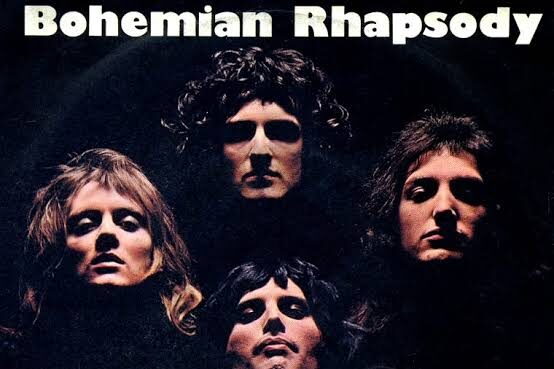
Bohemian Rhapsody keeps resurfacing because it feels less like one song and more like several emotional chapters stitched together into a single journey. The shifting sections create distinct memorable moments, from the quiet piano opening to the dramatic operatic middle and the heavy closing release. When music divides itself into clear emotional scenes, the brain stores each scene separately, which gives multiple entry points for recall later. Remembering any one section can pull the rest behind it.
Over years of radio play, movie scenes, and group singalongs, many listeners have experienced at least one part of it personally, whether softly humming the opening or loudly joining the famous middle section with friends. Those layered personal encounters help the melody stay alive in memory long term. In the end, songs that travel through many moods often travel with us too, quietly waiting in the background until the mind presses play again.


