
1. Judy Garland
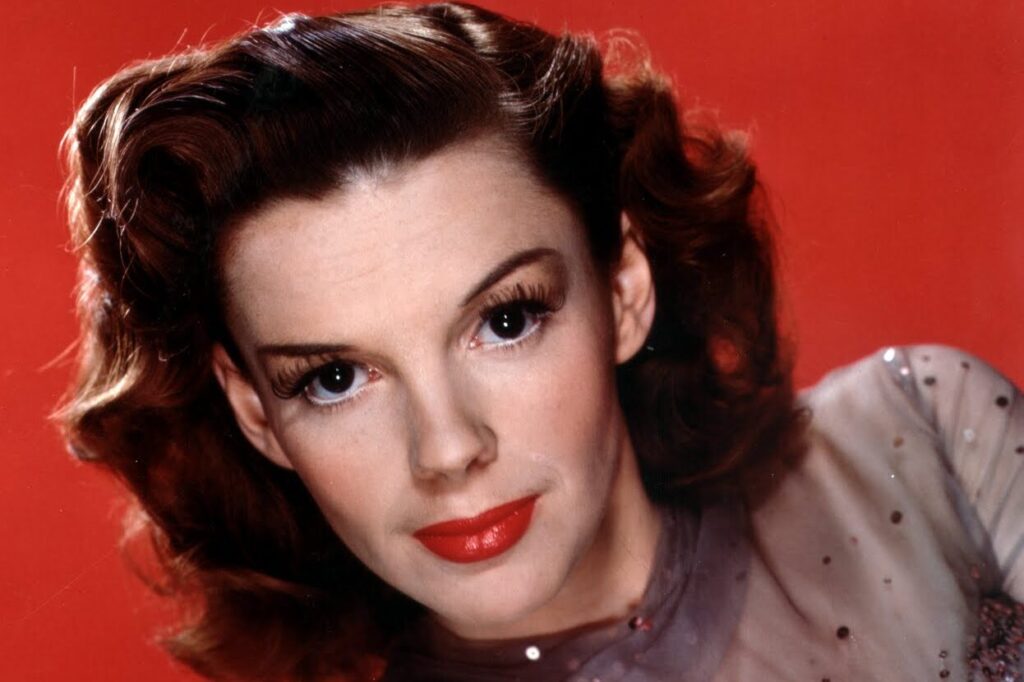
People talk about Old Hollywood like it was all sparkle and perfect premieres, but for many young actors survival meant learning early how to function inside a system that never really slowed down. Judy Garland entered the studio world as a teenager with a voice that stunned audiences, yet her daily life quickly became structured around filming schedules, rehearsals, publicity calls, and strict expectations about appearance and energy. Executives monitored routines closely because productions ran on tight timelines, and Garland understood fast that professionalism meant always being ready, smiling, and emotionally available whenever cameras turned toward her.
That constant pressure shaped her work habits for the rest of her career. Co workers often remembered her warmth between takes, her humor during long rehearsals, and the way she still delivered emotionally open performances even when visibly tired. Garland believed audiences deserved sincerity, so she protected that connection fiercely. Looking back now, her experience feels like the first clear example of how the studio era rewarded endurance above comfort. She survived by showing up prepared every day, holding onto her kindness, and giving audiences the heartfelt performances that kept her unforgettable across generations.
2. Rock Hudson
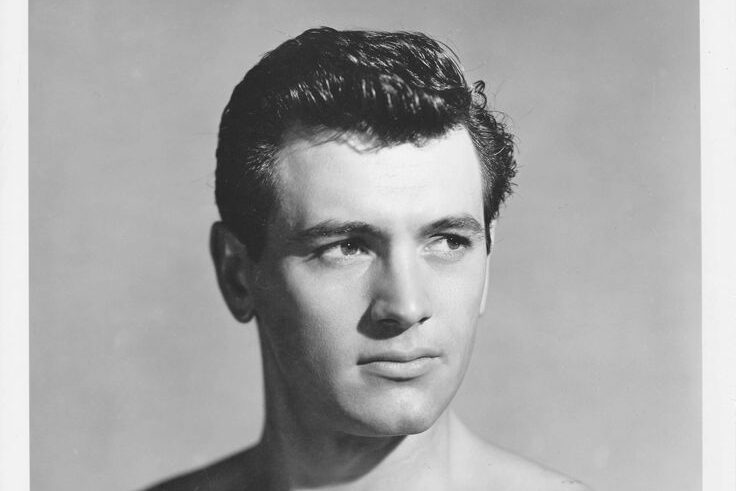
Watching Rock Hudson on screen always felt reassuring because he projected calm strength and easy charm without seeming to work for it. Studios valued that steady presence, and audiences trusted the dependable romantic warmth he brought to every major role. Off camera however, Hudson understood that protecting his personal life required constant caution in social settings, interviews, and public appearances. Hollywood expected leading men to match a narrow public image, so Hudson focused on maintaining professionalism, arriving fully prepared, treating crews respectfully, and making sure his reputation for reliability stayed stronger than any outside speculation.
Friends later described him as genuinely kind in small trusted circles, though always measured in public conversation. That balance helped him sustain a long career across film and later television without major professional interruptions. What stands out today is not secrecy alone but the patience required to maintain stability year after year while working under intense public attention. Hudson seemed to understand an unspoken truth shared by many performers of his generation. Sometimes survival in the industry did not mean loud rebellion. Sometimes it simply meant protecting your privacy, doing excellent work, and letting consistency quietly secure your place.
3. Rita Hayworth
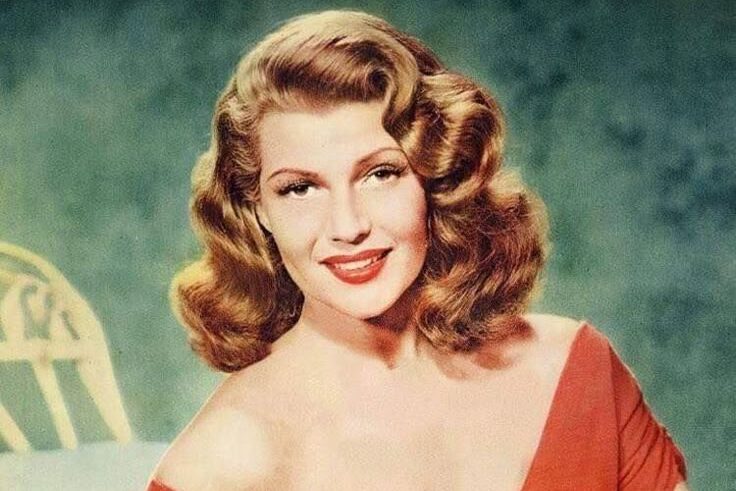
When Rita Hayworth appeared on screen, everything about her presence seemed natural and confident, from her posture to the slow expressive smile audiences instantly recognized. Behind that glamour was a deliberate studio transformation that began once executives believed she could become an international star. Born Margarita Cansino, she watched the industry reshape her professional identity through a new name, adjusted styling, and carefully selected film roles designed to maximize global appeal. Hayworth accepted these changes largely because steady work meant financial stability and long term security for her family during an era when careers could disappear suddenly.
Away from premieres she preferred simple routines, relaxed conversation, and quiet evenings with people she trusted. Colleagues frequently said she remained polite, punctual, and cooperative on demanding sets even when publicity schedules felt exhausting. That difference between public glamour and private calm never completely faded, yet she navigated it with steady professionalism throughout her career. Her story reminds us that many performers survived the studio era not through dramatic confrontation but through practical balance. She allowed the public to see the star they expected while carefully protecting the ordinary personal life that kept her grounded.
4. Montgomery Clift
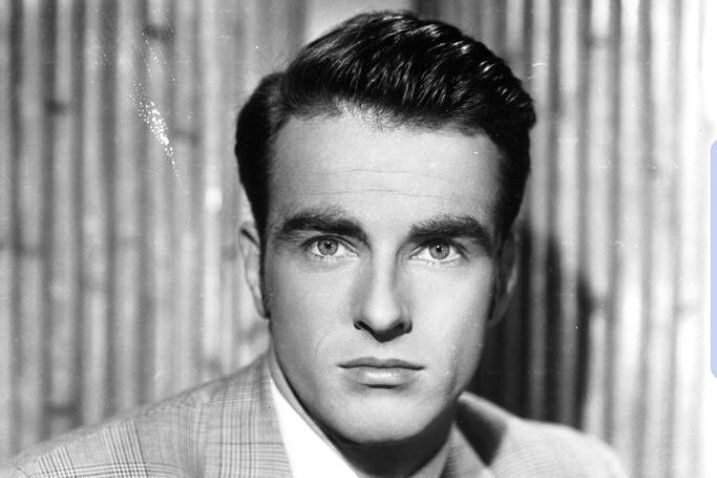
Montgomery Clift developed a reputation for deeply emotional performances that felt unusually intimate compared with the polished acting style common during the early studio years. Directors valued his sensitivity and commitment, though that same dedication meant he pushed himself extremely hard to reach emotional truth in every role. After his serious car accident in the mid nineteen fifties, continuing his career required far more physical endurance than audiences realized. Recovery involved surgeries, ongoing discomfort, and long adjustment periods, yet Clift chose to return to demanding productions because the craft itself mattered more to him than maintaining a flawless public image.
People who worked with him often recalled how carefully he studied scripts and motivations, sometimes sitting quietly between takes reviewing dialogue while conserving strength. His determination produced performances that remained powerful even during physically exhausting shoots. What resonates most today is the simplicity of his motivation. He did not continue because the industry was easy or forgiving. He continued because acting gave structure and purpose to his life. That quiet devotion helped him navigate personal hardship while still delivering memorable performances that continue to move audiences decades later.
5. Marilyn Monroe
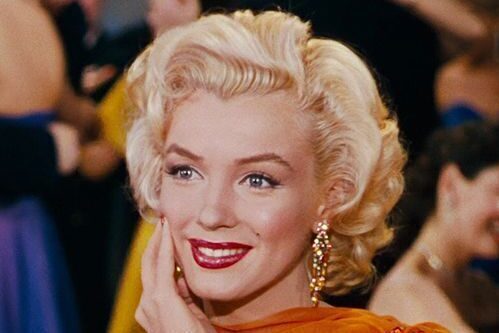
At first glance Marilyn Monroe seemed like the perfect example of effortless Hollywood success, yet her climb toward genuine professional control developed slowly through persistent learning and careful career choices. Early studio contracts limited both her salary and the range of roles offered, often placing her in predictable parts built mainly around image rather than emotional complexity. Instead of accepting that ceiling permanently, Monroe began studying acting seriously, reading scripts with growing confidence, and observing directors closely so she could understand how production decisions shaped the final performance seen by audiences.
Those private efforts gradually strengthened her ability to negotiate better opportunities that reflected her real skills. Eventually she formed her own production company, signaling clearly that she intended to shape her career rather than simply follow assignments. Colleagues frequently noted her preparation and thoughtful character discussions during filming. Behind the glamour she was essentially doing what professionals everywhere do when seeking stability. She kept improving her knowledge so respect would follow naturally. Her persistence shows that survival in classic Hollywood often meant quietly building leverage until the industry finally recognized the seriousness you always carried.
6. Bette Davis

Bette Davis built her reputation on intensity and intelligence, yet early success quickly showed her how tightly studio contracts controlled salaries, roles, and creative direction. Prestigious performances did not automatically bring professional freedom, and Davis grew increasingly frustrated watching decisions about her career handled almost entirely by executives. Rather than quietly accept those limits, she challenged the structure legally when she believed certain assignments blocked her artistic growth. The case involved real financial risk and uncertain public reaction, yet Davis felt the principle mattered enough to test the system openly.
Although the legal outcome was complicated, the challenge itself changed how many actors viewed their own bargaining power. Returning to work, Davis focused on complex characters that showcased emotional depth and maturity. Directors valued her preparation and willingness to explore difficult material others avoided. Over time that persistence strengthened her negotiating position and industry respect. Her experience shows that survival sometimes required confronting authority even when victory was not guaranteed. By refusing to remain silent about restrictive contracts, Davis helped open conversations that slowly expanded professional independence for the performers who followed.
7. Charlie Chaplin
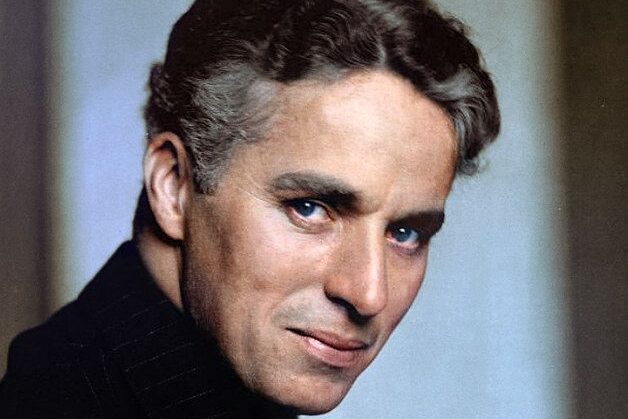
Charlie Chaplin created one of cinema’s most beloved screen figures, the gentle wandering Tramp whose humor connected with audiences across the world. As his fame expanded, public attention toward his personal life also intensified, often mixing private relationships, political opinions, and citizenship questions into constant headlines. Studios and distributors worried about audience reactions, meaning every new project carried extra reputational pressure beyond the creative work itself. Chaplin understood that maintaining independence required not only artistic focus but also careful navigation of how his personal choices might influence business partnerships.
Despite the scrutiny, he continued writing, directing, composing music, and performing with remarkable control over his productions. Crew members often described his sets as demanding yet intensely creative spaces where every visual detail mattered. That discipline allowed him to keep producing films that audiences embraced regardless of surrounding controversy. His career highlights a challenge still familiar today. Public figures rarely control how loudly the outside world discusses their lives, yet consistent creative dedication can keep attention anchored to the work. Chaplin survived by returning again and again to storytelling, the one area fully within his command.
8. Vivien Leigh

Vivien Leigh brought sharp intelligence and emotional precision to her performances, creating characters that felt fully lived rather than simply performed. Behind that control, Leigh struggled with serious health challenges that medicine at the time did not fully understand or manage effectively. Periods of intense creative energy sometimes shifted into exhaustion and instability, making long filming schedules especially demanding. Instead of abandoning her career, Leigh relied heavily on structured rehearsal, detailed preparation, and trusted collaborators who could help maintain stability throughout complicated productions.
Fellow actors frequently noted that once cameras began rolling, she delivered scenes with remarkable clarity and timing regardless of earlier fatigue. That professional discipline allowed her to sustain a major international career across film and theatre for many years. Her experience reflects how numerous performers carried invisible personal burdens while still meeting the relentless expectations of global publicity and production deadlines. Leigh survived not by pretending everything was easy, but by understanding her limits and building supportive working relationships. That combination of honesty, preparation, and persistence helped her continue doing the work she genuinely loved.
9. Errol Flynn
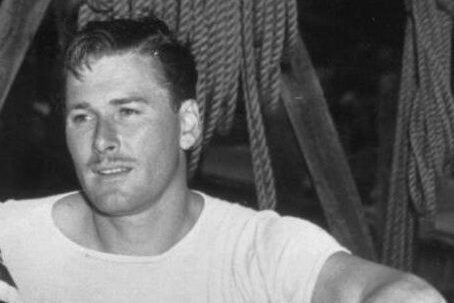
Errol Flynn’s adventurous film roles blended so naturally with his public personality that audiences often assumed the swashbuckling confidence represented everyday reality. Off screen, growing controversy and tabloid attention created ongoing uncertainty for studios responsible for financing expensive productions. Insurance conditions, travel arrangements, and shooting schedules sometimes required extra negotiation because executives worried about reliability. Flynn understood those concerns and responded by committing fully to performances whenever filming actually began, determined to prove his value once the cameras were running.
Directors frequently admitted that his athletic skill, natural charisma, and instinctive pacing still made action sequences feel thrilling and effortless. That audience appeal kept him in demand even when headlines complicated planning behind the scenes. His career demonstrates a familiar entertainment industry truth. Talent alone rarely guarantees stability, yet consistent audience connection can create repeated opportunities for redemption. Flynn survived not by completely escaping his reputation but by repeatedly showing that when production truly depended on him, he could still deliver the cinematic excitement viewers expected each time they bought a ticket.
10. Joan Crawford

Joan Crawford approached her profession with a seriousness that often resembled executive level management rather than simple performance preparation. Rising from a difficult early life, she believed stability required constant effort rather than relying on past success. When studio tastes began shifting toward new faces and styles, Crawford actively searched for stronger scripts, adjusted publicity strategies, and reshaped her screen image to match changing audience expectations. That willingness to adapt kept her visible through multiple industry transitions that quietly ended many other careers of the same generation.
Crew members frequently remembered how carefully she rehearsed camera positions, emotional pacing, and dialogue delivery long before filming started. Such preparation meant directors could depend on her efficiency even under tight production deadlines. Over decades that reliability transformed her into one of Hollywood’s most enduring leading women. Crawford’s story mirrors a lesson recognized far beyond the film industry. Long careers rarely come from talent alone. They grow from discipline, adaptability, and the determination to treat every new project as something that still must be earned through consistent professional focus.
11. Clark Gable
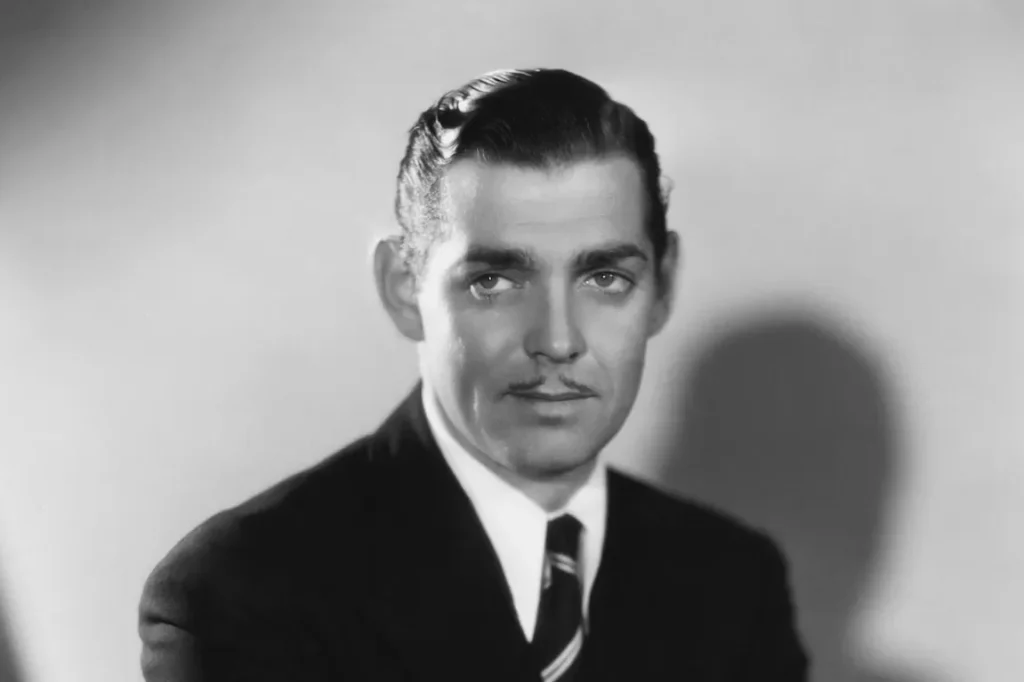
Clark Gable carried the kind of screen presence that studios depended on when they needed instant audience trust. His confident voice, relaxed posture, and steady charm made him the natural choice for heroic or romantic leads, yet that dependable image also created pressure to remain consistently strong in public. Gable understood that any visible uncertainty could affect casting decisions, so he developed a reputation for professionalism, punctuality, and calm focus during long productions that often demanded exhausting travel and promotional appearances across multiple cities.
Privately he valued simple routines, outdoor breaks, and small circles of trusted friends who treated him like an ordinary colleague rather than a legend. Crew members often remembered how approachable he remained between scenes, preferring practical conversation over theatrical behavior. That grounded attitude helped him maintain stability through years when public expectations for leading men grew increasingly demanding. His survival strategy was not dramatic reinvention but steady reliability. By showing up prepared, staying respectful, and keeping his personal worries out of the spotlight, Gable preserved both his career longevity and the audience confidence that kept studios calling.
12. Katharine Hepburn
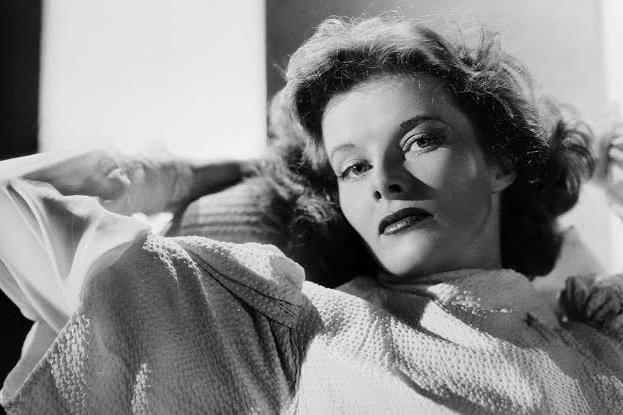
Katharine Hepburn never comfortably fit the studio mold, and early in her career that independence nearly cost her everything. She spoke directly in interviews, preferred practical clothing off screen, and resisted publicity instructions that felt artificial. When several films underperformed, industry insiders labeled her difficult and even suggested audiences had lost interest. Instead of reshaping her personality to match expectations, Hepburn stepped away temporarily and focused on stage work where she could rebuild confidence and reconnect with material that felt intellectually engaging and emotionally honest.
That reset proved decisive. Returning to film with carefully chosen roles, she leaned fully into the intelligent, strong willed characters that matched her natural voice. Directors soon realized that authenticity, rather than forced glamour, was exactly what made her compelling. Over time her once risky independence became her defining strength, earning respect across decades of performances. Hepburn’s story shows that survival sometimes meant trusting your instincts even when industry opinion turned uncertain. By protecting her identity rather than softening it, she ultimately built one of the longest and most admired careers Hollywood ever recorded.
13. Laurence Olivier
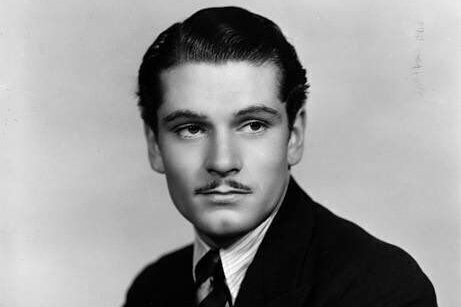
Laurence Olivier approached acting with an almost scholarly intensity, studying accents, posture, and emotional rhythm until every movement matched his vision of the character. That commitment produced extraordinary performances, yet it also created enormous private pressure because he constantly feared falling short of his own standards. Long rehearsal hours, detailed script notes, and repeated scene adjustments became routine as he searched for the precise tone he believed audiences deserved. Colleagues respected the dedication but also noticed how rarely he allowed himself to relax once production began.
Behind the commanding stage and film presence was someone quietly managing the exhausting mental load of maintaining excellence across theatre tours, film shoots, and directing responsibilities. Friends later described how he relied on structured preparation to keep anxiety manageable and maintain confidence during demanding schedules. His survival did not come from effortless talent alone but from disciplined routine and relentless study. Olivier’s experience reflects a truth familiar to many high achievers. Sometimes the greatest challenge is not reaching success but sustaining it, and that often requires a private work ethic far stronger than the public ever sees.
14. Greta Garbo
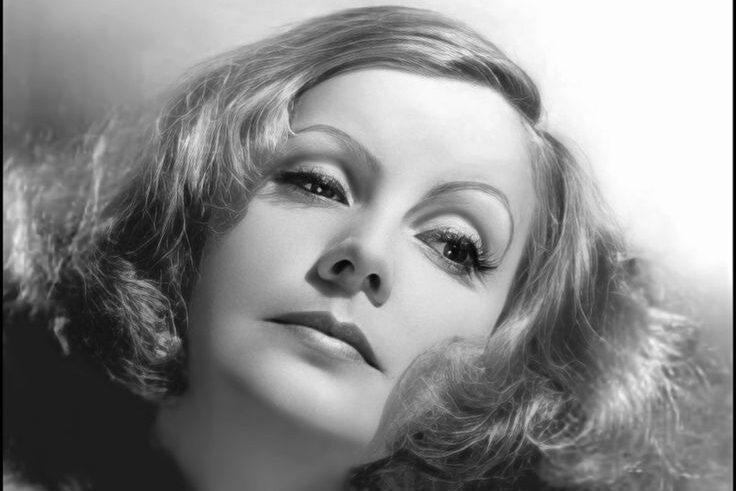
Greta Garbo fascinated audiences partly because she seemed to reveal so little beyond the characters she portrayed. While studios typically encouraged constant publicity appearances, Garbo resisted that expectation, choosing instead to keep her personal life firmly separate from promotional events. Executives initially worried that limited exposure might weaken audience connection, yet her mysterious distance ultimately strengthened public curiosity and reinforced the quiet emotional intensity that defined her screen performances. She believed the work itself should remain the central focus rather than daily details of her private routines.
Away from filming she preferred long walks, small dinners, and extended periods of solitude that allowed her to reset emotionally between demanding roles. Associates often described her as thoughtful, observant, and far more relaxed in private conversation than her guarded public image suggested. By carefully controlling how much of herself the world could access, Garbo created a protective boundary that preserved both her mental stability and professional aura. Her approach shows that survival in Hollywood did not always mean constant visibility. Sometimes it meant knowing exactly when to step back and let silence protect your peace.
15. James Cagney

James Cagney’s explosive energy made his early gangster roles unforgettable, yet that same success quickly risked trapping him in a single character mold. Studios preferred repeating profitable formulas, but Cagney understood that long term stability required demonstrating broader range. Rather than accept endless similar scripts, he pushed firmly for musical parts, dramatic roles, and projects that showcased humor alongside intensity. Negotiations sometimes slowed production schedules, yet he believed short term tension was worth the long term protection of his artistic flexibility.
When audiences responded enthusiastically to those varied performances, his instincts proved correct. Directors began trusting his versatility, and casting opportunities expanded far beyond the narrow gangster persona that first made him famous. Off screen, colleagues often noted his disciplined rehearsal habits and straightforward communication style, which kept professional relationships stable even during contract disputes. Cagney survived the studio era by understanding something many performers learned too late. Popularity based on one role can disappear quickly, but a reputation for range and reliability builds security that lasts much longer than any single box office trend.
16. Olivia De Havilland
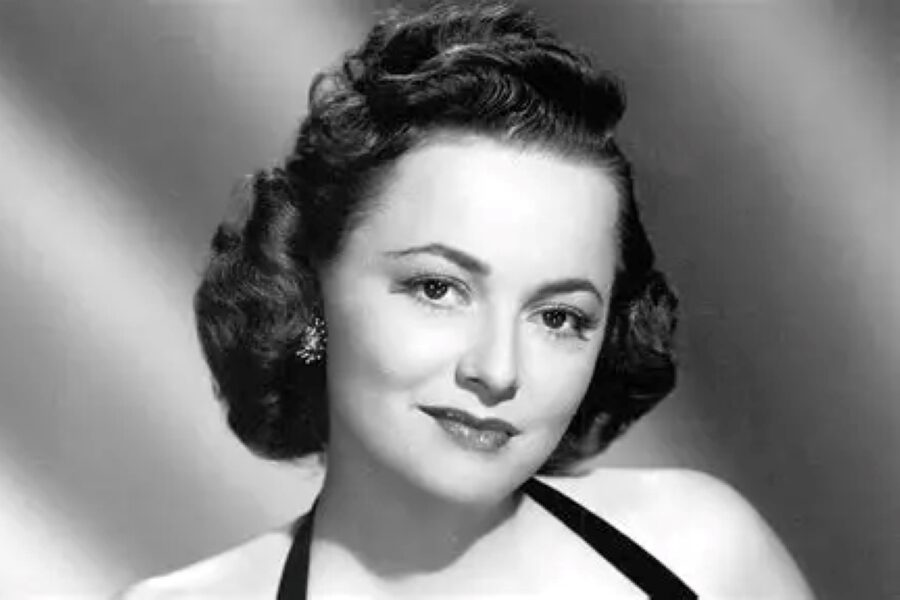
Olivia de Havilland built early success through poised, emotionally sincere performances, yet her studio contract gradually extended far beyond the original timeline because of suspension penalties imposed whenever she declined unsuitable roles. Realizing the arrangement could effectively control her career indefinitely, she made the bold decision to challenge the contract legally. The case required patience, financial commitment, and the willingness to risk temporary unemployment while the courts examined how far studios could extend performer obligations under California labor law.
Her eventual victory reshaped the industry by limiting excessive contract extensions and giving actors stronger control over career length and project choice. Returning to film afterward, she selected complex dramatic roles that confirmed both her artistic maturity and professional independence. Fellow performers recognized immediately how much that legal precedent improved their own negotiating power. De Havilland’s survival story stands out because it combined personal courage with lasting institutional change. By refusing to accept endless contractual control, she not only protected her own future but quietly improved working conditions for generations of actors who followed her path.
17. Humphrey Bogart
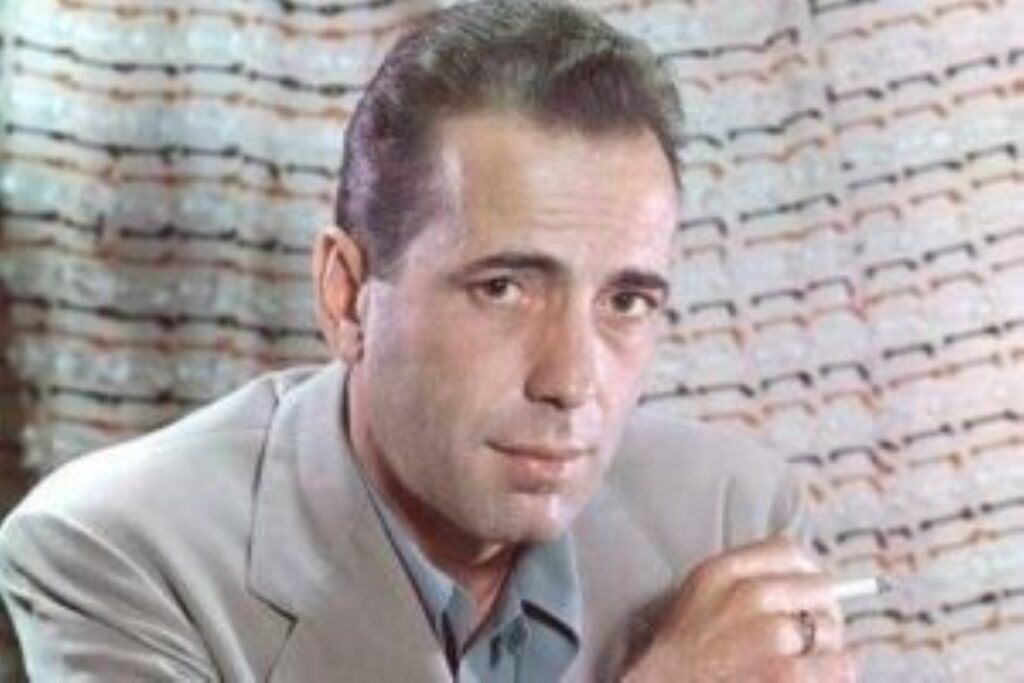
Humphrey Bogart spent years playing secondary villains and supporting characters before studios finally trusted him with major leading roles. That long apprenticeship required patience because he understood one poorly received performance could push him permanently back into minor parts. Rather than rush the transition, Bogart focused on sharpening dialogue delivery, refining subtle expressions, and building strong professional relationships with directors who appreciated his understated realism. Those steady improvements gradually positioned him as a believable central figure once the right scripts arrived.
When breakthrough roles finally appeared, audiences responded immediately to the grounded toughness and quiet vulnerability he brought to complex characters. Co workers often remarked on his dry humor between takes and his careful attention to script rhythm during rehearsals. Bogart’s career illustrates how survival sometimes depended less on dramatic reinvention and more on endurance during slow early years. By continuing to treat smaller roles seriously and preparing as if each might be the turning point, he ensured that when opportunity finally came, he was fully ready to hold the screen with confidence.
18. Ingrid Bergman

Ingrid Bergman entered Hollywood with a reputation for natural sincerity that directors valued for emotionally grounded storytelling. Her personal life later drew intense public criticism that temporarily disrupted her American career and forced her to work primarily in European productions. Instead of withdrawing from acting altogether, Bergman used that period to collaborate with international filmmakers who challenged her creatively and expanded her range across historical dramas, psychological roles, and character driven narratives that demanded new performance techniques.
Those European successes gradually rebuilt industry respect and demonstrated her resilience under public pressure. When she eventually returned to major American productions, audiences welcomed her with renewed appreciation for the emotional depth she now carried. Colleagues often described her professionalism as calm, prepared, and deeply collaborative regardless of location or budget size. Bergman’s survival highlights how career interruptions do not always signal permanent decline. Sometimes stepping into a different creative environment allows performers to grow stronger, return wiser, and continue working with an even richer understanding of both craft and personal responsibility.
19. Fred Astaire

Fred Astaire’s elegance made musical dance look effortless, yet he privately understood how quickly entertainment trends could shift away from classic studio musicals. Rather than rely solely on established choreography styles, Astaire continuously rehearsed new rhythms, camera blocking techniques, and collaborative staging ideas that would keep his performances visually fresh for changing audiences. He treated each rehearsal not as routine repetition but as ongoing research into how movement and camera placement could combine to maintain cinematic excitement.
Directors frequently praised his meticulous preparation and willingness to repeat sequences until both timing and visual clarity felt perfect. That disciplined curiosity allowed him to extend his relevance across decades when many musical performers faded as public tastes evolved. Off screen he maintained a modest, focused lifestyle built around rehearsal spaces and small creative teams he trusted. Astaire survived the industry’s shifting landscape through constant refinement rather than dramatic reinvention. His example shows that longevity often belongs to those who treat success not as a finished achievement but as something requiring steady daily maintenance.
20. Elizabeth Taylor
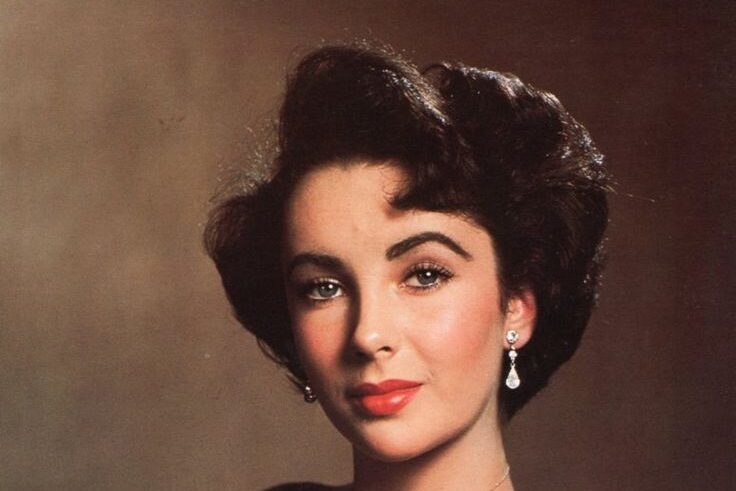
Elizabeth Taylor entered the film world as a child, meaning her personal growth unfolded almost entirely under studio supervision and public attention. Transitioning from youthful roles into mature dramatic performances required careful management of image, training, and media narratives that followed her every career step. Instead of resisting that visibility outright, Taylor gradually learned how to use interviews, charitable appearances, and selective role choices to shape a more controlled professional identity that balanced glamour with serious acting ambition.
As adult performances gained critical respect, she demonstrated remarkable emotional strength during physically demanding productions and complex personal periods. Directors often noted her instinctive understanding of camera presence and her ability to deliver intense scenes even under difficult conditions. Taylor’s survival story reflects the challenge of building a lifelong career when fame begins before adulthood. By steadily developing craft, public awareness, and personal resilience at the same time, she transformed early exposure into lasting authority, proving that stability in Hollywood sometimes grows from learning how to mature professionally while the entire world watches.
21. Marlon Brando
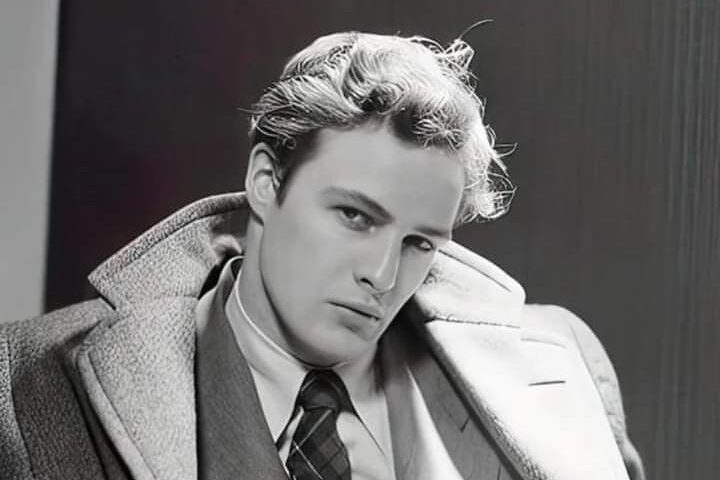
Marlon Brando entered Hollywood with a raw acting style that immediately shifted audience expectations toward something more emotionally exposed and psychologically realistic. That sudden influence brought enormous attention very early, and studios quickly realized that every new role carried both artistic promise and financial risk. Brando understood that maintaining credibility required careful script choices and intense preparation, since repeating himself too easily could turn innovation into routine. He spent long rehearsal periods studying motivations and experimenting with delivery so each performance felt grounded rather than theatrical.
Behind that creative seriousness was someone also managing the exhaustion that came with constant public fascination and industry pressure to define an entire generation of acting. Colleagues often recalled his sharp intelligence during discussions and his tendency to withdraw quietly once filming wrapped, conserving emotional energy for future work. Brando survived the overwhelming spotlight by treating acting as ongoing exploration rather than a finished formula. That mindset allowed him to navigate shifting public expectations while protecting the authenticity that first made audiences feel they were watching something completely new.
22. Hedy Lamarr
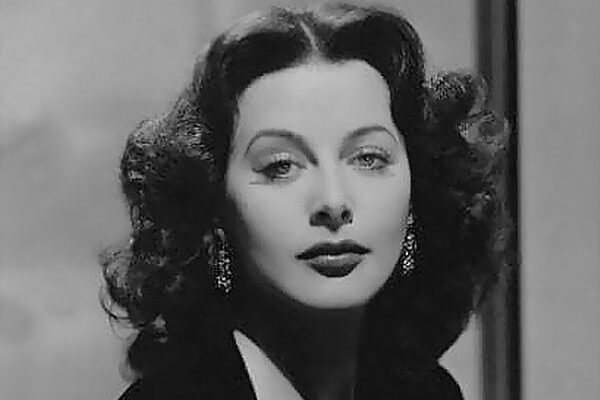
Hedy Lamarr’s screen beauty often dominated publicity campaigns, yet behind the glamorous image lived an intensely curious and technically gifted thinker who spent private hours studying engineering concepts and mechanical design. Studios promoted romance and elegance because those traits sold tickets quickly, but Lamarr quietly worked on communication technology ideas that later contributed to frequency hopping research used in modern wireless systems. Balancing intellectual ambition with demanding filming schedules required discipline and a willingness to keep her scientific interests mostly separate from her acting career.
Friends later described evenings where she preferred technical conversations or design sketches rather than industry parties, showing how strongly her curiosity shaped her private identity. While Hollywood focused on appearance, Lamarr protected the quieter inventive side that gave her deeper personal satisfaction beyond screen success. Her survival story feels especially modern today because it reflects a familiar challenge faced by many professionals whose talents extend far beyond the single role employers expect. By nurturing both creativity and intellect privately, she maintained stability while leaving a legacy that reached far outside cinema.
23. Kirk Douglas
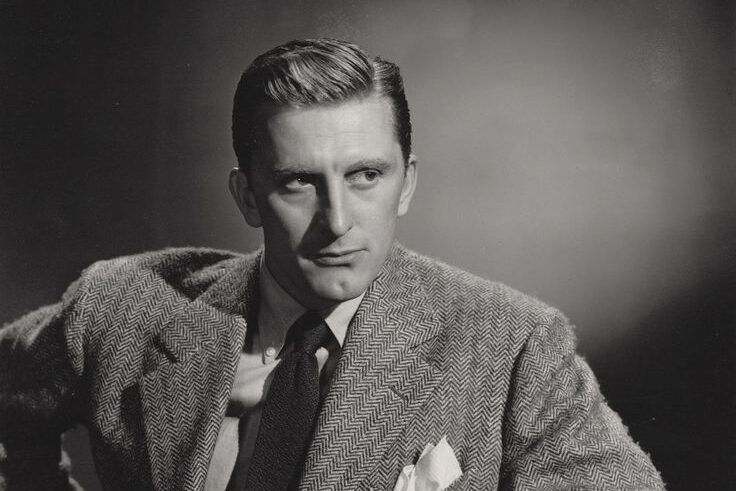
Kirk Douglas built his reputation through intense performances that demanded physical and emotional commitment, yet he also recognized early that true career security often came from influence behind the camera as well. Rather than rely entirely on studio casting decisions, Douglas invested time in learning production logistics, financing structures, and script development processes so he could eventually help shape projects from the earliest planning stages. That business awareness allowed him to pursue stories he believed mattered while reducing dependence on unpredictable studio assignments.
Colleagues frequently noted his relentless work ethic, from early morning rehearsals to late evening production meetings reviewing budgets and scene revisions. That combination of performer discipline and executive focus gradually gave him leverage to support ambitious films that might otherwise have struggled for approval. Douglas survived the competitive studio environment by understanding that artistic passion alone rarely guarantees stability. By expanding his role into production leadership, he created opportunities not only for himself but also for collaborators who shared his belief that meaningful storytelling required both creative risk and practical control.
24. Ava Gardner
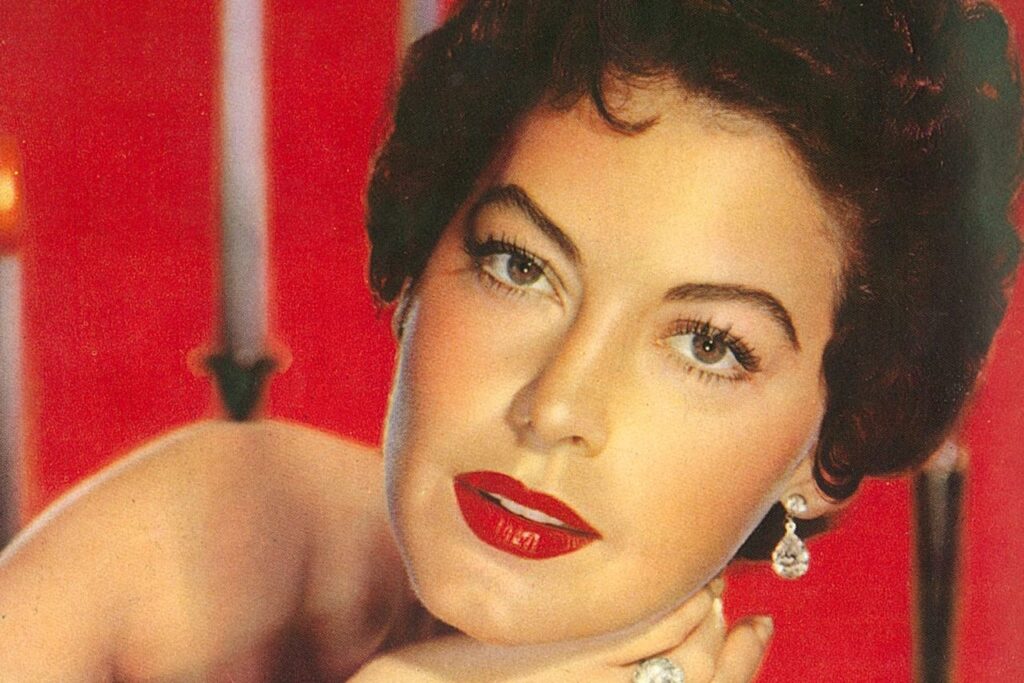
Ava Gardner’s striking presence made her one of the most photographed stars of her era, and with that attention came relentless coverage of her relationships, travels, and personal decisions. Studios appreciated the publicity value but Gardner herself often felt the constant spotlight left little room for ordinary privacy. During filming she maintained strong professionalism and sharp focus, yet off set she frequently sought quieter environments abroad where daily routines could feel more normal and less shaped by tabloid expectations.
Close friends later recalled her dry humor, loyalty, and preference for honest conversation over glamorous social events. That grounded personality helped her maintain emotional balance even while global fame followed her from country to country. Gardner survived the era’s intense media attention not by trying to outshine the headlines but by stepping away from them whenever possible. By protecting spaces where she could simply exist without performance, she preserved the steadiness needed to keep working successfully, reminding us that sometimes the smartest survival choice in Hollywood was knowing when to leave the party early.
25. Sidney Poitier
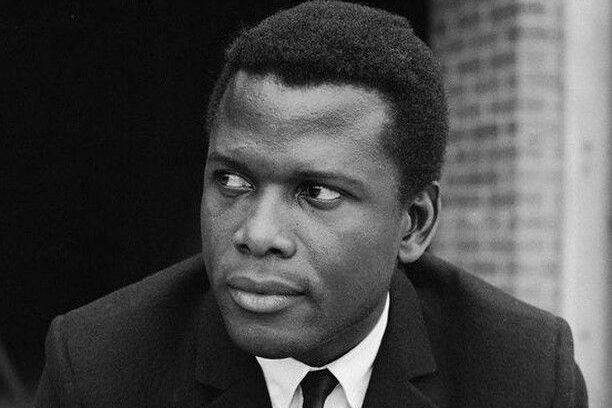
Sidney Poitier entered Hollywood at a time when meaningful leading roles for Black actors remained painfully limited, which meant every performance carried cultural weight beyond the script itself. He understood that careful role selection would shape not only his own career but also how future studios perceived casting possibilities for others. Poitier prepared meticulously, studying dialogue rhythm and emotional pacing so each character projected intelligence, dignity, and authentic humanity that audiences across backgrounds could connect with sincerely.
Directors often praised his calm focus on set and his thoughtful collaboration during rehearsals, qualities that reinforced industry trust in increasingly complex productions. Off screen he also handled interviews with measured clarity, recognizing how public perception influenced long term opportunity. Poitier survived enormous pressure by combining artistic discipline with strategic awareness of historical responsibility. His steady success gradually expanded the range of stories Hollywood felt willing to finance, proving that professional excellence, maintained consistently under scrutiny, could shift not only one career but the expectations surrounding an entire generation of performers.
26. Gene Kelly
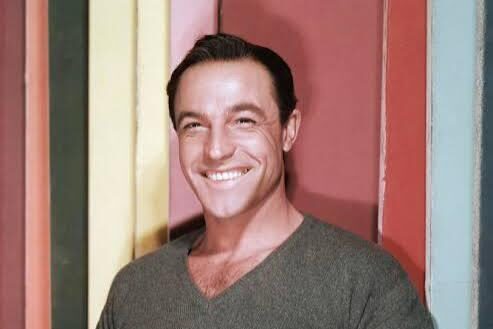
Gene Kelly’s energetic musical performances made complex choreography appear joyful and effortless, yet achieving that illusion required exhausting rehearsal schedules and repeated filming under physically demanding conditions. Dance numbers often meant hours of retakes, slippery studio floors, and heavy lighting equipment that intensified heat during long sequences. Kelly approached each project like an athlete in training, carefully planning stamina, movement precision, and camera coordination so the final scene would feel spontaneous rather than mechanically perfected.
Crew members frequently remembered how he studied playback footage closely, adjusting small timing details or camera angles to strengthen visual storytelling through motion. That relentless refinement extended his career far beyond simple dance popularity because directors trusted his understanding of how choreography translated onto film. Kelly survived the demanding musical era by respecting the physical discipline behind every graceful step. His success reminds audiences that the most joyful cinematic moments often hide enormous preparation, and that true professionalism sometimes means practicing tirelessly so the audience only ever sees the magic.
27. Joan Fontaine
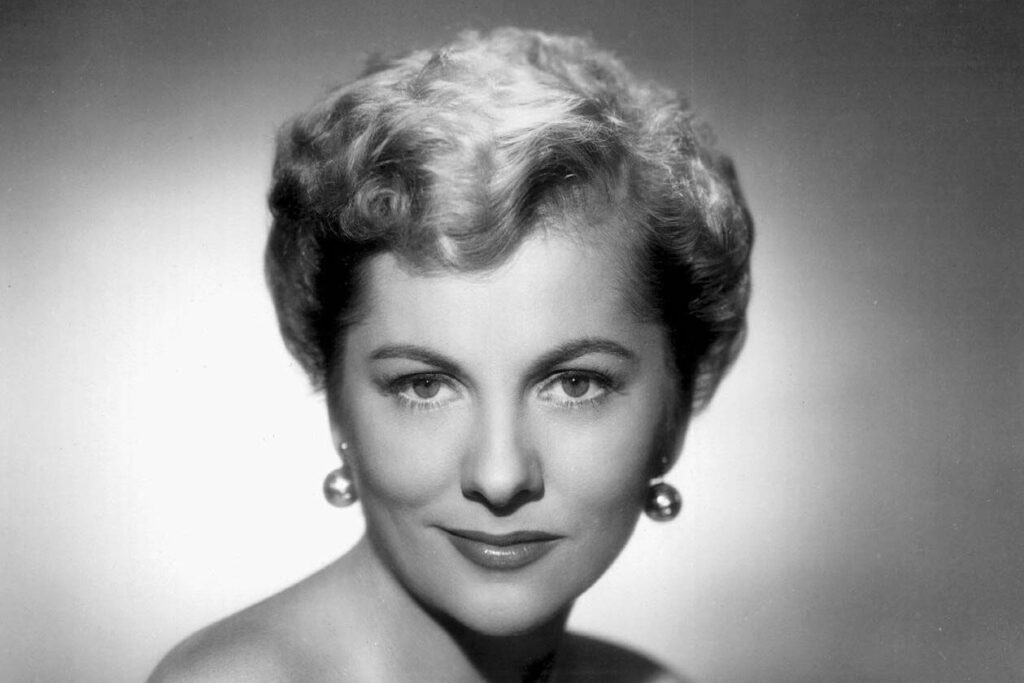
Joan Fontaine built a respected career through emotionally layered performances, yet she often worked under the long shadow of comparisons with her equally famous sister Olivia de Havilland. Industry publicity sometimes framed their achievements competitively, which created unnecessary external pressure on Fontaine to prove her individual artistic identity with each new role. Rather than engage publicly in rivalry narratives, she focused on careful script selection and detailed character preparation that emphasized psychological depth and subtle expressive control.
Directors appreciated her patience during rehearsals and her ability to sustain tension through small facial shifts rather than dramatic gestures. That nuanced style helped distinguish her work from louder performance traditions and gradually strengthened critical recognition. Fontaine survived the comparison culture by concentrating on craft rather than publicity debates, allowing the consistency of her performances to define her reputation over time. Her experience reflects a universal professional lesson. External comparisons rarely disappear completely, but steady personal focus and thoughtful preparation can eventually build an identity strong enough to stand independently.
28. Spencer Tracy
Spencer Tracy developed a reputation as one of Hollywood’s most dependable actors because directors knew he would arrive prepared, focused, and ready to deliver emotionally grounded performances without unnecessary theatrics. That reliability became his greatest professional asset, especially during an era when production delays could cost studios enormous sums. Tracy valued rehearsal discipline and script clarity, often simplifying scenes so emotional truth felt natural rather than exaggerated for dramatic effect.
Fellow actors frequently mentioned how supportive he remained during ensemble scenes, helping maintain calm pacing that allowed others to perform comfortably. Off camera he preferred modest routines and avoided excessive publicity whenever possible, believing the work itself should carry public attention. Tracy survived decades of industry change through consistency rather than reinvention. His career demonstrates how quiet professionalism can sometimes outlast louder fame. By treating every production seriously and maintaining respectful working relationships across studios, he secured a longevity built not on spectacle but on the simple trust that he would always deliver exactly what the story required.
29. Natalie Wood
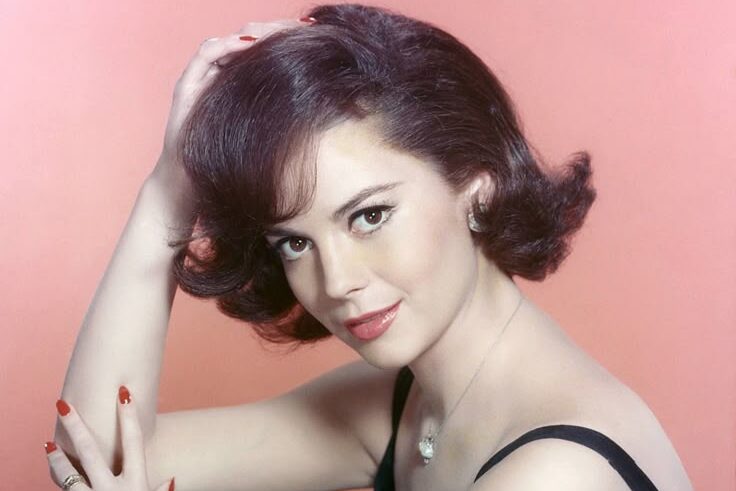
Natalie Wood’s early success as a child performer meant her transition into mature dramatic roles unfolded under intense industry observation. Studios and audiences often struggle to accept former child stars in complex adult characters, so Wood approached that shift with careful training, script study, and emotionally demanding performances designed to demonstrate genuine depth. She worked closely with directors to refine subtle emotional timing and ensure each role felt fully lived rather than shaped by her earlier youthful screen image.
Co workers often noted her determination during rehearsals and her willingness to explore vulnerable scenes repeatedly until the emotional tone felt authentic. That persistence gradually reshaped public perception and secured her place among serious adult performers of her generation. Wood survived the difficult transition by refusing to rely on nostalgia and instead investing fully in professional growth. Her experience highlights how long term careers in entertainment often depend on embracing change early, proving adaptability through consistent effort rather than hoping audiences will automatically follow without seeing the evolution firsthand.
30. Peter OToole
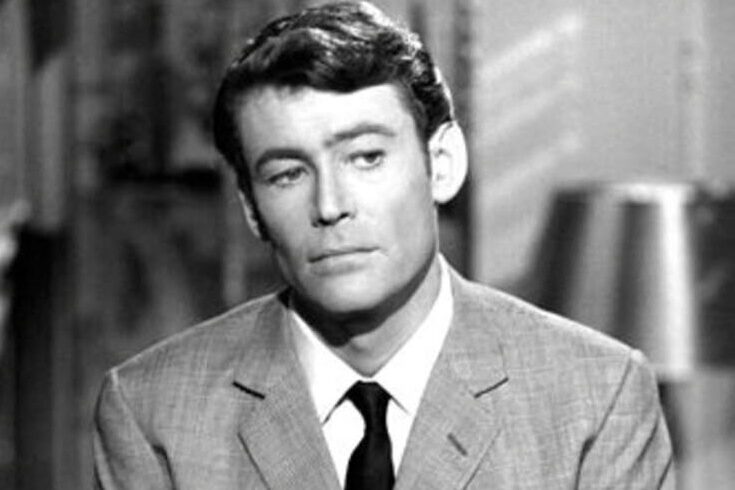
Peter OToole’s commanding screen presence and distinctive voice made him instantly recognizable, yet sustaining that level of intensity across major historical epics and character driven dramas required careful management of both physical stamina and creative focus. Long international shoots demanded travel endurance, dialect preparation, and emotional immersion that could stretch for months at a time. OToole treated each role as a deep exploration, studying historical context and speech rhythm so characters felt convincingly rooted in their worlds.
Friends and collaborators often described him as witty, intellectually curious, and deeply committed to literature and theatre discussion during downtime between scenes. That thoughtful engagement with storytelling kept his performances fresh even as industry styles shifted over the decades. OToole survived the unpredictable cycles of film production by grounding himself in the broader tradition of acting craft rather than chasing trends alone. His career shows that longevity sometimes grows from maintaining curiosity about the art itself, allowing each new role to feel like another chapter in a lifelong creative conversation.
31. Sophia Loren

Sophia Loren rose from a difficult childhood into international fame with a screen presence that felt both powerful and deeply human. As Hollywood and European studios competed for her time, she quickly realized that constant travel, press attention, and production demands could easily consume every personal moment if boundaries were not protected early. Loren developed a disciplined routine that prioritized family contact, script preparation, and controlled interview access so her professional success would not erase her sense of normal daily life.
Colleagues often described her as focused and warm on set, yet careful about how much of her personal thoughts entered public discussion. That balance helped her maintain emotional steadiness across decades of international productions filmed in multiple languages and locations. Loren survived global fame by treating privacy not as secrecy but as necessary protection for long term stability. Her approach reflects a truth many performers eventually learn. Careers may belong to the public, but peace of mind survives only when a small part of life remains fully your own.
32. Paul Newman
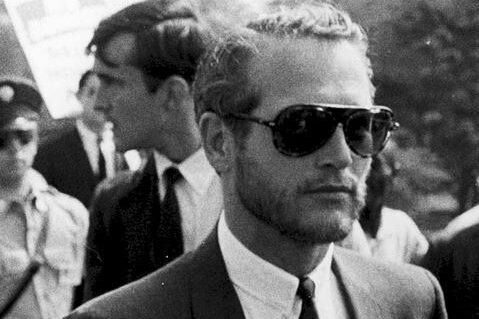
Paul Newman’s blue eyed screen charisma made him one of the most bankable actors of his generation, yet he never treated popularity as permanent security. Early success convinced him that the unpredictable nature of film demand required building a broader life structure that included directing, racing, and later philanthropic business ventures. By diversifying his focus, Newman ensured that creative satisfaction and financial stability did not depend entirely on how often studios offered leading roles.
On set he maintained a reputation for preparation, collaborative discussion, and calm professionalism that directors valued during demanding productions. Off screen his quieter lifestyle centered on family routines and long term friendships that kept celebrity pressures from overwhelming daily priorities. Newman survived Hollywood’s shifting trends by refusing to anchor his entire identity to acting alone. His example shows how longevity sometimes comes from widening your foundation rather than clinging tightly to a single spotlight. By building multiple meaningful pursuits, he created a career that remained strong even as industry cycles inevitably changed.
33. Audrey Hepburn
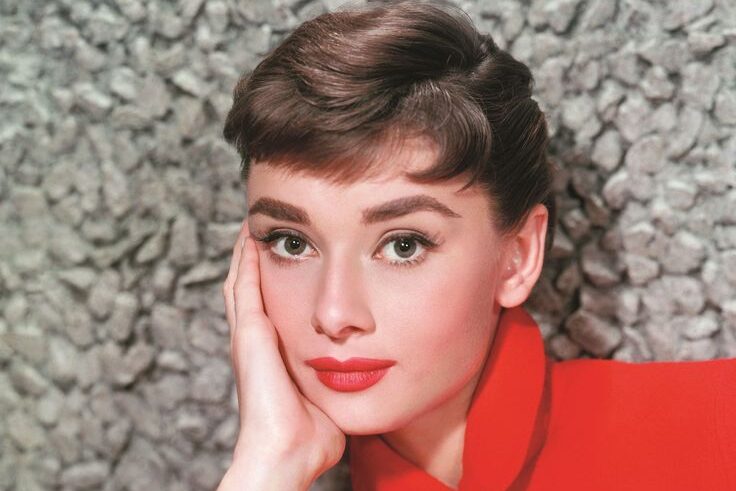
Audrey Hepburn’s graceful screen image often suggested effortless charm, yet maintaining that natural warmth required significant professional discipline and emotional preparation. Having experienced wartime hardship in her youth, Hepburn approached film opportunities with gratitude but also careful seriousness about rehearsal schedules, costume coordination, and script interpretation. She believed audiences connected most strongly when performances felt sincere, so she studied emotional tone closely and collaborated respectfully with directors to maintain authenticity throughout filming.
Crew members frequently remembered her punctuality, kindness, and attention to detail during long production days that demanded multiple retakes. Away from the camera she preferred humanitarian work, reading, and quiet domestic routines that grounded her perspective beyond celebrity life. Hepburn survived enormous global fame by anchoring her identity in compassion and structured professionalism rather than public glamour alone. Her story reminds us that the most gentle public personas often rest on very strong internal discipline, and that true longevity in Hollywood sometimes comes from nurturing character off screen as carefully as performance on it.
34. Gregory Peck
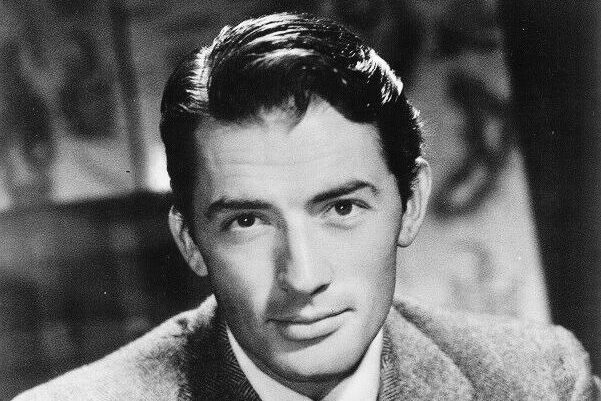
Gregory Peck became closely associated with characters defined by integrity, calm leadership, and ethical courage, roles that audiences trusted deeply during uncertain historical periods. That consistent casting brought opportunity but also pressure, since public expectations increasingly linked his personal reputation with the upright figures he portrayed. Peck handled that responsibility by preparing extensively for each role, studying historical context and emotional motivations so performances felt grounded rather than symbolic.
Fellow actors often spoke about his thoughtful conversations during rehearsals and his willingness to support younger performers navigating their first major productions. Off screen he maintained a measured public presence, choosing interviews carefully and focusing on long term social causes rather than short publicity trends. Peck survived the challenge of moral typecasting by living with the same steady seriousness he brought to his characters. His experience shows how sometimes the safest way to protect a public image is not to escape it but to embody its best qualities consistently over time.
35. Elizabeth Montgomery
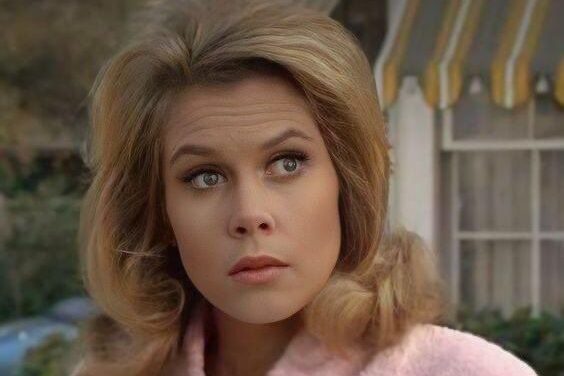
Elizabeth Montgomery gained enormous television popularity through charming roles that highlighted warmth and comic timing, yet she remained determined not to be limited to light entertainment alone. Understanding how quickly audiences can lock performers into a single familiar persona, Montgomery quietly pursued dramatic scripts and socially serious projects that demonstrated wider emotional range. That deliberate balance allowed her to maintain mainstream success while still developing credibility as a thoughtful performer capable of handling heavier material.
Directors often praised her professionalism, careful script reading, and willingness to rehearse complex emotional scenes patiently until the tone felt believable. Off camera she valued advocacy work and close family connections that kept her grounded beyond television schedules. Montgomery survived the risk of being permanently labeled by one famous role through steady diversification rather than sudden reinvention. Her path reflects a professional truth shared across industries. Expanding your abilities gradually and consistently often secures longer stability than attempting dramatic overnight transformation that audiences or employers may resist.
36. Henry Fonda
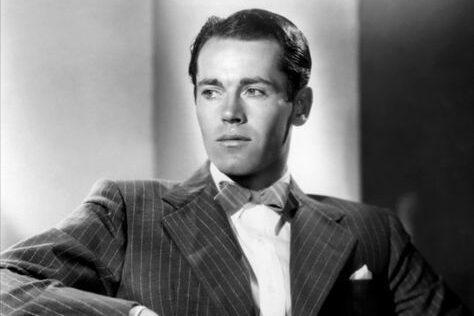
Henry Fonda built his career on restrained emotional delivery that felt remarkably authentic compared with more theatrical acting styles common in earlier studio productions. That subtle approach sometimes worried executives who preferred louder dramatic expression, yet Fonda trusted that audiences would connect more deeply with sincerity than spectacle. He prepared carefully for each role, focusing on internal motivation and conversational rhythm so dialogue sounded natural rather than staged.
Co stars frequently appreciated how his calm presence stabilized demanding filming environments, allowing ensemble scenes to unfold with believable emotional pacing. Away from production he preferred simple hobbies, reading, and time with family rather than extensive publicity appearances. Fonda survived decades of industry change by remaining loyal to the understated style that matched his natural temperament. His story illustrates how long term success does not always require adapting to every passing trend. Sometimes maintaining authenticity, even when it feels quieter than surrounding expectations, becomes the very quality that keeps audiences returning generation after generation.
37. Lauren Bacall
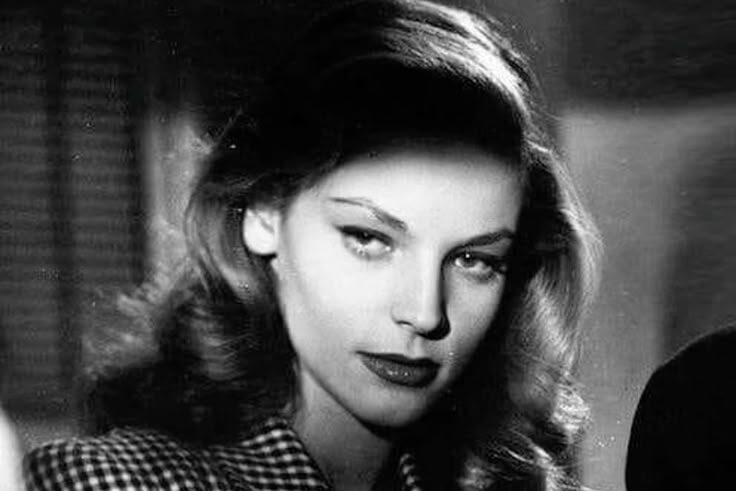
Lauren Bacall entered Hollywood very young, and early publicity often emphasized her distinctive voice and striking presence alongside established co stars. Rather than rely permanently on that initial image, Bacall committed herself to continuous growth through theatre work, vocal training, and script analysis that strengthened her confidence as an independent leading performer. She understood that longevity required evolving from promising newcomer into respected professional whose authority came from experience rather than novelty.
Colleagues later described her rehearsal discipline and her ability to adjust performance tone smoothly between film, stage, and television formats. Off screen she valued honest friendships and straightforward communication that kept her perspective grounded during industry fluctuations. Bacall survived the transition from youthful discovery to mature leadership by treating learning as a lifelong responsibility. Her experience reminds us that early fame may open the first door, but only steady development and personal resilience keep the later ones opening as well.
38. Tony Curtis
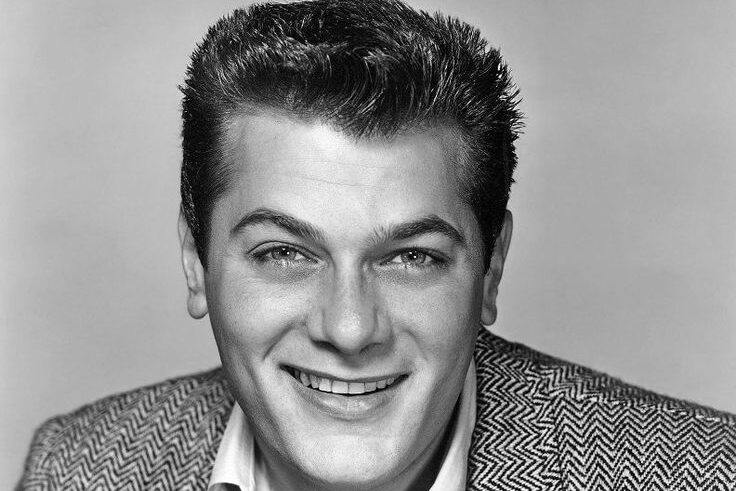
Tony Curtis achieved rapid popularity through energetic roles that highlighted charm and quick comedic timing, yet he soon recognized that relying only on youthful charisma could shorten his professional lifespan. Determined to expand his opportunities, Curtis actively pursued dramatic roles, historical characters, and emotionally complex scripts that forced audiences to see beyond the early playful persona. That willingness to stretch creatively required additional preparation, dialect coaching, and deeper psychological study of characters unfamiliar to his previous screen identity.
Directors frequently commented on his improving discipline and openness to feedback during rehearsals, qualities that gradually strengthened critical respect for his broader acting ability. Off screen he maintained strong artistic interests in painting and writing, which provided creative outlets independent of film casting cycles. Curtis survived the common trap of early typecasting by investing in long term growth rather than protecting short term comfort. His career shows how reinvention rarely happens through one bold choice alone but through many steady decisions to keep learning, adapting, and challenging the expectations others form about you.
39. Robert Mitchum
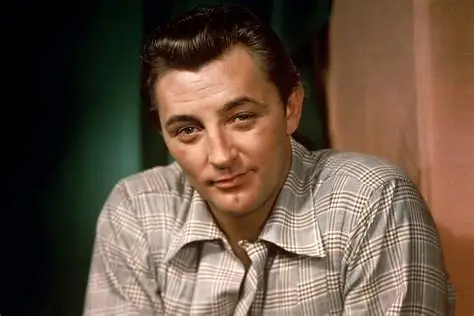
Robert Mitchum’s relaxed screen style gave the impression that acting required almost no visible effort from him, a quality audiences found compelling and studios marketed heavily. Behind that calm exterior, Mitchum approached scripts with far more technical awareness than his laid back image suggested. He studied pacing, camera angles, and dialogue rhythm so scenes would feel spontaneous while still hitting every production requirement needed for efficient filming schedules.
Crew members often appreciated how quickly he understood blocking adjustments and how smoothly he delivered consistent takes that saved time during complex shoots. Off camera he preferred privacy, reading, and quiet humor shared with trusted colleagues rather than aggressive publicity tours. Mitchum survived Hollywood’s demanding production pace by mastering the craft so thoroughly that the work looked effortless. His example reveals how sometimes the strongest professional strategy is not loud intensity but deep preparation hidden beneath an easy surface that keeps both audiences and directors confident every time the camera rolls.
40. Cary Grant
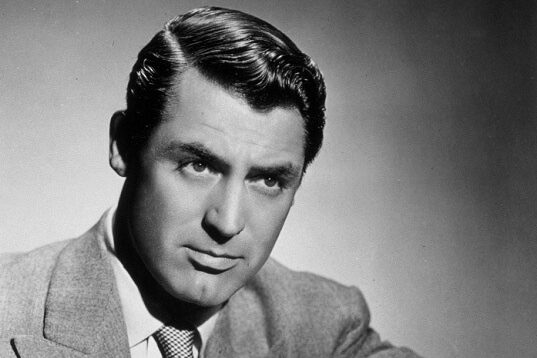
Cary Grant’s polished charm and comedic precision made him one of the most admired leading men in film history, yet privately he often spoke about feeling that the public image required constant maintenance. Born Archie Leach, he spent years refining speech, posture, and performance rhythm until the confident Cary Grant persona felt natural to audiences worldwide. That transformation created opportunity but also required continuous self reflection to ensure the role of public gentleman never entirely replaced his private sense of identity.
As his career matured, Grant gradually reduced filming schedules, choosing projects carefully and investing more time in personal growth, travel, and close relationships that allowed him to live more comfortably beyond studio expectations. Colleagues noticed how relaxed and thoughtful he became in later years, as though experience finally allowed the man and the image to coexist peacefully. His journey quietly closes the larger Old Hollywood story. Survival was rarely about perfection. It was about endurance, adaptation, and slowly learning how to remain human while the spotlight kept shining.


