
A Golden Era Star Lost In Shadows
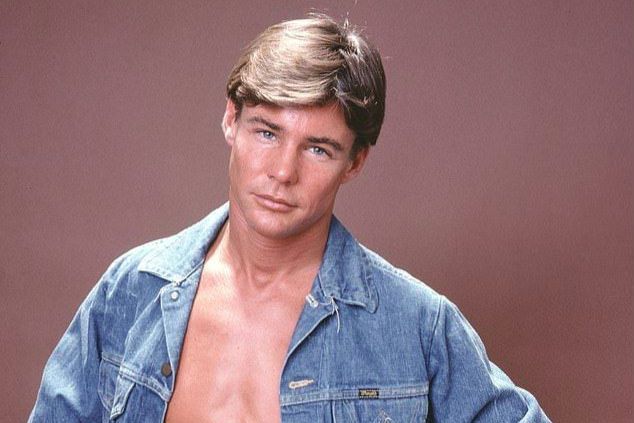
Jan-Michael Vincent was once the quintessence of the Hollywood leading man, possessing a rugged charm and a pierce of the blue-eyed gaze that seemed destined for the highest echelons of stardom. In the 1970s and 80s, his name was synonymous with high-octane action and a quiet, brooding intensity that captured the hearts of audiences globally. From his breakout roles in gritty cinema to becoming the highest-paid actor on television during his tenure on Airwolf, his trajectory was nothing short of meteoric, yet it remains a poignant case study of how quickly the bright lights of fame can dim when personal demons take hold.
Understanding his life matters because it serves as a stark reminder of the fragile nature of success and the human being behind the celebrity veneer. It is a story of immense talent overshadowed by a long-standing battle with substance abuse and a series of unfortunate health crises that eventually stripped away the very vitality he was known for. By looking back at his career, we do not just celebrate a veteran of the screen, but we also reflect on the complexities of addiction and the resilience required to navigate the turbulent waters of a life lived in the public eye.
Early Days And Rising Fame
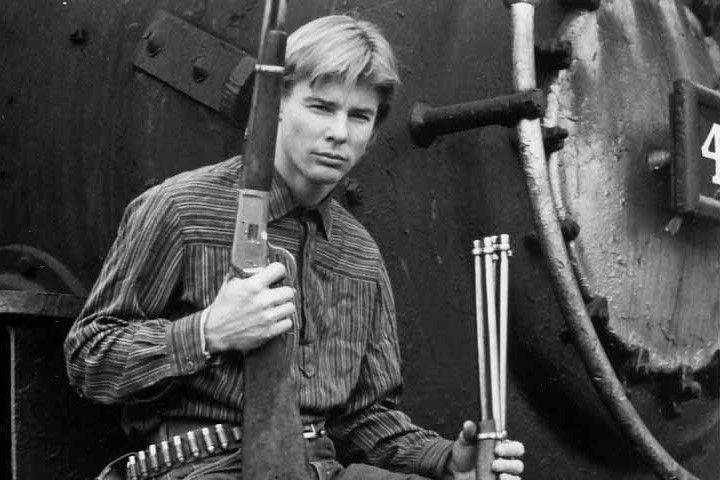
Born on 15 July 1944 in Denver, Colorado, Jan-Michael Vincent did not initially set out to be an actor but instead found himself discovered while finishing a stint in the California Army National Guard. His clean-cut looks and natural athletic ability made him an instant favourite for television guest spots in the late 1960s, appearing in popular shows like Dragnet 1967 and Lassie. These early appearances were the building blocks of a career that would soon see him transitioning from the small screen to major motion pictures as a promising young talent.
By the early 1970s, he had truly hit his stride as he began to land roles that showcased his versatility and presence. His performance in the 1972 film The Mechanic, where he starred alongside the legendary Charles Bronson, marked him as a serious contender in Hollywood. This era was defined by his youthful energy and a sense of fearlessness that resonated with a generation of moviegoers who were looking for new icons of masculinity, and yet even during these golden years, there were whispers of the personal challenges that would later become a permanent fixture of his life story.
Riding The Airwolf Wave
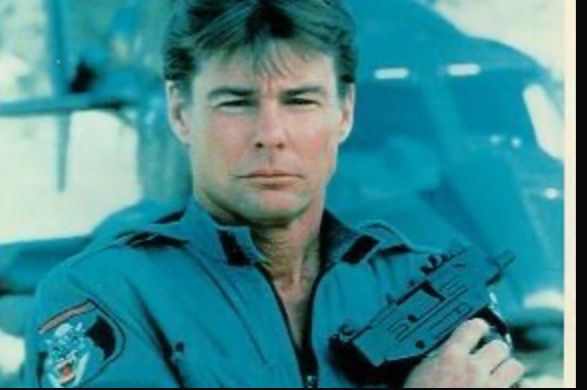
The pinnacle of Vincent’s professional life arrived in 1984 when he was cast as Stringfellow Hawke in the high-tech helicopter series Airwolf. At the height of the show’s popularity, he was reportedly earning $200,000 per episode, a figure that was unheard of at the time and made him the highest-paid actor on television. His portrayal of the reclusive pilot searching for his lost brother struck a chord with viewers, and the sleek, supersonic helicopter became a cultural phenomenon that cemented his status as a bonafide superstar.
However, the immense pressure of lead duties and the soaring salary seemed to exacerbate his pre-existing struggles with alcohol and drugs. Production on the set was often complicated by his erratic behaviour and health issues, leading to the show eventually being moved to a different network with a new cast after only three seasons. While Airwolf remains the role he is most fondly remembered for, it also represented the beginning of a sharp decline in his professional reliability and the public’s perception of him as a leading man.
Hardened Roles And Cinema Hits
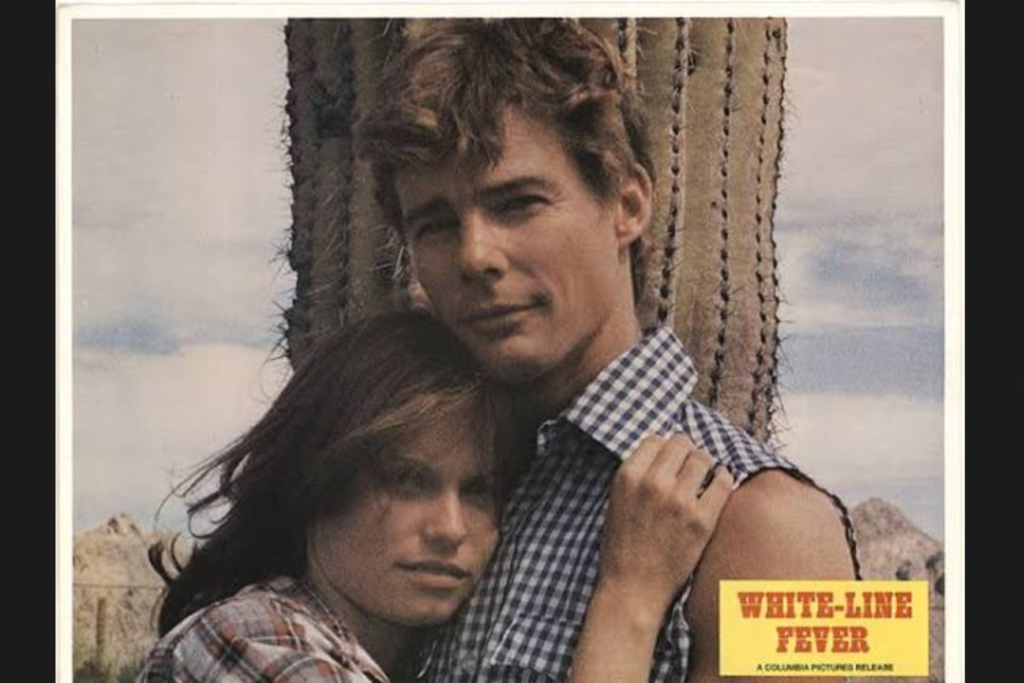
Before the helicopter fame, Vincent established himself as a versatile actor capable of carrying heavy, action-oriented dramas. In 1975, he starred in White Line Fever, playing a young independent trucker fighting against corruption, a role that perfectly utilised his blue-collar appeal and stubborn heroism. This film, along with his role in the 1978 surfing classic Big Wednesday, showed a performer who was deeply connected to the American landscape and the restless spirits of the era, earning him critical respect alongside his box-office draw.
His work during this period often reflected a certain rugged independence that felt authentic rather than manufactured by a studio PR machine. Whether he was playing a soldier in Baby Blue Marine or a survivalist in the post-apocalyptic Damnation Alley, there was an undeniable magnetism to his performances. It is tragic to consider that while he was portraying these resilient characters on screen, his own personal foundations were beginning to crumble under the weight of addiction and the relentless pace of a high-profile Hollywood career.
Personal Battles And Public Plights
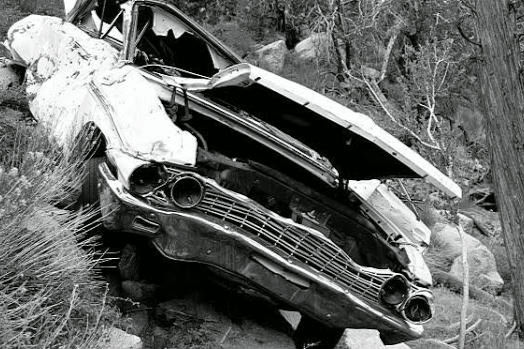
The 1990s were a particularly difficult decade for the actor as his substance abuse issues became increasingly public and destructive. He was involved in a series of severe car accidents, the most notable occurring in 1996 when he broke his neck and permanently damaged his vocal cords after hitting a parked car. This injury left him with a permanently raspy voice, a literal and symbolic silencing of the vibrant leading man he had once been, and his career subsequently dwindled to minor roles in low-budget productions.
Legal troubles also followed him closely, with several arrests related to driving under the influence and public altercations that further tarnished his reputation. Despite several attempts at rehabilitation, the cycle of addiction proved incredibly difficult to break for the star. These public plights served as a cautionary tale within the industry, highlighting the devastating toll that unchecked dependency can take on even the most successful individuals, eventually leading to a life lived in relative obscurity compared to his former glory.
Health Crises And Amputations
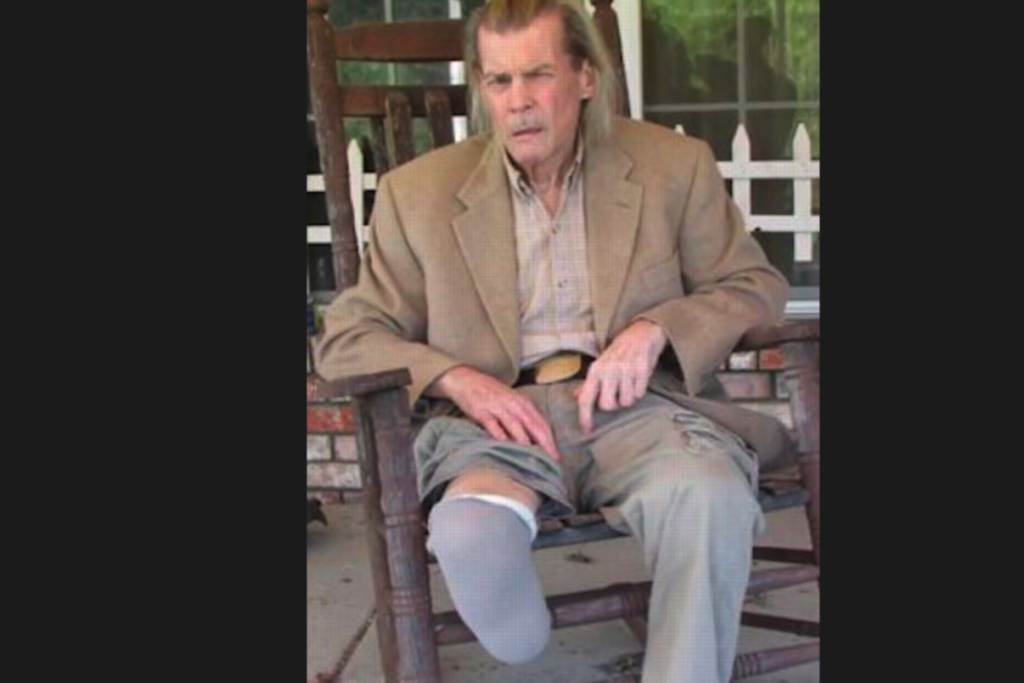
In his later years, Jan-Michael Vincent faced health challenges that were as harrowing as any drama he had ever acted in on screen. In 2012, an infection caused by complications from peripheral artery disease led to the amputation of his right leg below the knee. This was a devastating blow for a man whose career and persona were built on physical prowess and an active, outdoorsy lifestyle. He spent much of his final years using a prosthetic limb or a wheelchair, a far cry from the pilot who once commanded the skies.
The physical toll of his lifestyle and illnesses was evident in his few final public appearances, where he appeared frail and struggled to communicate clearly. Even with these immense hurdles, there were moments of reflection where he acknowledged the mistakes of his past, though the damage to his body and career was largely irreversible. His story in these years became one of survival in the face of mounting physical adversity, demonstrating a different, more somber kind of strength than the one he had displayed during his Hollywood heyday.
Final Years In Quietude
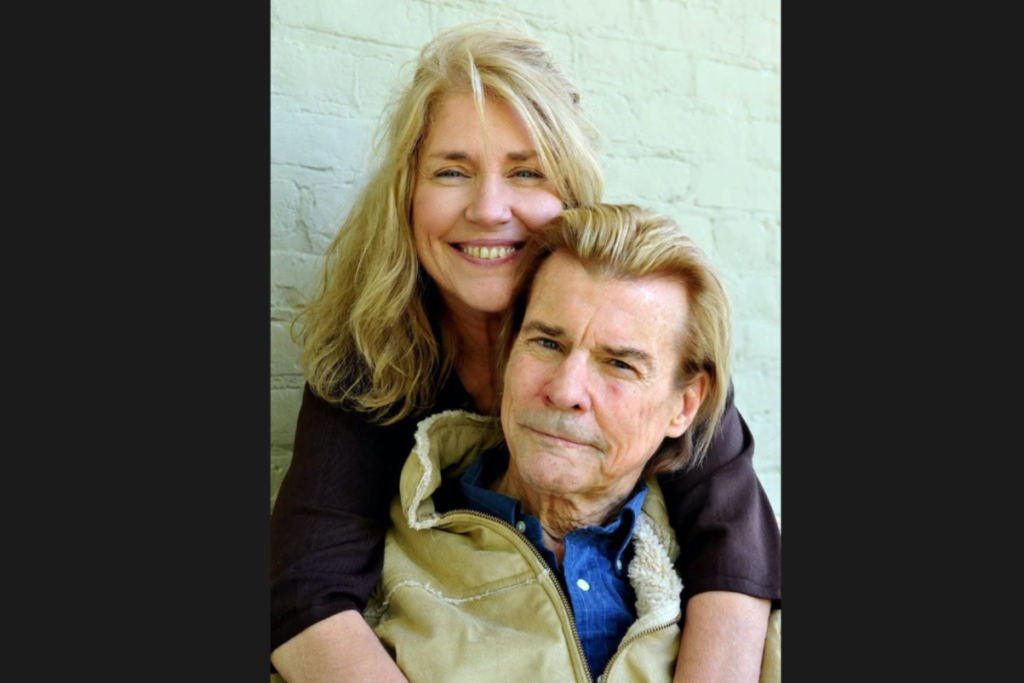
After years of living in the eye of the storm, Vincent’s life eventually slowed down to a quieter pace in Vicksburg, Mississippi. He lived away from the glare of the Hollywood cameras that had both made and unmade him, supported by his third wife, Anna. This period of his life was marked by a withdrawal from the industry that had once worshipped him, as he focused on managing his health and finding some semblance of peace after decades of public and private turmoil.
His death on 10 February 2019 at the age of 73 was caused by cardiac arrest while he was a patient at a hospital in North Carolina. Remarkably, the news of his passing did not reach the general public for nearly a month, reflecting just how far he had drifted from the center of the entertainment world. When the news finally broke, it sparked a wave of nostalgia from fans who chose to remember him not for his struggles, but for the iconic characters he brought to life during the peak of his powers.
A Legacy Of Untapped Potential
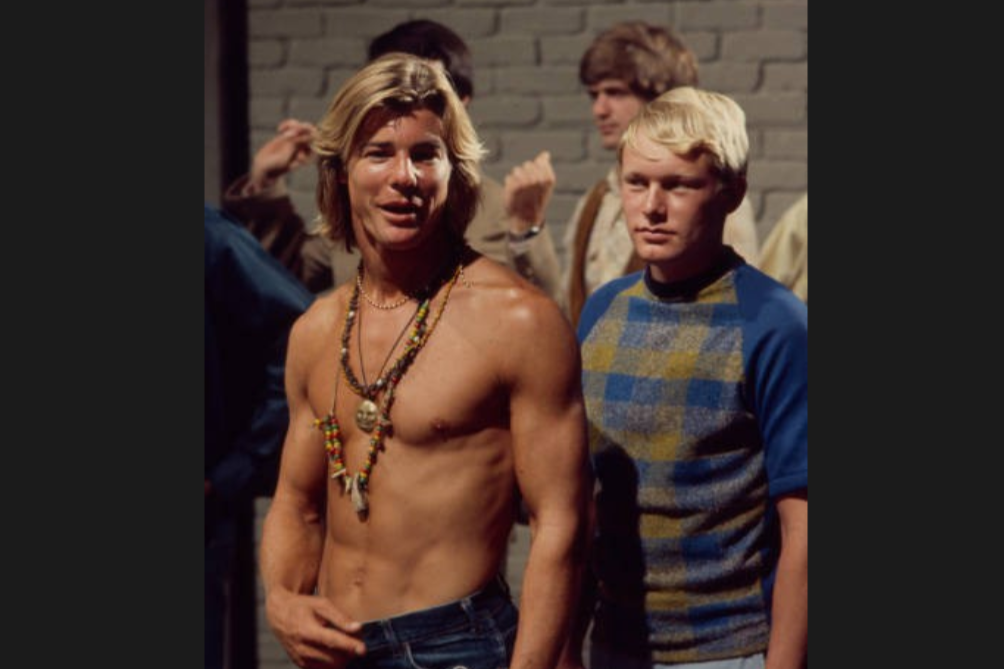
The legacy of Jan-Michael Vincent is one of profound “what ifs” and a career that, while impressive, arguably never reached the heights his talent suggested it could. He remains a cult figure for fans of 1970s cinema and 1980s television, a man who possessed an effortless cool that few of his contemporaries could match. His filmography stands as a testament to his ability, even if the latter half of his life was spent dealing with the consequences of the choices he made during his rise to fame.
Today, his work is often revisited by a new generation of film enthusiasts who appreciate the grit and authenticity he brought to his roles. While his personal life was undoubtedly tragic, his contributions to the action genre and television history are undeniable. He serves as a reminder that the path of a star is rarely a straight line, and that even those who seem to have everything can find themselves lost in the shadows of their own making if they lack the support and stability needed to survive the industry.
The Price Of Hollywood Stardom

Vincent’s story is a vivid illustration of the high price often paid for early success in a demanding industry like Hollywood. The transition from a small-town boy to a global icon with a massive salary was a journey that provided immense wealth but little in the way of a safety net for his mental and physical health. The culture of the time often looked the other way regarding the personal struggles of its stars, provided they could still deliver on camera, a practice that contributed to his eventual downward spiral.
As we look back, it is clear that he was both a victim of his circumstances and his own choices, a complex figure who could never quite escape the image of the golden boy he once was. His life encourages a more empathetic view of those in the public eye who struggle with addiction, suggesting that the glitz and glamour are often a thin veneer over a much more difficult reality. Ultimately, his career is a mosaic of brilliant performances and missed opportunities, a storied life that remains deeply etched in the annals of Hollywood history.
Reflection On The Journey
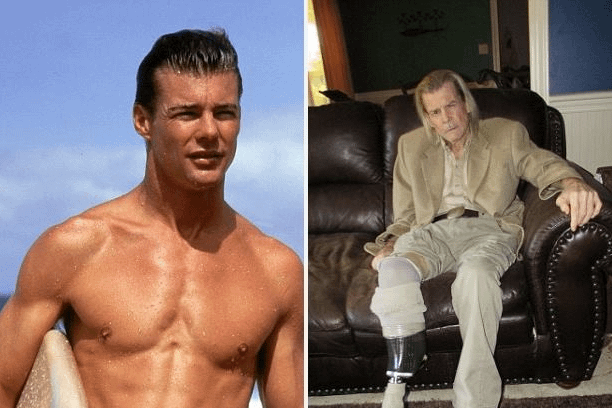
Reflecting on the life of Jan-Michael Vincent allows us to see the human side of the celebrity machine and the enduring impact of his work. He was a man of many layers, from the athletic surfer to the high-flying pilot and eventually the quiet survivor of his own history. While the headlines often focused on the scandals and the accidents, the heart of his story is the work he left behind, which continues to entertain and inspire those who appreciate classic American storytelling and the actors who embodied it.
His journey from the peaks of Airwolf to the quiet streets of Mississippi is a powerful narrative of fame’s transient nature. It reminds us that behind every iconic role is a person dealing with their own vulnerabilities and searching for their own version of peace. By remembering the full scope of his life, we honour the talent he possessed while acknowledging the very real struggles that define the human experience, regardless of whether one is a Hollywood star or a face in the crowd.
Ultimately, his life warns us of the profound danger, found in the solitary reliance, and on the fleeting machinery of fame without a stable foundation of personal well-being.
Like this story? Add your thoughts in the comments, thank you.


