
1. The Easy Sandwich Deli Ham

You know how some kitchen habits happen without thinking, and that is exactly where deli ham lives for many of us. It shows up in lunchboxes, late night sandwiches, and those quick meals when cooking feels like too much work. Recently, health conversations started circling around processed meats, and deli ham landed right in the middle of that discussion. The concern mostly comes from how it is preserved using curing salts and smoking methods, which over many years of very frequent eating may increase certain health risks. That sounds heavier than real life usually is, since most people are just trying to get food on the table.
The honest everyday approach is not panic or throwing everything away. It is simply noticing how often it appears. Many families quietly rotate in roast chicken, boiled eggs, fresh turkey, or even leftover dinner meats so deli ham becomes the occasional helper instead of the daily default. Nothing dramatic changes, lunch still gets made, and the kitchen rhythm keeps moving. It is really about patterns over time, not one sandwich on a busy afternoon when hunger wins.
2. Weekend Breakfast Bacon
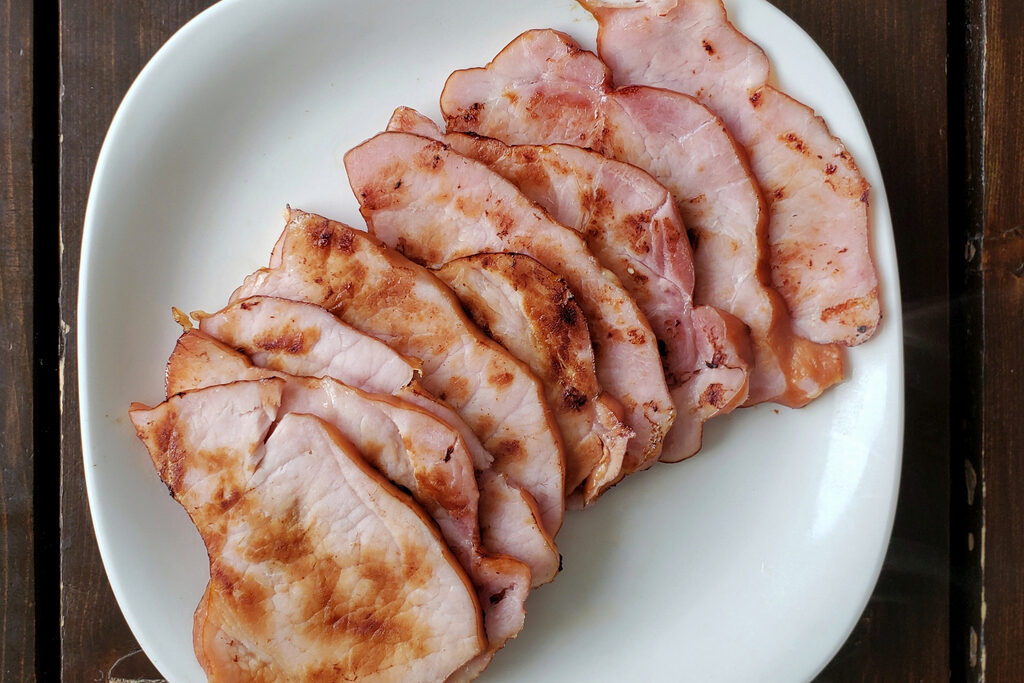
There is something about bacon that feels tied to slow mornings and the smell of breakfast filling the house. Even people trying to eat lighter usually soften when bacon starts sizzling in the pan. The conversation around bacon is similar to deli ham because it is also cured and often cooked at high heat. Over very long periods of heavy intake, that combination is what health experts tend to caution about. Most of the concern lives in repeated daily consumption rather than the relaxed weekend plate most people actually enjoy.
What many households end up doing naturally is shrinking the role bacon plays without making a formal rule about it. Instead of being the whole meal, it becomes the salty side next to eggs, beans, toast, or fruit. Sometimes it is skipped during the week and saved for one relaxed morning. Nobody feels like anything was taken away, and breakfast still feels comforting. The shift is small, almost invisible, yet over months and years it quietly lowers how often heavily processed meat lands on the plate.
3. Backyard Party Hot Dogs

Hot dogs rarely appear in serious nutrition conversations when you are actually holding one at a party. They belong to birthdays, street food stops, school events, and backyard grills where everyone is laughing and balancing paper plates. Still, they are made from processed meat blends that include preservatives and curing agents, which is why they often get grouped into the same caution category as other preserved meats. The discussion is usually about long term habits, not social occasions, because nobody is eating party food every single day of their life.
Most people solve this without any dramatic food speeches. Hot dogs stay exactly where they make the most sense, which is gatherings, celebrations, and the occasional craving. At home during regular weeks, many switch to grilled chicken, simple burgers, or even bean patties for quick dinners. The result is that hot dogs keep their fun reputation instead of becoming a quiet routine meal. That small separation between event food and everyday food ends up doing most of the work automatically.
4. Freezer Drawer Dinner Sausages
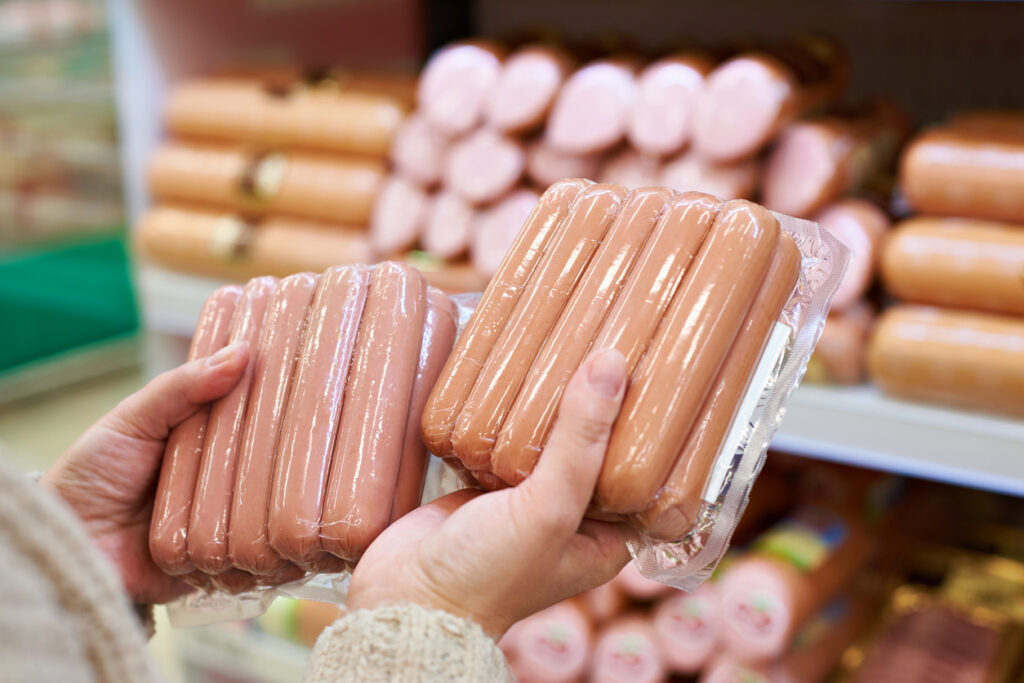
Every kitchen has that evening when energy drops, the clock moves too fast, and dinner needs to happen immediately. That is the exact moment sausages usually enter the story. They cook quickly, taste rich, and feel filling enough to end the day without extra effort. Many packaged sausages, though, are preserved using similar curing processes found in other processed meats. Over time, very frequent intake is what health discussions usually point toward, especially when they become a default protein night after night.
A lot of experienced home cooks already handle this in a simple way that keeps dinner easy. Instead of serving several whole sausages per person, they slice one or two into pasta, stews, rice dishes, or vegetable skillets. The smoky flavor spreads through the whole meal, yet the actual processed meat portion drops a lot. Nobody feels shortchanged because the taste still carries. It is one of those quiet cooking habits that feels normal but ends up making long term eating patterns noticeably more balanced.
5. Slow Smoked Barbecue Cuts
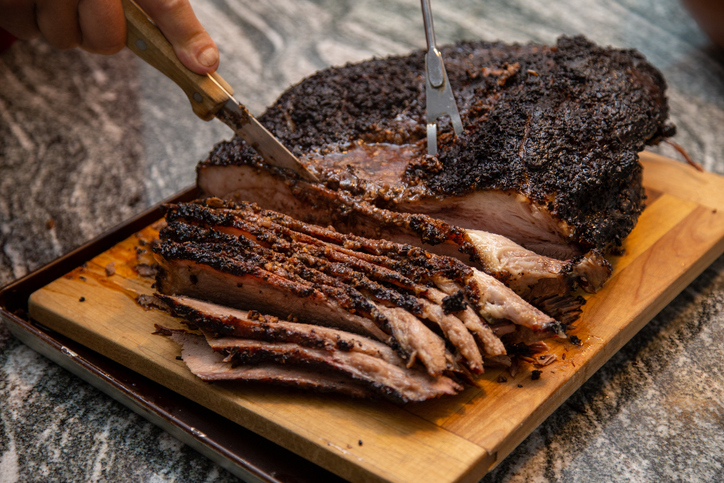
Good barbecue is rarely just about food. It is about time, patience, smoke drifting through the air, and someone checking the grill every few minutes like it is a personal responsibility. Smoked meats taste incredible, and that deep flavor is exactly why people love them. The concern sometimes mentioned in health discussions comes from heavy smoke exposure and very charred surfaces that can form certain compounds when fat burns and smoke settles back onto the meat during long cooking sessions.
In real kitchens and backyards, nobody is cancelling barbecue traditions. Instead, small technique shifts tend to handle most of the issue. People trim excess fat, cook a bit slower, rotate cuts more often, or avoid letting the outside turn fully black. Plates also tend to include more sides like corn, beans, or salad, which naturally keeps meat portions reasonable. The gathering still feels the same, the smell still fills the yard, and the only real change is a slightly gentler cooking approach that keeps the tradition alive.
6. Extra Crispy Fried Chicken Nights

There is a certain kind of tired evening when fried chicken feels like the only correct answer. It is crunchy, salty, comforting, and requires almost no emotional energy to enjoy. The health concern people talk about here is less about chicken itself and more about repeated deep frying at very high oil temperatures, especially when coatings become very dark and heavily browned. High heat cooking like that can create compounds that researchers suggest limiting when they show up too often in everyday meals.
Most families who love fried chicken do not remove it from life. They simply change how often it appears. Maybe it becomes a Friday treat instead of a random weekday fallback. Some switch between fried, oven baked, and air cooked versions so the texture stays enjoyable without relying on deep oil every time. Nothing about the comfort disappears, and nobody feels like food rules took over the kitchen. The rhythm just spreads those heavier meals farther apart, which usually solves most concerns naturally.
7. Burnt Morning Toast Moments
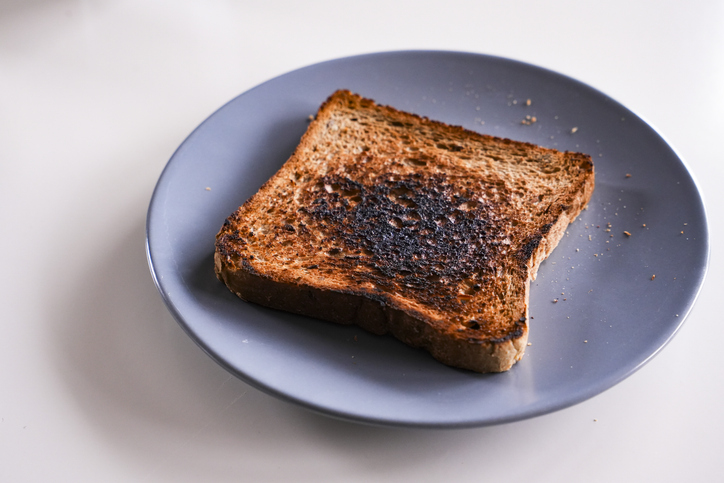
Almost everyone has stood in the kitchen staring at toast that came out darker than planned while the clock kept pushing them out the door. Most of us scrape it, butter it, and eat anyway because mornings rarely allow a second attempt. The reason burnt toast sometimes enters health conversations is that very heavily browned starchy foods can form a compound during high heat cooking. That sounds technical, but in daily life it simply means extremely dark toast should not be the usual preference every morning.
The fix here is probably the easiest food adjustment anyone will ever make. Lowering the toaster setting once usually solves the issue forever without needing to think about it again. Golden brown becomes the new automatic result, and breakfast continues exactly the same. No new groceries, no diet planning, no lifestyle overhaul. It is one of those small invisible kitchen tweaks that requires almost zero effort yet quietly improves long term eating habits without anyone feeling like they changed their routine at all.
8. Late Night Instant Noodle Bowls
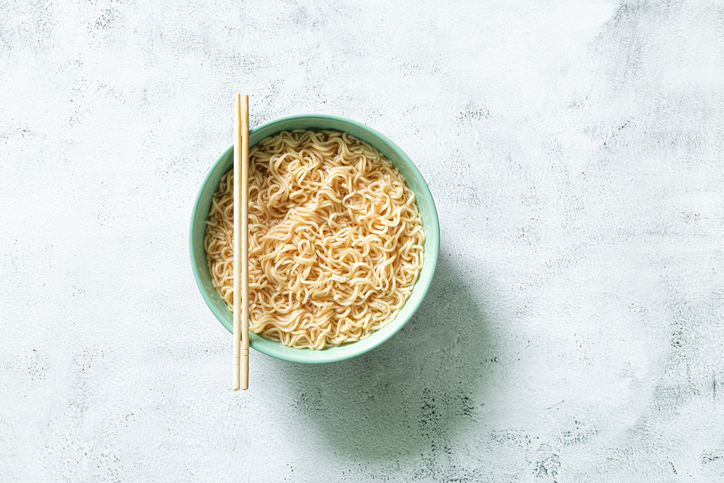
Instant noodles have saved more exhausted evenings than most people would ever admit out loud. They cook fast, taste comforting, and require almost no preparation, which makes them the hero of student kitchens and long work nights. The main concern that comes up around them is usually the very high sodium seasoning packets and the heavy processing involved when they become a constant daily meal instead of an occasional convenience solution during busy stretches.
A lot of people discovered a simple upgrade that keeps the speed but improves the balance. They still cook the noodles, but use only part of the seasoning and throw in frozen vegetables, leftover chicken, tofu, or a cracked egg. The cooking time barely changes, yet the meal suddenly feels fuller and less dependent on the salty packet alone. That small habit keeps instant noodles in the kitchen as a helpful backup rather than letting them quietly become the entire dinner plan every single night.
9. Sugary Breakfast Cereal Routines
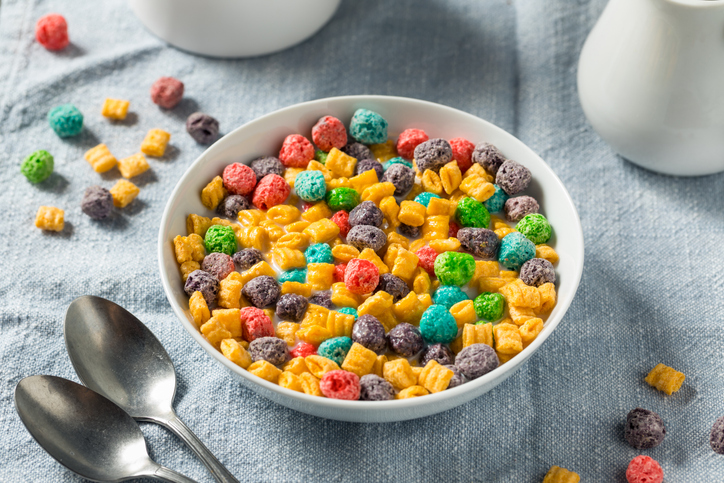
Some breakfast cereals taste so good they almost feel like dessert that somehow got permission to live in the morning. They pour fast, kids love them, and on rushed days they solve the breakfast problem instantly. The issue people sometimes raise is the very high sugar content in certain brands, especially when eaten daily in large bowls. Over time, consistently high sugar intake can contribute to weight gain, and long term weight patterns are one of the lifestyle factors often discussed in broader health prevention conversations.
Many parents and adults already solved this in a surprisingly peaceful way. Instead of banning favorite cereals, they mix them with plain whole grain versions or smaller portions. The bowl still tastes sweet enough to enjoy, mornings stay easy, and nobody feels like breakfast turned into a punishment. Over weeks, the total sugar intake drops naturally without any arguments at the table. It is one of those realistic household compromises that actually works because it respects taste, routine, and real life schedules.
10. Everyday Drinking Habits With Alcohol

Alcohol sits in a social space that food rarely touches. It shows up at celebrations, dinners, reunions, and those evenings when conversation stretches a little longer than planned. Health discussions around alcohol tend to focus on steady daily drinking rather than occasional social glasses. The concern grows when consumption becomes routine, because long term patterns are what influence overall health outcomes the most across many years of adult life.
What many people now follow is a quiet moderation rhythm that does not feel like a rulebook. Drinks might stay connected to social outings instead of automatic nightly habits. Some alternate with water, others keep certain weekdays alcohol free, and some simply reduce portion size. Social life continues unchanged, laughter still happens, and gatherings feel exactly the same. The only difference is that alcohol stops being background routine and returns to being a conscious choice. That small awareness shift often makes the biggest difference over time.
11. Processed Cheese Singles
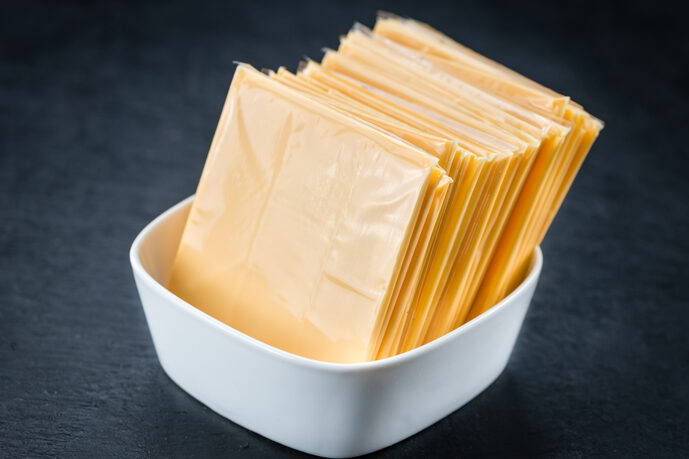
Processed cheese slices have saved many quick lunches and late night grilled sandwiches when nobody wanted anything complicated. They melt perfectly, stack neatly, and last longer in the fridge than most natural cheeses, which is exactly why so many households keep them around. The conversation about them usually centers on how heavily engineered they are, often containing emulsifiers, added sodium, and stabilizers designed to keep the texture smooth and uniform. Eating them occasionally is not what raises eyebrows. It is when they quietly become the automatic cheese choice for every meal.
Most people adjust this without making a dramatic kitchen announcement. Natural cheeses like cheddar, mozzarella, or local fresh cheese start handling most everyday meals, while processed slices stay reserved for that one grilled sandwich craving or quick burger night. The taste difference in most dishes is barely noticeable, but the ingredient list becomes simpler overall. It is one of those small grocery shifts that feels completely normal while slowly moving everyday meals toward less processed ingredients.
12. Microwave Butter Popcorn Nights

Popcorn has always been tied to relaxing moments, whether it is a film night at home, a big match on television, or just a quiet evening after work. Microwave butter popcorn made that ritual easier because it removed the need for measuring kernels or watching a pot on the stove. The concern people sometimes raise is not the corn itself but the heavy artificial butter flavorings, processed oils, and high sodium levels that can come with some packaged versions. When eaten once in a while, it fits easily into normal life, but when it becomes the default nightly snack, those added ingredients start to stack up quietly over time without anyone noticing.
Many households solve this in a very relaxed way that keeps the experience exactly the same. Some switch to simpler microwave versions with lighter seasoning, while others pop kernels on the stove or use air poppers so they control the salt and oil themselves. The bowl still gets shared, the smell still fills the room, and the evening still feels comforting. Only the ingredient list becomes shorter, which is usually enough to keep the snack enjoyable while staying balanced.
13. Sweet Bottled Iced Tea Habits

Cold bottled iced tea feels like one of the safest drinks to grab during errands or pack for work because tea naturally carries a healthy reputation. Many people drink it daily without a second thought, assuming it sits in the same category as plain brewed tea at home. The surprise often comes when the label shows how much added sugar some commercial versions contain. Certain bottles carry sugar levels close to soft drinks, and when that becomes part of an everyday routine, the extra sweetness builds slowly into the diet without ever feeling like a dessert choice.
A lot of people fix this habit in the simplest possible way once they notice it. They start brewing tea at home, letting it chill in the fridge, and adding lemon, mint, or a small spoon of honey for flavor. Others keep buying bottled tea but switch to unsweetened versions and save the sweeter ones for occasional cravings. The refreshment stays the same, the routine stays easy, and hydration never becomes complicated. Only the sugar level quietly drops, which usually makes the biggest difference.
14. Bright Colored Candy Snacks
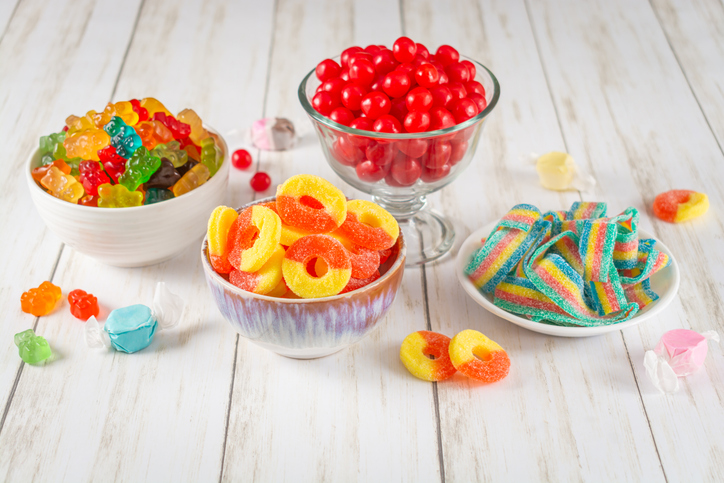
Candy has always been meant to feel playful, whether it shows up in cinema boxes, holiday bowls, birthday parties, or that small stash someone keeps hidden in a desk drawer. Problems usually do not come from the occasional handful. They start when those quick sugary bites quietly become an everyday automatic snack during boredom, stress, or long work hours. Many brightly colored candies are heavily processed with concentrated sugars and flavorings, which is why nutrition conversations tend to place them firmly in the category of foods best kept occasional rather than routine daily fuel.
In everyday life, most adults already understand this balance naturally without needing strict rules. Candy fits comfortably into celebrations, travel days, and special outings where it feels intentional and fun. Some people switch to smaller portions, some choose chocolate with nuts, and others simply stop keeping large bags within arm’s reach at home. Nothing about the enjoyment disappears. Candy still tastes exactly the same. It simply returns to being a cheerful extra instead of something eaten absentmindedly throughout the day.
15. Charred Backyard Steak
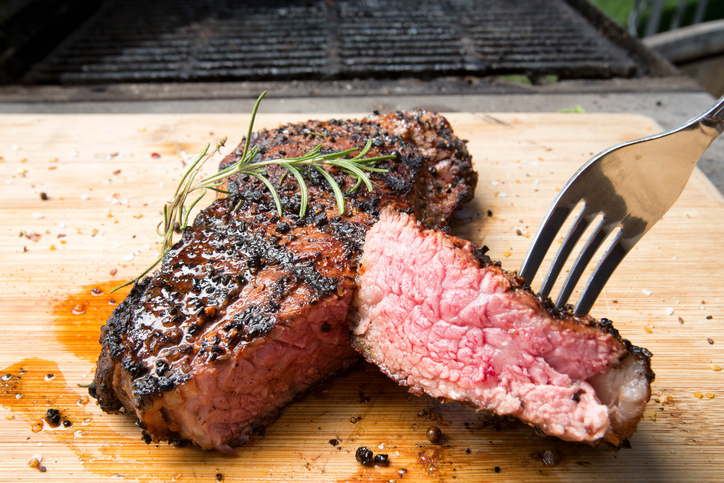
Grilling steak outdoors often feels less like cooking and more like an event. Someone checks the heat, someone else prepares the sides, and the smell alone tends to pull everyone toward the grill. Steak itself is not the concern that usually comes up in health discussions. What sometimes gets mentioned is the very heavily blackened or charred surface that can form when meat cooks directly over intense flame for too long. That extreme burning can create compounds that researchers generally suggest limiting when they appear too often across regular meals.
Most grill lovers handle this naturally without needing to give up anything they enjoy. Turning the meat more frequently, cooking at a slightly lower temperature, marinating beforehand, or trimming off overly burnt edges usually solves the issue completely. The steak still tastes rich, the outdoor gathering still feels social, and nobody feels like their favorite cooking method disappeared. It simply becomes a slightly more controlled version of the same backyard ritual, which keeps both the flavor and the long term eating pattern comfortably balanced.
16. Ultra Processed Frozen Pizza
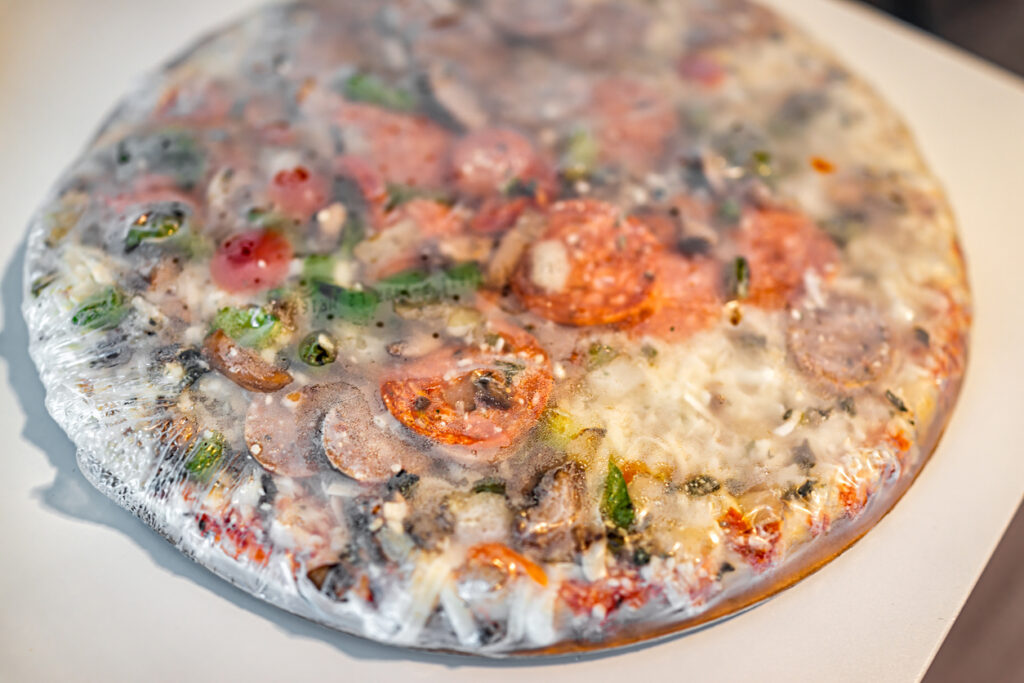
Frozen pizza has rescued countless evenings when energy is low, time is short, and nobody wants to start cooking from scratch. It is familiar, filling, and requires almost no preparation beyond turning on the oven, which explains why it often becomes a freezer staple. The concern sometimes mentioned is that many versions combine refined crusts, processed meats, high sodium sauces, and stabilizers all in one meal. Eating it occasionally fits easily into normal life, but when it becomes the automatic dinner choice several nights each week, the overall balance of ingredients can start leaning heavily toward processed options.
Many households solve this without removing pizza from the menu at all. They bake the same frozen pizza but add fresh vegetables on top, serve it with a simple salad, or choose thinner crust versions with fewer processed toppings. Dinner still arrives quickly, nobody feels forced into complicated cooking, and the familiar comfort stays intact. The only change is that the meal becomes slightly more balanced, which is usually enough to keep convenience while gently improving everyday eating habits.
17. Sugary Energy Drink Routines
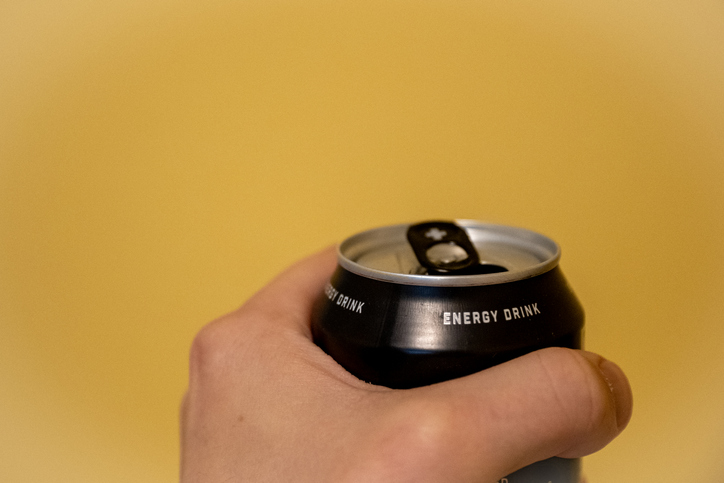
Energy drinks usually enter people’s lives for very practical reasons like long shifts, exam preparation, overnight travel, or exhausting work deadlines. They promise fast alertness and strong focus, which is exactly why they become tempting during periods when sleep is limited. The concern most often mentioned is the very high sugar content in many brands, especially when they quietly move from emergency use into a daily routine. When that happens, the added sugar can build steadily in the background without the drink ever feeling like an indulgent dessert.
Many adults naturally correct this pattern once they notice it happening. Energy drinks stay available for truly demanding days, but normal routines shift back toward coffee, tea, water, or simple rest when possible. Some people switch to smaller cans, others choose lower sugar versions, and many stop stocking them at home so they remain an occasional purchase instead of an automatic habit. The energy boost never disappears. It simply returns to being a tool used when needed rather than a daily background drink.
18. Very Salty Pickled Foods
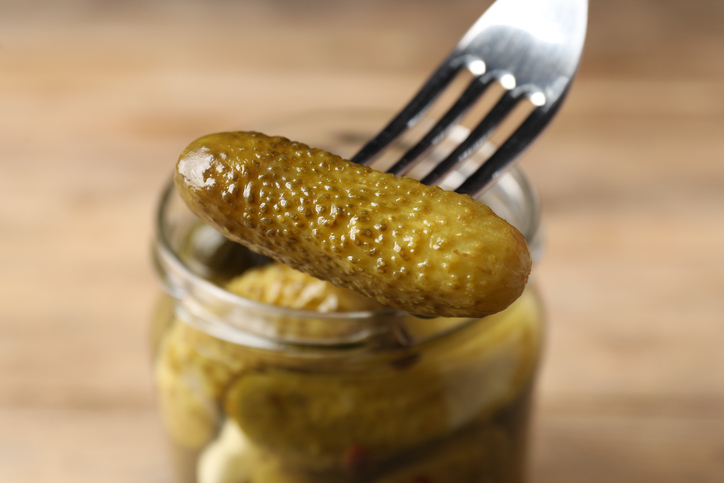
Pickled foods bring strong flavor and often carry deep cultural memories tied to family recipes and preserved seasonal harvests. Whether it is cucumbers, peppers, or mixed vegetables, that sharp salty bite can instantly brighten a simple meal. The only time they usually enter caution conversations is when extremely salty preserved foods are eaten in very large amounts very frequently over long periods. Heavy sodium intake is something nutrition experts generally suggest keeping within reasonable everyday limits, especially when multiple salty foods appear in the same daily menu.
For most households, this balance already happens naturally. Pickles usually sit on the side of the plate, inside a sandwich, or as a small flavor accent rather than the main portion of dinner. Some people choose milder brined versions, others pair them with plenty of fresh vegetables or grains so the overall meal stays balanced. The tangy crunch still does its job perfectly, meals still feel lively, and nothing about the tradition disappears. The role simply stays where it works best.
19. Checkout Counter Packaged Pastries
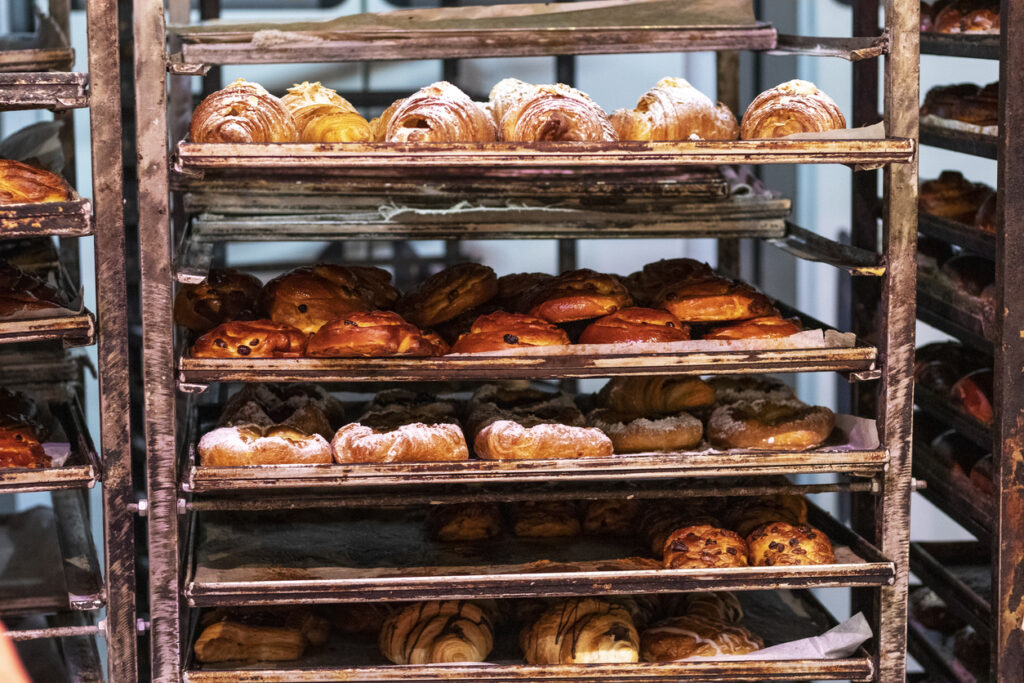
Those wrapped pastries near checkout counters exist for one very specific situation, which is when morning plans collapse and breakfast never happens. They are sweet, filling, and extremely convenient, which explains why they often end up in bags without much planning. The concern usually discussed is the mix of refined flour, added sugars, and stabilizers that allow them to stay shelf stable for long periods. When eaten occasionally during rushed travel days, they fit normal life easily. Problems only tend to appear when they quietly replace real breakfasts several times every week.
Many people fix this simply by making an easier breakfast available at home first. Keeping bananas, yogurt, boiled eggs, bread, or overnight oats ready means there is always a fast option that requires almost the same effort. Once that backup exists, packaged pastries naturally return to being emergency snacks or travel food instead of daily fuel. Nothing dramatic needs to happen. The routine just shifts slightly toward foods that keep energy steadier through the morning.
20. Sugary Bottled Coffee Drinks
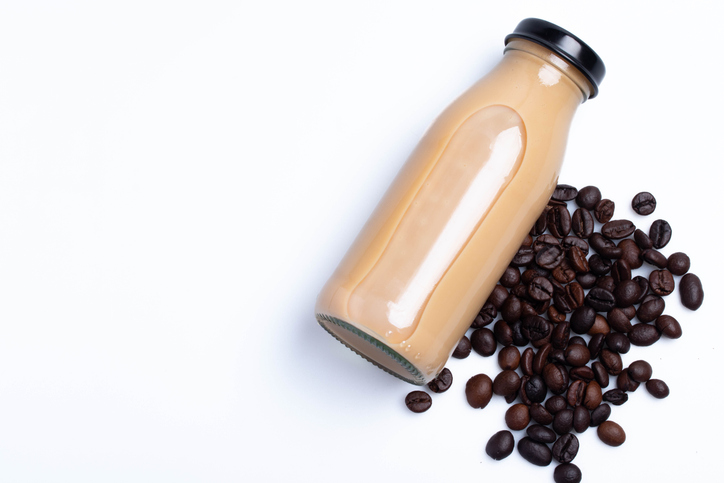
Ready made bottled coffee drinks often feel like a harmless productivity helper, especially during long afternoons when energy dips and work still needs attention. Because the label says coffee, many people treat them like a basic caffeine drink rather than noticing how much added sugar, flavored syrup, and cream stabilizer some versions contain. When one bottle becomes a daily habit, the sweetness can quietly rival dessert levels without the drink ever feeling indulgent.
A simple adjustment most people settle into is keeping regular coffee or homemade iced coffee as the everyday option, while saving the richer bottled versions for occasional treats. Some switch to smaller bottles, others dilute them with plain coffee, and many simply reduce how often they buy them. The caffeine boost still does its job, afternoons still get rescued, and the workday continues smoothly. Only the sugar intake drops in the background, which usually matters far more than people expect.
21. Deep Fried Potato Chips
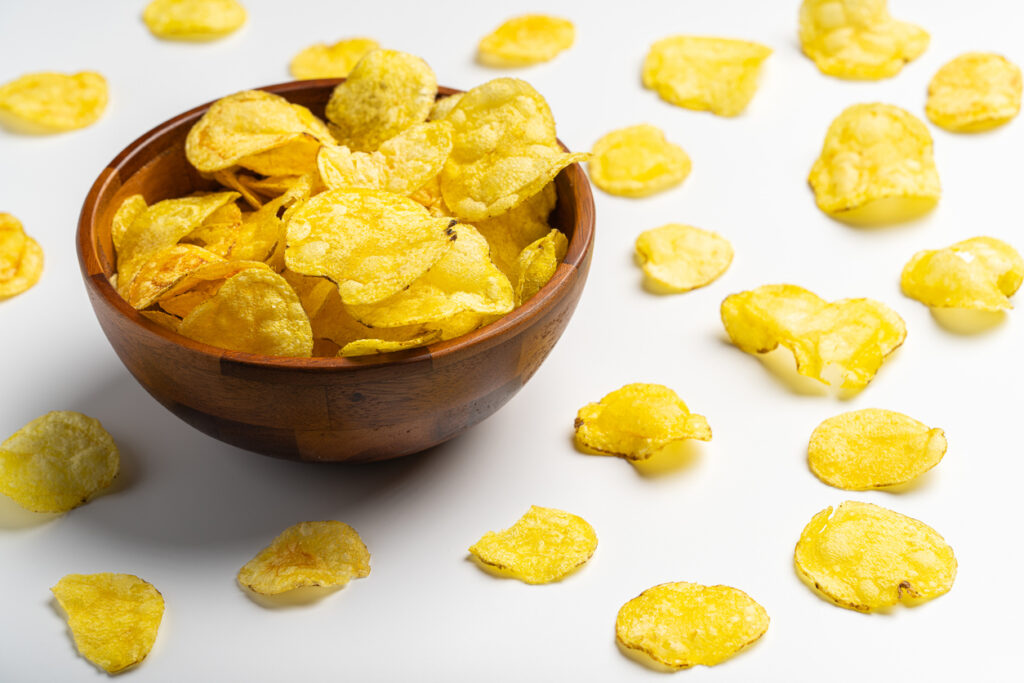
Potato chips feel harmless because they are everywhere. They sit in lunchboxes, appear at parties, and often become the automatic snack when someone wants something crunchy without thinking too much. The concern that sometimes comes up is not the potato itself but what happens during very high temperature frying. When starchy foods like sliced potatoes are cooked at intense heat until very brown, a compound can form that researchers generally suggest limiting in long term diets. This tends to matter most when heavily fried snacks become an everyday habit rather than an occasional treat shared during social moments or movie nights.
Most people adjust this without removing chips from life completely. They start treating them like a side snack instead of a daily desk companion, or they switch some cravings toward roasted potatoes, popcorn, or lightly baked versions. The crunch still gets satisfied, the snack routine still feels easy, and nothing about social gatherings changes. The only difference is that fried chips stop being the background default and return to being something enjoyed intentionally once in a while, which usually keeps the balance comfortably in place.


