
Heath Ledger As The Joker
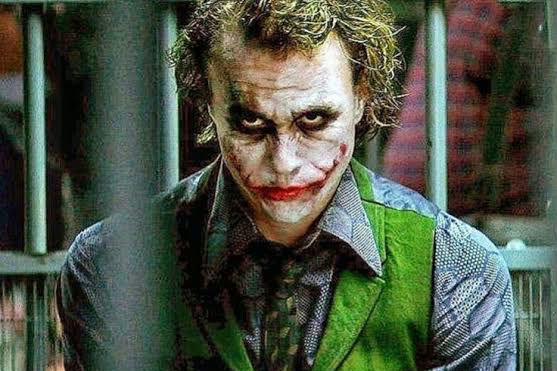
To create the definitive version of the Clown Prince of Crime for the 2008 masterpiece The Dark Knight, Heath Ledger famously locked himself away in a London hotel room for several weeks. During this period of self-imposed isolation, he kept a chilling “Joker Diary” filled with disturbing imagery and notes to help him find the character’s unique voice and erratic movements. Ledger later admitted in interviews that he was struggling to sleep because his mind would not stop racing, leading him to rely on various medications to find some semblance of rest. The intensity of the role was so profound that it became a central part of the media narrative following his sudden passing in early 2008.
Tragedy struck on 22 January 2008, when the thirty-year-old actor was found dead in his Manhattan apartment due to an accidental overdose of prescription medications. Although his family and close friends have often pushed back against the idea that the Joker role “killed” him, the exhaustion he described during filming remains a poignant part of his legacy. His posthumous Academy Award win served as a bittersweet tribute to a man who gave everything to his craft. The sheer commitment he displayed changed the way audiences perceive method acting and the dark corners of the human psyche that performers must often visit to achieve greatness on the big screen.
River Phoenix As Mike Waters
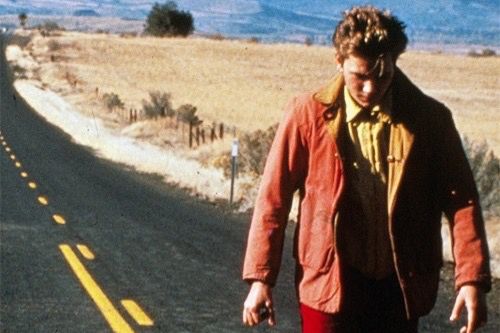
River Phoenix was widely considered the most talented actor of his generation, and his performance as the sensitive street hustler Mike Waters in the 1991 film My Own Private Idaho remains a benchmark for raw vulnerability. To prepare for the role, Phoenix spent time with actual runaways and immersed himself in the gritty reality of life on the streets of Portland. His portrayal was so convincing and emotionally taxing that it earned him critical acclaim and several prestigious awards. However, the young actor was also navigating the complexities of fame and the darker temptations that often come with being a Hollywood prodigy during the early nineties.
The world was shocked when Phoenix collapsed and died outside the Viper Room in West Hollywood on 31 October 1993. His death at the tender age of twenty-three was attributed to a combined drug intoxication, marking a tragic end to a career that was seemingly destined for even greater heights. While he had completed several projects after his breakthrough in the Gus Van Sant film, many fans still associate his hauntingly beautiful performance as Mike Waters with the fragility he displayed in real life. His passing left a void in the industry that many feel has never truly been filled by any other young actor since that time.
Anton Yelchin As Brady Hartsfield
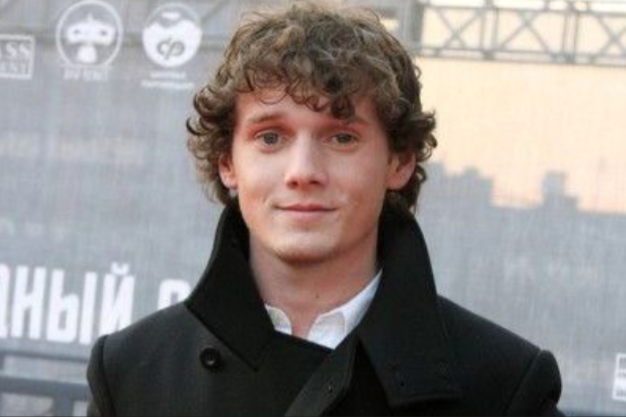
Anton Yelchin was a performer known for his incredible range and an intellectual approach to his characters, ranging from blockbuster hits like Star Wars to intense independent dramas. Shortly before his untimely passing, he was cast in the television adaptation of Stephen King’s Mr. Mercedes, playing the chilling and brilliant serial killer Brady Hartsfield. Those close to him noted that he was excited to dive into such a dark and complex antagonist, as it represented a departure from his more heroic or quirky roles. Yelchin was a student of film history and was constantly seeking roles that challenged his perceptions of human nature and the boundaries of performance.
The acting community was devastated when Yelchin died in a freak accident on 19 June 2016, at the age of twenty-seven. He was pinned by his own vehicle in the driveway of his home after the car rolled backwards due to a known mechanical fault. Although he had not yet begun the bulk of filming for the series, his preparation for the role of a man obsessed with death and control felt eerily significant to his fans. He left behind a prolific body of work that showcased his immense talent and a reputation as one of the kindest people in the business. His death served as a stark reminder of how quickly a bright light can be extinguished by chance.
Philip Seymour Hoffman As Plutarch
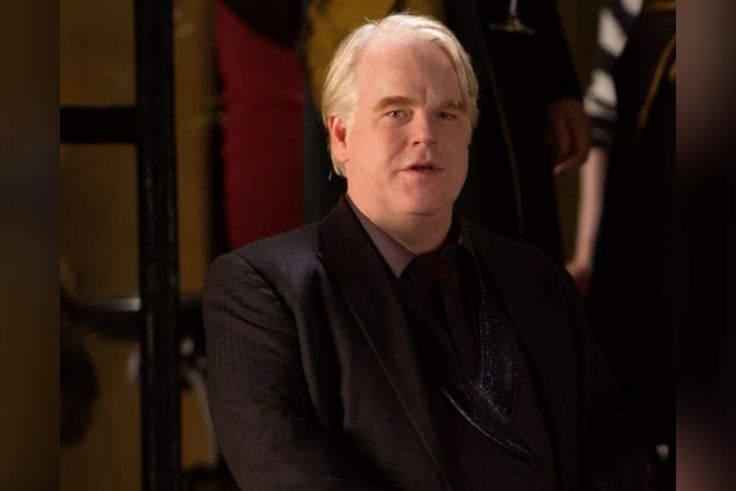
Philip Seymour Hoffman was frequently cited as the greatest actor of his era, known for a level of commitment that saw him disappear entirely into his roles. During the filming of The Hunger Games: Mockingjay, he played the manipulative yet ultimately heroic Plutarch Heavensbee, a character who operates in the shadows of a revolution. While the role was part of a massive franchise, Hoffman approached it with the same gravitas he brought to his Oscar-winning work. However, behind the scenes, the actor was privately battling a relapse into addiction after many years of sobriety, a struggle that was likely exacerbated by the high-pressure environment of a major film production.
On 2 February 2014, Hoffman was found dead in his apartment with only ten days of filming remaining for the final Hunger Games instalment. His death from acute mixed drug intoxication sent shockwaves through the industry and forced the filmmakers to use digital technology and script rewrites to complete his character’s arc. The loss of such a monumental talent was a wake-up call regarding the persistent nature of addiction, even for those who seem to have achieved the pinnacle of success. His final performances are a testament to his ability to find depth and humanity in every frame, even when he was personally grappling with immense internal demons.
Paul Walker As Brian O’Conner
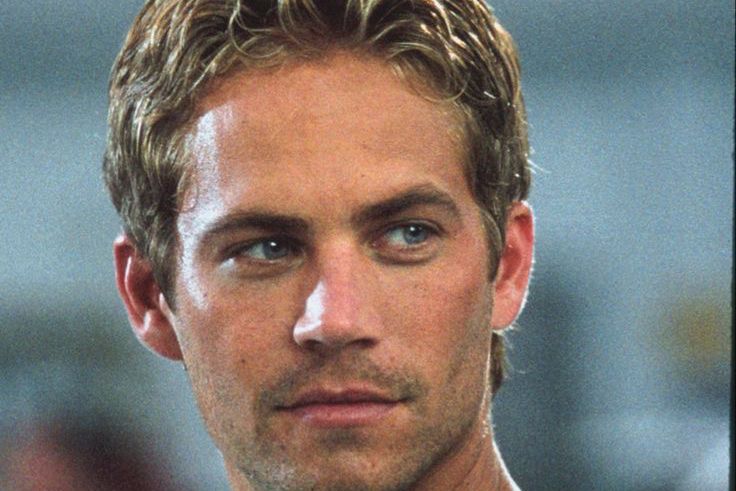
Paul Walker became a global icon through his portrayal of Brian O’Conner in the Fast and Furious franchise, a role that defined his career for over a decade. He was in the middle of filming the seventh instalment of the series, which promised to be the most ambitious and emotionally resonant entry yet. Walker was known for his love of cars and his genuine connection to the “family” dynamic of the cast and crew, making him the heart of the production. The intensity of the filming schedule was balanced by his philanthropic efforts, and it was during a break for a charity event that the unthinkable happened.
On 30 November 2013, Walker was a passenger in a Porsche that crashed and burst into flames in Santa Clarita, California, resulting in his death and the death of the driver. The production of Furious 7 was halted as the cast mourned their friend, eventually using his brothers as body doubles and sophisticated CGI to finish his remaining scenes. The film’s final sequence served as a moving tribute to Walker, allowing his character to literally drive off into the sunset. His passing was a profound blow to fans worldwide because he represented a sense of adventure and kindness that resonated far beyond the high-speed stunts of his famous movies.
Bruce Lee As Hai Tien
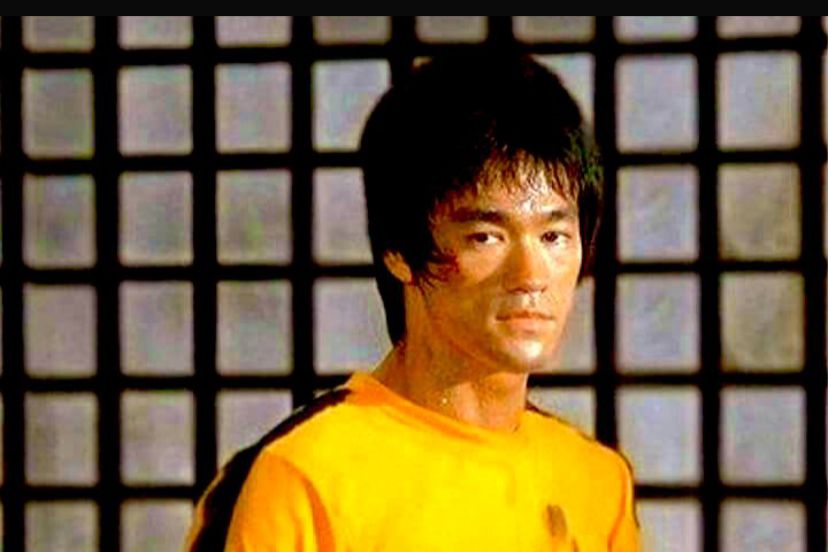
Bruce Lee was a revolutionary figure who bridged the gap between Eastern and Western cinema while pushing the physical limits of the human body. While filming Game of Death in 1973, Lee was not only the star but also the director and writer, taking on a monumental workload that would have exhausted anyone. He was obsessed with the philosophy of martial arts and wanted this film to be his definitive statement on the subject. During the production, he began suffering from severe headaches and seizures, which were early warning signs that his body was under immense strain from overwork and the intense heat of the filming locations.
On 20 July 1973, the world lost its greatest martial arts star when Lee died in his sleep at the age of thirty-two from cerebral edema, which was an accumulation of fluid in the brain. The cause was officially listed as an adverse reaction to a painkiller, but many believe the sheer physical exhaustion of his demanding lifestyle played a significant role. His death occurred just before the release of Enter the Dragon, which would go on to make him a global phenomenon posthumously. Game of Death was eventually released years later using stand-ins, but it remains a haunting look at a man who was pushing himself toward a perfection he would never live to see.
Vic Morrow As Bill Connor
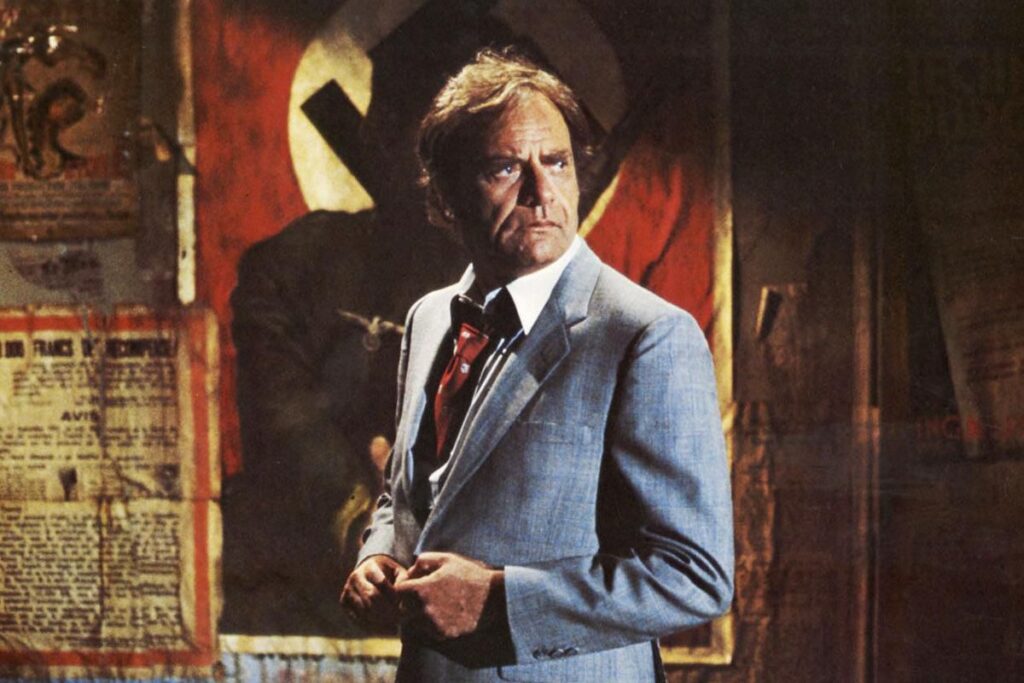
The production of Twilight Zone: The Movie in 1982 remains one of the darkest chapters in Hollywood history due to a catastrophic on-set accident that claimed the lives of three actors. Vic Morrow played the role of Bill Connor, a bigoted man who is sent back in time to experience the very persecution he inflicted on others. The role was physically demanding and required Morrow to film a high-stakes escape scene involving a low-flying helicopter and pyrotechnics. Despite the inherent dangers of the sequence, the director pushed for more realism, leading to a sequence of events that would change safety regulations in the industry forever.
During the filming of the scene on 23 July 1982, the heat from the explosions caused the helicopter to lose control and crash directly onto Morrow and two child actors who were working illegally on the set. All three were killed instantly in a horrific moment that was captured on multiple cameras. The subsequent legal battles and criminal trials lasted for years, highlighting the negligence that can occur when artistic ambition outweighs the safety of the cast. Morrow’s death was a senseless tragedy that served as a grim reminder that no cinematic vision is worth the cost of a human life, leading to much stricter union rules for film sets.
John Ritter As Paul Hennessy
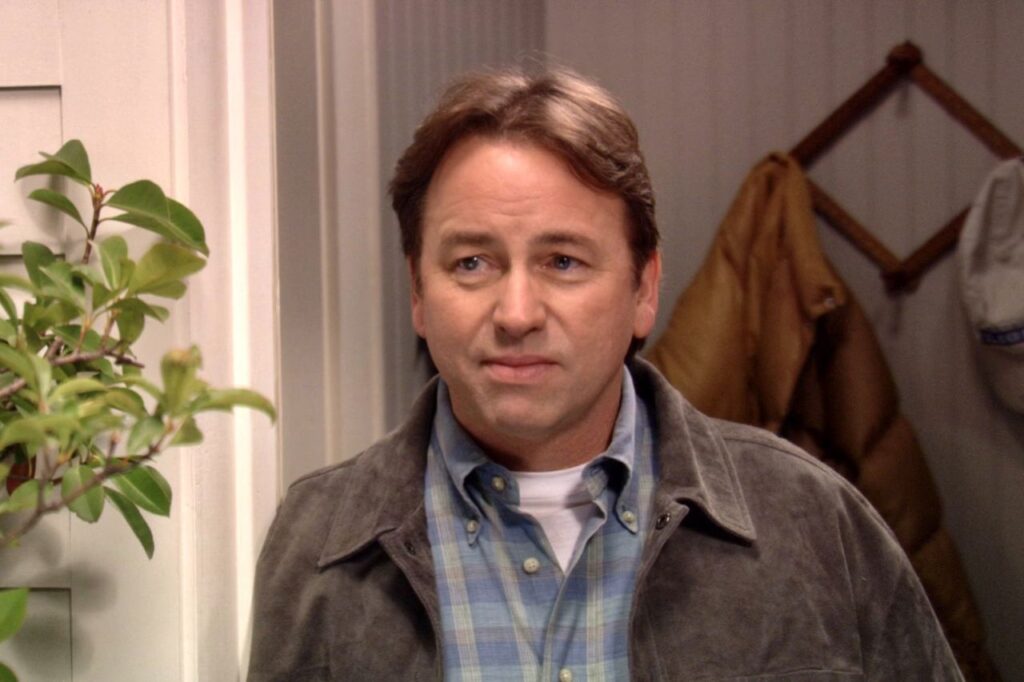
John Ritter was a beloved figure in American television, known for his impeccable comedic timing and physical comedy in shows like Three’s Company. In 2003, he was starring in the popular sitcom 8 Simple Rules for Dating My Teenage Daughter, playing the relatable and often frazzled father Paul Hennessy. The role required a great deal of energy and physical acting, which Ritter delivered with his trademark enthusiasm. While he was rehearsing on the Disney lot in Burbank, he began to feel ill and complained of chest pains, which were initially thought to be a minor issue but quickly escalated into a life-threatening emergency.
Ritter collapsed on set and was rushed to a nearby hospital where doctors discovered he was suffering from an aortic dissection, a rare and often fatal condition where the lining of the main artery tears. Despite the best efforts of the medical team, he passed away on 11 September 2003, which also happened to be his daughter’s birthday. His death was a massive shock to his co-stars and fans, leading to a deeply emotional tribute episode where his character also passed away. Ritter’s legacy is one of laughter and warmth, but the suddenness of his death while at work remains a sobering example of how health crises can strike even in the most upbeat environments.
James Dean As Jett Rink
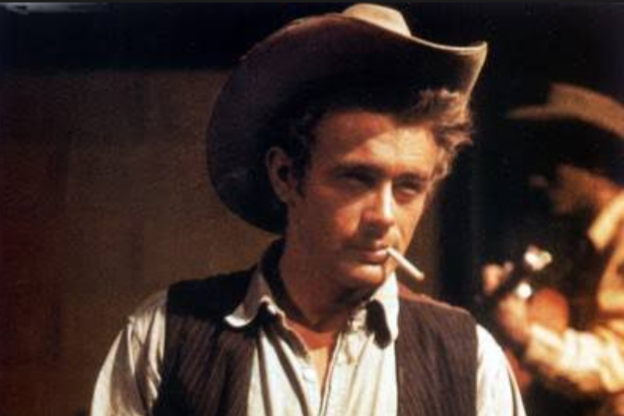
James Dean was the ultimate symbol of youthful rebellion, and his final film, Giant, showcased his evolution into a mature and powerful dramatic actor. He played Jett Rink, a lowly ranch hand who strikes oil and becomes a bitter, wealthy tycoon over the course of several decades. The role was incredibly intense, requiring Dean to age significantly and portray a man consumed by greed and loneliness. He was known for his method acting approach, often staying in character and pushing his emotional boundaries to the limit. By the time he finished filming his scenes, he was reportedly exhausted but eager to move on to his next passion, which was professional auto racing.
On 30 September 1955, just days after completing his work on Giant, Dean was driving his Porsche 550 Spyder to a race in Salinas when he was involved in a head-on collision. He died almost instantly at the age of twenty-four, becoming a legend before the public had even seen two of his three major films. His performance in Giant earned him a posthumous Oscar nomination, and the image of him as the brooding Jett Rink became a permanent fixture in pop culture. The tragic irony of his death so soon after playing a character who gained the world but lost his soul has only added to the enduring mystique of his short but brilliant career.
Proximo In Gladiator
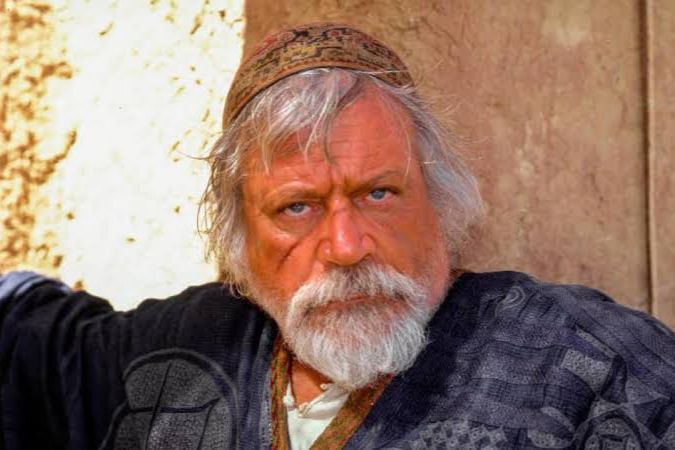
The legendary Oliver Reed was famously known for his boisterous personality and his unmatched presence on the screen, but his final role as Proximo in the 2000 epic Gladiator was perhaps his most poignant. Playing a former gladiator who had won his freedom and now trained others, Reed brought a weary wisdom to the character that anchored the emotional heart of the story. During the filming in Malta, the production was notoriously grueling, and Reed was reportedly under significant pressure to deliver a performance that would match the massive scale of Ridley Scott’s vision. Despite his age and health concerns, he remained dedicated to the project until the very end of his life.
Tragedy occurred on 2 May 1999, when the sixty-one-year-old actor suffered a sudden and fatal heart attack in a local pub during a break from the intense filming schedule. His death left the production in a difficult position, as several of his key scenes had not yet been filmed, leading the crew to use early CGI and body doubles to complete his arc. The film was eventually dedicated to his memory, and his posthumous BAFTA nomination served as a fitting tribute to a man who lived as intensely as the characters he portrayed. Many critics believe that the vulnerability he showed as Proximo was a reflection of his own realization of his mortality during that final shoot.
Mac Harper In Cover Up
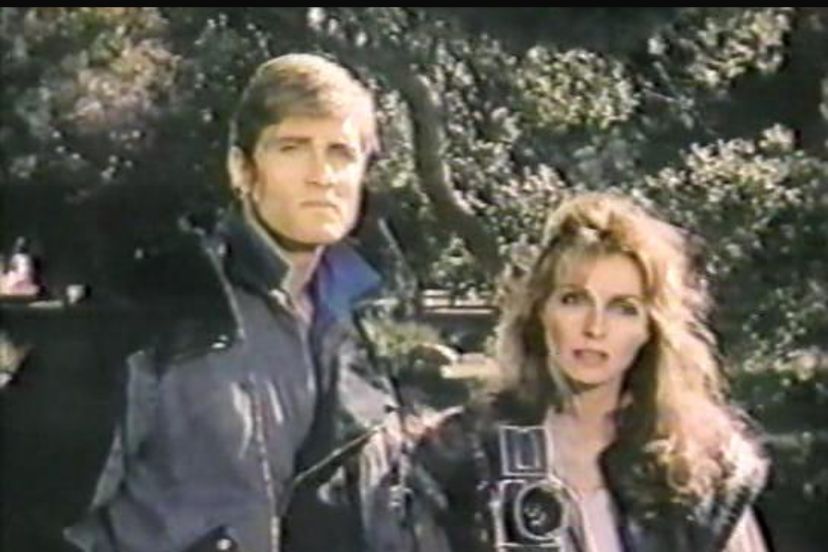
Jon-Erik Hexum was a rising star in the mid-eighties, often described as a modern-day Apollo due to his striking looks and charismatic screen presence in the action series Cover Up. He played Mac Harper, an undercover CIA operative who used his career as a male model as a front for his dangerous missions, a role that required constant physical activity and stunt work. Hexum was known for his playful nature on set and was well-liked by the entire crew, making the events of 12 October 1984 all the more devastating for everyone involved in the production. The show was gaining momentum, and he was poised to become one of the biggest names in television.
During a delay in filming, Hexum jokingly picked up a .44 Magnum prop gun that was loaded with blanks and, unaware of the extreme danger, pulled the trigger while holding it against his temple. The force of the blast from the blank cartridge fractured his skull and sent a bone fragment into his brain, leading to his death several days later at the age of twenty-six. His organs were donated to help others, a final act of kindness that reflected his generous spirit, but the loss of such a young talent to a preventable accident remains a dark mark on Hollywood. The incident led to a significant overhaul of firearm safety training for actors to prevent such a mistake from happening again.
General Leia In Star Wars
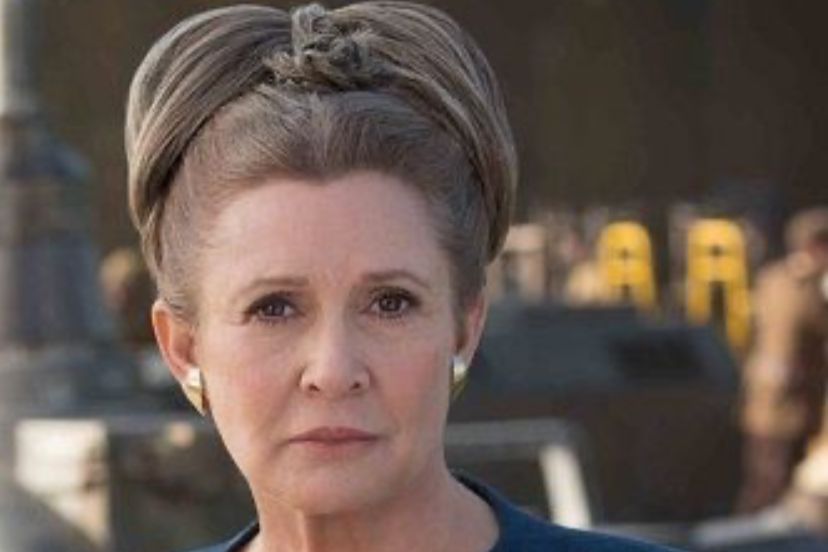
Carrie Fisher was an icon of strength and wit, both in her personal life and through her legendary portrayal of Princess Leia Organa in the Star Wars universe. When she returned for the sequel trilogy, her role evolved into General Leia, a leader who carried the weight of an entire galaxy’s hope and the personal pain of her broken family. Filming The Last Jedi was a physically and emotionally demanding experience, as it required her to tap into deep themes of loss and resilience that mirrored her own life’s journey. She finished her work on the film in late 2016, leaving behind a performance that many considered to be her most grounded and moving work yet.
On 27 December 2016, just weeks after completing her scenes and while on a flight from London to Los Angeles, Fisher suffered a medical emergency and passed away four days later. Her death was attributed to cardiac arrest, with subsequent reports mentioning sleep apnoea and other factors that may have been exacerbated by the stresses of her busy career and travel schedule. The film was released a year later as a beautiful farewell to the actress, featuring a touching tribute in the credits that moved audiences to tears worldwide. Fisher’s legacy continues to inspire millions, as she was a woman who spoke her truth with a bravery that was just as impressive as the character she played.
Something Wicked In 2014
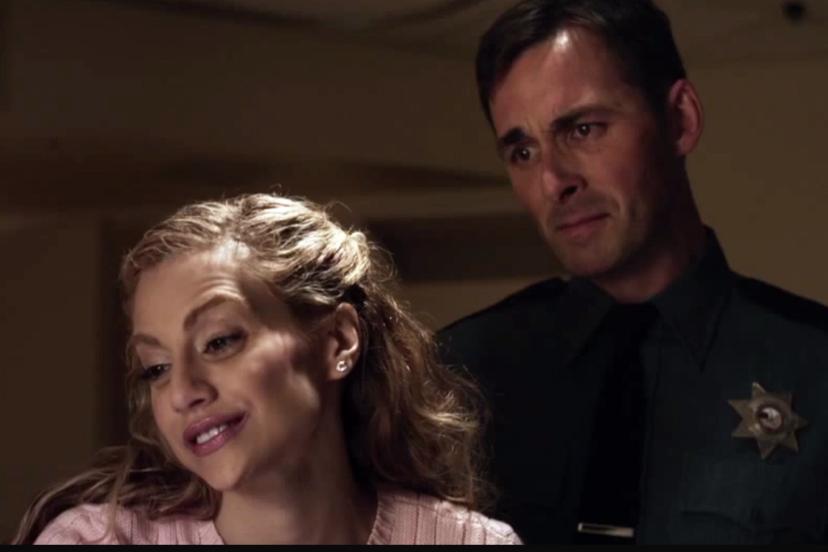
Brittany Murphy was a vibrant talent whose career was filled with diverse roles, but her final performance in the psychological thriller Something Wicked was particularly dark and intense. She played a character caught in a web of obsession and secrets, a role that required a high level of emotional volatility and focused energy throughout the production. Those who worked with her on the set noted that she was as professional as ever, but there was a palpable sense of exhaustion that seemed to follow her during this period of her life. The film’s release was delayed for several years following her passing, eventually serving as a somber final look at her incredible range.
The world was stunned when Murphy died suddenly on 20 December 2009, at the age of thirty-two, due to a combination of pneumonia, anemia, and multiple drug intoxication. While her death was not directly caused by the film, the timing of her final role in such a heavy, atmospheric thriller led many to reflect on the pressure young actresses face in the industry. Her husband passed away under eerily similar circumstances just months later, adding a layer of mystery and tragedy to her story that continues to be discussed by fans today. Murphy is remembered for her infectious energy and the light she brought to every room, making her early departure a truly heart-breaking loss for the world.
Finn Hudson In Glee
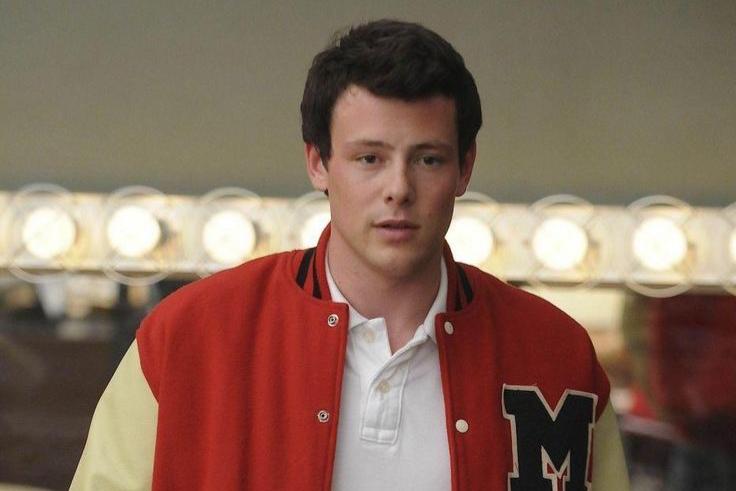
Cory Monteith was the heart of the musical phenomenon Glee, playing Finn Hudson, a high school quarterback who discovered a passion for singing and helped bridge the gap between different social circles. The role was incredibly demanding, requiring constant rehearsals, recording sessions, and a grueling filming schedule that often lasted late into the night. Monteith was open about his past struggles with substance abuse, and the pressures of sudden fame and the “clean-cut” image of his character were reportedly difficult for him to balance at times. He was a beloved leader on set, often acting as a mentor to the younger cast members during the show’s massive global success.
On 13 July 2013, during a break before the fifth season was set to begin, Monteith was found dead in a hotel room in Vancouver due to a toxic combination of heroin and alcohol. His death at the age of thirty-one sent shockwaves through the “Gleek” community and forced the show’s writers to craft a tribute episode that remains one of the most emotional hours in television history. The loss of Finn Hudson mirrored the loss of Cory, as both were seen as figures of hope and kindness who were taken far too soon. His story serves as a tragic reminder that even those who bring so much joy to others can be fighting private battles that are invisible to the public eye.
Plan 9 From Outer Space
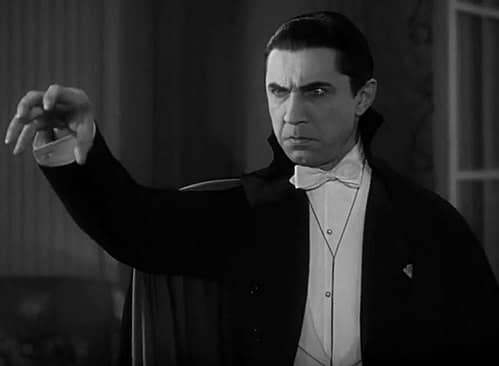
Bela Lugosi will always be remembered as the definitive Count Dracula, but his final years were marked by a tragic decline in health and professional standing within the film industry. His last project was with the infamous director Ed Wood on the film Plan 9 from Outer Space, a production that was plagued by a lack of budget and resources. Lugosi was elderly and struggling with a long-term addiction to morphine, which he had originally been prescribed for chronic pain, yet he remained committed to working as long as he could. The footage used in the film was actually shot for a different project, as Lugosi passed away before the main production even truly began.
The legendary actor died of a heart attack on 16 August 1956, at the age of seventy-three, while lying in his bed at home in Los Angeles. He was famously buried in his full Dracula cape, a final nod to the role that defined his life and, in many ways, haunted his later career. Plan 9 from Outer Space was eventually completed using a stand-in who held a cape over his face to hide the fact that he looked nothing like Lugosi, resulting in a film that is often called the worst ever made. Despite the film’s reputation, Lugosi’s presence in it remains a poignant reminder of a Hollywood legend who was willing to give his final breaths to the craft of acting.
Heather O’Rourke In Poltergeist
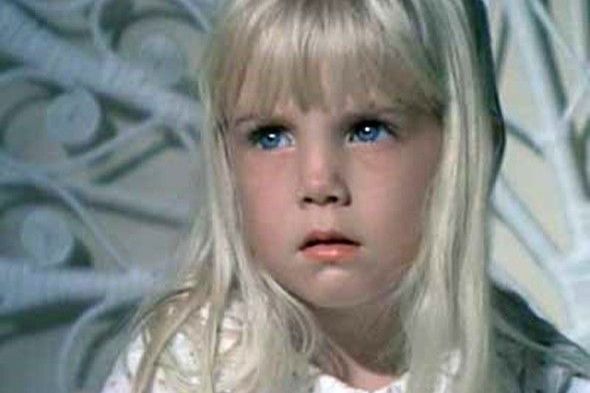
Heather O’Rourke was a child star who captured the hearts of audiences as Carol Anne Freeling in the Poltergeist franchise, famously delivering the chilling line, “They’re here.” While filming the third instalment of the series, she was reportedly dealing with what was thought to be a persistent case of the flu or a digestive issue, yet she continued to work with a professional attitude that belied her young age. The production was physically demanding for a child, involving cold sets and intense emotional scenes that are a hallmark of the horror genre. No one realized at the time that her symptoms were actually signs of a much more serious and life-threatening underlying medical condition.
On 1 February 1988, during the post-production phase of the film, twelve-year-old Heather collapsed and was rushed to the hospital, where it was discovered she had an acute bowel obstruction. She died on the operating table from septic shock, a tragedy that devastated her family and her co-stars, who had watched her grow up on camera. The film was released posthumously and dedicated to her memory, but the “Poltergeist curse” rumors began to swirl as she was the second young star from the franchise to pass away prematurely. Her death remains one of the most tragic examples of a life cut short, leaving fans to wonder what an incredible career she might have had as an adult.
Robert Walker In Strangers
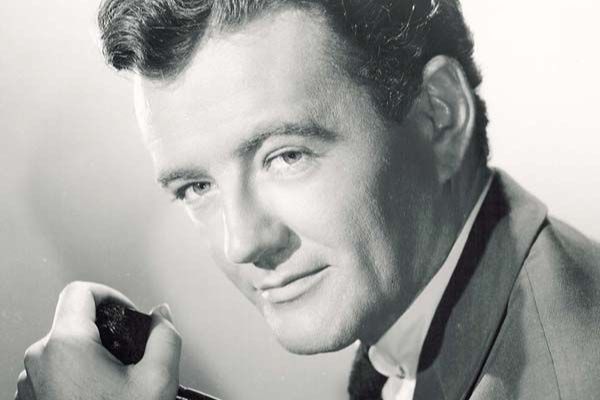
Robert Walker delivered one of the most chilling performances in cinema history as the charismatic and sociopathic Bruno Antony in Alfred Hitchcock’s 1951 classic Strangers on a Train. To play the role, Walker leaned into his own personal anxieties and psychological struggles, creating a villain that was both terrifying and strangely empathetic to the audience. The intensity of the character was praised by critics, but the mental toll of inhabiting such a disturbed mind was evident to those who knew him personally. Walker had a history of emotional instability and substance abuse, and the high-stakes environment of a Hitchcock set added a significant amount of stress to his already fragile state of mind.
Just months after the film’s release, on 28 August 1951, Walker suffered a severe emotional breakdown and died after being administered a sedative by his doctor, which reacted poorly with the alcohol in his system. He was only thirty-two years old at the time of his death, and his passing was seen as a tragic waste of a brilliant actor who was just beginning to reach his full potential. The darkness he channeled into Bruno Antony remains his most enduring legacy, but it also serves as a haunting reminder of the thin line between artistic brilliance and personal destruction. His performance continues to be studied by actors today for its complexity and the raw, nervous energy he brought to the screen.
Anatoly Solonitsyn In Stalker
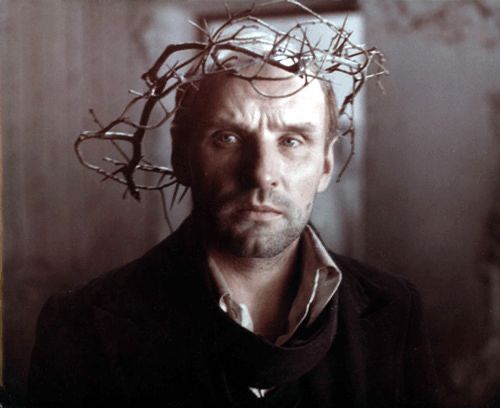
Anatoly Solonitsyn was the muse of the legendary director Andrei Tarkovsky, and his performance in the 1979 masterpiece Stalker is considered one of the greatest in world cinema. The film was shot in a desolate, industrial area in Estonia that was later revealed to be highly toxic due to chemical runoff from a nearby paper mill. The cast and crew spent months filming in these hazardous conditions, often standing in stagnant, polluted water to achieve the film’s haunting and atmospheric visual style. Solonitsyn’s character was a man searching for meaning in a bleak world, a role that required a quiet, intense physical presence that the actor maintained despite the difficult environment.
Years later, Solonitsyn developed lung cancer, which many of his colleagues and family members believe was a direct result of the chemical exposure he endured on the set of Stalker. He passed away on 11 June 1982 at the age of forty-seven, followed shortly by several other members of the crew, including Tarkovsky himself, who died of the same rare form of cancer. The film is now regarded as a prophetic work of art, but its creation came at a terrible human cost that highlights the dangers of filming in unregulated and hazardous locations. Solonitsyn’s dedication to Tarkovsky’s vision was absolute, but it ultimately led him into a “Zone” from which there was no physical escape.
Redd Foxx In The Royal Family
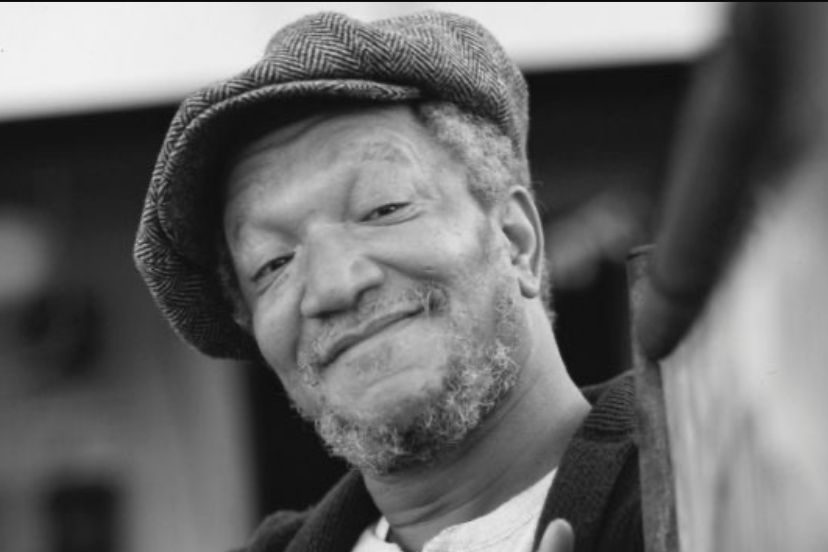
Redd Foxx was a pioneer of comedy, best known for his role as Fred Sanford in Sanford and Son, where his character frequently faked heart attacks as a comedic stunt. In 1991, he was starring in a new sitcom called The Royal Family and was in the middle of a rehearsal when he collapsed on the floor. Because he had spent years making “the big one” a part of his comedy routine, many of the cast and crew initially thought he was simply performing a gag to lighten the mood of the intense rehearsal schedule. However, it quickly became clear that this was not a joke, and the atmosphere on the set shifted from laughter to absolute panic.
Foxx had suffered a massive and fatal heart attack on 11 October 1991, and he passed away later that evening at the hospital at the age of sixty-eight. The irony of his death, occurring during a moment that mirrored his most famous comedic bit, was not lost on the public, and it added a layer of profound sadness to his passing. The show attempted to continue without him for a short time, but the loss of his immense talent and personality proved to be too great a hole to fill for the production. Foxx remains a legend in the world of entertainment, a man who worked until his very last breath to make people laugh, even in his final, tragic moments.
Sharon Tate In Valley Of The Dolls
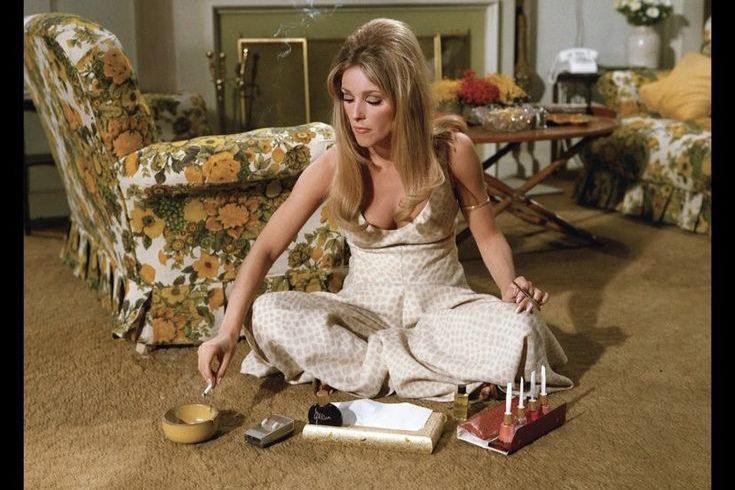
Sharon Tate was one of the most promising starlets of the 1960s, and her performance as Jennifer North in the 1967 cult classic Valley of the Dolls remains her most defining work. The role was an intense exploration of the dark side of Hollywood fame, focusing on the pressures of maintaining physical perfection and the tragic reliance on “dolls”, the slang term for prescription pills. Tate brought a haunting vulnerability to a character who was eventually consumed by the very industry she sought to conquer, a performance that many felt mirrored the fragile nature of success in the public eye. She was widely praised for her comedic timing and her ability to project a deep sense of sadness beneath a glamorous exterior.
The tragedy that followed Tate’s rise to fame is one of the most horrific in American history, as she was murdered by members of the Manson Family on 9 August 1969. At the time of her death, she was twenty-six years old and eight months pregnant with her first child, a fact that made the senseless violence even more difficult for the world to comprehend. While her death was a result of a random and brutal act of evil, the intense themes of her final films often lead fans to reflect on the juxtaposition of her bright future and the darkness that cut it short. She remains a symbol of a lost era of Hollywood grace, remembered as much for her kindness as for the incredible screen presence she displayed.
Chris Farley In Almost Heroes
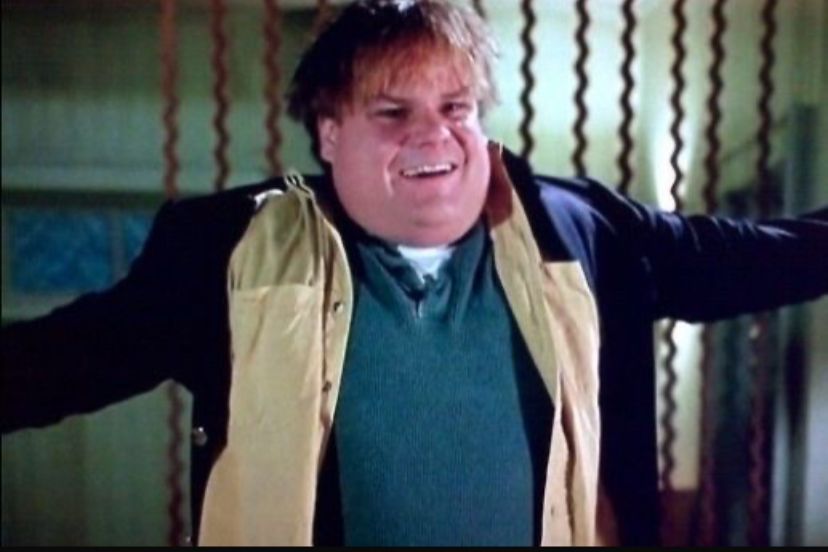
Chris Farley was a comedic powerhouse known for his high-energy performances and his “larger than life” persona, both on Saturday Night Live and in his successful film career. In 1997, he completed work on the comedy Almost Heroes, a film that required a great deal of physical exertion and the kind of slapstick humor that had become his trademark style. However, behind the scenes, Farley was struggling with the immense pressure to keep up his energetic image while privately battling a long-standing and severe addiction to various substances. Those who worked with him on his final projects noted that the physical toll of his lifestyle was becoming increasingly evident, even as he continued to give his all to the production.
On 18 December 1997, shortly after the film entered its final stages of preparation for release, the thirty-three-year-old comedian was found dead in his Chicago apartment from a drug overdose. His passing was a devastating blow to the world of comedy, as he was seen as a generational talent who had so much more to give to his audience. Almost Heroes was released posthumously in 1998, and while it was a comedy, a cloud of sadness hung over the film for many fans who could see the physical strain in his performance. Farley’s legacy is one of pure, unadulterated joy, but his story serves as a poignant reminder of the hidden costs that can accompany the pursuit of making the entire world laugh.
John Spencer In The West Wing
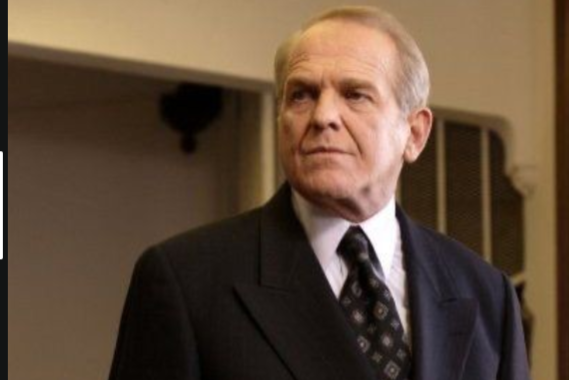
John Spencer was a veteran actor who brought a remarkable sense of integrity and gravitas to the role of Leo McGarry on the hit political drama The West Wing. His character was the Chief of Staff and a recovering alcoholic, a role that required Spencer to tap into his own personal experiences with sobriety to deliver a performance of incredible depth and honesty. The show’s filming schedule was notoriously demanding, with long hours and complex dialogue that reflected the high-stakes environment of the White House. Spencer was the emotional anchor of the series, and his portrayal earned him an Emmy Award and the deep respect of his colleagues and fans alike during his time on the show.
In a tragic case of life imitating art, Spencer’s character suffered a heart attack on the show, and shortly thereafter, the actor himself suffered a fatal heart attack on 16 December 2005. He passed away at the age of fifty-eight, just days before he was set to film further episodes of the seventh season, leaving the cast and crew in a state of profound grief. The writers eventually worked his death into the storyline, creating a moving farewell to both the actor and the character that remains one of the most respected exits in television history. Spencer’s dedication to his craft was evident in every frame, and his absence was deeply felt by an audience that had come to view him as a pillar of strength.
Andrew Whitfield In Spartacus
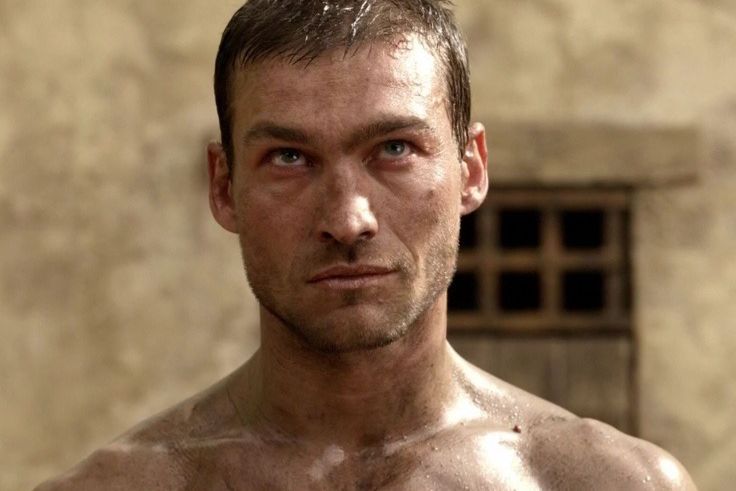
Andrew Whitfield became an overnight sensation for his portrayal of the legendary rebel leader in the Starz series Spartacus: Blood and Sand. The role was incredibly physically grueling, requiring months of intensive combat training, a strict diet, and the stamina to film high-octane action sequences in a highly stylized and demanding environment. Whitfield’s performance was praised for its raw power and the quiet dignity he brought to a man fighting for his freedom against impossible odds. He had just finished the first season and was preparing to begin work on the second when his life took an unexpected and tragic turn that shocked the entire production team and his global fanbase.
Whitfield was diagnosed with non-Hodgkin lymphoma in early 2010, a battle that he fought with the same courage and determination that he displayed on the screen. Despite initial hopes for a full recovery, the cancer returned, and he passed away on 11 September 2011 at the age of thirty-nine, surrounded by his family in Sydney. His death was a massive loss for the industry, as he was a rising star who had managed to find humanity within a role that could have easily been one-dimensional. The series continued with a different actor, but Whitfield’s portrayal of the Thracian gladiator remains the definitive version for many, serving as a lasting tribute to a man who truly embodied the spirit of a warrior.
Eric Fleming In High Jungle
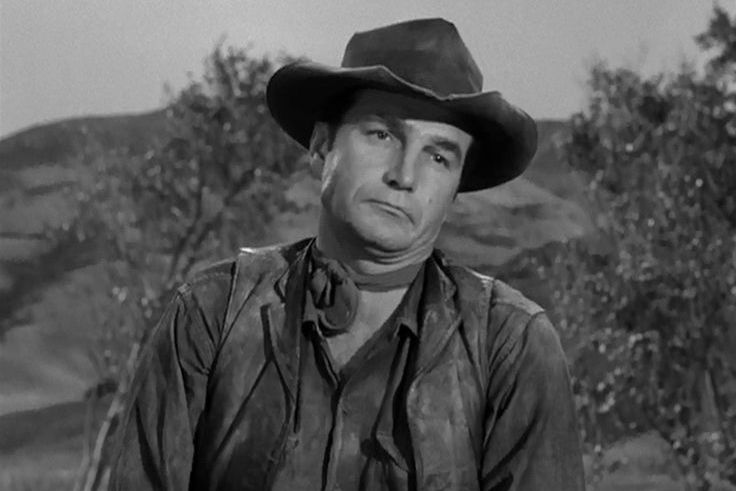
Eric Fleming was a household name in the late fifties and early sixties, largely thanks to his role as Gil Favor on the long-running Western series Rawhide. After leaving the show, he sought out new challenges and was cast in the adventure film High Jungle, which was being filmed on location in the remote and dangerous terrain of Peru. The role was physically demanding and required him to navigate actual wilderness, which was a far cry from the controlled environments of a Hollywood studio. Fleming was known for his professionalism and his willingness to perform his own stunts, a trait that had served him well throughout his career but would eventually lead to a catastrophic outcome during a particularly risky scene.
On 28 September 1966, while filming a scene that involved paddling a dugout canoe through the turbulent waters of the Huallaga River, the boat overturned and Fleming was swept away by the powerful current. His body was not recovered for several days, and the news of his death at the age of forty-one sent shockwaves through the acting community back in the United States. It was a tragic and sudden end for an actor who was still in the prime of his life and looking to expand his horizons beyond the Western genre. His death highlighted the extreme risks that actors often take when filming on location in unpredictable environments, leading to a greater emphasis on safety and the use of local experts in dangerous conditions.
Brandon Lee As Eric Draven
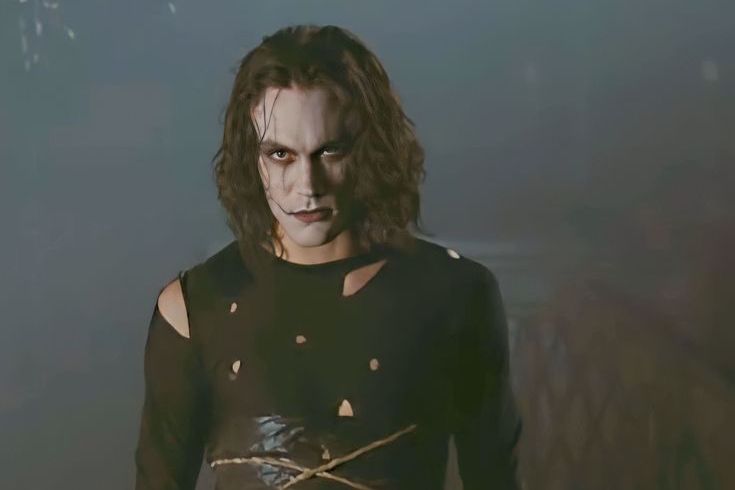
Unfortunately there is no doubt about this one as a tragic accident was the cause…
The production of the 1994 gothic thriller The Crow was intended to be the breakout moment for Brandon Lee, who was the son of martial arts legend Bruce Lee. He played the role of Eric Draven, a rock musician who returns from the grave to avenge his own murder and that of his fiancée. Lee was deeply invested in the dark, soulful nature of the character and often performed his own stunts to ensure the movements felt authentic. The film was nearly finished when a routine scene involving a prop gun went horribly wrong, leading to one of the most infamous and avoidable tragedies in the history of Hollywood cinema.
On 31 March 1993, a dummy round that had been stuck in the barrel of a prop gun was fired by a blank cartridge, striking Lee with the force of a live bullet. Despite hours of emergency surgery, the young actor passed away at the age of twenty-eight, just weeks before he was set to marry his fiancée. The film was eventually completed using digital effects and stunt doubles as a tribute to his hard work and vision. It stands today as a cult classic, though it is forever shrouded in the melancholy knowledge that a rising star lost his life due to a momentary lapse in set safety protocols.
The tragic stories of these twenty-five individuals reminds us that the entertainment we consume, often comes at a significant human cost, whether through physical accidents, emotional exhaustion, or the heavy burden of fame. Therefore, it is essential for the industry to move away from the “one-factory” reliance on high-stress or high-risk environments, and instead prioritise the mental and physical health of the performers who bring our favourite stories to life.
Like this story? Add your thoughts in the comments, thank you.


