
1. Charlie Sheen
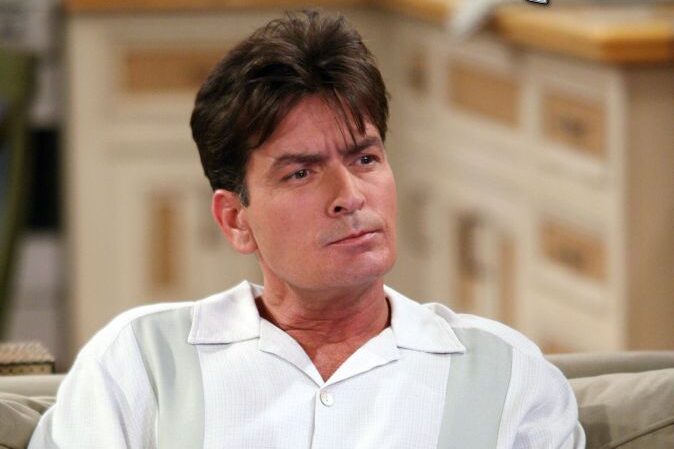
Hollywood has always loved a comeback story, but behind many headlines sit long private meetings that audiences never see. Charlie Sheen’s situation during his sitcom peak felt less like sudden chaos inside the studio and more like a slow tightening knot. Producers, writers, and network executives quietly adjusted shooting plans while hoping rest, negotiations, and personal support might steady the situation. Crew members later described an atmosphere of nervous patience, with everyone aware the show’s future depended on whether stability returned soon. For a while, the effort focused on protecting jobs, scripts, and advertising commitments while keeping conversations out of public view.
Once Sheen’s public interviews grew louder and more unpredictable, the private containment strategy stopped working and the network finally acted. What felt like an overnight collapse to viewers had actually been months of quiet management attempts behind closed doors. The episode became a textbook reminder inside Hollywood that studios almost always try to hold productions together privately first. Only when the noise becomes impossible to control does the public see the decision that insiders already knew was coming.
2. Winona Ryder And The Courtroom Moment Nobody Expected
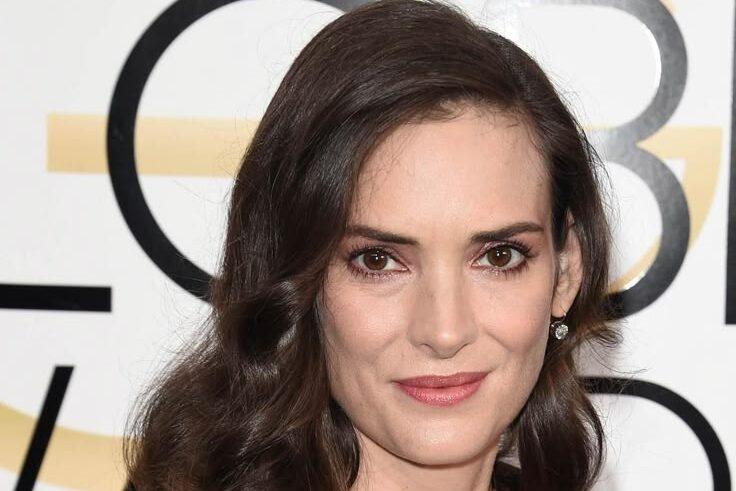
After Charlie Sheen’s situation showed how fragile productions can be, another kind of shock arrived years earlier when Winona Ryder’s arrest surprised fans who saw her as thoughtful and composed. Inside the industry, the reaction moved cautiously rather than dramatically. Films already completed still released, though publicity shifted attention toward ensemble casts instead of placing her front and center. New casting talks slowed quietly rather than stopping with any loud announcement. Hollywood often prefers this softer distancing because it keeps options open if public sympathy eventually returns.
Ryder’s own apology helped calm the tone, and over time the story slowly moved from scandal toward personal recovery. Directors who valued her talent continued informal conversations, waiting for the right moment when audience memory felt less sharp. Years later, when streaming projects revived her visibility, the earlier incident felt like a distant chapter instead of a defining label. Her experience showed how the industry sometimes responds not with permanent exile, but with a long pause that gradually fades once work and time rebuild trust.
3. Robert Downey Jr And The Insurance Meetings Few People Heard About
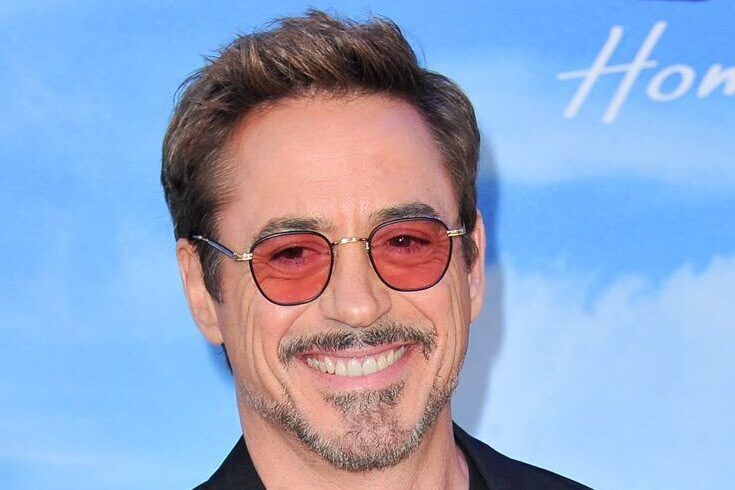
Stories like Ryder’s pause lead naturally to one of Hollywood’s most discussed rebuilding journeys. Before Robert Downey Jr became one of the most bankable actors alive, producers faced a quieter obstacle that rarely appeared in gossip columns. Completion insurers reportedly refused to cover films involving him because of earlier legal troubles and addiction struggles. That financial barrier meant studios risked losing entire budgets if production halted, so even directors who wanted him found their hands tied. His absence from major casting lists was less about public anger and more about spreadsheet calculations happening in executive offices.
Downey slowly rebuilt through smaller projects where financial exposure stayed limited and trusted collaborators vouched for his reliability. When he was finally cast in a major superhero film, the decision looked bold from outside but followed months of internal reassurance and monitoring. Once the movie succeeded, the industry quickly reframed the story as a triumphant comeback. His path quietly proved that Hollywood rarely forgets talent. It simply waits until the numbers and the timing feel safe again.
4. Hugh Grant And The Interview That Reset Everything
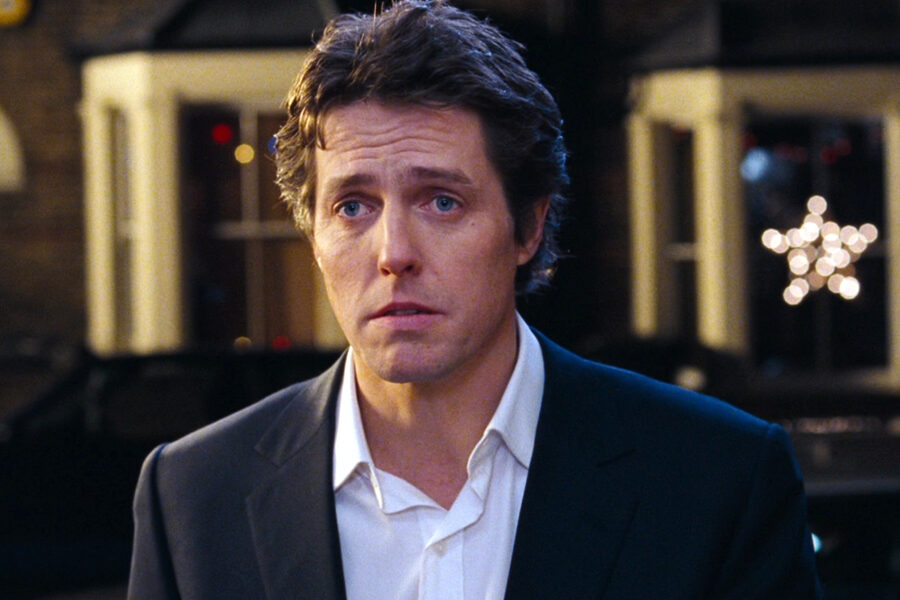
While Downey’s rebuilding took years, Hugh Grant’s turning point came from one carefully handled television appearance. His arrest in the nineties threatened to damage his image as the charming romantic lead audiences adored. Studios worried upcoming releases might suffer, yet instead of hiding behind formal statements, Grant chose a straightforward public apology during a late night interview. The calm honesty changed the temperature almost instantly. Viewers saw embarrassment rather than arrogance, and that emotional shift mattered more than any legal detail unfolding in the background.
Inside studio offices, executives realized the simple response made marketing decisions easier because the public mood softened quickly. Promotions continued, premieres stayed scheduled, and audiences seemed willing to move forward with him. The situation later became a quiet lesson shared among publicists about how controlled sincerity can sometimes work better than silence or aggressive legal messaging. Grant returned to screens with little long term damage, showing that sometimes the fastest way through a scandal is not elaborate strategy, but sounding human enough for viewers to accept the apology.
5. Mel Gibson And The Invitations That Slowly Stopped Coming
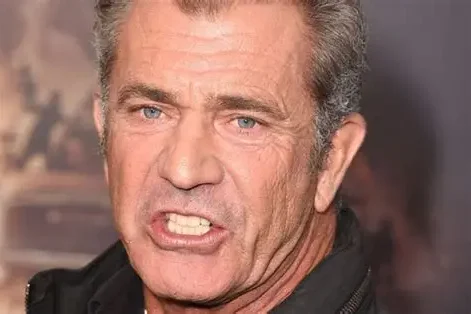
Grant’s experience showed how quickly forgiveness can arrive, but Mel Gibson’s situation unfolded in the opposite direction, slowly tightening over several incidents rather than exploding all at once. After controversial remarks and recordings surfaced, studios began reassessing partnerships with increasing caution. Meetings that once felt automatic reportedly became tentative, and future collaborations quietly paused while executives measured public reaction and financial risk. No single announcement declared a permanent break, yet the number of offers noticeably thinned as companies chose safer casting options.
For a period, Gibson focused more on independently backed projects, directing and producing outside the traditional studio system. Over time, selective collaborations returned in smaller steps, though the earlier universal backing never fully reappeared. His path reflected a common Hollywood approach where the door rarely slams shut, but it can narrow enough to change the scale of opportunities available. The industry tends to move cautiously once reputation uncertainty affects investor confidence, showing how business calculations often shape the pace of any professional return.
6. Kristen Stewart And The Summer Tabloids Would Not Drop

As Gibson’s situation showed slow distancing, Kristen Stewart’s controversy arrived suddenly during the height of a blockbuster franchise, which made the media attention feel constant. The industry response behind the scenes was more measured than the headlines suggested. Public appearances were reduced, press interviews shortened, and promotional teams carefully redirected conversations toward upcoming film work instead of personal life. Stewart issued a brief apology, then largely stepped away from heavy publicity while continuing to accept smaller independent roles that emphasized craft rather than celebrity status.
That quieter artistic stretch gradually reshaped how audiences saw her, shifting attention from tabloid coverage to performance reviews and festival screenings. By the time she returned to larger studio productions, the earlier scandal barely surfaced in marketing discussions. Hollywood often uses this redirection method when a young actor’s image needs time to settle. Instead of forcing a loud comeback, the system allows smaller respected work to rebuild credibility naturally until the performer feels safe again for mainstream global promotion.
7. Lindsay Lohan And The Scheduling Boards Full Of Court Dates
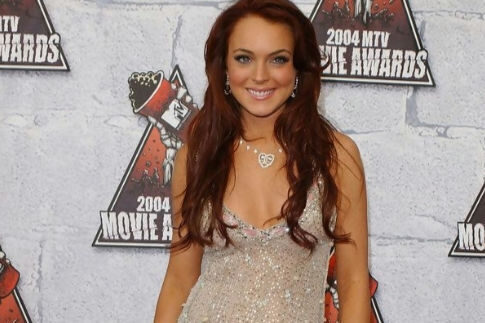
Stewart’s careful redirection contrasts with Lindsay Lohan’s period of repeated legal trouble, where the industry challenge was not one incident but ongoing unpredictability. Production teams reportedly built shooting calendars around court appearances, probation check ins, and treatment requirements. That uncertainty made insurers nervous and forced contracts to include increasingly strict behavioral clauses. Casting offers did not vanish overnight, yet the scale of projects gradually shifted downward as studios chose performers with fewer scheduling risks attached.
Years later, streaming platforms provided a more controlled path back, offering projects with tighter timelines and smaller financial exposure while nostalgia kept audience curiosity alive. The change illustrated how Hollywood rarely erases a recognizable star completely. Instead, it recalibrates the size and structure of opportunities until reliability feels proven again. Lohan’s gradual return to romantic leads showed how public affection often lingers beneath the headlines, waiting for the moment when a familiar face can reappear under steadier professional conditions.
8. Britney Spears And The Arrangement Fans Did Not Fully See

While Lohan’s struggles played out loudly in tabloids, Britney Spears’ conservatorship years felt strangely quiet on the surface because performances and releases continued. Many casual fans assumed normal independence remained intact since tours and appearances never fully stopped. Only when detailed court testimony later described the restrictions did the broader public begin questioning how much control she actually held over finances, work decisions, and personal life. The conversation shifted almost overnight from celebrity instability toward concerns about legal authority and long term management structures.
Within entertainment circles, tightly managed celebrity oversight was not entirely unfamiliar, yet Spears’ case brought unusual global attention to the practice. Once the conservatorship ended, discussion quickly moved toward recovery, autonomy, and future creative plans rather than revisiting every past decision. The situation reminded both audiences and industry insiders that some of the most significant Hollywood controversies unfold slowly behind legal paperwork and contracts. They only become visible when one courtroom moment suddenly pulls years of private control into public view.
9. Kevin Spacey And The Production That Had To Start Again
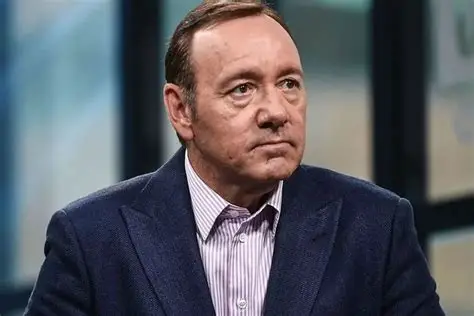
Spears’ story revealed hidden control, while Kevin Spacey’s controversy showed how fast modern productions can react once allegations surface publicly. A completed film replaced him entirely, forcing reshoots that cost millions and required crews to repeat months of work. Streaming partnerships ended almost immediately as companies calculated brand risk in real time. The speed surprised older industry observers who remembered eras when studios sometimes delayed action while investigations unfolded quietly.
For crew members, the impact reached far beyond headlines because schedules shifted, contracts extended, and entire marketing plans restarted from scratch. The situation demonstrated how social media pressure has changed decision making inside entertainment companies. Public trust now influences financial strategy just as strongly as ticket sales forecasts. Spacey’s removal became a defining example of how quickly institutional protection can disappear when audience confidence drops. Hollywood’s modern risk calculations increasingly prioritize long term platform reputation over short term production costs.
10. Tiger Woods And The Sponsorship Freeze That Spread To Entertainment

Although primarily known for sports, Tiger Woods’ personal scandal carried deep Hollywood connections through endorsements, talk show appearances, and planned entertainment partnerships. When the story broke, sponsors reacted rapidly, and several media projects quietly paused while companies reassessed public sentiment. Television appearances disappeared almost overnight as planners chose safer booking options until the situation stabilized. The silence around those canceled appearances showed how entertainment scheduling often shifts quietly without public explanation.
Woods’ eventual comeback relied less on interviews and more on competitive performance, gradually rebuilding audience admiration through visible results rather than publicity campaigns. When he later returned to major televised events, the entertainment world welcomed the ratings boost his presence still guaranteed. His experience illustrated how public figures sometimes regain industry support not through statements but through undeniable professional achievement. Success on the field translated back into cultural relevance, reminding producers that audience fascination can outlast even very damaging periods of public controversy.
11. Martha Stewart And The Trial That Froze Television Plans
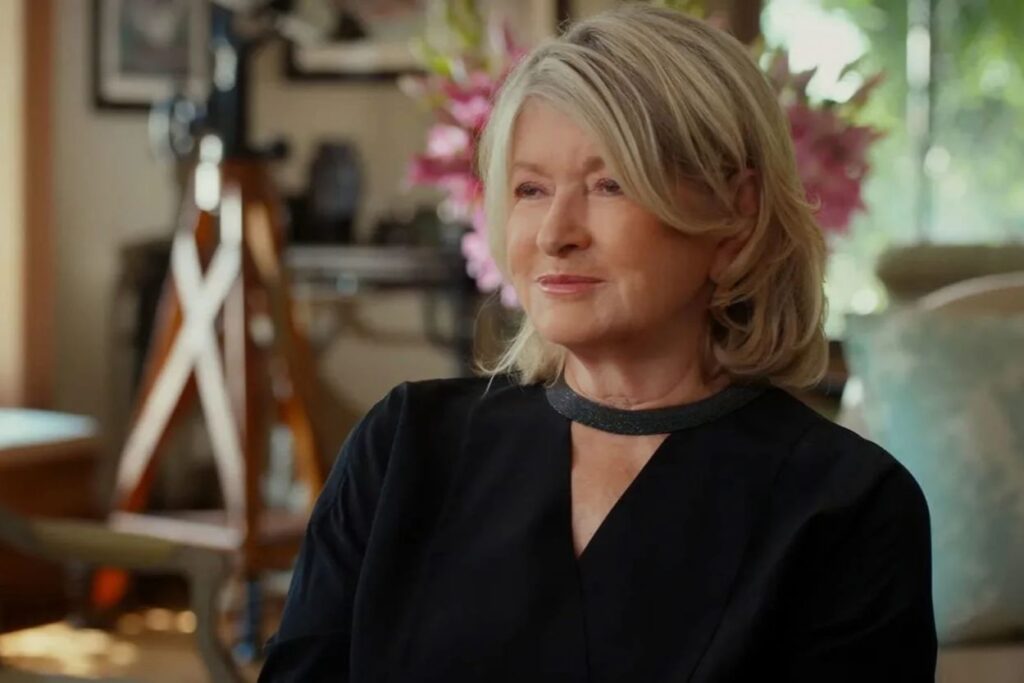
Martha Stewart’s legal case reached beyond business headlines into entertainment television, where her lifestyle brand anchored multiple shows and media deals. As investigations progressed, networks quietly paused expansion plans while continuing limited broadcasts already in production. Executives faced the delicate balance of protecting advertising revenue without appearing to endorse legal uncertainty. Internally, teams mapped several scheduling scenarios depending on how the trial concluded, something rarely visible to viewers watching reruns at home.
After serving her sentence, Stewart returned to television with a carefully managed relaunch that leaned into resilience and humor rather than ignoring the past. Audiences responded warmly, and new collaborations followed, including unexpected partnerships that refreshed her public image. Her return showed Hollywood’s consistent willingness to reembrace familiar personalities once legal consequences conclude and viewer curiosity shifts toward reinvention. The industry often values recognizable authority and established audience trust enough to rebuild platforms once the most uncertain chapter officially closes.
12. Janet Jackson And The Broadcast Moment Networks Tried To Contain
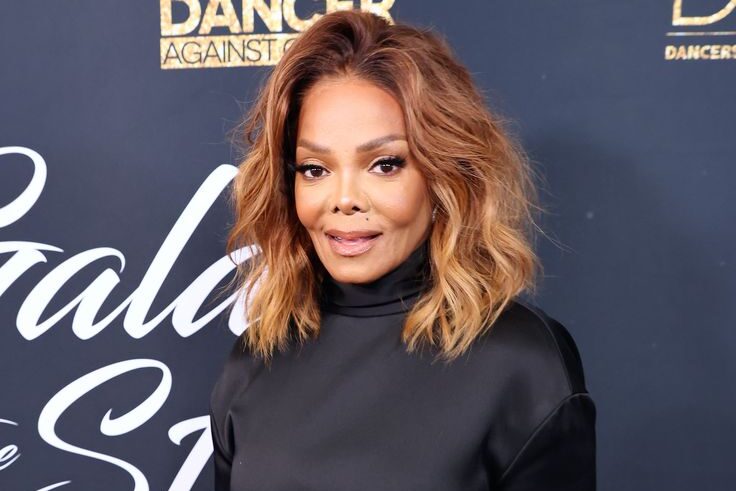
Janet Jackson’s halftime performance controversy unfolded in seconds but triggered months of behind the scenes negotiations across television, music, and live event planning. Broadcasters immediately reviewed delay systems, sponsorship clauses, and performer contracts while quietly reconsidering future bookings connected to the incident. Awards show invitations reportedly cooled for a period as networks aimed to avoid renewed advertiser anxiety. The public discussion centered on the moment itself, yet inside the industry the larger concern focused on live broadcast control and liability exposure.
Jackson continued recording and touring successfully, and over time the incident softened into a cultural reference rather than an active industry barrier. Later retrospectives even reframed the episode as part of a broader conversation about media standards and performer treatment. Her experience illustrated how entertainment institutions often respond to sudden controversy by tightening operational rules rather than permanently sidelining the artist involved. Systems change, policies update, and eventually the performer’s career continues along a slightly reshaped but still active path.
13. Johnny Depp And The Court Battles That Froze Studio Plans
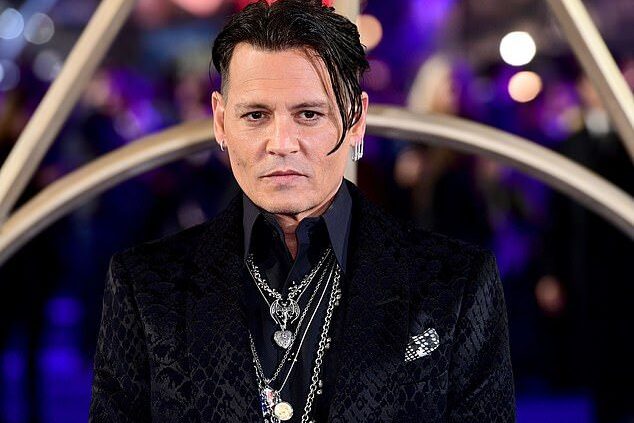
After earlier controversies showed how productions adjust quietly, Johnny Depp’s legal disputes created a different kind of industry pause because they stretched across multiple years and jurisdictions. Studios with expensive franchises suddenly faced uncertainty about public perception, scheduling, and insurance exposure. Meetings reportedly focused less on guilt or innocence and more on whether audience reaction might disrupt major release plans. Promotional campaigns were rewritten, casting timelines reconsidered, and some projects moved forward without him while executives waited for clearer legal outcomes. The silence around those internal calculations reflected how entertainment companies often treat unresolved court battles as business risks first and public relations issues second.
As testimony and recordings circulated widely, the conversation moved beyond tabloids into mainstream debate, making neutrality harder for studios to maintain. Some collaborations ended while others quietly stayed in development limbo. When verdicts eventually arrived, the industry response remained cautious rather than dramatic, with future work discussed project by project instead of sweeping announcements. Depp’s situation showed how long legal disputes can freeze momentum even for globally recognized stars, proving that uncertainty itself can damage studio planning more than any single headline.
14. Angelina Jolie And The Custody Fight Behind Closed Doors

Legal disputes affecting major stars often ripple into production scheduling, and Angelina Jolie’s extended custody battle with Brad Pitt created a quieter version of that challenge. While both continued working, insiders noted that filming windows, travel commitments, and promotional appearances required unusually careful coordination around court dates and family agreements. Studios rarely discuss these pressures publicly, yet large productions depend heavily on predictable availability for global press tours and location shoots. The situation required long term calendar planning that balanced personal obligations with professional contracts, something far more complex than audiences usually imagine.
Public statements from both sides stayed measured, which helped keep the focus largely on their film work rather than daily legal developments. Over time, the industry adapted by structuring commitments further in advance and allowing more flexible publicity schedules when necessary. Jolie’s continued directing and acting success during the dispute illustrated how Hollywood sometimes absorbs personal legal complexity quietly, adjusting logistics behind the scenes rather than reshaping public marketing narratives. The approach kept professional momentum steady while private negotiations continued largely outside entertainment headlines.
15. Tom Cruise And The Interview Era That Shifted His Image
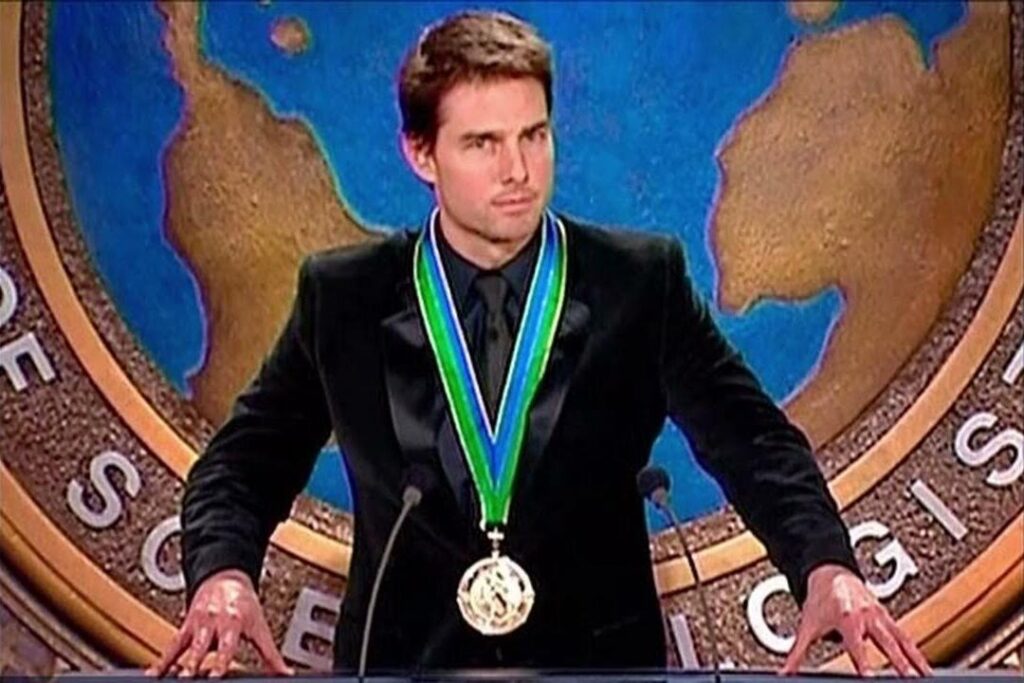
Tom Cruise’s career has spanned decades, yet one intense publicity period during the mid two thousands briefly shifted how both audiences and executives viewed his public persona. Highly energetic television appearances and outspoken personal statements dominated media cycles, creating concern inside studios that the focus on personality might overshadow upcoming film releases. Marketing teams recalibrated promotional messaging to center more firmly on the movies themselves, reducing unscripted interviews and emphasizing controlled press events where conversation stayed production focused.
The adjustment worked gradually, allowing Cruise’s reputation to settle back around his reliability as a performer known for disciplined stunt work and box office draw. Future campaigns highlighted behind the scenes professionalism, large scale action sequences, and long standing relationships with directors rather than personal beliefs or off screen enthusiasm. His experience demonstrated how Hollywood sometimes handles image turbulence not by confrontation but by narrowing the narrative. By steadily redirecting attention toward craft and spectacle, studios help reshape perception until earlier interview moments fade into background trivia.
16. Reese Witherspoon And The Night That Changed Her Public Tone

Reese Witherspoon’s brief arrest during a traffic stop surprised fans because her public image had long been built on composure and professionalism. Inside the industry, the concern was less about legal consequences and more about whether the incident might disrupt carefully cultivated brand partnerships and family friendly marketing campaigns. Witherspoon addressed the situation quickly with a direct apology, and promotional teams shifted focus back toward her production company and upcoming projects that emphasized storytelling and leadership rather than celebrity personality.
The response helped contain the damage, and within months her work as a producer gained more industry attention than the arrest itself. New television projects and book adaptations strengthened her reputation as a business minded creative force rather than simply an actress. Her situation illustrated how swift acknowledgment combined with strong professional output can stabilize a public image before sponsors or studios feel compelled to reconsider long term collaborations. Hollywood tends to move on quickly when the performer demonstrates reliability, accountability, and continued commercial value.
17. Eddie Murphy And The Late Night Headline That Faded Quietly
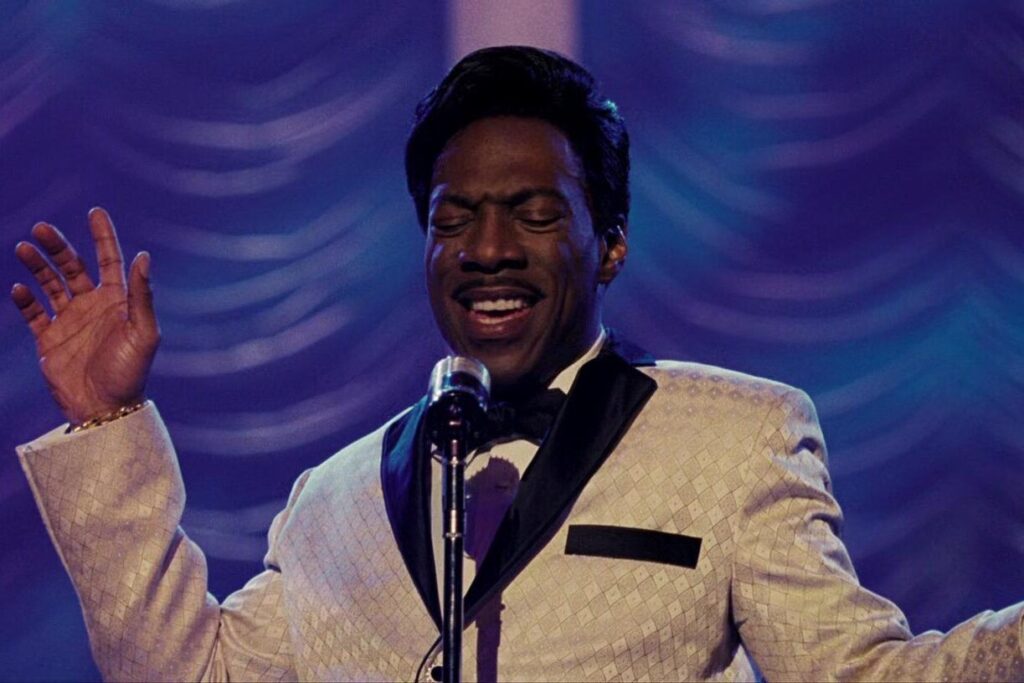
Years before his later award nominated comeback, Eddie Murphy faced uncomfortable tabloid attention after a late night traffic stop placed him briefly at the center of a personal scandal story. At the time, Murphy was already an established box office figure, so studios focused primarily on whether the incident might influence family oriented marketing tied to his upcoming releases. Publicists limited unscripted appearances while maintaining the existing film promotion schedule, allowing the conversation to cool naturally rather than fueling extended media exchanges.
Because Murphy avoided prolonged public commentary, the story faded faster than many predicted, and audiences soon returned attention to his performances. His career continued through both successful films and quieter periods before eventually finding renewed acclaim years later. The episode showed how sometimes the most effective industry response is simple patience. Without repeated headlines or escalating statements, even uncomfortable celebrity moments can disappear into the background of a long career, especially when the performer’s professional track record already carries strong audience goodwill.
18. Natalie Portman And The Early Career Rumor Cycle
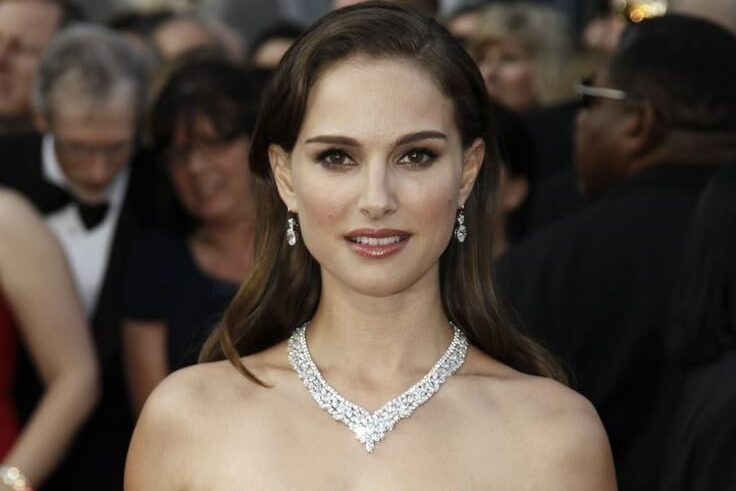
Young performers often face intense scrutiny, and Natalie Portman experienced a wave of personal rumors during her transition from child star to adult dramatic actor. While none led to legal controversy, the speculation created enough noise that publicity teams carefully structured interviews to emphasize academic achievements, theater training, and serious film roles. The goal was to anchor her public identity around intelligence and professionalism rather than gossip driven curiosity about her private life. Studios supported this positioning by highlighting historically themed projects and complex character work.
The strategy succeeded gradually, and Portman’s reputation solidified around disciplined preparation and thoughtful role selection. Awards recognition later reinforced that perception, making earlier rumor cycles feel largely irrelevant in hindsight. Her experience showed how Hollywood sometimes counters speculative controversy not with rebuttal but with consistent narrative building. By repeating the same professional framing across interviews, premieres, and marketing campaigns, the industry guides audience perception steadily toward credibility until less substantiated chatter loses traction.
19. Matthew Broderick And The Accident That Stayed Sensitive
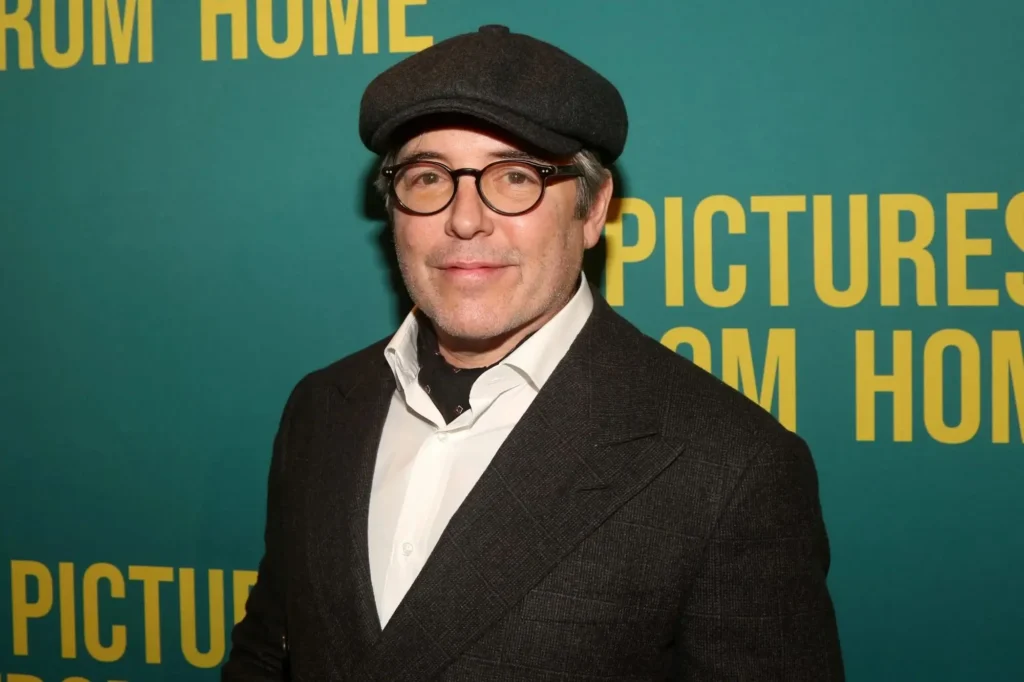
Matthew Broderick’s tragic car accident abroad early in his career remained one of Hollywood’s most sensitive off screen incidents because it involved real loss of life. Studios approached the situation with extreme caution, reducing promotional exposure temporarily and allowing space for legal proceedings and personal recovery. Rather than pushing public appearances, teams focused on already completed projects and limited press commitments. The goal was to prevent entertainment coverage from appearing insensitive while the case remained emotionally raw.
Broderick eventually returned to work steadily, building a respected career across film, theater, and voice acting. Over time, the industry rarely revisited the incident publicly, treating it as a deeply personal tragedy rather than a promotional narrative. His path illustrated how Hollywood sometimes responds to serious real world events with quiet restraint instead of aggressive image management. By minimizing publicity pressure and allowing the performer to rebuild at a humane pace, studios maintain both professional continuity and public sympathy.
20. Christian Bale And The On Set Recording That Spread Fast
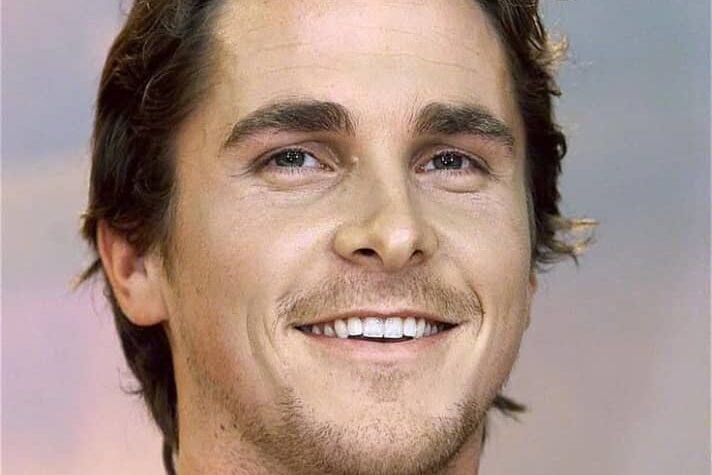
Christian Bale’s intense on set outburst, captured in a leaked audio recording, spread rapidly online and threatened to overshadow the production itself. Film executives worried the clip might damage marketing momentum or distract audiences from the finished movie. Bale issued a public apology acknowledging the seriousness of his behavior, and the production moved quickly to emphasize collaborative cast interviews and technical behind the scenes features that shifted attention back toward filmmaking craftsmanship.
Because Bale already held a reputation for deep professional commitment, many directors continued viewing him as a valuable performer despite the uncomfortable moment. Subsequent roles reinforced that perception, and the recording gradually became a footnote rather than a defining career label. The incident demonstrated how Hollywood sometimes absorbs temporary reputation shocks when the performer’s work ethic and box office reliability remain strong. Consistent high quality performances often restore industry confidence faster than extended public relations campaigns.
21. Russell Crowe And The Hotel Incident That Followed Him
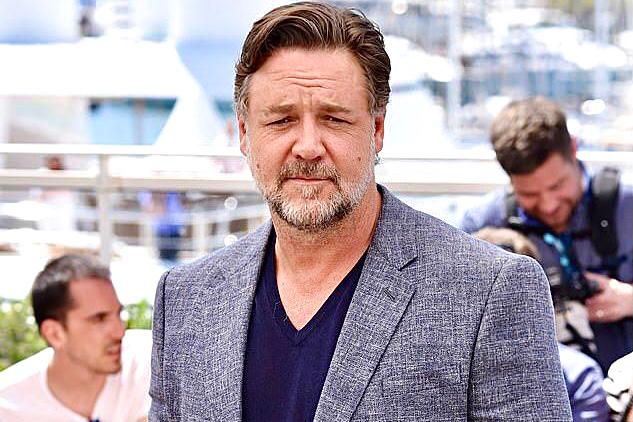
Russell Crowe’s hotel altercation became one of those stories that lingered in entertainment reporting long after the legal matter itself concluded. At the time, studios worried the aggressive image might complicate promotional tours or press junkets tied to historical epics and prestige dramas. Publicists responded by steering interviews toward his preparation methods, musical interests, and long standing theater background, gradually reshaping conversations around craft rather than temperament.
Crowe continued securing major roles, though insiders often described publicity planning around him as unusually structured to avoid unpredictable press encounters. Over the years, his consistent performances and award winning work kept professional demand strong enough that earlier incidents never fully halted casting interest. His trajectory reflected Hollywood’s pragmatic balance between risk and reward. When an actor delivers dependable screen results and maintains audience recognition, the industry often adapts its management approach instead of abandoning collaboration.
22. Drew Barrymore And The Childhood Fame Spiral
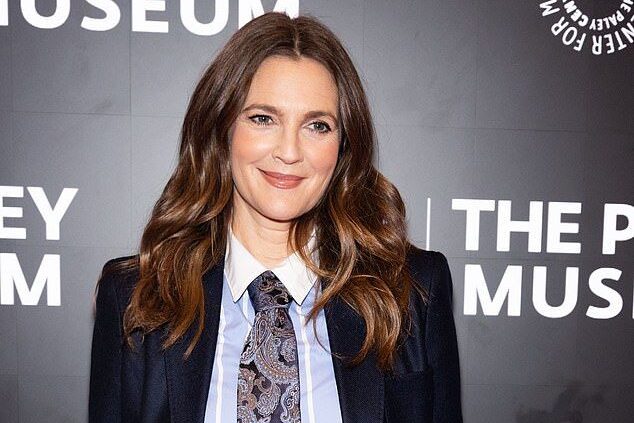
Drew Barrymore’s early life struggles unfolded publicly while she was still very young, creating a rare situation where Hollywood watched a child star navigate recovery in real time. Studios reduced casting pressure temporarily while she focused on treatment and personal stability, yet many executives privately believed her charisma and industry lineage meant opportunities would eventually return. Barrymore later rebuilt her career through smaller films and television appearances that emphasized maturity, humor, and personal growth.
Her later success as a producer, host, and business owner transformed the narrative completely, turning what once seemed like career ending instability into one of the industry’s most cited reinvention stories. Barrymore’s journey showed that Hollywood sometimes grants extraordinary patience to performers who demonstrate genuine long term change. When audiences feel emotionally invested in someone’s recovery, that connection becomes a powerful foundation for renewed commercial success.
23. Ben Affleck And The Tabloid Years That Tested Studios
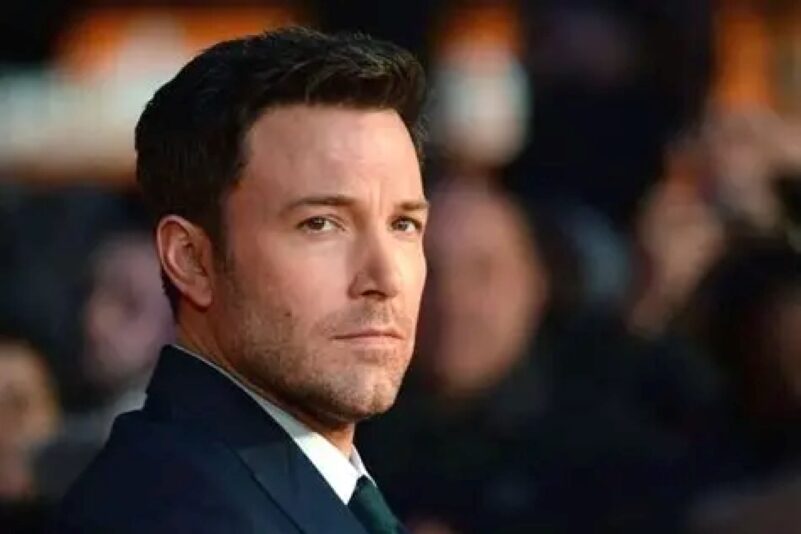
Ben Affleck’s early two thousands period brought intense tabloid coverage around relationships, nightlife, and heavy media attention that occasionally overshadowed his film releases. Studio executives worried the celebrity focus might dilute the serious dramatic reputation he had built earlier in his career. Promotional strategies gradually shifted toward emphasizing his screenwriting achievements, directing ambitions, and long term storytelling interests rather than personal headlines dominating magazine covers.
That repositioning helped prepare the ground for his later transition into acclaimed directing work, which restored strong industry credibility and award recognition. By the time major directorial successes arrived, the earlier tabloid era felt like a transitional phase instead of a permanent reputation marker. Affleck’s path illustrated how Hollywood often supports reinvention when a performer expands into creative roles behind the camera, allowing professional authority to replace the distractions of celebrity gossip cycles.
24. Mike Tyson And The Film Cameos That Sparked Debate
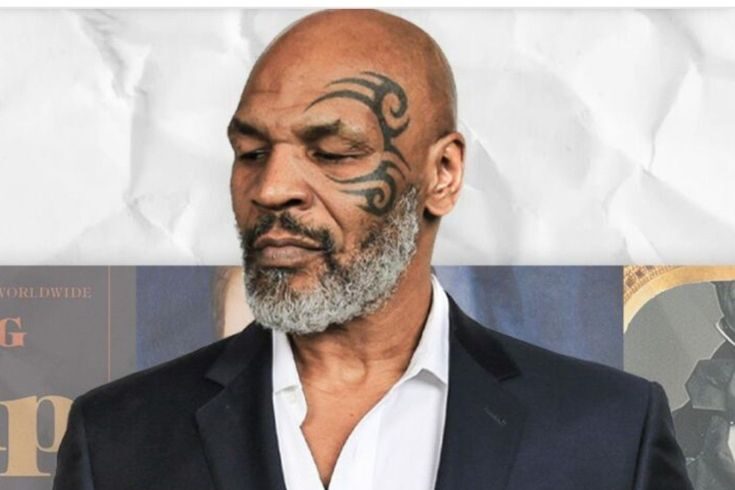
Mike Tyson’s appearances in major comedy films created debate within entertainment circles because his earlier conviction remained widely known. Producers faced mixed audience reactions, balancing the shock value of his presence against potential criticism for normalizing a controversial figure. Marketing teams leaned into the unexpected humor of his cameos while avoiding deeper discussion of past legal history, allowing the performances to function as brief surprise moments rather than central promotional themes.
The strategy proved commercially effective, and Tyson’s screen appearances became memorable pop culture moments that audiences discussed largely in comedic terms. His involvement showed how Hollywood sometimes separates entertainment value from historical controversy when calculating casting decisions. If the role remains short and financially beneficial, studios may proceed while keeping messaging tightly focused on audience amusement and overall box office performance.
25. Demi Moore And The Comeback After The Quiet Years
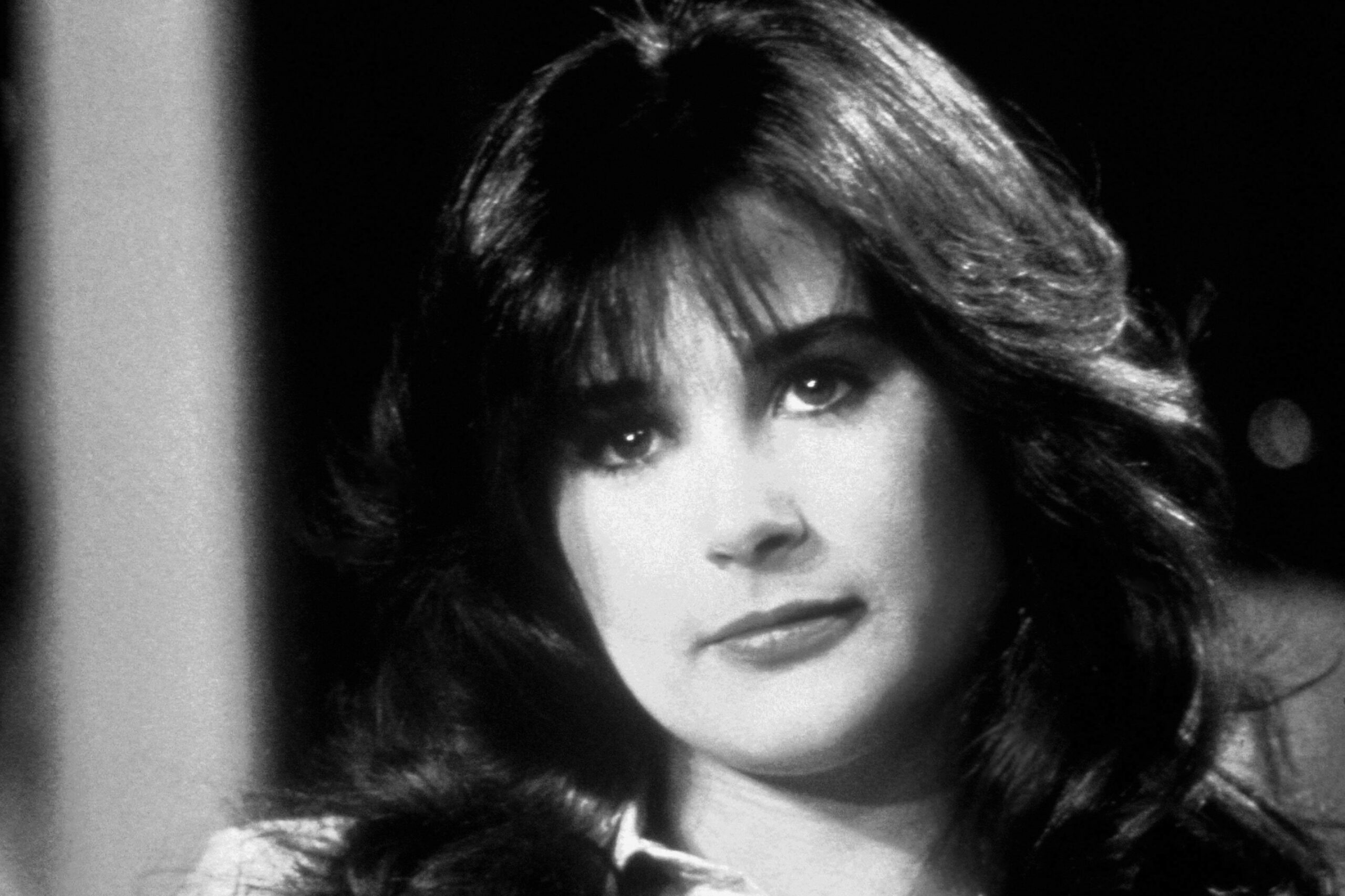
Demi Moore spent years as one of Hollywood’s most recognizable leading women, yet there was a stretch when personal headlines and changing industry trends pushed her away from major studio roles. Insiders often described that period not as a sudden fall but as a slow cooling of offers while producers reassessed market demand and audience focus. During that time Moore remained visible through smaller projects, interviews, and occasional public appearances, keeping her connection with viewers alive even when blockbuster casting slowed. The industry tends to watch closely during these quieter phases, measuring whether nostalgia, timing, or a new creative direction might reopen larger opportunities.
Eventually Moore returned through carefully chosen roles that leaned into maturity, experience, and emotional depth rather than competing with younger casting trends. That shift helped reposition her as a performer with longevity instead of simply past fame. Her path reflected Hollywood’s tendency to circle back to established stars once the right project aligns with public curiosity. Careers often move in waves, and the quieter chapters sometimes become the bridge that makes a later return feel more meaningful.
26. Shia LaBeouf And The Series Of Headlines Studios Could Not Ignore
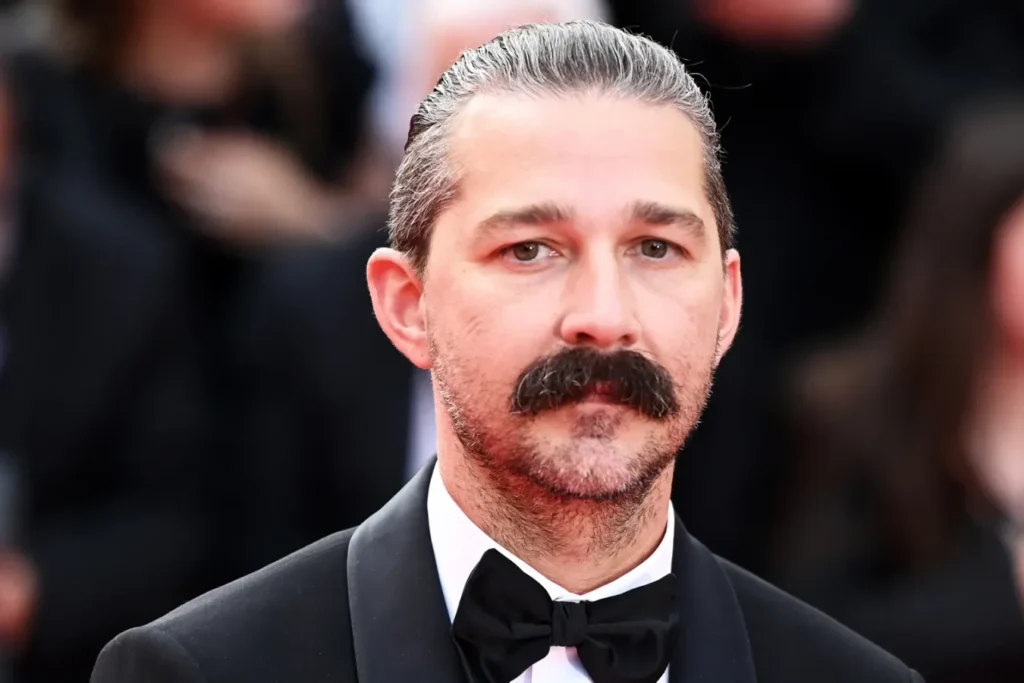
Shia LaBeouf’s career showed strong early promise, but a series of arrests, public disputes, and unpredictable behavior created growing concern among studios responsible for large productions. Film insurance considerations and scheduling reliability began shaping casting discussions, since high budget projects depend heavily on stability from leading performers. While LaBeouf continued working in smaller independent films where risk exposure stayed lower, major franchise involvement gradually became less frequent. Industry conversations focused less on talent and more on whether production timelines could remain secure.
In later years, LaBeouf shifted toward intensely personal independent performances and theater work, which allowed him to rebuild credibility within smaller creative circles. That approach reflected a familiar Hollywood pattern where actors facing reputation challenges often return through artist driven projects instead of commercial spectacles. By demonstrating commitment to the craft in controlled environments, performers sometimes rebuild professional trust step by step. His trajectory illustrated how the entertainment world rarely closes the door completely, but it often redirects the path toward spaces where risk feels more manageable.
27. Katherine Heigl And The Reputation That Followed Set Conversations

Katherine Heigl’s situation differed from legal scandals because her industry challenge centered on reports of difficult working relationships and public criticism of projects she had starred in. Producers became cautious not because of audience backlash but because large productions depend on smooth collaboration among hundreds of crew members. Casting discussions reportedly included questions about schedule harmony, promotional cooperation, and long term contract stability. Even when no single incident seemed dramatic, the accumulation of concerns quietly influenced future opportunities.
Heigl later addressed the perception publicly and shifted toward television roles and streaming projects that allowed more stable production environments and character driven storytelling. Over time, consistent work helped soften earlier industry hesitation. Her experience showed that Hollywood reputations can hinge as much on workplace relationships as on box office performance. Reliability, diplomacy, and collaborative energy often matter just as much as acting skill. Once those elements feel steady again, opportunities usually begin reopening, though often through gradual rebuilding rather than sudden blockbuster casting.
28. Brendan Fraser And The Years He Stepped Away From The Spotlight
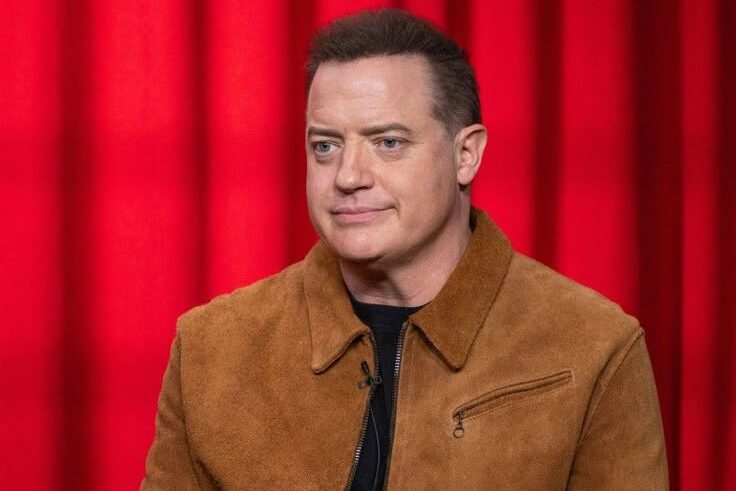
Brendan Fraser’s absence from leading roles puzzled audiences for years because his earlier films had made him a widely loved adventure star. Behind the scenes, a mix of physical injuries, personal struggles, and industry conflicts reportedly contributed to his reduced visibility. Fraser later spoke openly about feeling pushed to the margins during that period, while studios quietly moved toward younger action leads and different franchise directions. His reduced presence was less about one explosive scandal and more about a combination of health challenges and shifting industry priorities.
When Fraser eventually returned through emotionally powerful dramatic performances, audiences responded with strong support and renewed admiration. The comeback demonstrated how deeply viewer goodwill can endure even after long professional gaps. Hollywood often moves quickly toward new trends, yet it also remembers performers who once connected strongly with audiences. Fraser’s later success illustrated that sometimes the biggest comeback stories do not begin with loud publicity campaigns. They begin with one sincere performance that reminds everyone why the actor mattered in the first place.
29. Megan Fox And The Franchise Exit That Raised Eyebrows
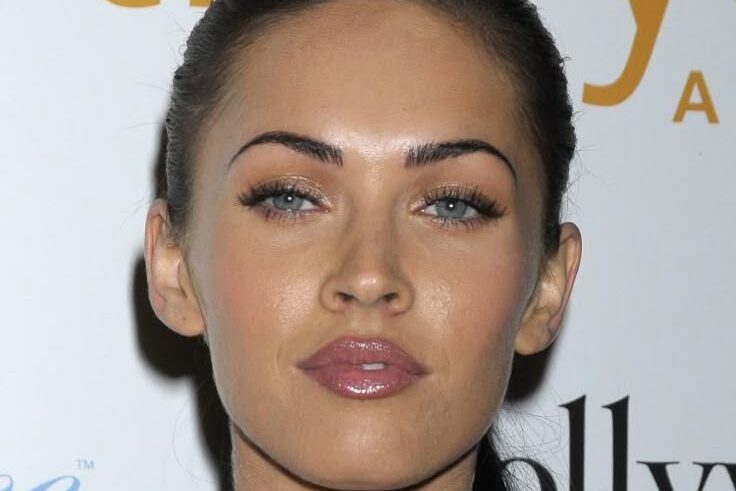
Megan Fox’s sudden exit from a major action franchise sparked widespread speculation at the time, since the films were commercially successful and closely tied to her rising fame. Reports of tension with production leadership created industry caution about future large scale collaborations. Studios often view franchise harmony as essential because long term sequels require dependable public messaging and cooperative promotional tours. Even without legal issues, perceived conflict can influence casting confidence when budgets stretch into hundreds of millions.
Fox later rebuilt momentum through a mix of independent films, comedy roles, and television appearances that emphasized personality and range beyond the earlier blockbuster image. Gradually, the conversation shifted from the franchise dispute toward her evolving career choices and media presence. Her path illustrated how Hollywood sometimes treats production disagreements as temporary turbulence rather than permanent exclusion. When audience recognition remains strong and the performer continues delivering marketable performances, opportunities tend to resurface once enough time passes for the earlier tension to feel like industry history.
30. Alec Baldwin And The Production Crisis That Halted Filming

Alec Baldwin faced one of the most serious modern production crises when a fatal on set accident halted filming and triggered extensive legal investigation. The tragedy immediately reshaped industry conversations around safety protocols, responsibility structures, and risk management procedures across film sets worldwide. Productions involving Baldwin entered long periods of uncertainty while legal reviews and insurance assessments unfolded. Studios tend to move cautiously during unresolved investigations, focusing first on procedural compliance and crew welfare rather than public relations strategy.
As the case progressed, the broader entertainment community concentrated heavily on improving safety systems, training procedures, and equipment supervision requirements. Baldwin’s professional future became intertwined with those industry wide reforms, showing how a single production incident can influence policies far beyond one film. The situation demonstrated that Hollywood crises sometimes shift attention away from celebrity narratives entirely and toward structural change. When real world safety becomes the central issue, the conversation often expands beyond one individual into a larger reassessment of how the entire production system operates.
31. Amanda Bynes And The Sudden Pause During Rising Fame

Amanda Bynes transitioned successfully from child comedy roles into young adult film leads, which made her sudden series of legal troubles and erratic public appearances especially surprising to audiences. Studios quickly reduced active projects while family members and legal guardians worked toward stabilizing her situation. The entertainment industry often responds to visible personal distress by stepping back rather than forcing continued production schedules, particularly when the performer began their career at a very young age.
Years later, Bynes remained a figure many fans remembered fondly, illustrating how audience affection can persist even during long absences. Her story reflected the reality that Hollywood sometimes pauses rather than replaces a recognizable performer when health or personal recovery becomes the priority. The industry may move forward commercially, but public nostalgia often keeps the performer’s legacy alive. That lingering goodwill means that even after long breaks, the possibility of a return can remain open if stability, personal choice, and opportunity eventually align again.
32. Charlie Hunnam And The Role He Walked Away From
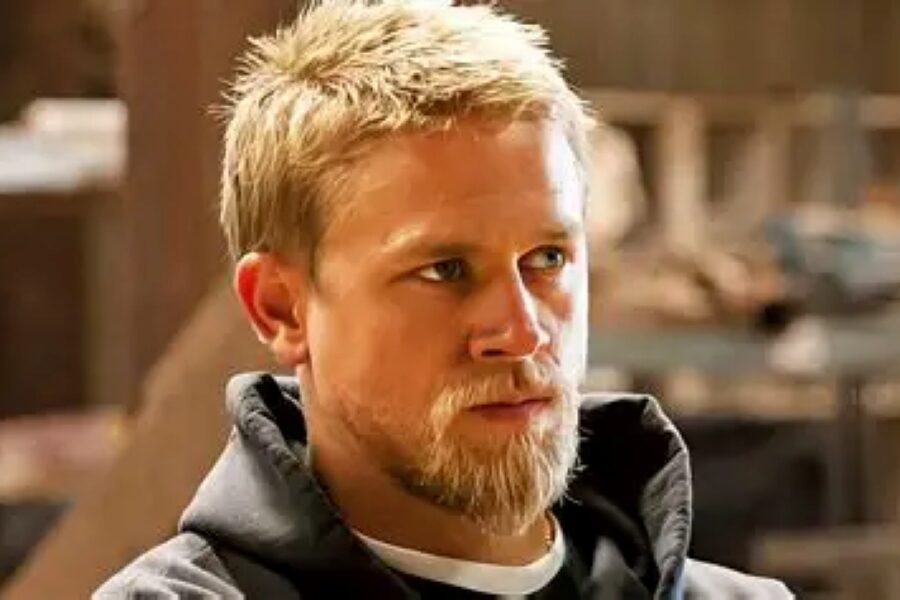
Charlie Hunnam’s withdrawal from a highly anticipated film adaptation shortly after being cast sparked intense speculation because the project carried enormous commercial expectations. While officially framed as scheduling conflicts and preparation concerns, the sudden exit highlighted how demanding global franchise commitments can become for actors balancing television, film, and personal workload. Studios faced the challenge of recasting quickly while maintaining fan excitement and production deadlines.
Hunnam continued building his career through other film roles and long running television success, showing that stepping away from one high pressure project does not necessarily damage long term prospects. His decision illustrated how Hollywood careers sometimes benefit from selective choices rather than constant franchise attachment. Actors who maintain control over workload and role selection often sustain longer careers, even if individual casting decisions generate temporary headlines. In the broader industry view, professionalism and consistent delivery on later projects tend to matter more than any single role declined under intense public attention.
33. Roseanne Barr And The Show That Disappeared Overnight

Roseanne Barr’s situation demonstrated how quickly modern television can react when controversial public statements create advertiser pressure and network concern. Her successful revival series halted almost immediately after offensive social media remarks triggered widespread backlash. Executives moved swiftly to cancel the program while reorganizing the production into a restructured continuation without her involvement. Crew employment, writing teams, and studio contracts all required rapid adjustment within days.
The speed of the response showed how social media has compressed decision timelines across the entertainment industry. Networks now calculate public reaction in hours rather than weeks, especially when sponsor relationships and audience demographics feel at risk. Barr’s removal illustrated the growing influence of corporate reputation management in programming decisions. Even highly successful shows may be reshaped or replaced if executives believe the controversy threatens long term network stability. The episode became one of the clearest modern examples of how quickly institutional backing can shift once public perception turns sharply negative.
34. Armie Hammer And The Projects That Quietly Vanished
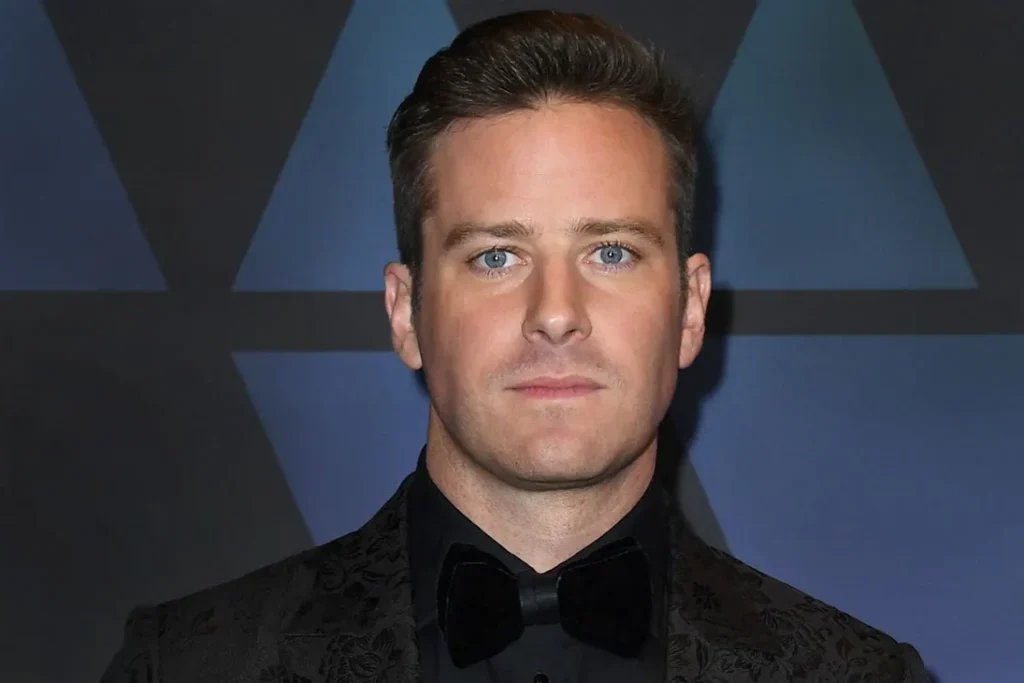
Armie Hammer’s career stalled abruptly after disturbing allegations and private messages surfaced publicly, leading several productions to replace him or halt distribution plans. Studios reacted quickly because the nature of the accusations created immediate brand sensitivity and marketing uncertainty. Completed films faced delayed releases while casting changes reshaped upcoming projects. Unlike older Hollywood eras where scandals sometimes unfolded slowly, the digital spread of screenshots and online discussion accelerated the response dramatically.
As projects disappeared from schedules, the situation illustrated how modern celebrity careers can change almost overnight once public trust collapses. Streaming platforms, distributors, and investors increasingly prioritize audience reaction metrics and reputational safety when evaluating casting choices. Hammer’s sudden absence from major releases reflected that broader shift toward rapid institutional distancing. The entertainment industry now operates in an environment where online visibility can transform private controversy into immediate global awareness, forcing companies to make swift protective decisions before marketing campaigns or financial partnerships suffer lasting damage.
35. Jennifer Lawrence

Looking across stories like these, what becomes clear is not just the individual controversies but the consistent rhythm behind industry responses. First comes the quiet internal discussion, then a cautious public statement, followed by a period where visibility drops and smaller or delayed projects reshape the professional path. Sometimes the performer returns strongly, sometimes they continue working at a different scale, and sometimes the silence simply becomes the final chapter. Hollywood rarely announces this process openly, yet the pattern appears often enough to feel almost built into the system itself.
For readers, the real insight may be that fame does not erase consequences, but it also rarely produces simple endings. Careers bend, pause, redirect, and occasionally rise again depending on timing, public memory, and the unpredictable pull of audience curiosity. If stories like these fascinate you, keep following the changing world of entertainment history, because the next headline always carries a deeper story waiting quietly behind it.


