
1. Lauryn Hill

Sometimes the strange thing about massive success is how quickly it can start feeling loud inside your own head. Around the late nineties, Lauryn Hill reached a level most artists only dream about after The Miseducation of Lauryn Hill swept awards, radio, and global attention. Everyone expected her to stay constantly visible, releasing albums and touring endlessly. Instead, she slowly stepped back from the nonstop industry cycle. Fame arrived alongside motherhood, public pressure, and creative expectations, and the pace clearly felt overwhelming. Fans noticed the silence, yet many also sensed she was protecting something deeper than a chart position.
Rather than chase the same spotlight, Lauryn focused on raising her family, performing selectively, and keeping control over her creative voice. She never truly disappeared, but she refused to live inside constant promotion or forced album deadlines. Looking back, her decision feels less mysterious and more relatable. Many people reach a career peak and quietly realize success alone does not guarantee happiness. Lauryn’s slower path helped open conversations about burnout, privacy, and artistic independence long before those topics became normal industry discussions. In many ways, her stepping back became just as influential as the record that made her famous.
2. D’Angelo
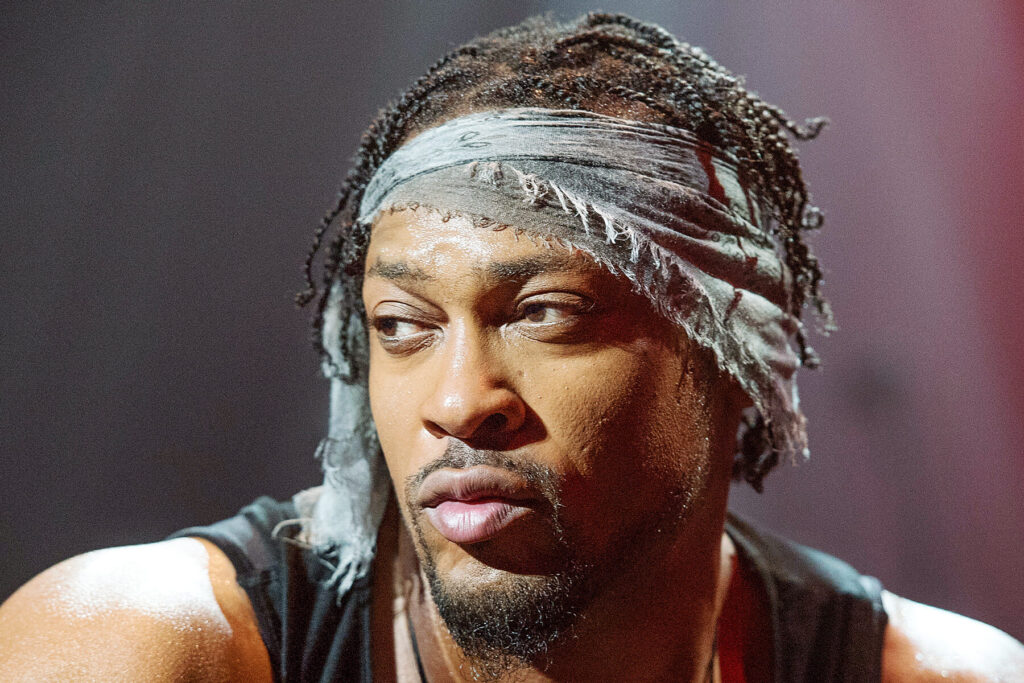
When D’Angelo released Voodoo, everything changed almost overnight. Critics praised the album, audiences embraced the sound, and the Untitled video suddenly turned him into a global symbol of soul music revival. From the outside, it looked like the perfect launch into long term superstardom. Inside that moment, though, the pressure felt far heavier than most fans realized. Touring demands grew nonstop, public attention intensified, and the unexpected sex symbol image felt uncomfortable for someone focused mainly on musicianship. Instead of rushing into another release, he quietly stepped away from the spotlight while the industry still expected him to dominate it.
Years passed before he fully returned, and during that time the absence spoke louder than any interview. Friends later described someone trying to rebuild stability, privacy, and personal balance before facing the stage again. His eventual comeback proved the talent never left, but the long silence remains the real lesson. Sometimes stepping away is not about losing momentum. Sometimes it is about saving the person behind the music. For many listeners, that human pause made his later work feel deeper, calmer, and far more grounded than another quick follow up album ever could.
3. Bill Withers
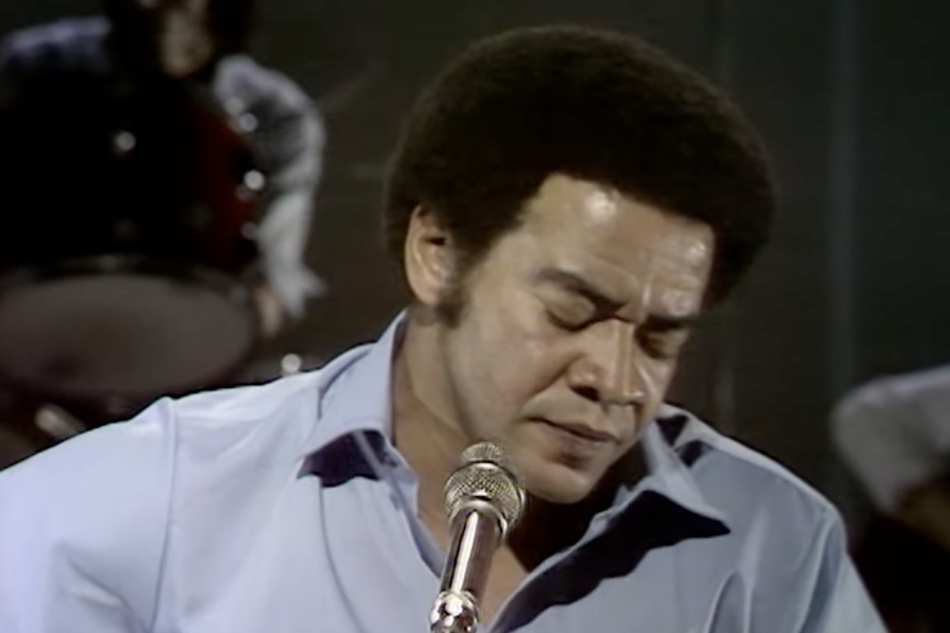
Bill Withers wrote songs that feel like they have always existed. Lean On Me, Ain’t No Sunshine, Lovely Day. By the early eighties he had already secured a permanent place in music history, yet instead of pushing for endless new hits, he gradually stepped away from recording. There was no dramatic retirement announcement, just a quiet shift toward private life. Interviews later revealed his frustration with record label politics, constant creative interference, and the feeling that music was being treated like factory output. Rather than spend years arguing with executives, he simply chose something calmer.
Withers moved into business ventures, family life, and everyday routines far removed from the touring circuit. Fans often assume artists disappear because they fail commercially, but his situation was the opposite. He left while still respected, still played, and still deeply relevant. That calm confidence made the decision feel even more powerful. His catalog kept growing in cultural importance without needing constant new releases. In a way, he trusted the songs to keep speaking for themselves. Many younger musicians later pointed to his path as proof that success does not always require staying inside the industry forever.
4. Meg White
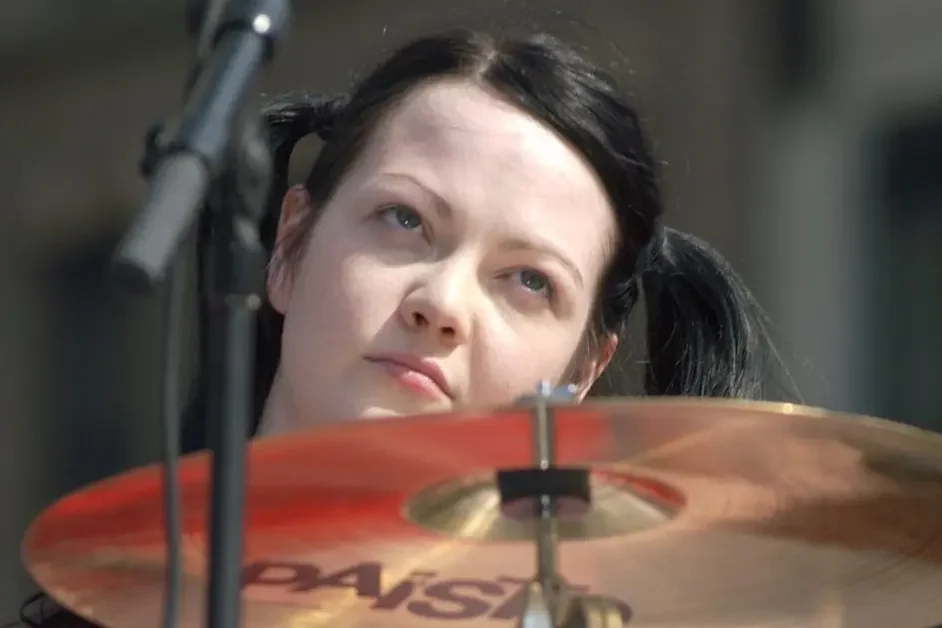
At the height of The White Stripes, Meg White stood on some of the biggest stages in rock music. The band’s raw sound dominated radio, festivals, and global tours, turning the duo into one of the defining acts of the early two thousands. Yet once the band ended, Meg did something extremely rare for someone that famous. She truly stepped away. Reports over the years pointed to intense stage anxiety, exhaustion from constant touring, and a deep preference for private life over celebrity attention. Unlike many musicians, she never launched a solo brand or comeback campaign.
Instead, she chose quiet living, staying almost completely out of public interviews, performances, and industry events. Fans slowly understood that her drumming had already shaped an entire generation of garage rock and did not need constant repetition. Her absence felt intentional rather than mysterious. Some performers crave the stage forever, while others treat it as one meaningful chapter. Meg seemed firmly in the second group. Her story resonates because it mirrors a simple human truth. Sometimes after achieving something huge, what you really want next is not another spotlight but a peaceful ordinary morning.
5. Cat Stevens
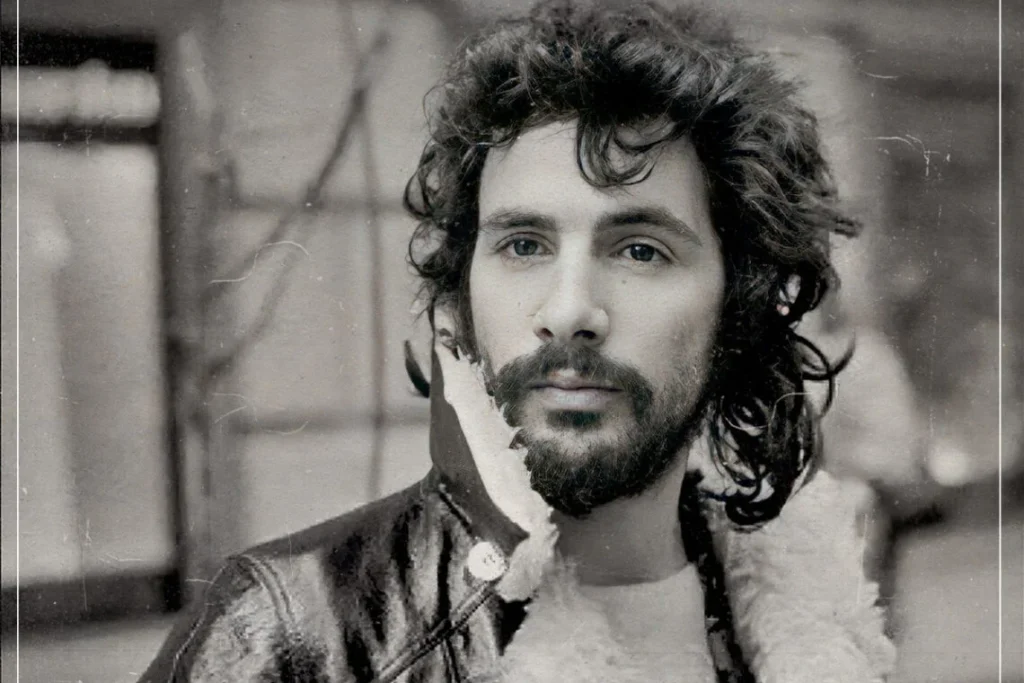
During the seventies, Cat Stevens felt permanently present on the radio. His songs carried warmth, reflection, and enormous commercial success, placing him among the most recognizable singer-songwriters in the world. Then, at the very height of that fame, he made a decision few expected. After converting to Islam, he changed his name to Yusuf Islam and stepped almost completely away from the mainstream music industry. Instead of chasing tours or chart positions, he focused on faith, education, charity work, and raising his family. To many fans at the time, the shift felt sudden and difficult to understand.
With time, his explanation came across as calm and deeply personal rather than dramatic. He had been searching for meaning beyond celebrity life, and once he felt he had found it, the pressure to remain constantly visible faded. What’s often overlooked is that Yusuf Islam never abandoned music entirely. Years later, he returned to recording and performing selectively, choosing projects carefully and working on his own terms. His journey remains one of the clearest reminders that personal conviction can outweigh public expectation—and that stepping away doesn’t always mean disappearing forever.
6. Sade
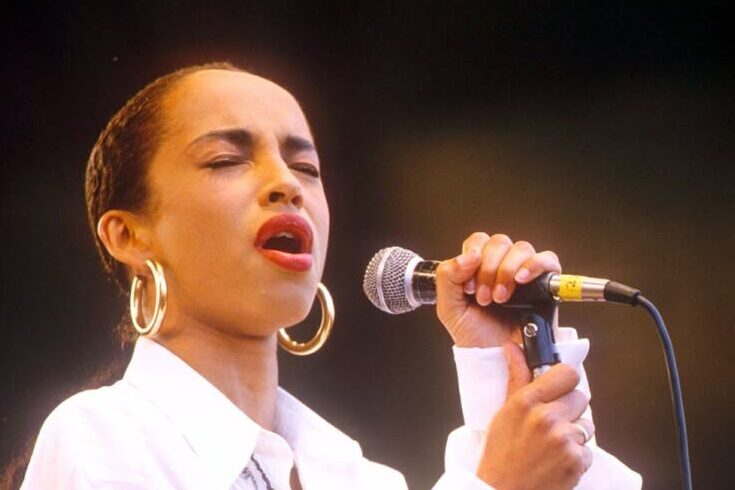
Sade’s career has always followed its own gentle rhythm. Every time she released an album, it became a global success, filling charts, radio stations, and concert halls. Then, almost as predictably, she would disappear from public view for years at a time. Instead of maintaining constant visibility, she returned to private life in the countryside, writing only when inspiration genuinely arrived. She explained more than once that music should come from real feeling, not release schedules or marketing pressure. Fans gradually learned patience, trusting that whenever she returned, the sound would still feel timeless.
That pattern turned absence into part of her mystique rather than a sign of fading relevance. Her voice never felt overexposed because she never allowed it to be forced into nonstop production cycles. In an industry obsessed with staying visible, her quiet pauses became a different kind of power move. Younger artists later pointed to her example when discussing creative control and mental balance. Sade showed that stepping back does not weaken a career. Sometimes protecting silence is exactly what keeps the music emotionally alive for decades.
7. Syd Barrett
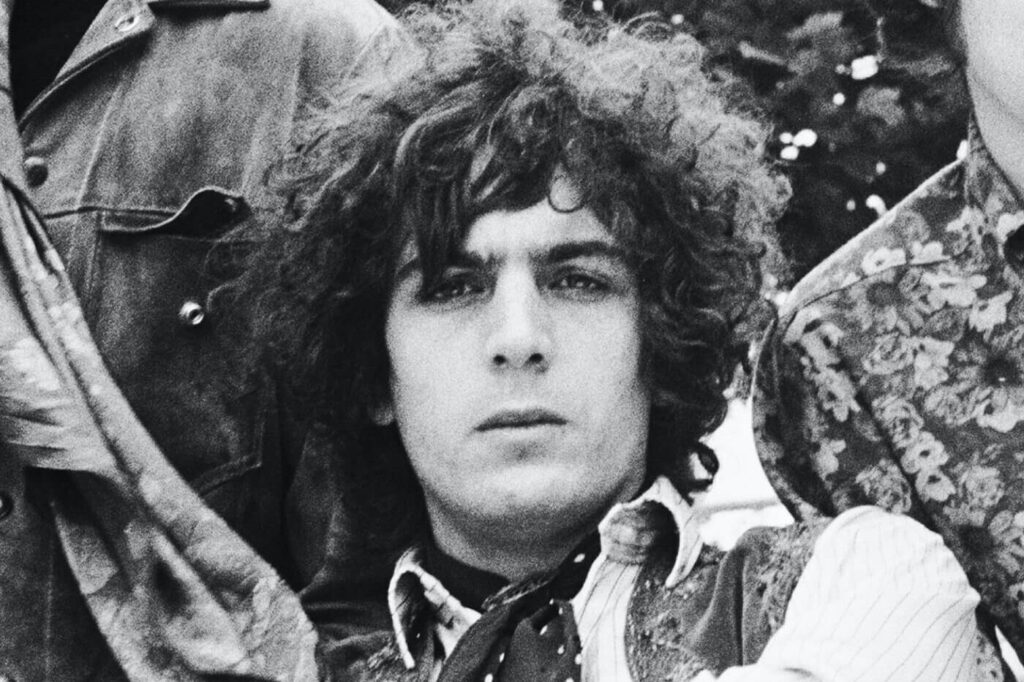
Syd Barrett helped form Pink Floyd and drove their early psychedelic identity, writing songs that defined the band’s first era. As their popularity rose quickly in the late sixties, the speed of touring, recording, and media attention collided badly with his fragile mental health. Performing became increasingly difficult, and his behavior grew unpredictable under constant pressure. By 1968, while the band’s future still looked huge, he was no longer part of it. After brief solo attempts, he gradually withdrew almost entirely from the public music world.
Barrett spent the rest of his life living quietly in Cambridge with family, painting and avoiding interviews or public appearances. Over time, fans built legends around his disappearance, but the truth beneath it felt painfully simple. Fame arrived faster than he could emotionally manage. His early creative influence remained enormous, shaping Pink Floyd’s later direction even in absence. His story still feels important today because it reminds audiences that artistic brilliance does not automatically include protection from stress, overload, or the emotional weight of sudden worldwide recognition.
8. Grace Slick
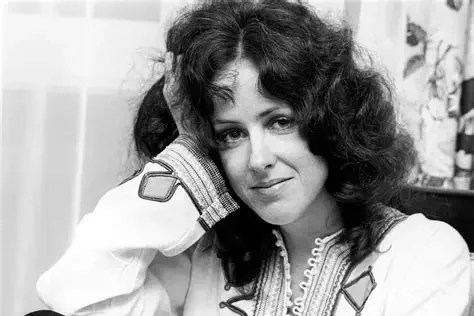
Grace Slick spent decades commanding rock stages with Jefferson Airplane and later Jefferson Starship, becoming one of the most recognizable female voices of her era. By the late eighties, though, she made a surprisingly firm decision to retire from touring and recording. Her explanation mixed humor with honesty. She openly joked that aging rock stars often look silly pretending to stay forever wild, but beneath the comment was real fatigue with the lifestyle. Years of touring schedules, industry politics, and constant travel had taken their toll.
Instead of stretching her music career indefinitely, she shifted her energy toward painting and visual art, where she found a calmer and more sustainable creative outlet. What made her story stand out is that she largely stayed true to that decision. There were no endless farewell tours or dramatic returns. Fans respected the clarity. She seemed to understand something many performers struggle to accept. Leaving at the right moment can preserve both dignity and legacy. Sometimes the strongest move is recognizing that a powerful chapter already reached its natural and satisfying ending.
9. Jeff Mangum
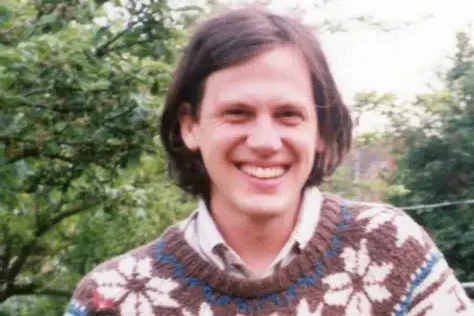
Neutral Milk Hotel’s album In The Aeroplane Over The Sea slowly transformed from a modest indie release into one of the most beloved records of its generation. As critical praise and fan obsession intensified, frontman Jeff Mangum found himself suddenly surrounded by attention he never seemed to want. Interviews were rare, touring pressure increased, and the emotional intensity of the fan response reportedly felt overwhelming. Instead of expanding the spotlight, he quietly stepped away from performing almost entirely while interest in the band kept growing.
For years, his absence became one of indie music’s biggest mysteries, yet later comments suggested the explanation was deeply human rather than dramatic. The constant attention simply felt too heavy. Rather than force himself through public life, he chose distance and privacy. Ironically, that silence only strengthened the album’s legend and emotional connection with listeners. Mangum’s retreat still resonates because many people understand the feeling of achieving something big, only to realize the attention surrounding it feels louder and more exhausting than the original dream ever imagined.
10. Bobby Darin
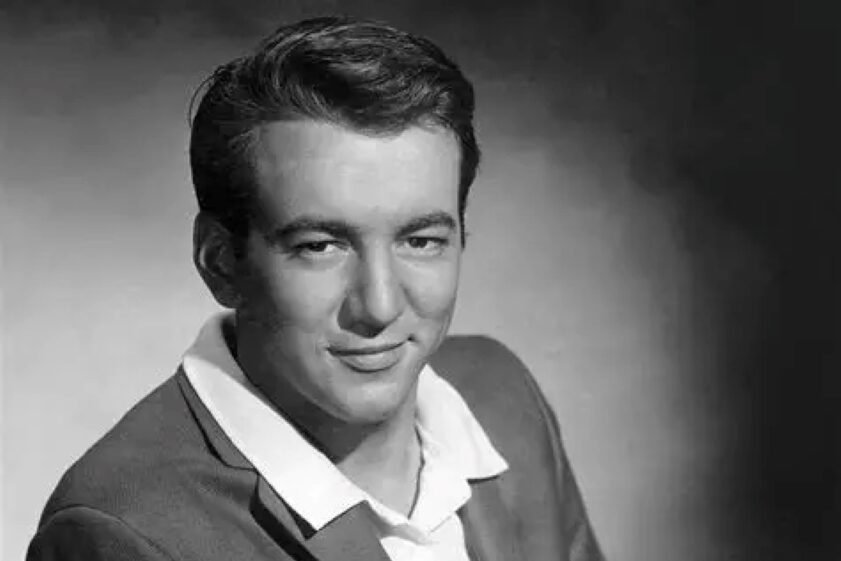
Bobby Darin was more than a chart topping singer. He was a full entertainment force, moving easily between pop hits, film roles, and major live performances. Then he discovered that his lifelong heart condition was far more serious than he had believed. That knowledge quietly reshaped how he saw time, work, and success. Instead of chasing endless commercial pop dominance, he shifted toward folk music, political themes, and projects that felt more personally meaningful. The transition happened while he still held enormous public recognition.
Fans noticed the change quickly, but many later understood it came from urgency rather than decline. When someone suddenly realizes time may be limited, priorities often become clearer and more honest. Darin seemed determined to use his remaining energy on expression that matched his beliefs rather than simply maintaining chart presence. His later work carried that reflective tone. His story still reminds listeners that sometimes stepping away from the peak is not about losing ambition. Sometimes it is about finally understanding what truly deserves your remaining time and creative voice.
11. Mark Hollis
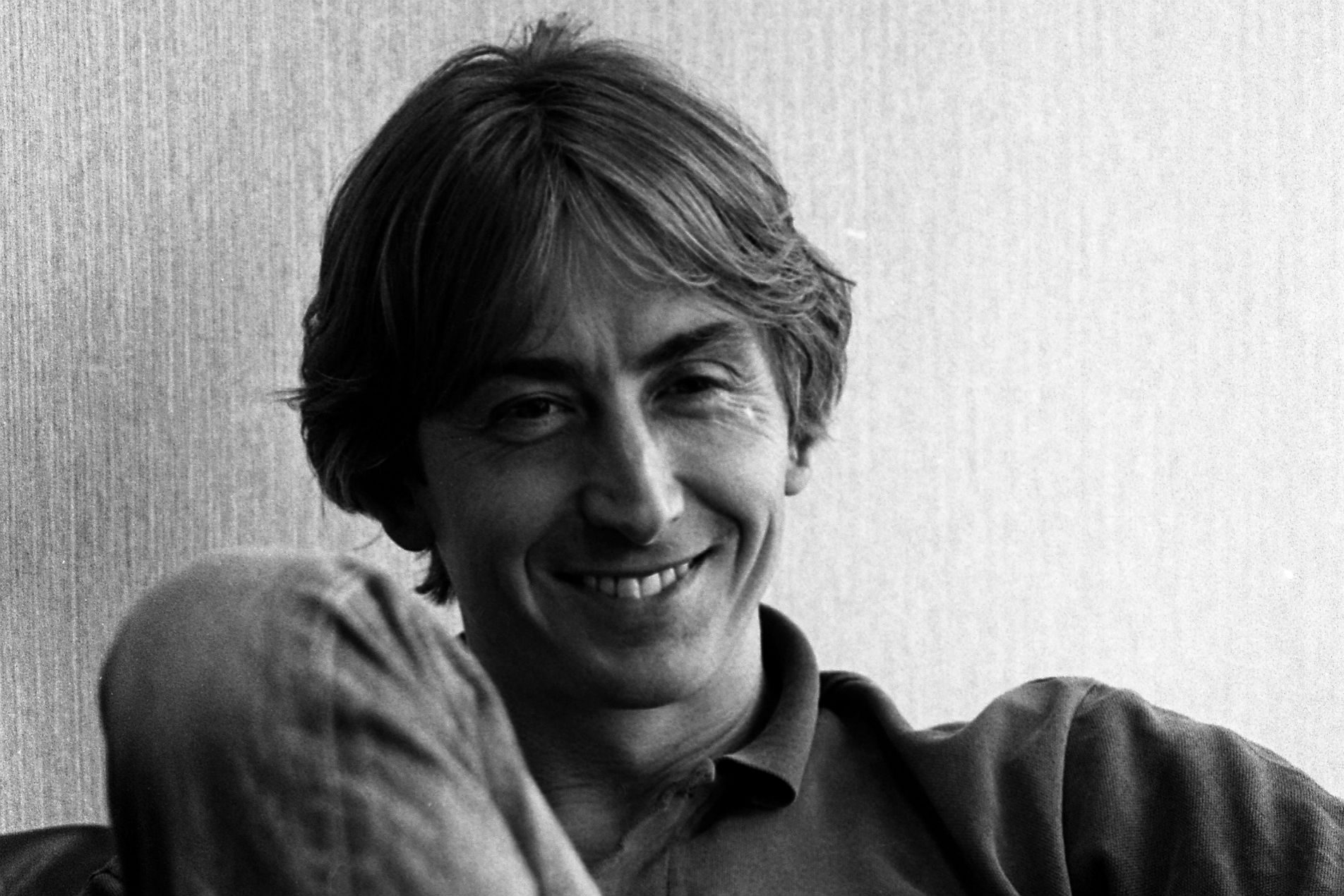
By the late eighties, Talk Talk had transformed from synth pop chart success into something far more experimental and critically respected. Mark Hollis stood at the center of that artistic evolution, widely admired for pushing the band into deeper musical territory just as their creative reputation peaked. Then, instead of expanding that success further, he gradually stepped away from the industry. His final solo work arrived with almost no promotion, sounding intimate and intentionally restrained. It felt less like the start of a new era and more like someone gently closing a creative door.
Hollis later made it clear that family life mattered more than maintaining public visibility. He wanted to be present as a father and live outside the relentless cycle of touring and recording deadlines. There was no dramatic farewell announcement, only a quiet disappearance from professional music making. Over time, musicians began citing his decision as deeply inspiring. He showed that artistic integrity is not only about what you create, but also about knowing when your life needs something different. Sometimes the most honest final note is simply choosing to go home.
12. Seal
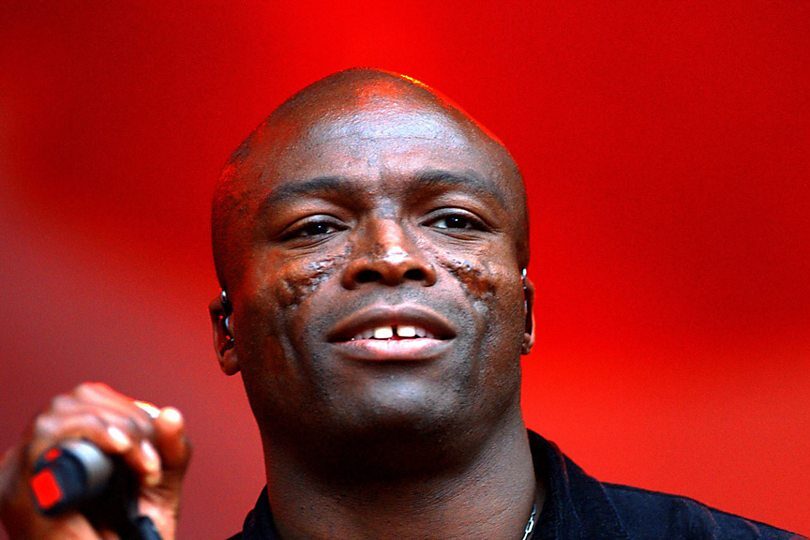
Seal’s early career moved at lightning speed. Massive radio hits, Grammy recognition, and one of the most recognizable voices of the nineties placed him firmly among global pop elites. From the outside, the next logical step would have been nonstop annual releases and constant touring to hold that dominance. Instead, Seal chose a slower, more selective path. Albums arrived with larger gaps, appearances became more intentional, and the endless industry treadmill clearly stopped dictating his schedule. He spoke openly about wanting music to remain emotionally necessary rather than mechanically produced.
That deliberate slowdown helped him avoid the exhaustion many artists face after early explosive fame. By stepping back from constant output, he preserved both vocal strength and personal balance while still maintaining loyal audiences worldwide. Fans often welcomed each return precisely because it never felt rushed or obligatory. His career became less about chart battles and more about longevity and authenticity. Seal’s path reflects a quiet wisdom many creative professionals eventually learn. Staying successful sometimes means refusing to move at the speed everyone else expects.
13. Gotye

When Somebody That I Used To Know became a worldwide phenomenon, Gotye suddenly found himself dominating radio, awards shows, and international stages. For many artists, that kind of moment launches a long stretch of commercial repetition designed to capitalize on the momentum. Instead, he surprised the industry by stepping back from mainstream solo pop almost immediately afterward. Rather than chasing another identical hit, he turned toward collaborative projects, experimental recordings, and archival music preservation work that interested him far more personally.
Interviews suggested he felt uncomfortable being boxed into recreating the same formula again and again simply because it sold well. By redirecting his attention elsewhere, he protected both his creative curiosity and his personal comfort with fame. Fans occasionally still hope for another huge solo release, yet his decision already feels complete in its own way. Gotye’s story captures a very modern creative dilemma. Sometimes one enormous success creates expectations so narrow that the healthiest option becomes quietly stepping sideways into work that feels more genuine and sustainable.
14. George Michael
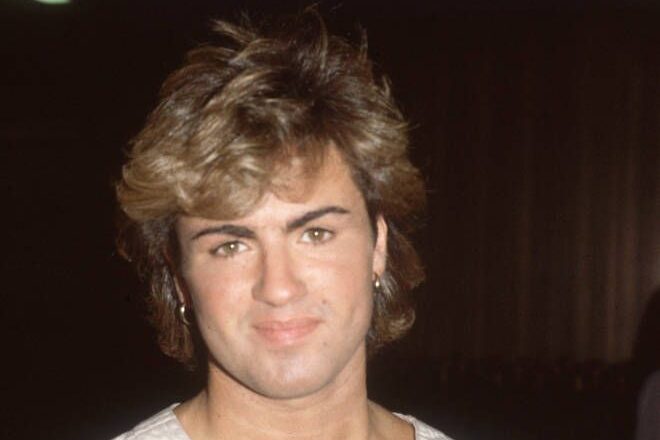
By the early nineties, George Michael had reached a level of global fame few pop artists ever experience. Stadium tours, massive album sales, and constant media attention made him one of the most commercially powerful musicians alive. Yet behind that success, he felt increasingly uncomfortable with how heavily image and marketing shaped his public identity. Legal battles with his record label followed as he fought for greater artistic control and freedom from relentless promotional expectations that left little room for personal privacy.
During that period, he deliberately reduced his nonstop pop visibility, focusing instead on making music at a pace that felt emotionally honest. Though he never abandoned recording entirely, the shift marked a clear refusal to keep feeding the celebrity machine at full speed. Over time, many artists recognized how significant that stance was for creative ownership rights. Michael’s retreat showed that sometimes protecting the meaning of your work requires stepping back from the very spotlight that made you famous in the first place.
15. Robyn

In the late nineties, Robyn scored major international teen pop success and seemed positioned for an even bigger commercial run inside the American chart system. Instead of pushing harder within that structure, she stepped back from the major label environment that shaped her early releases. She later explained that creative limitations and industry expectations made it difficult to express the kind of music she actually wanted to create. Rather than compromise long term, she chose distance and independence.
That pause allowed her to rebuild her artistic identity completely on her own terms. Years later, she returned with a fresh electronic pop sound, full creative control, and a fiercely loyal global fan base that respected the authenticity of her comeback. Her story demonstrates that stepping away at the wrong commercial moment can sometimes become the exact move that secures a stronger future. Success is not always about pushing forward immediately. Sometimes it is about stepping aside long enough to rediscover what made the music exciting in the first place.
16. Andre 3000
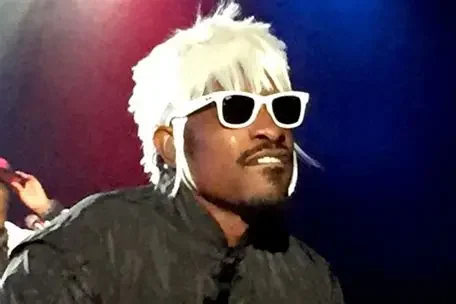
At OutKast’s peak, Andre 3000 stood among the most respected and creatively admired figures in modern hip hop. Albums sold massively, critics praised his innovation, and solo opportunities flooded in from every direction. Yet over time, fans noticed he seemed less interested in maintaining the traditional album tour celebrity cycle. Interviews hinted that constant public exposure never fully matched his introspective personality or creative rhythm. Instead of aggressively pursuing solo dominance, he gradually leaned toward selective collaborations and artistic exploration outside mainstream expectations.
His public appearances became rarer, yet whenever he contributed musically, the impact remained strong. That quieter presence suggested someone choosing curiosity over constant visibility. Andre’s path feels especially relatable in a world that often measures success by nonstop output. He showed that maintaining cultural influence does not always require dominating headlines every year. Sometimes an artist remains powerful precisely because they only appear when inspiration genuinely pulls them back into the conversation rather than because the industry schedule demands it.
17. Fiona Apple

Fiona Apple arrived with critical praise, Grammy recognition, and a songwriting voice that felt intensely personal from the very beginning. Yet instead of maintaining a predictable release schedule, she became known for long disappearances between albums. Interviews revealed she found constant publicity emotionally exhausting and creatively damaging. Rather than produce music on demand, she preferred to retreat into private writing periods until something honest felt ready to share. That approach confused executives but strengthened her connection with listeners.
Each time she eventually returned, the music carried a sense of lived experience that made the long gaps feel worthwhile. Fans learned not to measure her career by frequency but by emotional depth. Her pauses never felt like failure. They felt like breathing space. Apple’s pattern quietly helped normalize the idea that emotional readiness matters more than commercial timing. In a fast moving industry, she showed that protecting your mental clarity can be the very thing that keeps your artistic voice sharp, sincere, and deeply trusted.
18. Enya

Enya’s success reached extraordinary global levels, yet her career never followed the typical superstar model of endless touring and constant media appearances. Even at peak demand, she largely avoided live world tours, choosing instead to focus on studio recording and private life in Ireland. Her layered vocal production required meticulous recording conditions that constant travel would disrupt, but the choice also clearly protected her personal solitude and daily normalcy away from celebrity pressure.
By letting the music travel while she stayed home, she created a rare balance between massive commercial reach and extremely guarded personal privacy. Fans accepted the distance because the recordings themselves felt immersive and timeless whenever they arrived. Enya’s approach stands as one of the clearest examples that stepping back from visibility does not mean stepping away from influence. Sometimes the strongest career strategy is quietly refusing the noise while allowing the work itself to carry the connection across the world.
19. Kurt Cobain
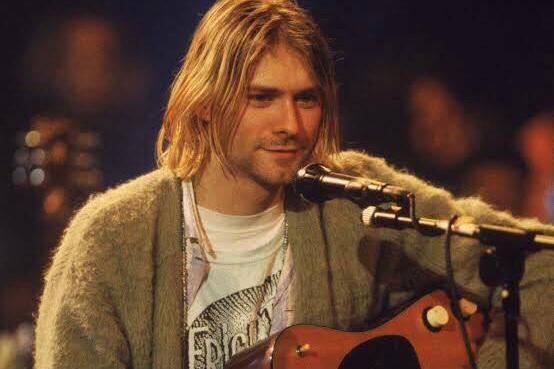
As Nirvana’s popularity exploded worldwide, Kurt Cobain increasingly spoke about feeling uncomfortable inside the massive fame surrounding the band. What began as underground success quickly turned into overwhelming global attention, endless touring, and intense media scrutiny. Interviews revealed how deeply conflicted he felt about becoming a commercial symbol rather than simply a songwriter. He pushed for rawer recordings and smaller scale authenticity even while the band’s audience kept expanding beyond anything he originally imagined.
Behind the scenes, that emotional strain became harder to carry as expectations grew louder. Though tragedy later ended his life, the period before already showed someone withdrawing mentally from the industry machine surrounding him. Cobain’s story still resonates because it exposes a difficult truth. Achieving everything you once wanted can sometimes create pressures you never expected. His discomfort reminds listeners that success measured from the outside often feels very different from the inside of the person living through it.
20. Richie Edwards
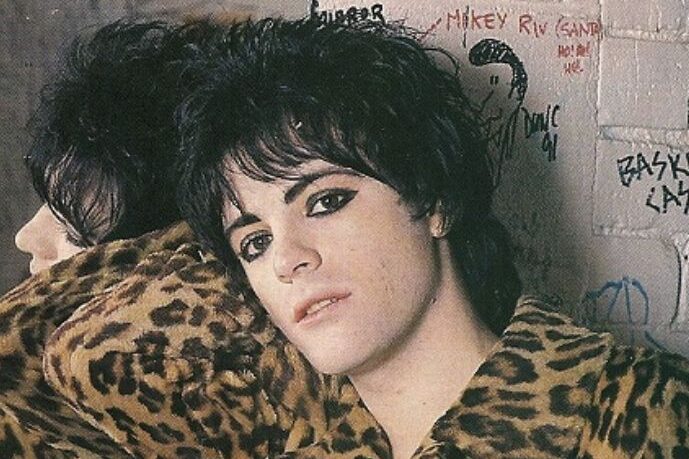
By the mid nineties, Richie Edwards of Manic Street Preachers stood at the center of one of Britain’s most talked about rising bands. Their popularity was climbing fast, their tours were growing, and the group’s cultural influence felt ready to explode globally. Then, in early 1995, Richie suddenly disappeared. His car was later found near the Severn Bridge, and despite investigations, he was never located. The band continued, but his absence instantly became one of music’s most haunting unresolved departures.
What makes his story linger is how close the group stood to their biggest international breakthrough at the time. Richie had been a key lyricist and visual identity behind the band’s message, and his disappearance froze that moment permanently in history. Fans still discuss him not as someone who faded, but as someone who stepped out of the story at its loudest point. Ending this list with Richie quietly reminds us that behind every album, tour, and headline is a human being carrying private struggles the audience may never fully see.


