
1. When Second Place Feels So Close
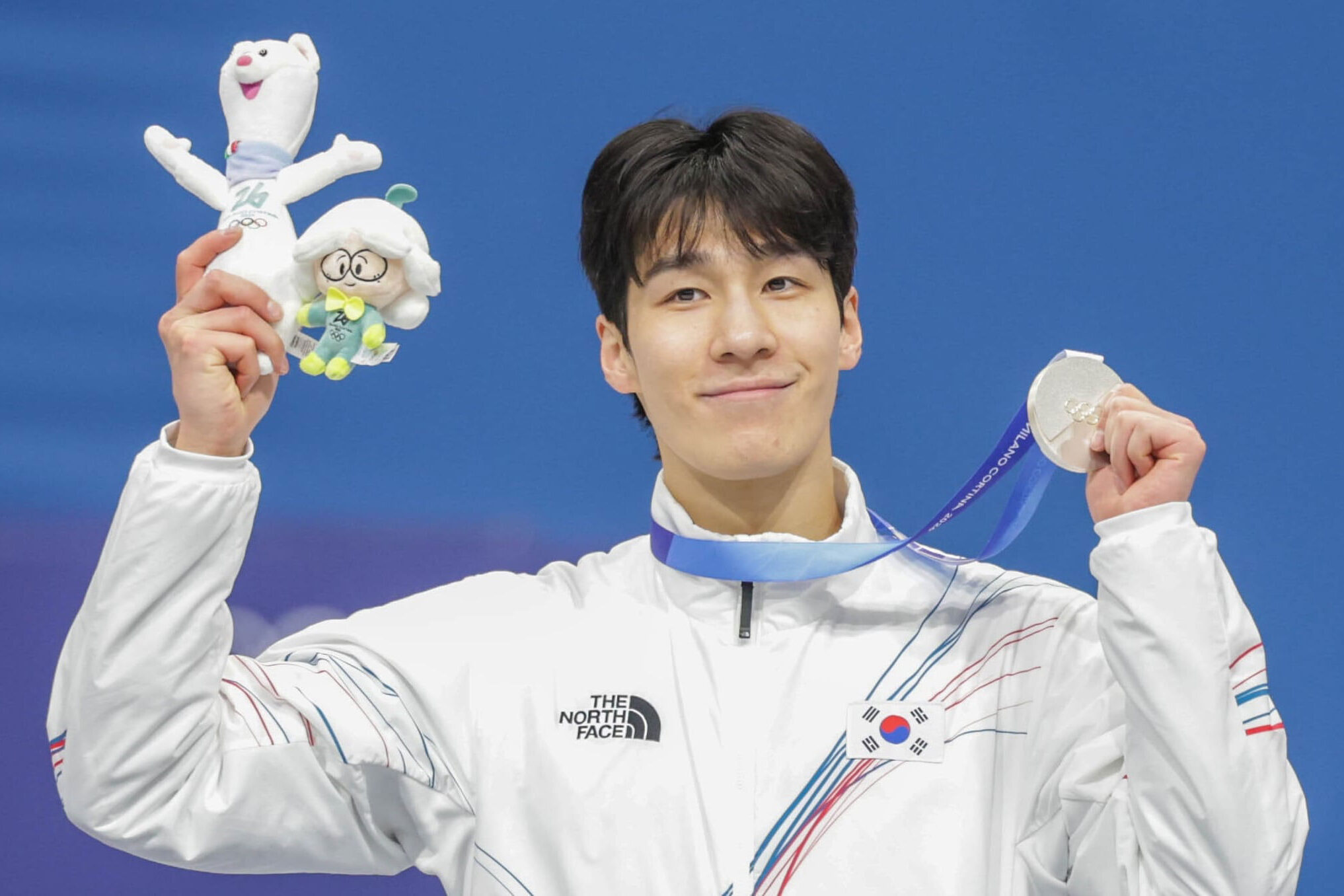
Every Olympic journey usually begins with small dreams, early alarms, and years of stubborn practice that slowly shape an athlete’s entire life. By the time the Games arrive, the goal often sounds simple in their head, just win if everything lines up right. When the final result shows silver, the feeling lands in a strangely mixed place inside the chest. Pride is real and strong, yet the mind quietly notices how close the top step truly was. It feels less like losing and more like almost touching something that sat right within reach that day.
Because the finish was so near, the memory rarely fades into something distant or settled. Instead it stays vivid, almost like a paused scene waiting for one more frame to play out. Athletes replay the final seconds not from bitterness but from simple human curiosity about tiny moments. Could one sharper turn, steadier breath, or quicker decision have shifted everything slightly. Silver becomes both celebration and quiet reflection living side by side, a medal that proves greatness while gently reminding them how incredibly close history stood.
2. The Moment That Keeps Returning Later
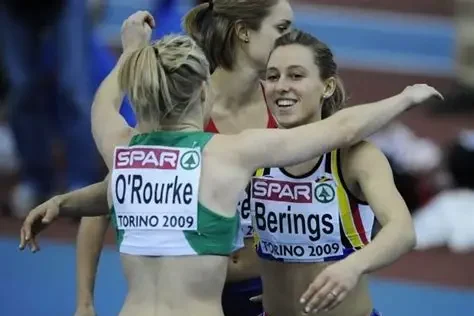
After the crowds disappear and the Olympic village slowly empties, athletes return home carrying both the medal and the silence that follows global attention. It is usually in ordinary moments, unpacking bags or scrolling through photos, that one specific competition detail quietly returns to mind. Maybe it was the start, the rhythm, or the last technical choice that seemed harmless at the time. Interviews still sound proud because the pride is genuine, yet private evenings sometimes invite the brain to gently reopen that tiny competitive hinge again.
Near victories tend to stay louder in memory than clear losses because the performance already proved world class ability. The mind studies that turning point not with anger but with thoughtful curiosity about how sport balances on seconds. Over time the replay softens and becomes less sharp, yet many competitors admit the scene never disappears completely. It settles into their story as the small unfinished sentence beside a lifetime of extraordinary effort, resilience, and the deep personal satisfaction of knowing they truly belonged.
3. Hearing The Anthem For Someone Else
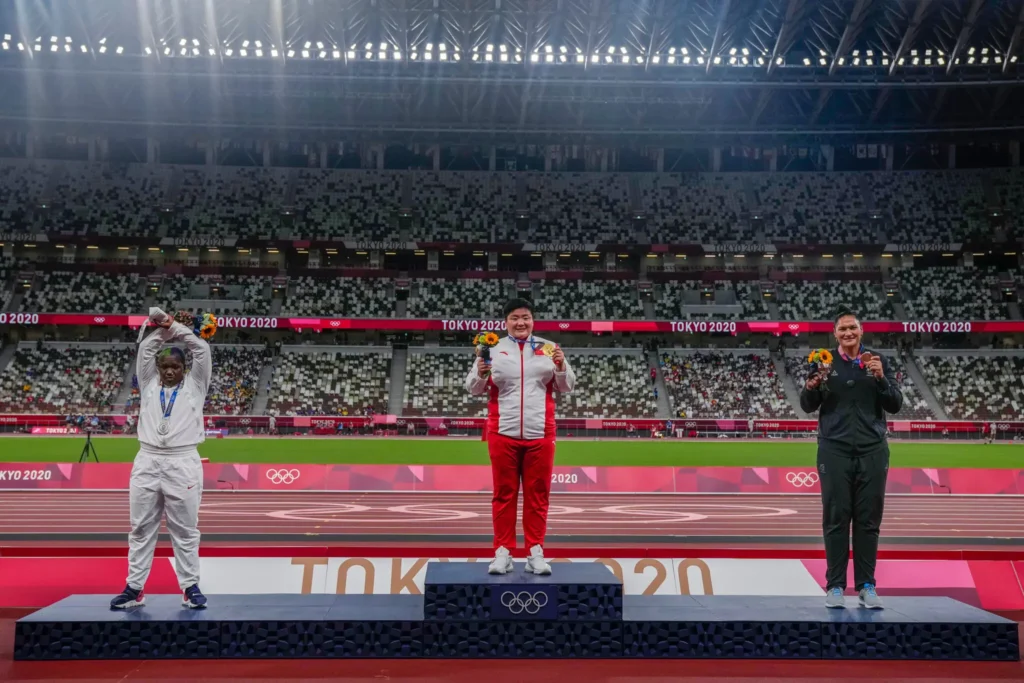
Standing on the Olympic podium is overwhelming in a beautiful way, yet silver medalists often describe a reflective emotional layer running quietly beneath the celebration. You are holding proof that you belong among the greatest athletes alive, while the anthem filling the stadium belongs to the competitor beside you. Respect for the winner feels sincere because elite athletes understand exactly what that victory required physically and mentally. Still, inside, there is often a soft awareness that the ceremony unfolding once lived in your own long rehearsed imagination.
The applause feels warm, the medal carries real weight, and pride settles honestly in the moment. Yet the mind gently records the difference between the imagined soundtrack and the real one playing overhead. It is not jealousy or resentment, just recognition of closeness and shared excellence. That emotional duality often makes silver feel thoughtful instead of explosive, a moment filled with gratitude, respect, and the quiet understanding that the smallest margins sometimes shape the loudest outcomes.
4. Expectations Change In The Middle
Many athletes arrive at the Olympics hoping to perform well, reach a final, or simply prove they earned their place on that world stage. Once competition begins and they realize gold is actually possible, something subtle shifts inside their expectations. The emotional finish line moves forward quietly without anyone announcing the change aloud. Suddenly the dream grows bigger in real time, and the heart begins adjusting to a brighter possible ending. When the scoreboard finally shows silver, the result feels emotionally different than it would have before the event began.
Technically they surpassed their original hopes, yet internally they measure against the newer dream that formed during competition itself. Coaches often recognize this shift immediately because it happens to even experienced champions. The athlete did not fail any real plan, yet their emotional comparison point moved forward mid event. That silent rewrite explains why silver sometimes carries mixed feelings, since the comparison is no longer against past expectations but against the victory that briefly felt almost certain.
5. The Ceremony Feels Quieter Inside

From the outside, Olympic medal ceremonies look like pure celebration filled with noise, cameras, and national pride pouring through the stadium. Inside the silver medalist’s head, the emotional experience can feel calmer and more reflective than most spectators expect. Happiness and gratitude are fully present, yet the emotional volume sometimes sits softer than the crowd surrounding them. While the gold winner releases years of pressure and the bronze medalist often glows with relief, the athlete in second place sometimes feels gently suspended in a thoughtful emotional middle.
They notice the lights, the music, the crowd movement, and the slow realization settling in piece by piece. Nothing feels negative, simply layered and absorbing. Later, many say they remember that calmness more than the noise itself. Watching the replay afterward often surprises them because they looked so composed. The moment never lacked joy or pride, it simply carried more reflection than people imagine when viewing the podium from television screens at home.
6. A Lifetime Balanced On Tiny Margins
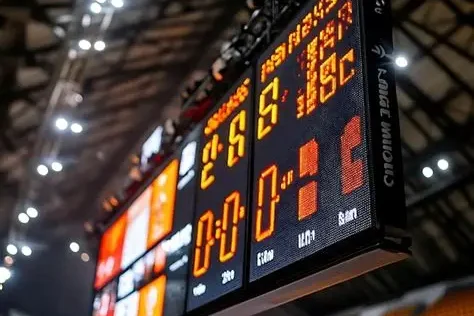
Olympic preparation stretches across childhood practices, school sacrifices, injuries, funding worries, and countless early mornings invisible to the outside world. When the difference between gold and silver turns out to be something microscopic, the reality can feel almost surreal. A fingertip, a half step, or a fraction of timing suddenly becomes the detail history remembers. Athletes understand logically that elite sport always works this way, yet emotionally it still feels astonishing that decades of discipline balanced on one nearly invisible moment in time.
They feel proud, deeply proud, but they also pause at how something so small shaped the medal color recorded forever. That reflection does not weaken the achievement. If anything it highlights how extraordinary their level truly was. Accepting that greatness and microscopic separation can exist together becomes part of the emotional growth many silver medalists gradually experience, allowing pride to settle stronger while the sense of wonder about that tiny deciding instant slowly softens.
7. Celebration Comes Before Processing

Returning home as an Olympic medalist means instant celebration from airports, neighbors, old teachers, and relatives who followed every second of the competition. The love feels real and overwhelming in the best possible way, yet some silver medalists quietly admit that public celebration sometimes arrives before their private emotions fully settle. They smile honestly because they truly are grateful, while part of their mind may still be replaying the event internally. It becomes a very human overlap where public joy and private reflection sit together without canceling each other.
Gradually the warmth from family, fans, and teammates helps the internal timeline catch up. Stories get shared, laughter returns, and the achievement sinks deeper into their identity as something permanent and respected. Eventually pride grows louder than any small lingering questions, but those first days back can feel emotionally crowded. The experience becomes a reminder that even historic success can take time to fully land inside the heart of the person who achieved it.
8. The Future Question Starts Quickly

Not long after the Olympic spotlight fades, many silver medalists begin hearing the same supportive question about the next Games. Friends, reporters, and sponsors ask whether they will train again and aim for gold next time. The encouragement sounds kind, yet it also reminds the athlete how demanding another Olympic cycle truly is. Preparing once already required years of strict schedules, physical pain, financial planning, and long stretches away from ordinary daily life routines that most people take for granted.
Choosing to repeat that journey is never simple or automatic. Some athletes feel energized by the unfinished challenge, while others feel an honest need to rest, heal, and rebuild first. Silver already proves they reached the summit of global competition. The real decision becomes whether they want to climb that same mountain again from the very beginning. That life crossroads often carries more emotional weight than spectators realize while casually asking about the next Olympic dream.
9. Time Slowly Changes The Memory

As months turn into years, many silver medalists notice their Olympic memory softening into something warmer and steadier than it first felt. The sharp focus on the final placement gradually gives way to broader memories of teammates, opening ceremony nerves, shared meals, and the long personal journey that carried them there. Conversations with young athletes often reshape their view because they hear how inspiring the achievement looked from outside. Being second in the world begins to sound exactly as enormous as it truly is.
The medal becomes less about the one competitor ahead and more about the thousands left behind. That widening perspective does not erase their competitive spirit, but it balances it with gratitude and maturity. Over time the story grows less about the missing step and more about the incredible climb completed. What once felt like a near miss slowly becomes a defining life experience that still fills them with quiet pride.
10. Life After The Games Expands The Meaning
Later in life, many Olympians begin describing their medal not as a final answer but as one chapter in a much longer personal story. The discipline learned through training shapes careers, leadership style, and confidence far beyond sport itself. Silver stops representing the place where gold slipped away and instead becomes proof they once stood at the highest level of human performance. Opportunities in coaching, mentoring, speaking, or leadership often grow directly from that Olympic experience and the credibility it carries.
The medal itself stays physically small, yet its meaning keeps stretching wider with each passing year. Looking back, many realize the Games gave them direction, resilience, and lifelong friendships that outlast any single result. The podium moment becomes less important than the personal transformation behind it. In that sense, the Olympic journey keeps paying emotional dividends long after competition ends and stadium lights fade.
11. Respect Inside The Athlete Community
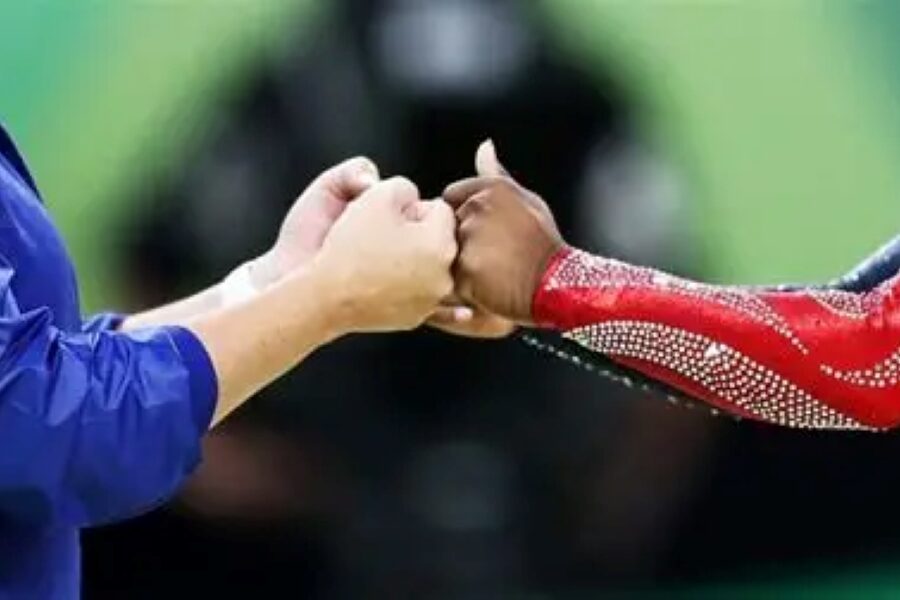
Among elite competitors, the understanding of what Olympic silver represents runs extremely deep because they know the unseen grind behind it. Fellow athletes recognize the relentless training, hidden injuries, financial sacrifices, and emotional pressure families quietly shared along the way. Because of that shared experience, respect inside the sporting world often feels stronger than public applause or headlines. A simple nod from another Olympian or a quiet message from a rival can carry enormous emotional weight for the silver medalist.
That recognition reminds them their achievement needs no explanation within the circle of people who truly understand elite competition. The sense of belonging to that rare global community often becomes one of the most meaningful lifelong rewards. Public attention eventually fades, but peer respect tends to remain constant. It grounds the athlete in the knowledge that their performance earned permanent recognition exactly where it matters most.
12. Understanding What Truly Lasts
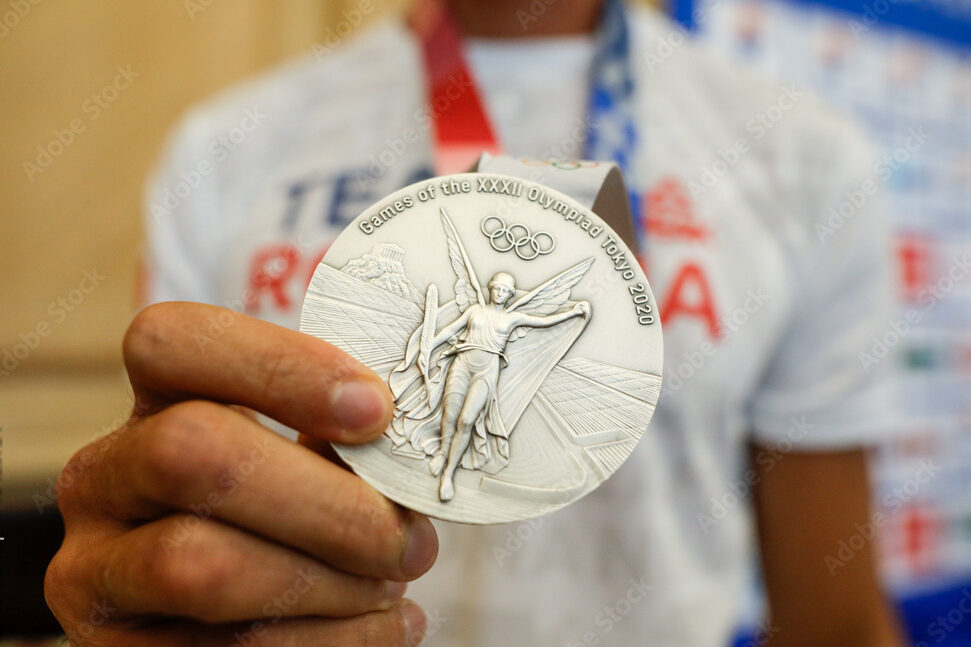
With enough distance, many athletes reach a calm realization that the medal color never fully defined the value of their Olympic journey. What stays strongest are the friendships formed, discipline built, courage tested, and the knowledge they competed among the very best on Earth. Silver becomes less about almost winning and more about actually arriving at a level most people only dream of reaching. The experience shapes how they handle pressure, setbacks, and ambition across the rest of their personal and professional life.
In quiet moments, many admit they would still choose that same difficult road again because of who it helped them become. The medal stops representing something missing and instead becomes proof of everything gained. Looking back, they see the Games not as a single result but as a life shaping chapter. And in that wider view, the meaning of silver often feels complete in a way that numbers alone never fully explain.


