
1. Sprinting
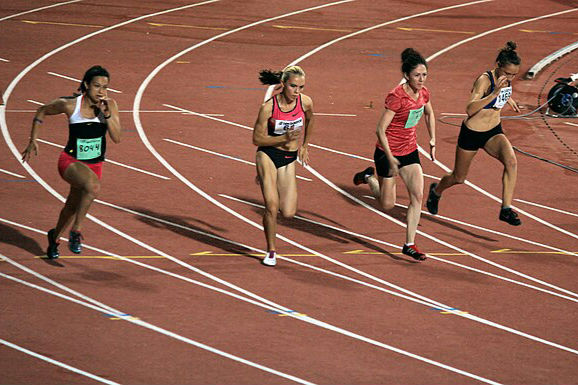
If you have ever watched an Olympic sprint final, you already know the silence before the gun feels heavier than the race itself. That moment holds nerves, breath, and years of training packed into a few still seconds. Sprinting produces many Olympic disqualifications because athletes must react instantly yet remain perfectly still until the sound. Their bodies are trained to explode forward at the smallest cue, so sometimes anticipation beats the actual gun. Sensors in the starting blocks detect even the slightest early movement, and once that happens the race is over before it truly begins for that runner.
What makes this especially painful is how human the mistake usually is. Nobody plans to false start. It comes from adrenaline, crowd noise, or the fear of reacting too slowly in a race decided in seconds. Athletes spend years sharpening reaction speed, yet that same skill can betray them under Olympic pressure. Sprinting stays near the top of disqualification lists simply because it demands impossible calm in the most explosive moment imaginable.
2. Race Walking
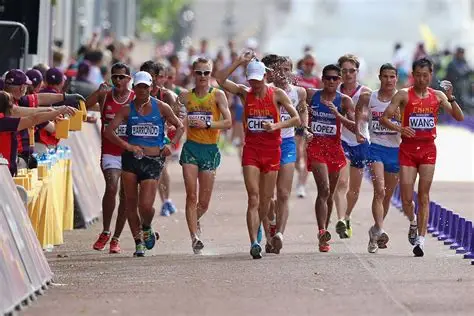
Race walking often looks simple from the outside, almost like fast determined strolling, but the technical rules are extremely strict. Walkers must appear to keep one foot touching the ground at all times, and the front leg must stay straight when it lands. Early in the race, competitors hold that posture beautifully and move with smooth rhythm. Judges positioned along the course watch closely for any moment the stride turns into a running motion, and warnings quietly begin stacking in the background as distance builds.
Later in the race, exhaustion slowly reshapes the body. Hips tighten, knees ache, and the natural instinct is to bend the leg or push off harder just to keep moving forward. Many athletes do not even realize the exact moment their technique slips. They only see the penalty board afterward. Race walking earns frequent disqualifications not because athletes ignore rules, but because the human body eventually chooses survival over perfect mechanical discipline.
3. Swimming
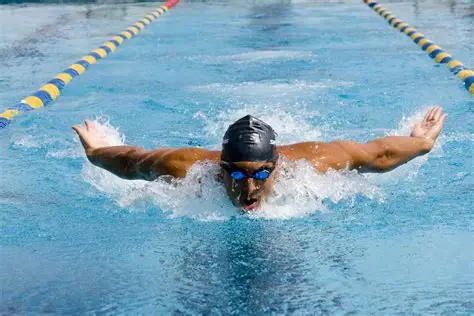
Olympic swimming races often appear perfectly smooth, which makes disqualifications feel surprising when they appear beside a finished time. Each stroke carries precise technical requirements. Breaststroke demands a specific kick motion, butterfly requires both arms moving together, and turns must follow exact touch patterns. Officials positioned poolside and underwater watch these details carefully, even when spectators only notice the speed and splash of the race unfolding.
As swimmers approach the wall with lungs burning and muscles tightening, they sometimes rush the finish or mistime a turn by a fraction. One extra movement, one uneven arm recovery, or a poorly timed touch can invalidate the swim completely. These mistakes rarely come from carelessness. They come from urgency and physical overload in the final meters. Swimming appears frequently in Olympic disqualification records because the sport asks athletes to maintain flawless technical control at the precise moment their bodies are most desperate to finish.
4. Weightlifting
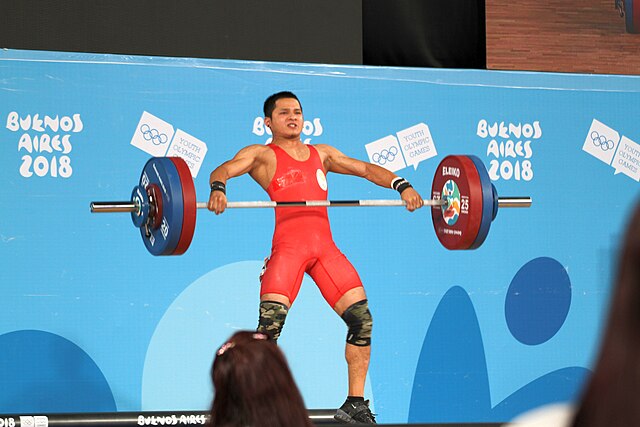
In Olympic weightlifting, the crowd often celebrates once the barbell reaches full height above the athlete’s head. Judges, however, continue watching the arms closely for stability. The lift only counts if the elbows lock fully and remain steady without visible rebending or pressing motion. At maximum loads, the body naturally trembles while fighting to control the weight, and that tiny shake can become the difference between success and a failed attempt.
What makes this frustrating is that the athlete may clearly have the strength to lift the weight. Physically the bar is overhead and balanced, yet a slight elbow softness or instability means the attempt does not qualify. Many lifters lose medal chances this way despite completing what looks like a heroic effort. Weightlifting produces technical failures and disqualifications simply because it demands perfect stillness at the exact moment the human body is under the greatest strain imaginable.
5. Judo
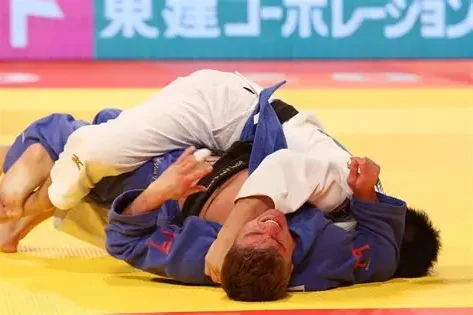
Judo matches unfold with incredible speed, and athletes constantly adjust grips while trying to control balance or avoid being thrown. In those rapid exchanges, the body often reacts before the mind has time to review the rulebook. Certain leg grabs, defensive holds, or unsafe twisting actions are prohibited at Olympic level, and referees intervene quickly once they appear. From the outside it may seem like a deliberate foul, yet inside the moment it is usually a reflex meant to stop a fall.
This instinctive survival response explains why judo regularly records disqualifications. When an athlete feels their footing disappear, grabbing whatever prevents impact feels natural. Unfortunately, that reaction can cross into an illegal hold within seconds. The sport lives in a narrow space where controlled technique meets raw human reflex. Olympic pressure intensifies every exchange, and sometimes the fastest defensive choice turns into the very action that ends the match.
6. Boxing
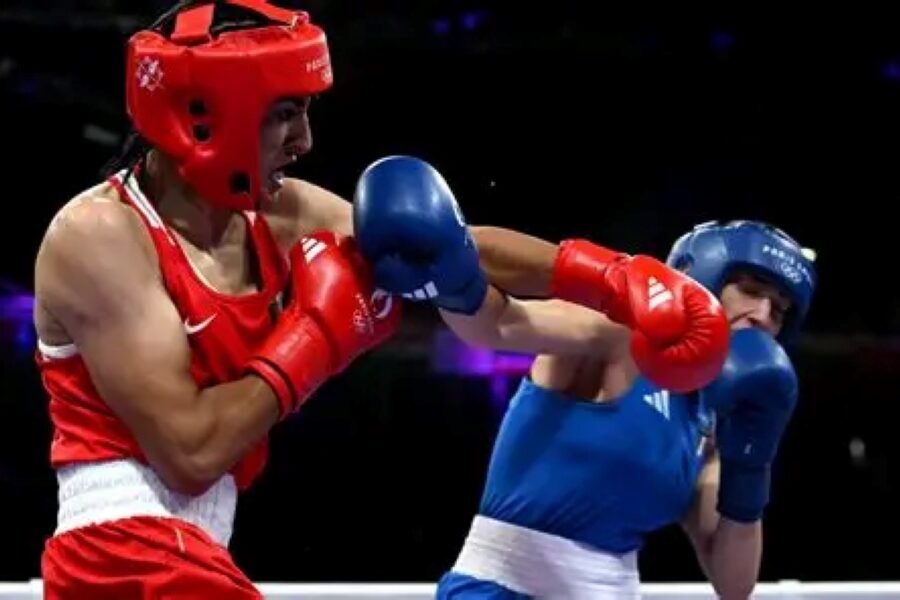
Olympic boxing is built on discipline, controlled scoring, and close referee supervision. Fighters must avoid hitting behind the head, holding excessively, or ignoring commands to break cleanly. Early rounds usually stay technical and measured, with both athletes focused on clean movement and scoring punches. Officials issue warnings when rules are stretched, and those warnings can accumulate quickly if the behavior continues during the contest.
As the fight progresses and fatigue sets in, survival instincts begin replacing tidy technique. Tired fighters lean heavily, hold longer, or swing while off balance simply to stay competitive. These actions are rarely malicious. They come from exhaustion, reduced oxygen, and the stress of absorbing punches. When repeated fouls continue despite warnings, referees can stop the bout entirely. Boxing appears often in Olympic disqualification discussions because maintaining perfect rule discipline becomes extremely difficult once the body reaches its physical breaking point.
7. Gymnastics
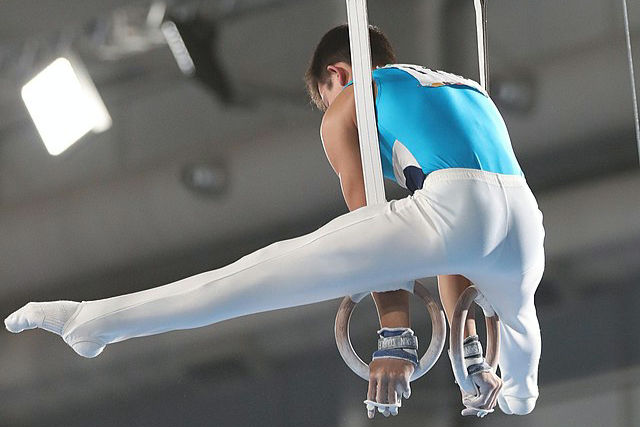
Gymnastics fans usually expect penalties to come from falls or missed landings, yet some Olympic disqualifications begin before the routine even starts. Competitions run on tightly controlled schedules with official start signals, equipment regulations, and limited preparation windows. Beginning too early, adjusting apparatus improperly, or stepping outside timing rules can trigger penalties regardless of how strong the routine itself may be.
Olympic arenas are intense environments filled with noise, flashing cameras, coach signals, and athlete nerves built over years of preparation. In that atmosphere, it is surprisingly easy to mishear a cue or rush into position a second too soon. When procedural rules are broken, judges must still apply them even if the performance itself looks excellent. Gymnastics earns its place among sports with disqualification risks because success depends not only on physical mastery, but also on navigating a very strict competition structure flawlessly.
8. Cycling
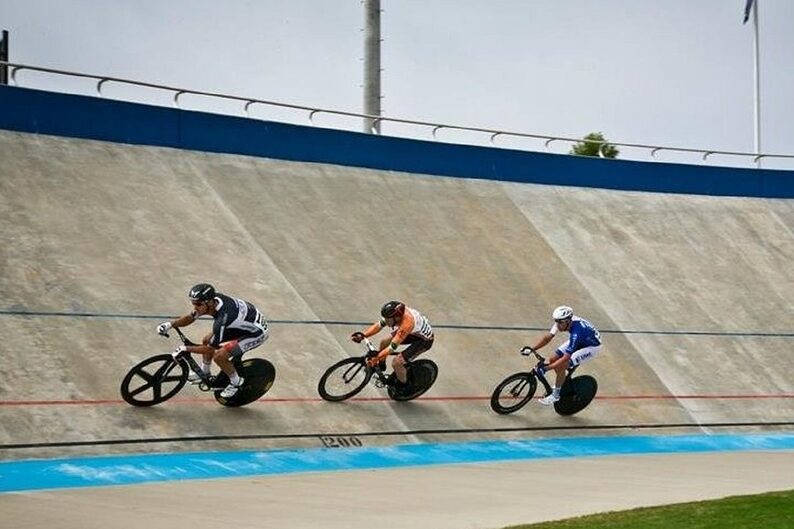
Track cycling especially includes strict rules about lane control once a sprint begins. Riders are expected to hold their chosen line and avoid movements that block or endanger competitors behind them. At Olympic racing speeds, though, balance corrections happen constantly as cyclists fight for position while pushing maximum effort. What feels like a tiny natural adjustment can appear much larger when viewed from official cameras.
Sometimes a rider protecting their lead shifts slightly without realizing another competitor has closed the gap behind. That small drift may force the trailing cyclist to slow or change direction, prompting an official review. Cycling produces these situations because tactics, speed, and fatigue collide all at once. Riders must calculate timing, distance, and rivals while their legs are already burning. In that mental overload, even a subtle movement can matter. The sport shows how maintaining spatial awareness becomes incredibly difficult when racing at the absolute physical limit.
9. Wrestling
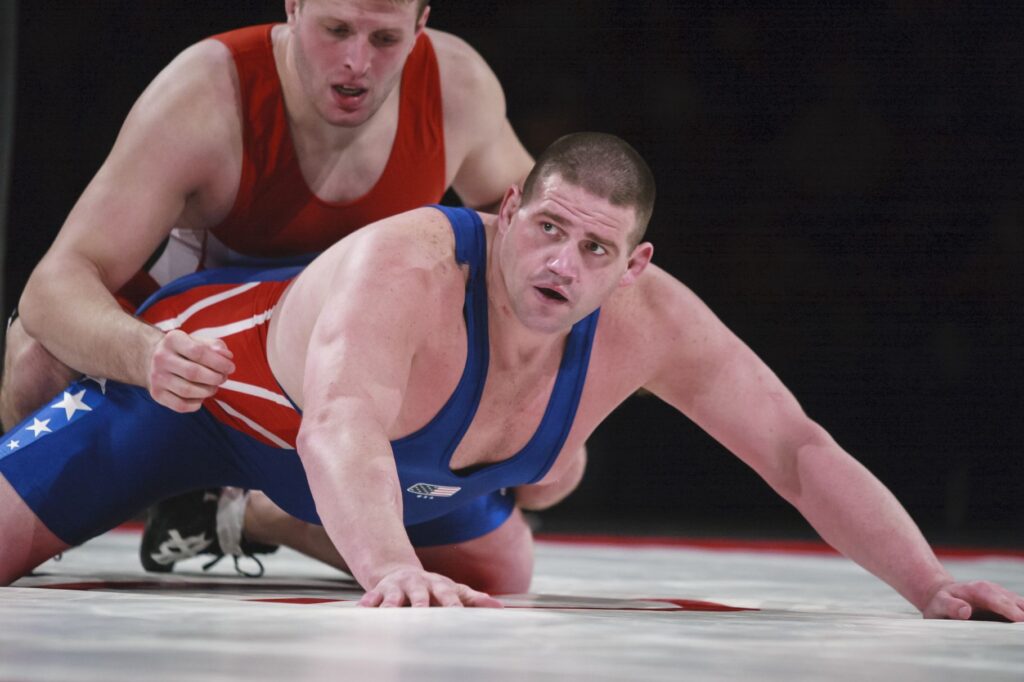
Wrestling matches often remain controlled until both athletes suddenly scramble to escape a pin. In those frantic moments, grips tighten, bodies twist sharply, and leverage changes faster than spectators can follow. Certain holds that pressure the neck, spine, or joints cross into illegal territory immediately once they threaten injury. Referees are trained to react quickly because athlete safety takes priority over continuing the exchange.
From the crowd’s perspective, the position may look like a normal defensive struggle, yet officials are watching the exact angles of force being applied. Many wrestling disqualifications emerge from these chaotic transitions rather than from planned tactics. The athlete is trying to survive the position, not commit a foul. Wrestling appears in Olympic penalty discussions because the sport combines high physical intensity with very strict safety boundaries, and in the fastest scrambles those boundaries can be crossed before anyone fully realizes.
10. Equestrian
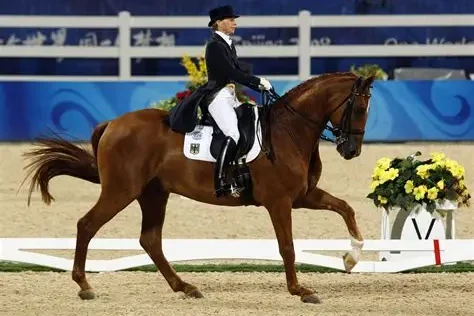
Equestrian events carry a unique Olympic responsibility because performance depends on both rider and horse working together safely. Judges monitor not only jumps and timing, but also how the animal is treated throughout the round. Excessive whip use, pushing a clearly fatigued horse, or ignoring visible distress can result in immediate disqualification. Even if the technical performance appears strong, welfare rules always take priority.
Sometimes a rider chasing a medal believes the horse can manage one final effort or faster approach. Officials may interpret the animal’s movement, breathing, or hesitation differently and step in. These decisions can feel emotional for spectators, yet they reflect the principle that Olympic competition must protect the horse above all else. Equestrian sport appears regularly in disqualification statistics for this reason alone. Victory matters, but responsible partnership and animal safety remain the true nonnegotiable standards.
11. Fencing
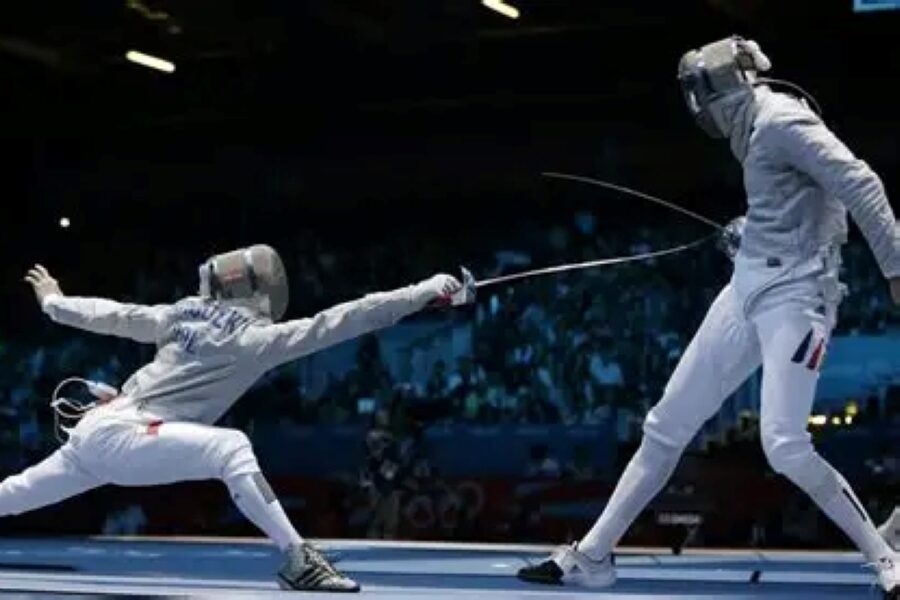
Fencing is built on reactions measured in fractions of a second. Athletes train themselves to launch attacks instantly when the referee signals the start. Occasionally that finely tuned reflex responds to anticipation rather than the actual command. Moving even slightly early can draw penalties, and repeated early starts may escalate into more serious consequences during the bout.
Equipment issues also play a role in fencing decisions. Weapons, protective gear, and electronic scoring connections must function correctly for safety and fairness. If equipment repeatedly fails inspection or causes interruptions, officials may remove the competitor from the match. Fencing produces these moments because competitors are trained to operate like coiled springs, ready to explode forward at any hint of movement. That same sharpened reflex which wins touches can also trigger premature actions, making timing discipline just as important as speed.
12. Marathon
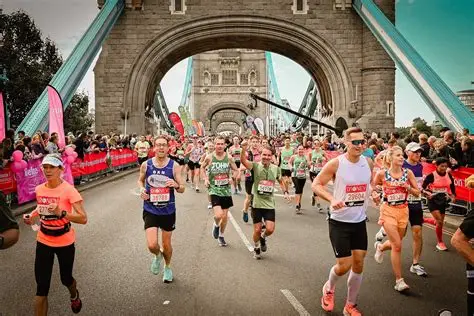
The Olympic marathon appears straightforward. Follow the marked course, collect drinks from official stations, and reach the finish line. Yet after running more than forty kilometers, clarity often fades and even experienced runners can become disoriented. Taking hydration from an unofficial person, briefly leaving the route, or receiving outside pacing can all lead to disqualification review once officials assess the situation.
These moments almost never come from deliberate rule breaking. More often they grow from dehydration, tunnel vision, and overwhelming physical fatigue late in the race. Ending with the marathon feels fitting because it quietly reflects the wider Olympic reality across all sports. At the highest level, medals are not decided only by strength or speed. They often belong to the athletes who manage to stay focused, aware, and disciplined right to the final exhausted step.


