
The True Price of Sporting Glory
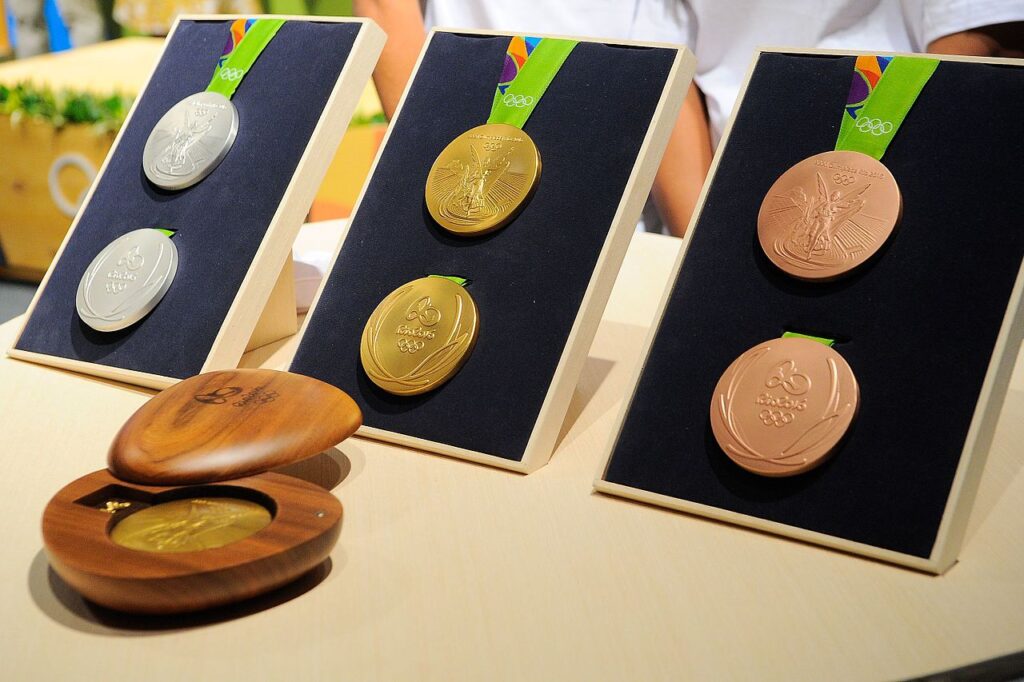
The Olympic Games have always been about the pinnacle of human achievement, where athletes dedicate their entire lives to a few moments of intense competition. While the emotional weight of standing on that podium is immeasurable, there is a very literal and increasing financial value attached to the medals themselves. As global markets fluctuate and the cost of precious metals continues to climb, the physical prize held by a champion has become a significant asset in its own right. This shift reminds us that even the most prestigious symbols of amateur sport are deeply intertwined with the realities of the global economy and the soaring prices of gold and silver.
Understanding the melt value of these iconic prizes offers a fascinating glimpse into the changing landscape of international sports. Beyond the intrinsic value of the metal, the rewards vary wildly depending on which flag an athlete competes under, with some nations offering life-changing sums and others providing more modest tokens of appreciation. This exploration into the worth of Olympic gold around the world highlights the diverse ways we celebrate our heroes and the tangible impact of economic trends on the symbols of victory that we have come to revere over the decades.
Record Breaking Medal Values
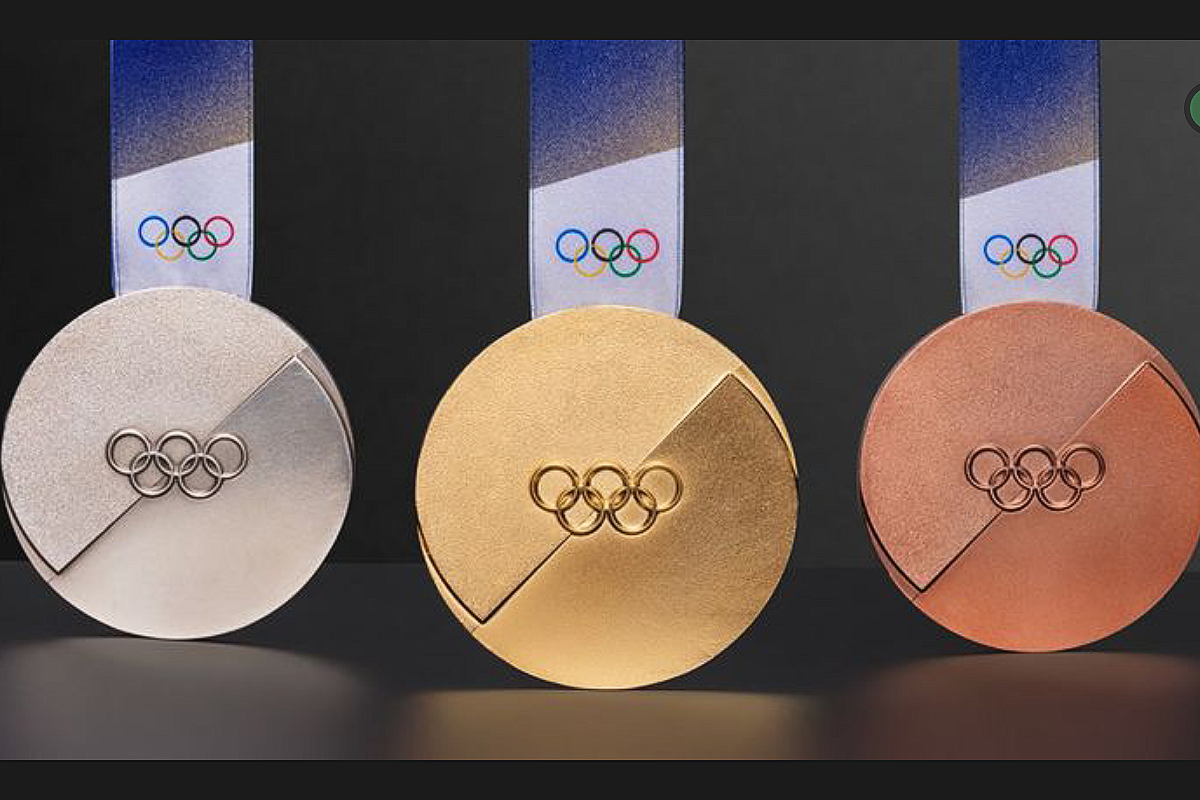
The 2026 Winter Olympics in Milano Cortina are set to make history not just for the athletic performances but also for the sheer physical value of the prizes being handed out to the winners. Because the prices of gold and silver have reached unprecedented heights recently, these medals are officially the most expensive ever produced for any Olympic Games. For instance, the melt value of a gold medal for the 2026 Games is estimated at approximately $1,854, which is a staggering increase from the $900 value seen during the Paris 2024 Summer Games. This massive jump of over 100% in just two years reflects the volatile nature of the commodities market and adds a new layer of prestige to the awards.
Every gold medal is actually composed mostly of silver, with a specific requirement that it must contain at least six grams of pure gold plating. The soaring cost of silver has contributed significantly to this record value because the bulk of the medal’s weight is made from it. When we compare these figures to previous years, it becomes clear that we are living in a unique economic era for precious metals. The sheer raw material cost alone now rivals what some might consider a small fortune, making the safekeeping of these items more important than ever for the athletes who earn them through years of sacrifice.
Composition Of Modern Gold
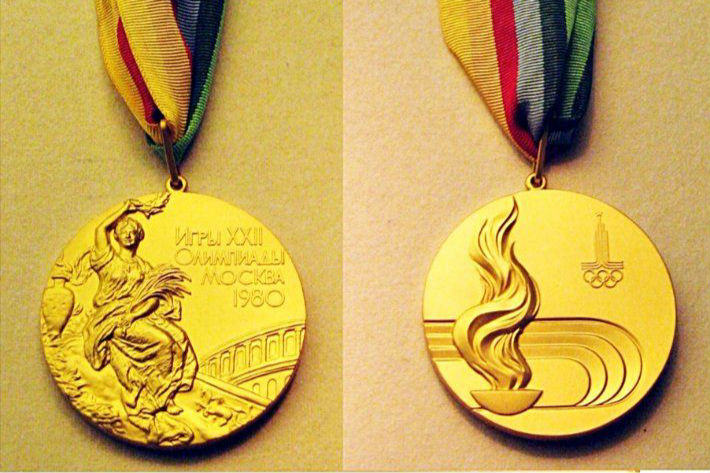
It is a common misconception that Olympic gold medals are solid gold, but the reality is quite different due to both practical and economic considerations. Since the 1912 Stockholm Games, the International Olympic Committee has mandated that gold medals be made primarily of high-grade silver. Specifically, they must be at least 92.5% silver and then covered with at least six grams of 24-karat gold. If a medal were made of solid gold today, its value would be astronomical and likely exceed $40,000, which would make the production of hundreds of medals prohibitively expensive for any host city or the Olympic committee.
The silver used in these medals is also subject to strict quality controls to ensure it meets the sterling silver standard. This combination of metals ensures the medals are durable enough to last a lifetime while still possessing the brilliant lustre that signifies a first-place finish. Interestingly, the silver medals are indeed made of solid silver, while the bronze medals are typically a mixture of copper, zinc, and tin. Even with the silver core, the addition of the gold plating is what gives the medal its iconic status and its significantly higher market value compared to the silver and bronze counterparts awarded to the runners-up.
Historic Values And Trends
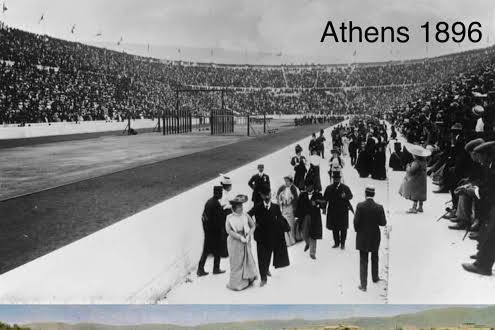
Looking back through the history of the modern Olympics reveals a fascinating trend in the valuation of these precious prizes. In earlier decades, the cost of silver and gold was relatively stable, meaning the physical worth of a medal stayed within a predictable range for a long time. However, the recent decade has seen a dramatic shift where the value has doubled or even tripled in some cases between consecutive Games. For example, the medals from the London 2012 or Rio 2016 Games were worth a fraction of what today’s champions will receive in terms of raw material value. This is largely driven by global inflation and the demand for safe-haven assets like gold.
These trends do more than just increase the price tag for the organizers; they also impact the secondary market for Olympic memorabilia. While an athlete’s personal medal is priceless to them, medals sold at auction often fetch much higher prices than their melt value due to their historical significance. A medal belonging to a famous athlete or from a particularly iconic moment can sell for tens of thousands or even millions of dollars. However, the rising melt value provides a higher “floor” for the worth of any medal, ensuring that even a less famous victory carries a substantial financial weight in the modern era of high metal prices.
Italian Pride In Craftsmanship

For the Milano Cortina 2026 Winter Games, the design and production of the medals are a point of immense national pride for Italy. These medals are crafted to represent the unique culture and spirit of the host nation, often incorporating local artistic traditions and materials. The Italian mint is responsible for ensuring that each piece meets the exacting standards of the International Olympic Committee while also standing as a work of art. The 2026 medals are notable for their weight and size, which further drives up their value because they require more of the expensive raw materials that are currently so costly.
The craftsmanship involves a complex process of die-striking and careful plating to ensure the gold layer is perfectly even and resilient. In addition to the standard precious metals, some host cities have experimented with adding unique elements, such as the pieces of the Eiffel Tower included in the Paris 2024 medals. While the 2026 medals focus on the soaring value of gold and silver, the attention to detail remains the same. Every curve and engraving is intended to tell a story of Italian excellence, making these the most expensive and perhaps some of the most beautiful prizes ever created for the winter sports stage.
Massive Rewards In Singapore
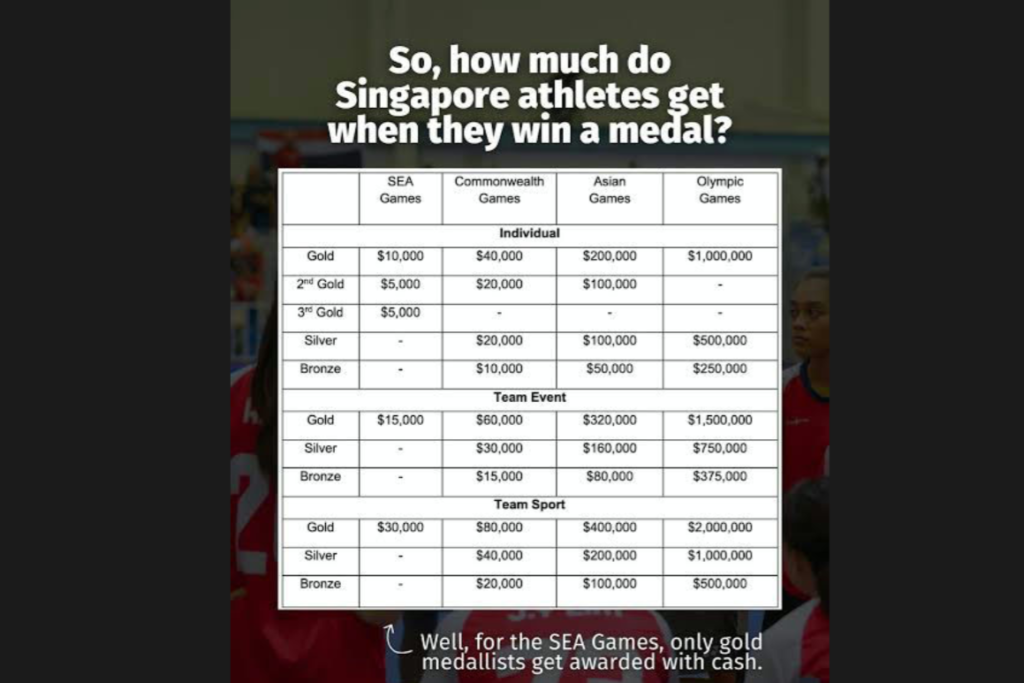
While the physical medal has a set melt value, the bonuses provided by individual nations can vary enormously, with Singapore traditionally leading the pack. The city-state is known for its incredibly generous “Major Games Award Programme,” which offers gold medalists a staggering sum that can exceed $700,000 for an individual win. This is intended to compensate athletes for the high cost of training in a country with limited sporting infrastructure and to encourage more citizens to pursue professional athletics. For many Singaporean athletes, a single gold medal can provide complete financial security for the rest of their lives.
These payouts are often taxable and come with the expectation that a portion is funneled back into the national sporting associations to help the next generation of competitors. The contrast between this massive sum and the actual $1,854 melt value of the medal highlights the different ways countries value Olympic success. For a Singaporean champion, the medal is a key that unlocks a fortune, whereas in other countries, the reward might be purely symbolic. This high-stakes environment adds an extra layer of pressure and motivation for athletes representing the tiny nation on the global stage every four years.
Hong Kong Cash Bonuses
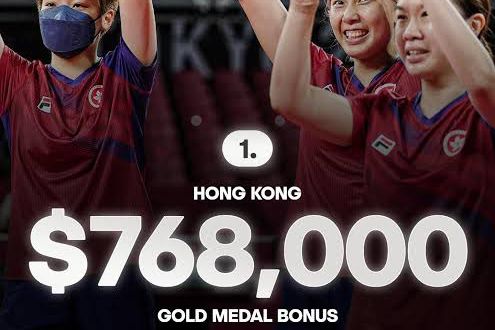
Following closely behind Singapore, Hong Kong offers some of the highest cash incentives in the world for its Olympic champions. Athletes who bring home the gold can expect to receive around $600,000, a figure that has remained high to reflect the territory’s status as a global financial hub. These rewards are often supplemented by local sponsors and private donations, meaning the total “worth” of a gold medal for a Hong Kong athlete can be even higher. The goal is to elevate the profile of sports in a region where academic and business success are traditionally given more weight and priority.
In addition to the cash, winners often receive lifelong perks such as free public transport or memberships to elite clubs, which add long-term value beyond the initial windfall. This approach has proven successful in motivating athletes to reach the podium in sports like fencing and swimming. When we consider the record-breaking costs of the 2026 medals, it is clear that for a Hong Kong athlete, the physical prize is just the tip of the iceberg. The massive financial injection they receive serves as a powerful testament to the value the territory places on international recognition and the hard work required to achieve it.
Moderate Payouts In Europe

In Europe, the rewards for Olympic glory tend to be more moderate compared to the astronomical sums seen in parts of Asia. Countries like Italy, France, and Spain generally offer bonuses ranging from $50,000 to $200,000 for a gold medal. For the 2026 hosts, Italy, the bonus is a significant motivator, especially given that the medals themselves are now worth more than ever. These payouts are often seen as a fair reflection of the support athletes already receive through state-funded training programs and national sporting academies which are common across the continent.
Some European nations, however, choose a different path by not offering any direct cash bonuses at all. Great Britain, for example, does not pay its athletes for winning medals, instead focusing its resources on providing world-class coaching and facilities through National Lottery funding. For a British athlete, the “worth” of a gold medal is found in potential sponsorship deals and the prestige of the achievement rather than a government cheque. This philosophy emphasizes the amateur spirit of the Games, even though the rising cost of gold means the physical medal they take home is a more valuable asset than it used to be.
American Bonuses And Taxes
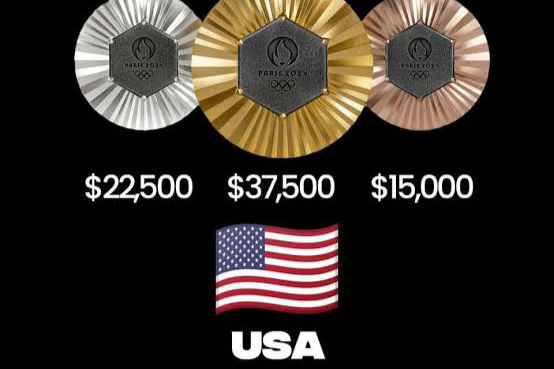
The United States offers a standard bonus for its Olympic medalists through the “Operation Gold” program managed by the U.S. Olympic & Paralympic Committee. A gold medal earns an athlete $37,500, which is a respectable sum but significantly lower than the payouts in many other developed nations. For a long time, these winnings were subject to what was colloquially known as the “victory tax,” where athletes had to pay federal taxes on both their cash bonus and the fair market value of the medal itself. This was often criticized as a burden on athletes who mostly live on modest stipends.
Fortunately, legislation passed in recent years has exempted most Olympic and Paralympic athletes from this tax, provided their annual income stays below a certain threshold. This means that a gold medalist can now keep more of their $37,500 bonus and doesn’t have to worry about the IRS coming after the value of the physical gold medal they worked so hard to win. Given that the melt value for 2026 is approaching $2,000, this tax relief is a welcome change for American competitors. It ensures that the rewards of victory are not diminished by administrative hurdles and that the focus remains on the athletic achievement.
Success In Small Nations

For small or developing nations, a single Olympic gold medal can be a transformative event for the entire country, leading to rewards that go far beyond simple cash. In some cases, athletes have been gifted houses, land, or even high-ranking positions within the government or military as a token of the nation’s gratitude. These rewards are often practical and aimed at providing a stable future for the athlete and their family. The value of the medal in these contexts is measured by the immense pride it brings to a population that may not often see itself represented on the global winner’s circle.
In countries with limited resources, the rising cost of silver and gold can actually make the production of medals for local competitions a challenge, making the official Olympic medal even more of a rare and precious object. An athlete returning home with a gold medal from 2026 will be carrying an item of record-breaking physical value, which only adds to its aura. Whether it is a luxury car in the Philippines or a new apartment in Kazakhstan, the rewards in smaller nations often reflect a collective celebration of a hero who has overcome the odds to put their country on the map.
The Impact Of Inflation

The dramatic rise in the value of Olympic medals is a direct reflection of the broader economic trend of inflation that is affecting everything from groceries to high-end commodities. Gold and silver are often viewed as hedges against inflation, meaning their prices tend to rise when the value of paper currency fluctuates. This is why we see such a stark difference between the $900 value of a 2024 medal and the $1,854 value projected for 2026. For the organizers, this means the budget for medals must be adjusted upward, often leading to millions of dollars in additional costs for the hosting committee.
This economic reality also influences how athletes perceive their achievements. While the sentimental value is always paramount, knowing that the physical object has doubled in value in just two years is a reminder of the shifting world around them. It also raises questions about the sustainability of using such expensive materials for future Games. As long as precious metal prices continue their upward trajectory, the Olympic gold medal will remain not just a symbol of the world’s best athletes, but also one of the most valuable and sought-after physical trophies in all of professional sports.
Unusual Rewards In Poland
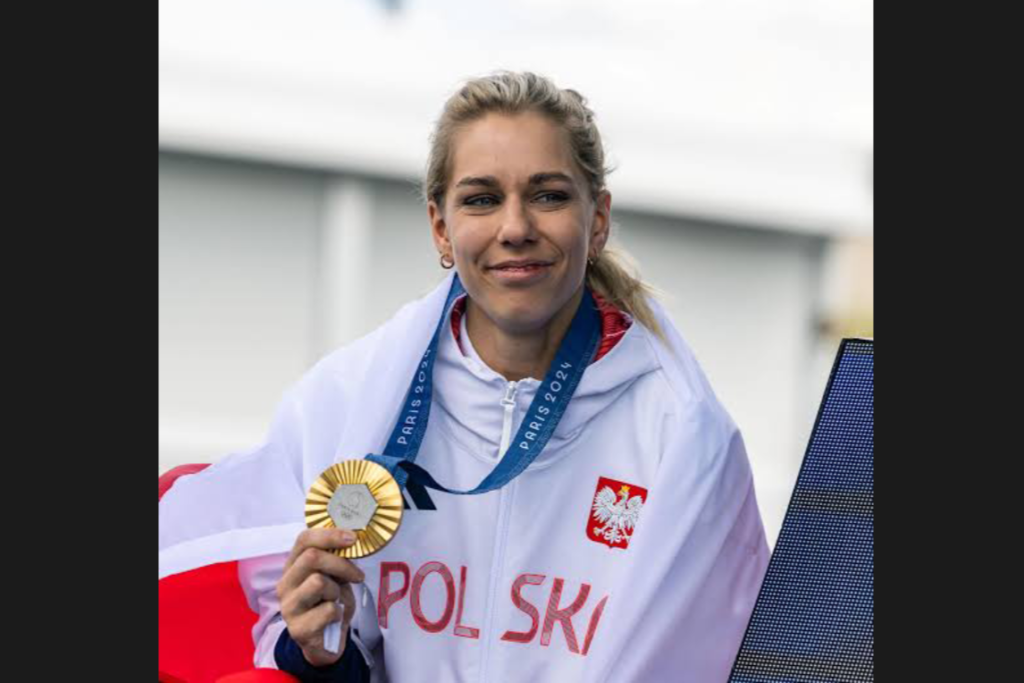
Poland takes the concept of a victory prize to a truly life-changing level, offering its champions a package that blends immediate wealth with long-term security. For the recent Games, a gold medalist from Poland didn’t just walk away with a hefty cash sum of around $63,000, but they also received an apartment that is essentially their own private sanctuary for life. This extraordinary gesture is paired with a diamond, an expensive painting, and a holiday voucher, ensuring that the athlete’s success is celebrated across every facet of their lifestyle. It is a deeply traditional yet lavish way of saying thank you to those who have elevated the nation’s sporting profile on the world stage.
Beyond the physical gifts, the Polish government provides a retirement pension to all medalists once they reach the age of forty, ensuring they are never left wanting in their later years. This multifaceted approach recognizes that an athlete’s career is often short and intense, providing a safety net that is rare in the professional world. While the melt value of their gold medal might be at a record high of $1,854, it is these substantial state-backed rewards that truly define the worth of the win. For a Polish athlete, the podium is a gateway to a future where their basic needs, from housing to retirement, are fully and permanently covered.
Kazakhstan Real Estate Prizes

In Kazakhstan, the government has institutionalized a reward system that prioritizes one of the most valuable assets a person can own: real estate. A gold medal in the Olympic Games is rewarded with a three-bedroom apartment, while silver and bronze winners are granted two-bedroom and one-bedroom flats respectively. This policy ensures that every athlete who reaches the podium is given a solid foundation for their family’s future, regardless of their background or previous financial standing. In a country where property is a significant status symbol, these apartments represent a very tangible form of national gratitude.
The generosity does not stop at housing, as Kazakhstani champions also receive a direct cash payment of approximately $250,000 for a first-place finish. This makes Kazakhstan one of the highest-paying nations in the world, often surpassing many Western countries in terms of direct financial investment in their sporting heroes. The combination of a substantial cash windfall and a premium piece of real estate means that an Olympic victory is a truly transformative event. It elevates the athlete to a position of significant wealth and influence, reflecting the immense value the state places on international prestige and the power of sport.
This reliance on the prestige of a single prize highlights how much we still value traditional symbols of victory in an increasingly complex global economy.
Like this story? Add your thoughts in the comments, thank you.


