
1. Charlie Sheen’s Winning Streak Ends
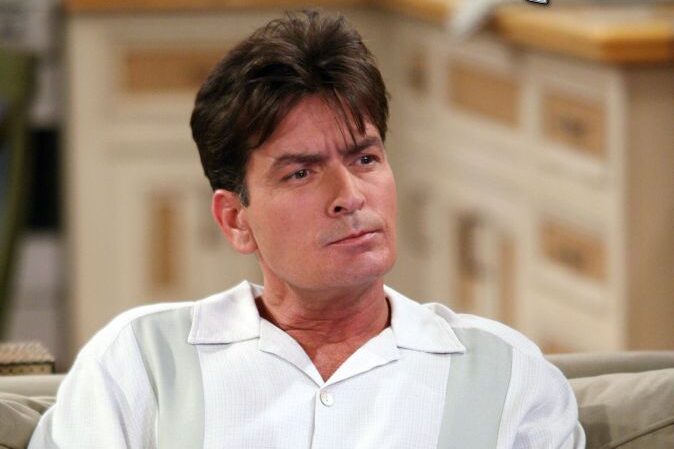
When people talk about careers collapsing fast, Charlie Sheen’s story usually comes up first because it unfolded right in front of everyone watching television at home. At the height of Two and a Half Men, he was the highest paid sitcom actor and seemed completely secure, yet interviews, public arguments, and unpredictable appearances started piling up until the situation felt impossible for the studio to manage. Viewers remember the strange press tour energy and the famous catchphrases, but executives mostly saw production delays and insurance worries, which matter far more inside Hollywood than public curiosity.
By 2011 the network fired him, and the biggest comedy on television simply continued without him, which shocked audiences who assumed the show depended entirely on his presence. Sheen kept working later in smaller projects and occasional television appearances, but that sudden exit permanently changed how producers viewed him professionally. His story still gets mentioned whenever reliability becomes part of casting conversations, because it showed very clearly that even massive ratings cannot protect a star if studios begin to feel that daily filming schedules might suddenly become unstable.
2. Katherine Heigl’s Hollywood Chill
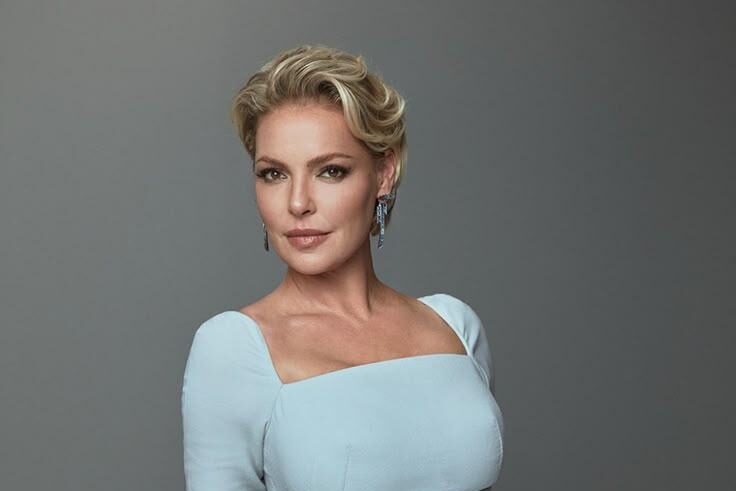
Katherine Heigl’s rise felt smooth and almost effortless because Grey’s Anatomy made her widely loved and romantic comedies quickly turned her into a dependable box office lead that audiences genuinely enjoyed watching. The shift did not come from one scandal but from a series of interviews where she spoke honestly about scripts, production experiences, and even withdrew herself from award consideration, which many insiders interpreted as public criticism. None of those comments seemed career ending by themselves, yet Hollywood often reacts more strongly to tone and perception than to any single event.
Gradually the invitations slowed, big studio romantic leads stopped appearing, and her once constant magazine presence faded faster than fans expected. Viewers still liked her, which made the change confusing outside the industry, but casting decisions often depend heavily on reputation for cooperation and predictability. Heigl never stopped acting and continued working steadily in television and film, yet that moment remains one of the clearest examples of how momentum in Hollywood can cool very quickly once decision makers start quietly questioning whether future productions might become unnecessarily complicated.
3. Brendan Fraser’s Sudden Disappearance
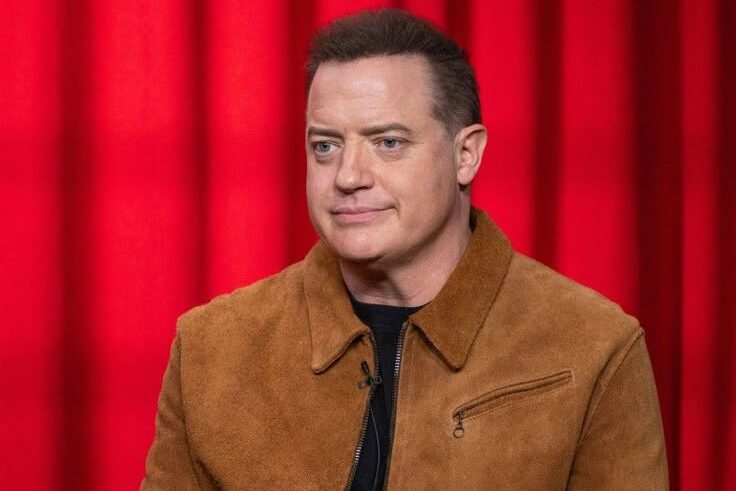
For many moviegoers, Brendan Fraser felt like the friendly face of adventure films and family entertainment through the late nineties and early 2000s, starring in huge theatrical hits that played constantly on television afterward. Then almost without warning he stopped appearing in major leading roles, and audiences genuinely wondered what had happened because there was no obvious scandal or public failure attached to his name. Years later Fraser explained that intense stunt injuries, personal struggles, and speaking publicly about alleged misconduct from an industry figure all overlapped during that period.
At the time the public only saw the absence, which made the career pause feel sudden and mysterious rather than gradual. What makes his story feel hopeful now is that he slowly rebuilt through television, smaller films, and eventually award winning performances that reminded audiences how much warmth he naturally brings onscreen. His path suggests that sometimes a career does not collapse from lack of talent or audience support, but from difficult circumstances happening simultaneously behind the scenes while the public simply assumes Hollywood has quietly moved on.
4. Roseanne’s One Tweet Turning Point
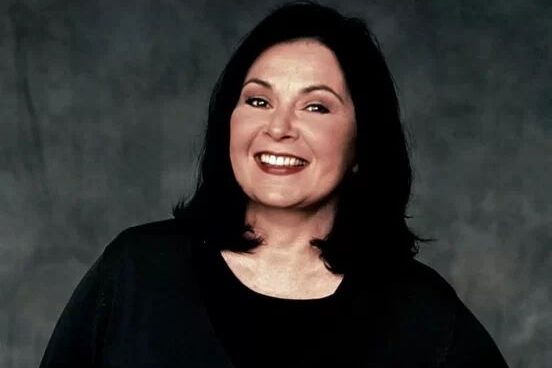
Roseanne Barr’s sitcom revival looked like one of television’s biggest comeback stories because the ratings opened huge and the nostalgia factor clearly connected with viewers across multiple generations. Industry analysts were already talking about several future seasons when a late night tweet suddenly sparked enormous backlash online, spreading across news broadcasts before the next business morning had even properly started. The speed of the public reaction alone created enormous pressure for the network to respond quickly in order to protect advertisers and brand relationships.
Within hours the show was canceled despite its success, which stunned audiences who rarely see a top rated program removed that quickly from the schedule. Barr apologized publicly afterward, yet the decision remained final and the remaining cast continued the story under a new series title without her involvement. The episode became one of the clearest reminders that social media has changed celebrity risk permanently, because a single post written casually in minutes can now travel worldwide before sunrise and influence corporate decisions that normally would have taken weeks.
5. Kevin Spacey’s Instant Industry Freeze
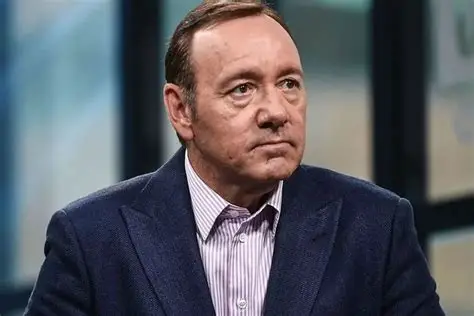
Kevin Spacey entered 2017 with Oscar wins, critical respect, and the lead role in a major streaming drama that helped define early prestige television. When misconduct allegations surfaced publicly, the professional response from studios and distributors came with remarkable speed, faster than many industry veterans had ever seen for a performer of his stature. Production on House of Cards shifted direction, future seasons removed his character, and a completed feature film replaced him with another actor before release, which required expensive reshoots rarely attempted in modern filmmaking.
From the outside it looked like a switch had been flipped overnight, because projects that once depended on his presence suddenly reorganized without hesitation. Regardless of later legal developments and public debate, the immediate casting consequences had already taken effect and remained in place across major studios. Spacey’s situation is frequently discussed in entertainment business classes because it demonstrates how strongly investor confidence and audience trust influence production planning, showing that even award winning careers can face abrupt shutdown once companies decide reputational uncertainty presents too much financial risk.
6. Paula Deen’s Sponsor Domino Effect

Paula Deen built a television empire that felt extremely personal because her cooking shows, products, and restaurants all centered around warmth, friendliness, and a comforting Southern kitchen personality that audiences believed was authentic. That carefully built image cracked quickly when past testimony revealed racial slur use, and the news spread across media outlets with the kind of intensity that advertisers usually respond to immediately. The public reaction mattered, but the real collapse came from corporate partners quietly calculating whether continued association might damage their own customer relationships.
Within days major retailers removed branded merchandise, television contracts ended, and endorsements that had taken years to negotiate disappeared almost simultaneously. Deen later rebuilt an independent audience through online platforms and direct fan engagement, yet her mainstream television dominance never fully returned to its earlier scale. Marketing professionals still reference her story because it highlights how personality driven brands depend heavily on emotional trust, meaning the business structure supporting that celebrity can dissolve very quickly once the public begins questioning whether the friendly persona they welcomed into their homes still feels believable.
7. Lance Armstrong’s Titles Gone Overnight
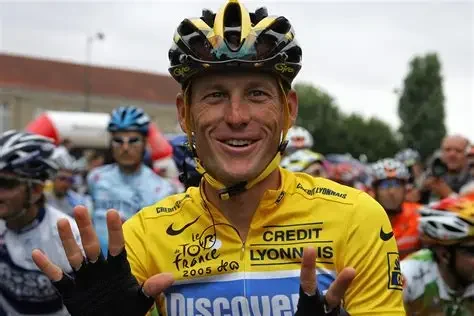
Lance Armstrong’s public identity extended far beyond cycling because his repeated Tour de France victories combined with his cancer survival story created one of the most powerful inspirational sports narratives of the era. Rumors about doping circulated for years, yet nothing officially overturned his achievements until the extensive anti doping investigation released detailed findings that changed the situation almost immediately. Once the governing body confirmed violations, titles were stripped, sponsorships ended, and official records were rewritten with surprising administrative speed.
Fans experienced the shift as sudden because the heroic image had stood publicly for so long that many assumed it would survive any investigation. Armstrong later admitted using performance enhancing drugs during a televised interview, which confirmed the competitive ruling and closed the debate for most observers. His fall continues to be referenced whenever sports endorsement contracts are discussed, largely because it showed how athletic fame depends strongly on verified credibility, and once that credibility disappears through an official decision, commercial partnerships and historical recognition can unravel far faster than the original success ever built.
8. Mel Gibson’s Reputation Crash
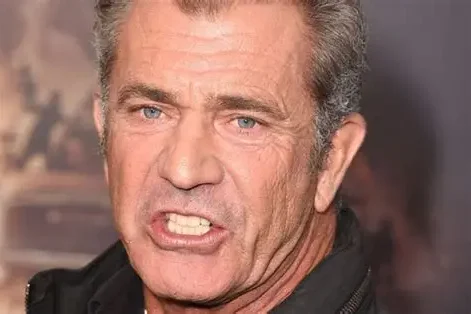
Mel Gibson spent decades trusted both as a major action star and a respected director capable of delivering huge financial success for studios willing to fund ambitious productions. That stability changed quickly after a DUI arrest followed by widely reported recordings containing offensive remarks, which shifted industry comfort almost immediately even without formal public bans or official statements announcing exclusion. Leading roles became scarce, partnerships paused, and his once constant presence in big studio announcements noticeably faded within a very short period.
Gibson eventually directed again and slowly returned to acting projects, yet the immediate professional freeze demonstrated how strongly public audio evidence influences executive decision making compared with unverified rumors. Talent and past success remained undeniable, but studios prioritize predictability and brand safety when investing large production budgets. His experience became one of those quiet industry examples showing that while audiences may forgive controversial fictional characters on screen, corporate partners often respond much more cautiously when the controversy involves the real individual expected to represent the film during global promotion tours.
9. Janet Jackson’s Super Bowl Moment
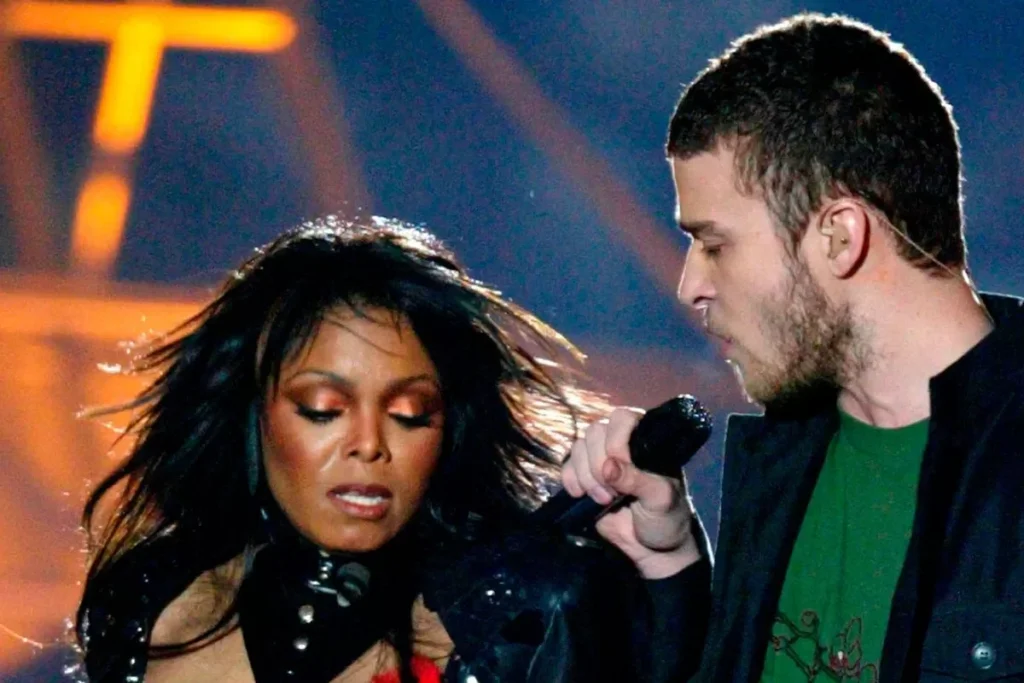
Janet Jackson entered the 2004 Super Bowl halftime show already established as one of the most respected and consistently successful performers in modern pop music, with decades of hits and a reputation for polished live shows. During the broadcast, the unexpected wardrobe malfunction triggered immediate regulatory complaints, nonstop media coverage, and swift corporate distancing that affected promotional support across several broadcast platforms. The incident lasted only seconds onscreen, yet its cultural impact unfolded for months afterward.
Jackson continued touring and recording successfully, yet radio play, award show invitations, and television promotion clearly cooled in the period immediately following that performance. Many critics later argued the reaction seemed disproportionate, and retrospective discussions often reconsider how the situation was handled at the time. Still, from an industry perspective, her experience demonstrated very clearly how live television controversies can trigger rapid advertiser concern, regulatory scrutiny, and network caution simultaneously, creating professional consequences that feel almost instantaneous even for artists whose popularity with fans remains strong.
10. Armie Hammer’s Casting Vanish
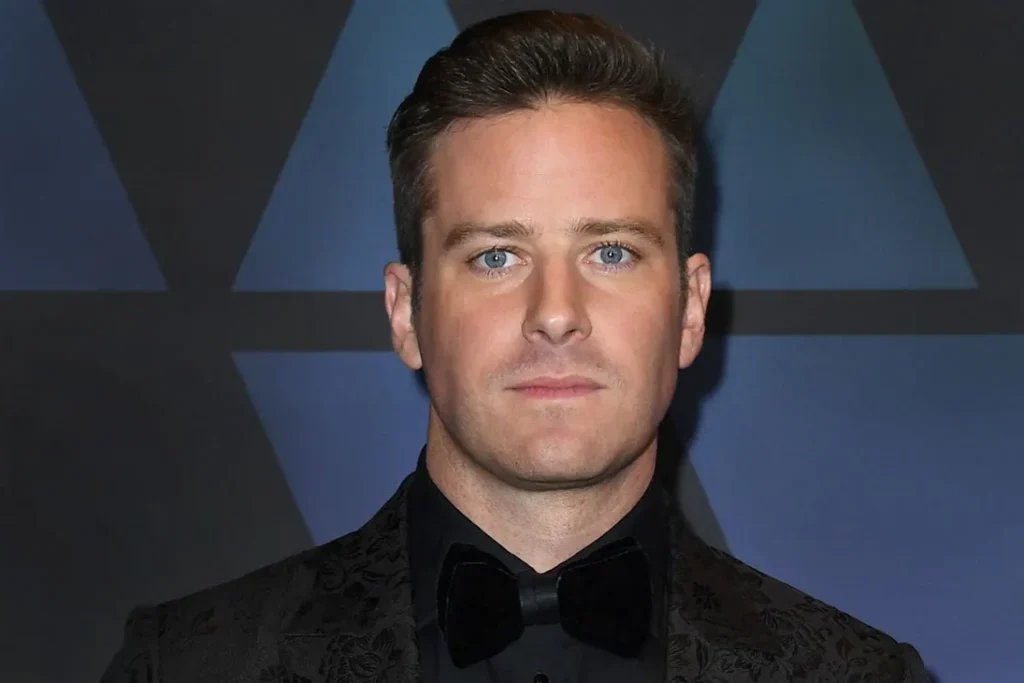
Armie Hammer appeared positioned for long term leading man status after several high profile performances earned strong reviews and steady studio attention, suggesting a career path moving comfortably toward bigger franchise opportunities. That trajectory shifted sharply when leaked messages and misconduct allegations spread rapidly across online platforms, creating intense public discussion long before any formal industry investigation could fully unfold. Agencies withdrew representation, announced projects replaced him quietly, and studio press materials stopped including his name within a remarkably short period.
Observers noted how quickly casting adjustments happened, largely because modern film production schedules leave little room for prolonged uncertainty once reputational controversy begins affecting insurance assessments or investor confidence. Hammer stepped away from Hollywood work for a time, and although conversations about potential returns occasionally surface, the immediate disappearance from multiple projects illustrated how dramatically the digital era accelerates career turning points. His case reinforced a growing understanding within entertainment circles that online narratives can reshape professional viability extremely fast, sometimes well before legal processes or official findings have reached any final conclusion.
11. Lori Loughlin’s Clean Image Break
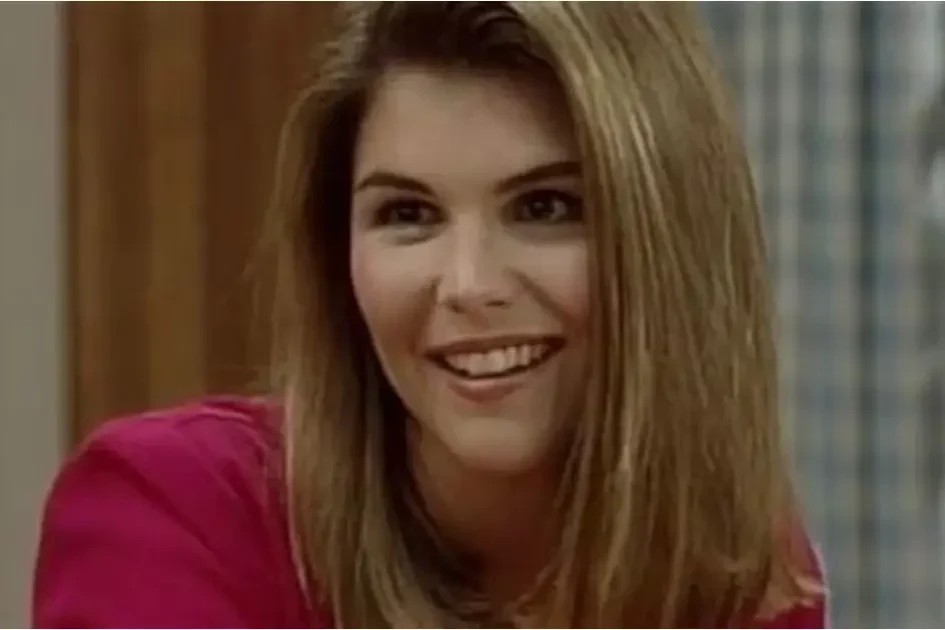
Lori Loughlin spent many years cultivating a trustworthy, family friendly screen presence that translated directly into steady television movies and long term audience affection across multiple generations of viewers. That carefully aligned public image fractured quickly when the college admissions scandal revealed payments intended to influence university acceptance decisions, instantly creating legal exposure alongside intense media scrutiny. Networks that specialized in wholesome programming responded fast, suspending projects and ending partnerships within days to protect their brand identity.
Loughlin later served prison time after pleading guilty, but the professional separation had already occurred long before sentencing, demonstrating how swiftly entertainment companies react once legal controversy threatens audience trust. What made the collapse feel particularly sharp was the strong connection between her real life public persona and the caring characters she often portrayed onscreen. When viewers sense that alignment breaking, executives frequently move quickly to preserve the emotional reliability their programming promises, showing how strongly credibility outside the script can influence casting decisions inside it.
12. Will Smith’s Awards Night Shock
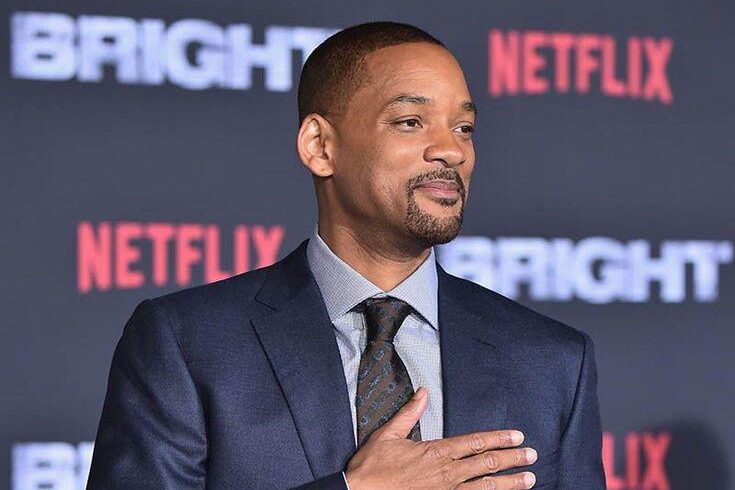
For decades, Will Smith represented one of Hollywood’s most dependable stars, balancing blockbuster action, comedy, and emotional drama while maintaining a widely admired public personality that studios felt comfortable promoting globally. During the 2022 Academy Awards broadcast, his onstage slap of presenter Chris Rock stunned viewers because the moment unfolded live without any production delay, instantly dominating worldwide headlines before the ceremony had even finished. The shock came not only from the action itself but from how strongly it contrasted with his long established reputation.
Within days disciplinary measures followed, several upcoming projects paused quietly, and Smith issued public apologies acknowledging the seriousness of the moment. He has since returned to film work and audience support remains substantial, yet the immediate professional slowdown demonstrated how even decades of goodwill cannot fully shield a celebrity from consequences tied to a globally televised incident. The episode now serves as a reminder that in modern entertainment culture, a single unscripted minute broadcast worldwide can temporarily outweigh years of carefully maintained positive public connection.
13. Sinead O’Connor’s Protest Fallout
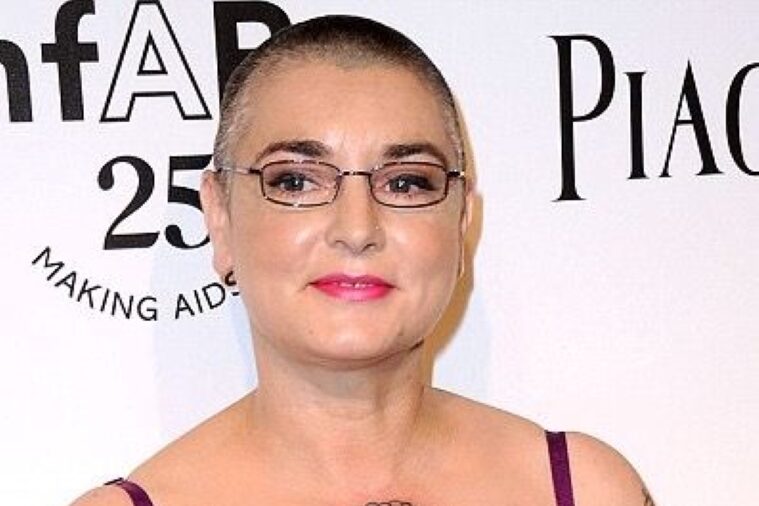
Sinead O’Connor’s powerful voice and global hit songs placed her firmly among the most talked about artists of the early nineteen nineties, with critics expecting a long mainstream chart presence ahead. During a live television performance, she tore up a photo of the Pope while protesting institutional abuse, an act that shocked audiences deeply and triggered immediate backlash from broadcasters, sponsors, and segments of the public who interpreted the gesture as offensive. The reaction affected radio support, concert reception, and promotional opportunities almost immediately.
O’Connor continued recording meaningful music and remained artistically respected, yet her commercial mainstream momentum never fully returned to its earlier level after that broadcast moment. Years later many commentators reassessed her protest as a warning about issues that later gained widespread recognition, but timing proved crucial because the cultural climate at the moment simply was not ready for such a direct televised statement. Her story illustrates how public messaging sometimes receives historical validation long after the professional consequences have already arrived.
14. Jussie Smollett’s Production Exit
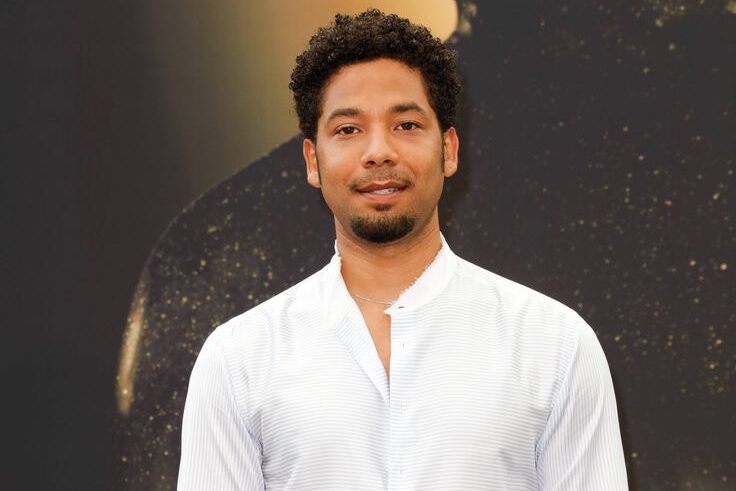
Jussie Smollett held a prominent role on the successful television series Empire, with ongoing storylines that suggested a long future within the show’s central cast structure. When news broke surrounding an alleged attack that investigators later claimed had been staged, the legal uncertainty quickly spilled into production planning, forcing writers and producers to reconsider upcoming scripts while the public debate intensified. Television schedules move rapidly, and the combination of legal headlines plus audience confusion made continuing his storyline increasingly complicated.
Producers reduced his appearances and eventually removed the character from later episodes, a decision that unfolded quickly because filming timelines leave limited room for prolonged controversy. Regardless of ongoing legal arguments and public statements, the professional interruption had already occurred and remained in place through subsequent seasons. Smollett’s situation is often cited in discussions about entertainment risk management, demonstrating how quickly scripted television narratives can pivot once real world legal questions begin influencing viewer perception, advertising partnerships, and the logistical stability required to keep weekly production running smoothly.
15. Ellen DeGeneres’ Kindness Brand Tested
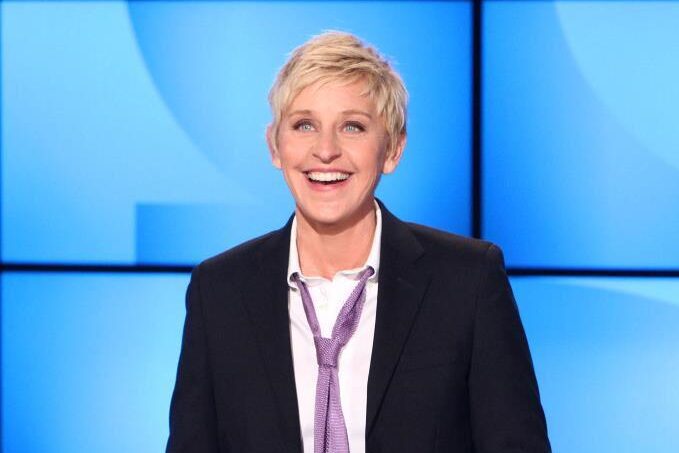
Ellen DeGeneres built one of daytime television’s most recognizable brands by pairing celebrity interviews, audience giveaways, and an upbeat message encouraging viewers to treat each other with kindness. That identity formed the emotional core of the show’s enormous success for nearly two decades. When former staff members publicly described a toxic workplace environment behind the scenes, the contrast between the public message and internal reports created immediate reputational tension that advertisers and viewers both noticed quickly.
Investigations followed, leadership changes occurred, and Ellen addressed the audience acknowledging that workplace problems should not have happened. Although the program continued for a period afterward, ratings declined and the emotional connection that fueled its long dominance clearly weakened, leading to the show’s conclusion not long later. The situation demonstrated how strongly entertainment brands tied to personal image depend on audience belief in that image. Once viewers begin questioning whether the off camera reality matches the on camera message, the foundation supporting even very successful television formats can erode surprisingly fast.
16. Bill Cosby’s Legacy Rewritten
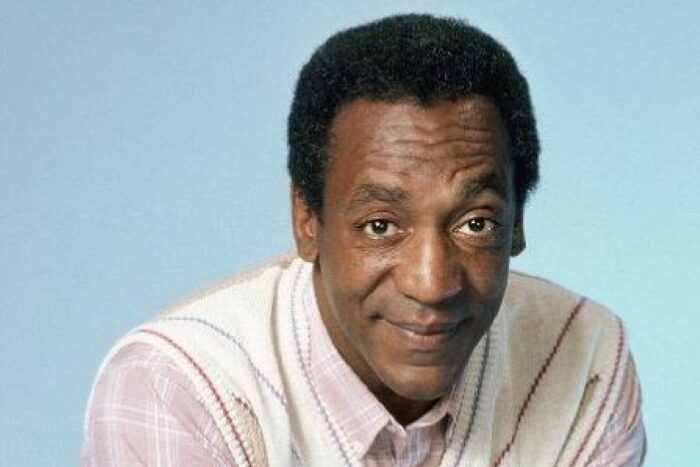
Bill Cosby spent generations celebrated as a groundbreaking comedian and beloved television father figure whose programs aired continuously across networks and streaming libraries, making his presence feel almost permanent in American entertainment culture. When multiple allegations resurfaced publicly, the institutional response from distributors and broadcasters moved quickly, pulling reruns and removing shows from regular scheduling in order to distance corporate brands from the unfolding legal controversy. The shift happened with a speed that surprised many longtime viewers.
Legal proceedings later produced convictions, reversals, and ongoing debate, yet the reputational transformation had already taken hold culturally and commercially before those later courtroom developments occurred. What felt most abrupt was seeing such a long established television presence disappear from everyday viewing rotation within months rather than years. His case continues to be discussed as a major turning point in how entertainment companies respond to serious historical allegations, illustrating that cultural reassessment can move extremely quickly once public sentiment changes and organizations decide continued association risks damaging audience trust.
17. Andrew Dice Clay’s Comedy Door Slam
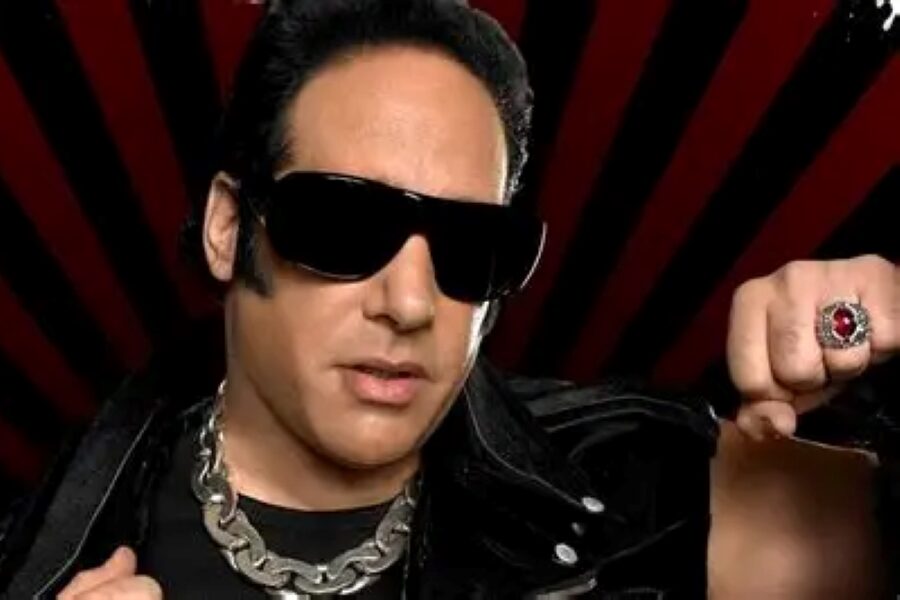
Andrew Dice Clay once filled massive arenas with a deliberately provocative stand up persona that drew huge crowds and significant television attention during the late nineteen eighties, positioning him as one of comedy’s most commercially visible performers. As criticism over the tone of his material intensified, broadcasters reduced exposure, certain venues canceled appearances, and mainstream media support tightened in a relatively short span. The industry did not issue one dramatic announcement ending his rise. Instead, the opportunities simply stopped arriving.
Clay eventually rebuilt a respected career through character acting roles that showcased range many earlier audiences had not expected, proving reinvention remained possible even after the initial collapse. Still, that earlier rapid cooling period demonstrated how strongly comedy depends on shifting public taste and cultural mood. Material that feels rebellious and exciting in one season can feel uncomfortable or outdated the next, meaning careers built heavily on shock value often sit on particularly fragile ground once audience preferences begin moving in a different direction.
18. Johnny Depp’s Studio Exit Shock
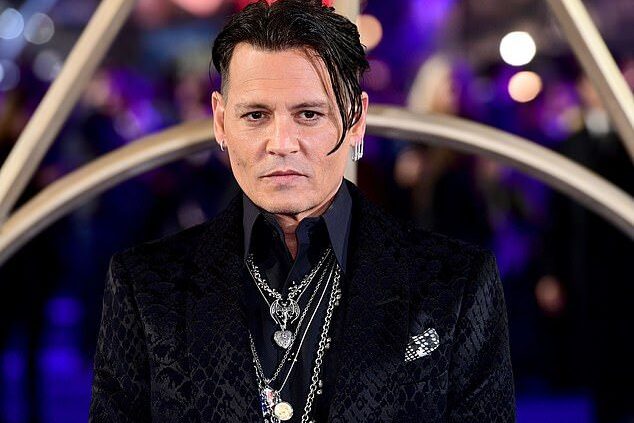
Johnny Depp spent years as one of Hollywood’s most bankable stars, especially through the Pirates of the Caribbean franchise, where his character became one of the most recognizable figures in modern blockbuster cinema. For a long time it seemed almost impossible to imagine those films continuing without him. That changed quickly once legal battles tied to his highly publicized personal life began dominating headlines. Studios that once built massive projects around him suddenly faced growing public pressure, uncertainty about audience reaction, and complicated insurance concerns tied to ongoing court disputes.
Warner Bros asked him to step down from the Fantastic Beasts series, and Disney quietly moved forward planning future Pirates installments without confirming his involvement, which shocked many longtime fans. Although Depp later rebuilt public support and returned to directing and acting in selected projects, that moment marked one of the fastest shifts in his studio standing. His situation showed how even extremely established stars can see major franchise roles disappear quickly once legal conflict and public perception begin influencing corporate decisions behind the scenes.


