
The Digital Symphony of Change
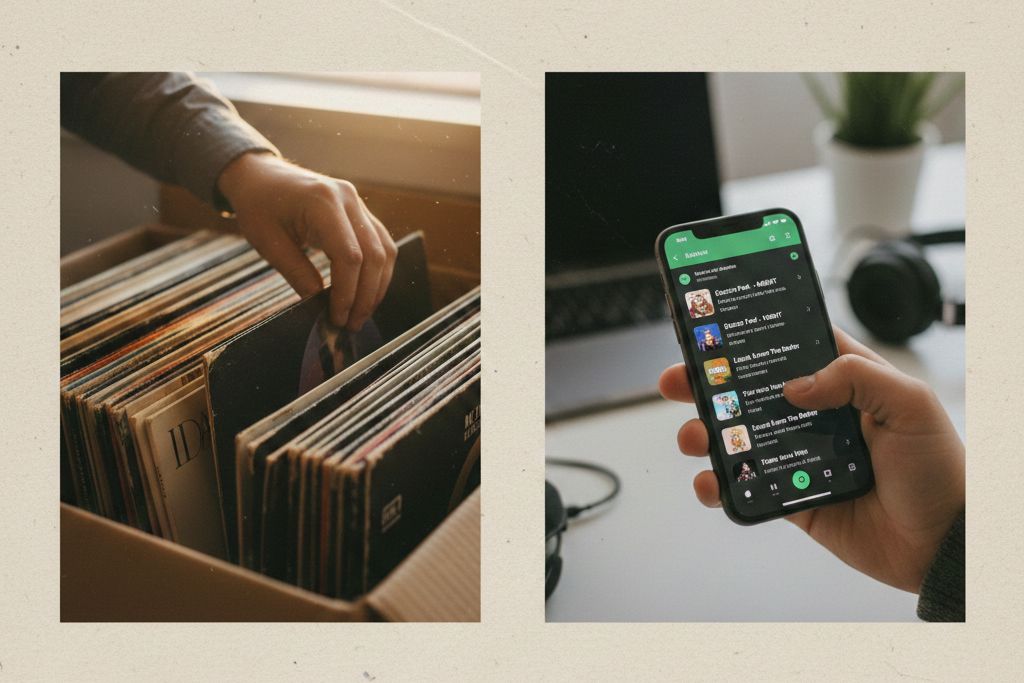
The music industry has always been a mirror of human innovation, yet the speed at which it has been overhauled by silicon and software is truly staggering. For many of us, the days of flipping through vinyl crates or waiting for a specific track on the radio feel like a distant memory from another lifetime, because the very DNA of how we create and consume sound has been rewritten by the digital age. This shift matters because it hasn’t just changed the gadgets we use; it has fundamentally altered the relationship between the artist and the listener, making music more accessible than ever while simultaneously challenging the traditional gatekeepers who once held the keys to stardom.
As we look closer at this evolution, we see a landscape where the physical has been replaced by the virtual and the local has been superseded by the global. This transformation is a double-edged sword that offers incredible convenience and a platform for every voice, but it also raises profound questions about the value of art in a world of infinite supply. Understanding these changes is not just about nostalgia for the old ways, but about appreciating the incredible technological journey that brings the world’s entire musical history to our fingertips with a single tap.
The Rise Of Streaming Services
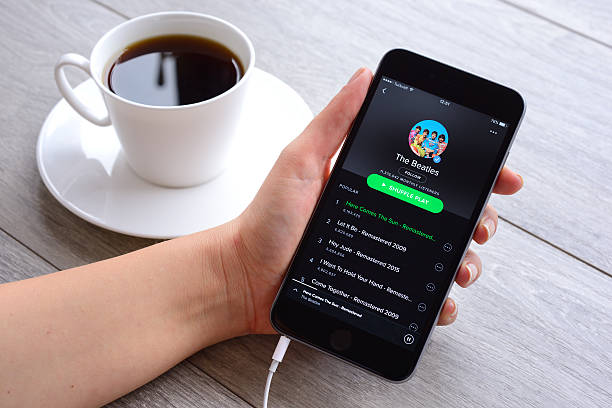
The arrival of platforms like Spotify and Apple Music has completely dismantled the old retail model that once required us to own physical copies of our favourite albums. Instead of saving up pocket money for a single CD, listeners now pay a small monthly fee for access to millions of tracks, which has turned music into a utility rather than a luxury. This shift towards streaming happened rapidly in the early 2010s, and it effectively killed off the concept of the “album era” for many younger fans who prefer curated playlists over a single artist’s cohesive vision.
Furthermore, these services use complex algorithms to learn our tastes and suggest new artists that we might never have discovered in a traditional record shop. While this is brilliant for discovery, it means that the industry is now driven by data and “skip rates” rather than just pure artistic expression. This data-heavy approach helps labels identify trends before they even happen, but it also places immense pressure on musicians to produce “viral-friendly” snippets rather than deep, meaningful long-form projects that take time to grow on the listener.
Portable Players Everywhere
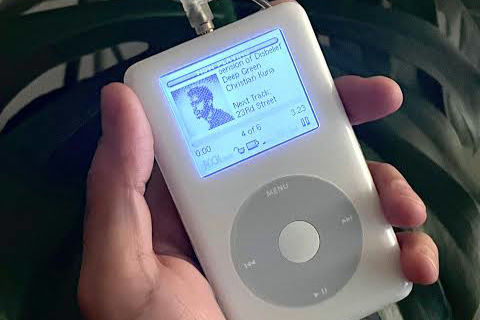
There was a time when listening to music on the move meant carrying a bulky Walkman or a Discmans that would skip if you dared to walk too quickly. The introduction of the MP3 format and subsequently the iPod in 2001 changed everything by allowing us to carry thousands of songs in our pockets. This portability meant that music became the soundtrack to our everyday lives, from the morning commute to the gym, and it effectively ended the reign of the radio as the primary way we heard music while away from home.
Today, our smartphones have taken this even further by integrating high-quality DACs and wireless technology, meaning we don’t even need a separate device anymore. We have reached a point where high-fidelity audio is available anywhere with a mobile signal, which has made the experience of listening to music more personal and isolated than the communal listening parties of the past. This constant availability has made music an background companion for almost every human activity, which is a far cry from the focused, intentional listening sessions that defined previous generations.
Home Studios Are Standard
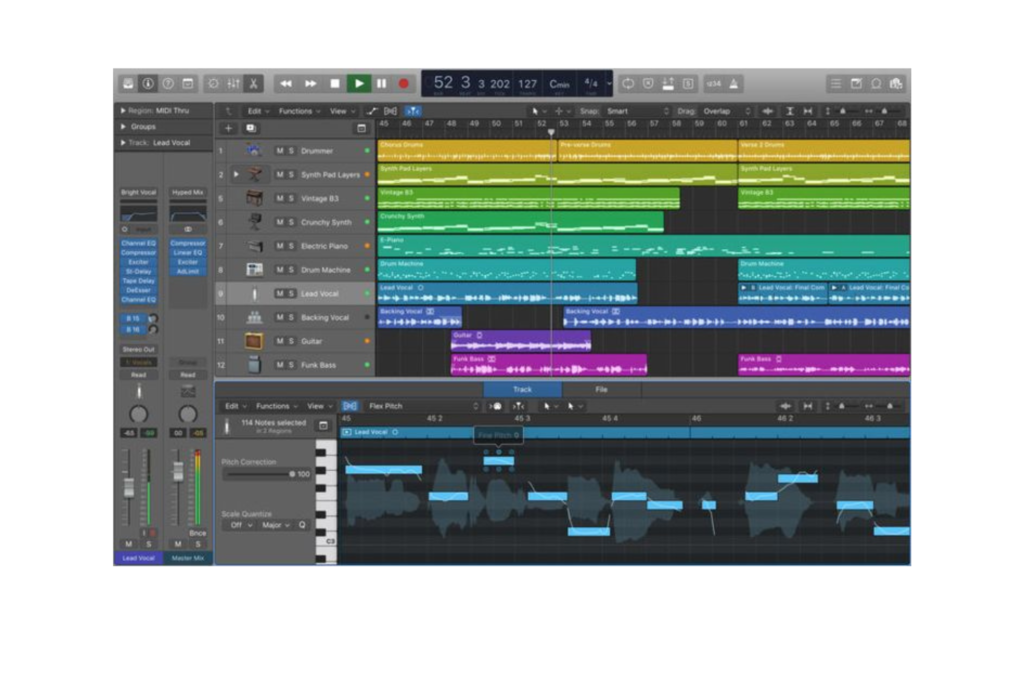
In the past, recording an album required a massive budget and a trip to a professional studio filled with expensive, room-sized equipment. Now, thanks to the power of Digital Audio Workstations like Logic Pro and Ableton, any aspiring musician can produce a chart-topping hit from their bedroom using just a laptop and a decent microphone. This democratisation of production has led to an explosion of new genres and styles, as artists no longer need to wait for a record label’s permission or funding to share their work with the world.
However, this ease of access has also led to a very crowded marketplace where thousands of new songs are uploaded to the internet every single day. While the “bedroom pop” movement has birthed global superstars, it also means that the sheer volume of content can be overwhelming for listeners trying to find quality. The traditional role of the studio engineer has evolved too, shifting from a technical gatekeeper to a creative collaborator who helps artists navigate the infinite possibilities that modern software provides at such a low cost.
Social Media Marketing Power
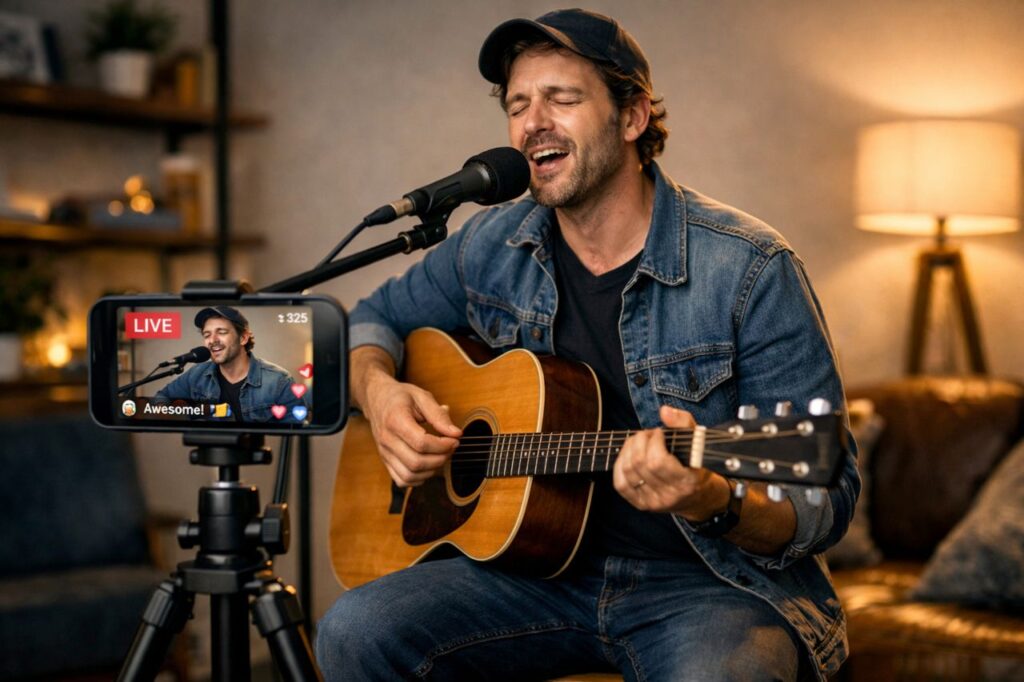
The way we find out about new music has moved away from glossy magazines and television appearances to the fast-paced world of social media. Platforms like TikTok and Instagram have become the primary vehicles for artist promotion, where a catchy fifteen-second clip can propel an unknown singer to the top of the global charts overnight. This has forced musicians to become content creators and influencers, spending as much time editing videos and engaging with fans online as they do actually writing or practicing their instruments.
This shift has also enabled a more direct and authentic connection between artists and their audience, bypassng the polished PR machines of the major labels. Fans feel a sense of ownership and intimacy when they see behind-the-scenes glimpses of a musician’s life, and this loyalty often translates into ticket sales and merchandise purchases. But the downside is the “always-on” nature of social media, which can lead to burnout for artists who feel they must constantly feed the algorithm to remain relevant in a world with a very short attention span.
Direct Distribution To Fans
Record labels used to be the only way for a musician to get their music into shops and onto the airwaves, but technology has cut out the middleman. Services like TuneCore and DistroKid allow independent artists to upload their music directly to all major streaming platforms for a small fee, keeping a much larger share of their royalties. This has empowered a new generation of “independent” artists who can build sustainable careers without ever signing a traditional recording contract, which has fundamentally shifted the power balance in the industry.
This independence comes with its own set of challenges, as artists now have to handle their own marketing, tour booking, and legal affairs. While they have total creative control, they lack the massive promotional budgets and industry connections that a major label provides. Despite this, many musicians prefer the freedom of owning their master recordings and being able to release music whenever they want, rather than being tied to a strict release schedule dictated by a corporate executive in a boardroom.
Virtual Concert Experiences
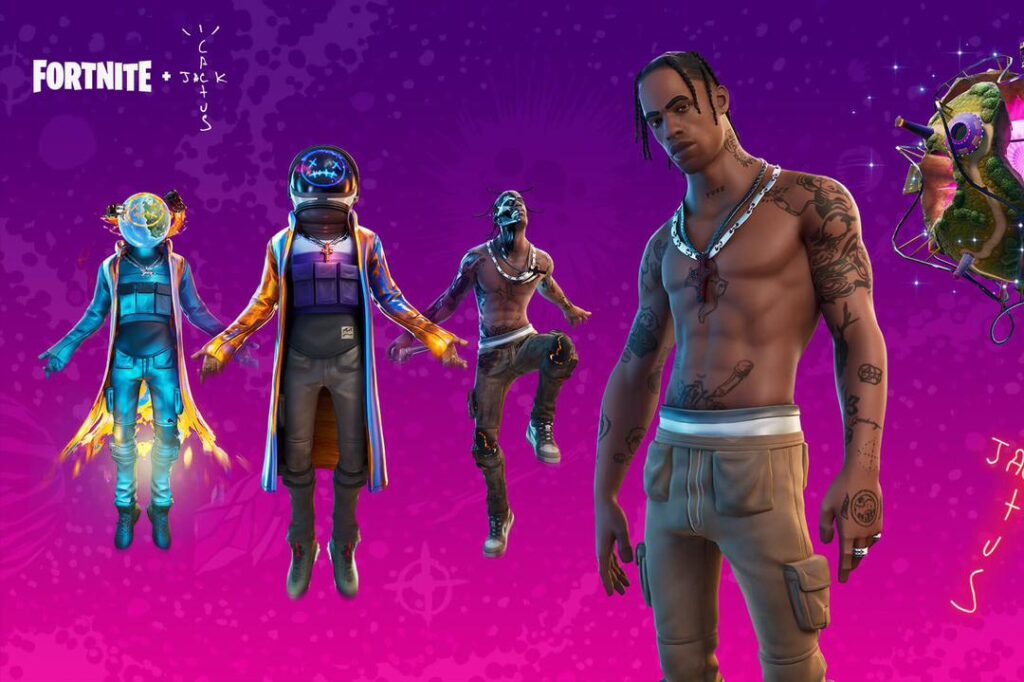
Live music was one of the last bastions of the “analogue” industry, but even that is being transformed by virtual reality and gaming. Artists are now performing live sets inside platforms like Fortnite and Roblox, reaching millions of viewers simultaneously in a digital environment that isn’t limited by the laws of physics. These events are more than just a livestream; they are interactive spectacles where fans can engage with the music and each other in ways that are impossible at a traditional physical venue.
As VR headsets become more affordable and widespread, the potential for “front-row” experiences from the comfort of our living rooms is becoming a reality. This technology allows fans from all over the world to attend a sold-out show in London or New York without the cost of travel or accommodation. While it can never truly replace the visceral feeling of a crowded room and a loud sound system, it offers a high-tech alternative that is making live music more inclusive and accessible to a global audience than ever before.
Algorithmic Radio Stations
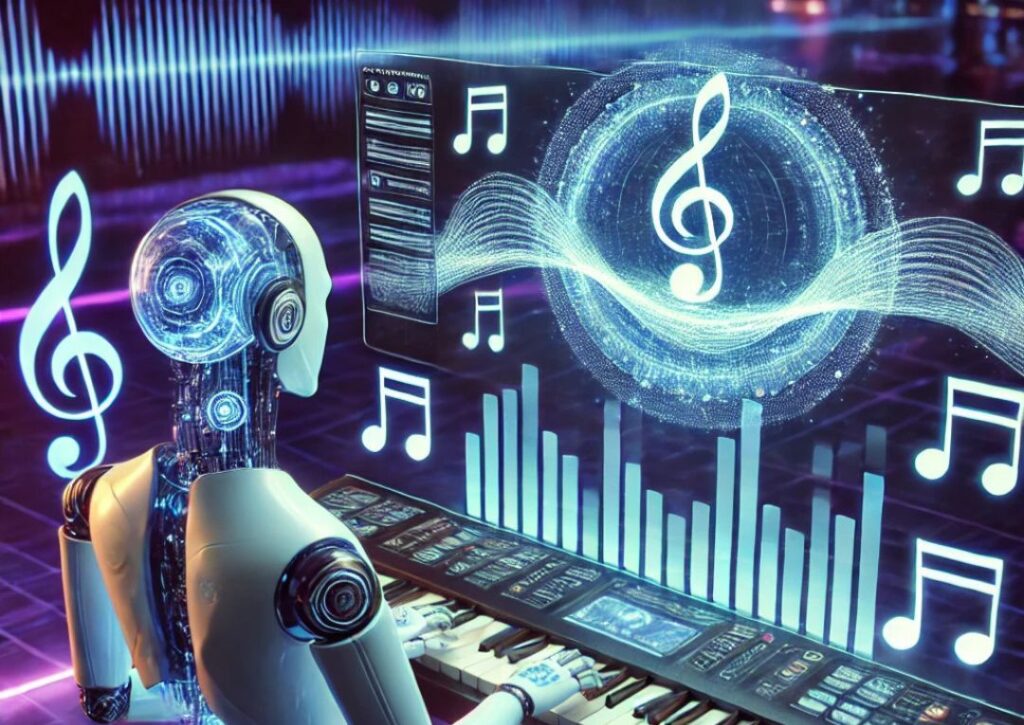
The traditional radio DJ who carefully selected tracks based on their own taste and local trends is becoming a rarity. Most modern “radio” is now powered by AI that analyzes our listening habits to create a never-ending stream of music tailored specifically to our moods. This means that every user has their own unique station that evolves in real-time, ensuring that we rarely hear a song we don’t like, but also making it harder for us to step outside of our musical comfort zones.
This automation has streamlined the listening experience, but some argue it has removed the “soul” and the element of surprise that came with human curation. A computer can identify a song with a similar tempo and key, but it can’t explain the cultural significance of a track or share a personal anecdote about the artist. As a result, many listeners still seek out podcasts and specialist human-led shows to find the context and passion that a cold algorithm simply cannot provide, even with all its data.
Crowdfunding For New Albums

Financing an album used to mean begging a label for an advance or taking out a risky personal loan, but now fans are the ones providing the capital. Platforms like Kickstarter and Patreon have allowed musicians to pitch their ideas directly to their supporters, who can “pre-order” the album or pay for exclusive perks to fund the production. This model has turned fans into active participants in the creative process, and it ensures that the artist is accountable to their most loyal followers rather than a corporate spreadsheet.
This approach has been a lifeline for niche artists whose music might not have mainstream commercial appeal but who have a dedicated core audience. It allows for more experimental and risky projects to come to life, as the artist doesn’t have to worry about “radio viability” or mass-market trends. The success of a crowdfunding campaign is a powerful indicator of a musician’s “real” value, and it has created a more sustainable and transparent way for artists to make a living in the digital era.
High Fidelity Audio Streaming
For a long time, the convenience of digital music came at the cost of sound quality, as MP3s were heavily compressed to save space. However, as internet speeds have increased and storage has become cheaper, “Lossless” and “Spatial Audio” are now becoming the new industry standard. Services like Tidal and the higher tiers of Apple Music now offer studio-quality sound that was once the exclusive domain of audiophiles with expensive vinyl setups and high-end speakers.
This push for better quality is a response to the “loudness wars” of the 2000s, where music was often mastered to be as loud as possible at the expense of dynamic range. Modern technology is now allowing us to hear the subtle nuances and textures of a recording exactly as the artist intended in the studio. This “HD” revolution is bringing the focus back to the craft of recording and mixing, proving that even in a world of fast-paced digital consumption, there is still a deep desire for a rich and immersive listening experience.
Artificial Intelligence Composition
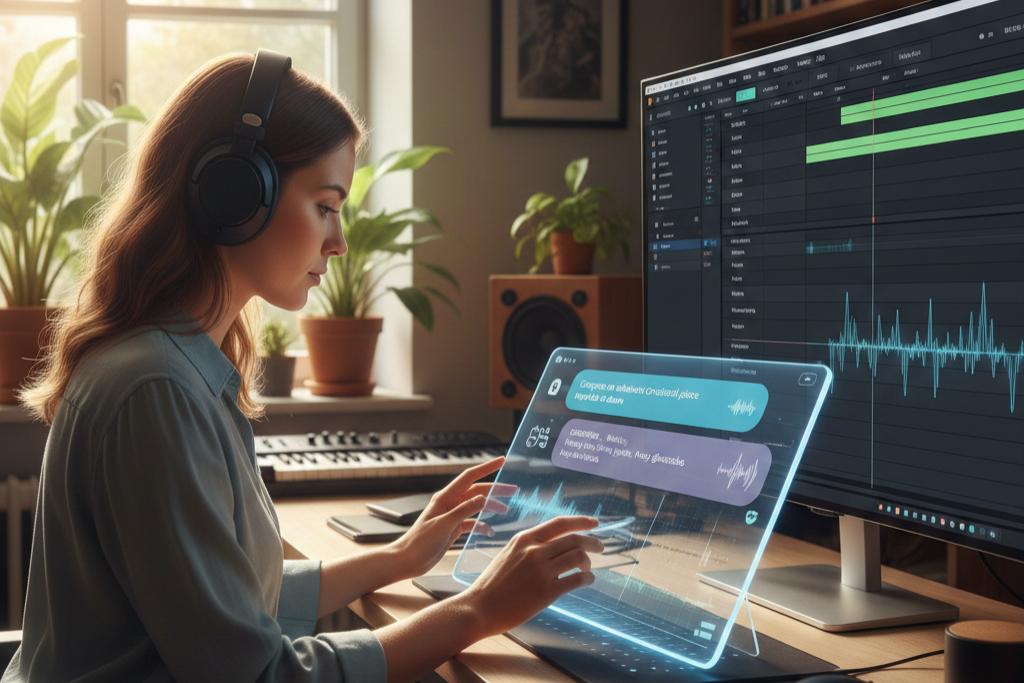
Perhaps the most controversial shift is the rise of AI that can actually write and produce its own music. There are now tools that can generate background music for videos or even create entire pop songs based on a few simple prompts from the user. While this is a powerful tool for creators who need quick, royalty-free soundtracks, it has sparked a massive debate about the future of human creativity and whether a machine can ever truly capture the emotion and experience that defines great art.
In the professional world, AI is being used as a collaborative partner rather than a replacement, helping artists to overcome writer’s block or experiment with new melodies and structures. It can analyze thousands of hit songs to identify patterns and suggest improvements, which is both exciting and a little bit frightening for those who value the “human touch”. As the technology improves, the line between human and machine-made music will continue to blur, forcing us to redefine what we mean by “authenticity” in the twenty-first century.
Global Collaboration Tools
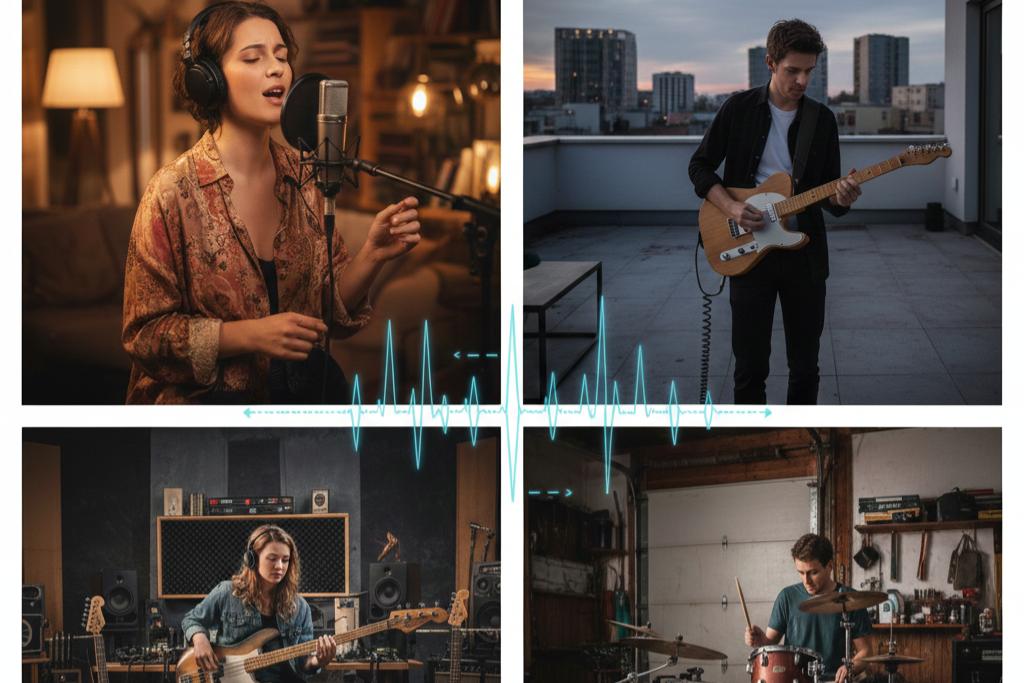
The era where musicians had to be in the same room to create a masterpiece is firmly in the past, thanks to high-speed internet and cloud-based collaboration software. Modern artists can now record a drum track in London, send it to a guitarist in Los Angeles, and have a vocalist in Tokyo add their layers all within the space of a single afternoon. This seamless digital exchange has broken down geographical barriers and allowed for a fusion of global sounds that was previously impossible for anyone without a massive travel budget.
These tools do more than just share files; they provide real-time environments where multiple people can tweak the same session simultaneously from different corners of the globe. This has led to the rise of international “supergroups” and experimental projects that blend disparate cultural influences into entirely new genres. The industry has become a truly borderless workspace, where talent is the only requirement and the physical distance between creators is no longer a hurdle to professional success.
Advanced Metadata Tracking
Behind every song on a streaming platform lies a complex web of data known as metadata, which ensures that everyone from the songwriter to the session musician gets paid and credited correctly. Technology has automated much of this process, moving away from the messy paper trails of the past to sophisticated digital fingerprinting systems that track a song’s journey across the internet. This precision is vital in a world where music is played in billions of locations simultaneously, from coffee shops to viral video backgrounds.
While it might sound like a dry technicality, accurate metadata is the lifeblood of the modern music economy because it allows for transparent and rapid royalty distributions. In previous decades, artists often waited years to receive their earnings due to accounting errors or lost records, but today’s systems can calculate micro-payments in real-time. This digital accountability provides a safety net for creators, ensuring that as their music reaches a global audience, the financial rewards find their way back to them without delay.
Digital Rights Management
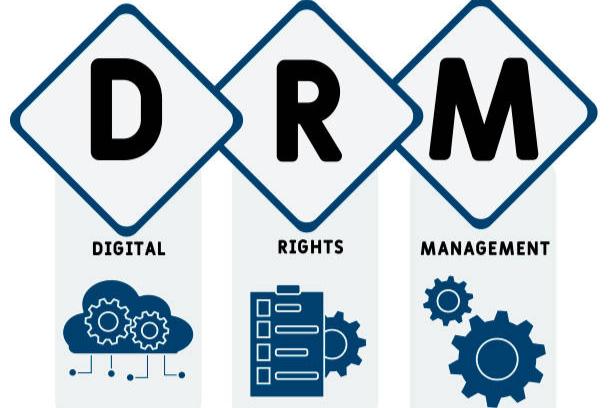
Protecting intellectual property has been one of the biggest challenges of the digital age, leading to the development of robust Digital Rights Management (DRM) and blockchain-based solutions. These technologies act as a digital “lock and key” for music files, controlling how they are distributed and preventing unauthorized copying while still allowing for easy consumer access. This has been a crucial step in stabilising the industry after the wild-west days of illegal file-sharing that nearly bankrupted major labels in the early 2000s.
Beyond simple protection, these systems are now being used to create unique digital assets and fan experiences that cannot be replicated. By using technology to verify ownership, artists can offer limited-edition releases or exclusive content that holds real-world value for collectors in the virtual space. This evolution from “stopping piracy” to “creating value” has given musicians new ways to monetise their work in a digital landscape where the traditional sale of a physical record is no longer the primary source of income.
Algorithmic Trend Analysis
In the modern industry, the next big hit is often predicted by a computer long before it reaches human ears on the radio. Labels now use sophisticated algorithmic tools to scan social media and streaming data, identifying rising stars and niche subcultures that are starting to gain momentum. This data-driven approach has replaced the old-school “A&R” scouts who used to spend their nights in smoky clubs, as the “numbers” now provide a much more accurate picture of what the public actually wants to hear.
This technology allows the industry to move with incredible speed, pouring resources into artists who are already showing signs of organic growth online. While some purists argue that this leads to a “formulaic” sound, it also means that talented individuals who might have been overlooked by traditional gatekeepers now have a clear path to the top based on their actual performance. It has turned the music business into a highly efficient machine that can react to changing tastes in real-time, ensuring that the soundtrack to our lives is always perfectly in sync with the current cultural moment.
Reflecting on these final shifts, it is clear that while we may have lost some of the tactile charm of the old industry, we have gained a world of unparalleled convenience and creative freedom.
Like this story? Add your thoughts in the comments, thank you.


