
1. The Quiet Kitchen Fridge
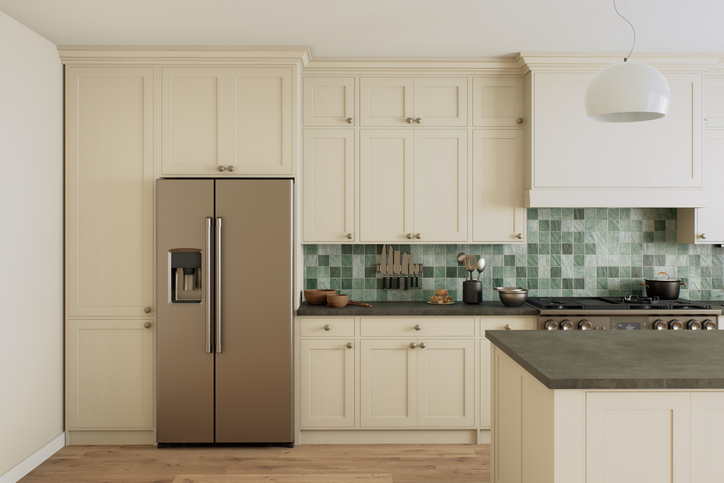
Sometimes the easiest way to understand how new modern life really is, is to start in the kitchen and picture an ordinary morning a hundred years ago. No low humming fridge, no chilled juice, no leftover pizza waiting for a lazy lunch. Most homes depended on wooden iceboxes packed with delivered ice blocks that melted fast and made food storage a daily gamble. Families cooked smaller meals, shopped often, and learned quickly how to stretch ingredients before spoilage set in. Summer heat meant real worry, not mild inconvenience, and preserving meat or milk required constant attention and careful timing every single week.
When electric refrigerators slowly reached homes in the late nineteen twenties and thirties, they quietly rewrote everyday routines. Suddenly bulk shopping made sense, leftovers stayed safe, and fresh fruit could sit patiently instead of demanding immediate use. Today we open the fridge ten times a day without thinking, sometimes just staring inside as if something new might appear. That simple glowing box feels boring now, yet it completely reshaped how families eat, shop, plan meals, and even gather for late night snacks.
2. Flying Somewhere Like It Is Normal

Think about how casually we talk about flights today. Someone mentions visiting another country next month and nobody reacts like it is extraordinary. A hundred years ago, airplanes were still loud experimental machines mostly watched from the ground. Passenger flights existed but felt risky, expensive, and rare, something for daring travelers or wealthy adventurers rather than ordinary families planning holidays. Long distance journeys usually meant ships or trains, slow schedules, heavy luggage, and emotional goodbyes because travel took serious time and real commitment to complete.
Now we scroll travel apps while lying in bed and compare ticket prices like ordering takeaway. People fly out for weddings, job interviews, conferences, and even weekend birthdays across continents. Airports feel stressful sometimes, but they also made the world feel smaller in a way earlier generations never experienced. The idea that breakfast can happen in one country and dinner in another would have sounded like pure fantasy in nineteen twenty six. Today we complain about seat space while quietly living inside what once would have felt like science fiction travel.
3. Antibiotics That Stop Small Infections

It is hard to imagine now, but a small infection once carried a shadow of real danger. Before antibiotics became common in the nineteen forties, something as ordinary as a scratched leg, untreated cough, or throat infection could quietly worsen into something life threatening. Doctors did what they could with rest, cleaning, and basic treatments, yet families understood that recovery was never guaranteed. Childhood illnesses, infected cuts, and complications after childbirth brought a level of fear that hovered quietly over normal daily life.
Today we visit a clinic, collect tablets, and expect improvement within a few days. That sense of medical reliability shapes how we live without us noticing. Surgeries are safer, dental work is routine, and parents worry far less about everyday playground injuries turning serious. We still hear about resistance and proper antibiotic use, but the baseline confidence in modern medicine remains powerful. Swallowing a small pill with a glass of water feels completely ordinary, yet that tiny treatment changed survival rates, hospital care, and everyday peace of mind for millions of families worldwide.
4. Evenings With Television Stories
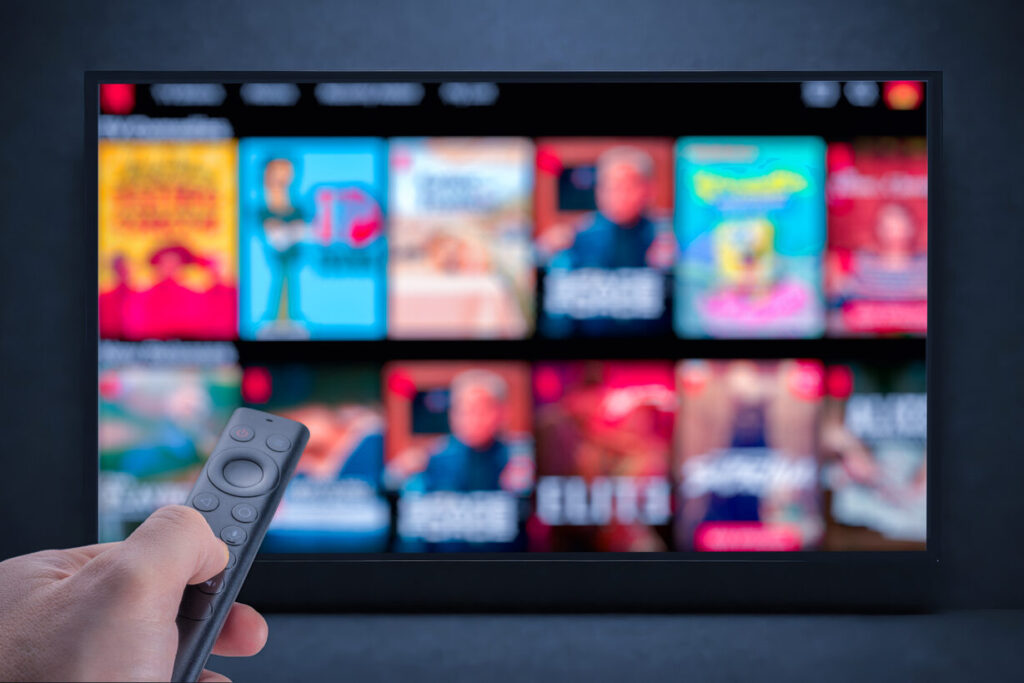
Picture a typical evening today where someone automatically reaches for the remote or opens a streaming app before dinner plates are even cleared. Television feels so woven into relaxation that silence in the living room almost feels strange. A century ago, families gathered around radios instead, listening closely because voices and music were the only entertainment arriving live inside the home. Early television experiments existed, but real household adoption only spread widely after the nineteen forties when sets became more affordable and broadcasting expanded steadily.
Once television entered homes, it reshaped evenings almost overnight. Families began planning schedules around favourite shows, shared live news moments together, and experienced historic events unfolding visually in real time. Today screens multiplied into smart televisions, tablets, and wall mounted displays, yet the basic habit started there. Sitting together watching stories unfold without leaving the sofa would have felt magical to earlier households. That familiar glowing screen we barely notice now quietly helped create shared pop culture, national conversations, and the simple modern habit of unwinding through moving pictures.
5. Washing Clothes Without A Full Day Of Labour

Laundry today usually means sorting clothes, pressing a button, and returning later to clean fabric ready for drying. A hundred years ago, wash day meant serious physical work that could easily consume an entire morning or more. Water needed heating, clothes were scrubbed by hand on rough boards, heavy wet fabric had to be lifted and wrung out, and drying depended heavily on weather conditions. Families often planned weekly routines around this exhausting task because there was no quick shortcut waiting in the corner.
When electric washing machines slowly became common household appliances, they freed up an enormous amount of time and physical effort, especially for women who historically carried most domestic responsibilities. Cleaner clothes became easier to maintain, and hygiene improved naturally without extra labour. Today the loud spin cycle feels mildly annoying at worst, yet that simple machine transformed how households manage time. What once demanded strength, patience, and full day commitment now runs quietly while people answer emails, help children with homework, or simply sit down and rest.
6. One Store That Sells Almost Everything
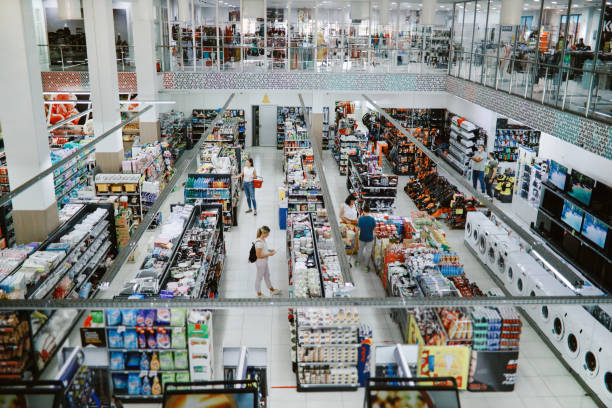
Modern supermarket trips feel routine, sometimes even boring, yet the idea of buying nearly everything in one place is surprisingly recent. A century ago, shopping usually meant visiting several small specialty stores. One stop for meat, another for bread, another for produce, and often frequent visits because food storage options were limited. Shopkeepers selected items for customers from behind counters, and browsing freely through packed shelves was not yet the standard experience many people expect today.
When self service supermarkets began spreading in the nineteen thirties, the change felt dramatic. Customers pushed carts, compared brands directly, and bought larger quantities for the week ahead. Refrigeration, packaging, and transport systems supported this shift, turning grocery shopping into a single planned outing rather than daily errands across town. Today we casually wander aisles choosing snacks, frozen meals, imported sauces, and cleaning supplies under one roof. That weekend grocery run we sometimes complain about actually represents a massive change in food distribution, retail design, and everyday household convenience.
7. Paying With A Card Instead Of Cash
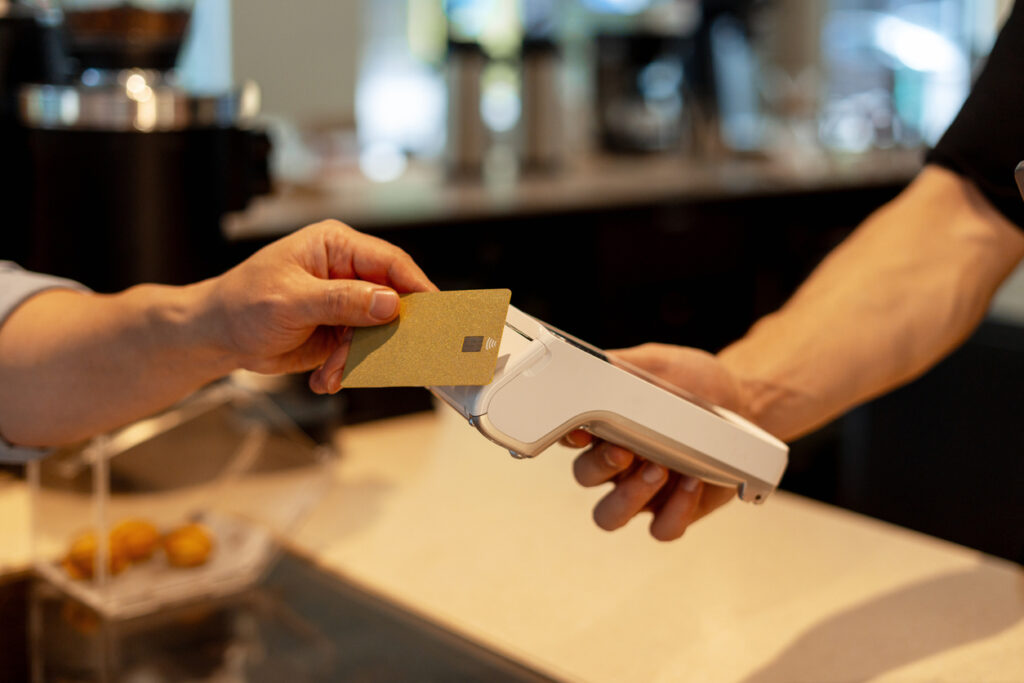
Think about how often payments happen today without physical cash ever appearing. We tap cards, approve online orders, or save payment details for subscriptions that renew quietly each month. A century ago, most purchases relied strictly on coins, paper money, or local store credit agreements known personally by shopkeepers. Large purchases required saving patiently over time, and spontaneous buying power simply looked very different for ordinary households managing tight weekly budgets.
When modern credit card systems expanded in the mid twentieth century, they changed how consumers handled both emergencies and everyday spending. Suddenly travel bookings, appliance purchases, and unexpected medical costs could be managed immediately rather than delayed for months of saving. Today digital payments go even further, allowing instant purchases from another continent while sitting at home. The convenience feels normal, yet the idea of buying first and settling the balance later once felt unfamiliar and even risky. That small plastic card quietly reshaped global commerce, online shopping, and modern financial flexibility.
8. Frozen Meals Waiting Patiently In The Freezer

Open a freezer today and it feels completely normal to find vegetables harvested months ago, ready meals for busy nights, or ice cream saved for a random craving. A century ago, freezing food reliably for long term storage was still developing, and most households depended heavily on fresh seasonal ingredients, home preserving, or daily market visits. Planning meals required more timing because food rarely waited patiently for convenience or sudden schedule changes.
Commercial quick freezing methods changed that rhythm by allowing food to keep texture, flavour, and safety far longer than earlier preservation attempts. Over time frozen distribution expanded into supermarkets everywhere, supporting bulk buying and reducing waste in busy households. Today frozen dinners rescue late work nights, frozen berries appear in smoothies year round, and emergency meals sit quietly for weeks without worry. That simple freezer drawer represents not just cold air but a whole shift in how families manage time, grocery planning, and the comforting knowledge that dinner can still exist even on the most exhausting day.
9. Emergency Alerts That Reach Everyone Fast
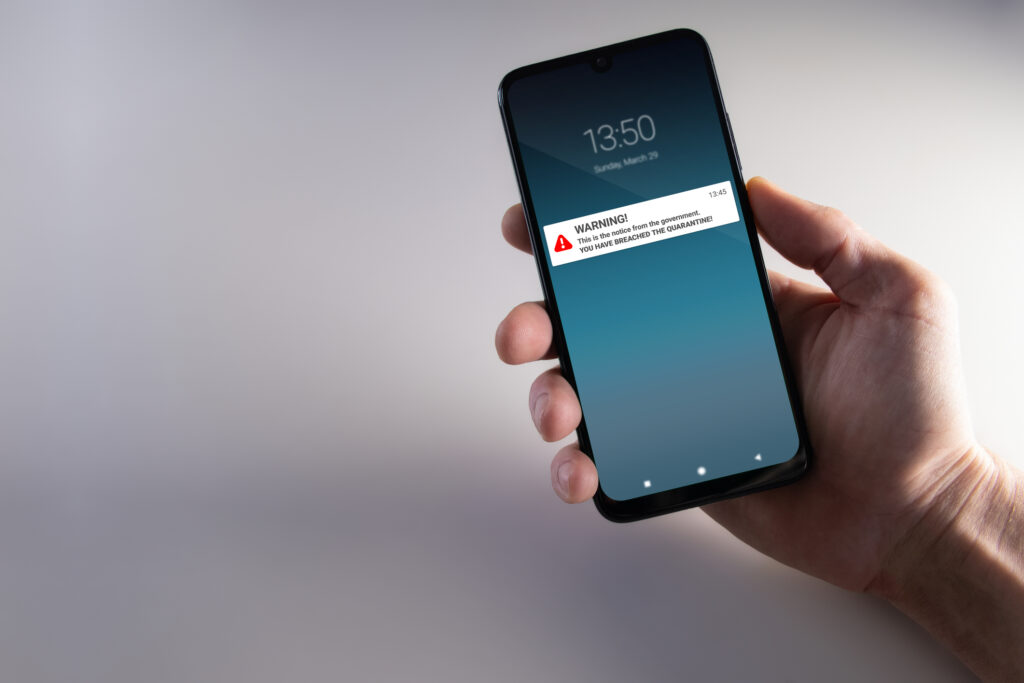
When a severe storm warning pops up on your phone or interrupts a broadcast, it might feel slightly annoying in the moment. A hundred years ago, communities rarely received immediate coordinated warnings during disasters. News travelled slowly through word of mouth, church bells, printed notices, or delayed newspaper reports, which meant many people simply learned about danger too late to respond safely or prepare properly.
Modern emergency communication systems changed that reality by allowing authorities to broadcast urgent information instantly across radios, televisions, mobile networks, and highway displays at the same time. Evacuation notices, weather alerts, and safety instructions now reach millions of people within seconds. That quick buzzing notification most of us swipe away represents a communication safety net earlier generations never had. It quietly saves lives by giving families time to move, prepare supplies, or avoid hazardous areas. What feels like routine digital noise today actually reflects one of the most practical public safety advances of the modern world.
10. Letting A Dishwasher Handle The Mess
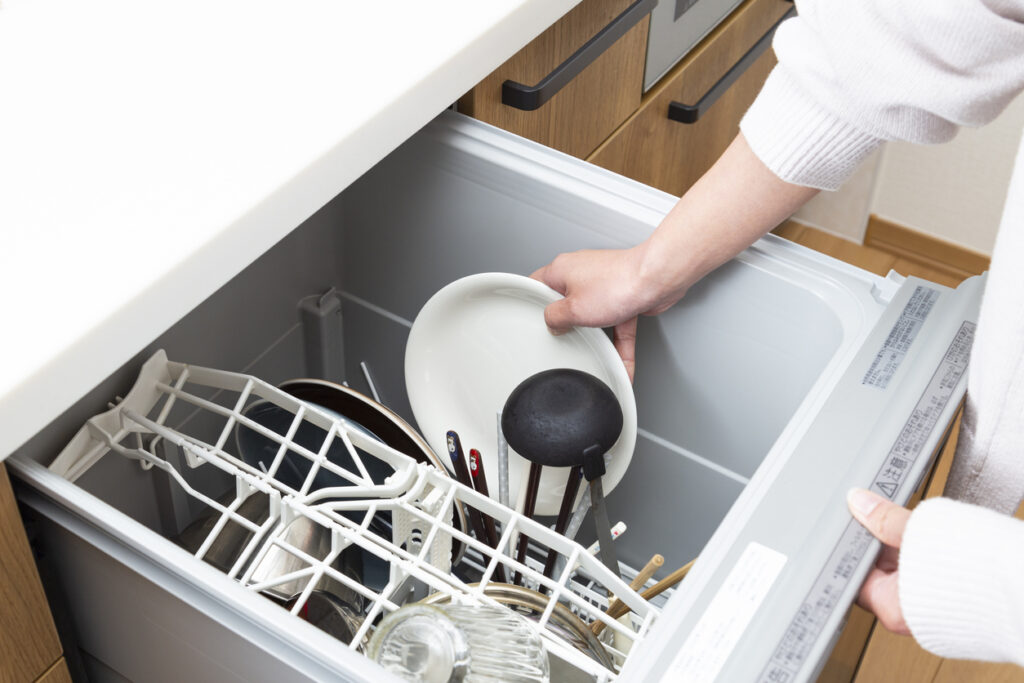
After a meal today, many households simply stack plates into a dishwasher, add detergent, and press start before moving on with the evening. A century ago, every single dish required hand scrubbing in basins of heated water, often several times daily in large families. Cleanup could stretch long after cooking ended, and the effort sometimes influenced what meals people were willing to prepare in the first place.
As electric dishwashers gradually entered more homes after the mid twentieth century, they quietly removed one of the most repetitive kitchen burdens. High temperature washing improved sanitation while saving time and water compared with continuous manual cleaning. Today the gentle humming cycle runs in the background while families relax, watch shows, or prepare for the next day. That simple appliance did more than clean plates. It shortened evening chores, supported busier lifestyles, and made shared dinners feel less like the start of another long task and more like the end of the day.
11. Seeing Clearly With Contact Lenses
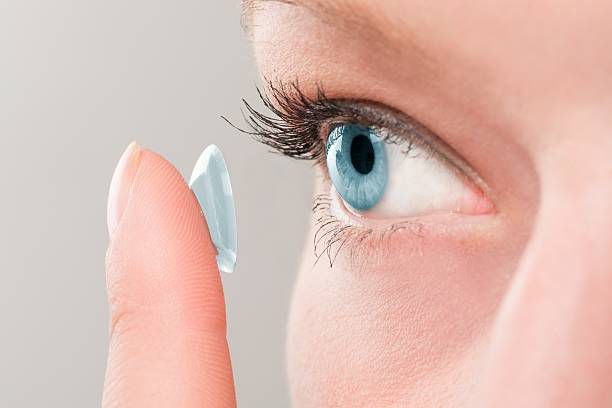
For most of history, weak eyesight meant either struggling through blurry days or wearing heavy glasses that felt fragile, expensive, and sometimes uncomfortable for long hours. A century ago, practical contact lenses suitable for everyday wear were still developing and far from common household solutions. People adjusted their work, reading habits, and even career choices around how well they could see with the tools available, since reliable invisible vision correction simply was not an everyday option yet.
As softer and more comfortable lenses later became widely available, they quietly changed daily confidence for millions of people. Sports became easier, outdoor work felt safer, and many people enjoyed the simple comfort of waking up and seeing clearly without reaching for frames first. Today disposable lenses sit in bathroom drawers like ordinary toiletries. That tiny transparent circle feels forgettable now, yet it represents a major shift in how people manage eyesight, appearance, and mobility in everyday life without constantly thinking about the limitations earlier generations accepted as normal.
12. Moving Through Buildings On Escalators
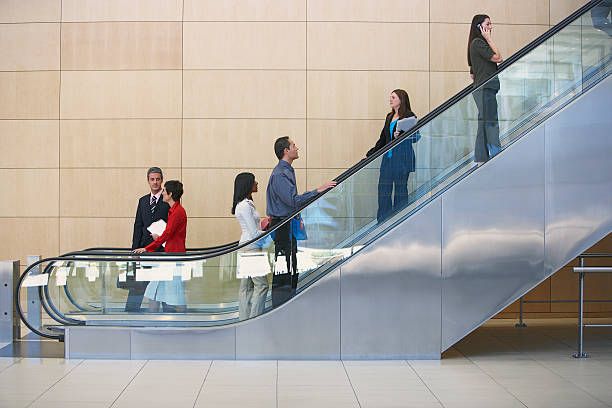
Walk into any large mall, airport, or train station and stepping onto a moving staircase feels completely routine. A hundred years ago, most public buildings relied mainly on fixed stairs or slower lifts, which limited how quickly crowds could move between floors. As cities grew busier and buildings expanded upward, the need for smoother passenger flow became obvious, but the idea of simply standing still while the stairs carried you upward still felt like a novelty to many early visitors.
Once escalators spread into commercial and transport spaces, they quietly removed a surprising amount of physical strain from everyday movement. Parents with children, travelers with heavy bags, and older visitors suddenly navigated large buildings with far less effort. Today people barely glance down before stepping onto one, sometimes even scrolling their phones while rising effortlessly to the next level. That smooth mechanical climb might feel boring now, yet it helped modern architecture function by making huge indoor spaces easier, faster, and far more comfortable for millions of daily visitors.
13. Food Wrapped Safely In Plastic Packaging
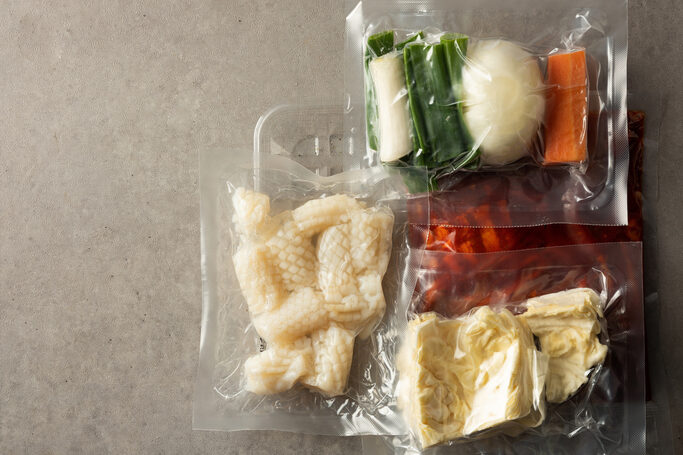
Look inside almost any kitchen cupboard and plastic packaging appears everywhere, from sealed snack bags to bottled drinks and wrapped vegetables. A century ago, most food was sold loose, wrapped in paper, stored in glass, or packed in reusable tins. Shelf life was shorter, contamination risks were higher, and transporting fragile goods across long distances required far more careful handling than today’s sealed systems allow.
As plastic manufacturing expanded during the twentieth century, it quietly transformed food safety, storage, and global distribution. Products could travel farther, remain fresh longer, and reach stores in cleaner condition than earlier packaging methods allowed. Today we tear open wrappers without thinking twice, sometimes even annoyed by how tightly sealed they are. Yet that protective layer supports the entire modern supermarket system by reducing waste and keeping food usable far beyond local harvest days. What feels like ordinary disposable wrapping actually helped make year round availability of countless everyday foods possible.
14. Traffic Lights Organising Busy Roads
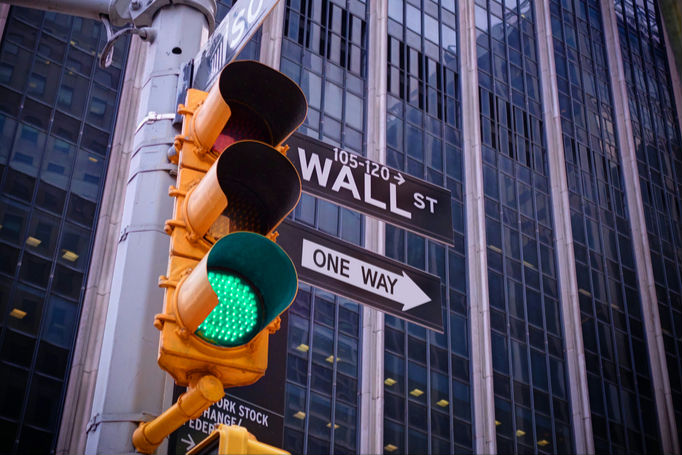
Standing at a red light today can feel mildly frustrating, especially when the road looks empty. A hundred years ago, many intersections depended on police officers manually directing traffic or simple local signals that lacked consistent coordination. As automobile ownership expanded rapidly, cities quickly realised that human controlled junctions alone could not safely manage the growing number of vehicles sharing the same streets.
Electric traffic light systems gradually brought predictable order to busy crossings, allowing drivers, pedestrians, and cyclists to follow the same clear signals everywhere. Over time, synchronized timing systems even helped entire city routes flow more smoothly during rush hours. Today we stop automatically when the light changes without really thinking about how much chaos that simple colour system prevents daily. That familiar red, yellow, and green sequence quietly shapes commuting schedules, delivery times, and pedestrian safety in ways so normal now that we only notice their importance when the lights suddenly stop working.
15. Coffee Ready In Seconds

Morning coffee feels deeply personal for many people today, whether it is a slow brewed ritual or a quick mug before rushing out the door. A century ago, preparing coffee always required grinding beans or brewing fresh pots, which meant more time and equipment even for a simple cup. As instant coffee developed and spread during the twentieth century, it introduced a surprisingly powerful new idea that caffeine could be prepared almost anywhere with just hot water.
That shift made coffee far more portable for soldiers, travelers, office workers, and students juggling tight schedules. Today instant sachets sit in desk drawers, hotel rooms, and kitchen shelves ready for emergencies when time feels short. Even people who prefer fresh coffee still appreciate the backup option waiting quietly nearby. That simple spoonful dissolving into hot water represents how modern food technology often focuses less on luxury and more on saving precious minutes during already busy mornings.
16. Writing Smoothly With Ballpoint Pens

Imagine needing to carry a small bottle of ink every time you wanted to write a simple note. Before reliable ballpoint pens became common, fountain pens required careful handling, frequent refilling, and a steady hand to avoid smudging important documents. Writing worked, of course, but it demanded more attention and maintenance than the quick scribbles most people rely on today for everyday lists and signatures.
When cheap mass produced ballpoint pens spread widely in the mid twentieth century, writing suddenly became faster, cleaner, and far more portable. Students could toss pens into bags, offices could order boxes cheaply, and signing forms no longer meant worrying about leaking ink stains. Today pens appear everywhere from bank counters to kitchen drawers, often borrowed and forgotten without a second thought. That simple click pen we absentmindedly chew while thinking actually helped standardize modern paperwork, education routines, and the everyday habit of jotting things down instantly.
17. Cities Bright Enough To Stay Awake At Night
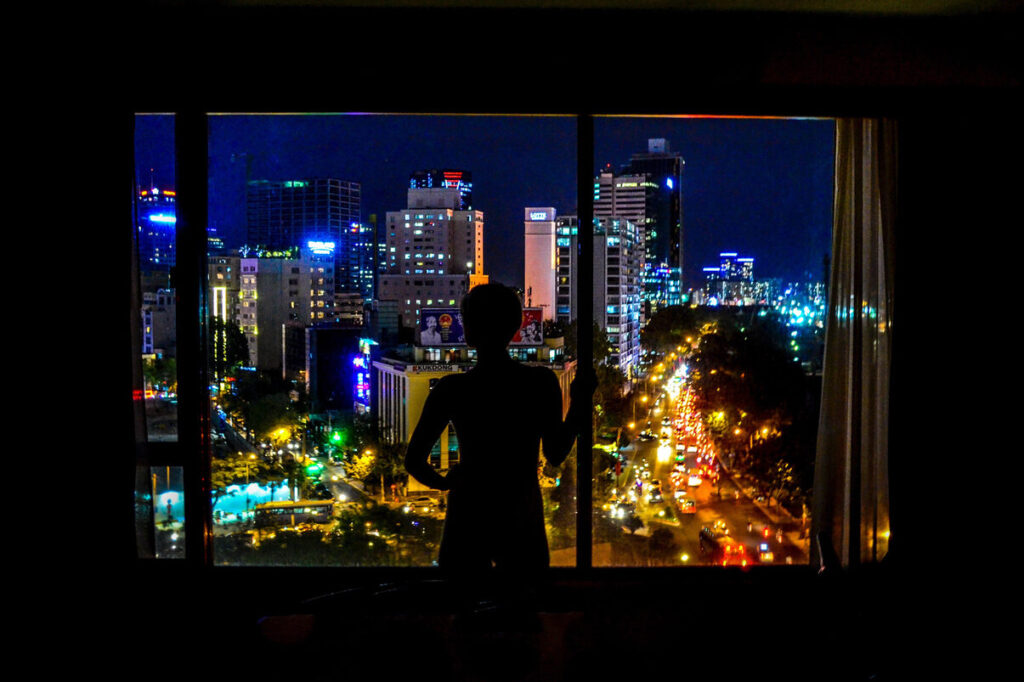
Take a late evening walk in any modern city and streetlights guide the way almost without you noticing them. A century ago, many streets remained far dimmer after sunset, relying on gas lamps or limited local lighting that left large areas in shadow. Nighttime travel felt riskier, business hours ended earlier, and social life often adjusted to the natural limits of daylight far more strictly than most urban residents experience now.
As electric street lighting networks expanded, they quietly stretched the usable hours of the day. Shops could stay open later, public transport felt safer, and evening entertainment districts slowly grew more vibrant and accessible. Today illuminated roads support night shifts, late dinners, and twenty four hour city rhythms that feel completely normal. That steady glow outside the window represents more than visibility. It reflects how electrification reshaped work schedules, nightlife, and the simple modern expectation that movement does not have to stop just because the sun went down.
18. Cleaning Floors With Electric Vacuums
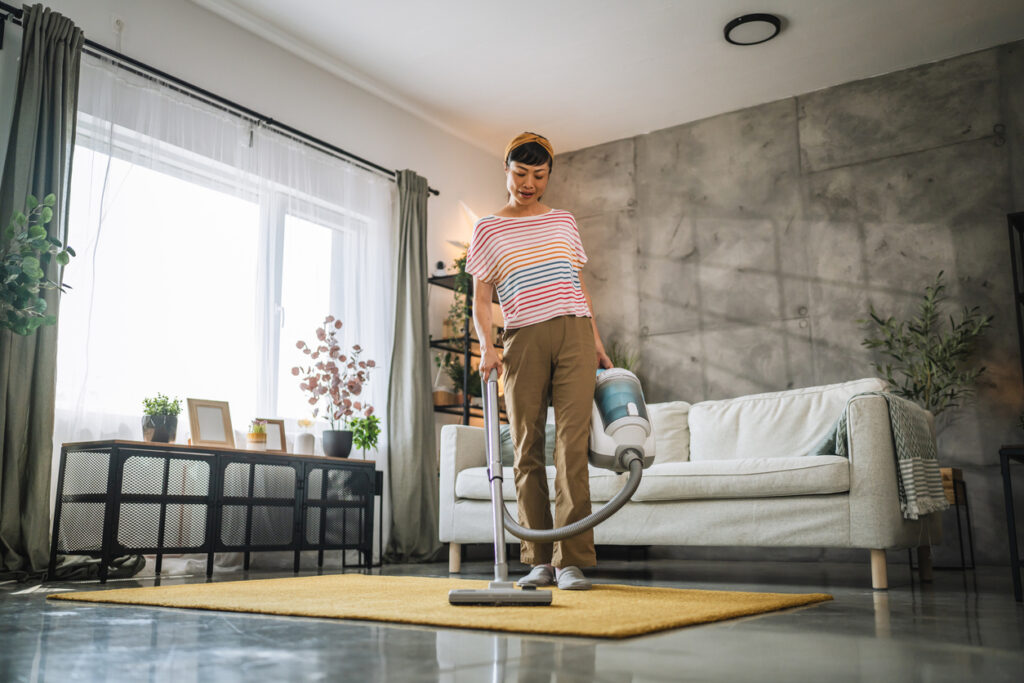
Cleaning carpets once meant hauling rugs outside, beating them repeatedly, and sweeping rooms again afterward to catch remaining dust. A century ago, indoor cleaning demanded far more physical effort and time, especially in homes with large fabric rugs that trapped dirt deeply. Early portable vacuum cleaners gradually changed this by allowing households to remove dust mechanically without the exhausting outdoor routine earlier cleaning required.
As electric vacuums became common, indoor air quality improved naturally while cleaning time shortened dramatically. Today pulling a vacuum from the closet for twenty minutes feels like a minor chore at worst, and robotic versions even handle the job automatically while families leave for work. That familiar humming machine rolling across the floor may feel ordinary, yet it represents a shift toward cleaner indoor environments, reduced manual labour, and the expectation that maintaining a tidy home should not require an entire afternoon of heavy physical effort.
19. Ice Cream Available Any Season

Ice cream itself existed long before the modern era, but reliable frozen transport and storage systems that keep it solid across long distances are much more recent developments. A century ago, enjoying ice cream often depended on local production, cold weather, or special occasions when preservation could be managed carefully. Warm regions especially struggled to keep frozen desserts stable for extended distribution without rapid melting losses.
As refrigerated trucks, warehouse freezers, and supermarket cold chains expanded, ice cream quietly became an everyday grocery item instead of a rare seasonal treat. Today people casually pick up a tub during routine shopping, knowing it will stay perfectly frozen all the way home. That simple freezer indulgence represents a huge behind the scenes logistics system connecting factories, transport routes, and retail storage. What feels like a spontaneous dessert choice actually depends on an entire modern temperature controlled network working silently to keep that scoop ready whenever the craving appears.
20. Radio Bringing Voices Into The Living Room
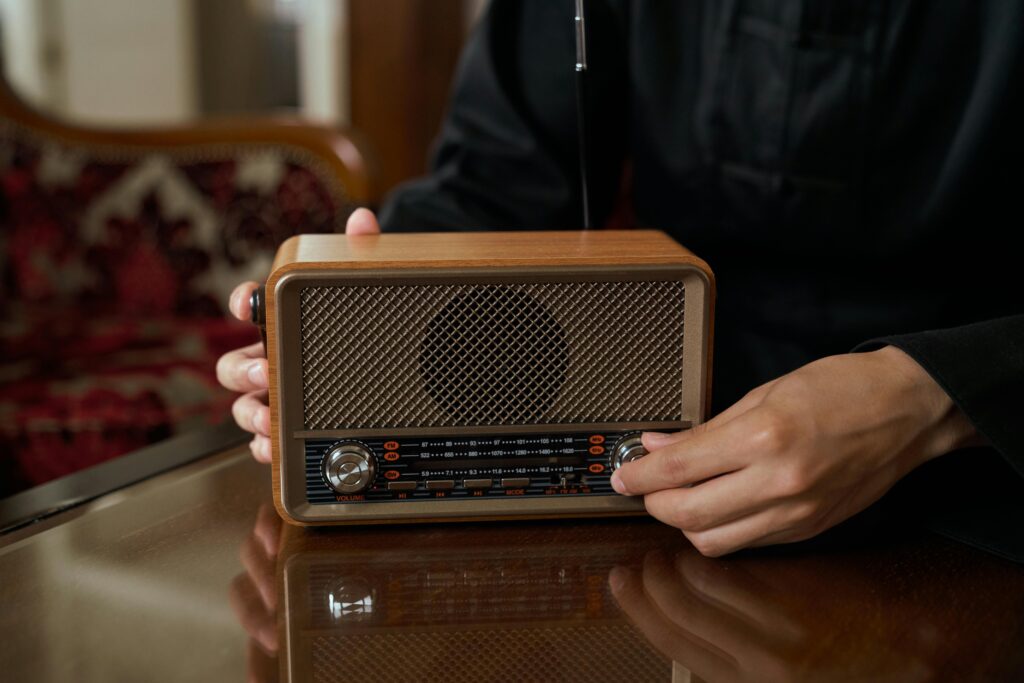
Before mass broadcasting, news and entertainment travelled slowly through newspapers, public gatherings, or live performances that required leaving home. When household radio spread widely during the nineteen twenties, it introduced something entirely new, the experience of hearing the same music, stories, and announcements at the exact same moment as thousands of other listeners sitting in their own homes across the country.
Families gathered around radios in the evenings much the way later generations gathered around television screens, sharing live concerts, sports commentary, and breaking news as communal experiences. That shared listening helped shape national culture, political awareness, and entertainment industries in ways still visible today in podcasts and streaming audio. Looking back, radio feels like the beginning of the connected media world we now live inside. Once voices could travel instantly into living rooms, the idea of global communication stopped feeling impossible and slowly started becoming the everyday reality we now barely question.
21. Pre Sliced Bread Ready To Use

It feels almost funny to notice how normal sliced bread looks sitting in a plastic bag on the kitchen counter. A century ago, most bread came as full loaves that had to be cut fresh each time, often unevenly, sometimes too thick, sometimes too thin, depending on the knife and patience available. Preparing sandwiches for several children or packing quick lunches meant extra effort every morning, and consistency across slices was never guaranteed for households trying to stretch food carefully.
When commercial sliced bread appeared in the late nineteen twenties, it quietly saved time in thousands of kitchens overnight. Toast cooked evenly, sandwiches stacked neatly, and meal preparation sped up without anyone needing to think about it. Today we grab slices automatically while half distracted, rarely considering that someone once had to stand there cutting each piece manually. That soft, evenly stacked loaf helped shape modern fast breakfasts, school lunches, and everyday convenience eating in a way that feels so ordinary now most people never stop to wonder when it actually began.
22. Insulin Turning Diabetes Into A Manageable Condition

Before insulin treatment became available in the early twentieth century, a diabetes diagnosis often carried devastating expectations for families. Doctors could recommend strict diets and monitoring, but there was little reliable medical intervention to control blood sugar safely long term. Parents watched children weaken, adults faced shortened lifespans, and the illness carried a level of fear that shaped daily routines around constant uncertainty rather than stable management.
Once insulin therapy entered medical use, it changed the entire outlook for millions of patients almost immediately. Suddenly diabetes became something people could live with instead of something that rapidly ended lives. Today insulin injections, pumps, and monitoring devices allow people to work, travel, raise families, and plan futures with far greater confidence. That small controlled dose represents one of the most powerful quiet shifts in medical history. What once meant limited time now often means long, full lives managed carefully but realistically, turning survival from fragile hope into structured daily care.
23. Zippers Making Clothes Faster To Wear

Getting dressed today usually happens quickly without much thought, yet clothing fasteners were once slower and more complicated to manage. Buttons dominated most garments for centuries, and while they worked well enough, fastening long rows on coats, boots, or trousers took patience and steady hands. Early zipper designs existed but only became widely accepted in everyday fashion during the early twentieth century as manufacturing improved reliability.
As zippers spread into jackets, uniforms, travel bags, and children’s clothing, they quietly simplified daily dressing routines. Outdoor wear became easier to seal against weather, luggage closed more securely, and even young children could manage their own coats with less help. Today the smooth pulling motion feels completely natural, sometimes so automatic we barely notice it. That simple sliding track helped reshape garment design, travel convenience, and everyday comfort. Small mechanical changes like this rarely make headlines, yet they often save tiny pieces of time that add up across millions of mornings.
24. Stainless Steel Changing Everyday Kitchens
Walk into almost any modern kitchen and stainless steel appears everywhere, from sinks to cutlery to cooking pots. A century ago, many household metals rusted more easily, stained faster, or required heavier maintenance to stay usable over time. Early twentieth century development of stainless steel introduced a durable material that resisted corrosion and handled repeated washing far better than older alternatives commonly used in busy family kitchens.
As stainless steel production expanded, it quietly improved both hygiene and longevity in food preparation spaces. Surfaces stayed cleaner, cookware lasted longer, and maintenance became simpler for households already juggling countless daily responsibilities. Today the familiar silver shine feels standard rather than special, yet that material shift helped reduce contamination risks and replacement costs across entire generations of kitchens. What looks like ordinary metal actually reflects a deeper transformation in manufacturing, safety, and the expectation that everyday household tools should remain dependable for years instead of wearing down quickly under constant use.
25. Smoke Detectors Watching Quietly At Night

Most people rarely think about the small device fixed to the ceiling unless the battery starts chirping at an inconvenient hour. A century ago, early fire detection depended heavily on human senses, meaning smoke often spread dangerously before families even realised something was wrong. Nighttime fires were especially deadly because warning often came too late for safe evacuation once flames gained strength inside enclosed spaces.
As residential smoke detectors became widely installed during the later twentieth century, they quietly transformed household safety by providing early automatic alerts. That piercing alarm sound may feel irritating during testing, yet it gives families precious minutes to escape, call emergency services, and prevent tragedy. Today the presence of a detector feels like a basic expectation in homes, hotels, and offices alike. That small plastic disc stands guard every night without attention, representing how simple affordable technology can dramatically reduce everyday risk while asking almost nothing from the people it protects.
26. Numbered Highways Making Long Drives Simpler

Planning a long road trip today usually means following clear numbered routes supported by consistent signage across entire regions. A century ago, long distance driving was far more confusing because road naming systems varied widely, maps were less standardized, and navigation often depended on local directions or railway routes instead. Even experienced drivers sometimes struggled to confirm they were heading the correct way between unfamiliar towns.
When standardized highway numbering systems began spreading in the early twentieth century, they quietly created a shared navigation language for motorists everywhere. Routes became easier to follow, travel planning improved, and cross country driving slowly transformed from stressful guesswork into something far more predictable. Today GPS handles most decisions automatically, yet the structured road networks beneath those digital maps still matter deeply. That simple highway number on a roadside sign reflects how infrastructure planning helped turn the idea of casual long distance driving into the normal travel option many families now enjoy without hesitation.
27. Alarm Clocks Keeping Everyone On Schedule

Waking up today often involves a phone alarm buzzing at the exact planned minute, sometimes followed by several backup alarms just in case. A century ago, reliable timed wake up systems were less universal, and many people depended on sunlight, church bells, factory whistles, or manually wound clocks that required careful daily resetting. Missing the right moment to wake could easily disrupt work, travel, or school commitments in ways harder to correct quickly.
As electric alarm clocks became common household items, they quietly strengthened the modern expectation of precise punctuality. Workers could trust consistent schedules, trains ran tighter timetables, and daily routines aligned more closely across entire communities. Today the morning alarm might feel like an enemy interrupting sleep, yet it reflects a broader system where coordinated timekeeping allows offices, schools, and transport systems to function smoothly. That simple buzzing reminder represents how modern life gradually became organized around exact minutes instead of flexible daylight rhythms.
28. Adhesive Bandages For Small Everyday Injuries

Minor cuts today usually mean grabbing a small adhesive bandage from a drawer and moving on with the day. Before such ready made coverings existed, even small wounds often required cloth strips, gauze wrapping, or improvised household solutions that were bulkier and less convenient for quick protection. Keeping dirt out of small injuries required more effort, and simple home treatment sometimes felt unnecessarily complicated for something so common.
When adhesive bandages entered mass production in the early twentieth century, they quietly simplified everyday first aid for families everywhere. Children could return to playing faster, adults could cover workplace nicks quickly, and travel kits became far easier to assemble. Today those small sterile strips sit almost unnoticed in handbags, school offices, and bathroom cabinets. That tiny piece of padded adhesive represents how thoughtful small medical products can remove friction from daily life, letting people treat ordinary injuries safely without interrupting the rhythm of work, school, or play.
29. Gas Stations Built For Fast Refuelling

Driving today usually includes the simple expectation that fuel stations will appear regularly along major roads, ready with standardized pumps and quick payment systems. In the earliest automobile years, fuel was sometimes sold in general stores, roadside containers, or hand filled systems that made long trips less predictable and required more planning than modern drivers usually consider.
As dedicated service stations spread during the early twentieth century, they quietly supported the expansion of mass car ownership by making refuelling faster, safer, and widely available. Over time these stations added maintenance services, convenience shops, and clear roadside signage guiding drivers easily from highways. Today a quick fuel stop feels like a routine pause during travel rather than a logistical concern. That familiar station canopy represents how entire service networks evolved to support everyday mobility, turning the private automobile from a fragile novelty into the dependable daily transport millions rely on.
30. Sending Messages Across The World Instantly
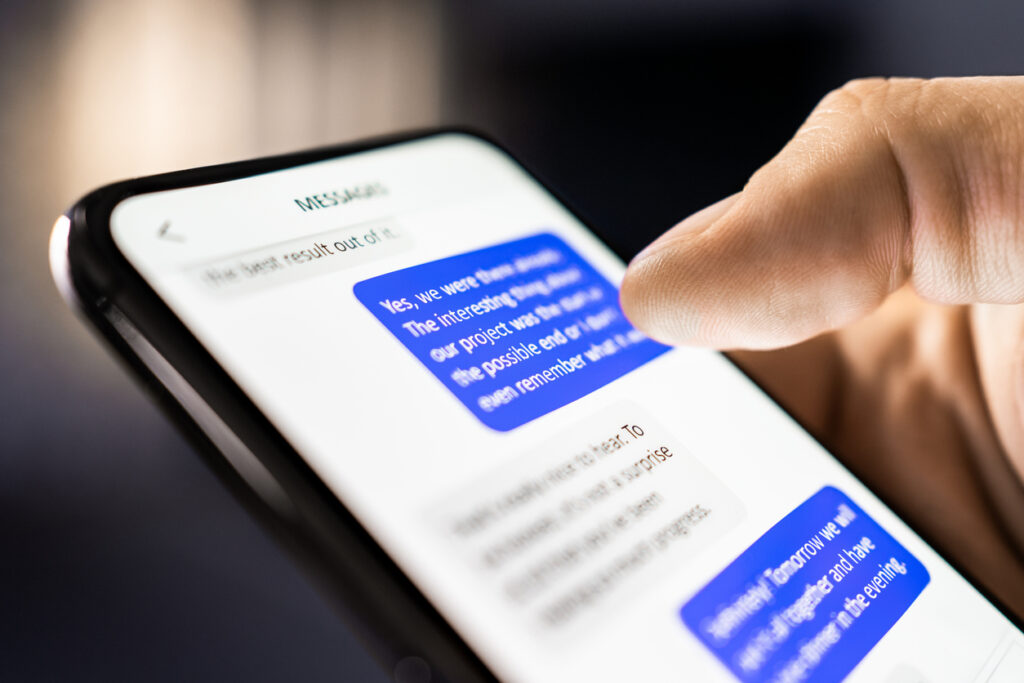
If someone from a hundred years ago stepped into modern life, the thing that might truly stop them in their tracks is how easily we communicate across the world. Letters once travelled slowly by ship or rail, sometimes taking weeks before a reply even began its journey back. Conversations across continents required patience, planning, and acceptance that immediate answers simply were not part of normal human interaction.
Today messages travel instantly through email, video calls, and chat apps that connect families, businesses, and friendships across time zones without effort. We share photos seconds after taking them and hold meetings with people thousands of miles away while sitting at home. Looking at everything from refrigerators to highways to medicine, it becomes clear that modern comfort did not arrive in one dramatic moment. It built gradually through countless inventions layering together. And now we live inside that finished picture so comfortably that most days we barely notice how extraordinary it really is.


