
1. James Brown And the Band That Stayed Nervous
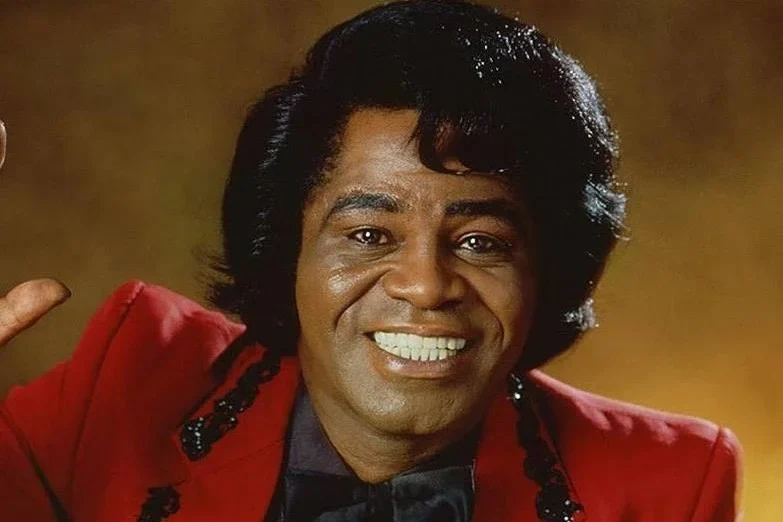
Sometimes when people talk about music legends, the conversation starts with how the sound changed their life, and that feels like the right place to begin here too. James Brown gave the world rhythm that still moves dance floors today, and fans felt joy the second his voice came through the speakers. But inside the band, stories often sounded different. Musicians said rehearsals felt like exams that never ended. Brown demanded sharp timing, sharp suits, and absolute focus. If someone missed a cue, he sometimes signaled a fine during the performance itself, reminding everyone that excellence was not optional.
Players later explained that the pressure kept them alert every second on stage, because nobody wanted to be the one who slipped. One former member remembered Brown repeating that he paid professionals, not passengers. Some musicians left quickly while others stayed and became incredibly disciplined performers for life. The audience heard tight funk magic, while behind the curtain the atmosphere stayed tense, focused, and serious almost every night.
2. Frank Sinatra When The Mood Shifted
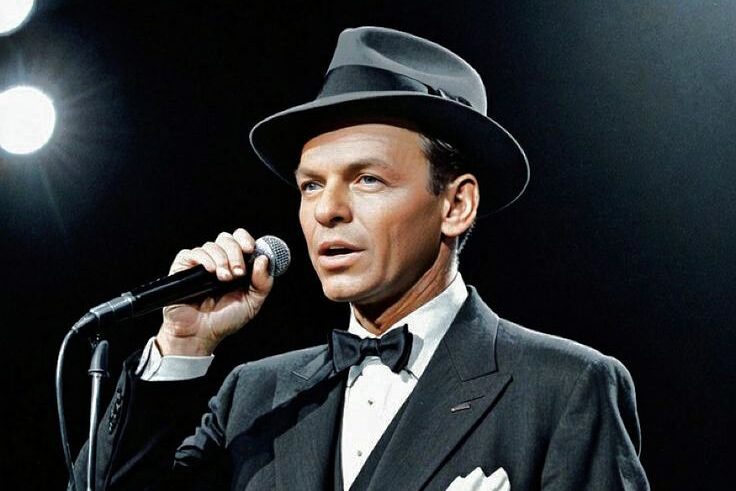
People often remember Frank Sinatra as the smooth voice playing late at night when the house finally quiets down. He could sound relaxed and comforting, like he was singing directly to one person. Inside recording studios, though, coworkers often described a man who expected complete preparation the moment he walked in. If the orchestra sounded right and the engineers were ready, he could be charming, joking, and surprisingly warm with everyone in the room. That good mood created sessions musicians still called unforgettable many years later.
But when something felt off, the energy reportedly changed fast. Talking stopped, adjustments happened quickly, and nobody wanted to waste his time. A longtime arranger once said you learned to read Sinatra’s face before speaking. His standards came from believing listeners deserved the best possible take every time. That seriousness sometimes felt intimidating to new crew members, yet it also helped produce recordings that still sound effortless decades later.
3. Axl Rose And The Waiting Crowds

Fans who bought tickets to see Guns N Roses usually expected a wild night, and they often got one once the band actually stepped out. Behind the scenes, promoters learned to prepare for uncertainty, especially during the group’s biggest touring years. Axl Rose cared deeply about sound quality, stage setup, and the general atmosphere before performing. If anything felt wrong, even slightly, the start time could slide while adjustments happened. Entire crews sometimes spent long stretches calming restless crowds and checking equipment again.
Band insiders later admitted communication inside the group could become strained during those years, which added more unpredictability to show schedules. Some nights everything ran smoothly and the performance exploded with energy. Other nights required patience from everyone involved, from lighting staff to security teams. Once Axl finally reached the microphone, though, most audiences forgot the delay because the show itself delivered the raw power they came hoping to hear.
4. Prince And The No Shortcuts Rule

Many musicians describe their first session with Prince almost like entering a different time zone where normal schedules stopped existing. He worked late, sometimes all night, and expected anyone in the room to stay mentally sharp the entire time. If a guitar line felt slightly dull or a drum pattern lacked spark, he simply asked for another take without much discussion. One collaborator later said Prince believed music should feel alive immediately, not after endless explanation. That belief shaped the intense rhythm of his studio life.
Some performers found the experience thrilling because they were pushed further than any previous project. Others quietly admitted the pace could wear them down, especially when sleep disappeared for days. Prince often played multiple instruments himself if he sensed hesitation, not from anger but from urgency to capture the exact sound in his head. The pressure felt real, yet many musicians later credited those sessions for the strongest performances of their entire careers.
5. Madonna And The Endless Rehearsal Days

When dancers talk about joining a Madonna tour, they often describe it as both the biggest opportunity and the hardest training period they ever experienced. Rehearsals started early, stretched long, and rarely ended after a single successful run. Madonna watched every movement closely, from hand placement to facial expression, because she believed the audience noticed small details even in huge stadiums. If a step looked lazy or timing slipped, the section restarted until it felt completely sharp. That discipline became the backbone of her famous stage productions.
Some performers later said the environment transformed them into stronger professionals because nothing slipped past her attention. Others admitted the emotional pressure sometimes felt overwhelming, especially for newcomers adjusting to the scale of her shows. Still, once opening night arrived, the precision paid off. Fans saw seamless choreography, strong visuals, and performers who moved like one unit, never realizing how many exhausting rehearsal hours stood quietly behind that polished performance.
6. Van Morrison And The Quiet Wall
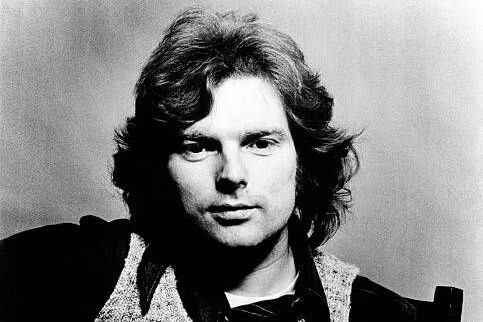
Van Morrison’s recordings often feel deeply emotional, the kind of songs people play during long drives or reflective evenings. Yet those assigned to organize his concerts or interviews frequently described someone intensely private who preferred distance from industry chatter. Backstage environments around him tended to stay calm and quiet because he rarely engaged in casual conversation. Promoters learned to keep logistics simple, avoid unnecessary meetings, and focus strictly on performance details rather than social interaction.
Journalists sometimes received brief answers or carefully limited interview time, which created a reputation for coldness even when he was simply protecting his personal space. Crew members said the safest approach was handling technical needs efficiently and letting the music speak once he walked onstage. When the lights came up and the first note sounded, audiences still heard the same soulful voice they loved, even if the working environment behind that moment felt far more reserved.
7. Phil Spector And The Locked Studio Nights

Phil Spector changed pop production forever with his dense layered sound, but musicians who played on those famous sessions often remembered the atmosphere as tightly controlled and unusually intense. Recording days stretched late into the night because Spector insisted on repeating parts until the sound blended exactly as he imagined. Players sometimes waited long stretches between takes while he adjusted arrangements or microphone placement, determined to capture the perfect echo and balance.
Several session performers later said the studio could feel sealed off from the outside world during those marathon recordings. Spector believed magic happened only when every instrument locked together emotionally, and he rarely rushed that process. While the finished songs became timeless radio staples, the path there required patience, stamina, and acceptance that the producer alone decided when the take finally matched the vision he carried in his head.
8. Don Henley And The Perfection Studio Mood
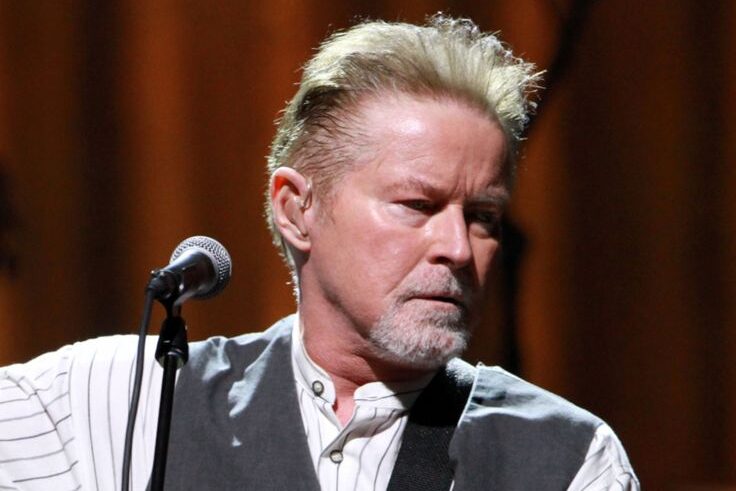
The Eagles created music that sounded relaxed and sunlit, yet inside the recording process, coworkers often described a much more detailed and demanding environment led partly by Don Henley’s perfectionism. Lyrics were discussed carefully, harmonies repeated multiple times, and mixes reviewed long after other bands might have called the track finished. Henley believed songs should hold up for decades, not just for the current radio cycle, so small adjustments always felt worth the extra time.
Musicians involved in those sessions later admitted the slow pace sometimes caused frustration, especially when touring fatigue already lingered. Still, many also acknowledged that the careful attention produced albums listeners continue to rediscover years later. What sounded effortless on the radio often came from weeks of focused studio debate, quiet rewrites, and patient retakes that shaped the polished California sound fans still associate with the band.
9. Courtney Love And The Combustible Honesty
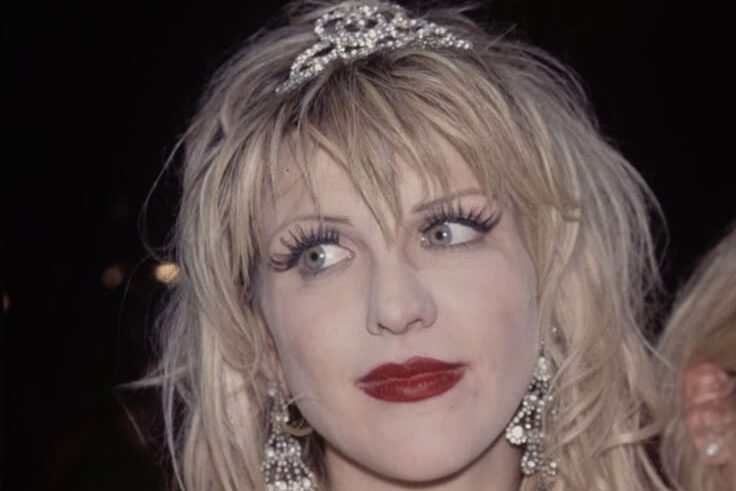
Courtney Love built her reputation on emotional honesty in both interviews and songwriting, and that same openness often carried into professional relationships. Journalists sometimes described conversations that shifted quickly from friendly humor to sharp confrontation if she felt misunderstood or misquoted. Touring staff also noted that scheduling plans occasionally changed when creative disagreements surfaced, especially during stressful promotional periods. Her direct communication style rarely softened uncomfortable truths.
Love herself has spoken publicly about personal struggles that influenced those years, explaining that pressure and constant media attention amplified every reaction. Some collaborators found her fiercely loyal once trust formed, while others struggled with the unpredictability of fast emotional shifts. Even critics usually agreed that her artistic commitment stayed genuine. The backstage environment could feel stormy at times, yet the same raw sincerity powered the music that connected strongly with listeners.
10. Lou Reed And The Ice Cold Interview Room

Lou Reed wrote songs filled with sharp observation and emotional realism, and people who interviewed him often discovered the same blunt tone waiting in person. Reporters sometimes entered expecting small talk but instead found short answers, long silences, or direct challenges if questions sounded repetitive. Reed disliked promotional routines and rarely pretended enthusiasm for standard press formats, which made conversations feel tense for unprepared journalists.
Studio collaborators occasionally experienced similar directness when musical ideas felt unoriginal to him. He valued authenticity and did not hide disappointment if something sounded forced. Friends later said his dry humor appeared more often in private settings, but professional environments usually saw the guarded version first. Despite that reputation, the recordings themselves remained deeply influential, showing how a reserved or difficult public manner can exist alongside work that speaks warmly and honestly to generations of listeners.
11. David Lee Roth And The Spotlight Arguments
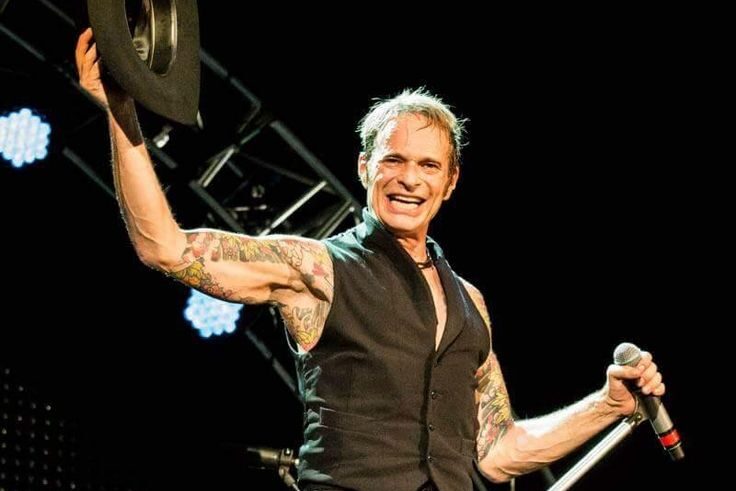
During Van Halen’s early rise, fans mostly saw David Lee Roth as the unstoppable showman who could turn any stage into a party. Behind the scenes, however, crew members often described constant discussions about staging, lighting, and where the audience focus should sit. Roth believed the frontman carried the responsibility for the entire energy of the night, and that belief made him extremely protective of presentation details. Meetings about camera angles or stage blocking sometimes stretched longer than expected because he wanted the visual story to match the music’s excitement.
Band insiders later admitted that the drive for attention occasionally created friction, especially during exhausting tour stretches where everyone already felt worn down. Still, technicians also acknowledged that Roth’s instincts about crowd psychology were often correct once the show actually started. When the curtain lifted, the same intensity that caused arguments backstage usually translated into explosive audience engagement, which made management tolerate the earlier disagreements more than they might have with a less magnetic performer.
12. Morrissey And The Sudden Schedule Changes

Fans connect deeply with Morrissey’s lyrics because they feel personal and emotionally precise, almost like diary entries turned into songs. Event organizers, though, sometimes experienced a far less predictable side when planning appearances. Concert logistics occasionally shifted close to performance dates, forcing promoters to adjust staffing, marketing, and venue timing quickly. Industry agents quietly learned to prepare backup plans whenever his tour dates approached, simply as a precaution rather than a criticism of the music itself.
Part of this unpredictability came from Morrissey’s strong personal convictions about artistic control and public messaging. If something felt misaligned with his principles or presentation standards, he preferred changing direction rather than compromising quietly. While that independence strengthened his long term identity with fans who valued authenticity, it also meant production teams needed unusual flexibility. Those who adapted successfully often reported smooth shows in the end, but the preparation phase rarely followed the calm routine most touring artists preferred.
13. Kanye West And The Ever Changing Studio Plan

Artists who entered recording sessions with Kanye West often described an environment where nothing stayed fixed for long. A track considered finished in the afternoon might be completely reworked by midnight if a new idea surfaced. Producers, engineers, and guest performers sometimes remained on standby for extended hours because creative breakthroughs could happen suddenly and require immediate recording. West viewed albums as living projects rather than locked schedules, which kept everyone alert but also stretched production timelines.
Collaborators frequently said the intensity came from his belief that music should capture the strongest possible emotional moment, even if that meant discarding earlier work. While some artists thrived in the experimental energy, others found the constant revisions exhausting when deadlines approached. Still, many admitted the unpredictable process sometimes produced unforgettable songs that likely would not exist under a stricter schedule. The studio atmosphere felt chaotic at times, yet it remained driven by a clear determination to push each record beyond ordinary expectations.
14. Ginger Baker And The Never Calm Rehearsal Room
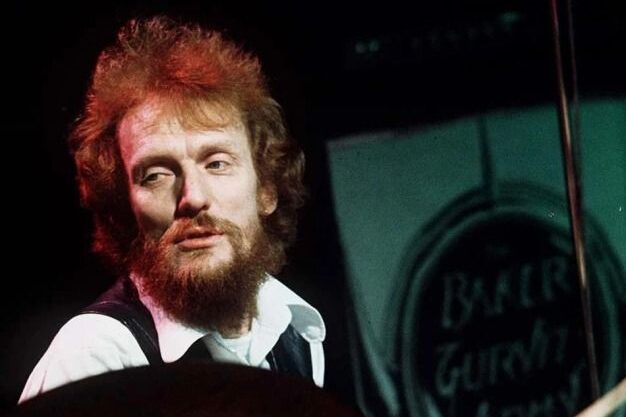
Cream’s revolutionary sound owed much to drummer Ginger Baker’s complex rhythms, but fellow musicians often spoke about rehearsals that felt emotionally charged long before concerts began. Baker guarded his musical space fiercely and reacted strongly if he felt timing or commitment slipped. Bandmates later described arguments that started over small arrangement questions but quickly escalated because everyone involved carried strong creative opinions. The tension sometimes followed them from practice rooms straight onto the tour bus.
Despite those conflicts, many performers who studied Baker’s technique admitted his standards forced the entire band to operate at an unusually high musical level. He treated rhythm as the foundation that could not afford weakness, and that philosophy shaped his uncompromising reactions. While the personal atmosphere could feel exhausting, the musical results often stunned audiences who had never heard rock drums played with that level of jazz influenced complexity and raw power combined in one performance.
15. Roger Waters And The Concept Control Battles
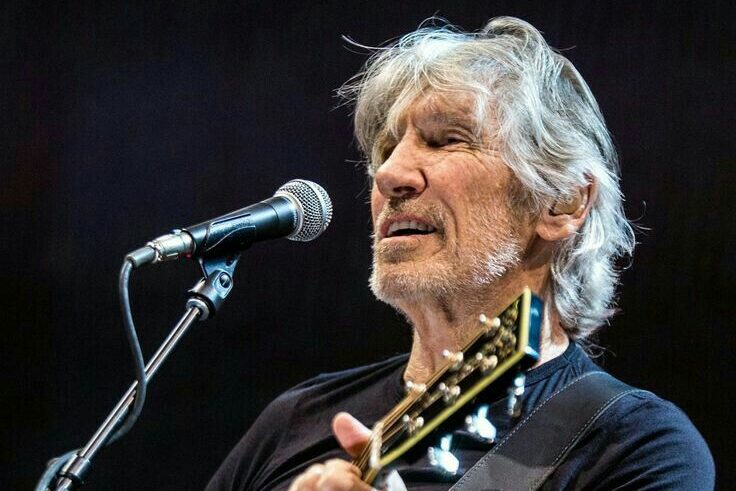
As Pink Floyd moved toward more narrative driven albums, Roger Waters became increasingly focused on shaping the thematic direction of each project. Studio staff noticed that discussions about lyrics, sequencing, and overall story sometimes lasted far longer than technical recording itself. Waters believed albums should function as complete emotional journeys, not just collections of songs, and he defended that vision strongly whenever alternative ideas surfaced during production meetings.
Other band members later acknowledged that the determination created creative tension, particularly when exhaustion from long sessions already weighed on everyone involved. Still, the same narrative focus produced some of the most cohesive concept records in rock history, which complicated any simple judgment about the disagreements. The backstage atmosphere often felt heavy with debate, yet listeners eventually heard tightly unified albums that carried unmistakable storytelling identity from the opening track to the closing note.
16. Elvis Presley And The Closed Inner Circle
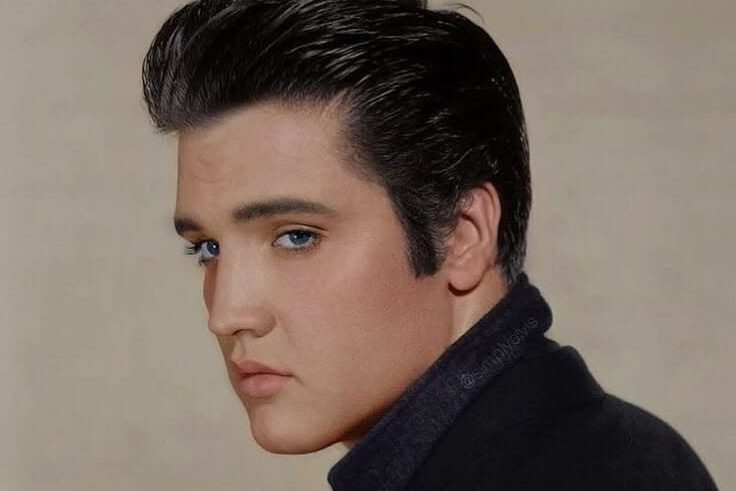
At the height of Elvis Presley’s fame, the world saw endless crowds, flashing cameras, and screaming fans, but daily life around him reportedly ran through a very controlled personal circle. Friends and longtime associates handled schedules, filtered requests, and managed who reached him directly. Employees sometimes described the structure as protective but also isolating, since most communication passed through trusted intermediaries rather than casual conversation.
This insulated system developed partly to shield him from overwhelming public pressure, though it sometimes complicated professional negotiations with studios or promoters who preferred direct access. Musicians joining recording sessions occasionally felt they were stepping into an already tightly organized environment where roles were clearly defined before they arrived. While Presley himself often remained personally polite and generous, the surrounding management bubble created a working atmosphere that felt unusually formal compared with the relaxed image audiences imagined from his easy stage charisma.
17. Bjork And The Emotional Performance Standard

Directors and session collaborators frequently note that Bjork approaches creative projects with an intensely emotional preparation process. She prefers performances to feel completely genuine rather than technically perfect, which sometimes leads to repeated takes if the emotional tone feels slightly off. Film crews have recalled scenes being restarted not because of camera errors but because she felt the moment lacked the right inner honesty. That focus can stretch schedules, yet it reflects how seriously she treats artistic authenticity.
Musicians working with her often say the environment demands full emotional presence, not just technical skill. Some find that expectation inspiring because it pushes them beyond routine execution into deeper interpretation. Others quietly admit the process can feel draining when production timelines grow tight. Still, the finished work often carries a distinctive emotional texture that fans immediately recognize, suggesting that the demanding preparation method shapes the very atmosphere listeners experience when the final recording reaches the public.
18. Noel Gallagher And The Blunt Studio Feedback
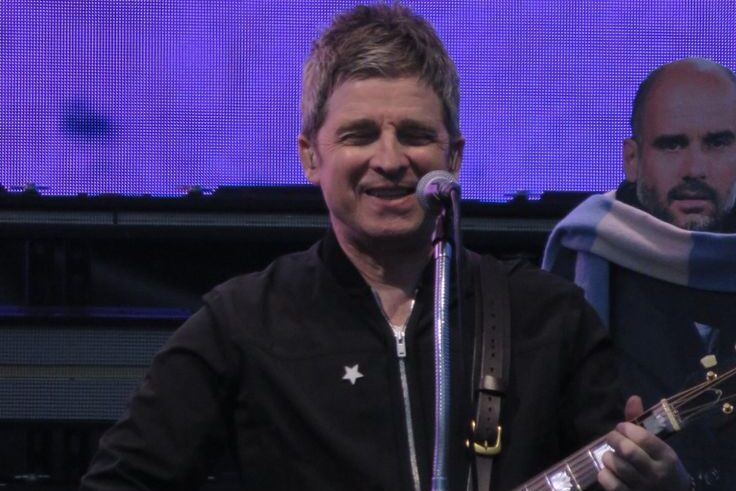
During Oasis recording years, Noel Gallagher became known for offering extremely direct feedback whenever he felt an arrangement sounded weak. Engineers and supporting musicians sometimes heard immediate criticism if a guitar tone, drum fill, or backing vocal failed to match his expectations. He treated studio time as too expensive to soften opinions, believing clear honesty solved problems faster than polite hesitation. That straightforward style made some sessions efficient while leaving others slightly tense.
Band colleagues later said the bluntness rarely came from personal hostility but from confidence in his songwriting direction and desire to keep momentum moving. New collaborators occasionally needed time to adjust to the sharp delivery, though many admitted they appreciated knowing exactly where they stood creatively. Once tracks locked into place, the atmosphere usually relaxed, and the same decisive leadership often helped the band finish recordings quickly once the right sound finally emerged.
19. Aretha Franklin And The Business First Performance Rules
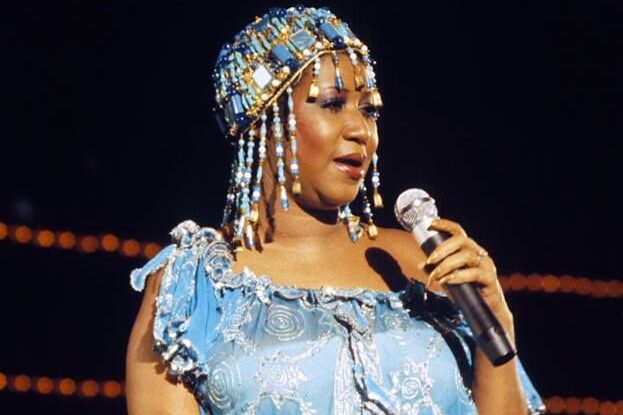
Aretha Franklin’s voice felt effortless to audiences, yet promoters often learned that her performance agreements followed extremely clear professional rules. Payment confirmation, rehearsal arrangements, and instrument availability were expected to be finalized well before she arrived at the venue. Organizers who met those conditions usually reported smooth concerts, while those who delayed paperwork sometimes faced firm reminders that preparation mattered as much as talent. Her approach came from early career experiences where financial confusion created serious problems.
Industry veterans later explained that her insistence on precise logistics actually reduced chaos once the show day began, even if it sounded strict during negotiations. Musicians performing alongside her appreciated knowing schedules would run exactly as outlined. While some promoters initially interpreted the structure as difficult, many later admitted the clarity prevented last minute surprises. The audience simply heard a legendary voice delivering flawless soul, rarely aware how carefully the practical groundwork had been secured beforehand.
20. Glenn Danzig And The One Direction Leadership Style
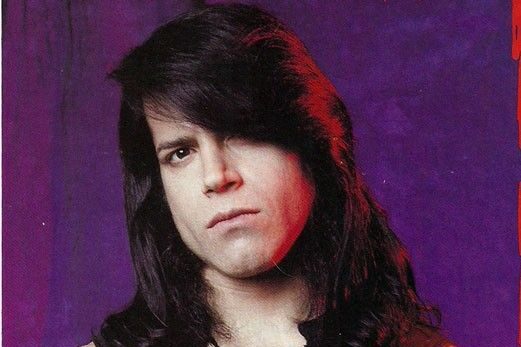
Across several band lineups, Glenn Danzig developed a reputation for maintaining very centralized creative authority over songwriting, imagery, and release planning. Collaborators often entered projects understanding that the overall direction would remain firmly guided by his personal vision. Meetings about artwork, merchandise, or recording structure usually ended with a single final decision rather than extended group voting. That leadership style kept the brand identity consistent but sometimes shortened partnerships when others hoped for more shared control.
Touring musicians who adapted to the structure often reported stable working relationships because expectations stayed clearly defined from the beginning. Those seeking collaborative debate sometimes found the environment restrictive instead. Still, fans consistently received music that carried a unified atmosphere across albums and performances, reflecting how tightly the creative reins remained held. The backstage structure felt strict to some professionals, yet it also ensured the artistic image audiences recognized never drifted far from its original dark and focused direction.
21. Cat Stevens And The Sudden Career Turn
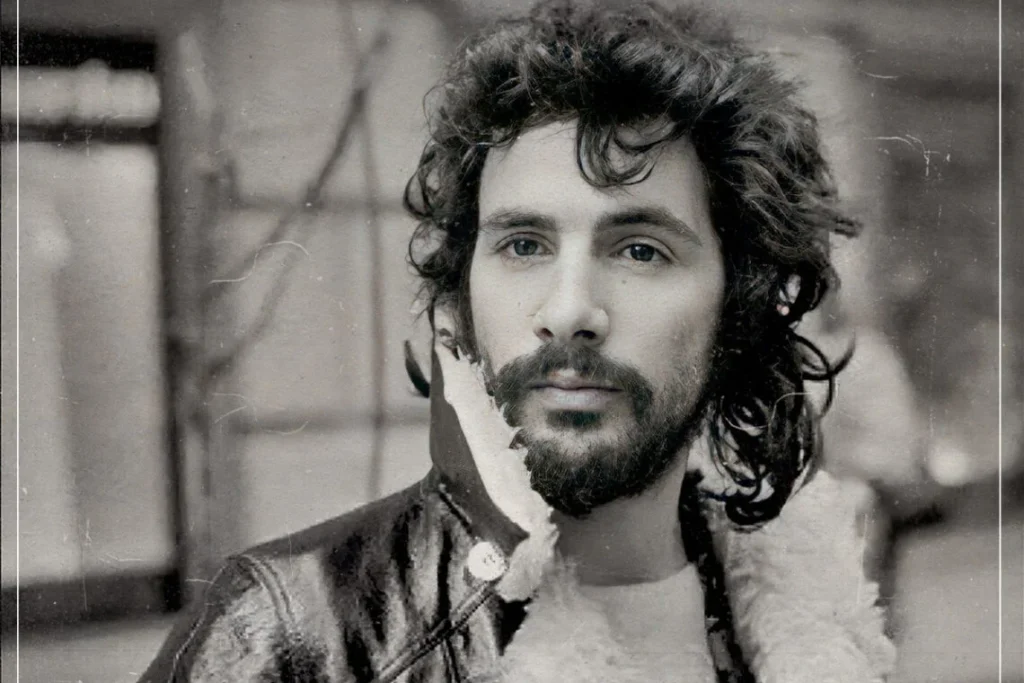
At the peak of his success, Cat Stevens filled arenas and dominated radio with songs that felt thoughtful and deeply personal. Then almost without warning, he stepped away from mainstream music after a profound spiritual shift changed his priorities. Managers and promoters who had planned future tours suddenly faced cancellations and uncertain schedules, not because of conflict, but because Stevens genuinely felt he needed a completely different life direction. The decision surprised industry insiders who were used to carefully planned career arcs rather than abrupt personal transformations.
Behind the scenes, colleagues later said the withdrawal felt confusing at first, yet also sincere once they understood how strongly his beliefs guided the choice. Stevens focused on education, charity work, and spiritual study, leaving the commercial spotlight far quieter than anyone expected. Years later, when he returned to recording and performing selectively, the atmosphere around him felt calmer and more grounded. His story quietly showed how an artist’s personal growth can redirect a career more powerfully than any business strategy ever could.
22. Gene Simmons And The Always Thinking Business Mind

Fans often saw Gene Simmons breathing fire onstage and assumed the wild theatrical persona defined everything about him. Offstage, industry partners usually encountered a far more calculated businessman who treated meetings like structured negotiations. Conversations about tours or collaborations often moved quickly toward branding opportunities, licensing ideas, or merchandising expansion. Simmons believed music success worked best when supported by strong financial planning, and he rarely separated artistic decisions from long term commercial thinking.
Some musicians appreciated the clarity because expectations stayed openly defined from the beginning of any partnership. Others sometimes wished discussions focused more on creative exploration before revenue structure. Still, the disciplined business approach helped build one of rock’s most recognizable global brands, with merchandise reaching far beyond concert halls. While his direct financial focus occasionally surprised new collaborators, many later admitted the strategy ensured projects rarely suffered from the disorganization that quietly damages many otherwise talented bands.
23. Patti Smith And The Early Club Scene Tension

Before Patti Smith became widely respected as a literary rock icon, her early performances in New York clubs carried an intensity that sometimes unsettled venue owners. She treated poetry and music as inseparable emotional expression, which meant rehearsals often stretched while she adjusted phrasing or delivery until the words felt completely alive. Club managers running tight evening schedules occasionally worried when sound checks drifted longer than planned, unsure how audiences would react to such unconventional performance structure.
Fellow musicians from that era later said the atmosphere around her shows felt electrically serious compared with the casual bar circuit most artists followed. Smith believed the message inside each song mattered more than commercial polish, and she defended that priority firmly during production discussions. Over time, the same uncompromising approach earned her deep artistic respect, though in those early nights it sometimes created nervous energy backstage while organizers wondered how the unpredictable but powerful performance would unfold.
24. Sid Vicious And The Uncertain Tour Routine
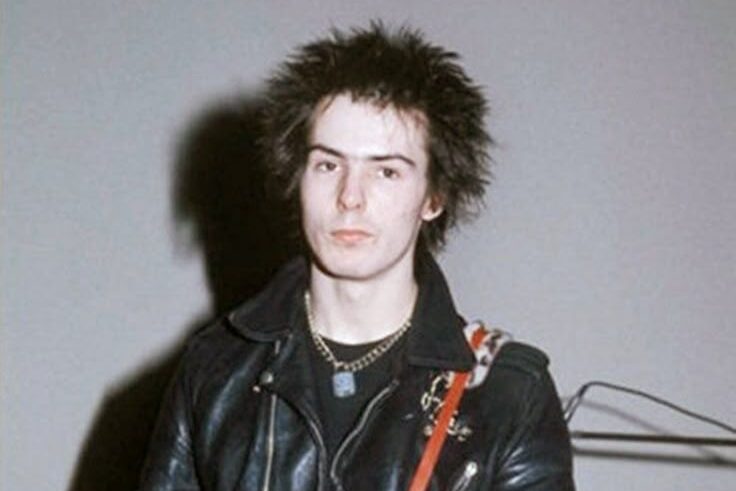
When the Sex Pistols toured the United States, organizers quickly realized that managing Sid Vicious required constant flexibility. His health struggles, emotional volatility, and chaotic lifestyle meant rehearsal attendance and arrival times sometimes shifted unexpectedly, leaving crew members adjusting plans throughout the day. Road managers often prepared contingency options simply to keep the overall show functioning smoothly regardless of last minute complications involving the bassist’s readiness or condition.
Despite the instability, audiences often embraced the raw unpredictability as part of the band’s rebellious identity. Fellow musicians later reflected that the situation felt far less romantic from inside the logistics team, where each concert demanded careful coordination just to reach the starting line. The experience quietly illustrated how punk’s anti establishment image sometimes translated into very real operational challenges for the professionals responsible for making sure the stage lights still came on at the scheduled hour.
25. Chuck Berry And The Strict Showday Rules
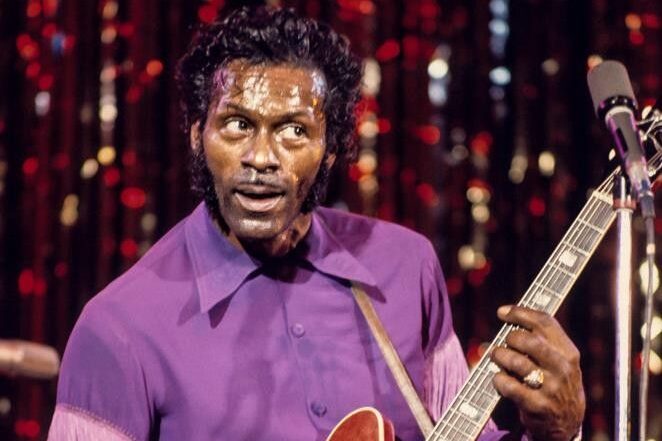
Chuck Berry helped invent the vocabulary of rock guitar, yet venue managers often learned quickly that his touring arrangements followed very specific practical rules. He frequently traveled without a permanent backing band and expected local musicians to perform his catalog with minimal rehearsal, trusting his own stage leadership to guide the songs once the show began. Payment confirmation was also expected before performance time, reflecting lessons he learned from earlier financial disputes.
Local players sometimes felt nervous stepping onstage with such a legendary figure after only brief preparation, but many later described the experience as unforgettable professional training. Berry controlled tempo changes and transitions through subtle signals, keeping performances moving tightly even with unfamiliar musicians behind him. While promoters sometimes found the structure unusual, the concerts themselves usually delivered energetic classic rock moments that left audiences cheering, rarely aware how improvised the supporting lineup actually had been.
26. Brian Wilson And The Fragile Recording Periods
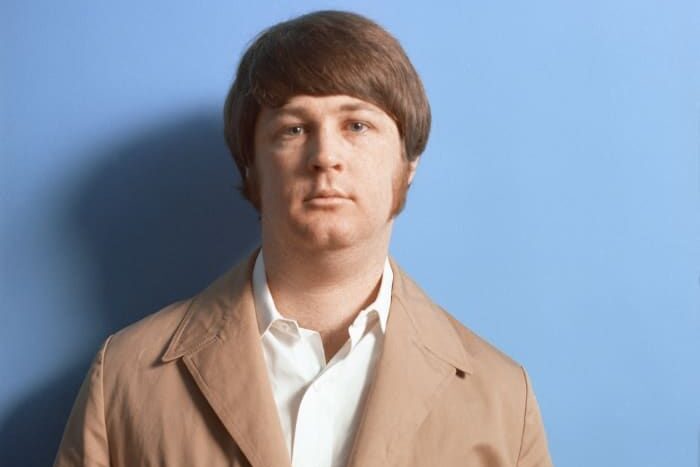
During the Beach Boys’ most experimental studio years, Brian Wilson pursued elaborate vocal layering and orchestral arrangements that demanded intense concentration from everyone involved. Engineers recalled sessions where inspiration flowed beautifully for hours, followed by sudden pauses when Wilson felt emotionally overwhelmed or uncertain about the sound direction. These shifts were not driven by ego but by the enormous psychological pressure he carried while trying to reshape pop production standards.
Musicians present during those recordings later described the atmosphere as delicate rather than hostile, with everyone quietly adjusting to his changing comfort level. When Wilson felt secure, creativity accelerated rapidly and produced breathtaking harmonies that redefined studio possibilities. When anxiety surfaced, schedules slowed while the team patiently waited for the right emotional moment to return. Looking back, many collaborators viewed that sensitivity not as difficulty but as the human cost of chasing groundbreaking musical perfection under relentless industry expectations.
27. Liam Gallagher And The Tour Bus Confrontations
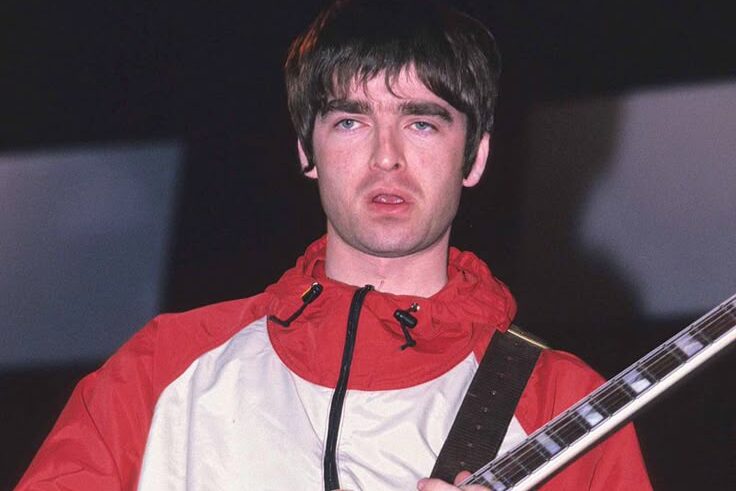
Oasis concerts delivered massive singalong energy, but touring crews often prepared for emotional swings from frontman Liam Gallagher once the microphones switched off. He carried enormous confidence in the band’s identity and reacted strongly if he sensed poor organization, weak sound checks, or dismissive media treatment. Security staff and tour managers sometimes spent long evenings smoothing over verbal clashes that grew from small frustrations during exhausting travel schedules.
Band colleagues later admitted that the same fiery personality fueling his stage presence also shaped those backstage confrontations. When conditions felt right, Gallagher could be funny, relaxed, and fully cooperative with the entire crew. When they did not, the mood shifted quickly and required experienced management to keep the tour moving smoothly. Fans mostly saw the charismatic singer commanding stadium crowds, rarely noticing the careful behind the scenes coordination that ensured each performance still launched successfully.
28. Tina Turner And The Early Controlled Band Structure

Before Tina Turner’s celebrated solo comeback, her years performing within Ike Turner’s tightly managed band system followed extremely strict rehearsal discipline. Musicians from that period described a schedule where arrangements, stage cues, and travel plans left little room for spontaneous change. Ike insisted on absolute timing precision and expected every performer to maintain full professional focus, creating a working atmosphere that felt highly controlled for everyone involved.
Tina later spoke openly about how that environment shaped both her endurance and her determination to eventually control her own career path. While the performances themselves electrified audiences across the country, the internal structure demanded constant resilience from the artists inside it. When she finally launched her independent solo era, many observers noticed how strongly she emphasized personal agency and contractual clarity, lessons clearly forged during those earlier years inside a system where creative freedom had been tightly limited.
29. Paul Simon And The Quiet Endless Retakes
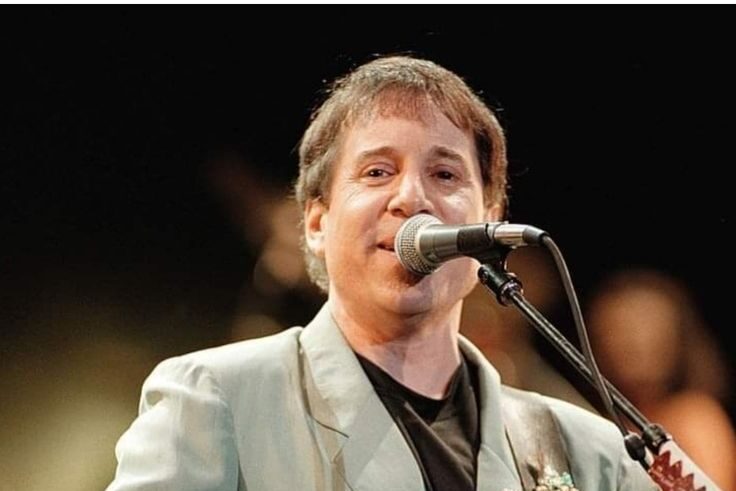
Paul Simon’s gentle voice and thoughtful songwriting often give listeners the impression of relaxed studio sessions, yet musicians who recorded with him frequently described a far more meticulous process. He listened closely to phrasing, rhythm spacing, and lyrical tone, sometimes requesting additional takes long after others believed the track sounded finished. His feedback usually arrived calmly and politely, which made the repetition feel less confrontational but still highly demanding on session stamina.
Performers who stayed patient often realized the precision served a long term goal. Simon wanted songs that would still feel emotionally balanced decades later, not simply technically correct for the present moment. Engineers sometimes joked that a quiet request to try once more might mean another full afternoon of recording, though the atmosphere rarely became hostile. When the final mix finally locked into place, many collaborators admitted the extra hours often produced a clarity and emotional timing that justified the painstaking process.
30. Michael Jackson And The Carefully Sealed Creative World

By the time Michael Jackson reached global superstardom, the scale of his projects required an enormous protective infrastructure around recording sessions, rehearsals, and daily scheduling. Assistants, security teams, and production coordinators handled communication layers so tightly that even experienced industry professionals sometimes felt they were entering a carefully managed ecosystem rather than a casual studio visit. The structure existed partly to maintain safety and privacy while allowing Jackson to focus entirely on performance detail.
Inside that controlled environment, musicians often described him as soft spoken, focused, and intensely dedicated to perfect rhythm and emotional delivery. Instructions came gently but precisely, and once rehearsals began, the outside world seemed to disappear while the music took full attention. Looking at the long arc of his career, that sealed creative system shows how extraordinary fame often reshapes the everyday working conditions around an artist. The public saw spectacle and mystery, while behind the doors the work simply continued, structured, focused, and surprisingly disciplined.


