
Sports People Who Were Shockingly Mean
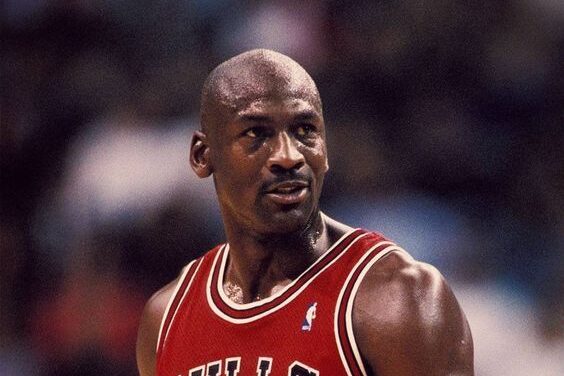
Sports fans often grow up believing their heroes are larger than life, imagining the same smiles from highlight reels follow them into locker rooms and training sessions. Yet the real introduction to many legendary personalities happens far from cameras, inside daily practices where habits, tempers, and leadership styles show clearly. For many Chicago Bulls teammates, that reality centered on Michael Jordan, whose competitive drive shaped the entire atmosphere around him. Former players described scrimmages that felt like playoff games, with Jordan trash talking constantly and pointing out mistakes the moment they happened. He later admitted that winning had a cost and that he pushed teammates harder than they liked because he believed pressure built champions.
Some teammates later said the method forced everyone to improve faster than expected, even if it felt overwhelming at the time. Others admitted privately that the constant verbal intensity sometimes felt personal and exhausting. Jordan rarely softened criticism because he saw leadership as results first and feelings later. Fans who only saw the smiling champion lifting trophies were surprised learning how sharp daily life around him could feel. Looking back, many players agree the environment produced extraordinary success, but almost none describe those years as emotionally easy while they were living through them.
2. Serena Williams When Competitive Fire Spilled Over
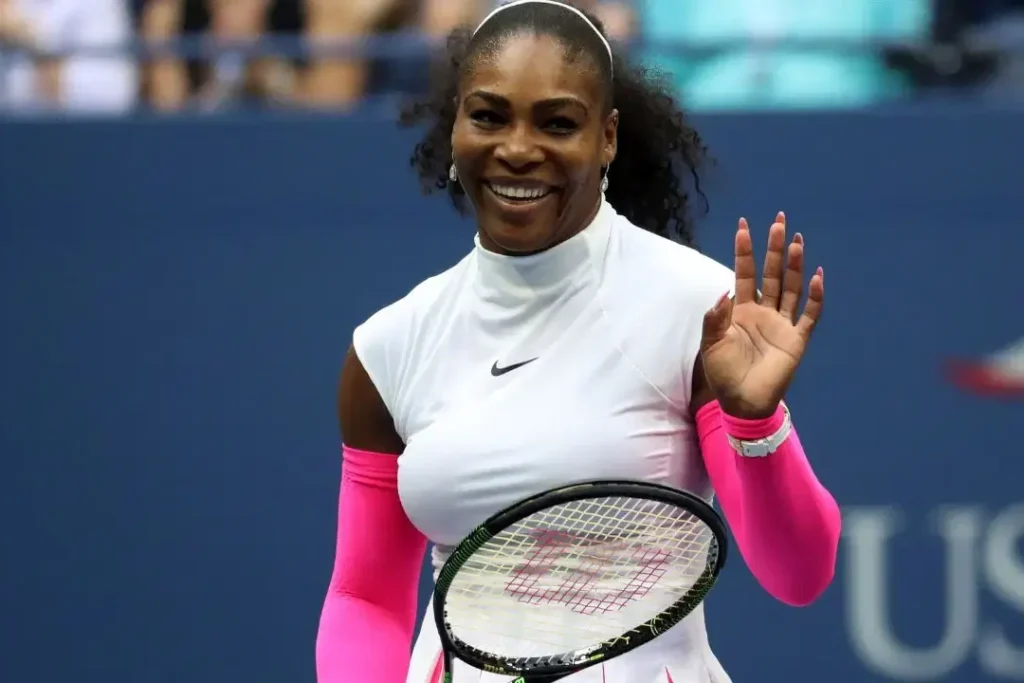
Serena Williams carried the weight of expectation for most of her career, and that pressure sometimes surfaced in tense public moments that surprised casual fans. One of the most discussed examples came during the US Open final dispute when she insisted the umpire owed her an apology and the tension never really settled after that. Fellow competitors have occasionally said that once Serena felt wronged during a match, the emotional temperature could rise quickly and stay there. Her competitive identity was deeply personal after years of fighting for recognition and respect.
Away from competition, many players describe her as generous and protective toward younger athletes entering the sport. Still, those heated match day confrontations became part of her reputation because they showed how deeply every point mattered to her. Fans watching from home sometimes forgot how isolating elite competition can feel at that level. Serena’s sharpest reactions often reflected determination rather than arrogance, showing how fiercely she guarded the work, reputation, and dominance she spent decades building.
3. Ty Cobb The Anger Behind The Batting Legend
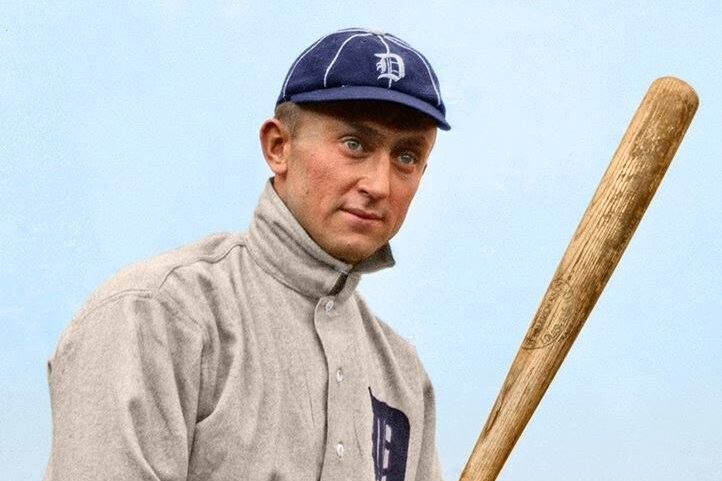
Long before modern media training existed, Ty Cobb’s reputation had already spread through baseball as someone fiercely talented and equally difficult. Writers from his era often described him playing with visible anger, and Cobb himself later admitted fear of losing his place kept him constantly on edge. Teammates frequently avoided casual conversations because disagreements could escalate quickly, and stories of fights with players or spectators followed him from stadium to stadium. For Cobb, aggression felt like survival, and he treated every inning as if his livelihood depended on it.
Historians still debate how exaggerated certain stories became, yet enough accounts confirm he could be openly hostile and suspicious of others’ motives. Fans discovering his story decades later often feel surprised because the graceful base running in record books suggests calm professionalism. Instead, they find a competitor who lived in constant tension. Cobb’s life reminds readers that early professional sports often rewarded relentless intensity without asking whether teammates actually enjoyed sharing the field with the star delivering the wins.
4. John McEnroe The Argument Was Part Of The Match
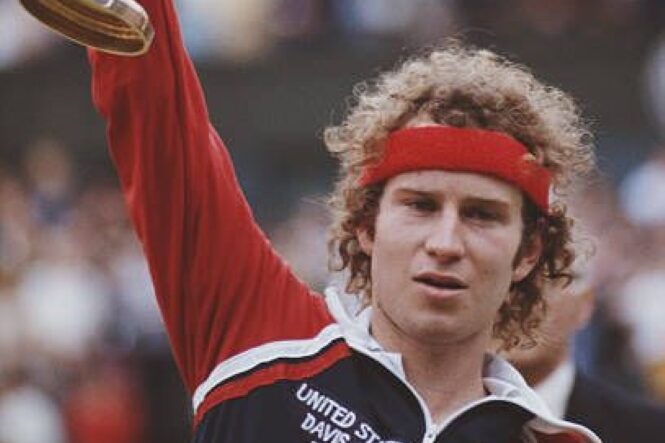
Watching old John McEnroe matches today, the tennis brilliance still shines, but so does the running debate he seemed to maintain with umpires. His famous protest about officials not being serious became part of sports culture because it captured how frequently disputes followed him on court. Officials from that era later admitted matches involving McEnroe required emotional endurance alongside rule enforcement. McEnroe himself acknowledged later that anger sharpened his focus, though he sometimes crossed lines he regretted afterward.
Opponents often believed the constant complaints disrupted rhythm for everyone, not only referees. Crowds sometimes loved the drama while players across the net simply tried to stay focused long enough to finish rallies. Looking back now, his behavior reflects a tennis era that tolerated louder emotional displays than modern tournaments allow. McEnroe never hid behind polite interviews, and while fans admired the honesty, many insiders quietly remember his matches as mentally draining contests that demanded patience from everyone involved.
5. Diego Maradona Genius With Unpredictable Moods
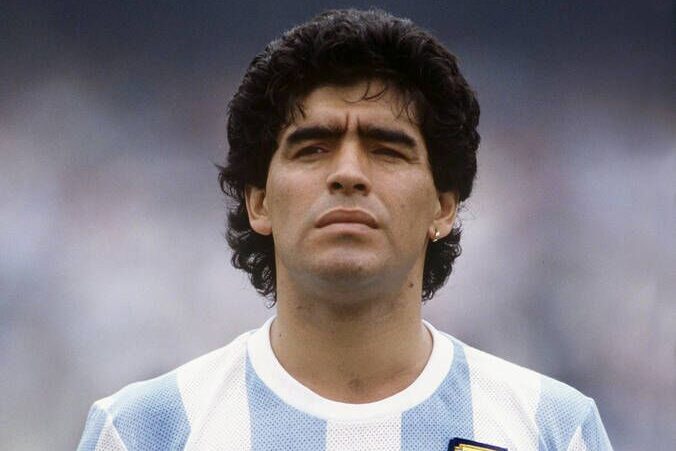
Diego Maradona could change the energy of a stadium with one touch, yet teammates often said he could change a locker room mood just as quickly. Staff members from his Napoli years reportedly handled sudden absences, emotional swings, and unpredictable arrivals that forced training schedules to shift constantly. Maradona often responded to criticism by reminding reporters he was human and capable of mistakes, a reply that sounded honest but rarely eased internal tension. Friends described him as deeply warm in private moments but capable of shutting down emotionally once pressure built.
Fans mostly saw dazzling dribbles and unforgettable goals, not the uncertainty teammates sometimes managed daily. Some mornings he lifted morale instantly with humor and generosity. Other days the atmosphere tightened while everyone waited to see which version of their captain would appear. His story now feels less like a simple cautionary tale and more like a portrait of extraordinary talent carrying emotional burdens that fame, national expectation, and constant scrutiny only made heavier over time.
6. Floyd Mayweather Jr Confidence That Cut Deep
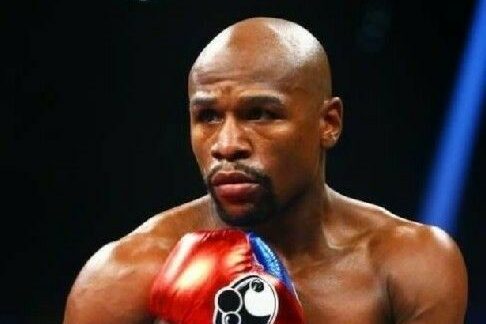
Floyd Mayweather Jr built his career on unmatched defensive skill and aggressive self promotion, yet many opponents insist the verbal dismissals extended beyond marketing. Press conferences often included Mayweather declaring himself the greatest ever until the phrase became inseparable from his identity. Fighters negotiating contracts sometimes described meetings that felt intentionally belittling, with Mayweather questioning their legitimacy before agreements were signed. Reporters covering training camps noticed the teasing rarely stopped once cameras were gone.
From Mayweather’s perspective, confidence worked like any other weapon, capable of weakening an opponent’s belief before the opening bell. Still, several rivals later admitted the experience felt less like entertainment and more like sustained disrespect. Fans understood the promotional value, but insiders often felt the persona never really switched off. His undefeated record suggests the strategy worked competitively, yet the emotional impression he left on many peers remained complicated long after their fights ended.
7. Bobby Knight Coaching Through Intimidation
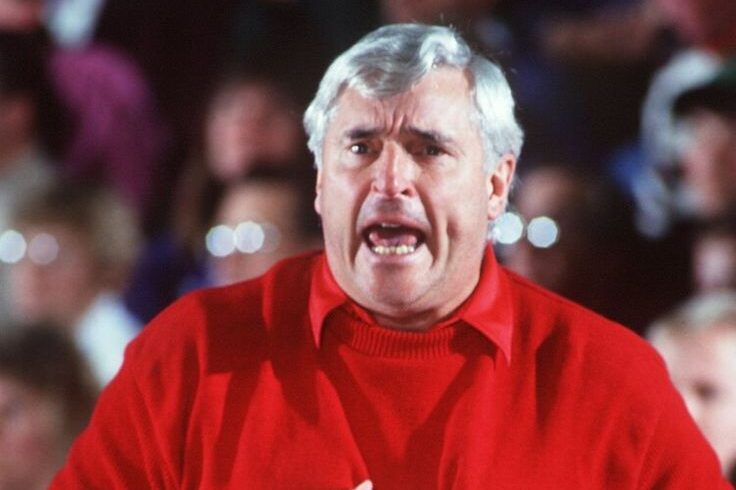
Bobby Knight’s teams played disciplined, intelligent basketball, yet former players still debate whether the environment felt motivating or frightening. The chair throwing incident became symbolic because many athletes said it reflected the daily intensity of practices behind closed doors. Knight consistently defended his methods by arguing accountability mattered more than comfort and insisting he never compromised the integrity of the game. Film sessions reportedly included loud confrontations when assignments were missed, and players often felt constant pressure to avoid becoming the next example.
Other athletes from the same programs later said the harsh standards pushed them toward professional careers they might never have reached otherwise. This split reaction defines Knight’s legacy today. Fans watching championship banners rarely saw the emotional climate inside those locker rooms, but stories gradually surfaced as players retired. His career remains a clear reminder that success and personal experience do not always match, and a system producing trophies can still feel very different depending on which player remembers it.
8. Lance Armstrong Protecting The Perfect Story
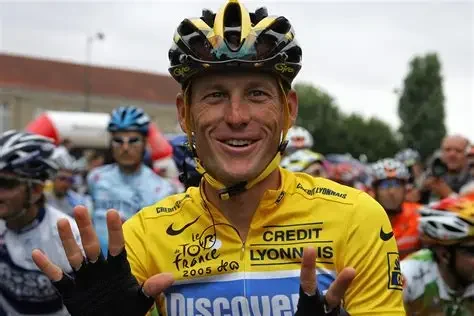
For years Lance Armstrong represented resilience and survival, which made later revelations feel especially personal for many fans. Former teammates claimed Armstrong strongly denied accusations and pressured others to remain silent, while Armstrong eventually admitted he treated the situation as one massive lie he needed to maintain. Journalists investigating early described legal pressure and cold responses that discouraged further questions. The intensity of that defense shocked supporters who had emotionally invested in the comeback narrative surrounding his cycling victories.
What unsettled observers most was not only the cheating but the reported effort to isolate critics and control his public image. Armstrong later spoke about overwhelming fear of losing everything he rebuilt after cancer, suggesting desperation shaped those choices. Looking back now, the story reads less like a simple scandal and more like a cautionary example of how protecting a heroic reputation can slowly push someone into harsher decisions than the original mistake ever required.
9. Barry Bonds The Distance Around The Superstar
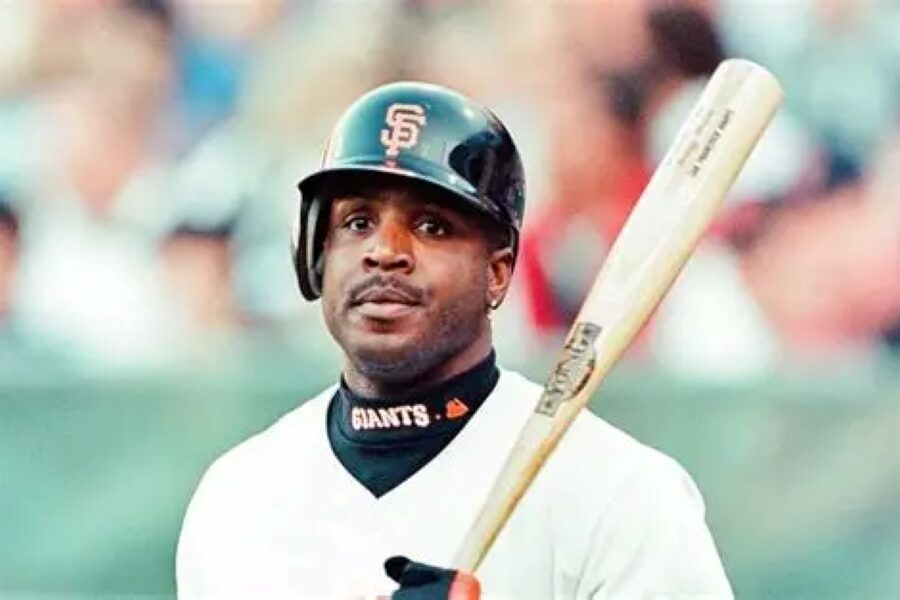
Barry Bonds produced historic numbers at the plate, yet daily interactions with media and teammates often felt guarded. Reporters frequently described interviews ending quickly or answers delivered with visible impatience, reinforcing the perception that Bonds preferred distance. Younger players sometimes hesitated to approach casually because responses could be brief depending on the moment. Bonds later argued constant suspicion hardened him emotionally and made withdrawal feel safer than friendliness.
From his perspective, privacy functioned as protection rather than arrogance, but the effect still created a quiet clubhouse barrier. Fans watching towering home runs rarely saw the social tension surrounding his daily professional life. Over time that emotional separation became part of his identity just as strongly as his statistics. His story shows how prolonged scrutiny and controversy can reshape personality, turning even routine conversations into guarded exchanges that leave outsiders unsure whether they are witnessing caution or genuine coldness.
10. Tonya Harding When Rivalry Turned Into Scandal
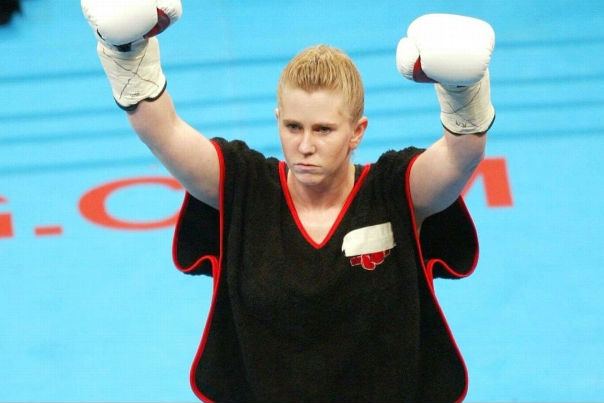
Tonya Harding’s athletic power once made her one of skating’s most exciting competitors, but the attack on Nancy Kerrigan permanently altered public memory of her career. Court proceedings later revealed Harding admitted learning about the plot afterward and failing to report it, a statement that quickly shifted public sympathy. Fellow skaters had already described the environment around her training circle as tense and defensive long before the incident reached global headlines. Fans who once admired her underdog rise watched the investigation unfold in disbelief.
In the years since, Harding has expressed regret and spoken about the chaotic influences surrounding her early career. Still, the scandal became inseparable from her name and overshadowed performances that once earned standing ovations. Mention her achievements today and the conversation almost always returns to that moment first. Her story remains one of sport’s starkest reminders that decisions made away from competition can permanently reshape how history remembers even the most physically gifted athletes.
11. Cristiano Ronaldo When Intensity Felt Personal
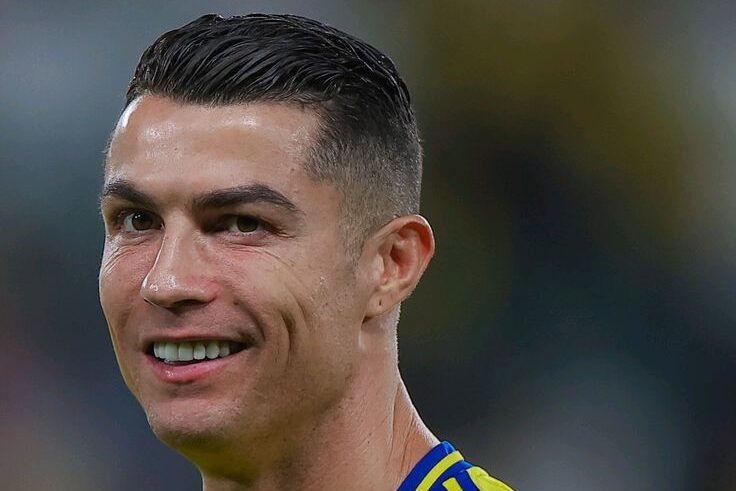
Early in Cristiano Ronaldo’s career, especially during his first Manchester United years, some teammates experienced him as extremely self focused and emotionally guarded. Young squad players reportedly saw someone obsessed with perfecting his own performance, repeating drills long after training ended and reacting sharply to criticism. Ronaldo later explained his mindset plainly in interviews, saying he demanded the maximum from himself every single day. That relentless personal standard sometimes spilled into interactions where impatience showed, particularly when teammates did not match his work rate or tactical discipline.
Opponents often interpreted his body language, celebrations, or visible frustration as arrogance, while several coaches described it simply as extreme professionalism. Over time, many younger teammates in later clubs began sharing stories of a more supportive mentor who offered advice and helped with preparation routines. Still, that early reputation stayed with fans who watched his rise unfold in real time. His journey shows how intense ambition can sometimes look like coldness from the outside, even when the real driving force underneath is fear of slipping from the very top.
12. Hope Solo When Honesty Came Out Too Sharp
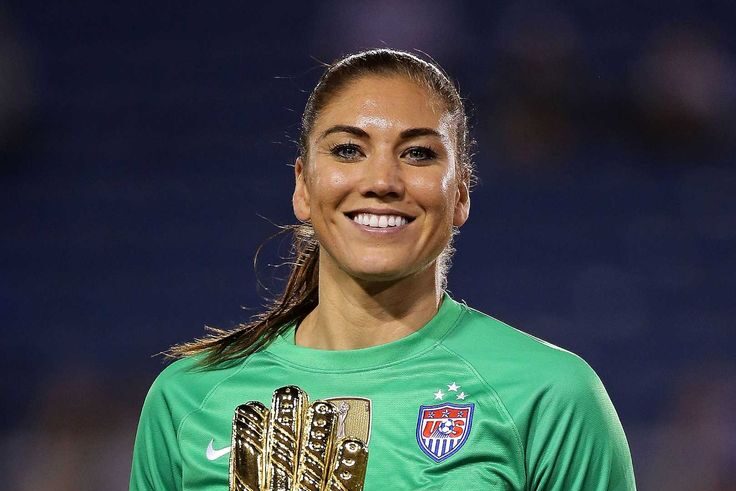
Hope Solo never really developed the habit of softening her words, and that directness often placed her at the center of public controversy. After the Olympic loss to Sweden, her comment describing the opposing team in harsh terms created immediate backlash and suspension. Teammates over several seasons occasionally hinted that locker room discussions with Solo could feel tense because she spoke bluntly about mistakes and expectations. Solo has always defended this approach as competitive honesty, arguing that elite teams should be able to confront problems openly rather than hiding frustration.
Fans admired her fearless goalkeeping and match saving performances, yet interviews sometimes revealed how strongly emotions ran beneath the surface. Her career became a constant blend of world class athletic moments and equally loud headlines. Looking back now, many observers feel her reputation reflects someone whose emotional reactions simply arrived faster than her ability to filter them publicly. In the high pressure world of international football, that kind of unfiltered competitiveness can sound harsher than it actually feels inside the team environment.
13. Jimmy Connors The Champion Who Embraced Being Disliked
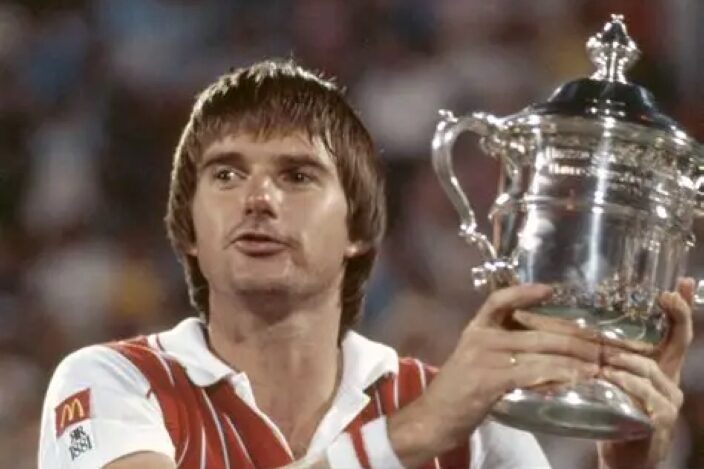
Jimmy Connors never pretended he wanted universal approval from crowds or opponents. In fact, he openly admitted enjoying the role of the player everyone wanted to defeat, leaning fully into that competitive identity. Rivals often remembered quick handshakes, minimal conversation, and a match atmosphere that felt emotionally charged from the first serve. Connors treated tennis as mental warfare alongside physical skill, believing psychological pressure could tilt matches before rallies even began. His fiery on court reactions and confrontational energy made him thrilling for spectators but exhausting for many opponents.
Watching archival footage today, the intensity feels almost theatrical, yet those standing across the net rarely found it entertaining. Connors helped transform tennis into a louder and more emotionally expressive sport, though that shift also cemented his image as someone unconcerned with being liked. Fans who loved passion adored him, while others saw unnecessary hostility. His legacy reminds people that some champions measure success purely by the scoreboard, accepting that popularity may fall behind if the competitive edge never switches off.
14. Tiger Woods The Distance Of Early Dominance
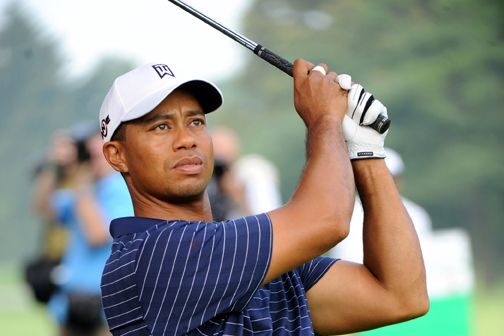
During Tiger Woods’ early dominant years, fellow golfers frequently noticed how strictly he separated himself from the social side of tournament life. While many players shared dinners or relaxed practice rounds, Woods often kept to his preparation schedule and inner circle. He later explained the approach simply by saying he was there to win, not to build friendships during competition weeks. That intense focus sometimes came across as coldness to peers who were used to a more conversational tour environment. Media profiles from that era often described him as distant, private, and difficult to read emotionally.
Only later in his career did younger players begin sharing warmer stories about advice, practice tips, and relaxed conversations once his position felt more secure. Looking back, the early isolation feels less like arrogance and more like a young superstar carrying enormous global expectation almost entirely alone. The emotional distance others sensed may have been less about attitude and more about survival inside pressure that few athletes in any sport had experienced at that scale.
15. Ron Artest When Emotions Took Over The Night
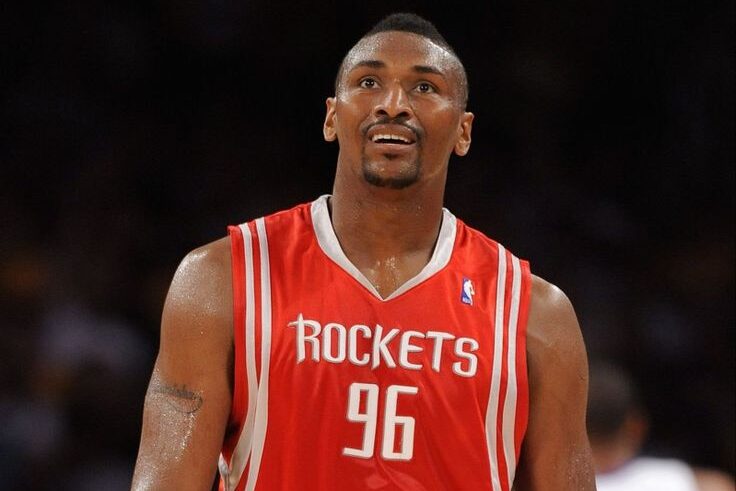
Ron Artest always played with visible emotional intensity, but the Detroit brawl permanently shaped how many fans remember his career. After a drink thrown from the stands hit him, Artest entered the crowd, later admitting publicly that he lost control in that moment. Teammates over the years often described him as thoughtful and intelligent in calm settings, yet highly reactive once adrenaline surged during heated games. That single incident led to massive suspensions, new security rules, and a league wide conversation about player and fan boundaries.
In the years that followed, Artest worked openly on mental health awareness and spoke about therapy, stress, and emotional regulation in professional sports. Many observers now see his story differently than they did at the time, recognizing how little support athletes once received in managing psychological pressure. His journey quietly closes this section with a reminder that sometimes the players labeled difficult were actually struggling loudly in systems that expected silence. Sports history often looks simpler from far away than it ever felt to live through.
Sports People Who Were Angels
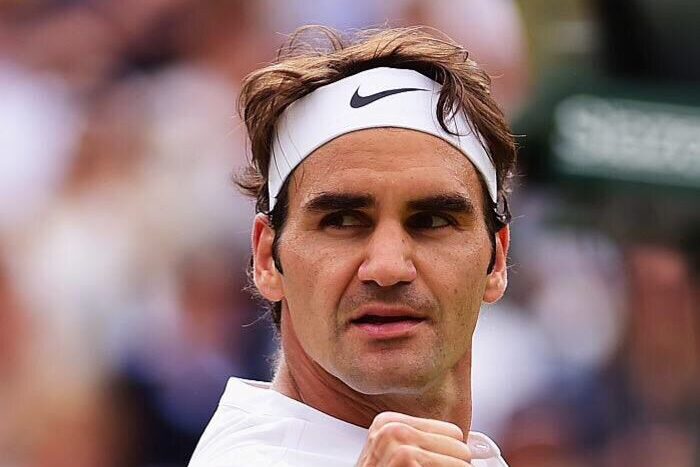
If stories about sport sometimes reveal how intense and difficult greatness can be behind the scenes, there is another side that teammates, staff, and fans love sharing just as much. Some athletes carry their success lightly, leaving memories not of harsh words or locker room tension, but of simple kindness repeated so often it becomes part of their identity. Roger Federer sits comfortably in that second group because his reputation for warmth did not come from one grand gesture but from hundreds of everyday interactions. Ball kids, junior players, and tournament staff often shared how he greeted them politely, remembered faces, and thanked workers long after matches ended. Fellow competitors frequently mentioned how he checked on opponents after tough finals and spoke respectfully about rivals even in defeat.
Off the court, his foundation funded education projects for children in multiple countries, often without dramatic publicity. What struck fans most was how natural his warmth appeared during ordinary moments, not only charity events or award ceremonies. Watching him console opponents or joke with volunteers made it clear the calm elegance in his tennis carried into daily life as well. Long after retirement, many insiders still describe him first as a genuinely good person who happened to be one of the greatest players ever, which is often the kind of legacy athletes hope for most.
17. Marcus Rashford The Star Who Remembered Hunger
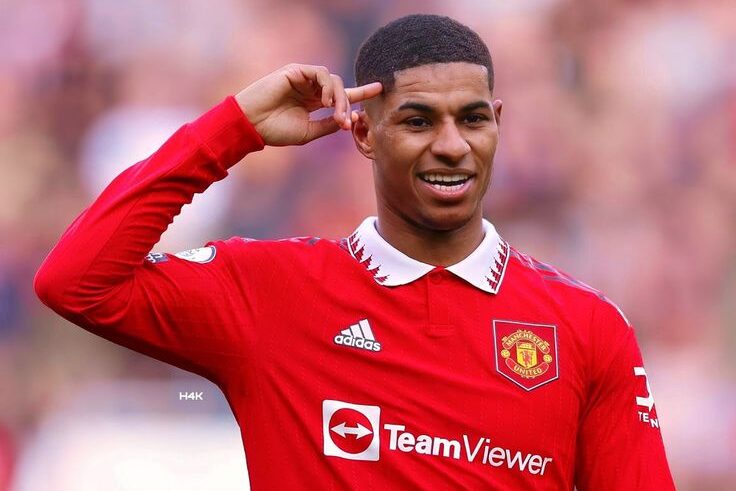
Marcus Rashford’s public kindness feels deeply tied to his childhood memories rather than public relations planning. Growing up in a family that sometimes struggled with food security, he later used his platform to campaign for school meal support for vulnerable children across the United Kingdom. His public letter urging leaders to protect those programs turned him into an unexpected voice far beyond football. Teachers and charity workers often noted that Rashford stayed involved personally, asking questions about distribution systems and community needs instead of simply lending his name.
Fans watching his rise saw someone whose activism felt grounded in lived experience rather than distant sympathy. Even teammates have mentioned how quietly he supports local outreach projects without announcing them publicly. On the field he remains focused and competitive, yet off it his reputation centers on empathy and responsibility. Rashford’s story resonates strongly because it shows how personal hardship can grow into long term compassion, proving that sometimes the most powerful leadership begins with remembering exactly where you started.
18. N’Golo Kante The Quiet Kindness Everyone Noticed
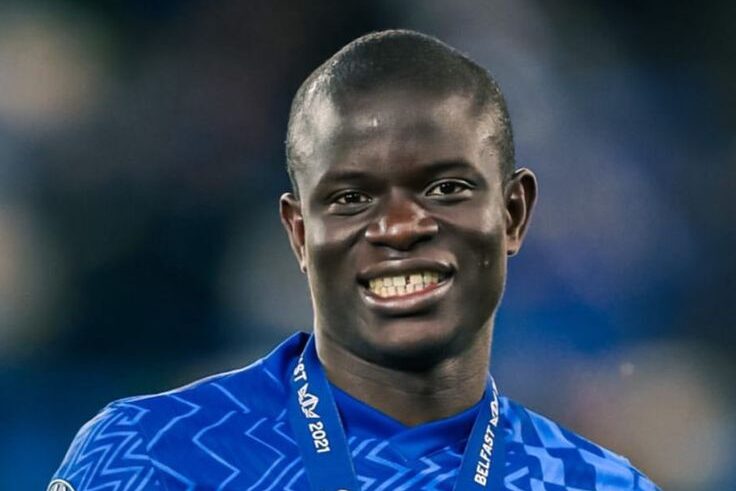
N’Golo Kante’s humility became famous almost accidentally because so many separate people told the same kind of story about him. Teammates often joked he was the nicest person in football, pointing to small moments like apologizing if he thought he inconvenienced staff or quietly helping younger players settle into new clubs. Even after winning the World Cup and major league titles, stories circulated about him keeping a modest lifestyle and avoiding unnecessary luxury. Supporters who met him during fan events often described the same gentle smile and patient conversation.
Coaches frequently praised his professionalism but also noted how rarely he sought personal attention or credit. His personality stayed remarkably unchanged from early career interviews to global superstardom, which made fans trust that the kindness was genuine. In an era where celebrity branding often shapes public behavior, Kante’s reputation feels almost old fashioned in the best sense. He represents the idea that global success does not have to replace humility, and that sometimes the quietest person in the locker room earns the deepest respect.
19. Megan Rapinoe Leadership That Included Everyone
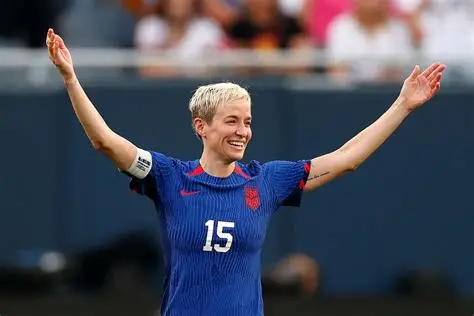
Megan Rapinoe built her legacy not only through performances but through the way teammates describe her presence inside the squad. Younger players often said Rapinoe checked on them emotionally during tournaments, making sure new arrivals felt included in team conversations and understood tactical expectations. She repeatedly emphasized that success required caring about people first, a philosophy reflected in how openly she discussed mental health, equality, and team culture. Fans watching celebrations often noticed she seemed just as excited for teammates’ goals as her own.
Beyond football, her advocacy for equal pay and inclusion shaped contract negotiations and broader sports conversations. Teammates frequently noted that her public activism matched the private encouragement she offered daily in training camps. This consistency helped build trust because players saw the same values whether cameras were present or not. Rapinoe’s reputation today feels rooted in the sense that leadership is not always about volume or authority, but about making sure everyone in the room feels protected, heard, and confident enough to perform.
20. Didier Drogba The Player Who Helped Calm A Nation
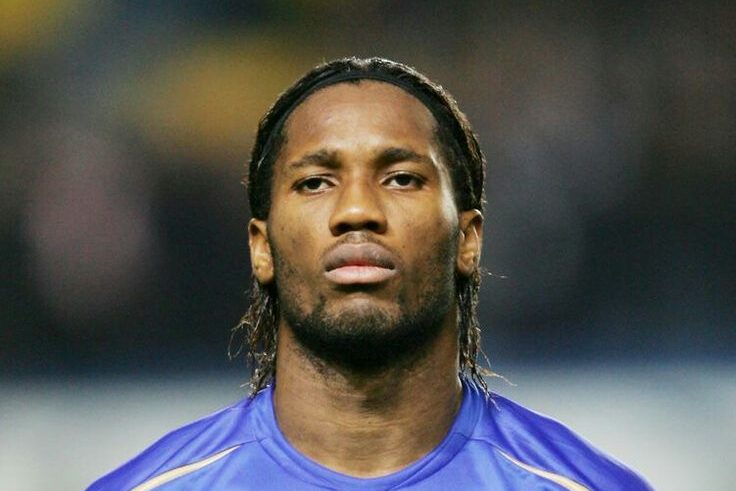
Didier Drogba’s influence reached far beyond stadium victories, especially during tense political conflict in Ivory Coast. After helping his country qualify for the World Cup, he used a televised message to urge citizens to choose peace and unity, a moment many observers believe helped support ceasefire discussions at the time. Teammates at club level often described him mentoring younger African players quietly, helping them adjust to new cities, languages, and financial pressures that came with professional football. His leadership style mixed authority with personal responsibility.
Through his charitable foundation, Drogba later funded hospitals and education initiatives in communities that lacked reliable infrastructure. What made his reputation especially strong was how consistently those efforts continued even when media attention faded. Fans admired his physical strength and clutch goals, yet people who worked alongside him often spoke first about generosity and calm influence. His story gently reinforces the idea that the strongest athletes are sometimes remembered less for the trophies they lifted and more for the stability they offered others.
21. Stephen Curry Kindness That Shows In Small Moments
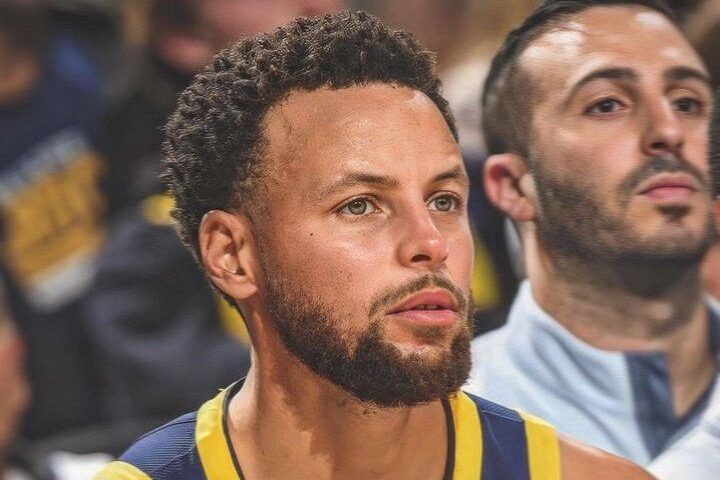
Stephen Curry’s reputation for kindness often comes from ordinary arena stories rather than headline charity announcements. Stadium staff, youth coaches, and visiting families frequently describe how he stays long after games signing autographs, posing for photos, and speaking patiently with children who waited hours just to see him. Teammates often say his upbeat personality helps calm locker room tension during losing streaks, since he rarely raises his voice or blames others publicly. Curry has spoken in interviews about trying to treat people the same way he hoped stars would treat him as a young fan.
Off the court, his family foundation supports school programs, literacy campaigns, and youth sports access, though many of those efforts receive far less attention than his shooting records. What stands out most is how consistent the stories feel whether they come from fellow players or arena security guards. Curry’s legacy already includes championships and awards, yet many fans believe his lasting influence may come just as strongly from the everyday warmth that makes even casual encounters feel memorable.
22. Juan Mata The Footballer Who Shared His Salary Idea
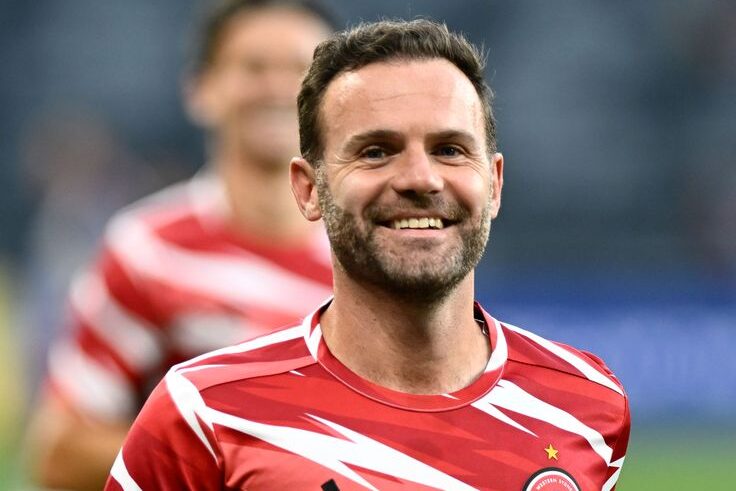
Juan Mata never needed dramatic gestures to build respect because his influence often came through thoughtful decisions made quietly. He launched the Common Goal initiative, inviting footballers to donate a small percentage of their salaries toward global social programs supporting education and community development. Teammates have often described him organizing charity visits without media announcements, preferring conversations with local organizers rather than publicity photos. Supporters who attended fan events frequently mentioned how attentively he listened instead of rushing through scheduled appearances.
Inside dressing rooms, Mata was often seen as a bridge between younger players and coaching staff, someone calm enough to translate concerns without escalating conflict. His playing style already reflected patience and creativity, and colleagues often say his personality followed that same rhythm. Over time, his example encouraged other professionals to join philanthropic efforts that continue expanding today. Mata’s story reminds fans that leadership does not always require loud speeches, since sometimes one practical idea and steady personal example can influence an entire generation.
23. Sadio Mane Success That Always Went Back Home

Sadio Mane’s generosity became widely known not through marketing campaigns but through reports from people in his hometown who saw the results directly. Schools, hospitals, and community projects funded through his support transformed daily life for residents who remembered him long before international fame arrived. When asked about spending priorities, Mane once explained simply that luxury cars meant little compared to helping communities access education and medical care. Friends from his early years often describe how regularly he returns quietly to check on projects rather than delegating everything from abroad.
Club staff at Liverpool and later teams also shared stories of Mane helping employees facing personal hardship, sometimes arranging assistance privately without public recognition. Fans admire that his lifestyle remained relatively modest compared with many global superstars earning similar salaries. His approach feels grounded in the belief that success carries responsibility, not just opportunity. Mane’s reputation continues to grow because his actions consistently show that remembering your beginnings can shape decisions long after the world starts calling you a legend.
24. Billie Jean King The Champion Who Kept Opening Doors
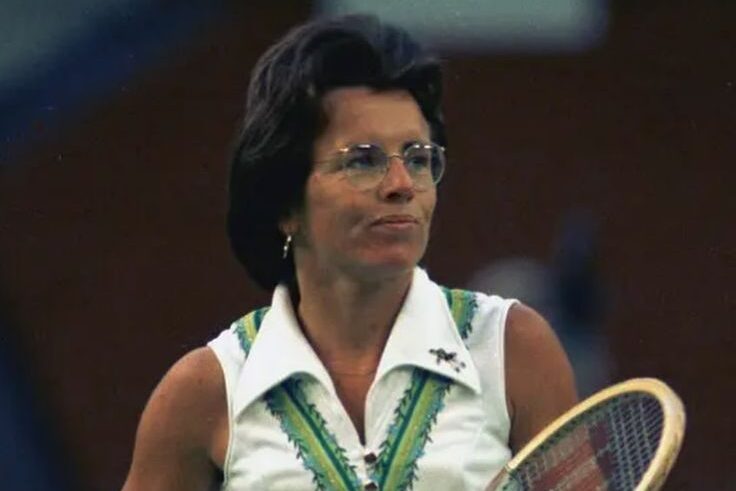
Billie Jean King’s tennis titles made history, yet her deeper influence often shows in the way younger athletes describe her support decades later. Fellow players frequently recall receiving direct advice from King about contracts, public pressure, or balancing competition with personal life. She helped establish organizational structures that pushed for fair pay and professional recognition in women’s tennis, shaping conditions that modern players sometimes take for granted. King often framed responsibility as part of success, encouraging athletes to view their platform as a chance to improve opportunities for those coming next.
Fans meeting her at public events still mention how enthusiastically she listens to personal stories instead of moving quickly through autograph lines. Her advocacy never really paused after retirement, continuing through mentoring, speaking engagements, and advisory roles across multiple sports organizations. King’s legacy feels less like a closed chapter and more like an ongoing conversation about equality and leadership. Many supporters see her not just as a past champion but as someone who kept the door open behind her so others could walk through safely.
25. Giannis Antetokounmpo Gratitude That Never Disappeared
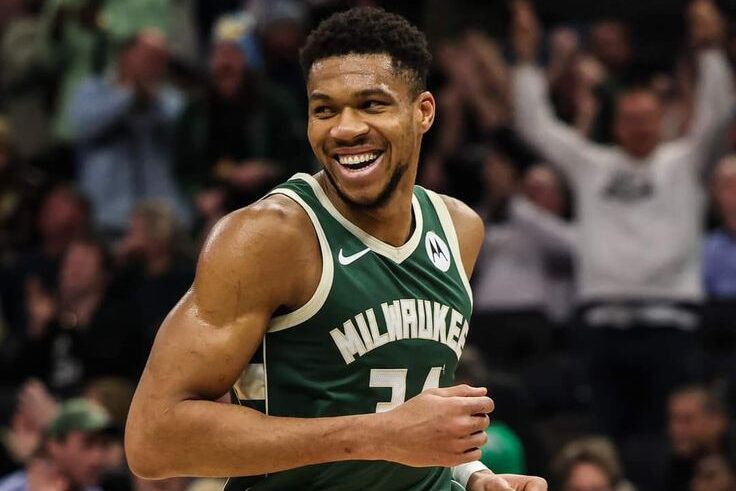
Giannis Antetokounmpo’s journey from selling small goods on Athens streets to becoming an NBA champion shaped a personality built strongly around gratitude. After major victories, he often redirected praise toward teammates, coaches, and family members who supported his early development when resources were scarce. Arena workers and team staff frequently describe him greeting them by name or helping carry equipment without being asked, small gestures that left strong impressions. Interviews often show him speaking emotionally about his parents’ sacrifices and the uncertainty his family faced during childhood.
Teammates consistently praise his positive locker room presence, noting that he celebrates others’ achievements as loudly as his own. Fans connect deeply with that authenticity because his story never sounds rehearsed or distant. Even as endorsements and trophies accumulated, his public tone stayed centered on appreciation rather than entitlement. Giannis represents a version of superstar success that feels grounded in memory rather than ego. His career reminds supporters that humility often grows strongest in athletes who clearly remember the fragile beginning that came before the spotlight.
26. Kaka Faith And Calm In Every Room
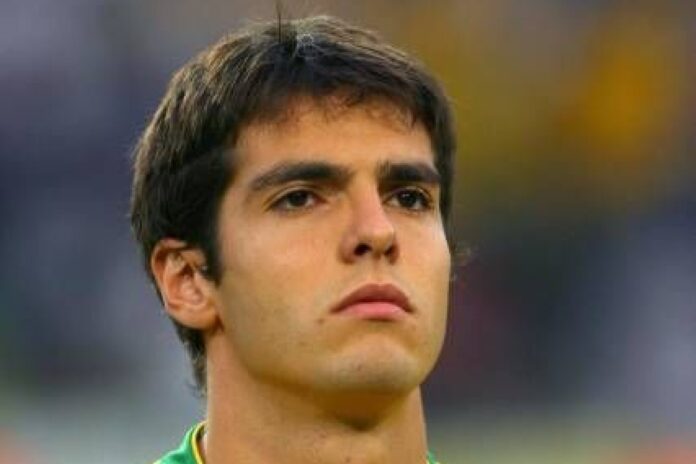
Kaka carried one of the calmest reputations in modern football, and many teammates said his personality rarely shifted whether the team had just won a final or lost an important match. Staff members at AC Milan and Real Madrid often recalled how he thanked medical teams, kit managers, and junior employees personally, treating everyone as part of the same effort. Interviews frequently showed him crediting faith, family, and teamwork rather than individual brilliance, which made his humility feel natural instead of rehearsed. Younger players sometimes described him as the first senior teammate to offer reassurance after a poor performance.
Fans attending autograph sessions often noticed how patiently he stayed until the last supporter was reached, even when schedules ran long. His public image remained remarkably free of controversy throughout a career filled with intense global attention. What makes Kaka’s reputation lasting is not one grand gesture but the steady pattern of respect that followed him from Brazil to Europe and beyond. Many supporters still remember him as proof that global superstardom and genuine gentleness can comfortably exist together.
27. Pau Gasol The Teammate Everyone Trusted
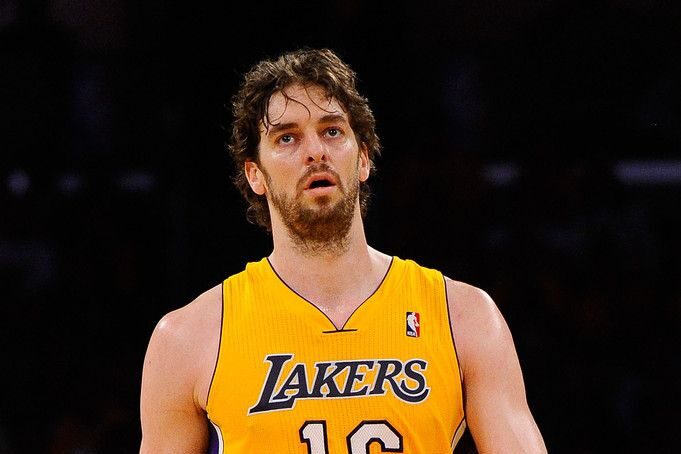
Pau Gasol earned admiration across the NBA not only for skill but for the emotional stability he brought into locker rooms. Former teammates often said Gasol naturally checked on struggling players before coaches even noticed problems, offering quiet advice or simply listening without judgment. Kobe Bryant once described him as a brother, reflecting how deeply teammates trusted his calm presence during championship seasons. Coaches frequently relied on him to help integrate international rookies who faced cultural adjustment challenges when arriving in the league.
Away from competition, Gasol became heavily involved in global health initiatives and children’s welfare programs, using his public platform to support medical research and humanitarian campaigns. Fans often remember his thoughtful interviews where he redirected praise toward teammates and staff rather than focusing on personal statistics. His leadership style never depended on loud speeches or dramatic gestures. Instead, it rested on reliability, empathy, and steady professionalism. Many players who shared teams with him later said his influence lasted long after seasons ended.
28. Abby Wambach The Voice That Lifted Others
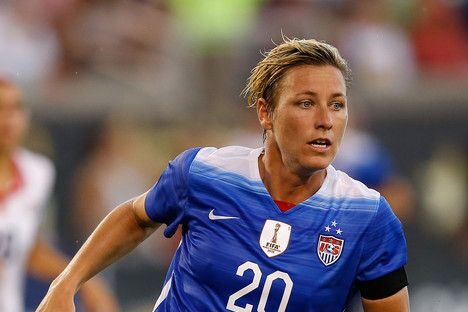
Abby Wambach built a scoring record that placed her among football’s great finishers, yet many teammates remember her first for the encouragement she offered inside training camps. Younger players often recalled informal conversations where Wambach focused less on tactics and more on confidence, reminding them they belonged at the highest level. She repeatedly spoke about teams rising by lifting each other, a philosophy reflected in how openly she praised assists, defensive work, and bench contributions during tournaments.
After retirement, Wambach carried that same leadership approach into mentoring programs, public speaking, and youth development initiatives aimed at helping young athletes build resilience beyond sport. Fans attending her talks frequently describe how approachable she remains, often staying afterward to answer personal questions. Her legacy now feels tied not only to dramatic World Cup moments but also to the culture she helped build around collective belief. Many supporters see her career as evidence that the strongest competitors often measure success by how many others they help succeed alongside them.
29. Andres Iniesta Respect That Spoke Quietly
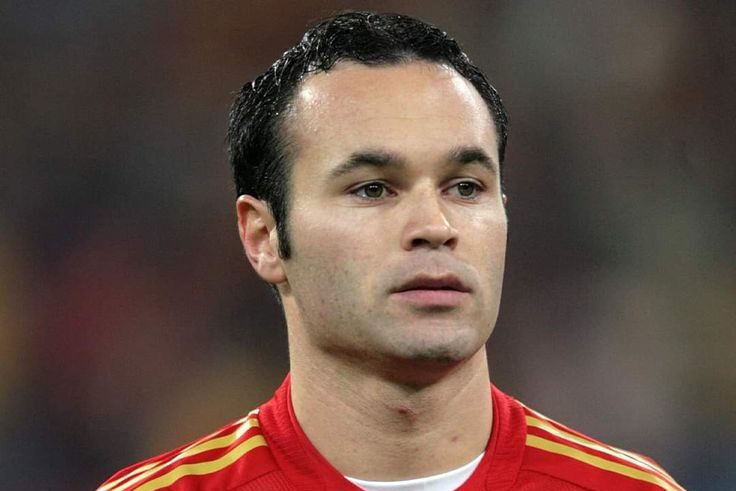
Andres Iniesta never needed loud interviews or showy celebrations to earn global admiration because his reputation grew from steady respect shown year after year. Opponents regularly praised how rarely he argued with referees or reacted aggressively after tough fouls, choosing instead to focus on the next play. Barcelona youth players often shared stories about surprise visits where Iniesta calmly discussed handling pressure, reminding them that patience usually solved problems faster than panic. His humility remained visible even after scoring one of Spain’s most historic World Cup goals.
Fans frequently describe him as one of the few global stars almost universally liked across rival clubs, partly because his personality never felt confrontational. Coaches valued not only his tactical intelligence but also the emotional balance he brought into dressing rooms filled with strong personalities. Iniesta’s career reminds supporters that leadership does not always need volume to be effective. Sometimes the player who speaks softly, listens carefully, and performs consistently ends up shaping the strongest respect of all.
30. Jackie Robinson Courage with Lasting Grace
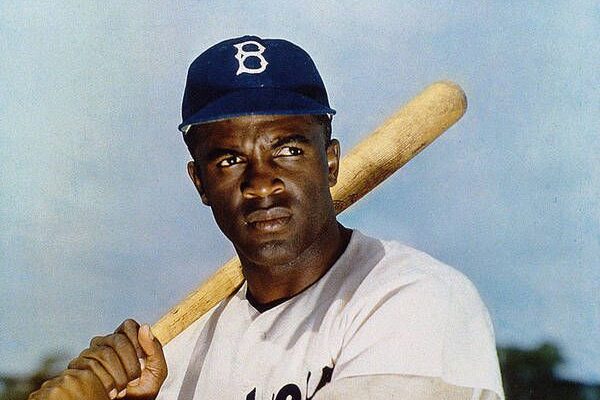
Jackie Robinson’s place in sports history comes from both athletic excellence and the extraordinary restraint he maintained while breaking baseball’s color barrier under intense hostility. Teammates and journalists often described how he absorbed insults, threats, and relentless pressure without retaliating, understanding that his reactions would influence opportunities for countless players who followed. Robinson later reflected that a life gains meaning through its impact on others, a belief that guided his activism long after retirement. His discipline required emotional strength far beyond ordinary competition.
Looking across all these stories of athletes remembered for kindness, Robinson’s legacy gently ties the theme together because his example shows character tested under the harshest spotlight imaginable. Many modern players credit his courage as the foundation that made their own careers possible. Ending here feels natural because his story reminds us that true greatness is rarely measured only by records or trophies. It is measured by the doors opened, the people protected, and the dignity shown when the whole world is watching.


