
What The Human Body Goes Through In Its Final Process
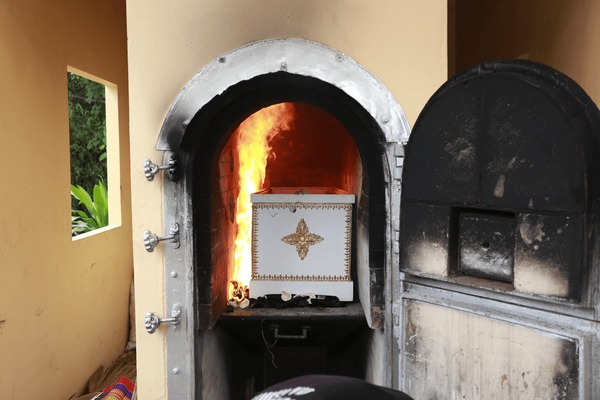
When we lose someone we love, the practicalities of saying goodbye can often feel overwhelming and a bit mysterious, yet understanding the final journey our bodies take can offer a strange kind of comfort. Choosing cremation is an increasingly popular way to honour a life, but many of us are left wondering what actually happens behind those closed doors as a person is returned to the elements.
This process is far more than just a mechanical event, as it is a carefully managed transformation that blends high-tech engineering with deep respect for the deceased. By exploring the science and the steps involved, we can demystify this final transition and appreciate the care that goes into ensuring every individual is treated with the utmost dignity as they begin their next chapter in the cycle of nature.
High Heat Begins
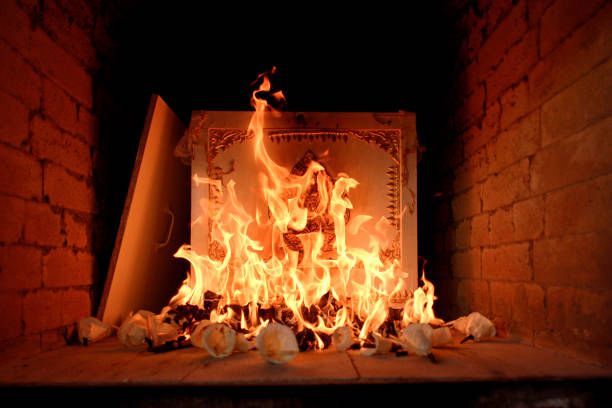
The journey begins when the body is placed into a specially designed cremation chamber, which is also known as a retort, where it is exposed to intense heat ranging from 760 to 1,150 degrees Celsius. This incredible temperature is necessary to ensure that the remains are reduced efficiently and completely, yet the process is far from instantaneous as it typically takes between ninety minutes and three hours for the thermal transformation to finish. Modern facilities use automated systems to monitor the heat levels and airflow, ensuring that the environment remains stable and respectful throughout the entire duration of the procedure.
During this time, the soft tissues of the body undergo a rapid chemical change called oxidation, which essentially means they are converted into gas and water vapour that are then processed through an emissions system. It is quite fascinating to realise that what we often think of as ‘ashes’ are not actually the result of wood or fabric burning, but rather the durable bone fragments that remain after the intense heat has done its work. The chamber is constructed with industrial-grade refractory bricks that can withstand these extreme conditions day after day, providing a secure and contained space for this final elemental transition to occur.
Bone Fragments Remain
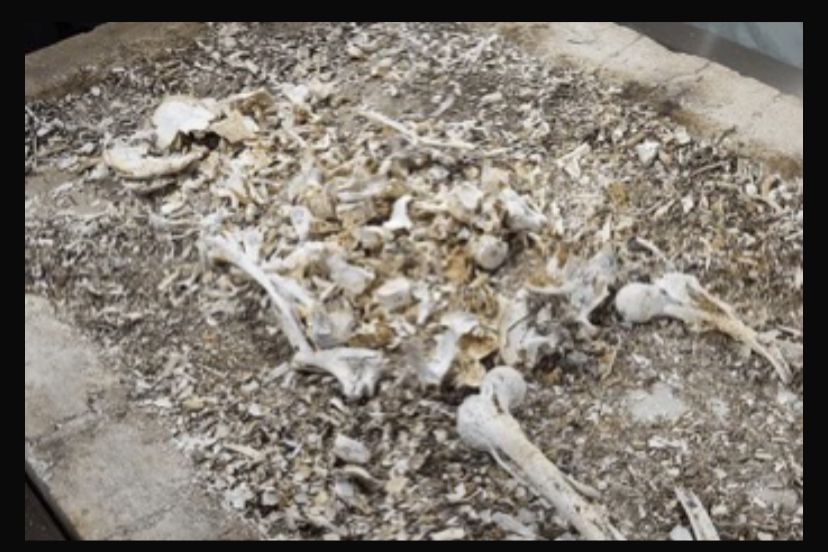
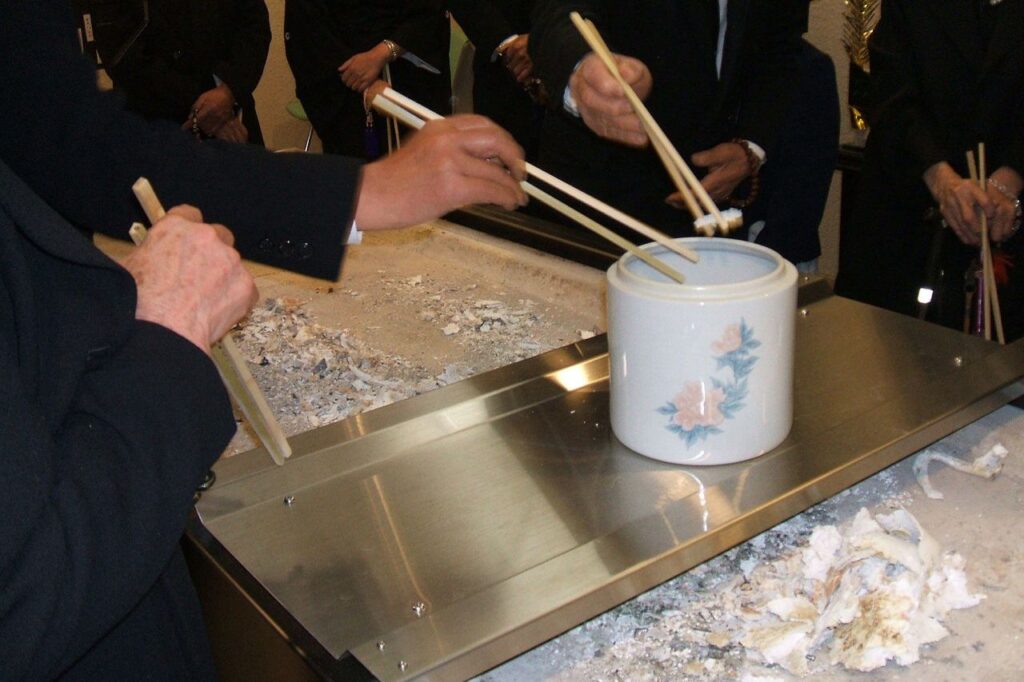
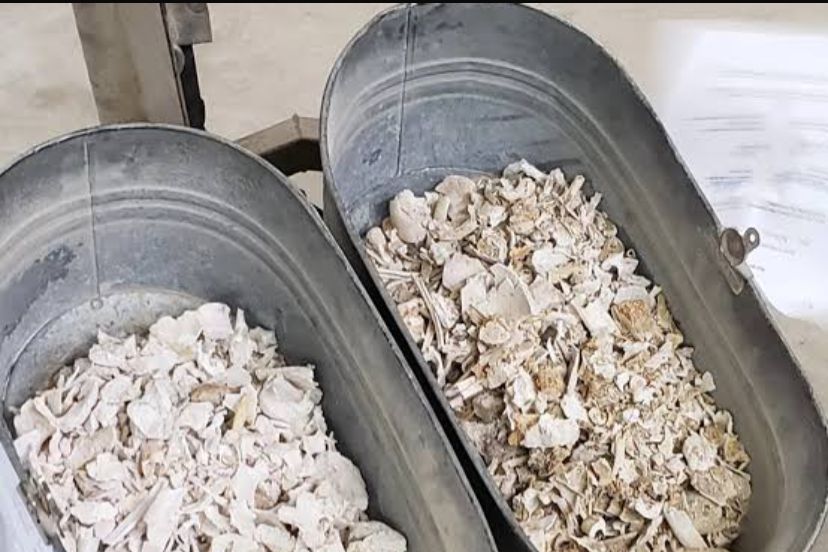
Once the primary cremation cycle has finished and the chamber has had sufficient time to cool down, the operator carefully removes what is left, which primarily consists of calcified bone fragments. These fragments are usually greyish-white in colour and have a somewhat porous texture, bearing little resemblance to the fine, powdery substance that people eventually receive in an urn. It is a common misconception that the body turns into dust immediately, but in reality, the skeleton remains largely intact in a brittle state that requires further gentle processing to reach its final form.
These remains are thoroughly inspected to ensure that any non-organic materials are identified before the next stage begins, as this step is crucial for maintaining the purity of the final cremains. The quantity of bone fragments left behind varies depending on the individual’s height and bone density rather than their total body weight, which means a taller person will generally leave more remains than someone who was shorter. This stage of the process is handled with significant precision and care, as it represents the physical essence of the person that will soon be returned to their grieving family members.
Metal Stays Behind
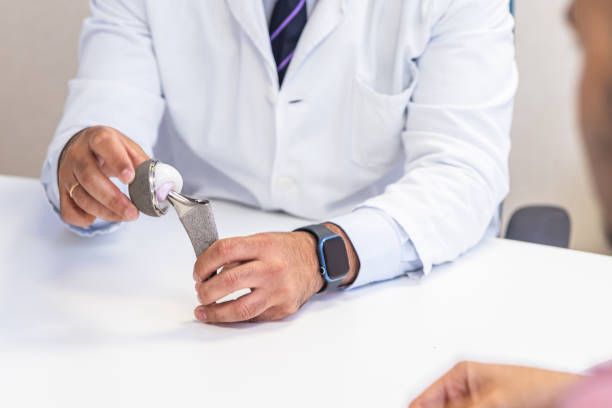
One of the most surprising aspects of the process is what happens to the various metals that might have been inside the body, such as titanium hip replacements, dental fillings, or even surgical staples. These materials have much higher melting points than the temperatures reached within the cremation chamber, which means they emerge from the heat largely unscathed and clearly visible among the bone fragments. In the past, these items might have been buried, but modern ethical standards and environmental regulations have changed how crematoriums handle these metallic leftovers.
After the remains are removed from the retort, a strong magnet or manual inspection is used to separate these metal pieces from the organic bone material. Many families are now given the option to have these metals recycled through specialised programmes that often donate the proceeds to local charities, turning a medical necessity into a final act of kindness. It is important to note that any pacemakers or medical devices containing batteries must be removed before the cremation starts, as the intense heat could cause them to explode and damage the equipment or the person operating it.
Processing Into Powder
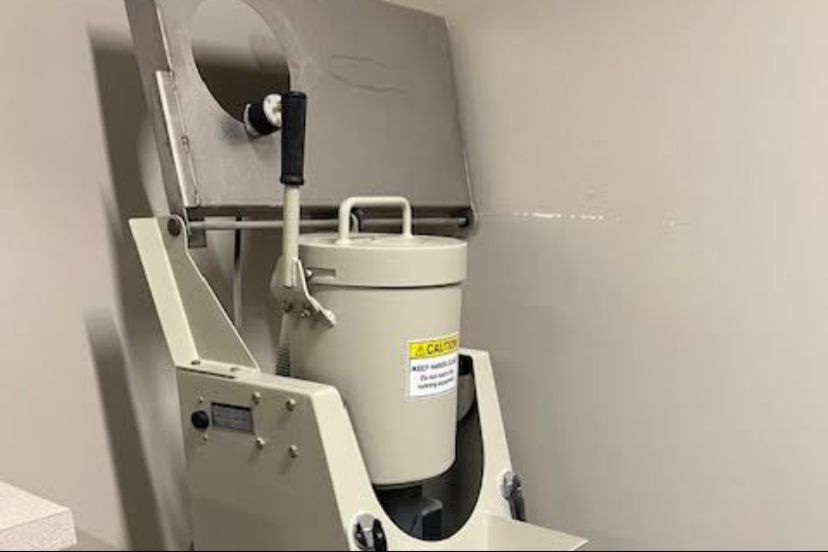
The bone fragments that remain after the metal has been cleared are not yet the soft dust we associate with ashes, so they must be placed into a machine called a cremulator. This device uses high-speed rotating blades or heavy spheres to grind the brittle bone into a uniform, fine consistency that is easier for families to handle and scatter. This final mechanical step ensures that the remains are respectful in appearance and can fit securely into the chosen urn or memorial container without any large or unrecognisable pieces remaining.
This grinding process typically takes only a few minutes, but it is a vital part of the preparation that turns the raw remains into a memorial substance. The resulting powder is usually a light grey or off-white colour, and it has a gritty texture similar to coarse sand rather than the soft ash you might find in a fireplace. Throughout this stage, the staff follows strict identification protocols to ensure that the remains are never mixed with others, as maintaining the integrity of the individual’s identity is the top priority for every reputable crematorium.
Identification Is Constant
From the moment a body arrives at the crematorium until the final ashes are handed back to the family, a rigorous tracking system is in place to prevent any possible confusion. A unique metal identification tag is usually assigned to the deceased and stays with them throughout the entire process, even surviving the extreme temperatures inside the cremation chamber. This tag serves as a permanent record and a physical guarantee that the remains being returned are indeed those of the loved one, providing essential peace of mind for the grieving family.
This identification disc is checked at every single transition point, including when the body is placed into the retort and when the remains are moved to the cremulator. In many jurisdictions, the law requires detailed paperwork and multiple signatures at each stage to create a transparent ‘chain of custody’ that can be audited if necessary. This level of administrative care might seem clinical, but it is actually a profound form of respect that ensures every person is accounted for and that their family can trust the sanctity of the final remains they receive.
Coffin Becomes Fuel
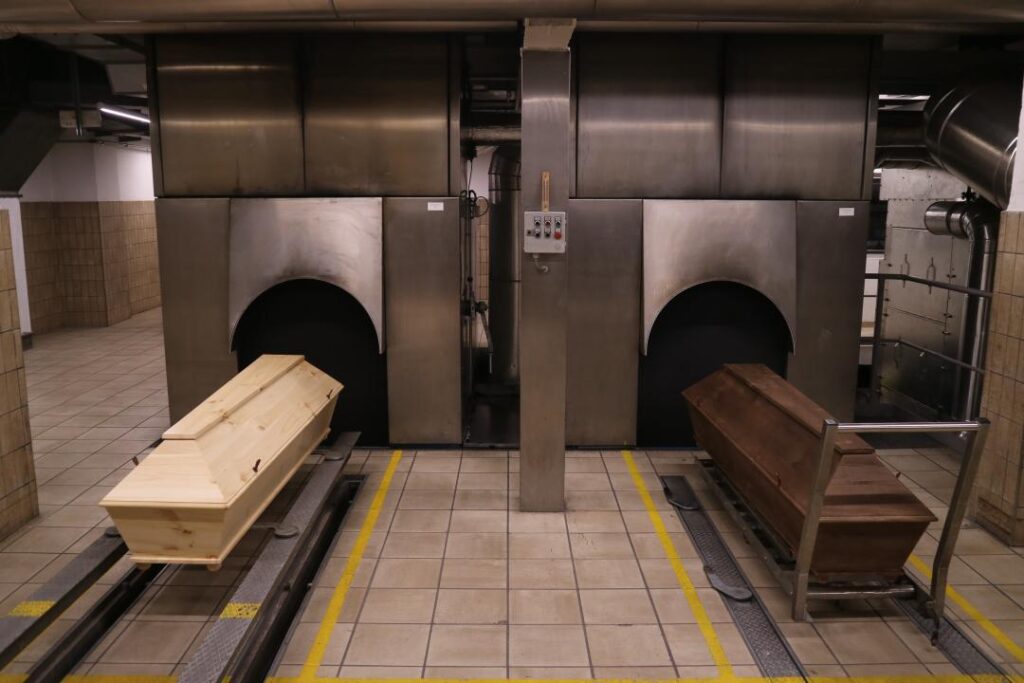
It is a common question whether a person is cremated inside their coffin, and the answer is almost always yes, as the container is essential for both dignity and the efficiency of the process. These containers must be made of combustible materials, such as wood, wicker, or even reinforced cardboard, which actually provide additional fuel to help maintain the high temperatures needed for cremation. Any metal handles or ornate decorations are usually removed beforehand, or they are recovered with the other metallic remains after the process is complete, depending on the specific crematorium’s local policies.
The choice of container can affect the duration of the cremation, as a heavy oak casket will take longer to burn through than a simple pine box or a cardboard shroud. However, regardless of the cost or material of the coffin, the end result for the body remains the same, as the heat consumes all organic matter equally. This part of the process reminds us that while we may choose different ways to present ourselves in life and in our final ceremony, the elemental return to the earth is a universal experience that levels all distinctions between us.
Weighing The Results
Many people are surprised by the actual weight of the remains they receive, which typically ranges from about 1.8 to 3.6 kilograms for an average adult. As mentioned before, this weight is primarily determined by the person’s skeletal structure and bone density rather than their body fat or muscle mass. It is a poignant moment for many families when they first hold the urn and realise that the entire physical presence of a person has been reduced to such a manageable and delicate amount of material.
The volume of the ashes is also quite consistent, usually filling about 3 to 3.5 litres of space, which is why standard urns are designed with these specific dimensions in mind. Knowing these measurements can be helpful for families who are planning to share the ashes among different relatives or who are looking for a bespoke memorial piece that needs to hold a specific amount. This physical reality of cremation highlights the transition from a living, breathing human being to a symbolic and portable memory that can be cherished in many different ways across the globe.
Emissions Are Filtered
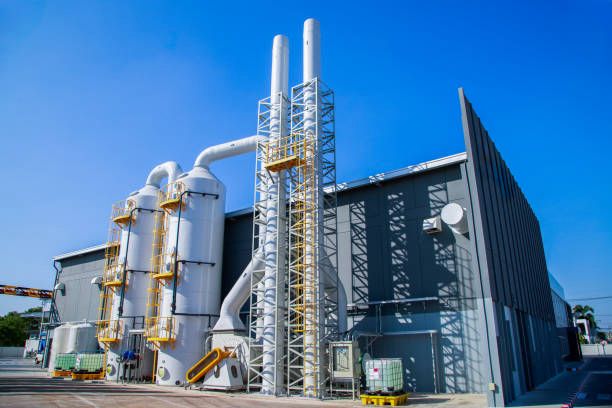
Modern crematoriums are highly regulated environments that must adhere to strict environmental standards regarding the gases and particles released during the process. Sophisticated filtration systems, often called scrubbers, are used to remove pollutants such as mercury from dental fillings and other particulates before the air is released from the stack. This ensures that the process is as clean as possible, reflecting a growing societal commitment to protecting the planet even as we deal with the inevitable end of our own individual lives.
These systems are so efficient that you will rarely see smoke or smell anything coming from a modern crematorium, as the secondary combustion chamber ensures that any remaining organic compounds are completely neutralised. Operators must undergo extensive training to manage these systems and ensure that the facility is always operating within its legal limits. This technical side of cremation is a testament to how human ingenuity has been used to make our final farewells both dignified for the individual and safe for the community and the wider environment that we all share.
Cooling Time Required
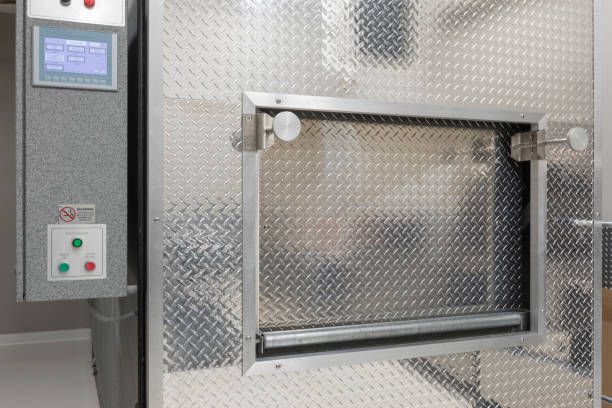
After the intense heat of the cremation is finished, a period of cooling is absolutely essential before the remains can be handled by the staff. The bone fragments and the floor of the retort remain incredibly hot for some time, and rushing the process could be dangerous for the operators or damage the equipment used for the final processing. This waiting period is a quiet, necessary pause in the procedure that allows the physical materials to stabilise and reach a temperature where they can be carefully moved and inspected with the required precision.
During this time, the chamber is kept secure, and the identification of the remains is once again verified against the paperwork to ensure no errors occur during the transition. Once the remains have reached a safe temperature, they are gently swept out of the chamber using specialised tools designed to collect every possible fragment of the individual. This stage requires a steady hand and a patient approach, as it is the final time the remains will be in their raw, post-combustion state before they are transformed into the fine powder that the family will eventually see.
Filling The Urn
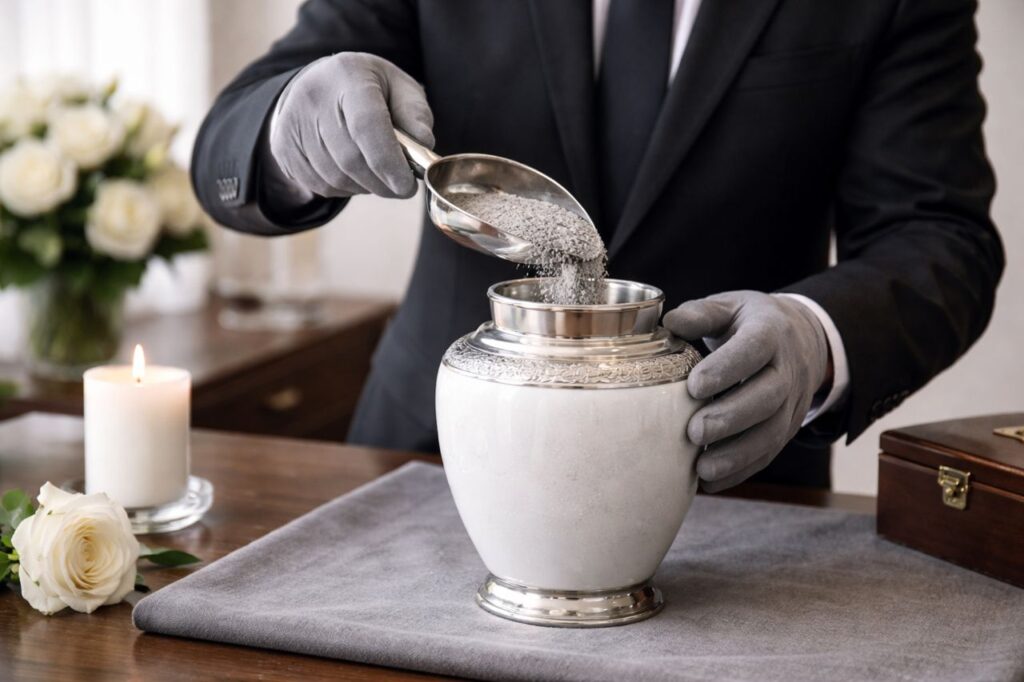
The final practical step in the crematorium is placing the processed remains into a temporary container or the permanent urn provided by the family. This is done with great care to ensure that all of the ashes are transferred securely and that the identification tag is either placed inside or attached to the exterior of the vessel. For many staff members, this is the most significant part of their job, as they are the last ones to handle the physical remains before they are returned to the loved ones who are waiting to say their final goodbye.
Families often choose urns that reflect the personality of the deceased, ranging from traditional brass or marble to biodegradable designs intended for water burial or planting with a tree. The container is then sealed and prepared for collection, often accompanied by a certificate of cremation that serves as the official legal record of the event. This moment marks the end of the crematorium’s role and the beginning of the family’s journey in deciding how best to memorialise, scatter, or keep their loved one close to their hearts in the years to come.
Ashes Are Not Ash
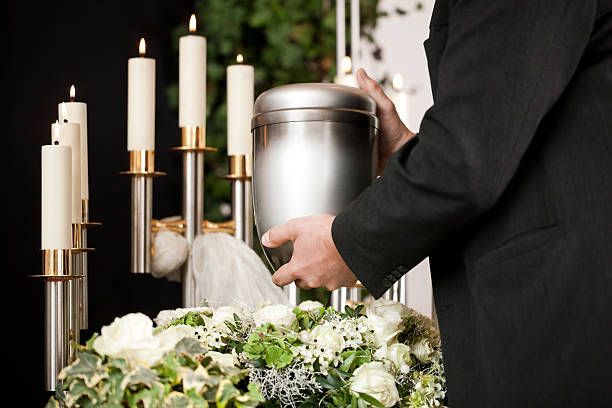
When we finally hold the decorative urn containing our loved one, we often use the term “ashes” to describe what is inside, yet this is technically a bit of a misnomer in the scientific sense. In a traditional fire, ash is the soft carbon residue left behind by burning wood or paper, whereas the remains of a human being are actually the mineralised fragments of the skeleton. Because the organic components and fluids of the body are entirely evaporated by the extreme heat, only the non-combustible calcium phosphates and various salts from the bones remain after the process is finished.
These remains are actually quite heavy and have a gritty, sand-like texture that is very different from the light, grey soot one might find in a domestic fireplace. It is also fascinating to note that these “ashes” are completely sterile and pose no risk to the environment or public health, which is why they can be safely scattered in gardens or at sea. Understanding this distinction helps us appreciate that what we are keeping is not the product of a fire, but the very structural essence and enduring minerals that supported our loved one throughout their entire physical life on this earth.
Unique Final Fingerprint
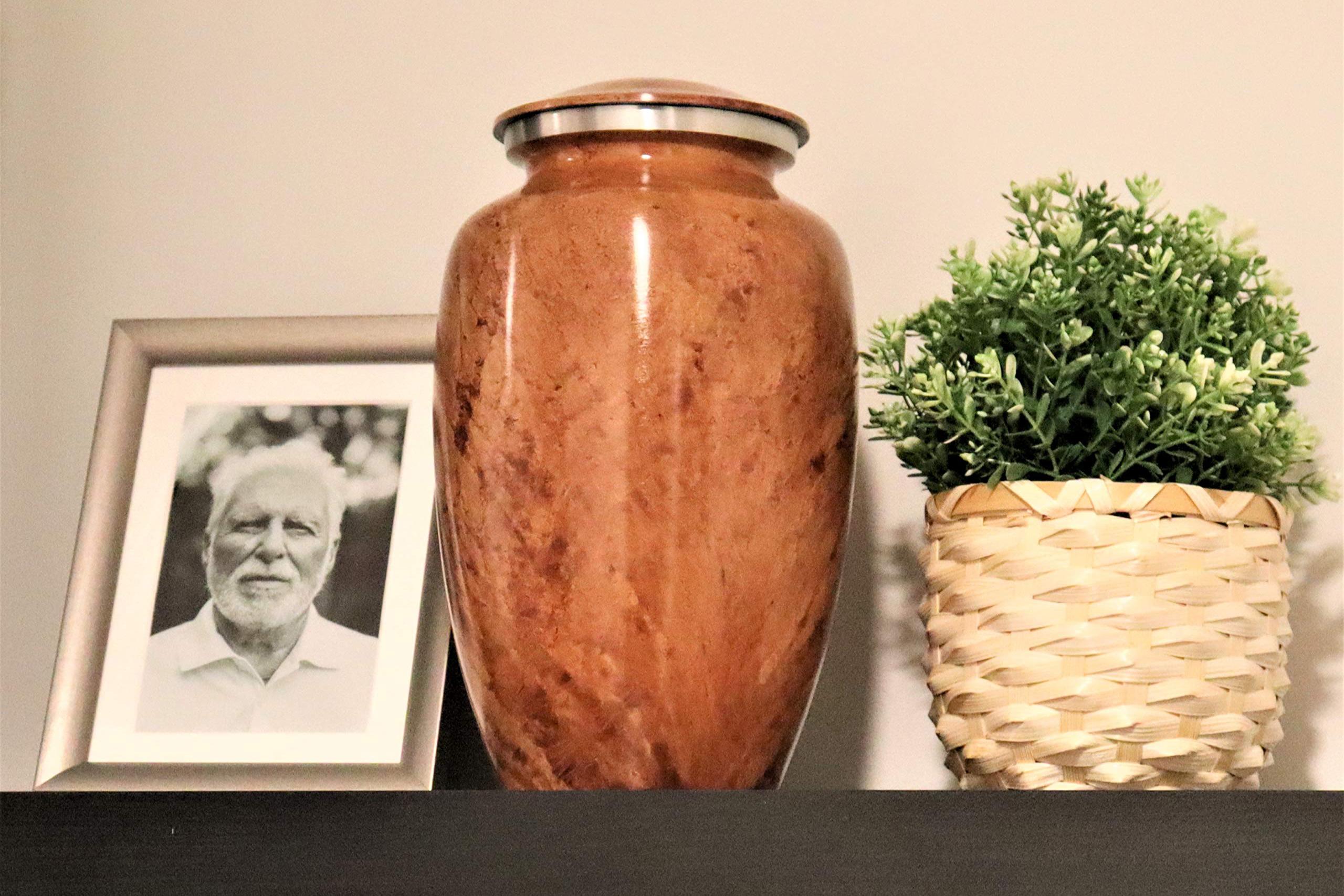
Every person leaves behind a unique physical signature after cremation, as the final composition and volume of the remains are as individual as a fingerprint. While two people might have lived very different lives, the mineral density of their bones and the specific way their bodies respond to the heat will result in subtle variations in the colour and texture of the fragments. Some remains might appear slightly more white or perhaps a deeper shade of grey depending on the specific minerals present and the temperature of the chamber, making each return to the elements a singular event.
This individuality continues even after the processing is complete, as the total weight of the remains will vary based on factors like age, sex, and lifelong health habits. This means that when a family receives the urn, they are holding a physical representation of that person’s unique biological history and the life they lived. It is a quiet and reflective thought to realise that even in this final, elemental form, we remain distinct individuals, leaving behind a specific and tangible legacy that our families can cherish and protect as they navigate their journey through grief and remembrance.
While the process of cremation is undeniably technical, it is also a deeply human service that provides a path for transition and closure during the most difficult times of our lives.
Like this story? Add your thoughts in the comments, thank you.


