
The Cautionary Tale Of Peak Dot-Com Excess

The turn of the millennium was a time of breathtaking ambition and equally spectacular disappointment, perhaps best personified by the meteoric rise and devastating fall of Webvan. As one of the most iconic symbols of the dot-com bubble, the company promised to revolutionise the way we buy groceries by bringing the supermarket directly to our doorsteps through a network of high-tech automated warehouses. It was a vision of the future that arrived a few decades too early, backed by nearly a billion dollars in venture capital and a belief that rapid expansion was the only path to success.
When the bubble inevitably burst in 2001, Webvan collapsed under the weight of its own infrastructure, leaving behind a cautionary tale about the dangers of “get big fast” strategies. Yet, the man behind this grand experiment, Louis Borders, did not simply fade into the history books with his company’s bankruptcy. Instead, he spent the following decades refining his vision and waiting for technology to catch up with his dreams, proving that even the biggest busts can provide the seeds for future reinvention.
The Man Behind The Vision

Louis Borders was already a retail legend before he ever set foot in the digital world, having co-founded the Borders bookstore chain that became a staple of high streets across the globe. His success in physical retail gave him the credibility to attract massive investment when he decided to tackle the grocery market in the late nineties. He was convinced that the traditional supermarket model was inefficient and that automation could provide a superior service at a lower cost to the consumer.
By the time Webvan launched in 1999, Borders had managed to secure funding from some of the most prestigious names in venture capital, including Sequoia Capital and Benchmark. He wasn’t just building a website; he was building a complex logistics machine designed to handle millions of orders with surgical precision. This background in data-driven retail shaped everything about Webvan, from its custom-built software to its massive, climate-controlled distribution centres.
Ambition Meets High Finance

Webvan’s entry into the public market in November 1999 was nothing short of a sensation, as the company’s stock price soared on its first day of trading. At its peak, the business was valued at an eye-watering $1.2 billion, despite the fact that it was losing money on every single delivery it made. The strategy was to build a massive infrastructure first and worry about profits later, a philosophy that was common during the height of the dot-com frenzy.
The company famously signed a $1 billion contract with engineering giant Bechtel to build twenty-six highly automated warehouses across the United States. This aggressive expansion was meant to shut out competitors and secure a dominant market share before anyone else could catch up. However, this meant that the company was spending capital at an unsustainable rate, burning through hundreds of millions of dollars while the actual demand for online groceries remained stubbornly low.
The Billion Dollar Dust
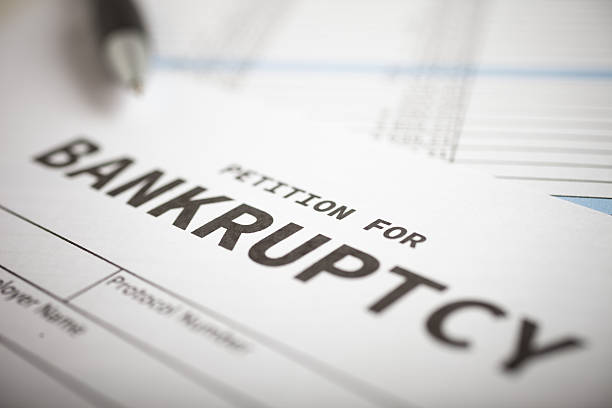
By the summer of 2001, the financial climate had changed dramatically, and the easy money that had fuelled Webvan’s growth suddenly evaporated. The company was forced to shut down its operations and file for bankruptcy in July 2001, leading to the loss of over 2,000 jobs. It remains one of the most famous failures in corporate history, often cited as a prime example of why companies should focus on sustainable growth rather than just scale.
The liquidation process saw the company’s expensive automated equipment sold off for pennies on the dollar, a sad end for such a technologically advanced venture. Many critics argued that Webvan’s failure proved that online groceries were a fundamentally flawed business model. Yet, in the years that followed, companies like Amazon and Ocado would eventually prove that Borders’ vision was actually correct; he had simply tried to build it before the necessary technology and consumer habits were truly ready.
Keeping A Low Profile

In the immediate aftermath of Webvan’s collapse, Louis Borders stepped back from the limelight to reflect on what had gone wrong while planning his next move. He did not let the failure of his billion-dollar startup discourage him from pursuing his passion for retail innovation. Instead, he spent several years working on new concepts and technologies that could address the logistical hurdles that had tripped up his previous venture.
Borders remained a respected figure in the tech community, as his peers recognised that his ideas were often ahead of their time. He focused on intellectual property and software development, seeking ways to make automated fulfillment more flexible and cost-effective. This period of quiet research was essential for his eventual return to the world of entrepreneurship, allowing him to distance himself from the dot-com era while still building on the lessons he had learned during those turbulent years.
The Return Of Mercury
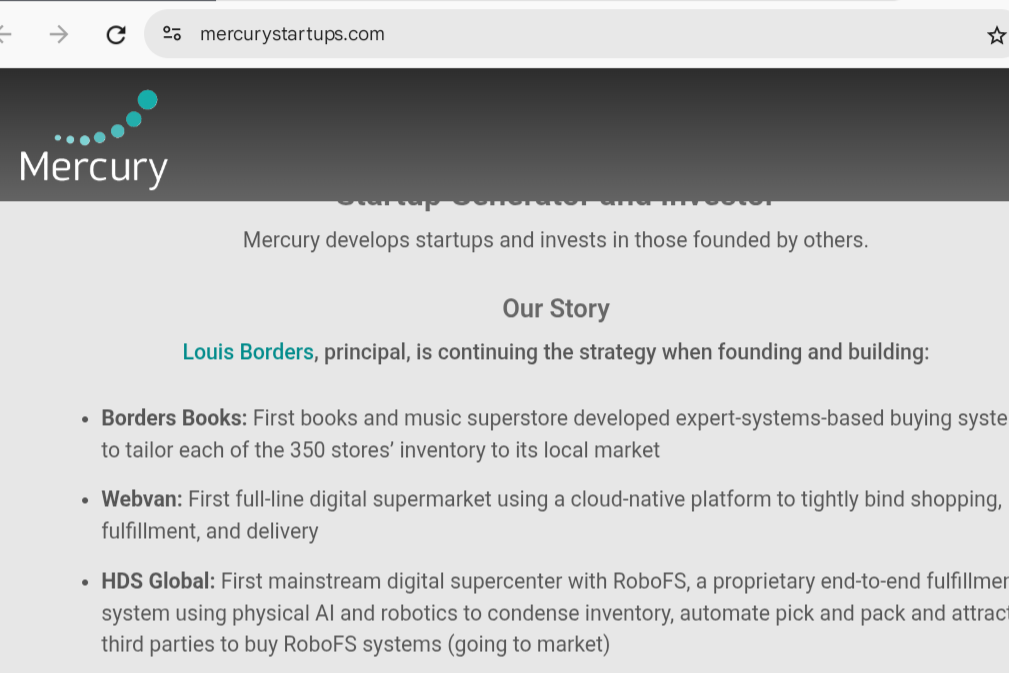
In the mid-2000s, Borders resurfaced with a new company called Mercury, which aimed to create a more efficient system for online shopping and delivery. Mercury was designed to be a “next-generation” retail platform, focusing on the software and data side of the business rather than just the physical warehouses. It was a more measured approach than the frantic expansion of Webvan, reflecting a more mature understanding of the digital marketplace.
The goal of Mercury was to provide a seamless interface for consumers while helping retailers manage their inventory and logistics more effectively. While it did not capture the public imagination in the same way Webvan had, it served as an important stepping stone for Borders’ later projects. It showed that he was still committed to the idea of using technology to streamline the shopping experience and that he was willing to iterate on his ideas until they worked.
Chasing The Delivery Dream

By 2014, Borders was ready to take another serious crack at the grocery market with the launch of HomeDeliveryService, often referred to as HDS. This new venture was built on the premise that the world was finally ready for the level of automation that Webvan had attempted a decade earlier. HDS aimed to use even more advanced robotics and artificial intelligence to create a fulfillment system that was far more efficient than anything currently available.
Borders pitched HDS not just as a grocery store, but as a technology platform that other retailers could use to compete with giants like Amazon. He believed that by centralising fulfillment and using highly sophisticated robots, he could offer fresh food at better prices with faster delivery times. This was Webvan 2.0, but with the benefit of better processors, more reliable robotics, and a consumer base that was now fully comfortable with ordering everything online.
The HDS Global Vision

The ambition of HDS Global was truly staggering, as Borders sought to build “the most advanced fulfillment system in the world”. He raised significant funding from Japanese tech giant Toyota, which saw the potential for his automated systems to be used in various industries beyond just groceries. This partnership provided the capital and engineering expertise needed to develop the complex robotic systems that Borders had envisioned for so long.
HDS promised a service where customers could order fresh products and have them delivered in pristine condition, thanks to a “touchless” fulfillment process. The system was designed to handle items of all shapes and sizes, from delicate eggs to heavy bottles of soda, using robots that could move with incredible speed and accuracy. It was a bold attempt to finally fulfill the promise of the original Webvan, but this time with a focus on technological licensing and strategic partnerships.
Lessons From The Past
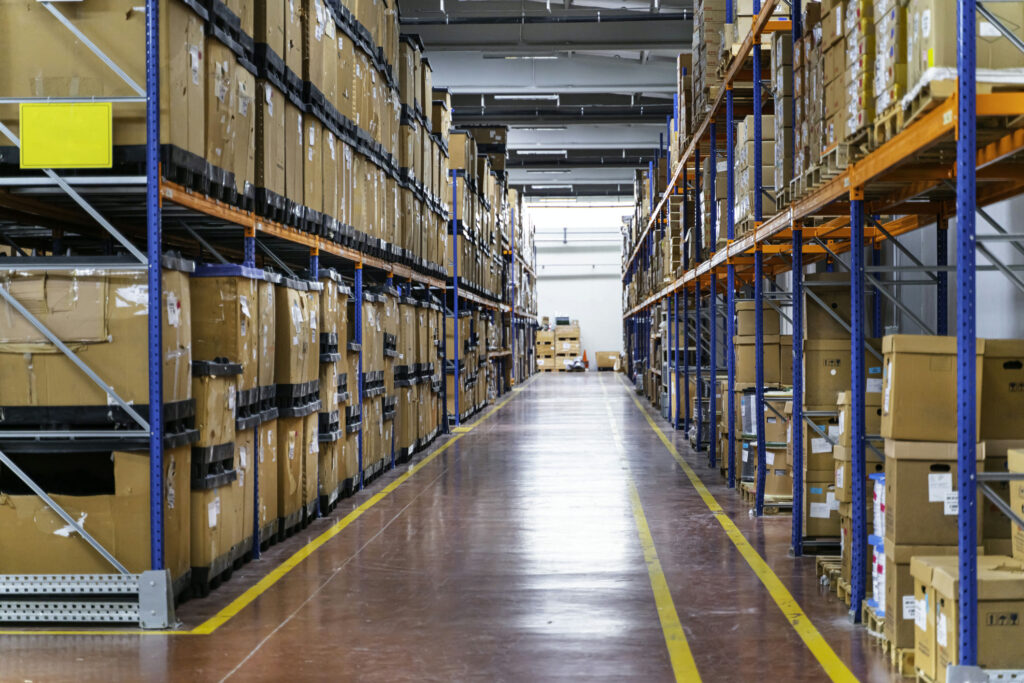
One of the key differences in Borders’ later ventures was a much greater focus on profitability and sustainable unit economics. He had learned the hard way that high-tech warehouses are only useful if they can actually make money on every order processed. In his more recent interviews, Borders has been vocal about the need for extreme efficiency and the importance of not overextending before the technology is proven.
He also recognised that the “last mile” of delivery, the actual trip from the warehouse to the customer’s door, remains the most difficult and expensive part of the process. By focusing on automated systems that could be located closer to urban centres, he hoped to solve the problems that had doomed Webvan’s massive, centralised distribution model. This iterative approach shows a founder who is willing to learn from his mistakes and adapt his vision to the realities of the modern market.
A Legacy Of Persistence

Today, Louis Borders stands as a unique figure in the tech world, a man who lived through the biggest boom and bust in history and came out the other side with his ambition intact. His story is a reminder that failure is often just a part of the innovation process, provided one has the resilience to keep going. While Webvan might be remembered as a disaster, many of the technologies it pioneered are now standard practice in the industry.
Borders continues to push the boundaries of what is possible in retail and logistics, working on the next generation of automated systems. Whether his latest ventures will finally achieve the scale of his earlier dreams remains to be seen, but his influence on the world of e-commerce is undeniable. He is a founder who refuses to give up on his vision of a more efficient, technology-driven future for shopping, no matter how many bubbles may burst along the way.
The Modern Grocery Landscape
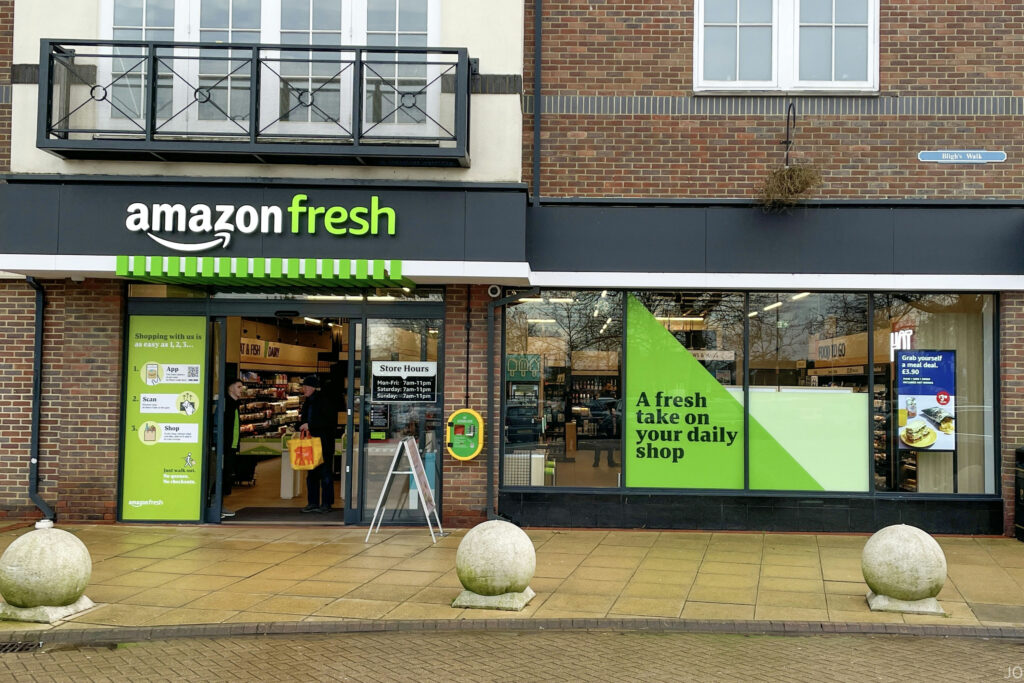
The current success of services like Ocado, Amazon Fresh, and Instacart serves as a validation of the core ideas that Louis Borders was promoting over twenty years ago. These companies have succeeded by slowly building out their networks and waiting for the right moment to scale, avoiding the “growth at any cost” trap that snared Webvan. The grocery industry has finally caught up with the digital age, and online shopping is now a multi-billion dollar sector.
It is fascinating to think that the automated systems Borders dreamt of in 1999 are now a reality in warehouses across the globe. While the original Webvan is long gone, its DNA lives on in every groceries order placed through a smartphone app. The journey of Louis Borders is a testament to the fact that being first isn’t always the same as being wrong, and that the most important quality for any entrepreneur is the ability to stay in the game until the world catches up.
A Vision For The Future
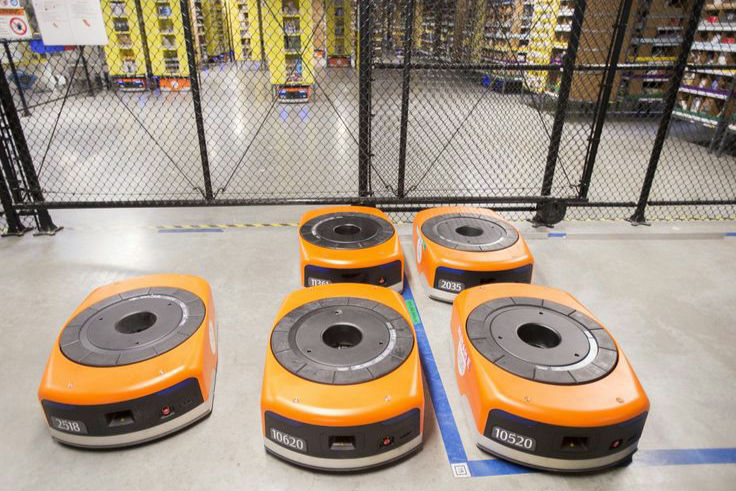
Louis Borders has consistently maintained that the ultimate goal for HDS Global is to provide a service where customers receive fresh groceries at lower prices than traditional supermarkets. The strategy shifted from merely owning the delivery trucks to licensing the underlying robotic technology to other retailers, allowing them to compete in the increasingly digital marketplace. This focus on a “Robo-FS” or Robotic Fulfillment System represents a significant departure from the capital-intensive infrastructure that led to Webvan’s downfall in 2001. It suggests that the founder has prioritised technological innovation over rapid geographic expansion, a lesson learned from the painful “get big fast” mantra of the dot-com bubble.
Despite the challenges of entering a market now dominated by massive players, Borders remains an influential figure whose early work laid the groundwork for today’s delivery culture. His persistence serves as a reminder that the path to success is often paved with spectacular failures that provide the data necessary for future breakthroughs. As automation continues to reshape the global economy, the legacy of his efforts, from the initial rise of Webvan to the sophisticated systems of HDS Global, continues to inspire a new generation of entrepreneurs. His journey is a testament to the fact that even after a billion-dollar collapse, a truly visionary idea can find a second life in a more advanced era.
Reliance on a single massive factory or a rigid infrastructure can leave a business vulnerable to even the smallest shifts in the market.
Like this story? Add your thoughts in the comments, thank you.


