
1. Chris Crocker
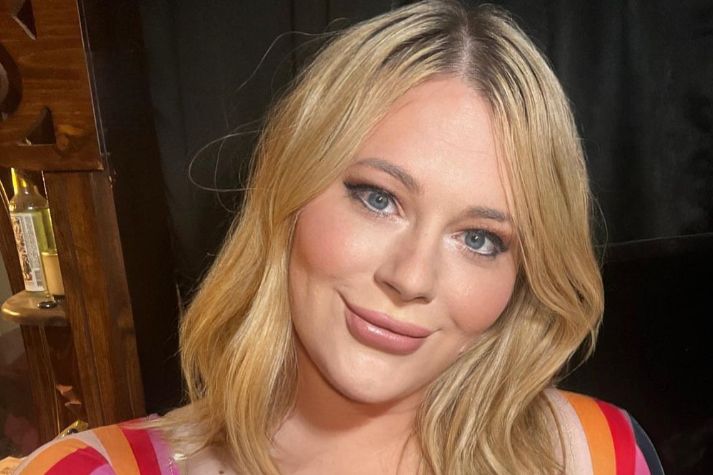
In 2007 Chris Crocker uploaded a tearful defense of Britney Spears that instantly became one of the earliest viral YouTube moments. The video was raw, emotional, and filmed in a bedroom without polish. That unfiltered intensity was exactly what made it spread so quickly. For many viewers it was the first time they saw how a single webcam clip could explode into global attention. The smeared makeup and passionate delivery became symbols of early internet drama at full volume.
Seeing Cara Cunningham today feels like witnessing a completely different chapter. The exaggerated webcam persona has softened into a calmer, more grounded presence. The viral storm that once surrounded that moment has faded. The contrast is striking because it shows how much personal evolution can happen after the internet moves on. What remains is not the meme but the human being behind it, someone who grew beyond the loudest moment of her life.
2. Tila Tequila
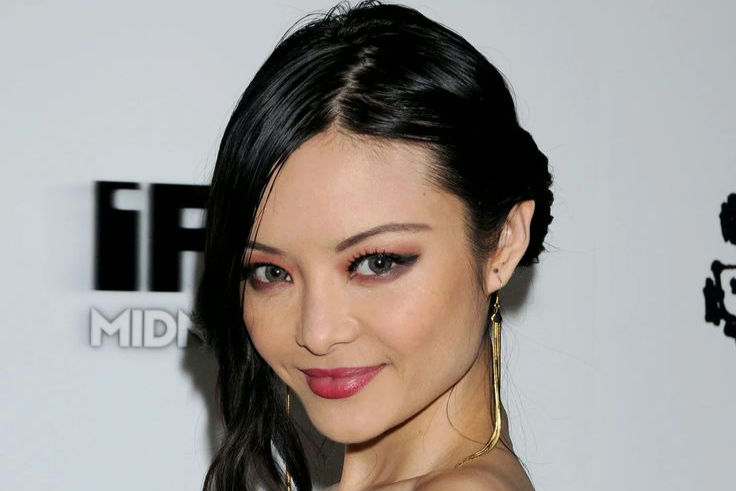
If you were online in the mid 2000s, you remember when logging into MySpace felt like stepping into a flashing digital club, and Tila Tequila was already the headliner. She was the most followed profile on the platform, turning selfies and status updates into a new form of celebrity that felt thrilling and chaotic. For many of us, she represented that glitter covered era when the internet crowned its own stars without Hollywood approval. Heavy eyeliner, bold poses, reality television energy, she made fame look reachable from a bedroom computer screen.
Looking at her today feels like running into someone from a loud chapter of your life and realizing how much both of you have changed. The styling is softer, the presence quieter, and the once constant spotlight has faded. The party persona that defined her online image feels distant now. The transformation is not subtle. It reflects how dramatically early social media evolved and how those at its center had to grow beyond the chaos that once made them famous.
3. Jeffree Star
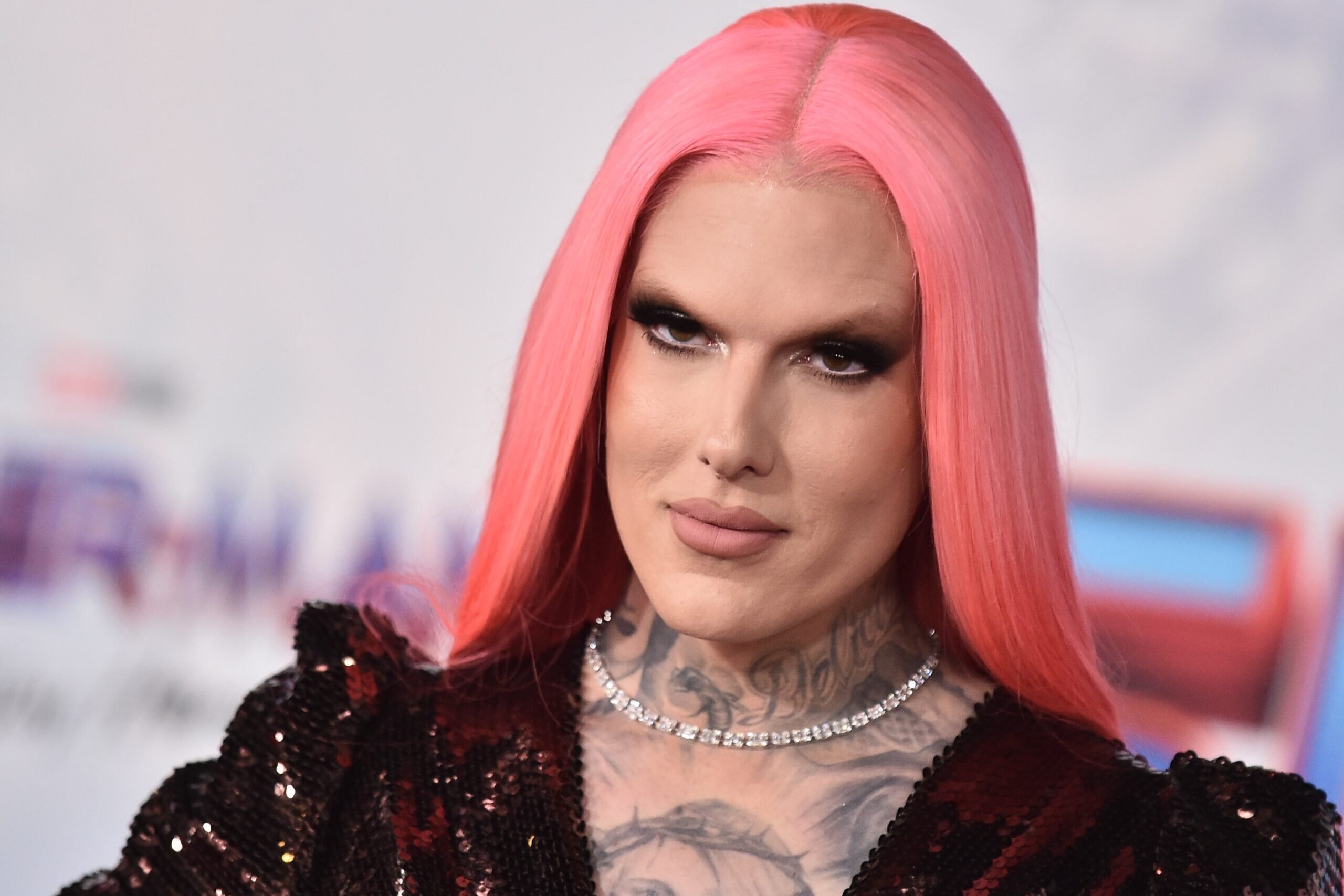
Before the cosmetics empire and polished branding, Jeffree Star was a MySpace personality known for neon pink hair and unapologetic self expression. His early photos were layered with glitter edits and dramatic angles that stood out on crowded profile pages. In that era, being louder and brighter than everyone else was the strategy. Jeffree understood that instinctively. The scene kid aesthetic, sharp eyeliner, and rebellious captions helped him build a following that felt underground yet impossible to ignore.
Today the transformation is striking. The once chaotic MySpace energy has evolved into a sleek, calculated public image built around luxury and business. The bright colors have softened into curated glam. Even his overall presentation appears refined compared to those early years. The difference feels dramatic because it captures two completely different internet eras. One was experimental and messy. The other is structured and strategic, shaped by someone who learned how to turn viral attention into long term influence.
4. William Hung

When William Hung sang She Bangs during his American Idol audition, the clip quickly traveled far beyond television. In the early 2000s viral culture was still new, and his off key enthusiasm became one of its first shared sensations. The spiked hair, nervous smile, and genuine effort made him instantly recognizable. People replayed the audition endlessly, turning it into both a joke and a cultural reference point. He looked like a hopeful student chasing a dream without expecting worldwide attention.
Today he looks nothing like that nervous young performer. The once awkward stage presence has been replaced by a polished and professional appearance. He blends into everyday life without the exaggerated spotlight that once followed him. The transformation feels significant because it shows how fleeting online fame can be. What once seemed inescapable quietly faded, leaving behind someone who moved forward while the internet shifted its focus elsewhere.
5. Tay Zonday

Chocolate Rain felt like a discovery passed quietly between friends before algorithms controlled everything. Tay Zonday’s deep voice and serious expression stood out against the simple background of his recording space. The oversized shirt, careful microphone positioning, and side glances away from the camera became part of the charm. In a time when YouTube still felt experimental, his performance became one of the platform’s defining viral moments that people could not stop sharing.
Seeing him now reveals a noticeable shift. The once shy and slightly awkward presence has matured into someone more confident and composed. The styling is more refined and the energy steadier. The contrast is not dramatic in a flashy way but it is clear. The young creator experimenting online has grown into someone who understands the cultural moment he helped shape. Time transformed a surprising upload into a lasting digital memory.
6. Rebecca Black
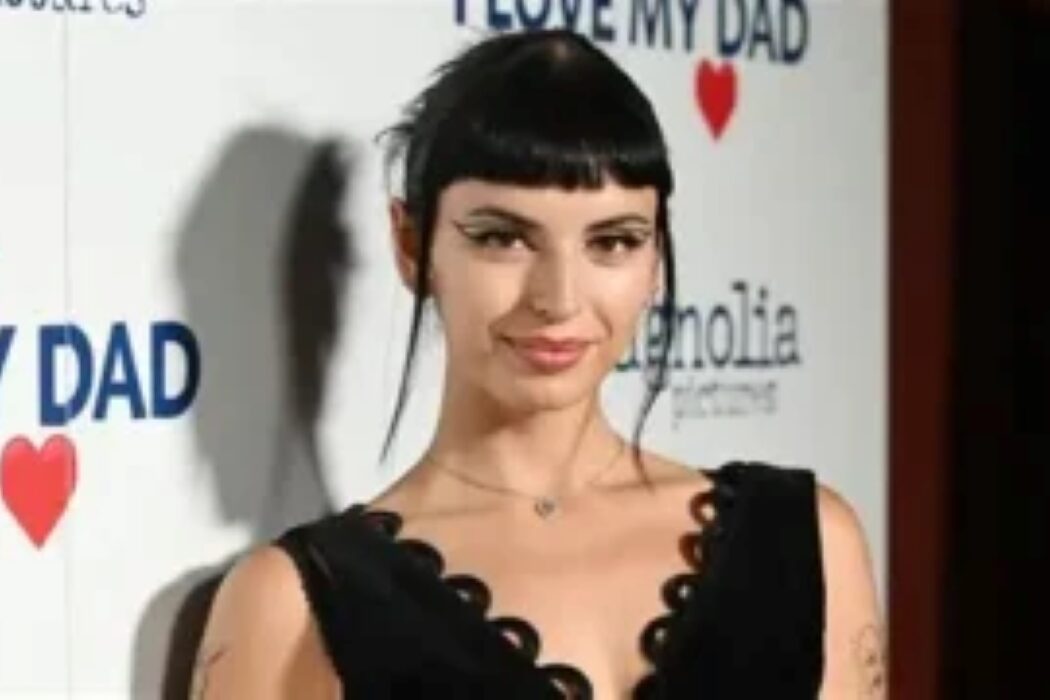
When Friday exploded online, Rebecca Black was just a teenager stepping into music without expecting global scrutiny. The video spread at a speed that felt impossible to contain. It was replayed, parodied, and criticized relentlessly. For many viewers it defined an era of viral pop moments that felt both entertaining and overwhelming. At the time she looked exactly like what she was, a young girl navigating sudden attention under an unforgiving spotlight.
Years later the difference is undeniable. Rebecca Black’s appearance and confidence have evolved in ways that feel intentional and self assured. The nervous energy from that first upload has given way to artistic maturity. Her styling is sharper and her presence stronger. The transformation feels meaningful because it shows growth beyond a single viral moment. What once felt like a punchline now reflects resilience and quiet determination.
7. Ray William Johnson
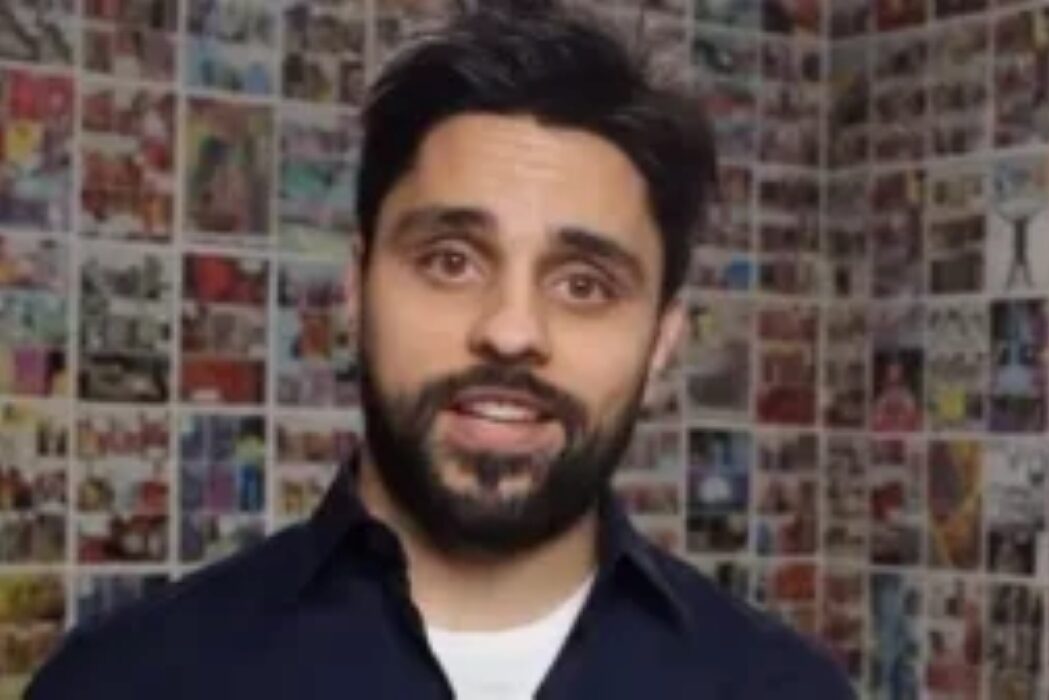
In the early days of YouTube commentary Ray William Johnson’s face appeared on screens almost weekly. His series broke down viral videos with quick jokes and expressive reactions. Sitting in front of a simple backdrop he looked like any ambitious young creator experimenting with a webcam and timing. The format was straightforward and matched the smaller internet of that era. His youthful look became part of the rhythm viewers expected each week.
Today he appears far more mature and removed from that constant upload schedule. The energetic thumbnails from years ago feel like a different lifetime. His appearance has shifted into something more composed and reflective. The difference highlights how creators evolve alongside the platforms that first made them visible. The scrappy beginnings have given way to a more measured presence shaped by time and experience.
8. Lucas Cruikshank

Lucas Cruikshank created Fred Figglehorn, a character defined by a high pitched voice and frantic storytelling that dominated early teen internet culture. The exaggerated reactions and chaotic energy made Fred unforgettable. For many young viewers those videos became daily rituals. Lucas seemed inseparable from the squeaky persona that brought him fame. At the time it felt impossible to imagine him without that cartoonish intensity attached to his identity.
Seeing Lucas today can feel almost disorienting. The exaggerated voice is gone and the chaotic energy has faded. In its place is a calm and understated presence that looks nothing like the character that once filled screens. His appearance has matured dramatically. The contrast highlights how strongly a role can shape public memory. What was once a loud internet figure has grown into someone grounded and visibly transformed.
9. Perez Hilton
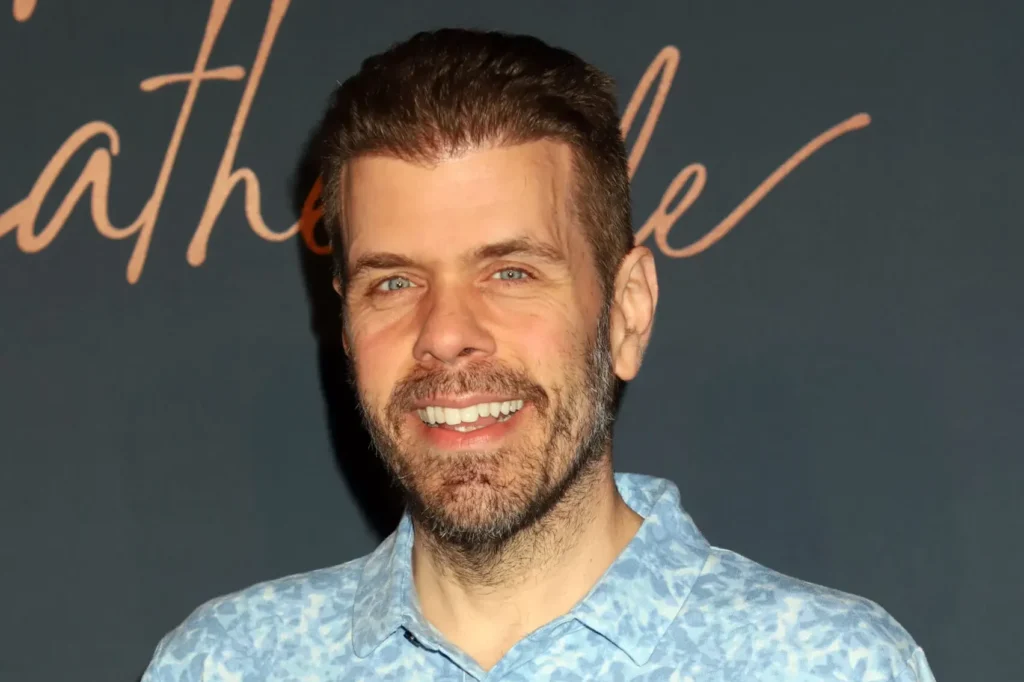
In the mid 2000s Perez Hilton’s gossip blog was unavoidable. His scribbled captions across celebrity photos and blunt commentary defined a bold era of online pop culture reporting. With bleached hair and oversized glasses he leaned fully into the image of a fearless digital provocateur. At a time when blogs shaped entertainment conversations he was one of the loudest voices in the room and rarely softened his tone.
Today the difference is striking. The flashy presentation has shifted into something more restrained and polished. His appearance is noticeably toned down compared to the exaggerated style that once matched his headlines. The internet matured and so did he. The transformation reflects how digital culture moved from chaotic blog battles to more structured platforms. Seeing him now feels like revisiting a louder chapter of online history.
10. Michelle Phan

Michelle Phan was one of YouTube’s earliest beauty pioneers, filming makeup tutorials that felt personal and intimate. Her soft voice and simple background created closeness that viewers trusted. In the 2000s beauty content online was still new territory and she helped define it. Her youthful appearance and understated styling matched the authenticity audiences appreciated. She looked like someone experimenting with creativity from her own room.
Today Michelle Phan appears far more refined and business focused than the early tutorial days suggested. The transformation is visible in both presentation and confidence. The once experimental creator has evolved into a polished entrepreneur with a distinctly different public image. Comparing old videos to recent photos reveals how dramatically time reshapes internet personalities. What began as simple uploads quietly became something much larger.
11. Amanda Bynes

In the late 2000s Amanda Bynes became an unexpected internet fixture, not just because of her acting past but because of her unpredictable social media presence. Her tweets made headlines almost daily, and screenshots traveled across blogs faster than official statements ever could. For many people who grew up watching her on television, it felt surreal to see such personal moments unfold online. The bubbly teen star from earlier years seemed to be navigating fame in real time, without a filter or a pause button.
Seeing Amanda Bynes today feels like looking at someone who stepped away from the noise and chose a different rhythm. Her appearance has changed noticeably from the Nickelodeon era that first made her famous. The styling, the energy, even the way she carries herself now feels more private and intentional. The contrast is striking because the internet once captured her at such vulnerable points. What remains today is someone clearly shaped by experience, far removed from the chaotic online chapters that once defined her headlines.
12. Soulja Boy
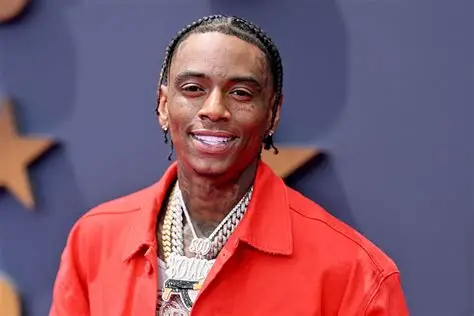
When Soulja Boy uploaded Crank That and taught the world a dance through early social platforms, it felt like the internet had found its first true music mogul. He did not wait for traditional radio. He used message boards and video sites to build momentum on his own terms. Back then he looked like a teenager enjoying sudden fame, oversized sunglasses and colorful outfits included. His confidence felt contagious and very much tied to that specific moment in digital culture.
Today Soulja Boy looks more seasoned and business minded than the playful artist who first went viral. The flashy teenage styling has matured into something more controlled and deliberate. His face has changed with time, and so has the energy he brings to public appearances. The transformation feels natural but dramatic when you compare early music videos to current photos. He no longer represents just a viral dance trend. He reflects how early internet musicians learned to grow into long term entrepreneurs.
13. Jenna Marbles

Jenna Marbles once felt like the internet’s unfiltered big sister, filming comedic rants and relatable sketches from her apartment. Her heavy eyeliner and sarcastic humor defined a generation of early YouTube viewers who just wanted something honest after a long day. She looked like someone you could actually know, laughing at everyday frustrations with exaggerated storytelling. At her peak, her presence felt constant and comforting, part of the weekly rhythm of online life.
Today her absence is almost as noticeable as her past visibility. Jenna stepped away from YouTube entirely, and when she does appear in rare glimpses, she looks quieter and far removed from the loud comedic persona that once dominated screens. The bold makeup and chaotic punchlines feel like artifacts from another era. The transformation is not just physical but emotional. It feels like someone choosing peace over performance, and that shift makes the difference between then and now feel even more profound.
14. Shane Dawson
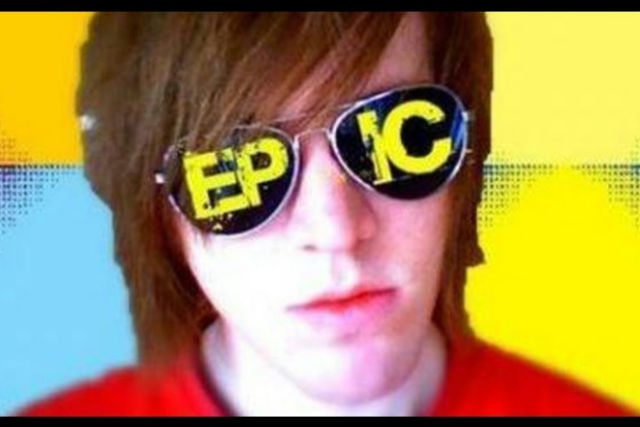
In the late 2000s Shane Dawson built an audience through sketch comedy and exaggerated characters filmed in his home. The content was chaotic, fast paced, and very much shaped by early YouTube culture. Back then he looked like a young creator chasing attention with whatever ideas might stick. The messy hair and dramatic expressions became part of his recognizable style. For many viewers, he was one of the first examples of someone turning a webcam into a career.
Seeing Shane Dawson today reveals a dramatic contrast. The youthful chaos has shifted into a more subdued and visibly older presence. The playful sketches that once defined his channel feel distant from the person who appears now. Time, controversy, and changing internet standards have all reshaped how he is perceived. The transformation is noticeable not only in appearance but in tone. What once felt carefree now carries the weight of reflection, making the difference between eras impossible to ignore.
15. Anthony Padilla
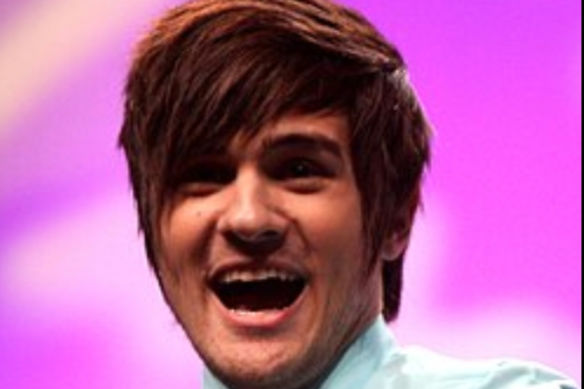
As one half of Smosh, Anthony Padilla helped define early YouTube comedy. The low budget skits, filmed with friends and fueled by inside jokes, made him instantly recognizable to millions of young viewers. Back then he looked like a teenage friend experimenting with creativity after school. The humor was loud and playful, matching the simplicity of the platform at the time. His face became part of a generation’s online routine.
Today Anthony Padilla looks dramatically different from those early thumbnails. The youthful awkwardness has been replaced with a more mature and thoughtful presence. His style is sharper, his demeanor calmer, and his projects more focused on in depth conversations rather than slapstick comedy. The transformation feels significant because it mirrors personal growth as much as physical change. Comparing old Smosh clips to his current interviews highlights just how far he has traveled from the carefree beginnings of internet sketch culture.
16. Ian Hecox
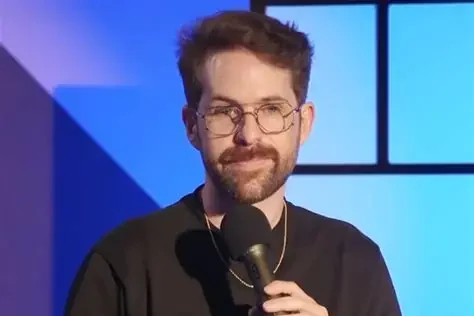
Ian Hecox stood alongside Anthony Padilla in the early Smosh days, delivering exaggerated reactions and playful chaos that defined mid 2000s YouTube. The duo’s chemistry made their sketches feel spontaneous and energetic. Ian’s youthful face and expressive style became a familiar sight on millions of screens. At the time it seemed like two friends simply having fun, unaware of how deeply they were shaping online entertainment culture.
Now Ian Hecox appears far more composed and visibly older than the teenager many viewers remember. The exaggerated facial expressions from early skits have given way to a steadier presence shaped by years in front of the camera. His transformation feels natural yet striking when placed beside those early videos. The playful innocence of that era has matured into experience and industry knowledge. What remains is someone who helped build a platform from scratch and evolved along with it.
17. Colleen Ballinger
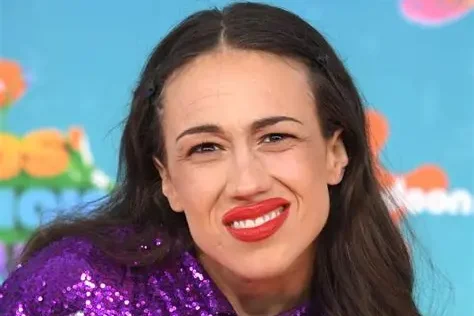
Colleen Ballinger rose to internet fame through her character Miranda Sings, complete with smeared lipstick and awkward singing. The exaggerated persona became instantly recognizable, and viewers could not separate the character from the creator. Back then, the intentionally messy appearance was the joke. It felt like satire aimed at overly confident performers who lacked self awareness. Miranda’s face became a fixture of early viral comedy.
Seeing Colleen Ballinger today without the character makeup highlights a striking difference. Her real appearance is polished and entirely separate from the exaggerated features that once defined her brand. The contrast between Miranda and Colleen has grown sharper over time. The transformation underscores how deeply a fictional persona can shape public memory. When the character fades, the real person often looks unrecognizable compared to the exaggerated version audiences grew used to seeing.
18. Gary Brolsma

Gary Brolsma, better known as the Numa Numa Guy, became one of the earliest viral stars simply by dancing enthusiastically in front of his webcam. His joyful lip syncing felt spontaneous and unplanned, which made it charming. In an era before influencers and brand deals, his fame felt accidental. The round faced teenager with boundless energy became a symbol of how random internet attention could be.
Seeing Gary Brolsma today feels like encountering someone who quietly stepped back into normal life. The teenage exuberance captured in that original clip has matured into a calm adult presence. His appearance has changed with time, making it hard to connect the grown man to the bouncing figure from early internet history. The transformation highlights how quickly viral fame can freeze a person in youth while real life continues unfolding beyond the screen.
19. David DeVore

David DeVore became an unexpected internet star after a simple family video captured him in the backseat asking, “Is this real life?” following a dental visit. The clip spread quickly across early social platforms, turning a groggy child into a viral moment that people quoted for years. At the time he was just a small boy with wide eyes, slurred speech, and complete innocence about what was happening. The humor felt harmless and genuine, which is exactly why it resonated so strongly.
Today David DeVore looks nothing like the sleepy child frozen in that car seat memory. He has grown into a young adult, taller, sharper featured, and far removed from that brief viral spotlight. The baby cheeks and tiny voice that defined the clip are long gone. Seeing him now feels like opening a time capsule and realizing how much life has passed since that moment. The transformation is striking because the internet still remembers him as a child, even though he has clearly moved on.
20. Antoine Dodson
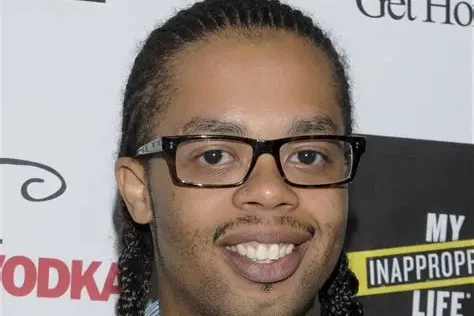
Antoine Dodson became an unexpected internet sensation after a local news interview turned into the viral Bed Intruder Song. His passionate warning during that interview spread rapidly across early social platforms, and suddenly his face and voice were everywhere. The red bandana, animated delivery, and memorable catchphrases made him instantly recognizable. In that moment he looked like someone pulled straight from everyday life into global attention without preparation. It was one of those rare early viral clips that crossed from local news into mainstream conversation almost overnight.
Today Antoine Dodson looks noticeably different from the energetic figure captured in that original broadcast. The intensity that once defined his public image has softened, and his overall appearance reflects the years that have passed since that sudden fame. The contrast feels striking because the internet still remembers him frozen in that single dramatic moment. Time has reshaped his presence completely. What was once a spontaneous viral explosion has settled into a quieter reality that feels far removed from the headlines of that era.


