
1. Roswell, New Mexico
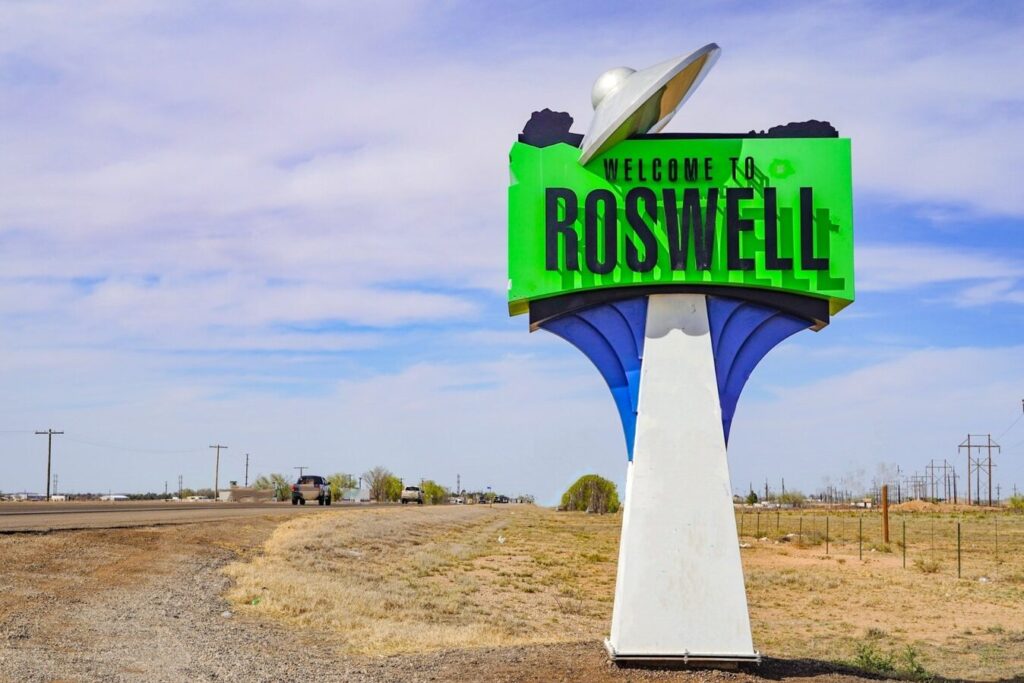
Sometimes a place becomes known for its food or its skyline, but Roswell, New Mexico became famous for one strange story that refused to fade. In 1947, debris discovered on a nearby ranch was first described by the military as a flying disc before officials later said it was a weather balloon. That brief confusion sparked decades of alien theories, government secrecy claims, and endless curiosity. Today, the town leans fully into the legend. You will find alien murals, themed diners, and the International UFO Museum welcoming visitors who arrive curious and amused. Roswell shows how one headline can quietly rewrite a town’s future. In a way, it feels like the town and the story grew up together, each shaping the other over time. Even people who do not believe in extraterrestrials still stop by, just to say they have seen the place where it all supposedly began.
Over the years, Roswell has turned that single incident into an identity that keeps local businesses alive and conversations flowing. Annual festivals draw crowds who dress up, share theories, and take playful photos beside little green statues. The mystery remains part of the charm because no one can completely close the book on it. For residents, it is less about proving anything and more about embracing what the world already associates with their town. Roswell reminds us that sometimes one unusual moment is enough to turn an ordinary desert community into a name people recognize without hesitation.
2. Salem, Massachusetts
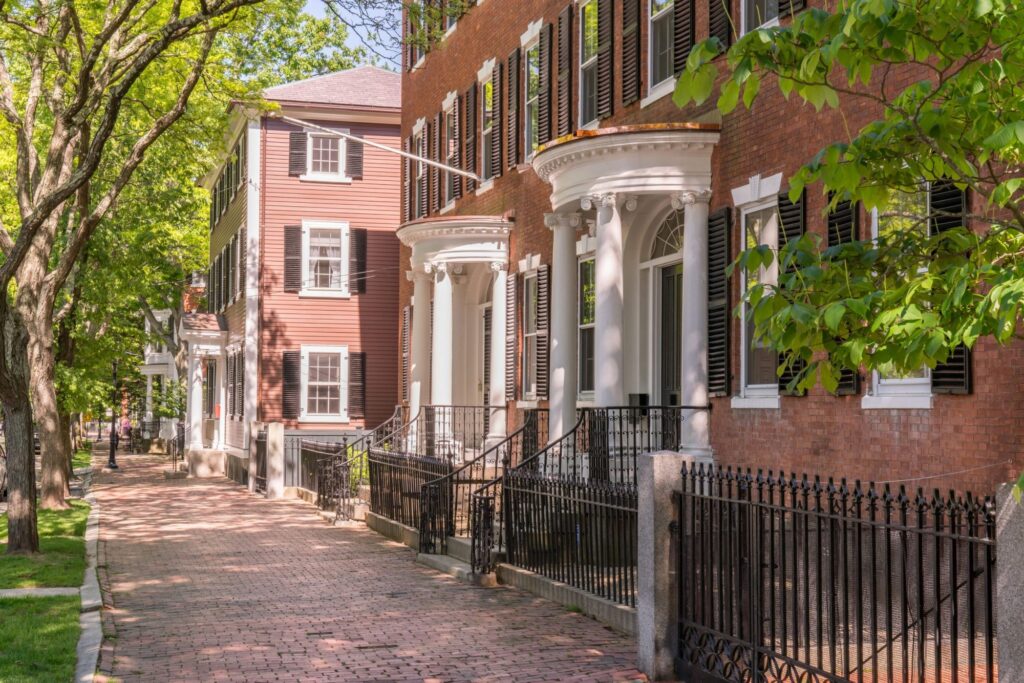
Salem, Massachusetts is forever tied to the events of 1692, when fear and suspicion led to the infamous witch trials. Twenty people were executed during that period, and many more were accused in a wave of panic that later generations would look back on with regret. That chapter of history became the defining story of the town. Today, visitors walk its streets learning about the trials through museums, memorials, and guided tours that aim to explain how hysteria spread so quickly. Salem has found a way to acknowledge its painful past while also building a thoughtful tourism industry around it. It is a place where history feels close, not distant, and where conversations about justice and fear still matter.
Each October, Salem fills with travelers drawn by its connection to Halloween and the supernatural, yet the town also works to center remembrance and education. The trials remain the reason most people first learn its name, and that single historical moment continues to shape how it is viewed worldwide. Salem shows how one intense period can define a place for centuries, while also giving it an opportunity to reflect, teach, and grow beyond what once happened there.
3. Punxsutawney, Pennsylvania
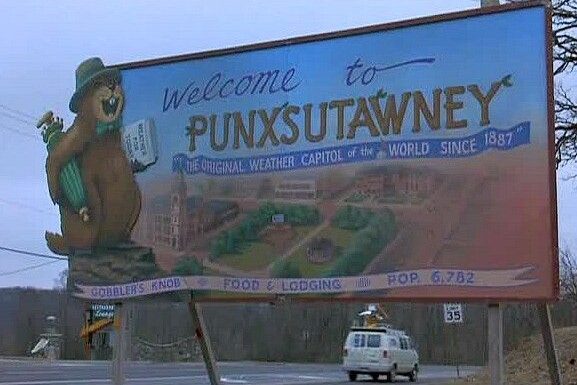
Punxsutawney, Pennsylvania might have remained a quiet small town if not for one groundhog named Phil. Every February 2, crowds gather before sunrise to see whether he will see his shadow and predict six more weeks of winter or an early spring. The tradition dates back to the late nineteenth century and has steadily grown into a nationally recognized event. People travel from different states just to stand in the cold and witness a ceremony that lasts only a few minutes. It feels simple and almost old fashioned, yet that simplicity is part of its charm. One animal and one morning each year turned Punxsutawney into a familiar name across America.
The town has embraced its role with festivals, souvenirs, and celebrations that extend beyond that single prediction. Businesses benefit from the visitors, and residents proudly carry on the ritual. Even those who laugh at the idea still tune in to see what Phil decides. Punxsutawney reminds us that fame does not always require something dramatic. Sometimes it comes from a tradition that feels warm, communal, and just quirky enough to keep people coming back year after year.
4. Interlaken, Switzerland
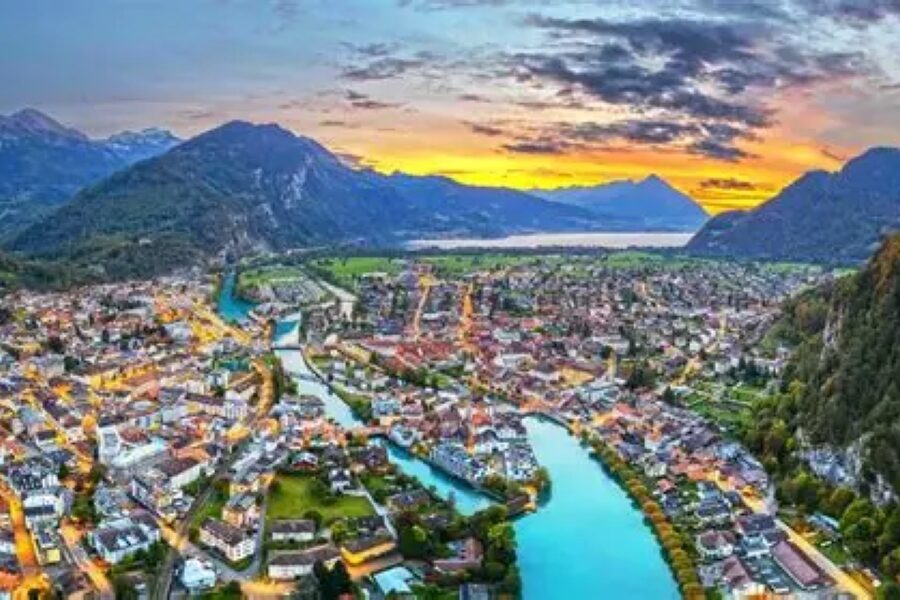
Interlaken, Switzerland is surrounded by breathtaking mountains and clear blue lakes, yet it is known most for the rush of adrenaline it offers. Travelers arrive not just to admire the scenery but to leap into it through skydiving, paragliding, canyoning, and bungee jumping. The dramatic Alpine backdrop makes every activity feel larger than life. Over time, that focus on adventure transformed Interlaken into a global hub for thrill seekers. It is the kind of place where someone might arrive saying they just want to try one daring experience and leave with stories they will retell for years. One shared reputation for extreme sports shaped how the world sees this scenic town.
Local businesses built around that excitement, offering guided tours and training for beginners as well as seasoned adventurers. Even those who choose to stay grounded feel the energy in the air as parachutes drift down from the sky. Interlaken proves that sometimes a single type of experience can define a destination more strongly than its geography. The mountains were always there, but it was the leap into the unknown that made the name unforgettable.
5. Silicon Valley And Tech Innovation
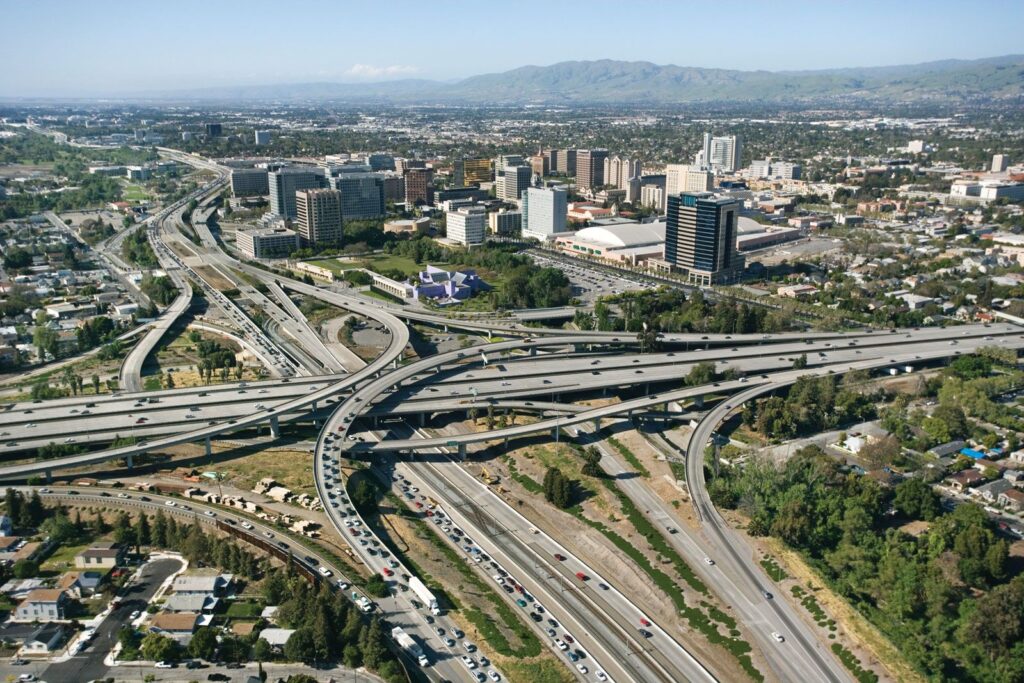
Silicon Valley in California is not a single city but a region, yet its name carries a clear meaning around the world. It became famous for technology startups and the companies that changed how we communicate, shop, and share information. Businesses like Apple and Google began there, attracting entrepreneurs who believed they could build something entirely new. Over decades, the area became synonymous with innovation, venture capital, and bold ideas sketched on whiteboards late at night. That steady stream of digital breakthroughs shaped its identity more than anything else. When people say Silicon Valley, they usually mean ambition powered by code.
The reputation continues to draw dreamers hoping to launch the next big platform or app. Office parks and campuses may look ordinary at first glance, but the ideas developed inside them often ripple across the globe. Even with rising costs and shifting trends, the region remains tied to its tech legacy. Silicon Valley shows how one industry can define an entire area so strongly that its name becomes shorthand for progress itself.
6. Hollywood And The Film Industry
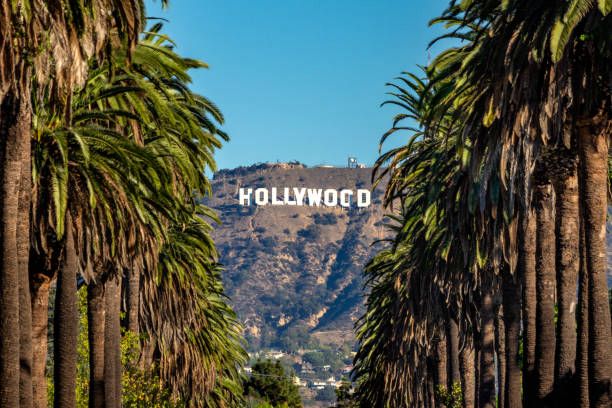
Hollywood, a neighborhood in Los Angeles, became famous because it grew into the heart of the American film industry. In the early twentieth century, movie studios moved there seeking reliable sunshine and open space for production. Over time, the area’s name became shorthand for cinema itself. The Hollywood Sign overlooking the hills and the Walk of Fame along the sidewalks turned into global symbols of ambition and celebrity. Aspiring actors, writers, and directors have long arrived carrying hopes of being discovered. One industry, built on storytelling and imagination, gave Hollywood a reputation that stretches far beyond its few square miles.
Even though filmmaking now happens in many locations around the world, Hollywood still represents glamour and possibility in popular culture. Red carpet premieres and award ceremonies reinforce that image year after year. The neighborhood has restaurants, homes, and ordinary routines like anywhere else, yet it is the movie dream that defines it. Hollywood shows how a creative movement can shape not just careers but the identity of a place for more than a century.
7. Niagara Falls And The Waterfall
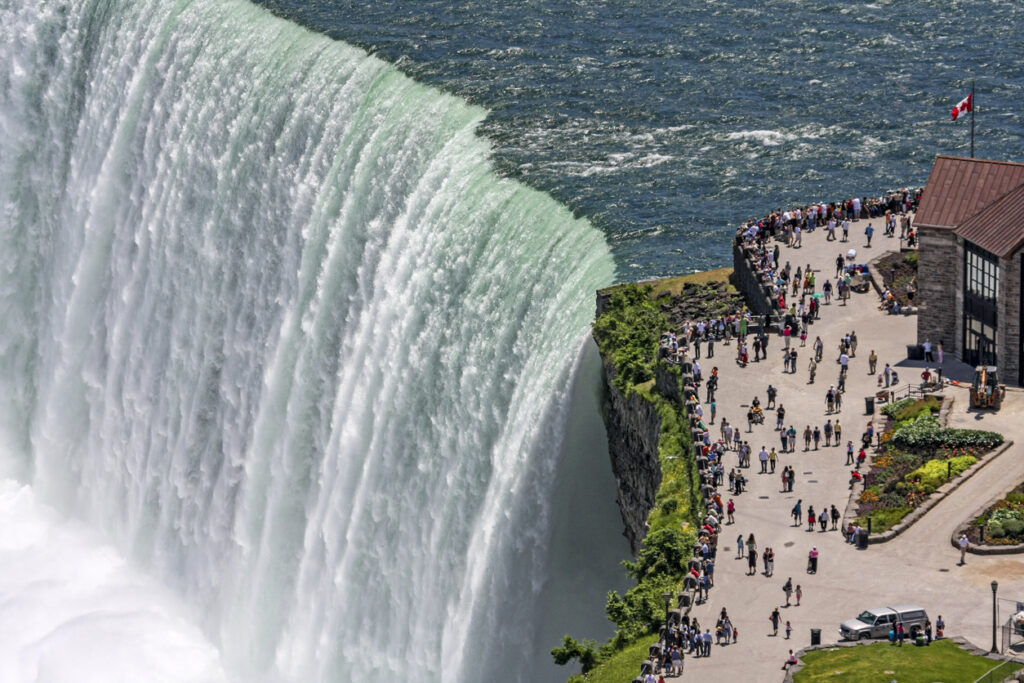
Niagara Falls, located on the border between the United States and Canada, is famous for one breathtaking natural spectacle. The massive waterfalls send millions of gallons of water crashing down every minute, creating mist that rises high into the air. For generations, visitors have traveled there to stand at the railing and feel the power of the rushing water. Honeymooners, families, and photographers all share that same wide eyed reaction when they first see it. The surrounding towns built hotels, observation decks, and boat tours around that single feature. One dramatic stretch of river turned into a landmark recognized across the world.
Beyond the viewing platforms, the falls also became known for daring stunts, with individuals attempting to go over the edge in barrels. Those stories added another layer to its fame. Still, it is the sheer force and beauty of the water that keeps people coming back. Niagara Falls proves that sometimes nature alone is enough to make a place unforgettable.
8. Wall Street
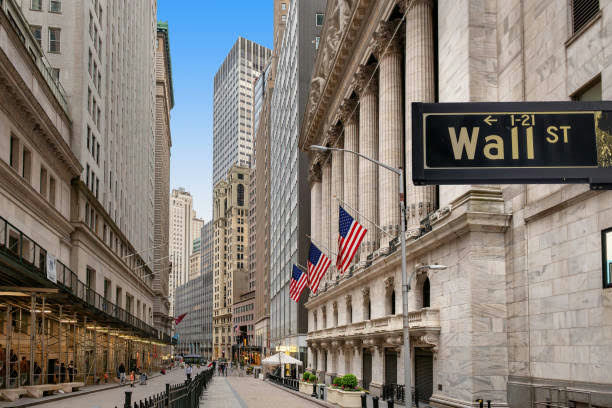
Wall Street in New York City is only a short street in Lower Manhattan, yet its name carries enormous weight. It became famous because it houses the New York Stock Exchange and long served as the center of American financial trading. Over time, journalists and commentators began using the phrase Wall Street to represent the entire financial market. Economic booms, recessions, and market swings are often described as movements on Wall Street. One small stretch of pavement became a symbol for global capitalism and investment.
The buildings themselves may seem modest compared to modern skyscrapers, but the decisions made there have influenced economies around the world. Traders once crowded the exchange floor, shouting bids and offers in a fast paced rhythm. Even as technology changed how trades are executed, the symbolic power of Wall Street remains. It shows how one concentrated hub of activity can shape not only a city’s identity but also the language people use to talk about money and markets.
9. Graceland in Memphis
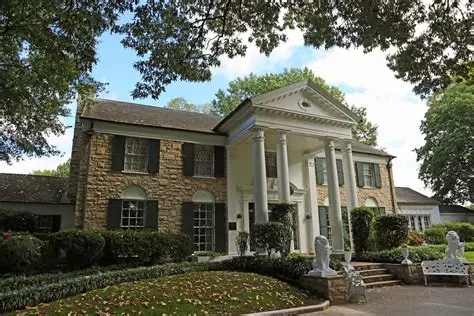
Graceland in Memphis, Tennessee is famous because it was the home of Elvis Presley. After he purchased the mansion in 1957, it became both his private retreat and a symbol of his success. Following his death in 1977, the estate opened to the public and quickly turned into a pilgrimage site for fans. Visitors walk through rooms filled with his costumes, gold records, and personal memorabilia, feeling a connection to the man behind the music. One house, tied to one legendary performer, reshaped how people view that corner of Memphis.
Each year, thousands gather during anniversary events to honor his memory. The surrounding area benefits from the steady flow of tourists who come to celebrate his legacy. While Memphis has a rich musical history beyond one artist, Graceland remains its most recognized landmark. It demonstrates how a single individual’s life and career can anchor a place’s identity long after the final encore has ended.
10. Pompeii in Italy
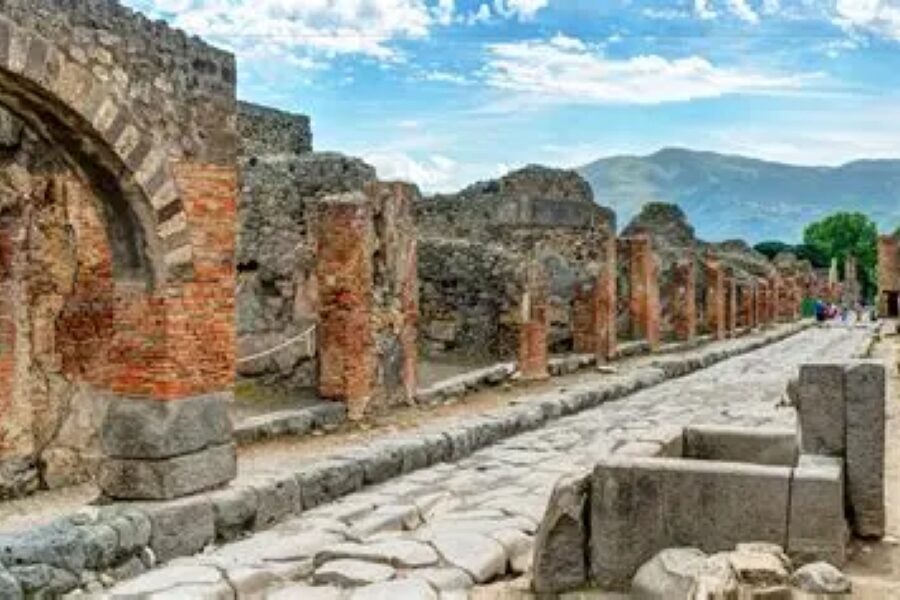
Pompeii in Italy became world famous because of the eruption of Mount Vesuvius in AD 79. The volcanic explosion buried the Roman city under ash and pumice, preserving buildings, artwork, and even the shapes of people caught in the disaster. Centuries later, excavations revealed streets, homes, and marketplaces almost frozen in time. What might have faded quietly into history instead became one of the most important archaeological sites on earth. One catastrophic day secured Pompeii’s place in textbooks and travel itineraries alike.
Visitors today walk along ancient stone roads, peering into villas and imagining daily life before the eruption. The preserved details offer rare insight into Roman culture, from graffiti on walls to the layout of public baths. Pompeii stands as both a warning about nature’s power and a remarkable window into the past. Its fame rests on tragedy, yet it also provides knowledge that continues to shape our understanding of history.
11. Monaco
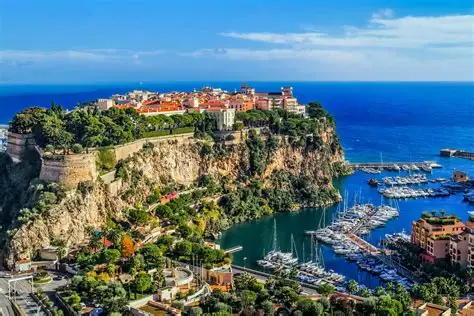
Monaco is a small principality on the French Riviera, yet it is known worldwide for wealth and elegance. Its reputation grew through glamorous casinos, luxury yachts, and high profile events such as the Monaco Grand Prix. The Monte Carlo district in particular became associated with refined nightlife and high stakes gaming. Over time, Monaco’s image as a haven for the wealthy solidified, supported by favorable tax policies and a Mediterranean backdrop. One clear identity centered on luxury turned this tiny country into a global symbol of affluence.
Visitors often arrive curious about the lifestyle they have seen in films and magazines. They stroll past designer boutiques and watch sports cars glide along coastal roads. While Monaco has ordinary residents and daily routines, its international image remains tied to sophistication and privilege. The blend of sea views and exclusivity continues to define how the world imagines this compact yet influential destination.
12. Area 51 in Nevada
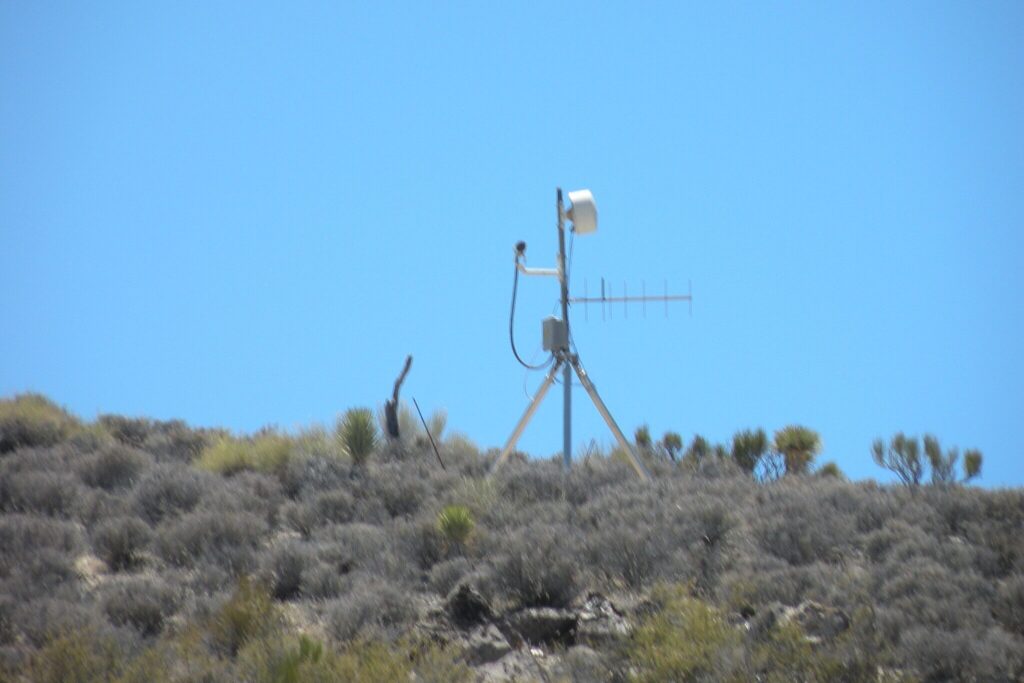
Area 51 in Nevada became famous because of secrecy. Officially a United States Air Force facility, it was long denied or left unacknowledged by authorities. That silence fueled rumors about experimental aircraft and even extraterrestrial technology. Conspiracy theories flourished, turning the remote desert base into a cultural icon. When the government formally acknowledged its existence in 2013, curiosity only deepened. One restricted installation, hidden behind guarded gates and vast desert, captured the public imagination.
Nearby towns capitalized on the intrigue with alien themed shops and roadside attractions. Tourists drive along what is nicknamed the Extraterrestrial Highway, hoping to glimpse something unusual. Though most of what happens there remains classified military work, the mystery itself sustains its fame. Area 51 shows how limited information can sometimes generate more fascination than clear answers ever could.
13. Versailles in France
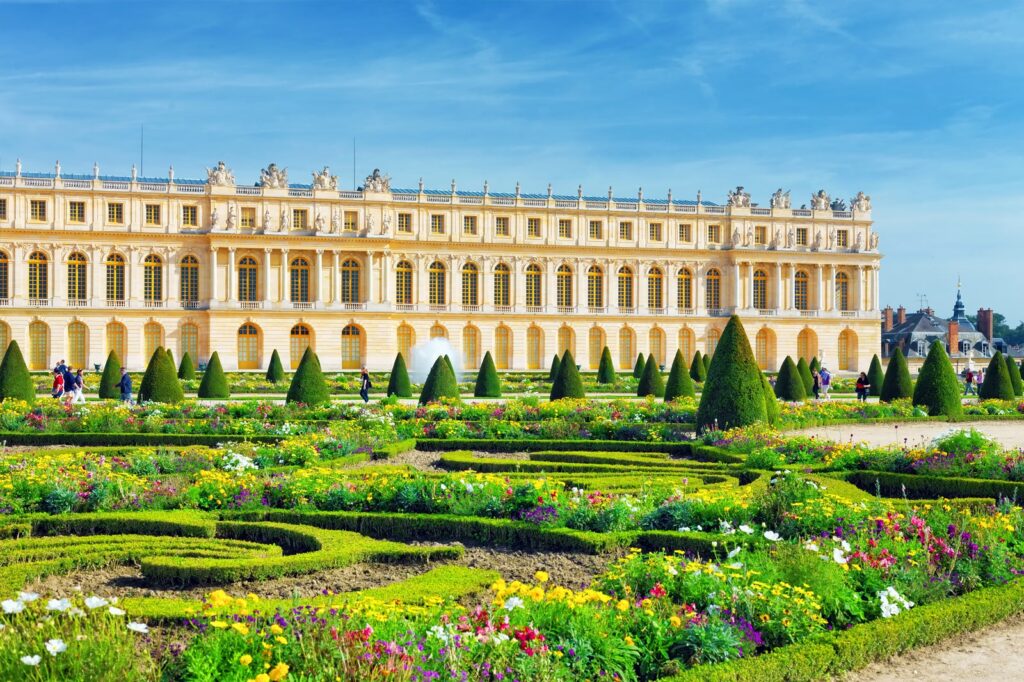
Versailles in France is closely linked to the Palace of Versailles and the reign of King Louis XIV. Built to display royal power, the palace features ornate rooms, sweeping gardens, and the famous Hall of Mirrors. Its grandeur became a symbol of absolute monarchy in the seventeenth and eighteenth centuries. Later, the Treaty of Versailles ending World War One was signed there, adding another historical layer. One residence constructed to impress allies and rivals alike secured Versailles a permanent place in global history.
Today, visitors wander through gilded halls and manicured grounds, trying to imagine court life at its height. The town surrounding the palace has its own rhythm, yet it remains overshadowed by that magnificent structure. Versailles demonstrates how architecture can serve as both political statement and enduring landmark. Its name continues to evoke images of opulence, ceremony, and turning points in world events.
14. Woodstock, New York

Woodstock, New York became famous because of the 1969 music festival that carried its name, even though the event itself was held nearby in Bethel. Over one summer weekend, hundreds of thousands gathered for performances that came to symbolize peace, protest, and generational change. Artists like Jimi Hendrix and Janis Joplin delivered sets that echoed far beyond the fields where they were played. That single gathering defined how people would remember the name Woodstock for decades.
The town itself maintains an artistic spirit, but it is the festival’s legacy that draws curiosity from visitors. Souvenirs, photographs, and documentaries keep the memory alive. Woodstock represents more than music; it stands for a cultural shift captured in a brief moment of shared experience. One weekend reshaped the identity of a quiet New York community and left an imprint on popular culture that still feels recognizable today.
15. Gettysburg And The Civil War Battle
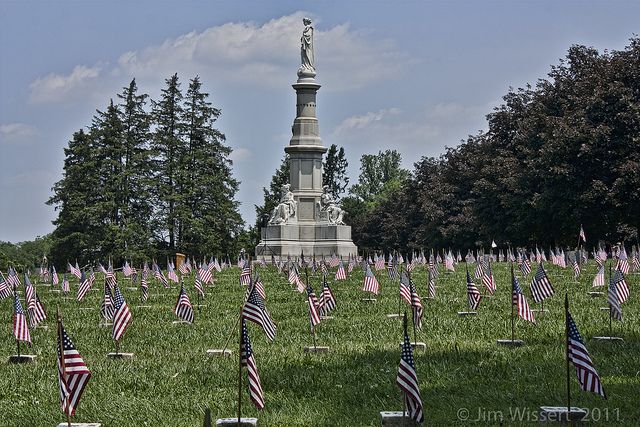
Gettysburg, Pennsylvania became widely known because of the pivotal Civil War battle fought there in July 1863. Over three intense days, Union and Confederate forces clashed in what would become one of the bloodiest battles in American history. The outcome marked a turning point in the war, shifting momentum toward the Union side. Later that year, President Abraham Lincoln delivered the Gettysburg Address at the dedication of a national cemetery, adding lasting significance to the town’s name. One battle, lasting less than a week, permanently placed Gettysburg in the center of national memory.
Today, the battlefield is preserved as a national military park where visitors walk across open fields and stand near monuments honoring fallen soldiers. Guided tours and museums help explain the strategy and human cost of those days. Gettysburg’s identity remains closely tied to that single confrontation. It stands as a place of reflection, reminding visitors how one historic moment can shape a nation and define a town for generations.
16. Times Square And The New Year Ball Drop
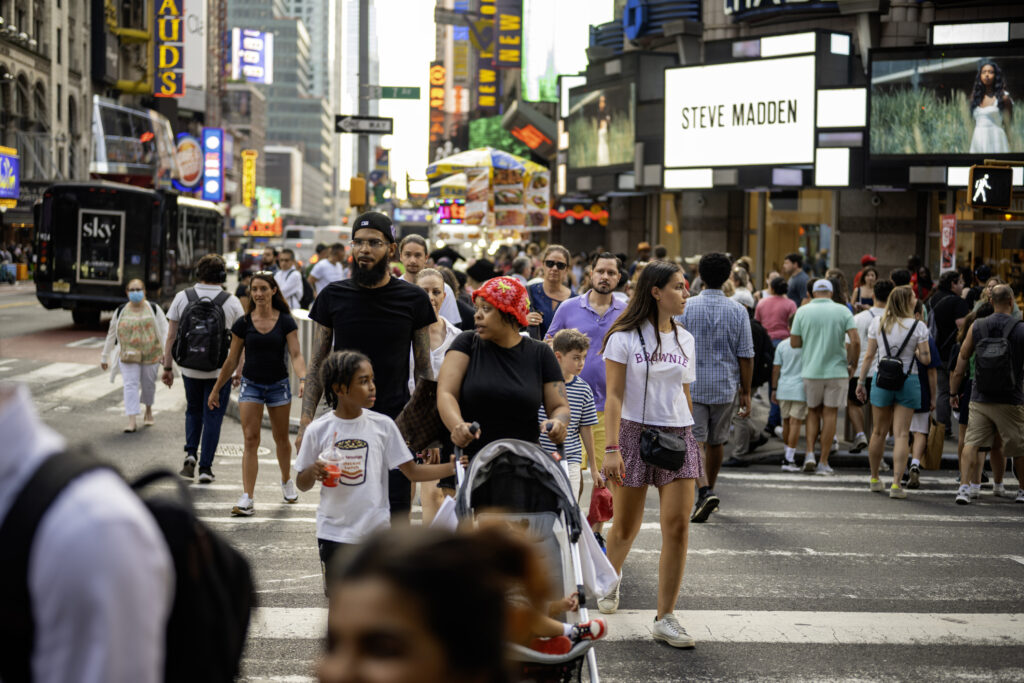
Times Square in New York City is busy every day of the year, glowing with billboards and packed sidewalks, yet it is especially famous for one midnight moment. Since 1907, crowds have gathered there on December 31 to watch the New Year’s Eve ball drop. As the illuminated ball descends, millions count down together, both in person and through live broadcasts across the world. That shared ritual transformed a commercial intersection into a global symbol of fresh beginnings. One annual celebration made Times Square recognizable even to people who have never visited New York.
Throughout the rest of the year, tourists still arrive hoping to experience the bright lights and constant motion. Street performers, theaters, and shops keep the area lively. Still, it is that final minute before midnight that defines its image most clearly. Times Square shows how a single recurring event can shape a place’s reputation and turn an ordinary crossroads into a landmark associated with hope and celebration.
17. Lourdes, Southwestern France
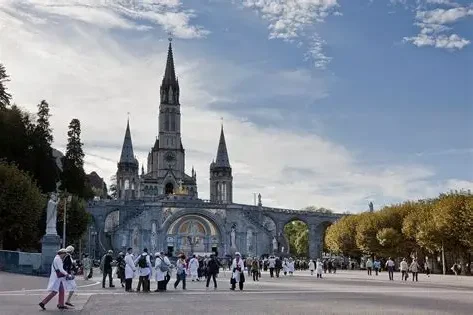
Lourdes in southwestern France became famous after reported Marian apparitions in 1858. A young girl named Bernadette Soubirous claimed she saw the Virgin Mary near a grotto, and soon a spring discovered there was believed to have healing properties. News spread quickly, and pilgrims began traveling to the small town seeking spiritual comfort and physical restoration. One series of reported visions reshaped Lourdes into one of the most visited pilgrimage sites in the world.
Today, millions come each year to attend processions, collect water from the spring, and spend time in prayer. The town’s economy and identity revolve largely around this steady stream of visitors. Hospitals and volunteer services support those who arrive in search of healing. Lourdes demonstrates how faith and belief can transform a quiet community into a place of global spiritual significance. Its name is now inseparable from the idea of hope rooted in a single moment of devotion.
18. Dubai, United Arab Emirates
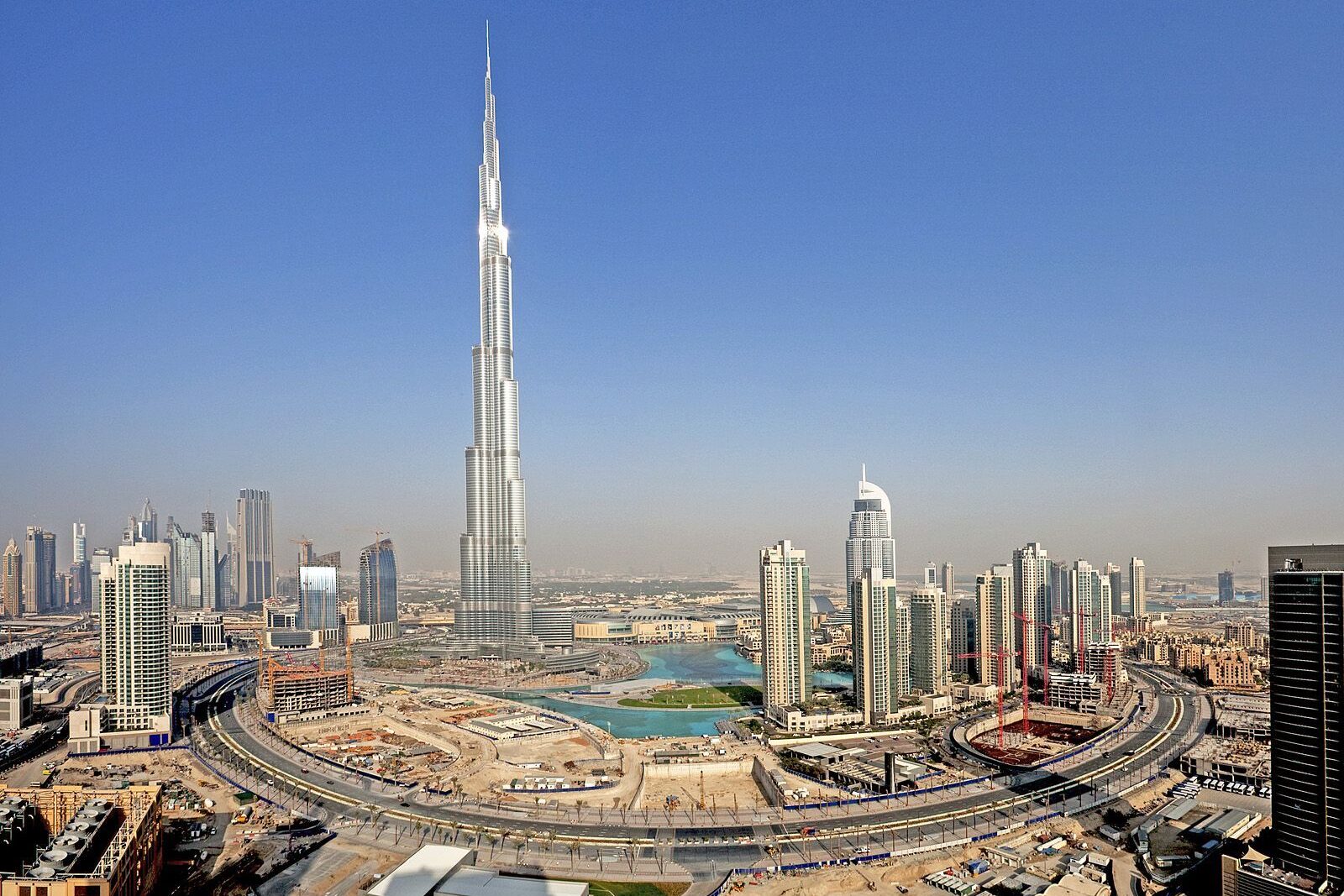
Dubai in the United Arab Emirates is known for ambitious architecture and rapid development, yet one structure stands above the rest. The Burj Khalifa, completed in 2010, became the tallest building in the world, instantly turning into a symbol of the city’s bold vision. Rising high above the skyline, it reflects Dubai’s desire to stand out on the global stage. One record breaking skyscraper helped define how people imagine this modern desert city.
Visitors ride high speed elevators to observation decks, looking out over highways, coastline, and carefully planned neighborhoods. Around it, luxury hotels and shopping centers reinforce the image of innovation and scale. While Dubai has a rich cultural history and diverse population, the Burj Khalifa remains its most recognizable landmark. It shows how a single architectural achievement can shape a city’s international identity and serve as a statement about ambition and possibility.
19. Stratford Upon Avon, England
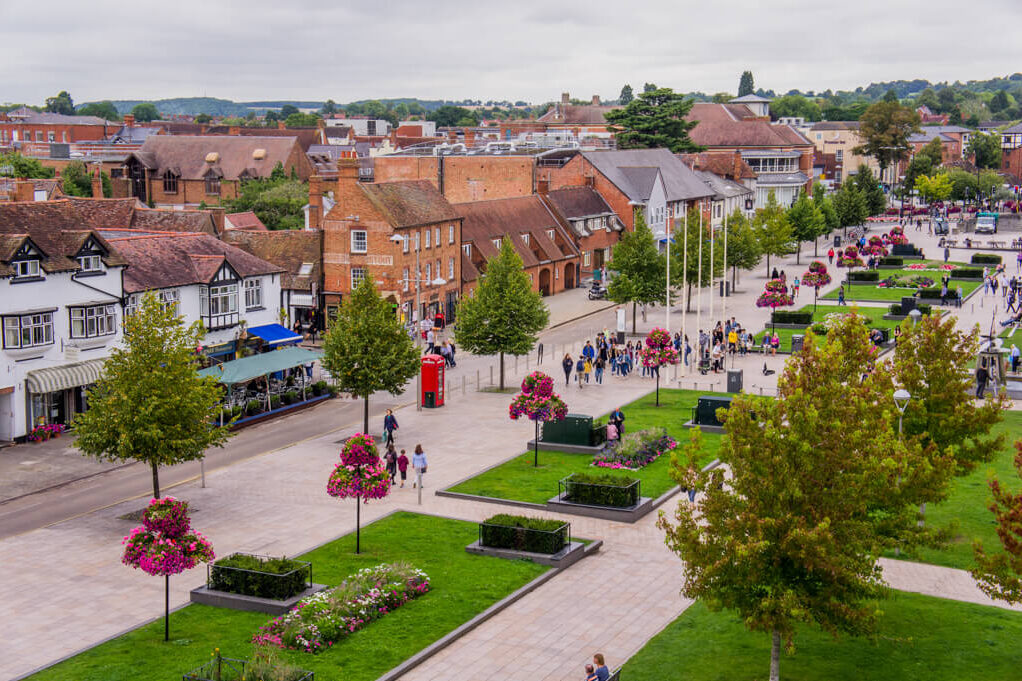
Stratford upon Avon in England is best known as the birthplace of William Shakespeare. That connection alone ensures the town a permanent place in literary history. Visitors travel from around the world to see the house where he was born and the church where he was buried. The Royal Shakespeare Company performs his plays there, keeping his work alive for new generations. One writer’s life secured lasting recognition for this riverside town.
Beyond its timber framed buildings and peaceful scenery, Stratford’s identity is woven tightly with the legacy of its most famous resident. Bookshops, theaters, and guided tours all reflect that enduring association. Though centuries have passed since Shakespeare lived there, his influence continues to draw attention and admiration. Stratford upon Avon proves how one extraordinary individual can define a town’s image and ensure its name echoes wherever literature is read and performed.
20. Tombstone, Arizona
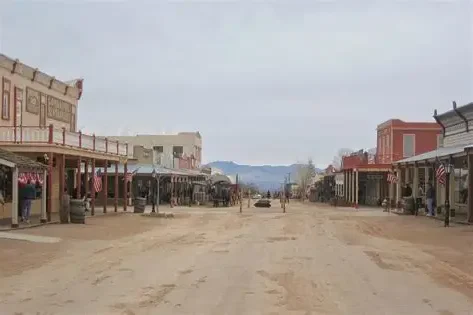
Tombstone, Arizona became famous because of the Gunfight at the O.K. Corral in 1881. The brief but deadly confrontation between lawmen and members of a rival group lasted only about thirty seconds, yet it entered American folklore almost immediately. Stories, films, and reenactments turned that shootout into a defining symbol of the Wild West. One short exchange of gunfire permanently shaped how people view this desert town.
Today, visitors walk wooden boardwalks and step into historic saloons that recreate the atmosphere of the late nineteenth century. Daily reenactments keep the story alive for curious travelers. While Tombstone has its own modern routines and residents, it is that single event that most often comes to mind when its name is mentioned. The town shows how a fleeting moment can stretch across time through storytelling and cultural memory.


