
Tiny Creatures With Outsized Consequences
Most of us move through life swatting, spraying, or stepping around small creatures without giving them much thought. They buzz past our ears, crawl along window sills, or disappear into the grass before we really notice them. Yet history has shown, again and again, that size has very little to do with impact. Some of the smallest living things on earth have reshaped economies, altered ecosystems, influenced migration patterns, and even shifted the course of human history.
Tiny creatures with outsized consequences rarely arrive with warning. They travel quietly through trade routes, climate shifts, and everyday movement, settling into new environments and changing them from the inside out. What looks insignificant at first can grow into something that affects food systems, cities, forests, and families. This is a closer look at the small lives that left very large marks, and the lessons they quietly carry about balance, adaptation, and paying attention early.
1. The Mosquito
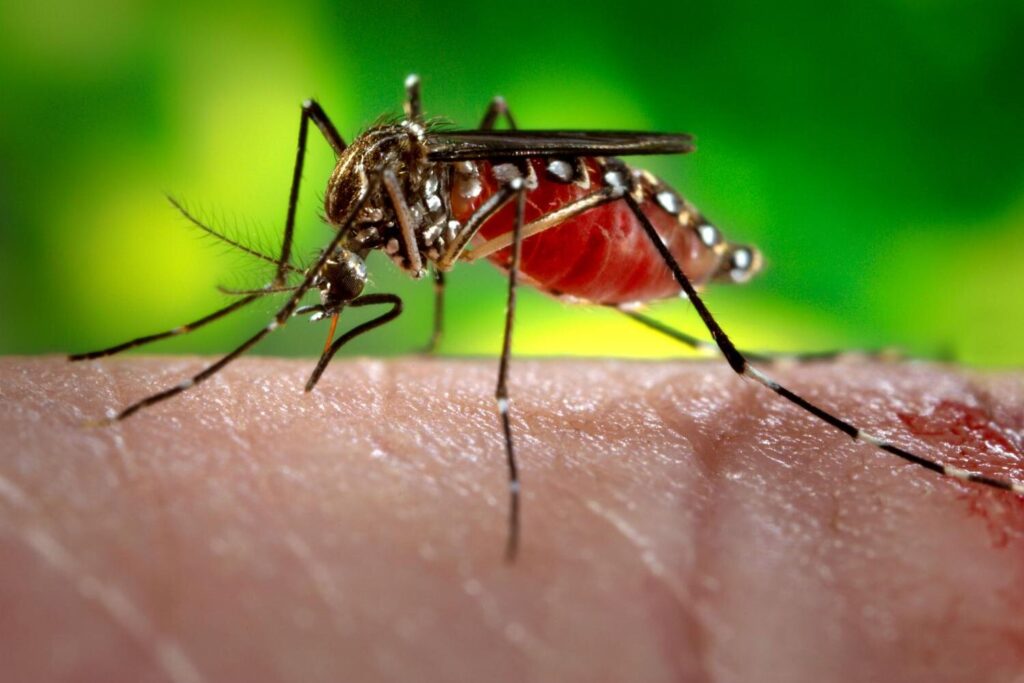
Sometimes we talk about disasters like they only arrive with sirens or shaking ground, but history has always had quieter villains, and the mosquito might be the quietest of them all. It feels like nothing when it lands on your arm during an evening outside, just a small irritation you brush away mid conversation. Yet this tiny insect has carried malaria, yellow fever, and dengue across continents, shaping where people could live, farm, and even fight wars. Armies weakened not from bullets but from fever, and settlements failed because disease spread faster than hope.
Entire regions were slowed or reshaped simply because mosquitoes thrived there. When you think about it that way, it becomes unsettling how something so small has influenced human survival on such a large scale. Even today, mosquito borne illnesses continue to strain families and health systems. Parents worry about a single bite turning serious. The mosquito does not roar or shake the earth, but it has quietly redirected human stories for centuries, reminding us that size rarely predicts significance.
2. The Emerald Ash Borer
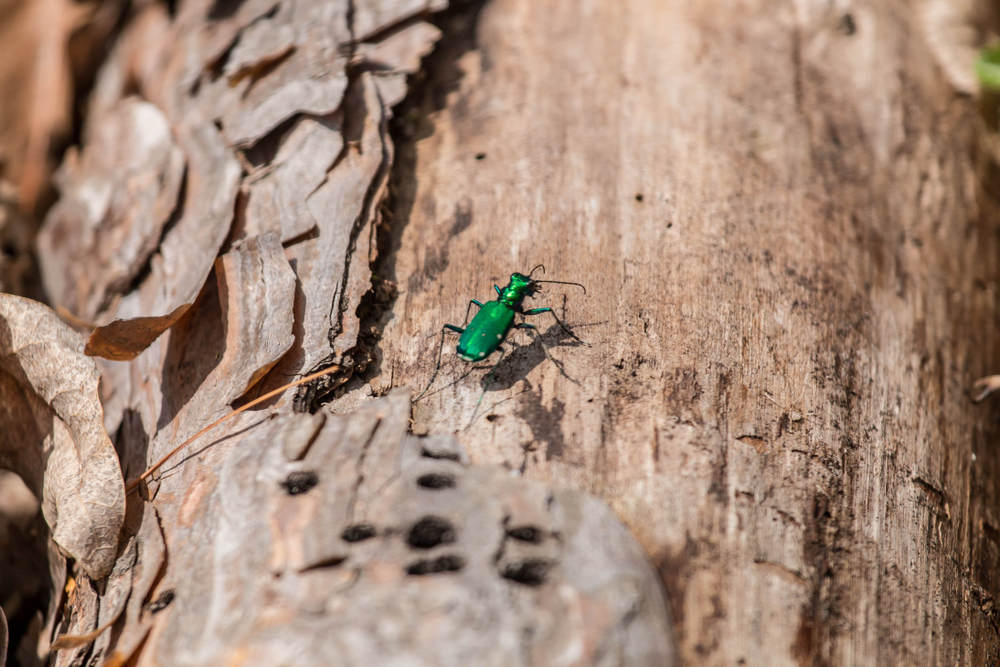
When the emerald ash borer first appeared, people noticed how striking it looked, its bright green shell catching the sunlight like a tiny jewel. No one expected that such a delicate looking beetle would leave entire neighborhoods stripped of shade. As it spread, ash trees began dying at an alarming rate. Streets once lined with thick, cooling canopies slowly turned bare, and homeowners watched healthy trees decline within just a few seasons.
Cities faced enormous costs removing dead trees before they became hazards. The loss went beyond appearance. Shade disappeared, temperatures rose, and wildlife habitats changed. What likely arrived hidden in wooden packing materials quietly reshaped local landscapes in ways that felt both sudden and deeply personal. A beetle no larger than a coin traveled across oceans and altered daily life, showing how easily balance can tip when even one species enters a place it was never meant to be.
3. The Boll Weevil
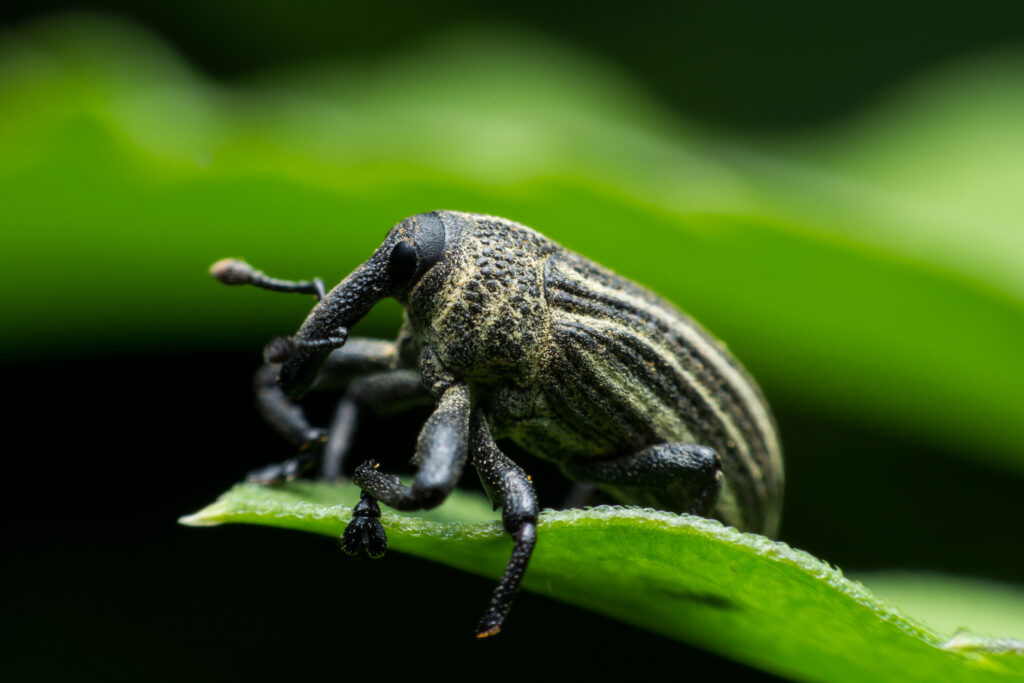
In the late nineteenth century, cotton was more than a crop in the American South. It was income, identity, and survival rolled into one. Then the boll weevil arrived, small and unimpressive to the eye, but devastating in effect. The beetle laid its eggs inside cotton buds, destroying them before they could mature. Farmers who depended on steady harvests suddenly faced empty fields and mounting debt.
Entire towns felt the pressure as crop yields collapsed season after season. Families were pushed to rethink everything from planting methods to what they would grow at all. Some diversified into other crops, gradually reshaping the regional economy. Others left farming entirely. The boll weevil did not just damage plants, it shifted livelihoods and long held traditions, quietly nudging an entire region toward change whether it was ready or not.
4. The Spongy Moth
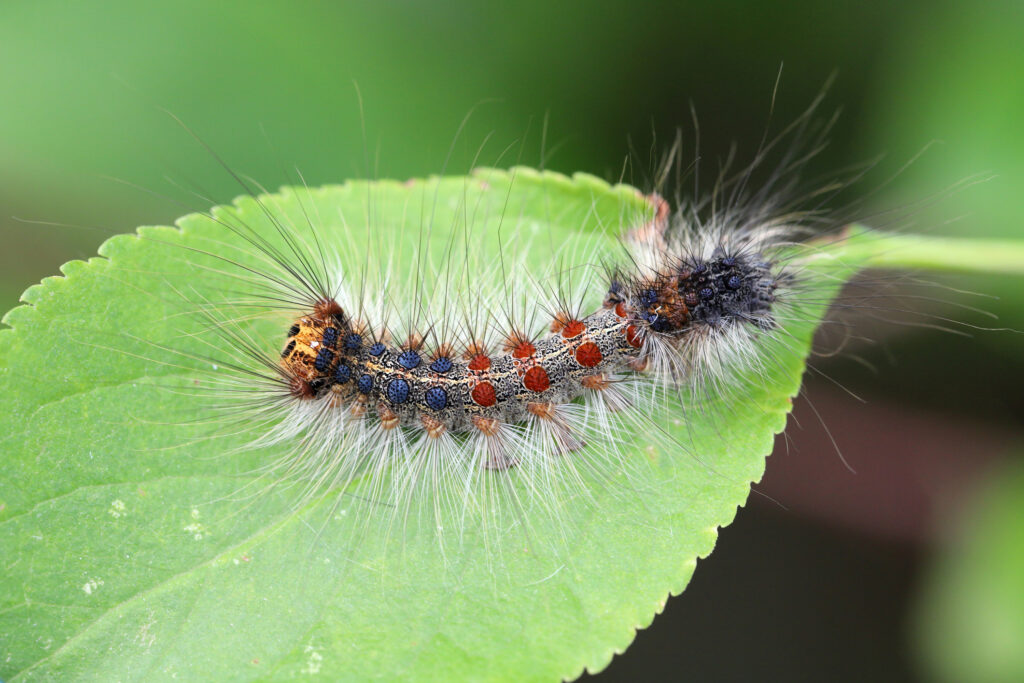
It began as an experiment meant to support silk production, but the spongy moth escaped control and began spreading through forests in the northeastern United States. At first, the caterpillars seemed like just another seasonal presence. Then trees started losing their leaves in massive numbers. Hills that once looked full and green appeared thin and tired by mid summer.
Homeowners swept caterpillars off porches and watched shade trees weaken year after year. The damage was not always dramatic in a single day, which made it even harder to grasp. Repeated defoliation stressed trees until many could not recover, and wildlife habitats slowly shifted. What started as a small human experiment became a long term ecological challenge that communities are still managing today.
5. The Locust
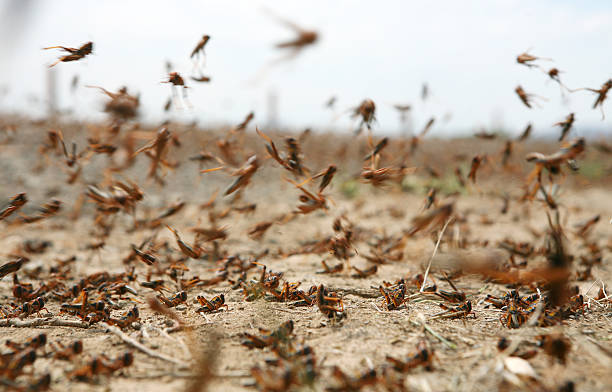
There is something almost unreal about the sight of locust swarms moving across farmland. The sky can appear to shimmer as millions of insects rise and settle together. For farmers, it is not a spectacle but a threat. Crops that took months to grow can be stripped within hours, and fields that promised income can turn barren before sunset.
The danger lies in their numbers and coordination. When conditions favor breeding, populations explode and the insects shift from solitary to swarming behavior. Families who rely on harvests for survival can find themselves starting over with little warning. Locust outbreaks have repeated throughout history, reminding us that nature’s scale can change quickly and that even the smallest creatures can alter the course of a season.
6. The Colorado Potato Beetle
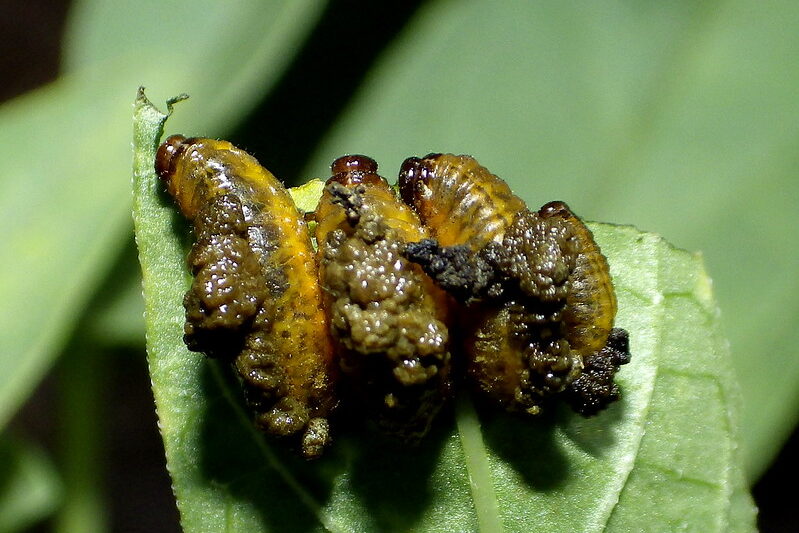
At first glance, the Colorado potato beetle almost looks harmless with its neat yellow and black stripes, like something a child would draw in a picture book. Farmers learned quickly that there was nothing harmless about it. This beetle developed a stubborn ability to survive pesticide after pesticide, making it one of the most frustrating crop pests in modern agriculture. Potato plants that once felt dependable suddenly seemed vulnerable, their leaves chewed down to stems in heavy infestations.
What made it worse was not just the damage, but the resilience. Every time a new control method appeared, the beetle adapted. Growers had to rethink how they farmed, rotating crops, mixing strategies, and staying one step ahead. It became a long conversation between science and survival. The lesson felt simple but hard earned. Underestimate an adaptable insect, and you might spend decades trying to catch up.
7. The Asian Longhorned Beetle
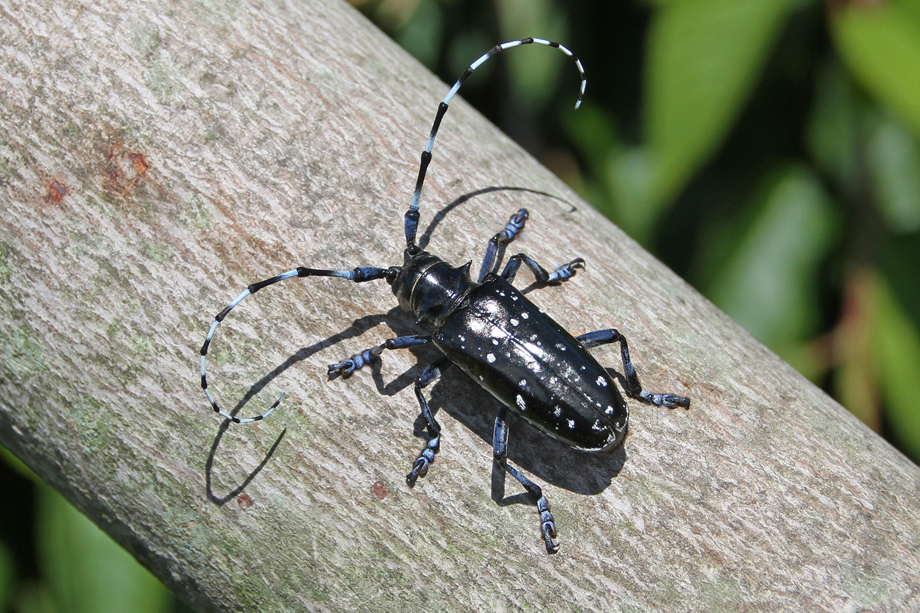
When the Asian longhorned beetle showed up in North America, most people had never heard its name before. It likely arrived tucked inside wooden shipping materials, unnoticed and uninvited. Then trees began to weaken. Maples, elms, and other hardwoods that anchored city streets started showing signs of stress. Branches thinned, leaves yellowed, and entire trees eventually had to be cut down to stop the spread.
For neighborhoods, it was not just about losing trees. It was about losing shade, character, and something familiar. Streets looked different overnight. Homeowners watched as crews removed tree after tree, sometimes entire rows at a time. The beetle did not move quickly in a dramatic way, but steadily enough to leave lasting change. It became a reminder that global trade connects us in ways we do not always see, including the risks that travel quietly alongside opportunity.
8. Fire Ants
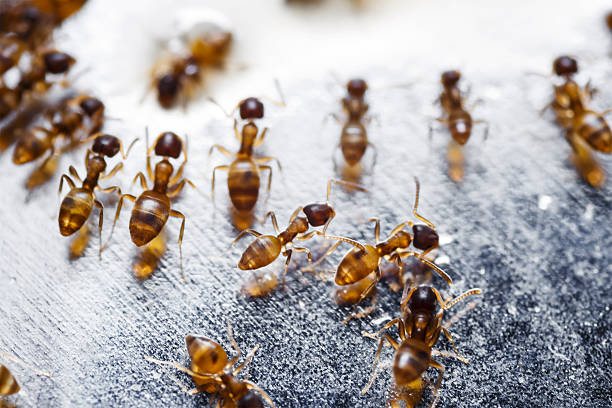
If you have ever stepped into a fire ant mound by accident, you know the sharp sting that follows. These ants arrived through cargo shipments and gradually spread across large parts of the southern United States. At first, they seemed like just another outdoor annoyance. Then their mounds multiplied, dotting fields, playgrounds, and backyards. Farmers noticed livestock injuries. Homeowners dealt with painful encounters and damaged equipment.
Over time, the issue grew beyond discomfort. Fire ants began interfering with crops and even electrical systems. Entire communities invested in control programs that required time, money, and constant monitoring. What started as a few imported ants became a long term reality for millions of people. They settled in and adapted well, showing how easily a species can establish itself once conditions suit it.
9. Termites
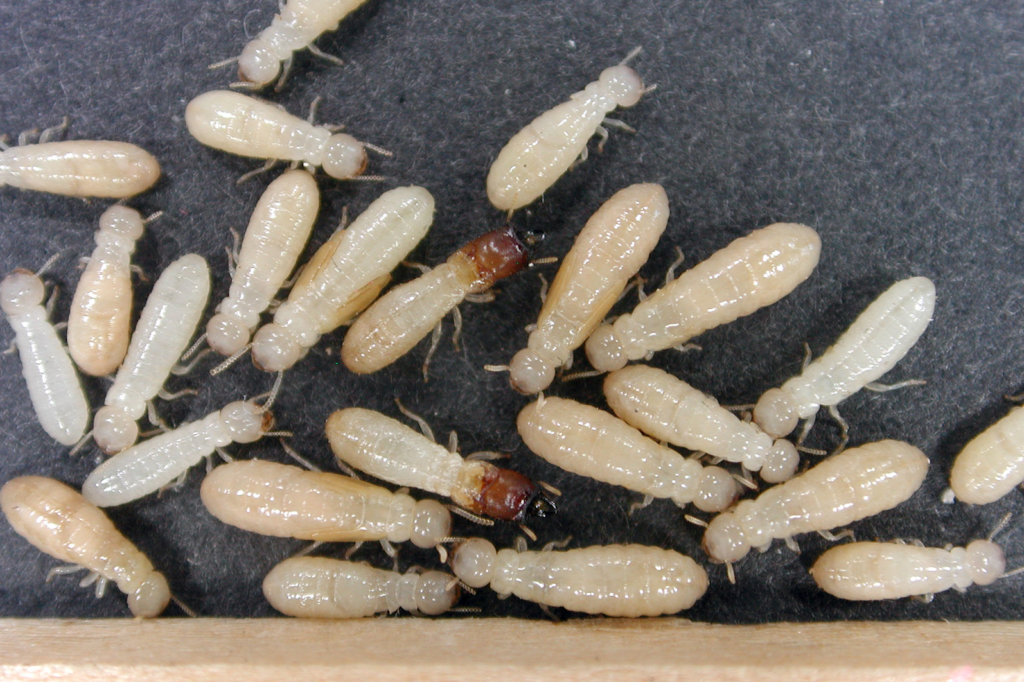
There is something unsettling about damage you cannot see happening. Termites are experts at that. They feed quietly on wood inside walls, beneath floors, and within foundations. A home can look perfectly stable from the outside while the internal structure slowly weakens. By the time signs appear, such as soft wood or hollow sounds, repairs can be expensive and extensive.
What makes termites especially impactful is their patience. Colonies can remain active for years before being discovered. Entire support beams may need replacing, and insurance often does not cover the cost. For homeowners, the realization feels personal and frustrating. You maintain your property, you do your checks, and still something small can slip past you. Termites are a steady reminder that not all threats announce themselves loudly. Some simply persist until their work is done.
10. The Mountain Pine Beetle
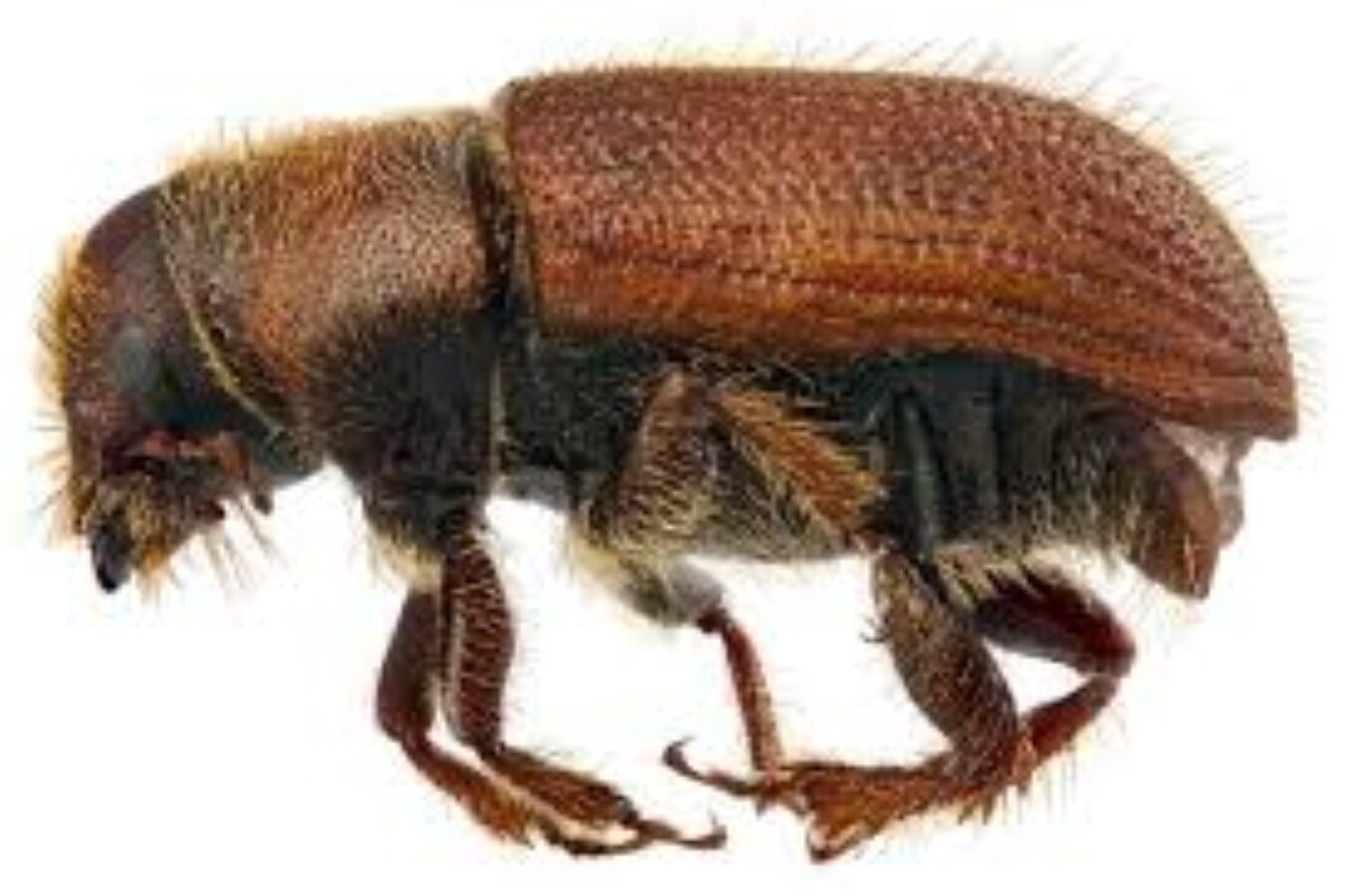
The mountain pine beetle has always been part of North American forests, but for years it stayed within a natural balance. Then winters grew milder, and more beetles survived the cold. Populations expanded quickly. Hillsides that once stood deep green began turning reddish brown as pine trees died from the inside out. Entire stretches of forest changed color within a few seasons.
The impact went beyond appearance. Logging industries felt economic pressure as usable timber declined. Dead trees increased wildfire risks, adding another layer of concern for nearby communities. What had once been a manageable, cyclical presence became something much larger under shifting climate conditions. It is one of those stories where the insect itself did not change dramatically, but the environment did, and that made all the difference.
11. The Tsetse Fly
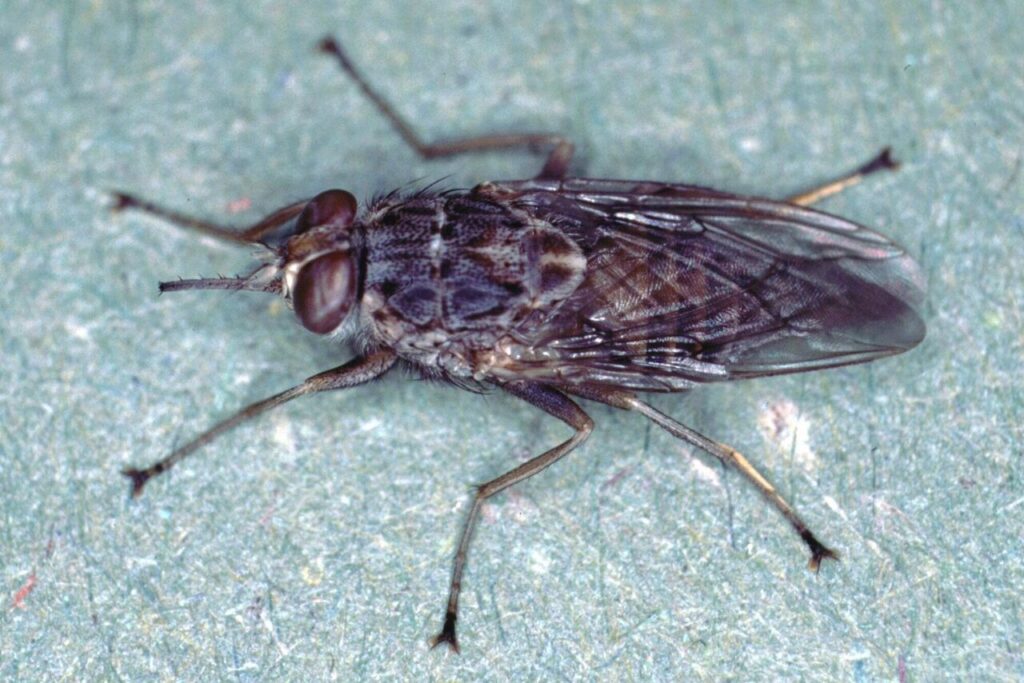
The tsetse fly does not look especially threatening. It is small, ordinary, easy to overlook if you did not know what it carried. Yet in parts of Africa, this fly transmitted sleeping sickness, affecting both people and livestock. Communities learned quickly which areas were risky and which were safer. Entire settlement patterns were shaped around avoiding regions where tsetse populations thrived. Cattle farming, trade routes, and daily routines all adjusted because of one persistent insect.
The ripple effects stretched far beyond individual illness. When livestock weakened or died, food supplies and income followed. Families had to relocate, sometimes abandoning fertile land simply because the fly made it unsafe. Over time, the presence of tsetse flies influenced economic development in subtle but lasting ways. It is striking to realize that geography was not shaped only by rivers or mountains, but also by the quiet hum of wings in the background.
12. The Brown Marmorated Stink Bug
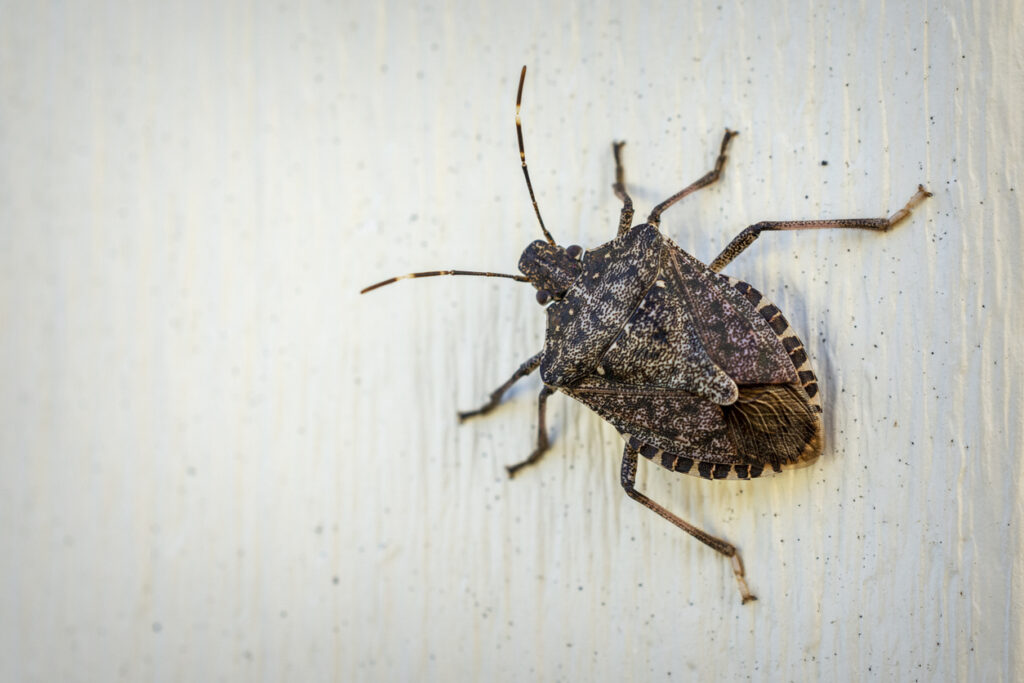
At first, the brown marmorated stink bug was just that insect that showed up on window screens in the fall. Homeowners flicked it away without much thought. Then farmers began noticing damaged fruit. Apples developed scars. Peaches lost their smooth skin. Vegetables showed small but costly imperfections. The bug fed by piercing plants and drawing out juices, leaving behind produce that could not be sold at full value.
What made it especially frustrating was how quickly it spread. From one region to another, it adapted to new crops and climates with ease. Orchard owners who had built their livelihoods on consistent harvests suddenly faced unpredictable losses. Control required constant monitoring and creative solutions. Something that once seemed like a minor seasonal nuisance became a steady agricultural concern, changing how growers approached pest management year after year.
13. The Coffee Berry Borer
Most of us think about the aroma of coffee before we think about the work behind it. Hidden inside coffee cherries, the coffee berry borer lays its eggs and feeds from within, damaging beans before they are even harvested. Farmers may not notice the infestation until yields drop or quality declines. For communities that rely heavily on coffee exports, that loss is deeply personal.
The challenge with this beetle is how small and persistent it is. It thrives in warm climates and spreads easily from farm to farm. Growers often invest more time and money into monitoring and control, sometimes without guaranteed results. When global coffee prices shift, part of the story traces back to battles like this one in the fields. A tiny beetle tucked inside a fruit can quietly influence an entire global market and the daily rituals of millions.
14. The Varroa Mite
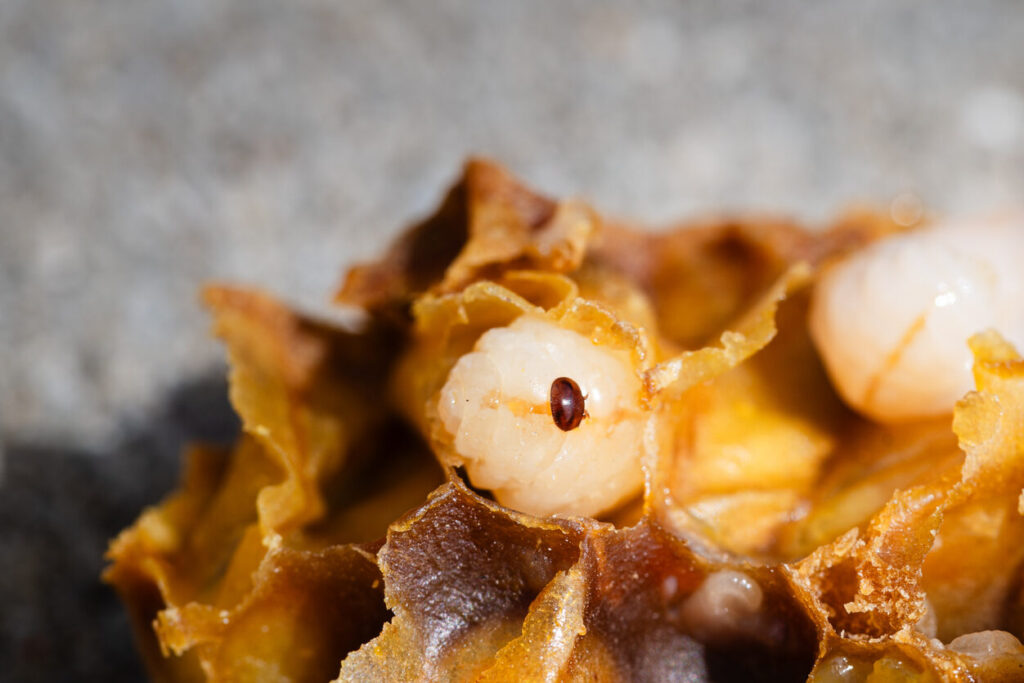
Bees are often seen as symbols of cooperation and balance in nature. Then came the Varroa mite, a parasite that attaches to honeybees and weakens entire colonies. At first, the threat seemed manageable. Over time, beekeepers began noticing alarming colony losses. The mites spread viruses, reduce bee strength, and make survival through winter more difficult.
For farmers who depend on pollination, fewer healthy bees mean lower crop yields. Almonds, berries, and countless fruits rely on bee activity. When colonies struggle, the impact moves beyond hives and into grocery stores. Beekeepers have had to adjust practices, experiment with treatments, and stay vigilant year round. The mite itself is nearly invisible to the untrained eye, yet its presence has reshaped modern beekeeping and forced a deeper look at how fragile pollination systems can be.
15. The Mediterranean Fruit Fly
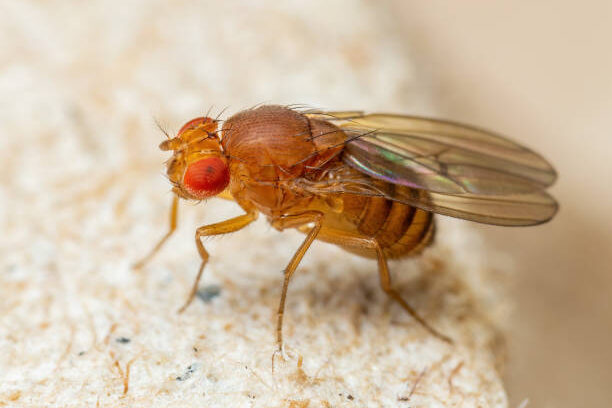
The Mediterranean fruit fly, often called the Medfly, has a reputation that makes agricultural officials nervous at the first sighting. It targets a wide variety of fruits, laying eggs that hatch into larvae inside the produce. Even a small outbreak can prompt quarantines, crop inspections, and temporary trade restrictions. Farmers hold their breath because a single detection can mean significant financial loss.
What makes the Medfly especially disruptive is its ability to adapt to different environments. It does not limit itself to one crop or region. Communities that depend on fruit exports feel immediate pressure when an outbreak is announced. Markets react quickly, and control efforts demand coordination across farms and state lines. The fly itself is tiny, but the reaction it triggers is swift and serious, proving again how much influence a small insect can carry.
16. The Phylloxera
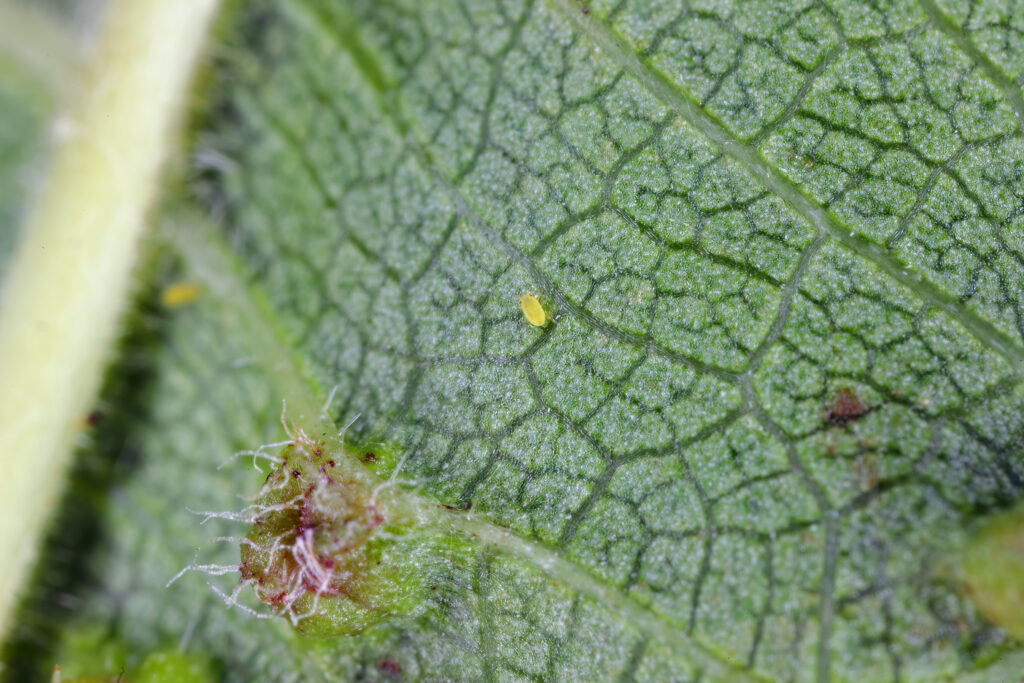
In the nineteenth century, European vineyards were thriving, and wine was woven deeply into culture, trade, and daily life. Then phylloxera arrived, a tiny root feeding insect that most growers had never encountered before. At first, vines began to weaken in scattered patches. Leaves yellowed. Yields dropped. Soon entire vineyards were collapsing, their roots damaged beyond recovery. Regions in France and beyond watched decades of cultivation unravel in what felt like slow motion.
The crisis forced desperate experimentation. Some growers abandoned fields, others searched for solutions across oceans. Eventually, grafting European vines onto resistant American rootstock became the turning point. It was not a quick fix, but it saved the industry. The episode left a lasting mark on viticulture and reminded farmers everywhere how vulnerable even the most cherished crops can be when a new pest slips quietly into the soil.
17. The Formosan Termite
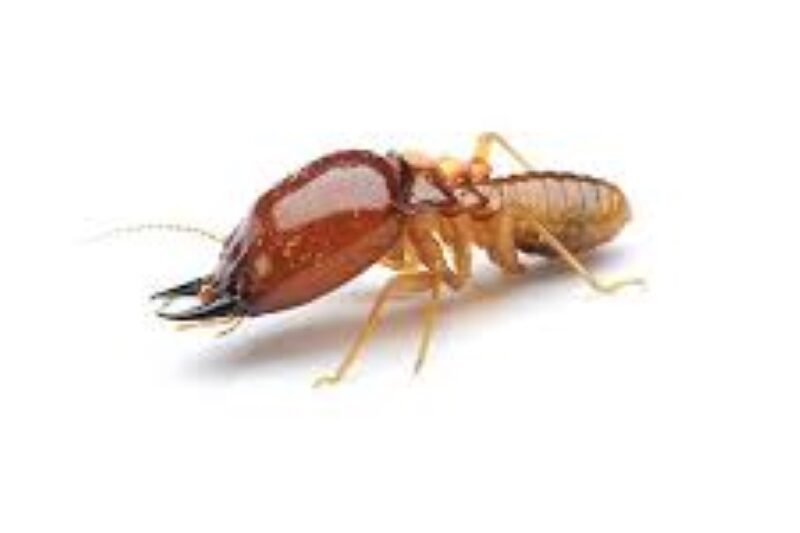
Homeowners already worry about termites, but the arrival of the Formosan subterranean termite raised the stakes. More aggressive and capable of building massive colonies, this species spread through parts of the southern United States and beyond. Houses that looked perfectly sound from the outside sometimes hid extensive internal damage. Support beams weakened. Floors sagged. Repairs quickly became costly and stressful.
What made the Formosan termite especially troubling was its scale. Colonies could number in the millions, consuming wood at a faster rate than many native species. Neighborhoods faced coordinated treatment efforts to prevent further spread. For many families, the experience was personal and unsettling. A place meant to feel secure suddenly felt fragile. It became another reminder that some of the most expensive problems begin quietly, out of sight and almost unnoticed.
18. Bed Bugs
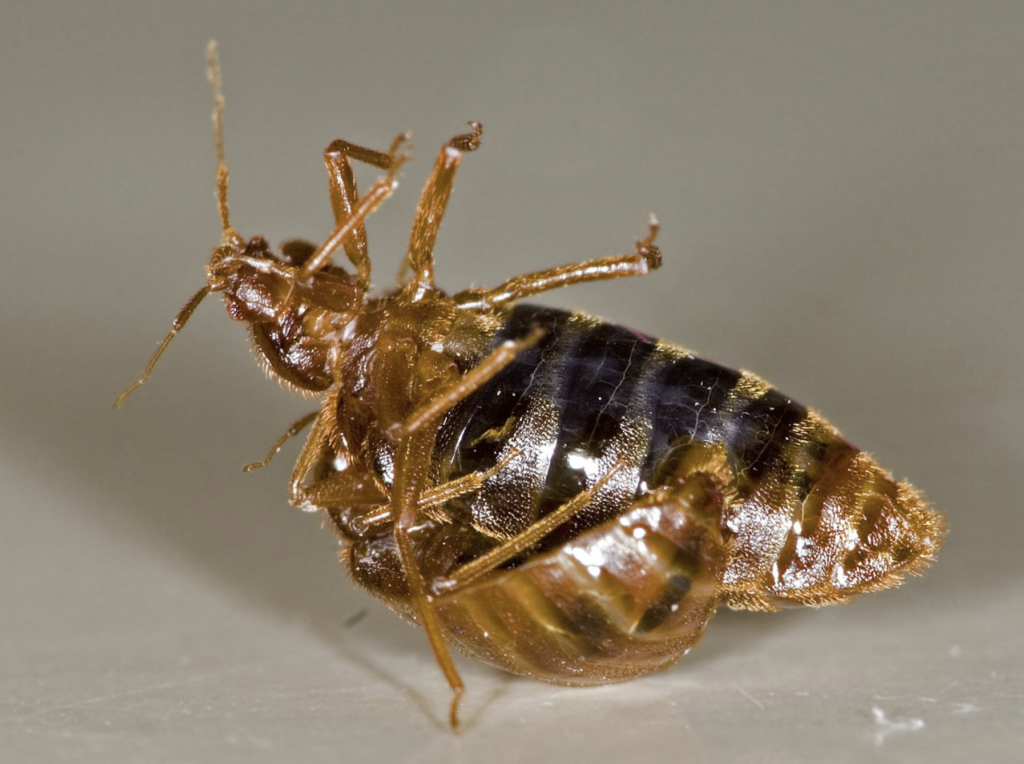
For a time, bed bugs felt like a problem from another era, something mentioned in old stories rather than modern apartments. Then they returned, traveling easily in luggage, furniture, and clothing. Infestations appeared in hotels, dormitories, and homes that had never dealt with them before. Sleepless nights, anxious inspections, and repeated treatments became common experiences for many families.
While bed bugs are not known for spreading disease, the emotional and financial toll can be heavy. People often feel embarrassed, even though infestations can happen to anyone. Treatment requires patience and persistence, sometimes multiple visits from professionals. The resurgence showed how quickly an old pest can adapt to new lifestyles. In a world of constant travel and close living spaces, even small insects can find fresh opportunities to thrive.
19. The Asian Citrus Psyllid
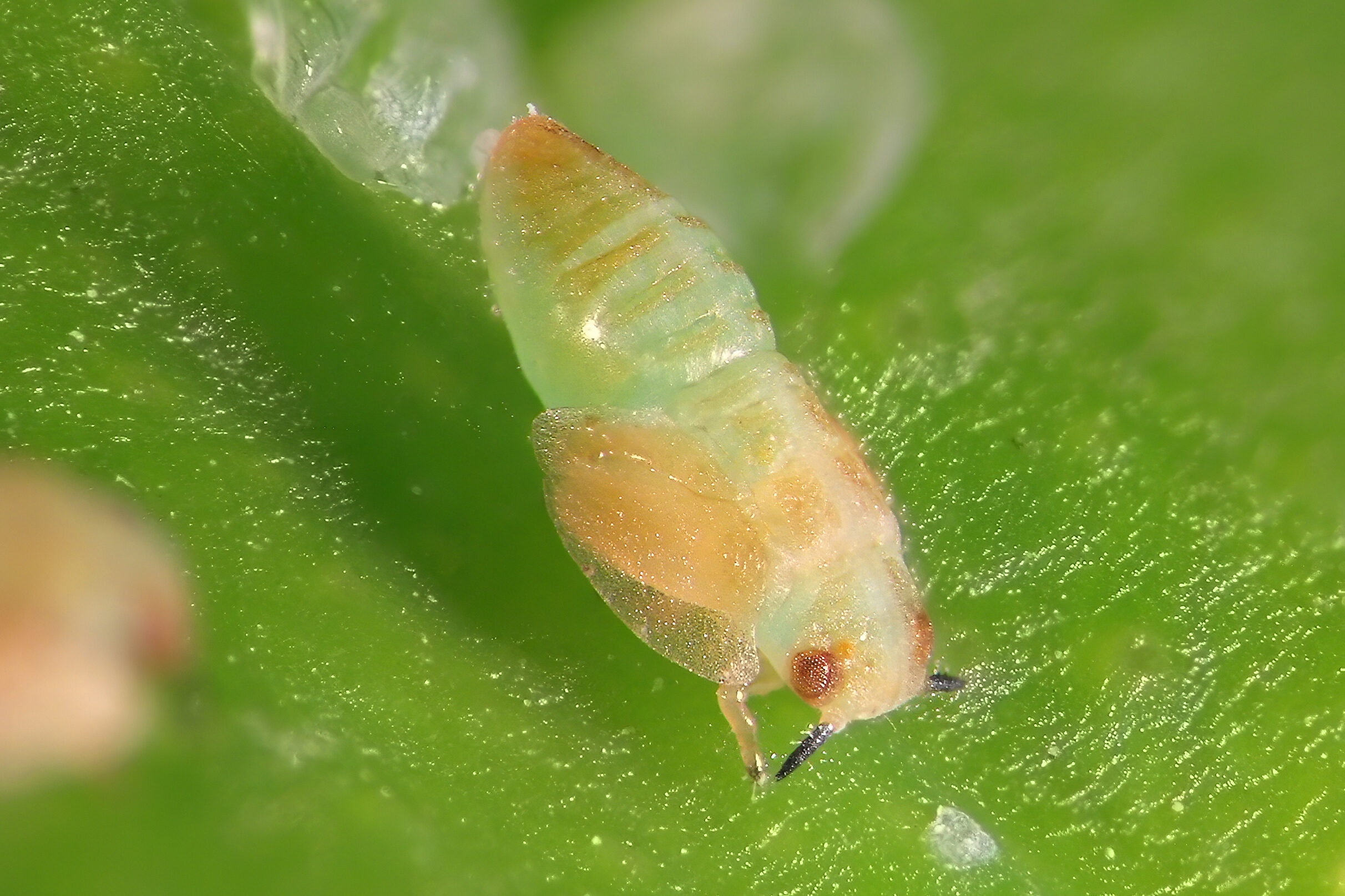
Orange groves once stood as symbols of stability in places like Florida, stretching across acres of carefully tended land. Then the Asian citrus psyllid began spreading a disease known as citrus greening. Trees that once produced bright, sweet fruit started yielding bitter, misshapen oranges. Over time, infected trees weakened and often died, leaving growers with shrinking harvests and rising costs.
For families who had farmed citrus for generations, the change felt deeply personal. Entire operations had to rethink planting strategies, research new treatments, and sometimes accept reduced yields. The insect itself is small and easy to miss, but its impact on a major agricultural industry has been significant. Grocery shelves, juice prices, and rural economies all felt the strain. It is another story where the smallest visitor reshaped a familiar landscape.
20. Fleas
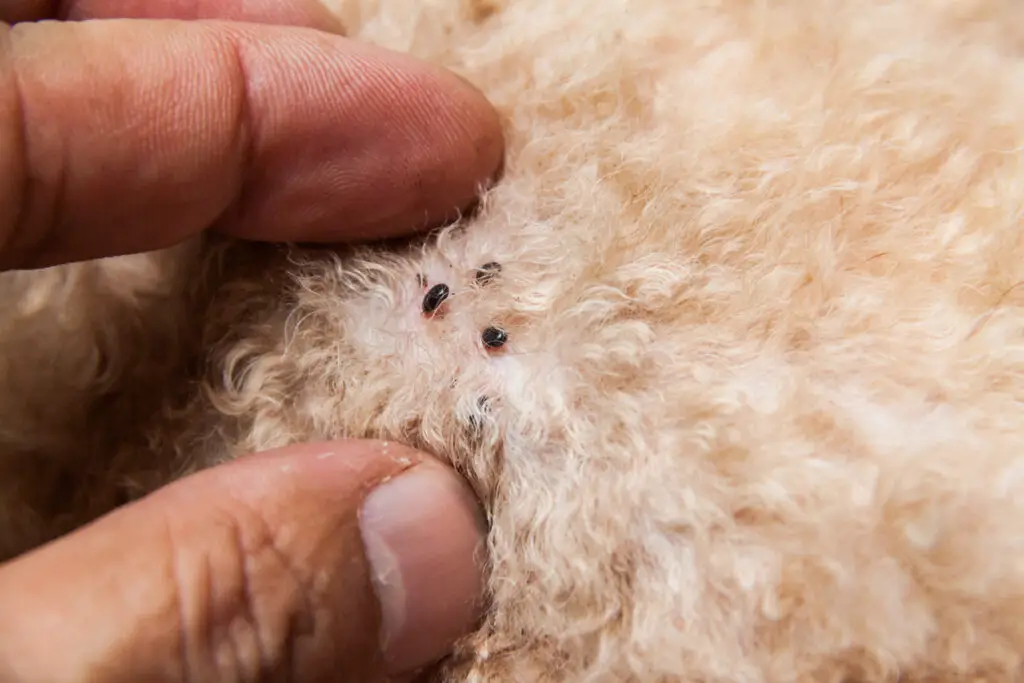
In the fourteenth century, Europe faced one of the deadliest pandemics in recorded history. Fleas carried by rats transmitted the bacterium responsible for the Black Death, spreading illness rapidly through crowded cities and trade routes. Communities watched neighbors fall sick within days. Fear moved almost as quickly as the disease itself, reshaping daily life and belief systems.
The loss of life was staggering, altering labor systems, economies, and social structures for generations. Entire towns were emptied. Workforces shrank, and surviving laborers found new bargaining power. While the rat often receives the blame in popular memory, the flea played a critical role in transmission. It is a sobering reminder that even the smallest link in a chain of events can help drive consequences that echo across centuries.
21. The Western Corn Rootworm
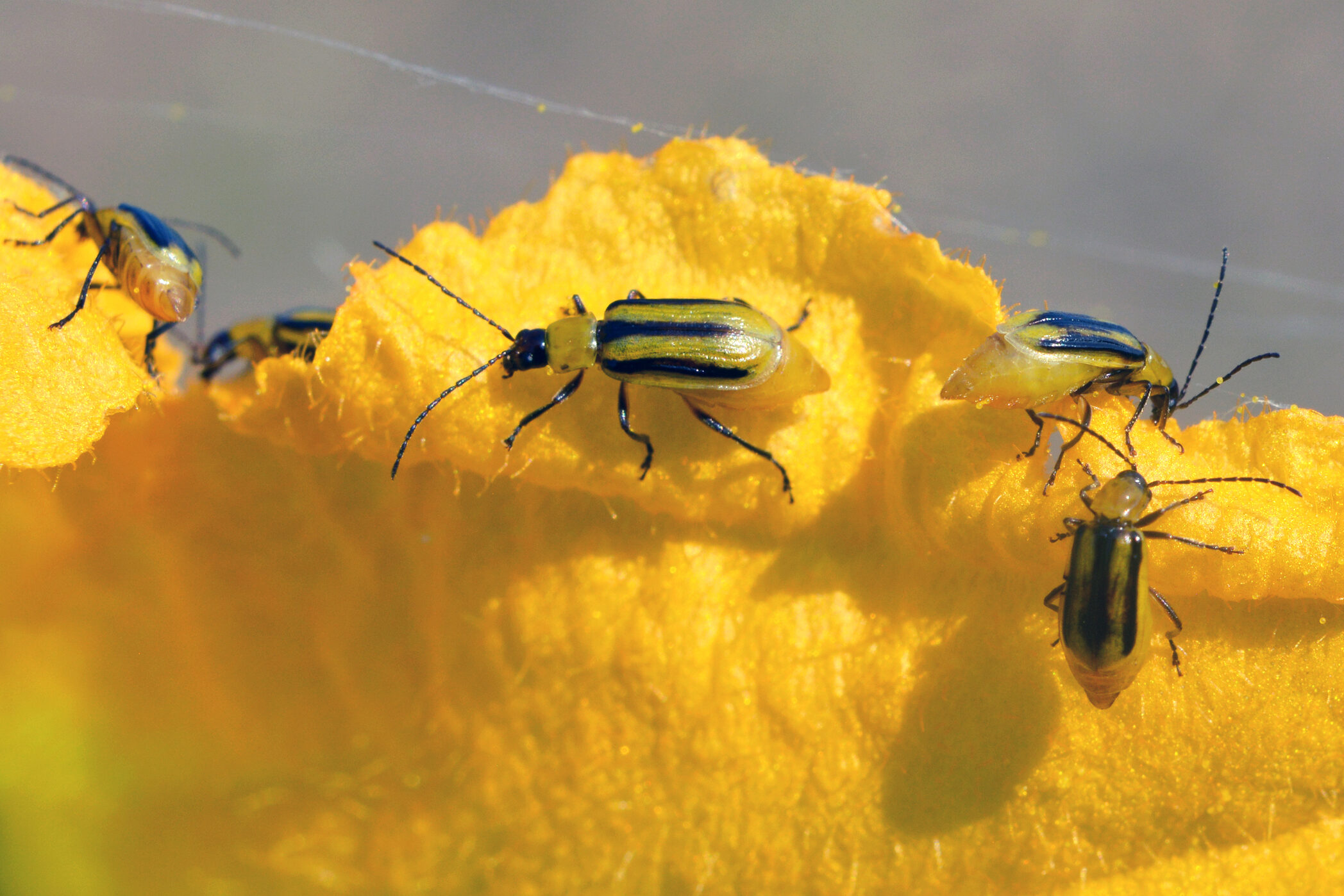
Cornfields often look steady and dependable from the road, rows lined up neatly under wide skies. Beneath the soil, though, the western corn rootworm has caused years of frustration for growers. Its larvae feed on corn roots, weakening plants and reducing yields. Farmers responded with crop rotation and new seed technologies, believing they had finally gained the upper hand. For a while, those strategies worked. Then the rootworm adapted.
It began surviving in rotated fields and developing resistance to certain controls. What was once considered a manageable pest earned a reputation as one of agriculture’s most persistent challengers. Farmers had to diversify tactics again, combining methods and watching fields more closely. The story feels less like a single battle and more like an ongoing chess match. Each move by science is followed by a quiet counter move from a beetle that refuses to fade into the background.
22. The Red Imported Fire Ant
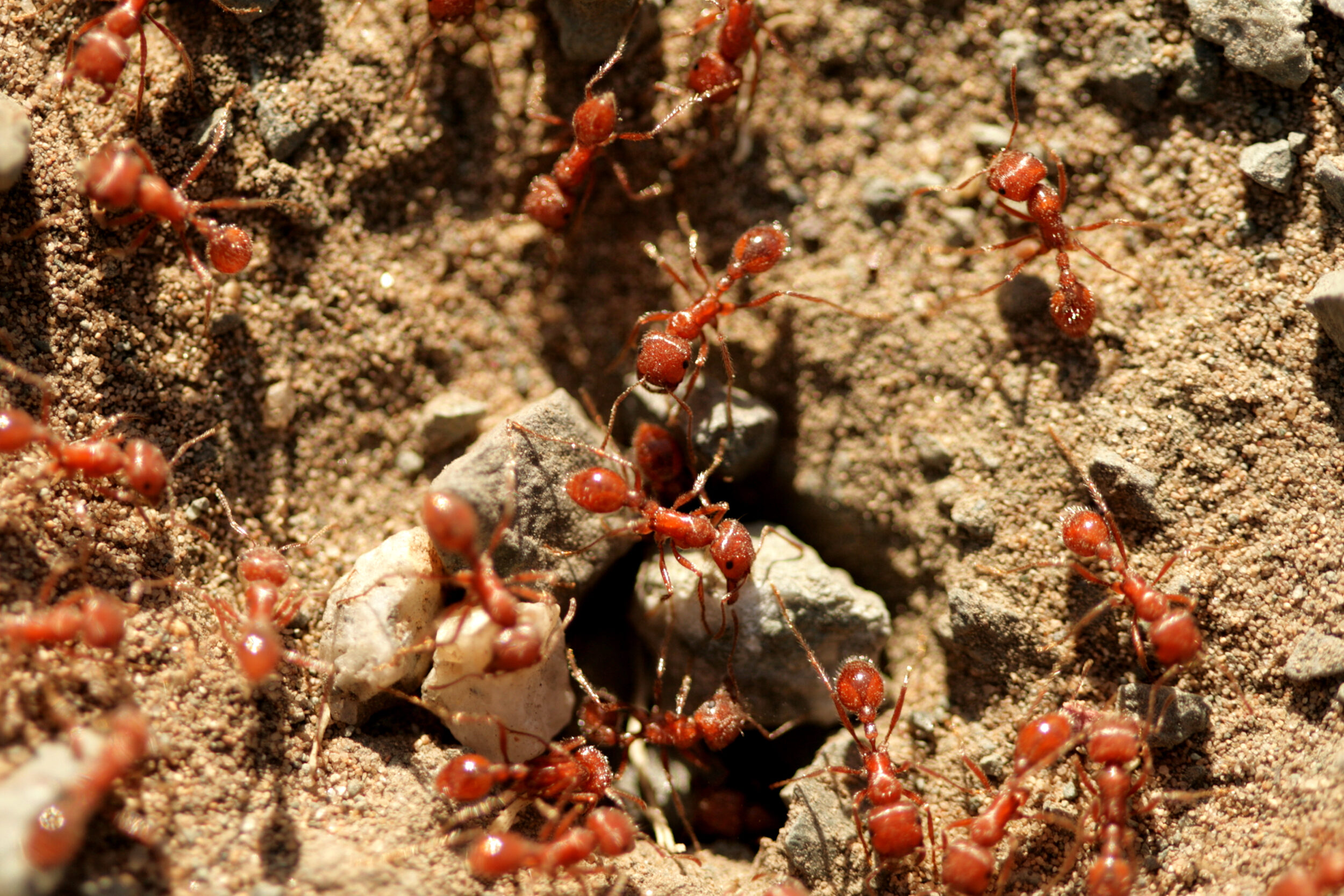
Fire ants are known for their painful stings, but their impact reaches further than most people expect. In some areas, red imported fire ants began interfering with electrical equipment, nesting inside utility boxes and machinery. Outages and costly repairs followed. What started as a yard problem slowly crept into modern infrastructure, affecting traffic signals, air conditioning units, and agricultural systems.
Communities had to invest not only in pest control but in protective measures for critical equipment. The ants proved adaptable, building colonies in unexpected places and expanding their reach year after year. For many residents, the issue shifted from discomfort to disruption. It became clear that when an invasive species settles in successfully, it does not stay confined to lawns and fields. It finds every opportunity to thrive, even inside the systems people depend on daily.
23. The Hessian Fly
Wheat has long been a cornerstone crop, grounding diets and economies across regions. The Hessian fly, small and easy to overlook, found its way into North American wheat fields and began laying eggs that produced larvae feeding on plant stems. Infested plants weakened, bent, and often failed to produce healthy grain. Early outbreaks caught farmers off guard, leading to noticeable yield losses.
Over time, growers and researchers worked to develop more resistant wheat varieties. Farming practices adjusted, and monitoring became more routine. The fly did not disappear, but knowledge improved. Still, its presence changed how wheat production was approached for generations. It is a reminder that even foundational crops are not immune to disruption. A tiny insect feeding quietly at the base of a plant can ripple through bread prices and farm incomes alike.
24. The Spruce Budworm
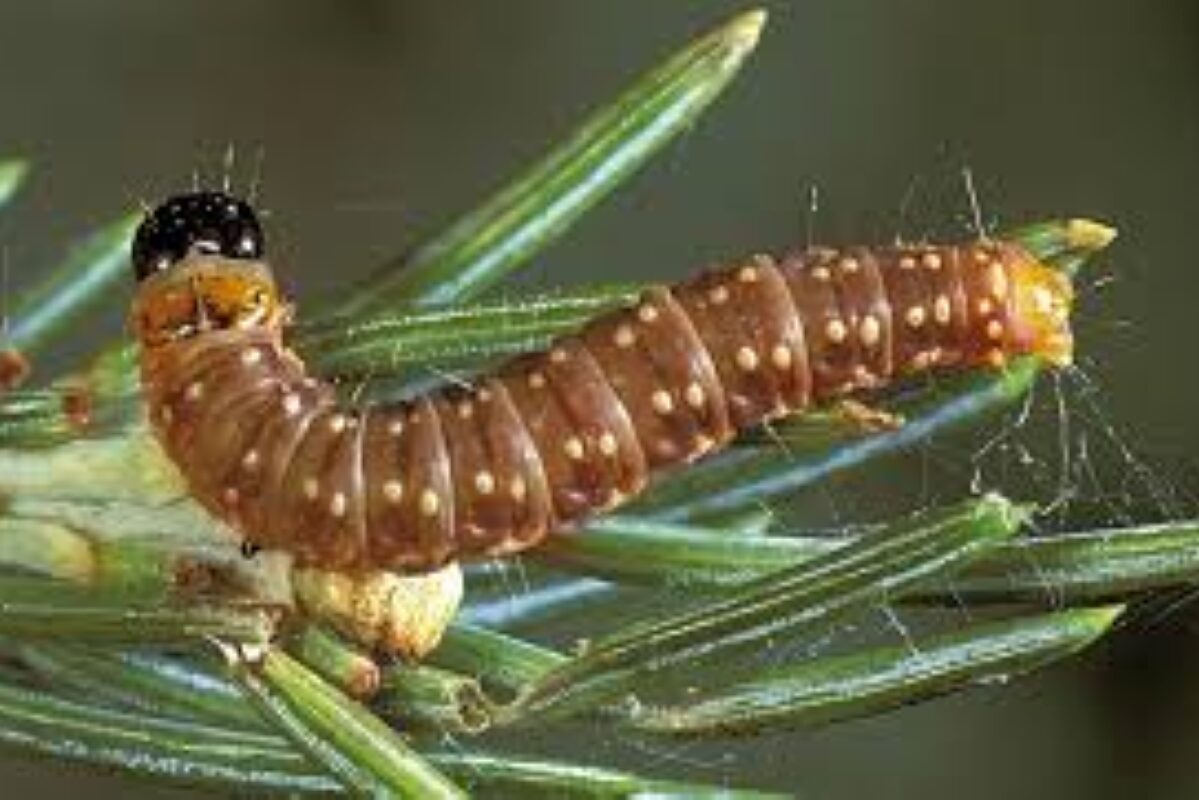
In northern forests, the spruce budworm has followed a pattern that repeats over decades. For years, populations remain low and almost unnoticeable. Then numbers rise sharply, and vast stretches of spruce and fir trees are defoliated. Hills that once stood dense and green appear thin and stressed. Timber industries brace for losses, knowing that severe outbreaks can leave long lasting economic marks.
While part of a natural cycle, the scale of these outbreaks can still feel overwhelming. Repeated defoliation weakens trees, making them vulnerable to disease and other stressors. Communities that rely on forestry watch closely, aware that each surge brings uncertainty. The budworm does not announce itself dramatically at first. It builds quietly, then reminds everyone how interconnected forest health and local livelihoods truly are.
25. Cockroaches
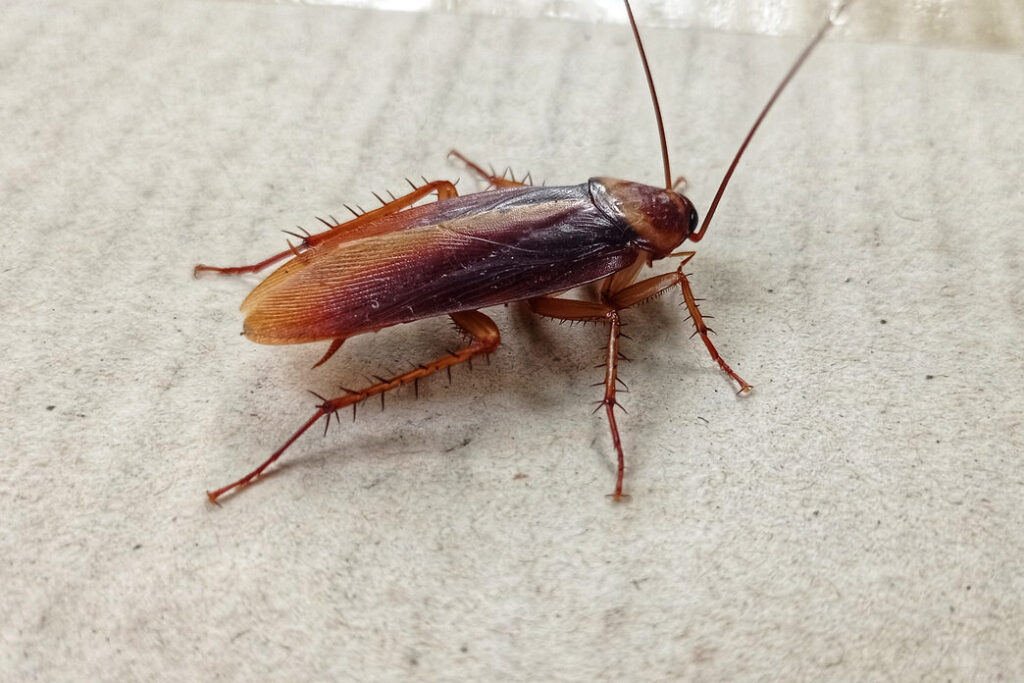
Cockroaches have followed humanity into cities with remarkable success. In crowded urban housing, they find warmth, food, and shelter. While often dismissed as just unpleasant, their presence can contribute to allergy concerns, especially in dense living environments. For families in older buildings, repeated infestations can feel exhausting and hard to control.
What makes cockroaches especially resilient is their adaptability. They hide in cracks, reproduce quickly, and survive conditions that would eliminate many other insects. Cities spend significant resources on pest control, yet the battle rarely feels finished. The story of the cockroach is not dramatic in a single moment, but steady over time. It reflects how closely human environments and insect survival can intertwine, sometimes in ways people would rather not think about.
26. Silverfish
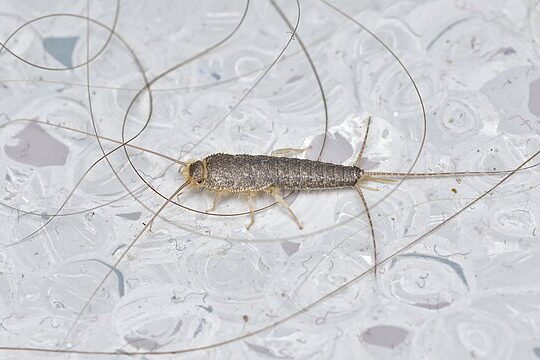
Silverfish are easy to miss, thin and quick, slipping into cracks the moment a light turns on. They are not loud or dramatic, which is partly why they can cause so much quiet damage. In libraries, archives, and old homes, they feed on paper, glue, and fabrics that contain starch. Over time, pages become notched along the edges, book bindings weaken, and important documents show signs of slow erosion.
For museums and collectors, even minor damage can mean the loss of something irreplaceable. A birth record, a rare manuscript, a carefully preserved letter can be altered by a creature only a few centimeters long. Preventing infestations requires careful climate control and constant vigilance. The silverfish does not destroy in one sweeping moment. It works patiently. And in that patience lies the unsettling truth that even history itself can be worn down by something small and persistent.
27. The Fall Armyworm
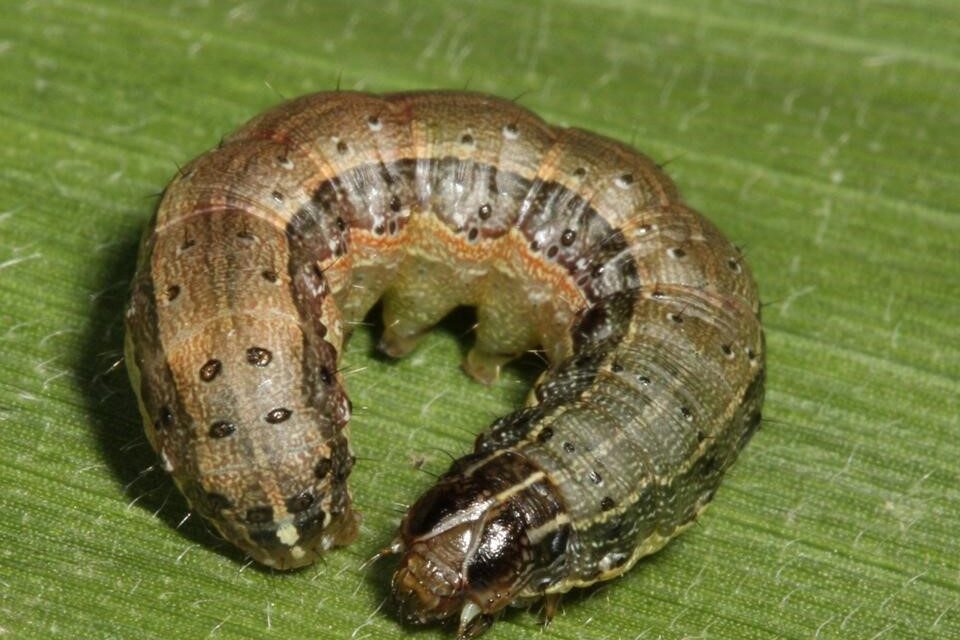
Farmers first notice fall armyworms when leaves begin to look ragged and uneven, as though something has passed through overnight. These caterpillars feed aggressively on corn and other crops, and when populations surge, the damage spreads fast. Fields that seemed healthy days before can show widespread destruction. In recent years, the armyworm has expanded into new continents, adapting to climates far from its original range.
What makes this pest especially troubling is its mobility. Adult moths can travel long distances, laying eggs in fresh territory. That means outbreaks are not confined to one region for long. Communities that rely on steady harvests face uncertainty each growing season. Monitoring and early detection have become essential tools, yet the armyworm continues to test agricultural systems. It is another example of how quickly a small organism can redraw the lines of food security.
28. The Pine Sawfly
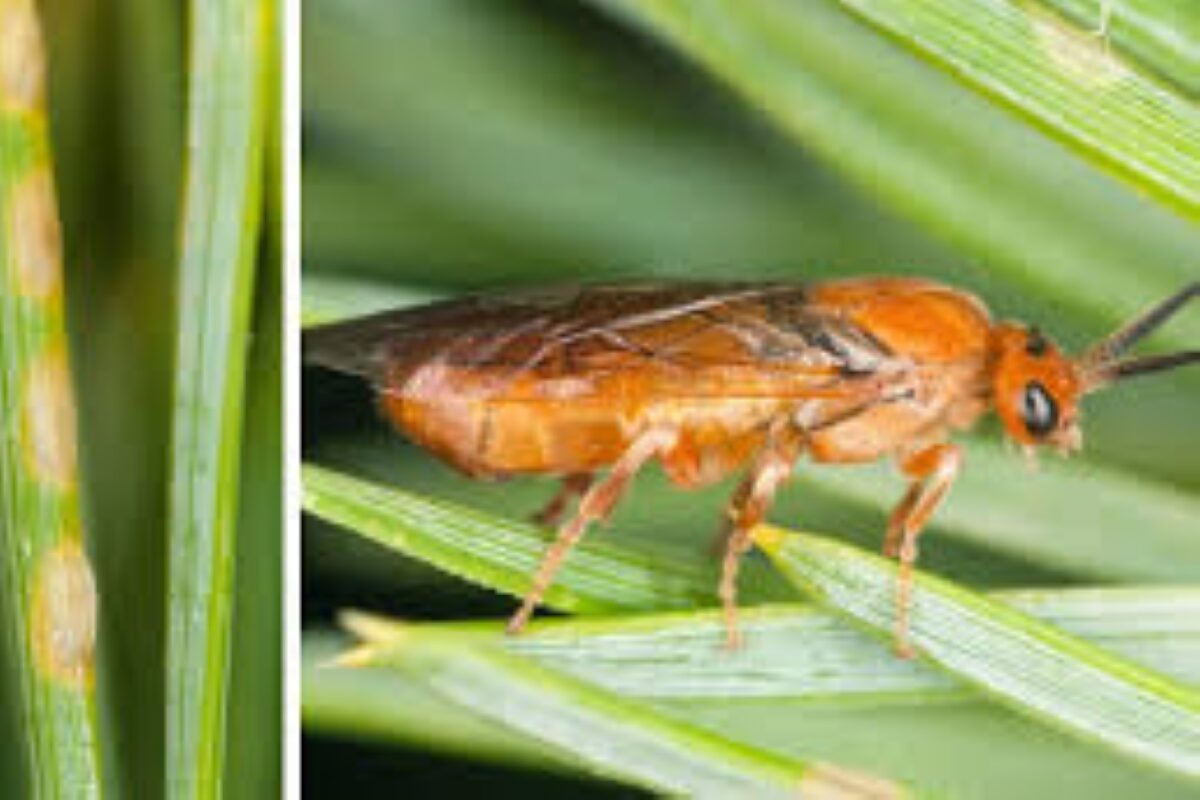
Pine sawflies often appear in clusters, their larvae lined up along needles as they feed together. At first glance, they may seem manageable. Then entire branches begin to thin. In severe outbreaks, repeated defoliation weakens trees and leaves forests looking sparse. While not always fatal in a single season, the stress accumulates, especially if trees face other environmental pressures at the same time.
Foresters watch for these cycles carefully. When populations rise, the visual impact alone can alarm communities who depend on timber or simply cherish green landscapes. Pine trees that once stood full and healthy can struggle to recover after repeated feeding. The sawfly does not usually make headlines, yet its presence can shift the health of entire stands. It reminds us that steady pressure, even without drama, can slowly reshape a forest.
29. Carpenter Ants
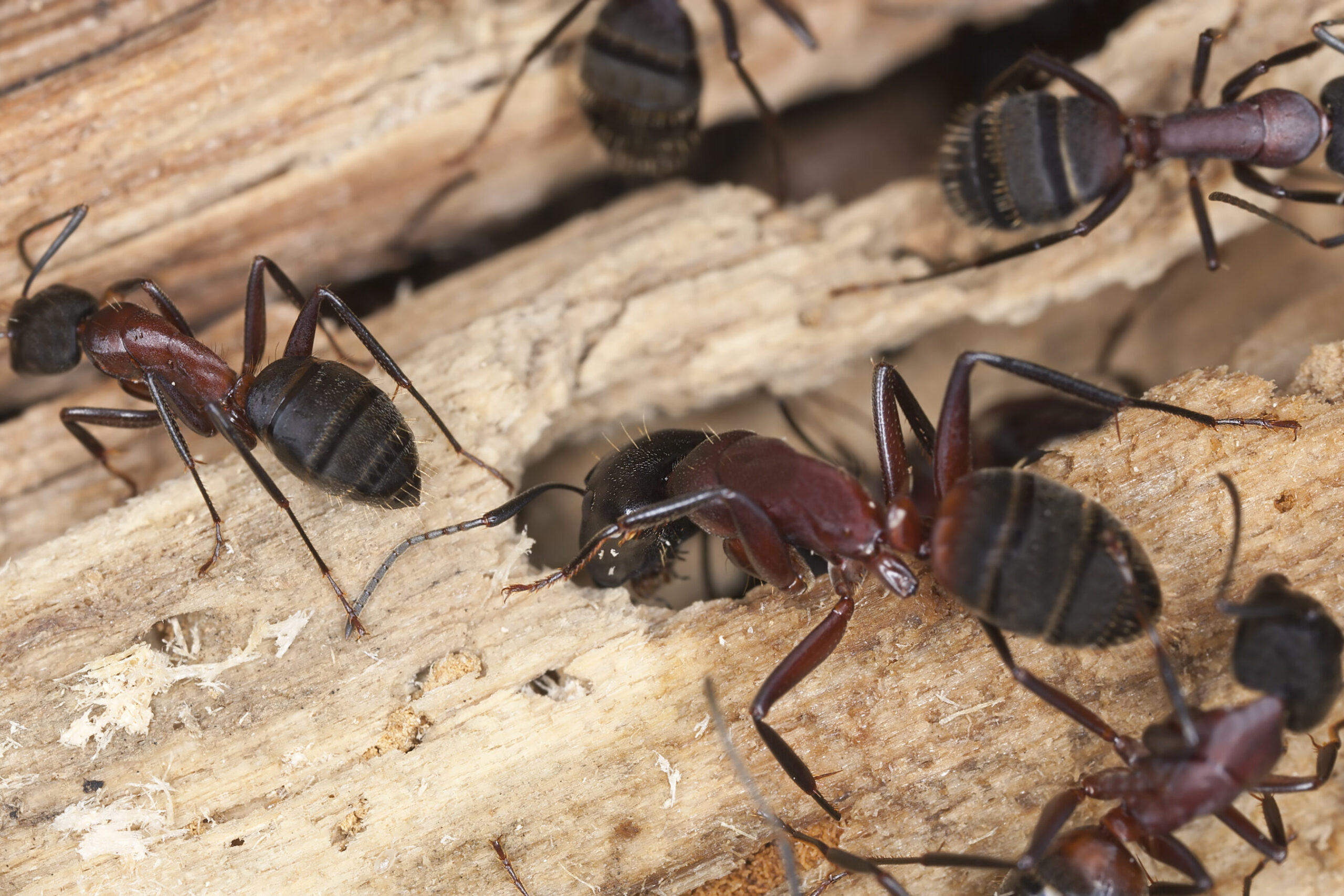
Carpenter ants are often mistaken for termites, but their damage comes from tunneling rather than eating wood. They carve smooth galleries inside beams and walls to build nests, weakening structures over time. Homeowners may first notice faint rustling sounds or small piles of sawdust near baseboards. What seems minor at first can signal a larger colony hidden out of sight.
Unlike pests that attack crops or forests, carpenter ants strike close to home. Repairing the damage can require opening walls and replacing structural elements. The emotional impact often matches the financial one. A house represents security and effort, and discovering internal damage feels personal. The ants do not act quickly enough to create a single dramatic collapse, but their steady excavation can compromise strength. Once again, the pattern repeats. Quiet work, lasting consequences.
30. The Asian Tiger Mosquito
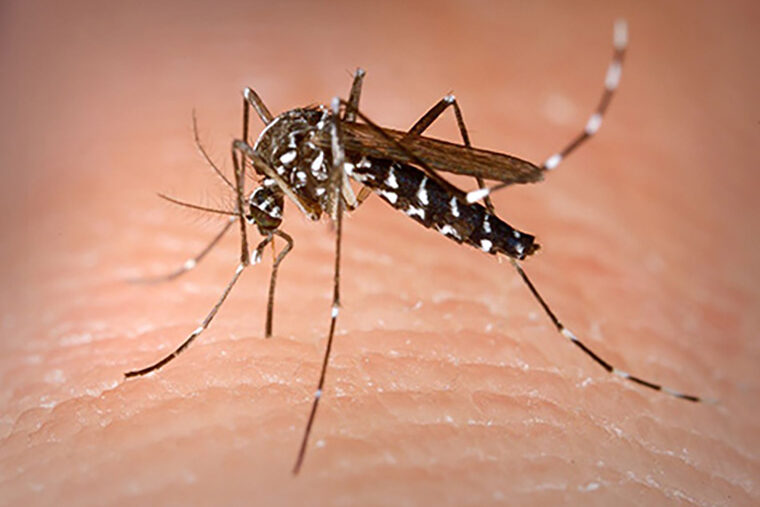
The Asian tiger mosquito is small, striped, and easy to mistake for any other backyard insect, yet its spread has reshaped public health conversations in many parts of the world. Originally native to Southeast Asia, it traveled through global trade, especially in shipments like used tires that collected standing water. Once established, it adapted quickly to urban and suburban environments. Unlike some mosquitoes that prefer rural wetlands, this one thrives close to people, breeding in small containers, flower pots, and gutters.
What makes it especially concerning is its ability to transmit viruses such as dengue, chikungunya, and Zika. Communities that had never worried much about mosquito borne illness suddenly had to invest in monitoring and prevention. Local governments launched awareness campaigns, urging residents to remove standing water from their yards. The Asian tiger mosquito did not arrive loudly, but its presence expanded quietly and steadily, proving once more that even the smallest wings can carry consequences far beyond their size.


