
The Portable Cassette Player
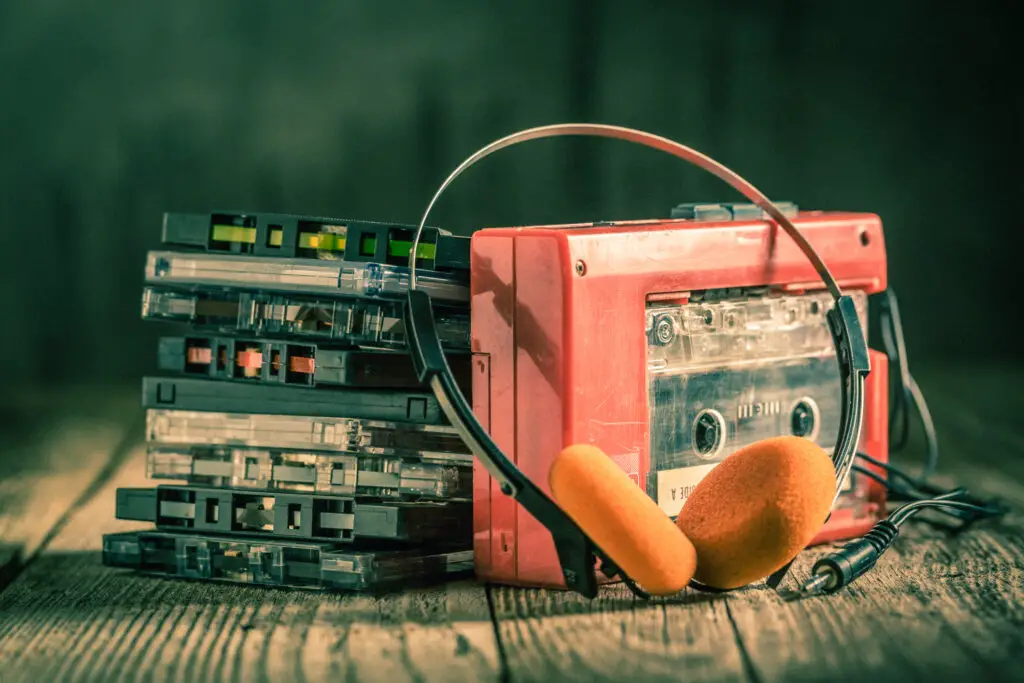
It is easy to feel a pang of nostalgia for the era when we had to physically flip a tape to hear the B-side while the mechanical whirring of the motor provided a constant soundtrack to our morning commutes. These devices were not just about the music but rather about the tactile experience of pressing a heavy play button and watching the little wheels spin through the clear plastic window. We all remember the frantic scramble to find a spare pair of AA batteries before the audio began to sag and distort into a slow-motion nightmare because power management was a constant struggle for every kid on the bus.
While modern streaming offers millions of songs at our fingertips, it lacks the delightful chaos of a tape being eaten by the player and the subsequent surgery required to wind it back in with a hexagonal pencil. The sheer bulk of the plastic casing meant that you really felt the weight of your music collection as it clipped onto your waistband or sat heavily in a denim jacket pocket. Every scratch on the casing told a story of a missed bus or a rainy afternoon spent wandering through town with a custom mix-tape playing in your ears. These devices eventually faded into obscurity as digital formats took over the world yet they remain a cherished memory for anyone who remembers the unique hiss of a magnetic tape before the first track started.
Inflatable Bedroom Furniture

Transforming a bedroom into a futuristic neon sanctuary was surprisingly simple back then because all you really needed was a foot pump and a lot of translucent PVC plastic. These blow-up chairs were the height of interior design for the younger generation and they usually came in vibrant shades of lime green or electric purple to match the aesthetic of the time. Sitting in one was a precarious balancing act that often resulted in a loud squeaking sound every time you shifted your weight or tried to reach for a snack. Despite the fact that they were incredibly uncomfortable for long periods, we absolutely loved them because they looked like something straight out of a space-age music video. The distinctive scent of fresh vinyl filled the air whenever a new piece was unpacked and inflated for the first time.
The inevitable downfall of this inflatable trend was the constant threat of a slow puncture which turned your stylish throne into a sad and shriveled heap on the carpet by morning. Finding the leak required a level of detective work that involved soapy water and a keen ear for a tiny hissing sound that seemed to vanish the moment you moved closer. Even if you managed to patch the hole with the included repair kit, the chair never quite regained its former glory and often leaned at a rakish angle thereafter. We eventually traded the plastic bubbles for more sensible wooden furniture as we grew up and realized that sweating against a non-breathable surface was not particularly luxurious.
Transparent Landline Telephones
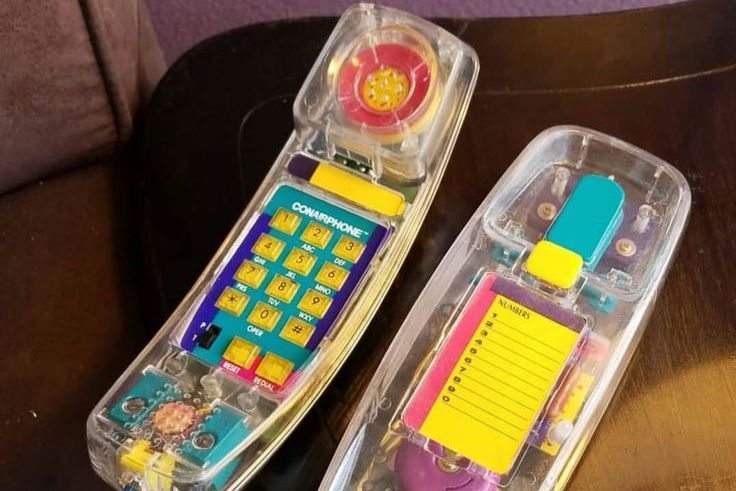
Before everyone had a smartphone tucked away in their pocket, the coolest way to gossip with your friends was through a corded telephone that revealed its entire inner workings to the world. These see-through handsets were a marvel of nineties engineering because they allowed us to see the colorful wires and mechanical bells that made the whole system function. Having your own line in your bedroom was the ultimate status symbol and these neon-tinted devices were the centerpiece of many late-night conversations about school crushes and weekend plans. There was something strangely hypnotic about watching the lights flicker inside the base whenever the phone rang out across the house. The long curly cord was a constant companion that we would mindlessly twirl around our fingers while discussing the latest episodes of our favorite television dramas.
The rise of digital communication and cordless technology eventually pushed these colorful relics into the back of cupboards and eventually into the bin as households moved toward more sleek designs. We moved from the physical click of a heavy receiver to the silent touch of a screen and lost the satisfying weight of a handset that actually felt like a piece of hardware. It is hard not to miss the way these phones turned a simple chore into a visual experience that celebrated the technology of the era instead of hiding it behind metal. Today they exist mostly as nostalgic curiosities for collectors who miss the vibrant and transparent aesthetic that defined a generation of home electronics.
Tamagotchi Digital Pets
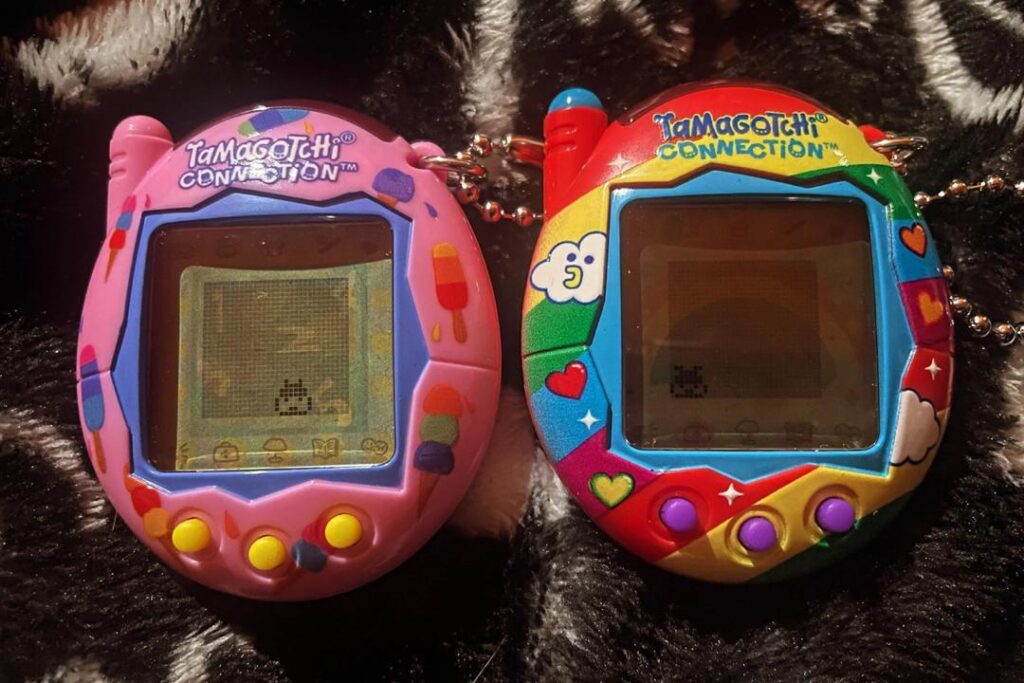
Every classroom in the late nineties was filled with a chorus of digital chirps and beeps because we were all collectively obsessed with keeping a tiny pixelated alien alive inside a plastic egg. These handheld virtual pets demanded our attention at all hours of the day and night while requiring us to virtually feed, clean, and play with them to ensure their survival. It was a massive responsibility for a child to handle and the heartbreak of waking up to find a tiny tombstone on the screen was a genuine rite of passage. Teachers eventually had to ban them from lessons because the constant need for attention was far too distracting for students who were supposed to be focusing on their algebra. We would often smuggle them in our pockets or entrust them to parents who became accidental digital babysitters while we were at school.
The craze was so intense that shops struggled to keep up with the demand and kids would trade tips on how to evolve their pets into the rarest forms possible. While the brand has seen several reboots over the years, the original fervor of the nineties version remains unmatched in its cultural impact and sheer ubiquity. We learned early lessons about life and death through a simple LCD screen and a few rubber buttons that required constant interaction. As technology advanced toward more complex gaming consoles and mobile apps, the simple charm of the monochrome egg began to wane for the general public. They remain a quintessential symbol of the decade because they captured our imagination and proved that we could form deep emotional bonds with a handful of pixels and a buzzing microprocessor.
Encyclopedia Set Volumes

Long before we could simply ask a digital assistant for the answer to any question, we had to rely on a massive wall of leather-bound books that occupied a significant amount of space in the family living room. These encyclopedias were the definitive source of knowledge for every school project and we spent countless hours flipping through the thin pages to find information on the Roman Empire or the life cycle of a frog. There was a specific smell of old paper and ink that accompanied these research sessions and the weight of a single volume felt like holding the entire world in your hands. Families often invested a small fortune in these sets because they were seen as an essential tool for a child’s education and a sign of a studious household.
The arrival of the internet and CD-ROMs like Encarta quickly turned these beautiful books into expensive paperweights that were increasingly out of date the moment they were printed. It became much easier to type a keyword into a search bar than to navigate the complex cross-referencing system of a multi-volume print set. We lost the serendipity of stumbling across an interesting entry on a completely unrelated topic while searching for something else because digital searches are so precise and targeted. Now most of these sets have been donated to charity shops or repurposed into hollowed-out safes and decorative items for vintage-themed cafes.
Discarded AOL CDs
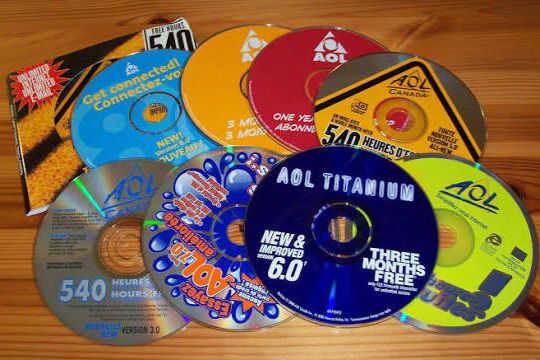
Walking into a computer shop or opening a magazine in the nineties meant being greeted by a seemingly endless supply of colorful discs that promised hundreds of hours of free internet access. These ubiquitous pieces of plastic were everywhere and we used them for everything from coasters to shiny decorations for our bedroom walls once the trial period had expired. It felt like a constant race to see who could collect the most unique designs because the artwork on the sleeves was often surprisingly creative for a promotional item. They were the gateway to the World Wide Web for millions of families who were just beginning to experiment with dial-up connections and the screeching sounds of a modem. The excitement of popping a new disc into the drive and waiting for the installation bar to move was a foundational experience for the first digital generation.
Eventually the sheer volume of these discarded discs became something of an environmental joke because they were being produced at such a staggering rate that they seemed to be everywhere. As broadband became the standard and physical media began to decline, the need for these promotional mailers vanished almost overnight and left behind a mountain of shiny waste. We transitioned from physical keys to the internet to invisible signals that are always active and we no longer need to worry about counting our minutes online. Looking back at them evokes a sense of wonder at how much the world has changed since we first heard that iconic voice tell us that we had mail.
Video Rental Cards
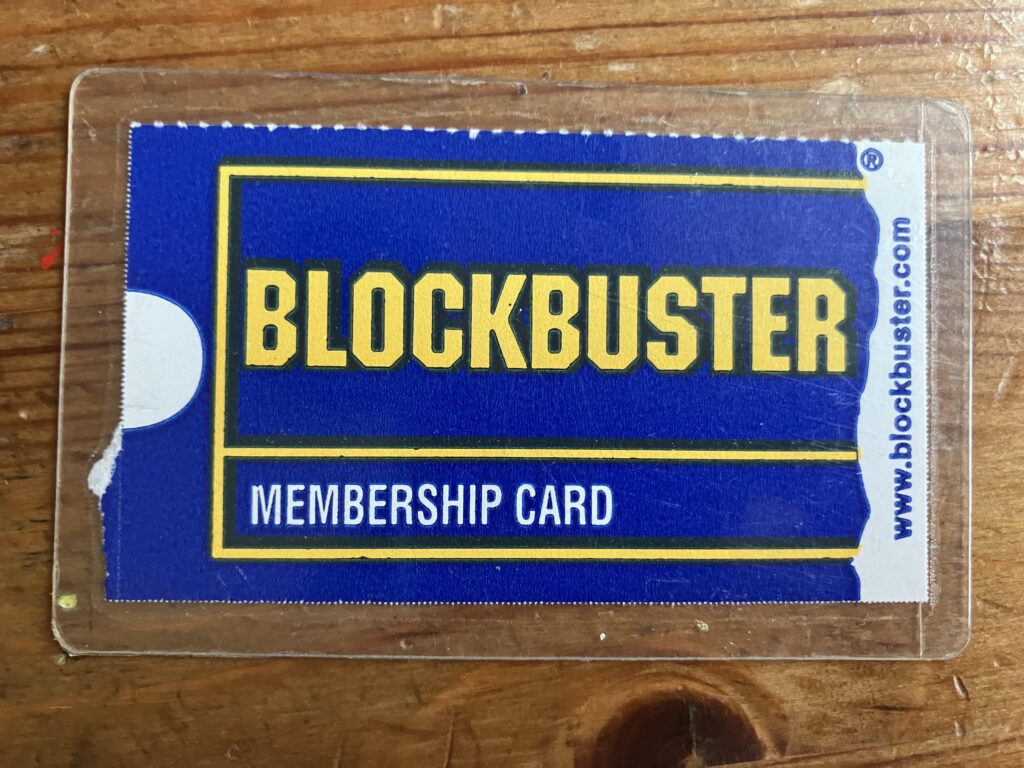
Friday nights were once defined by a trip to the local video shop where we would spend an eternity pacing the aisles and staring at the colorful boxes of the latest Hollywood releases. Having your own membership card was a significant milestone that granted you the power to choose the evening’s entertainment and it felt like a heavy responsibility to return the tapes on time. We all remember the frustration of finding an empty space behind a popular movie or the dread of seeing a “Please Rewind” sticker on a tape that someone else had lazily returned. The shop had a distinct atmosphere filled with the smell of popcorn and the soft glow of television screens showing trailers for upcoming blockbusters. It was a social hub where you might run into school friends or get recommendations from the staff who seemed to know everything about cinema.
The convenience of streaming services eventually made the physical act of renting a movie feel like an ancient ritual and the once-thriving video shops slowly disappeared from our high streets. We traded the tactile joy of holding a plastic case for the infinite scroll of a digital menu and the personal interaction was replaced by an algorithm. There was a certain magic in the scarcity of the video shop era because you had to commit to your choice and make the most of whatever you brought home for the weekend. Now that almost every movie ever made is available instantly, the thrill of the hunt has been lost and we often spend more time choosing what to watch than actually watching it.
Butterfly Hair Clips

Creating the perfect hairstyle in the nineties often involved an excessive amount of tiny plastic insects that were clipped haphazardly across the head to create a shimmering crown of color. These butterfly clips were an absolute staple for every young girl and they usually came in multipacks of glittery shades that could be coordinated with any outfit. We would spend hours in front of the mirror meticulously twisting sections of hair and securing them with these spring-loaded accessories to achieve the trendy “caterpillar” look. They were prone to snapping if you were too rough with them and the tiny springs had a habit of getting tangled in your hair which made removing them a painful ordeal. Despite the physical discomfort, the aesthetic was so popular that you couldn’t walk through a shopping center without seeing a dozen different variations on the theme.
As the decade turned and fashion shifted toward the more minimalist styles of the early two-thousands, these whimsical clips were relegated to the bottom of jewelry boxes and eventually forgotten. They were replaced by more subtle accessories or the sleek look of straightened hair that didn’t require dozens of tiny plastic clamps to stay in place. Looking back at old photos often brings a mix of nostalgia and mild embarrassment at the sheer volume of glitter and plastic we managed to fit onto our heads. While they have made a small comeback in certain vintage circles, they will always be primarily associated with the vibrant and slightly chaotic energy of a nineties childhood.
Floppy Disk Cases
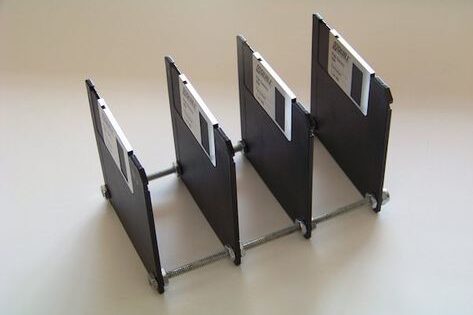
Storing school assignments or low-resolution images used to require a stack of thin plastic squares that held a laughably small amount of data by today’s standards. We all had those plastic storage boxes with the smoked-glass lids that clicked shut and we took great care in labeling each disk with a colorful felt-tip pen. The physical act of sliding the metal shutter back and forth was strangely satisfying and the sound of the disk drive grinding as it read the data is a noise that haunts the memories of many early computer users. You had to be incredibly careful not to get them near magnets or spill your juice on them because the data was remarkably fragile and prone to corruption. Carrying a single disk to school felt like carrying something high-tech even though it could barely hold a single high-quality photograph today.
The transition to USB sticks and eventually cloud storage made these physical disks completely obsolete and they were quickly repurposed as coasters or thrown into the bin. We went from measuring storage in kilobytes and megabytes to terabytes which made the humble floppy disk look like a prehistoric artifact. It is fascinating to think that the save icon in most modern software is still a representation of a piece of hardware that most children today have never actually seen in person. We have lost the physical connection to our files and the sense of organization that came with a neatly labeled box of disks sitting on the desk. They serve as a reminder of how rapidly technology has evolved and how much we once relied on these tiny plastic squares to keep our digital lives in order.
Beanie Baby Collections
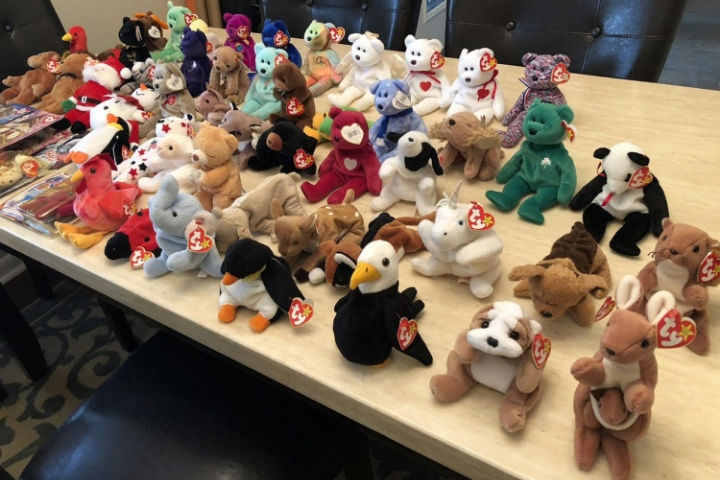
The Great Beanie Baby Craze of the late nineties was a period of collective madness where adults and children alike believed that small plush animals filled with plastic pellets were a sound financial investment. We would rush to the toy shop the moment a new release was announced and we went to extreme lengths to protect the “heart tags” with plastic protectors to ensure their future value. Every bedroom had a shelf dedicated to these creatures and we all had our favorites from the common bears to the supposedly rare limited editions that were rumored to be worth thousands. The vibrant colors and cute names made them irresistible and the hunt for a specific animal created a sense of community among collectors who would trade and haggle at school gates.
While the expected financial windfall never quite materialized for the average collector, the cultural impact of these toys remains an indelible part of the nineties experience. The sheer variety of animals meant that there was a character for every personality and the thrill of finding a “retired” model in a small corner shop was a genuine rush of adrenaline. Many of us can still remember the specific crinkle of the tags and the weight of the beans shifting as we held them which provided a sensory comfort that modern digital toys simply cannot replicate. Even though they are now mostly found in charity shops rather than high-end auction houses, they represent a time when a simple plush toy could unite a generation in a shared obsession.
Inflatable Backpacks And Bags
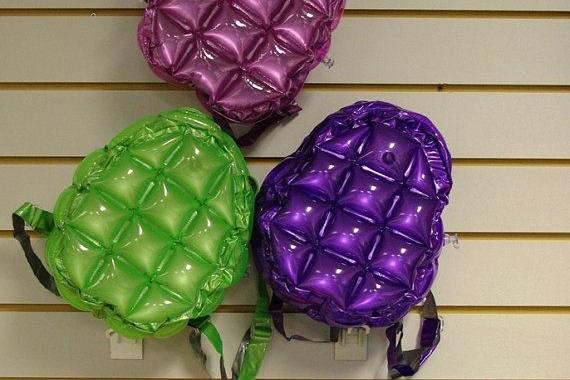
Carrying your school books in a bubble of air was a bold fashion statement that perfectly encapsulated the futuristic and somewhat impractical spirit of the late nineties. These backpacks were made from the same translucent PVC as the bedroom furniture and they came in a riot of neon colours that made it impossible to blend into the background. While they looked undeniably cool under the flickering lights of a shopping centre, they were notoriously fragile and prone to developing leaks at the most inconvenient moments. There was nothing quite as embarrassing as your bag slowly deflating during double maths until it hung limply off your shoulders like a sad plastic grape. Despite the risk of a puncture from a stray compass or a sharp pencil case, we wore them with immense pride because they were the ultimate accessory for the modern teenager.
The internal temperature of these bags was another issue entirely because the plastic trapped heat and frequently caused a strange condensation to form against your folders. You could see everything inside through the tinted material which meant that privacy was a thing of the past and your choice of lunch was on display for the whole world to see. As we moved into the new millennium, the trend for all things plastic and see-through began to fade in favour of more durable canvas and leather alternatives that could actually survive a full school year. They remain a vivid memory of a decade that wasn’t afraid to experiment with materials that were entirely ill-suited for the rigours of everyday student life.
Disposable Film Cameras
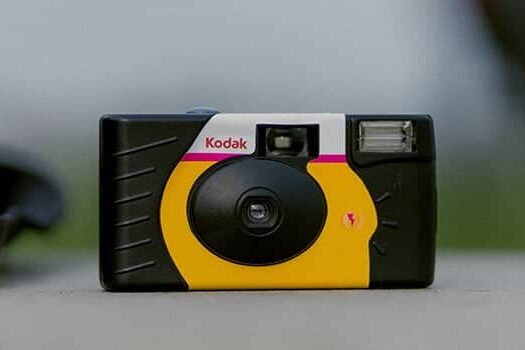
Long before we could take a thousand identical selfies and delete the ones we didn’t like, we had to rely on a single-use plastic box that held exactly twenty-four precious chances at a memory. These cameras were a staple of school trips and summer holidays because they were cheap enough to lose and simple enough for anyone to operate with a loud mechanical click. You had to manually wind the film after every shot with a jagged plastic wheel and the flash took what felt like an eternity to charge up for the next photo. There was a genuine sense of mystery involved because you had to wait days or even weeks to get the prints back from the chemist before you knew if the photos were actually any good. We lived for that moment of opening the paper envelope to discover that half the shots were blurry or obscured by someone’s stray thumb.
This forced patience made every successful photograph feel like a small victory and we cherished the physical prints in a way that is hard to explain to the digital generation. The rise of digital cameras and eventually high-quality phone sensors made the idea of paying for film and developing seem like an unnecessary and expensive chore. We lost the tactile ritual of dropping off a canister at the local pharmacy and the excitement of seeing your life captured on glossy paper for the first time. While some enthusiasts have brought back film for its nostalgic aesthetic, the ubiquity of the humble disposable camera is gone for good in our era of instant gratification.
CD Longbox Packaging
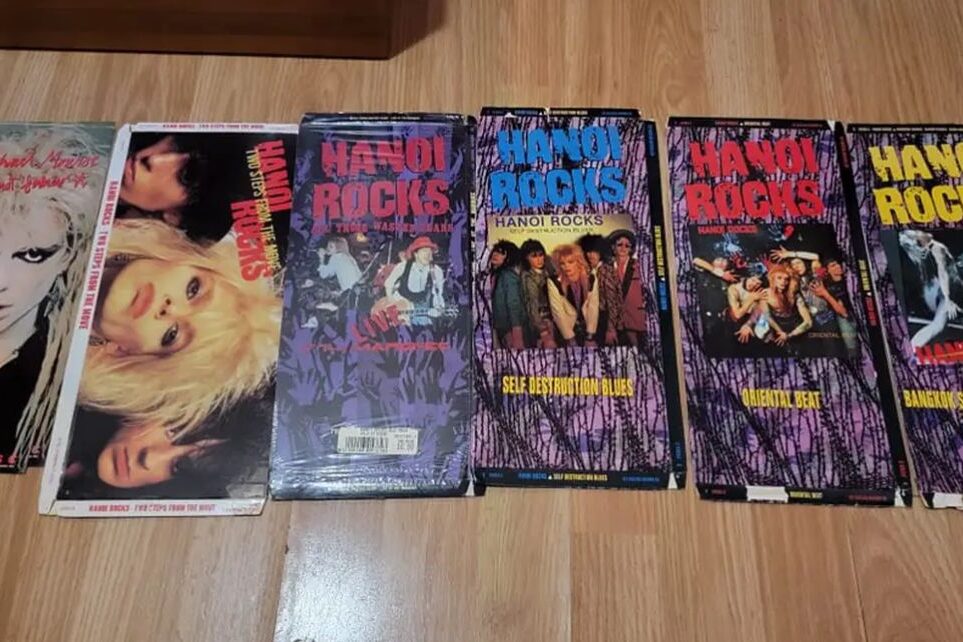
Walking into a music shop in the early part of the decade was a visual feast because compact discs were often sold in tall and thin cardboard boxes that stood out on the shelves. These longboxes were originally designed to fit into the existing wooden racks used for vinyl records yet they quickly became a canvas for elaborate and beautiful album artwork. Collectors loved them because they provided a much larger surface area for graphics than the standard jewel case and they made the purchase feel more substantial. However, the environmental impact of all that extra cardboard was significant and led to a major industry shift as artists and activists began to protest against the unnecessary waste. By the middle of the decade, the longbox had been phased out in favour of the smaller plastic cases we recognise today which changed the landscape of the record shop forever.
The disappearance of the longbox marked one of the first major environmental victories in the world of consumer electronics and it showed that the industry could adapt to public pressure. While they were undoubtedly wasteful, they possessed a certain grandeur that made buying a new album feel like a special event rather than a routine transaction. We used to pin the empty boxes to our bedroom walls as posters because the artwork was often too good to simply throw in the bin. Today, these original cardboard sleeves are highly sought after by collectors who miss the physical scale of nineties music marketing and the bold designs of the era.
Printed TV Listings
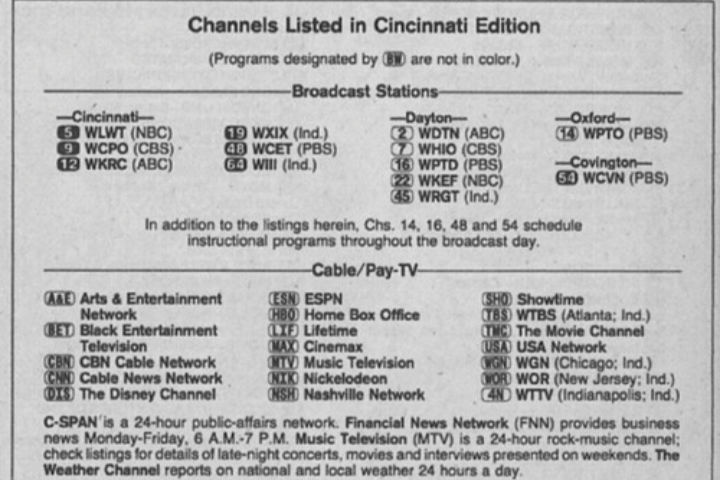
There was once a sacred ritual that took place every Sunday morning involving a highlighter pen and a thick magazine dedicated entirely to the week’s television schedule. Before the invention of the electronic programme guide or the “on demand” button, we had to carefully plan our lives around the broadcast times of our favourite sitcoms and dramas. Missing an episode meant waiting months for a repeat or hoping that a friend had remembered to record it on a blank tape for you. The Christmas double issue was a particular highlight of the year and it was often fought over by family members who all wanted to claim the best films for themselves. We relied on these printed grids to tell us what was happening in the world and the descriptions of the shows were often as entertaining as the programmes themselves.
The convenience of digital menus and the ability to pause live television eventually made these paper guides feel like a relic of a much slower and more disciplined age. We no longer have to worry about clashing schedules or missing the start of a show because everything is available at the touch of a button whenever we feel like watching it. This shift has given us incredible freedom but it has also removed the collective experience of everyone in the country watching the same thing at the exact same time. They represent a time when our relationship with media was governed by the clock and we had to make a conscious effort to keep up with the stories that everyone would be talking about at school.
Magic Eye Posters

If you spent any time in a shopping mall or a student dormitory in the mid-nineties, you almost certainly spent several minutes staring cross-eyed at a framed print of colourful static. These Magic Eye posters were a global phenomenon that promised a hidden three-dimensional image if you could only train your brain to look “through” the paper. It was a source of immense frustration for those who couldn’t see the hidden dolphin or steam engine while their friends marvelled at the depth of the illusion. The posters used a technique called an autostereogram which became a quintessential part of the decade’s obsession with new and slightly gimmicky visual technologies. We would stand in front of them for ages, slowly moving our heads back and forth until the hidden shape finally snapped into focus with a satisfying pop.
The craze eventually burned out as the novelty wore off and the patterns began to feel a bit repetitive and dated to a specific era of home decor. We moved on to more sophisticated digital effects and the simple joy of a hidden 3D image lost its hold on the public imagination. Today, these posters are often found in the back of thrift shops or as nostalgic talking points in retro-themed bars where people still struggle to find the hidden shapes. They are a perfect example of a fad that captured a moment in time perfectly before vanishing into the cultural background as we moved toward more complex entertainment. Looking back, they were a harmless bit of fun that encouraged us to slow down and look at things from a different perspective even if it did give us a bit of a headache.
Game Boy Link Cables
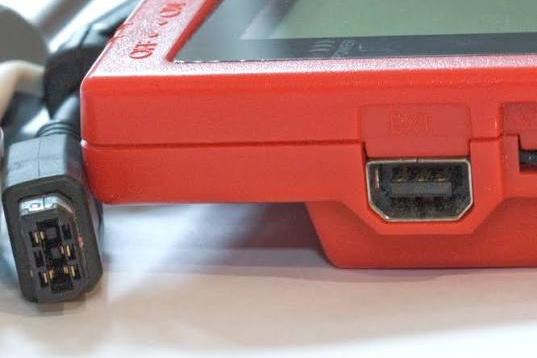
Long before wireless internet and online multiplayer became the standard, the only way to battle your friends in a game was to physically tether your handheld consoles together with a grey plastic wire. This link cable was an essential piece of equipment for any serious gamer because it allowed for head-to-head competition and the trading of digital monsters in the playground. You had to sit remarkably close to your opponent and any sudden movement could dislodge the plug and end the match in a flurry of digital errors and frustration. It was a social experience that required physical proximity and a certain level of cooperation to ensure that the connection remained stable throughout the entire session. We spent countless hours huddled together on bus seats and school benches while focused intensely on our tiny monochrome screens.
The introduction of wireless technology and local area networks eventually made these physical cables unnecessary and they were quickly relegated to the bottom of the junk drawer. We transitioned to a world where we can play against people on the other side of the planet without ever meeting them in person and the intimacy of the link cable era was lost. There was something special about the tangible connection between two devices and the shared physical space that made the competition feel more personal and immediate. While modern gaming is infinitely more advanced, it lacks the tactile charm of the wire and the necessity of being in the same room as your friends.
Multi-Disc CD Changers
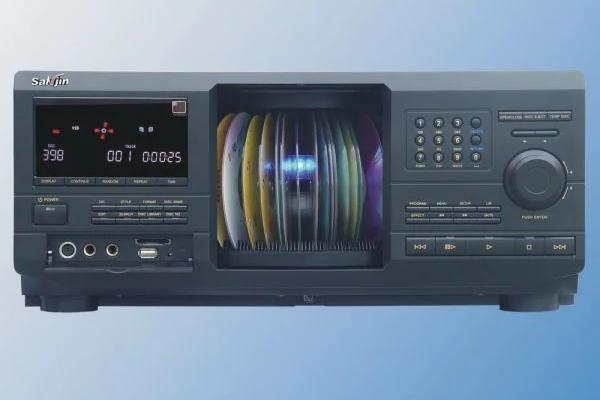
The ultimate high-tech addition to any family car or home stereo system in the nineties was a motorised tray that could hold three, five, or even ten compact discs at once. These machines promised a continuous stream of music without the need to manually change a disc every forty minutes and they were a marvel of complex mechanical engineering. We loved the whirring sound of the internal carousel as it shuffled between albums and the status symbol of having a dedicated “CD changer” button on the dashboard. It allowed us to curate long road trip playlists long before the era of the digital file and it felt like the pinnacle of luxury to have so much music available at once. However, these systems were notoriously prone to jamming and the delicate moving parts often failed after a few years of heavy use.
As digital music players and eventually smartphones became the primary way we consumed audio, the need for a physical disc changer vanished almost instantly. We went from carrying a heavy folder of CDs to having our entire library stored on a device no larger than a deck of cards which made the mechanical carousel look incredibly clunky. The sleek dashboards of modern cars have no room for such elaborate machinery and the satisfying click of a disc being loaded into a tray has been replaced by a silent digital stream. We have gained convenience and reliability yet we have lost the physical interaction with our music collections and the pride of showing off a fully loaded changer.
The disappearance of these iconic items reflects a broader shift in our global economy and the way we consume technology and leisure products. Many of these goods were the product of a specific manufacturing era that has since been replaced by centralized digital services and a reliance on a few massive production hubs.
Like this story? Add your thoughts in the comments, thank you.


