
16 Most Unlivable U.S. Cities
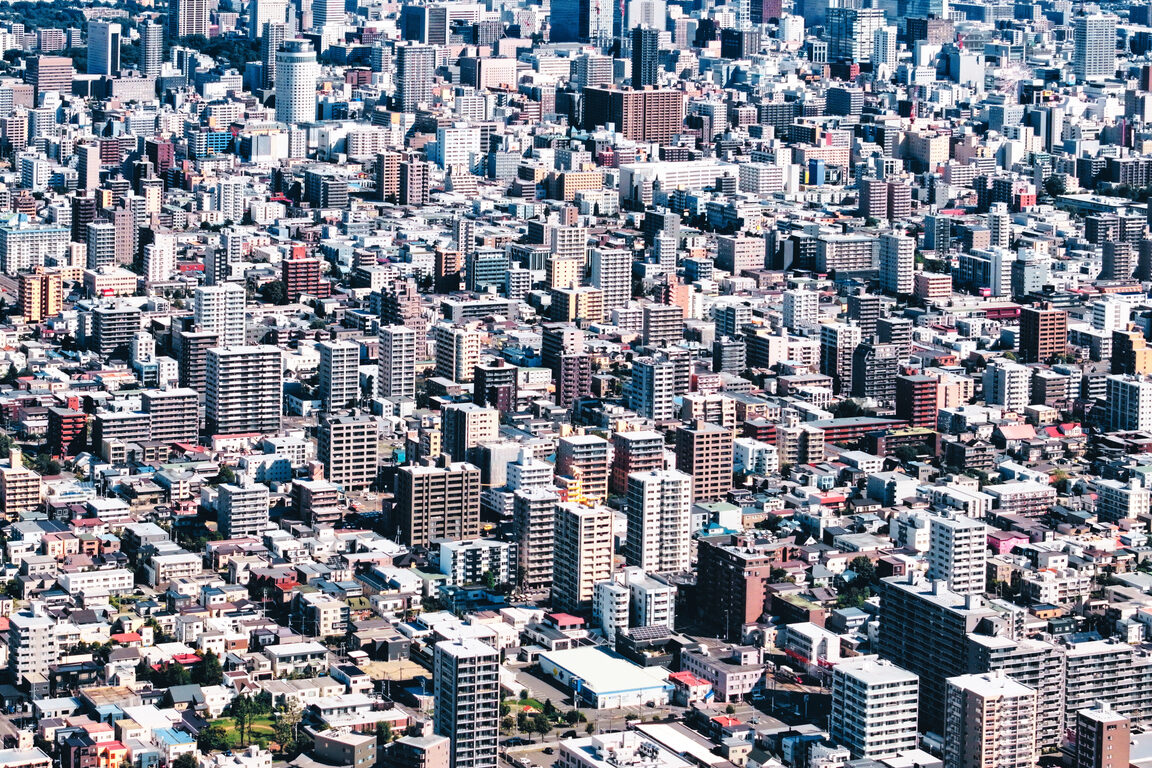
Most people do not leave cities dramatically. They leave quietly, after small frustrations stack up and daily life begins to feel heavier than it should. Rent rises faster than paychecks, commutes stretch longer, and simple routines require constant adjustment. What once felt exciting starts to feel exhausting. These cities did not suddenly become unlivable, but for many residents, the balance tipped. The effort required to stay began to outweigh the rewards. This list looks at places where people are not chasing novelty anymore. They are responding to pressure, fatigue, and the sense that their energy is better spent elsewhere now.
The stories ahead are not about failure or decline. They are about livability, and how it quietly shapes decisions. Safety, affordability, climate, and opportunity all play roles, but rarely in isolation. People leave when everyday life stops feeling workable. Families think about stability. Professionals think about sustainability. Older residents think about comfort. This first part focuses on cities Americans are walking away from, often reluctantly. Not because they stopped caring, but because staying demanded too much. Understanding why people leave helps explain what they are now looking for, and why different places are starting to feel like better fits today.
1. San Francisco, California
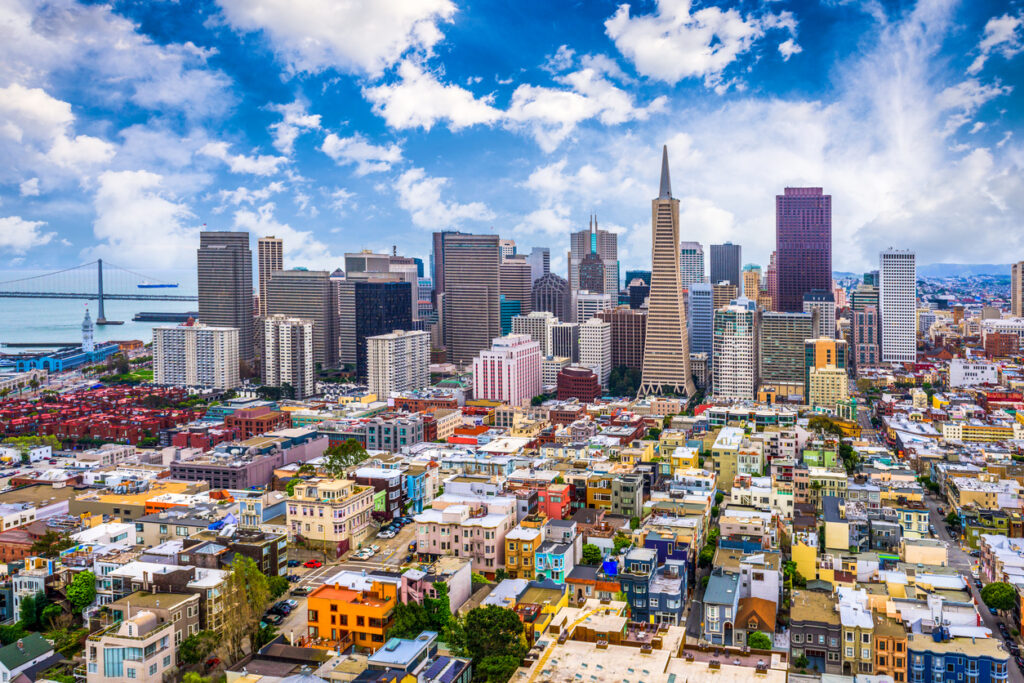
San Francisco used to feel like a promise people chased with open eyes. Somewhere along the way, the charm began to feel conditional. This is where the story starts, because many departures begin quietly, not with anger but with calculation. Rent takes more than it gives, daily routines feel tense, and even longtime residents admit the city feels heavier than it used to. People talk about beauty, tech opportunity, and culture, yet their voices soften when discussing day to day life. It is not about dislike. It is about effort. Living here now requires constant adjustment, emotional and financial, and many simply grow tired of adapting.
Those leaving often say they still love San Francisco, just not what it demands from them. Housing costs stretch salaries thin, safety concerns alter habits, and optimism feels harder to maintain. People want neighborhoods that feel lived in, not watched over. They want evenings that feel calm instead of cautious. When they move, it is not dramatic. It is practical. They choose places where life feels more forgiving and where progress does not feel like something they have to fight for every single day.
2. Los Angeles, California
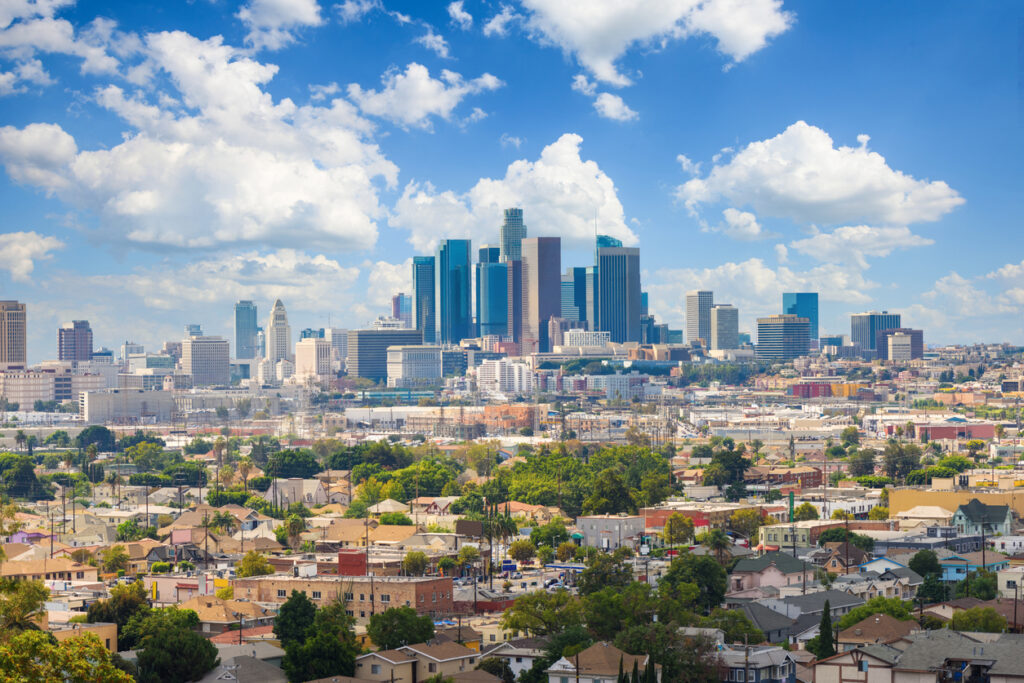
Los Angeles still sells possibility, but living inside that promise has become complicated. People arrive expecting flexibility and creativity, then slowly realize how much time disappears into traffic, costs, and exhaustion. The city looks effortless on the surface, yet daily life often feels demanding. Rent rises, commutes lengthen, and small errands require planning. Even those who once thrived here admit the pace feels relentless. It is not uncommon to hear former residents say they loved who they were when they arrived more than who they became while trying to keep up.
Leaving Los Angeles usually happens in stages. First comes frustration, then reflection, then acceptance. People want more space, more time, and less noise in their decisions. Climate concerns, housing pressure, and financial unpredictability add to the weight. Many discover that they no longer want excitement at every turn. They want ease. When they leave, they are not running away from ambition. They are choosing lives where ambition does not cost them their health, relationships, or sense of balance.
3. New York City, New York
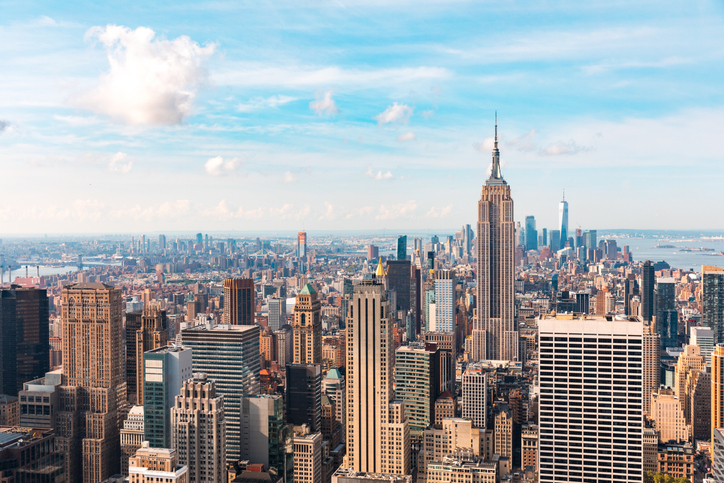
New York has always asked for everything, and for years, people gladly paid the price. Lately, that trade feels less fair. Rent climbs faster than opportunity, and even stable careers struggle to keep pace. The city still pulses with energy, but that energy often feels expensive. People work harder just to stay afloat, not to get ahead. The romance remains, yet it competes with fatigue. Many residents find themselves asking when survival quietly replaced joy.
Those who leave New York rarely do so without emotion. This is a city people defend long after they move away. Still, practicality wins. Crowded living, aging transit, and constant financial pressure wear people down. Smaller cities now offer walkability, culture, and community without the same cost. Leaving becomes less about giving up and more about choosing sustainability. People do not stop loving New York. They simply stop believing it is the only place where their lives can feel meaningful.
4. Chicago, Illinois
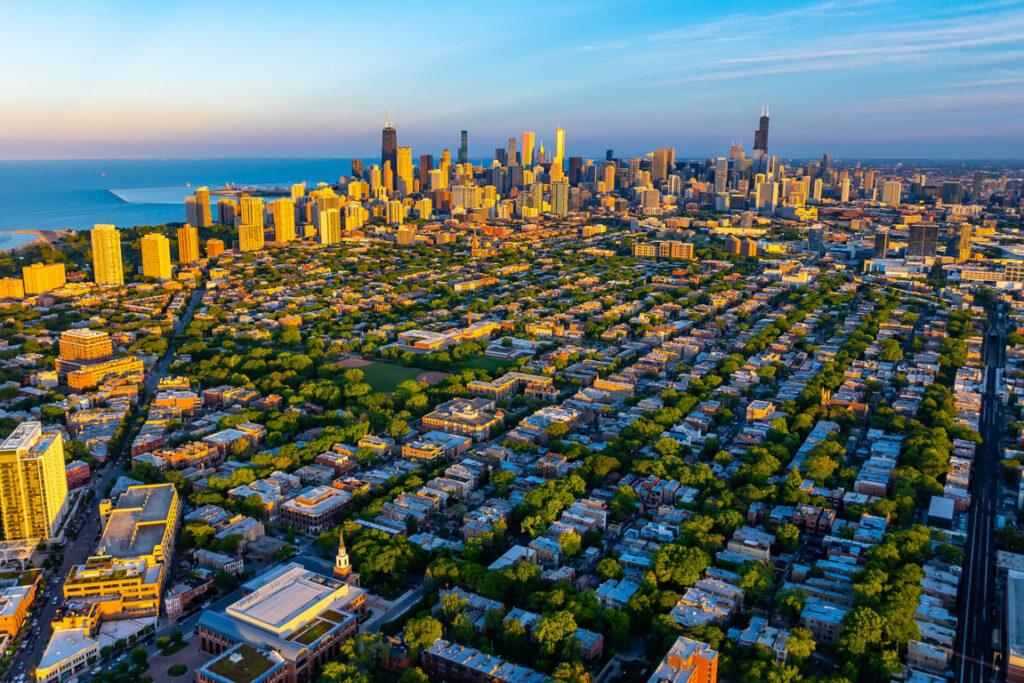
Chicago has long been known as a city that offers real life without coastal prices, but that gap has narrowed. Rising property taxes, public safety concerns, and uneven growth have made residents uneasy. The city still has heart, history, and strong neighborhoods, yet uncertainty hangs in the background. Winters feel longer when confidence in the future feels shorter. Many people stay out of loyalty longer than logic suggests.
Eventually, questions surface. Will this improve. Is this stable. Can I build here. When answers feel unclear, people begin looking elsewhere. Families worry about schools and safety. Professionals worry about opportunity. Leaving Chicago is rarely about dislike. It is about choosing predictability. People want cities where progress feels visible and consistent, not debated endlessly. When they move, they carry pride with them, not bitterness, and hope the city finds its footing again.
5. Oakland, California
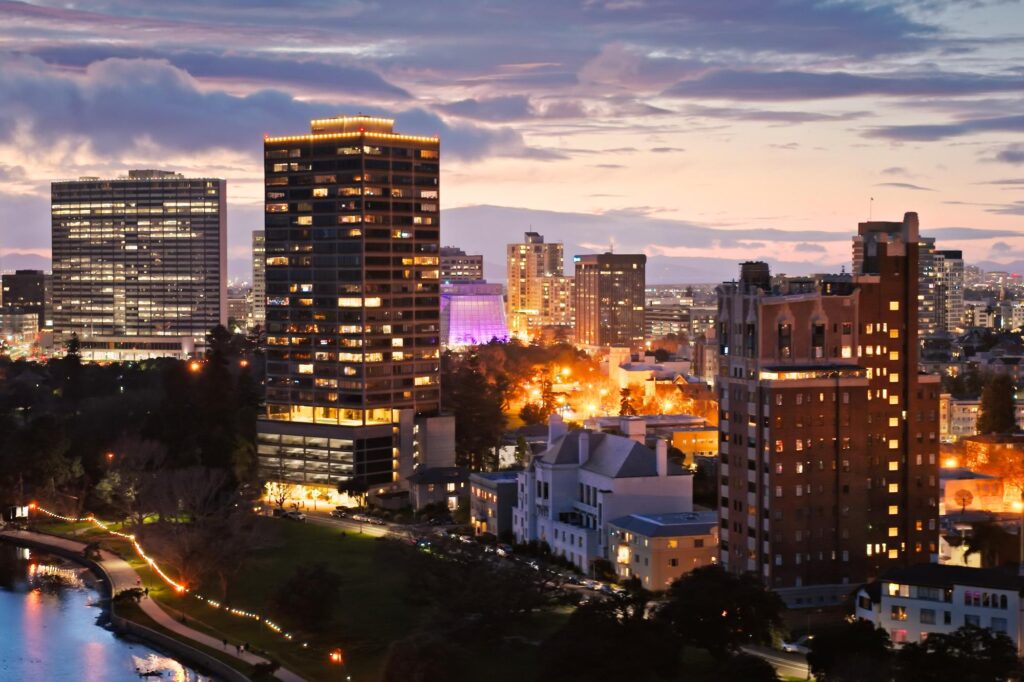
Oakland’s spirit is undeniable, but daily life has grown more complicated. Rising rents pushed out artists and families who helped define its character. Safety concerns alter routines, and infrastructure struggles feel personal when they affect neighborhoods unevenly. Many residents describe a sense of waiting, hoping improvement will arrive before patience runs out. The city still inspires love, but love alone does not pay rent or guarantee peace of mind.
People who leave Oakland often do so reluctantly. They talk about community, food, music, and history with real affection. Still, affordability and stability matter. When nearby or smaller cities offer similar culture without constant strain, the choice becomes clearer. Leaving does not erase connection. It simply acknowledges limits. For many, moving on feels less like abandonment and more like self preservation, choosing a life that feels sustainable rather than continually stretched.
6. Portland, Oregon
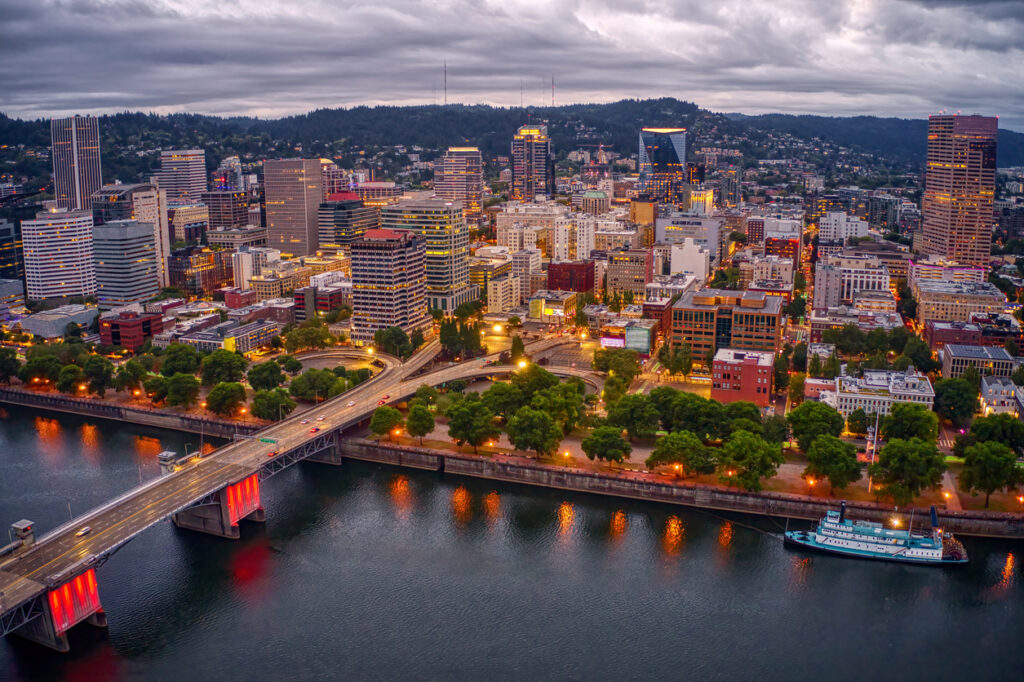
Portland once felt like an alternative to everything stressful about big city life. Over time, that distinction blurred. Visible homelessness, slow recovery, and shuttered storefronts changed how people experience the city. Residents describe frustration mixed with sadness, especially those who stayed through difficult years expecting change. The city’s values still resonate, but daily realities feel harder to ignore.
Leaving Portland is often an emotional decision. People miss the trees, the creativity, and the sense of individuality. Yet safety concerns and economic uncertainty weigh heavily. Many want neighborhoods that feel active again and leadership that inspires confidence. When progress feels stalled, people seek places where effort leads somewhere tangible. They do not leave because they stopped believing in the city’s ideals. They leave because they want those ideals to feel supported by real, visible stability.
7. Seattle, Washington
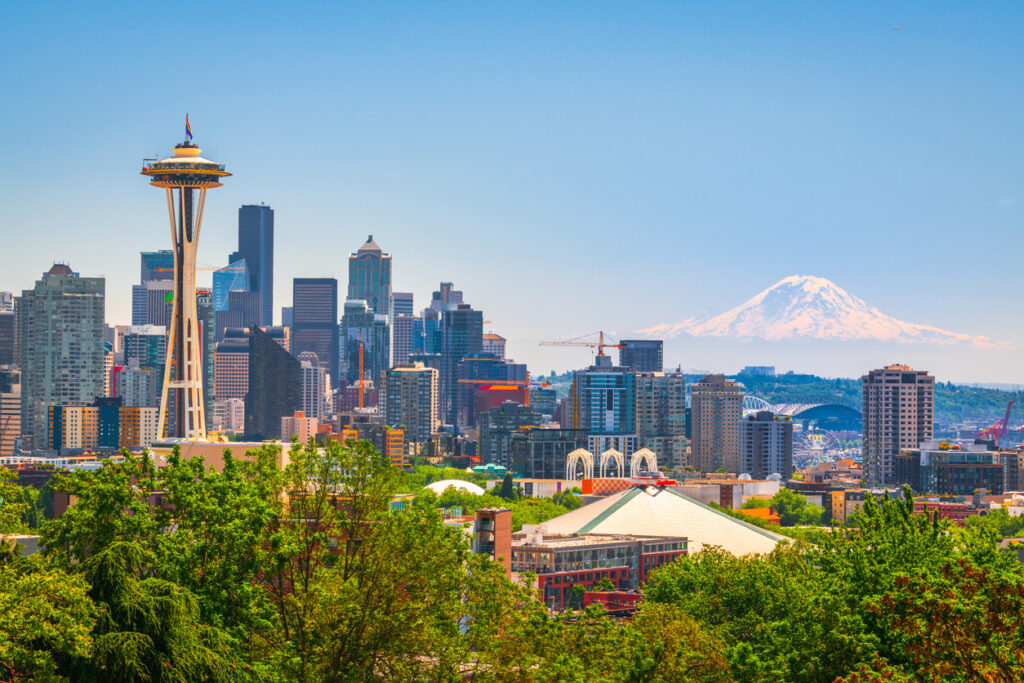
Seattle offers opportunity, but opportunity comes with pressure. Housing costs remain high, daily expenses add up quickly, and many residents feel the city caters to a narrow group. Gray winters amplify stress, and traffic turns simple plans into calculations. Even well paid professionals admit the cost of living creates constant tension. Life feels busy, but not always fulfilling.
Those leaving Seattle often seek balance. They want access to work without sacrificing comfort. Safety concerns, visible inequality, and rising costs push people to reconsider long term plans. Families and mid career workers especially feel the strain. When they relocate, they are not rejecting ambition. They are redefining it. They choose places where success includes time, rest, and community, not just income and endurance.
8. Denver, Colorado
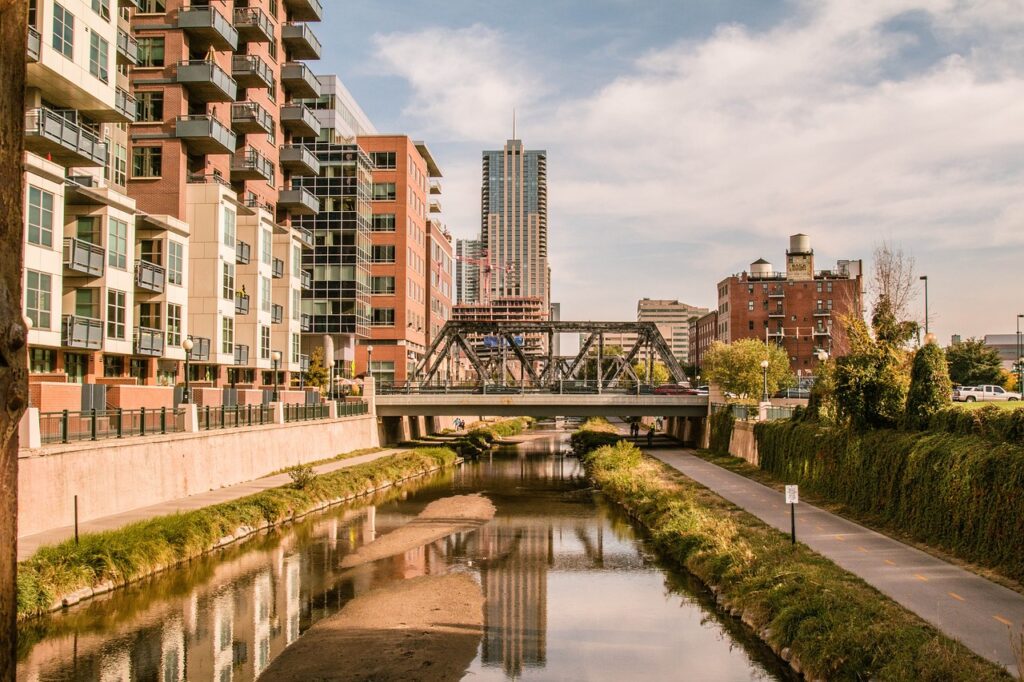
Denver grew quickly, and many residents feel the city changed before it had time to settle into itself. What once felt open and easy now feels crowded and expensive. Housing costs rose faster than wages, traffic became a daily negotiation, and the relaxed mountain energy people moved for feels harder to find. Longtime residents often say the city no longer matches the version they fell in love with. Daily life feels louder, faster, and more competitive than expected, especially for families and younger professionals trying to put down roots.
People leaving Denver usually speak with mixed emotions. They still love the outdoor access, the sunshine, and the sense of possibility. But climate concerns, water worries, and constant growth create quiet stress. Many want places where progress feels thoughtful instead of rushed. Moving away is less about losing affection and more about choosing comfort, affordability, and a pace that allows life to feel lived instead of managed.
9. Austin, Texas
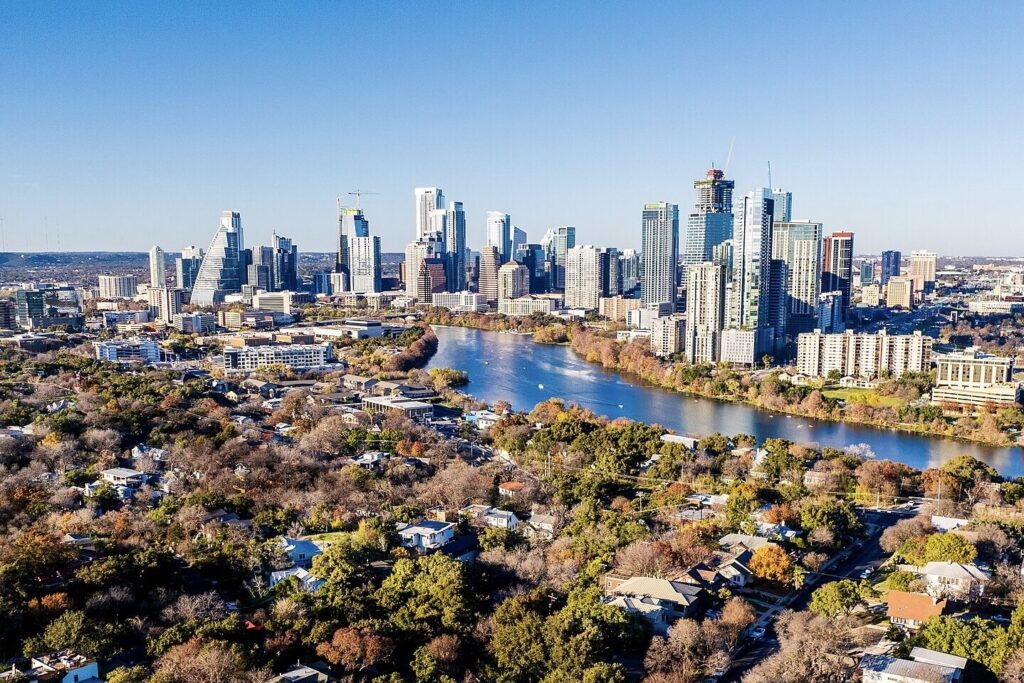
Austin changed almost overnight, and many residents are still catching up emotionally. The city that once felt playful and affordable now feels busy and expensive. Housing prices climbed quickly, traffic reshaped daily routines, and longtime locals feel displaced in subtle ways. Even newcomers admit the city feels stretched. The energy remains, but it no longer feels personal. What once felt welcoming now feels transactional, especially for those trying to build long term stability.
Leaving Austin often happens quietly. People do not argue with the city. They simply realize it no longer fits. Long summers, rising costs, and nonstop development wear people down. Many move toward places where community feels settled and where life moves at a gentler rhythm. Choosing to leave is not about rejecting growth. It is about finding space to breathe again.
10. Phoenix, Arizona

Phoenix attracts people with sunshine and space, but living there reveals limits. Extreme heat shapes daily life for much of the year, and summers feel longer every time they return. Growth happened fast, and infrastructure struggles to keep up. Housing costs rose sharply, surprising many who moved for affordability. Daily routines revolve around avoiding heat, managing utilities, and planning around weather instead of enjoying it.
People who leave Phoenix often say climate made the decision for them. Life feels constrained by temperature and long term water concerns create unease. Families think about sustainability, not just comfort. Over time, the appeal of constant sunshine fades when daily life feels restricted. Many choose cities with milder climates and steadier futures. Leaving Phoenix is rarely dramatic. It is a practical choice rooted in long term peace of mind.
11. Las Vegas, Nevada
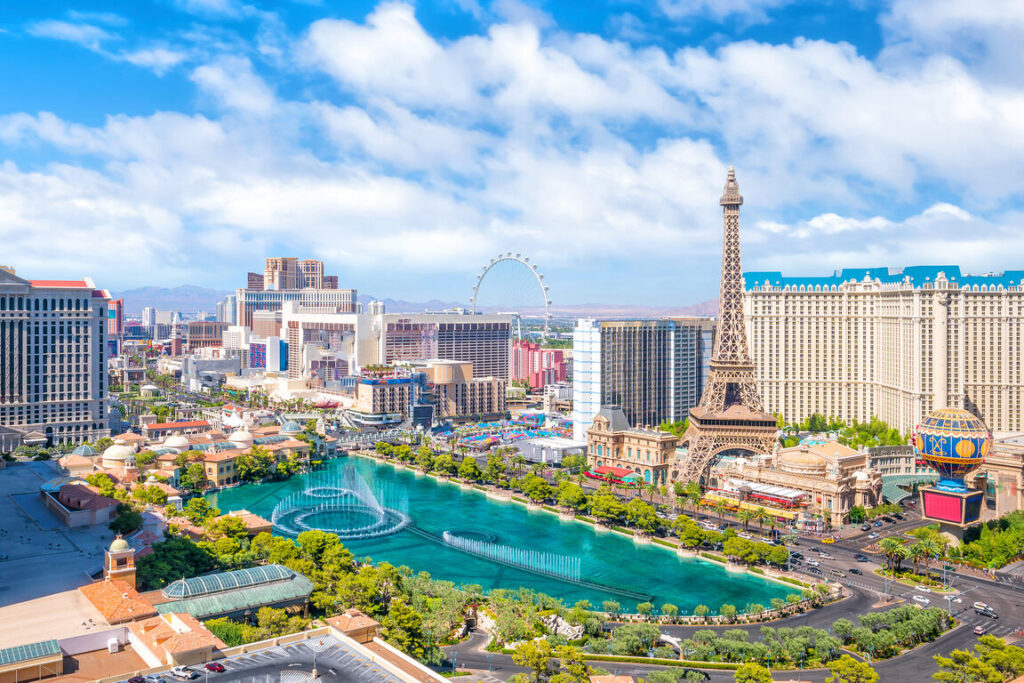
Las Vegas looks lively from a distance, but living there feels very different from visiting. Daily life moves around tourism schedules, shift work, and seasonal uncertainty. Rents have risen steadily, while wages tied to hospitality feel fragile. Many residents say the city feels temporary, even after years of living there. Community can be hard to build when neighbors come and go so often. Outside the Strip, services feel stretched, and long summers shape routines more than people expect. Over time, the excitement fades and practical concerns take over quietly.
People who leave Las Vegas often say they wanted stability more than stimulation. Extreme heat limits outdoor life, and family resources feel uneven across neighborhoods. Planning long term feels harder when industries fluctuate and costs rise unpredictably. Many move toward places where daily life feels calmer and more grounded. Leaving is rarely dramatic. It is usually a slow realization that constant brightness does not always translate into lasting comfort or security.
12. San Jose, California
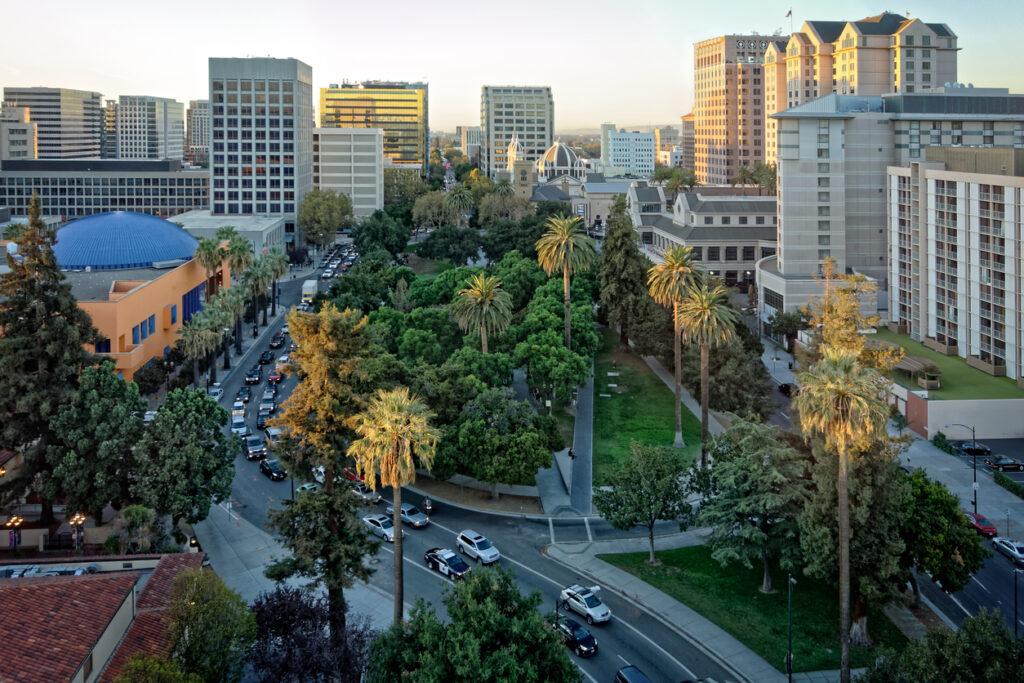
San Jose sits at the center of innovation, yet many residents describe life there as surprisingly ordinary and expensive. Housing costs rival nearby cities without offering the same cultural payoff. Long commutes and suburban sprawl dominate daily routines. People arrive expecting energy and excitement, then discover quiet neighborhoods paired with high pressure costs. Even strong salaries struggle to stretch far enough, especially for families trying to settle long term. The city functions efficiently, but many say it lacks warmth.
Those who leave San Jose often talk about balance. They want affordability without isolation and opportunity without constant financial tension. Traffic, limited nightlife, and rising expenses push people to reconsider priorities. Moving away feels like choosing a fuller life rather than a narrower one. People do not resent the city. They simply want places where cost, community, and daily satisfaction feel more aligned.
13. Baltimore, Maryland
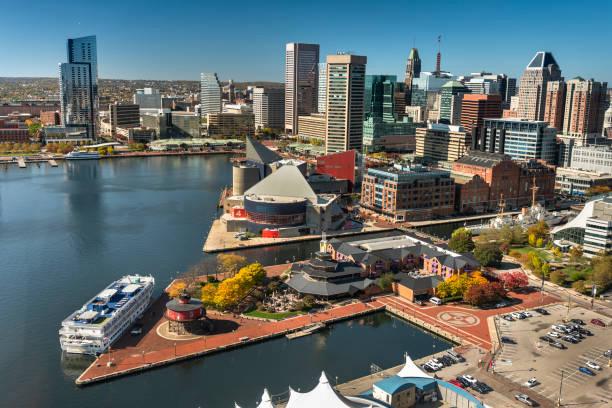
Baltimore carries deep character, but daily life comes with caution. Safety concerns shape routines and limit how freely people move through the city. Longtime residents often say you learn quickly which streets to avoid. Economic inequality feels visible, and progress appears uneven from neighborhood to neighborhood. While strong communities exist, trust takes time to build and rebuild. Families especially feel the weight of uncertainty when planning for schools and stability.
Leaving Baltimore is rarely easy. People speak warmly about culture, food, and local pride. Still, safety and opportunity often win the conversation. Many want cities where daily movement feels easier and long term planning feels less risky. Choosing to leave does not erase affection. It reflects a desire for consistency and peace of mind, even when love for the city remains strong.
14. Detroit, Michigan
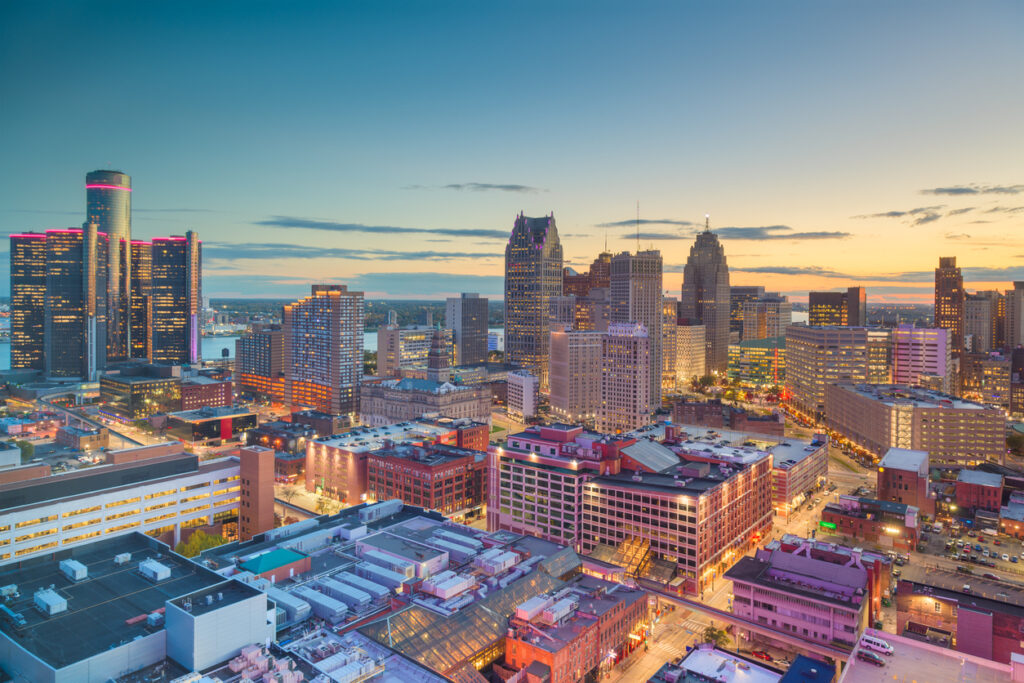
Detroit’s comeback is real, but it feels incomplete. Some areas thrive while others struggle, creating uneven experiences across the city. Residents often explain their neighborhoods carefully, which becomes tiring over time. Infrastructure issues and limited services persist in many places. While pride runs deep, daily life can feel unpredictable. People want to believe in lasting change, but patience wears thin when improvements feel isolated.
Those who leave Detroit usually do so with mixed emotions. They admire the resilience and creativity but want stability that feels widespread. Families and professionals seek consistency in services, safety, and opportunity. Moving away feels like choosing certainty over hope alone. People do not abandon their roots. They carry them forward while searching for places where progress feels shared and dependable.
15. Cleveland, Ohio

Cleveland offers affordability and familiarity, but many residents feel momentum is missing. Job growth moves slowly, and younger professionals worry about long term opportunity. Winters feel heavier when ambition feels stalled. Daily life can feel comfortable yet repetitive, which quietly pushes people to look elsewhere. The city has strong neighborhoods, but retaining residents remains a challenge when growth feels limited.
Leaving Cleveland often feels practical rather than emotional. People want exposure, movement, and new possibilities. They are not rejecting home. They are expanding their view of what life can offer. Many say they would return if opportunity aligned. Until then, they choose cities where progress feels more visible and where effort leads somewhere tangible.
16. St. Louis, Missouri
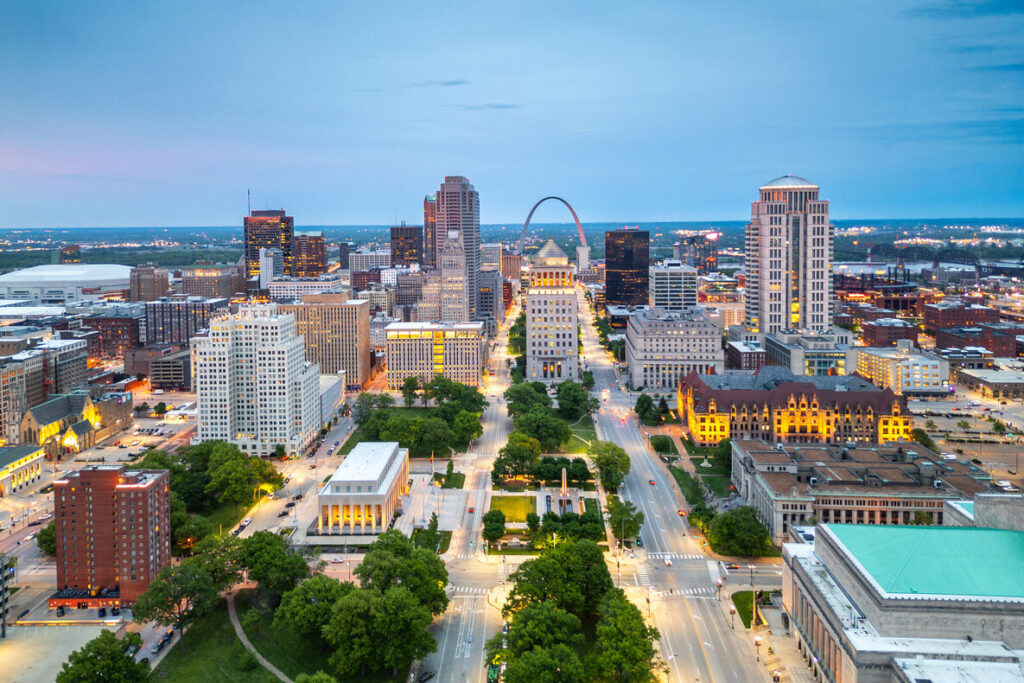
St. Louis blends charm with uncertainty. Strong community ties exist alongside safety concerns and population decline. Residents often describe loving their neighborhoods while worrying about the broader future. Governance challenges and uneven development create hesitation about long term plans. People stay hopeful, but hope requires reinforcement. Over time, concern begins to outweigh optimism for many families.
Those who leave St. Louis often do so quietly and thoughtfully. They carry affection with them while seeking clearer signs of progress elsewhere. Moving away feels less like giving up and more like choosing reassurance. Many still root for the city from afar. Their departure reflects a broader search for places where stability feels more certain and where daily life inspires confidence again.
16 Cities Americans Are Flocking to Instead
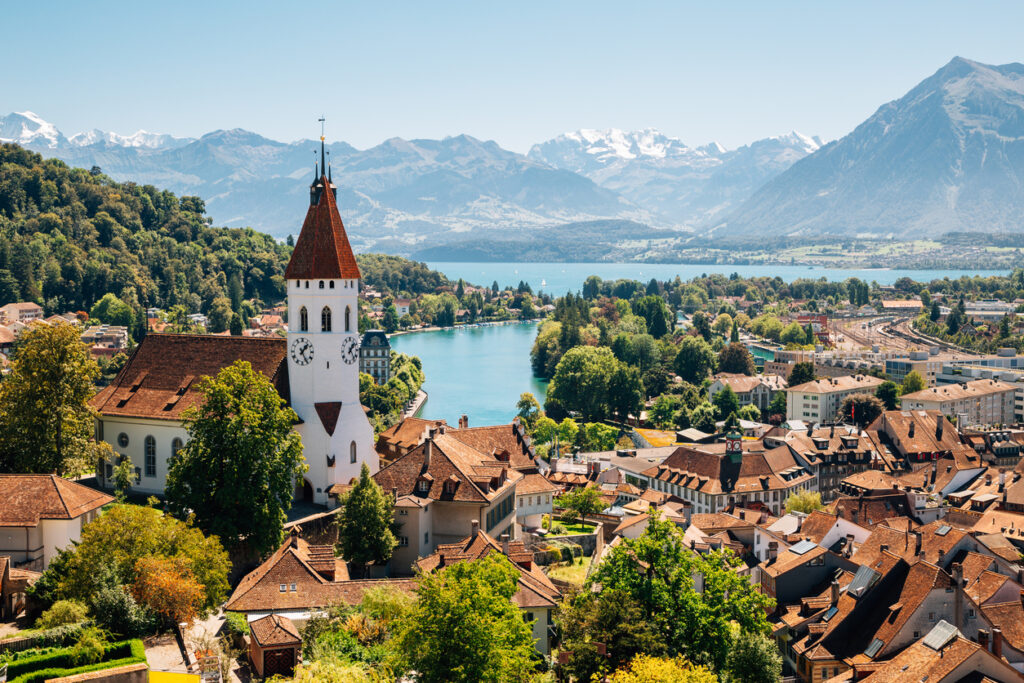
After the boxes are unpacked and the first few weeks pass, something subtle happens. Mornings feel less rushed. Errands stop requiring strategy. Conversations with neighbors feel easier, not transactional. For many Americans, moving lately has not been about starting over in a dramatic way. It has been about landing somewhere that finally fits. These are cities people choose after experience, not impulse. Places where daily life feels workable, where routines settle instead of fight back, and where the cost of living no longer overshadows everything else.
The cities in this second part are gaining residents because they offer something increasingly rare. A sense of steadiness. People are not moving here to chase headlines or status. They are coming for schools that feel reliable, commutes that do not drain the day, and communities that feel present. Growth exists, but it does not feel frantic. Opportunity exists, but it does not demand burnout. These places succeed quietly, and that quiet success is exactly what draws people in. This is not about finding the next big thing. It is about finding somewhere that finally feels like home.
17. Raleigh, North Carolina
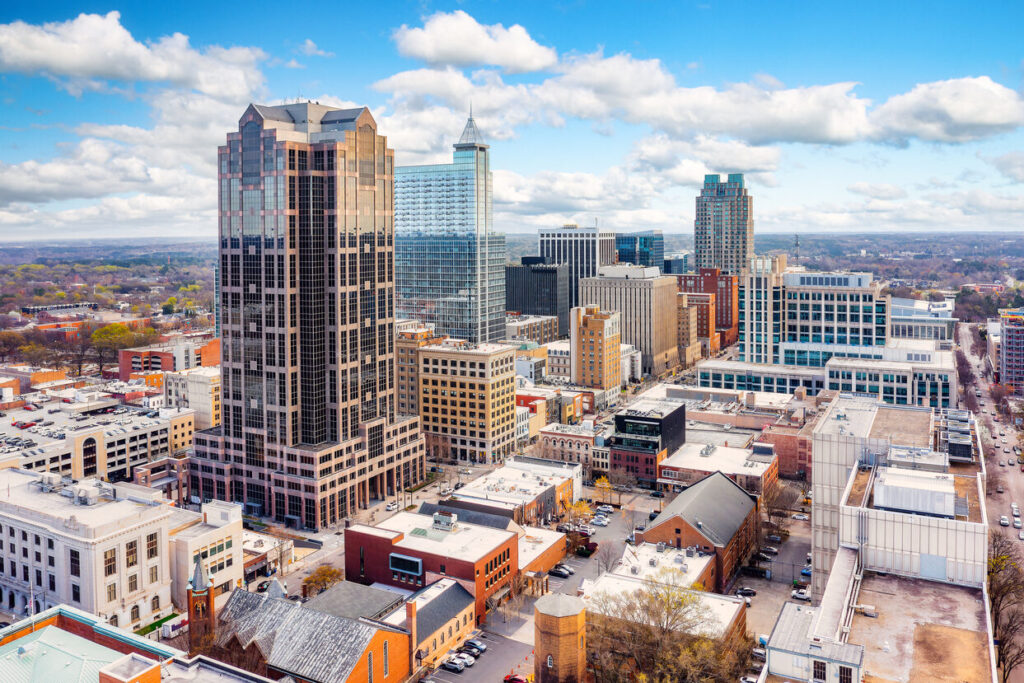
People moving to Raleigh often say it feels like life got easier without becoming smaller. This is where the second half of the story begins, because many who leave expensive, exhausting cities are not chasing perfection. They are chasing ease. Raleigh offers growing job opportunities, especially in tech and healthcare, without the constant pressure found in larger hubs. Housing still feels attainable, neighborhoods feel calm, and daily routines feel manageable. New residents describe a sense of breathing room, both financially and emotionally, that they did not realize they were missing.
What keeps people in Raleigh is balance. Commutes are shorter, communities feel intentional, and growth feels steady rather than chaotic. Families appreciate good schools and green spaces, while professionals value career access without constant competition. Life here feels designed for living, not just surviving. Many say Raleigh reminds them that ambition and comfort do not have to cancel each other out, and that realization alone makes the move feel worthwhile.
18. Chattanooga, Tennessee
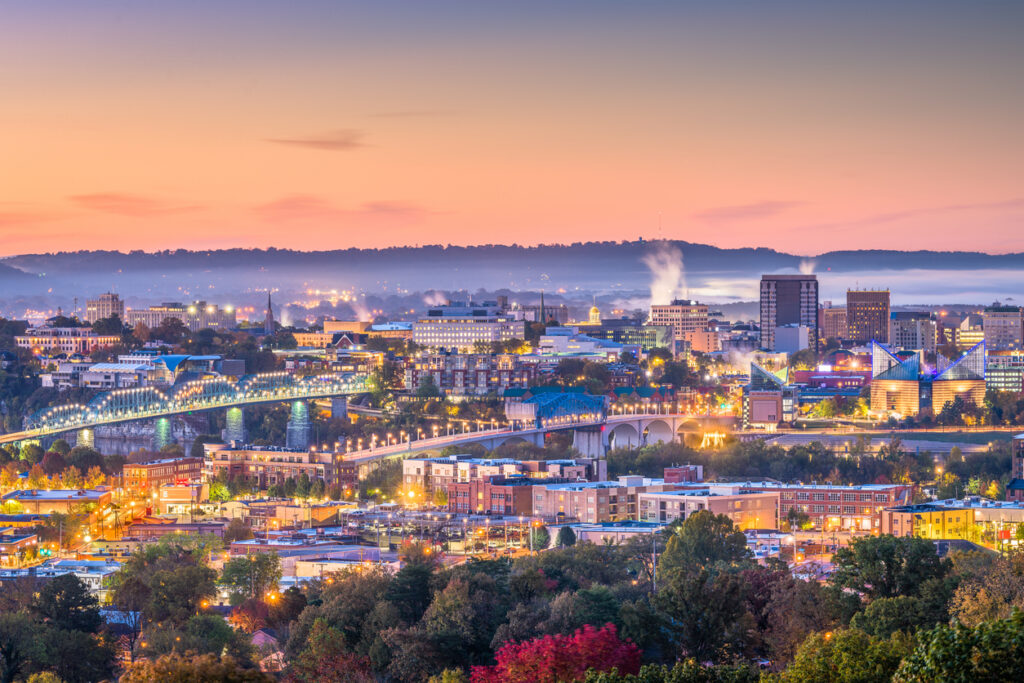
Chattanooga surprises people in quiet ways. It does not shout its appeal, which is part of why newcomers fall for it. Former big city residents often say the city feels human sized, where routines are simple and community still matters. Housing remains affordable, outdoor access is immediate, and work life feels less consuming. People find themselves spending less time commuting and more time actually living their days.
Those flocking to Chattanooga often mention how quickly it feels familiar. The city supports remote workers, creatives, and small business owners without overwhelming them. Nature is not a weekend event here. It is part of everyday life. People say they feel present again, less rushed and more grounded. Chattanooga offers progress without pressure, which is exactly what many were missing before they arrived.
19. Madison, Wisconsin
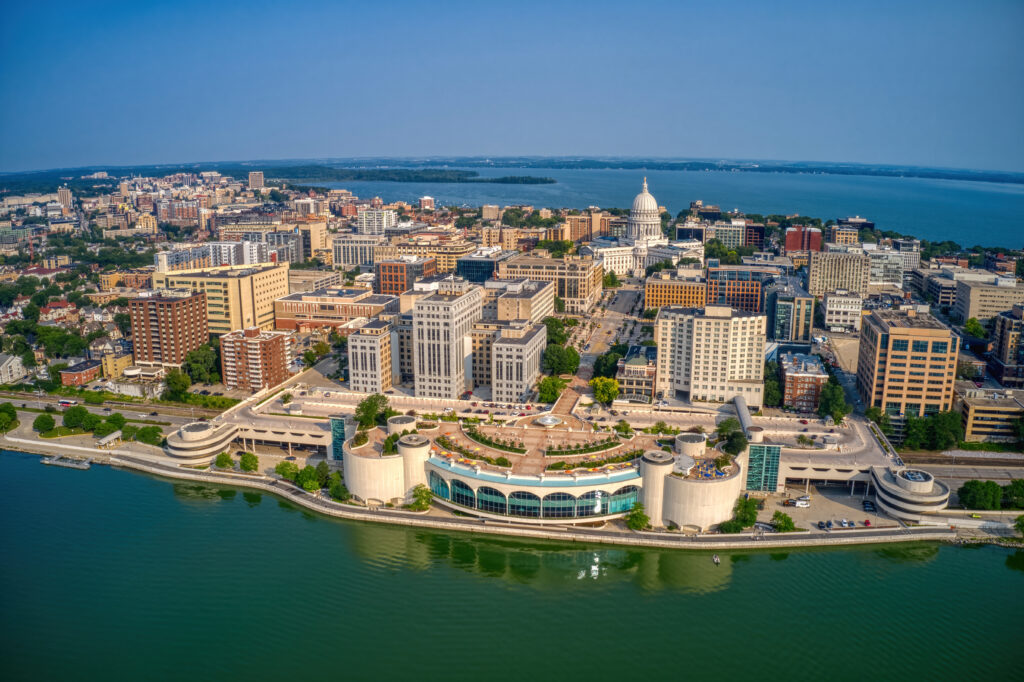
Madison draws people looking for stability paired with quality of life. It offers strong education, healthcare, and employment without the intensity of larger metros. New residents describe the city as thoughtful, where planning seems to consider people, not just profit. Housing feels more reasonable, neighborhoods feel cohesive, and daily life feels predictable in a comforting way.
What keeps people in Madison is how livable it feels year round. The city supports families, professionals, and retirees without forcing constant tradeoffs. Walkability, green spaces, and cultural life exist without feeling performative. People say they feel valued as residents, not just contributors. Madison proves that steady growth and personal peace can exist together, which is why so many choose to stay once they arrive.
20. Boise, Idaho
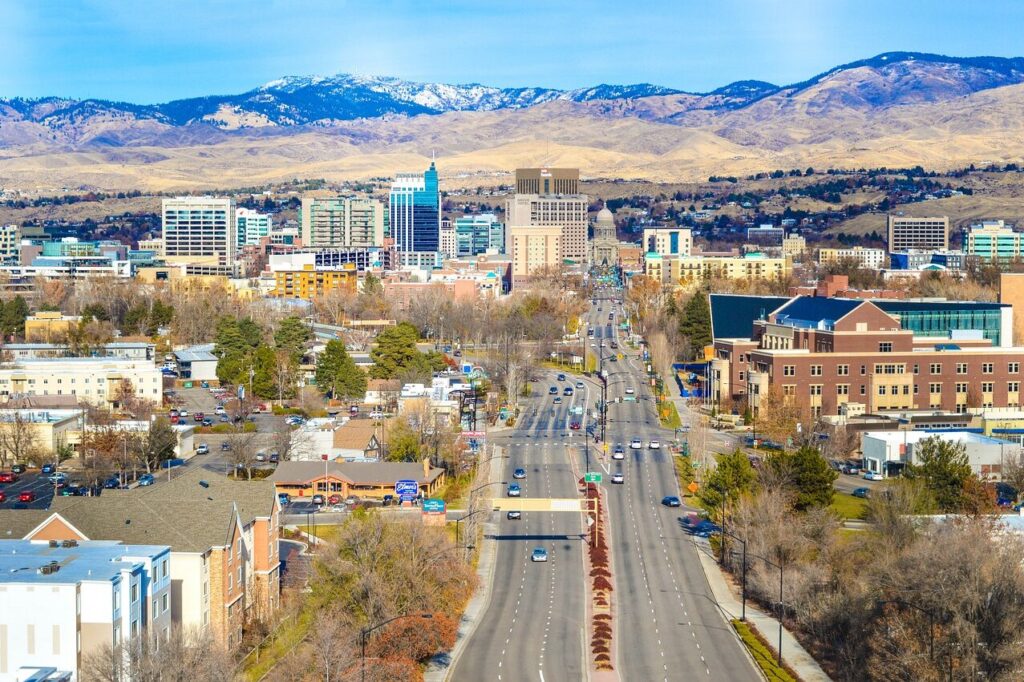
Boise attracts people who want simplicity without sacrifice. Many arrive expecting a slower pace and are surprised to find opportunity as well. Housing has risen but still feels reachable compared to coastal cities. Daily life feels calm, with easy access to nature and a strong sense of community. People often say Boise feels like a place where neighbors still notice each other.
Those moving to Boise appreciate how life feels intentional. Commutes are short, routines are flexible, and outdoor space is part of daily living. Families feel supported, and professionals find room to grow without constant pressure. Boise offers clarity. People know why they are there and what they are building. That sense of purpose keeps them rooted.
21. Greenville, South Carolina
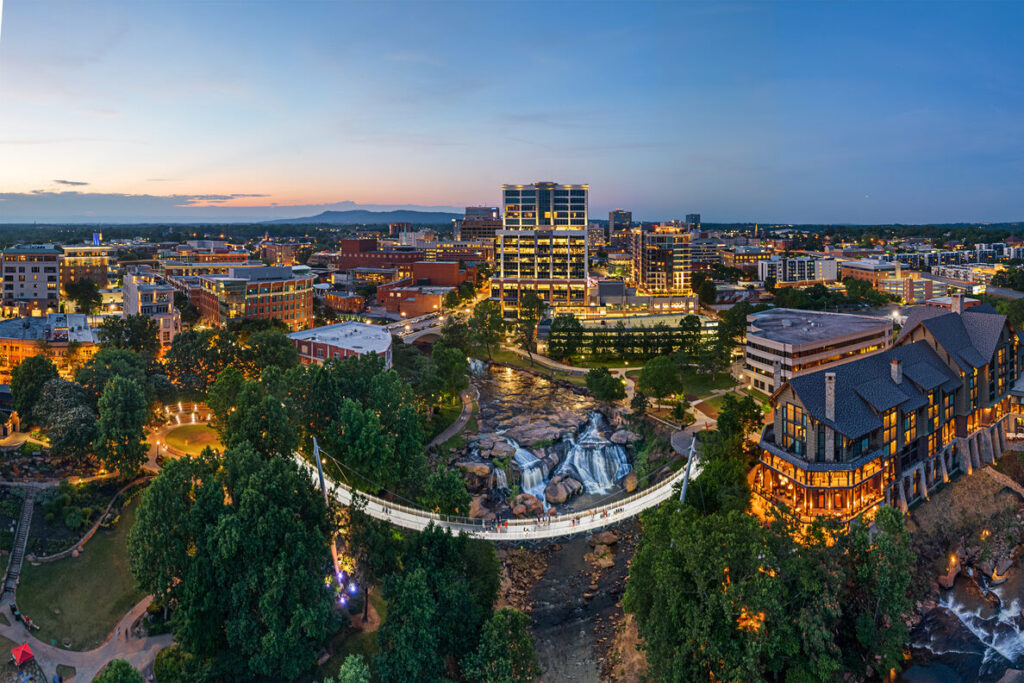
Greenville has become a quiet favorite for people seeking charm and livability. The city feels welcoming without feeling stagnant. Housing remains accessible, downtown feels active but not overwhelming, and growth feels thoughtful. New residents often say Greenville feels cared for, like a place designed with people in mind rather than trends.
What draws people in is how complete life feels. Jobs are available, nature is close, and community feels real. Families and professionals alike describe a sense of belonging that came quickly. Greenville does not demand reinvention. It allows people to settle into themselves. For many arriving from harder cities, that alone feels like a gift worth keeping.
22. Knoxville, Tennessee
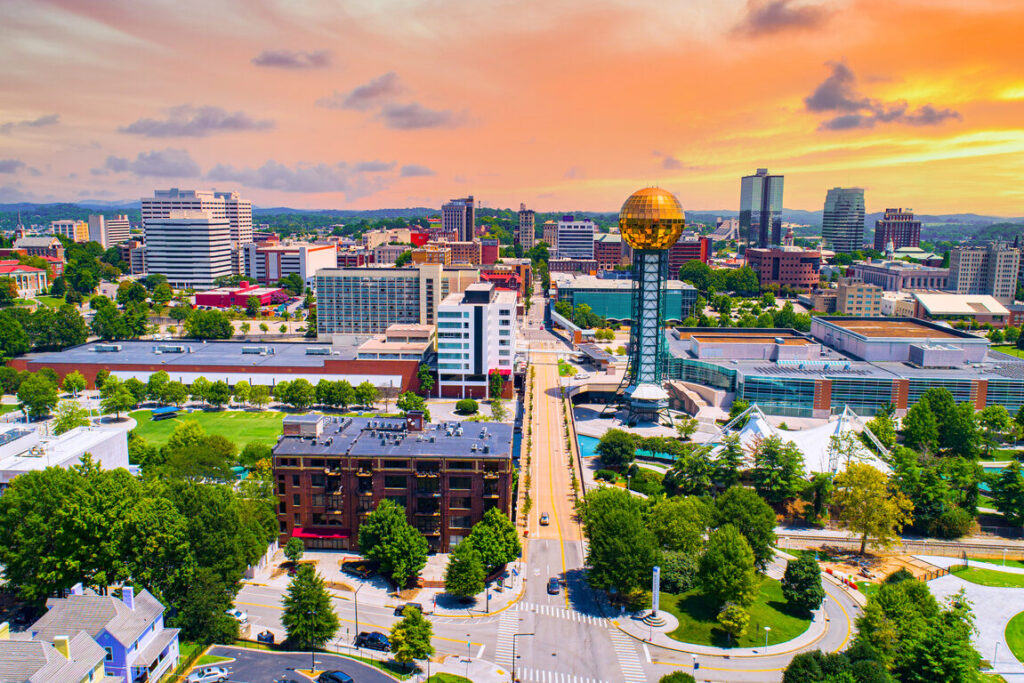
Knoxville draws people who want a slower rhythm without giving up opportunity. Many arrive after years in louder cities and are surprised by how quickly life feels manageable here. Housing remains within reach, commutes are short, and the city feels navigable instead of overwhelming. Daily routines feel lighter. People say errands take minutes, not hours, and neighbors feel approachable. There is a sense that life fits together more easily, without constant adjustment.
What keeps people in Knoxville is how balanced it feels. Access to nature is immediate, job options continue to grow, and community ties feel genuine. Families appreciate the affordability and schools, while remote workers enjoy the calm structure of daily life. Knoxville does not demand reinvention. It allows people to settle into routines that feel sustainable. For many, that quiet stability becomes the reason they stop looking elsewhere.
23. Des Moines, Iowa
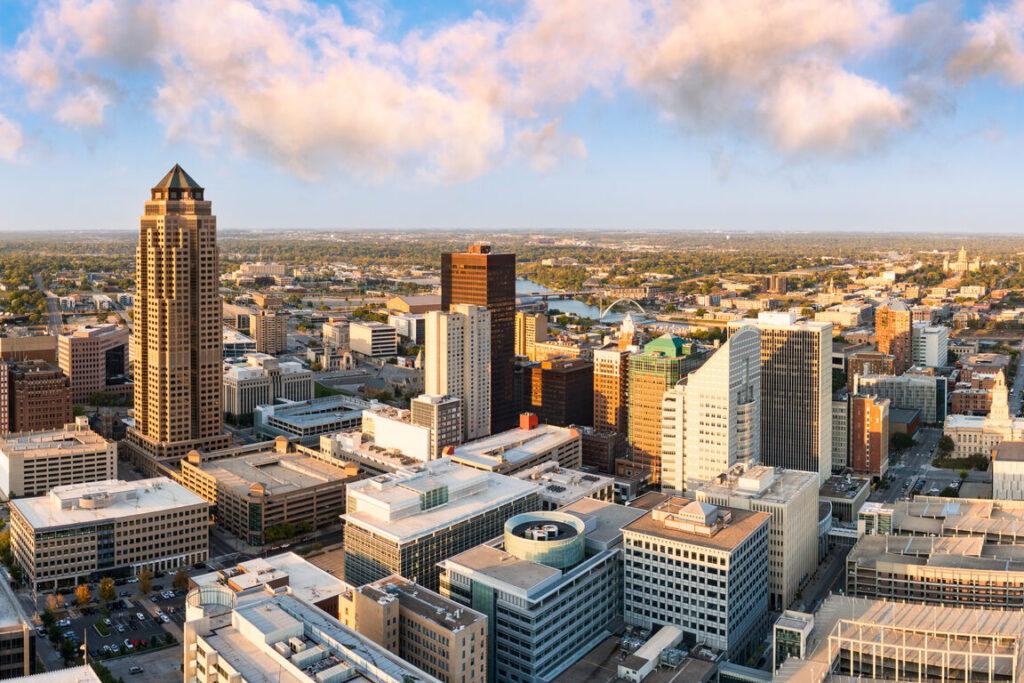
Des Moines attracts people who value steadiness over spectacle. Former big city residents often say the city feels refreshingly practical. Housing costs remain reasonable, job markets are reliable, and daily life feels predictable in a good way. There is less noise, fewer extremes, and more room to plan long term. People feel they can make decisions without rushing or competing constantly.
Those moving to Des Moines appreciate how supported life feels. The city invests in infrastructure, community spaces, and family friendly planning. Professionals find room to grow without burnout, while families enjoy safety and affordability. Life here feels intentional, not reactive. Des Moines offers consistency, and for many who arrive tired from instability elsewhere, that consistency feels like a relief they did not know they needed.
24. Fayetteville, Arkansas
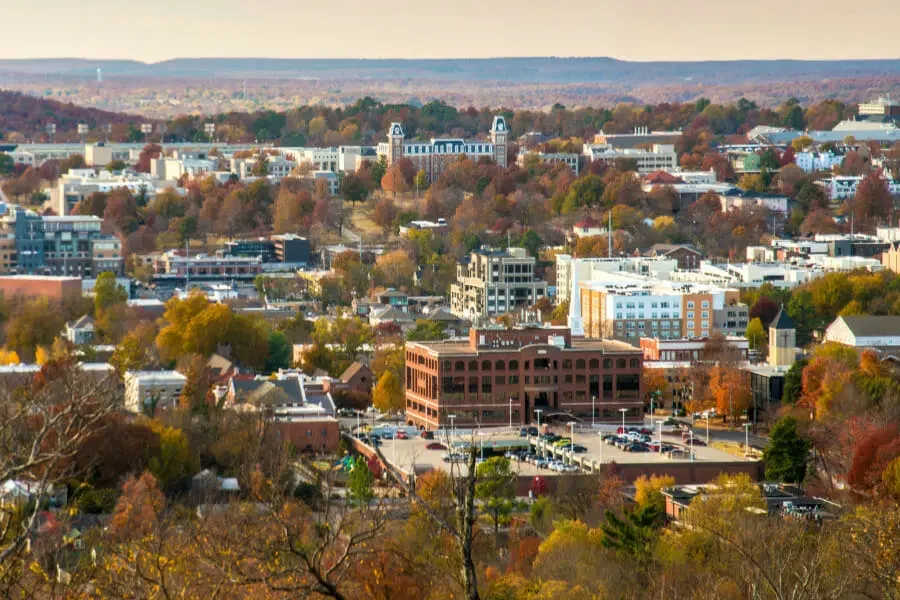
Fayetteville quietly attracts people who want a life that feels manageable again. Many arrive from larger cities feeling worn down and are surprised by how quickly things slow in a good way. Housing remains approachable, neighborhoods feel welcoming, and daily routines do not require constant planning. The city feels human in scale, where getting around is simple and time feels less compressed. New residents often say they feel present again, noticing their surroundings instead of rushing through them.
What keeps people in Fayetteville is how naturally life fits together. Outdoor spaces are part of everyday routines, not special trips. The local economy continues to grow, especially for flexible and remote work. Families appreciate schools and safety, while younger residents value the balance between activity and calm. Fayetteville does not overwhelm or demand reinvention. It offers steadiness. For many who arrive tired, that sense of ease becomes the reason they choose to stay.
25. Fort Collins, Colorado
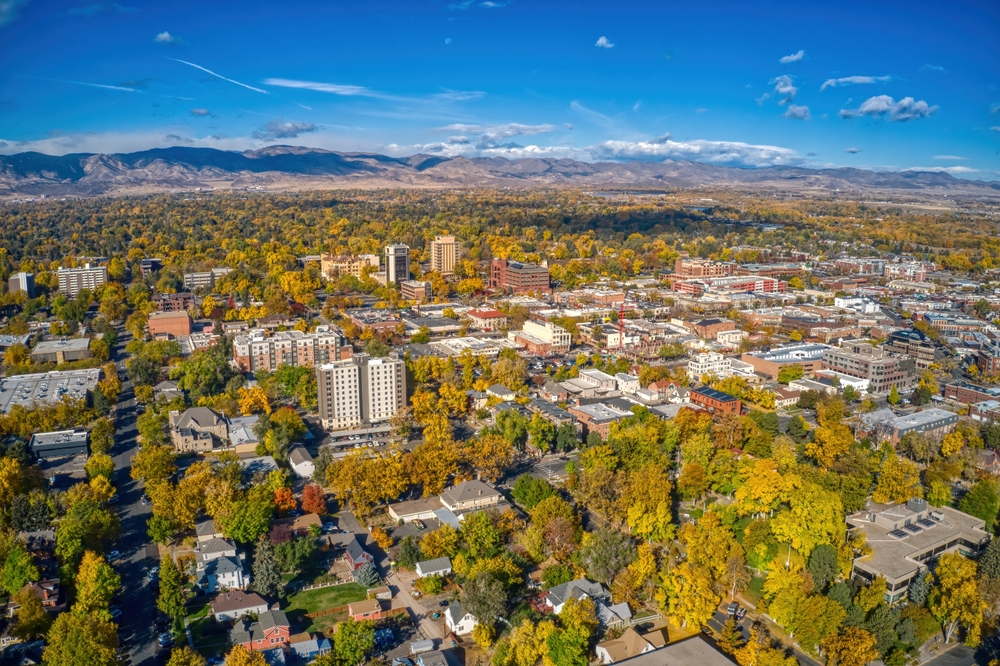
Fort Collins appeals to people who want access to nature without the intensity of bigger cities. Many newcomers say life feels calmer here almost immediately. Commutes are short, neighborhoods feel connected, and the city seems designed with daily living in mind. Housing is competitive but still feels within reach compared to nearby metros. People often describe a sense of relief, like they no longer need to fight their schedule to enjoy their days.
Those who settle in Fort Collins value how intentional the city feels. Outdoor access is woven into routines, not reserved for weekends. Community life supports families, professionals, and students without friction. Growth feels thoughtful instead of rushed. Residents say they feel included rather than crowded. Fort Collins offers progress with restraint, which resonates deeply with people seeking stability alongside opportunity.
26. Burlington, Vermont

Burlington draws people looking for meaning in how they live, not just where. Life here feels personal, shaped by walkable streets, local businesses, and close proximity to nature. New residents often say the city feels grounded, where routines feel purposeful rather than hurried. Housing can be competitive, but many feel the lifestyle justifies the effort. Daily life moves at a pace that encourages presence.
What keeps people in Burlington is connection. Community engagement is strong, and values around sustainability and balance feel lived rather than advertised. People feel encouraged to participate, not compete. Nature shapes everyday life, and relationships feel closer. Burlington does not promise endless growth. It offers enough comfort, enough opportunity, and enough peace. For many arriving from exhausting cities, that feeling of enough is exactly what makes the move feel right.
27. Madison, Alabama
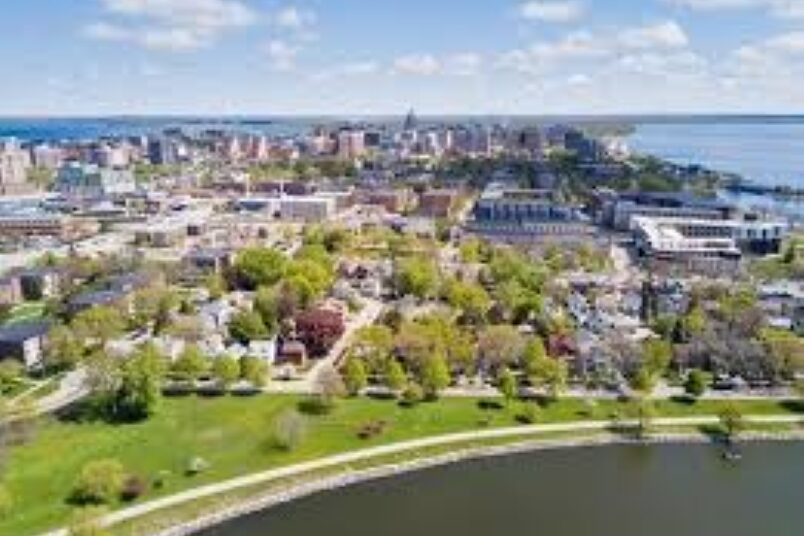
Madison attracts people who want steady progress without constant pressure. Many arrive from larger cities feeling drained and are surprised by how orderly life feels here. Housing remains attainable, neighborhoods feel planned with care, and daily routines move smoothly. The city benefits from nearby tech and defense industries, yet it still feels approachable. New residents often say they finally feel settled instead of suspended between stress and ambition.
What keeps people in Madison is predictability in the best sense. Schools are strong, job access is reliable, and community life feels supportive. Families appreciate the structure, while professionals value growth without chaos. Life here does not demand constant hustle to feel successful. Madison offers clarity. For people tired of instability, that sense of direction becomes deeply comforting.
28. Grand Rapids, Michigan
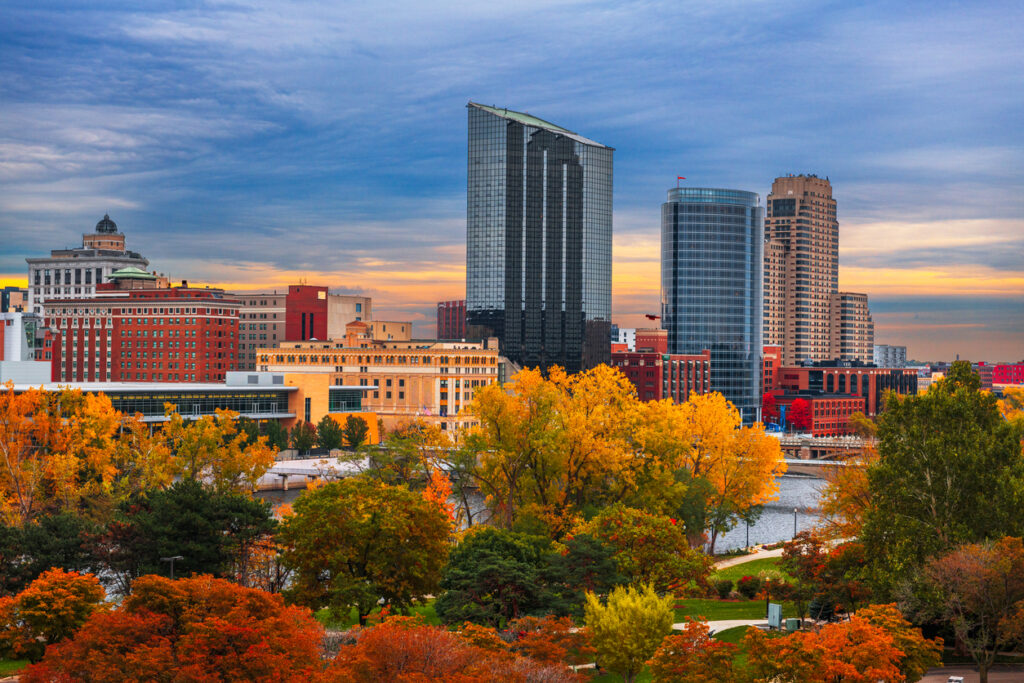
Grand Rapids quietly wins people over with its balance of affordability and culture. Former residents of bigger cities often say it feels refreshingly grounded. Housing costs are manageable, commutes are reasonable, and neighborhoods feel lived in rather than transient. The city supports creative work and manufacturing alike, which gives it a stable economic mix. People feel they can participate in city life without feeling overwhelmed.
Those moving to Grand Rapids value how community focused it feels. Local businesses thrive, public spaces feel cared for, and growth feels measured. Families and professionals alike describe feeling welcomed quickly. Life here allows room for routines and relationships to grow naturally. Grand Rapids offers momentum without noise, which makes it an appealing place to put down real roots.
29. Spokane, Washington
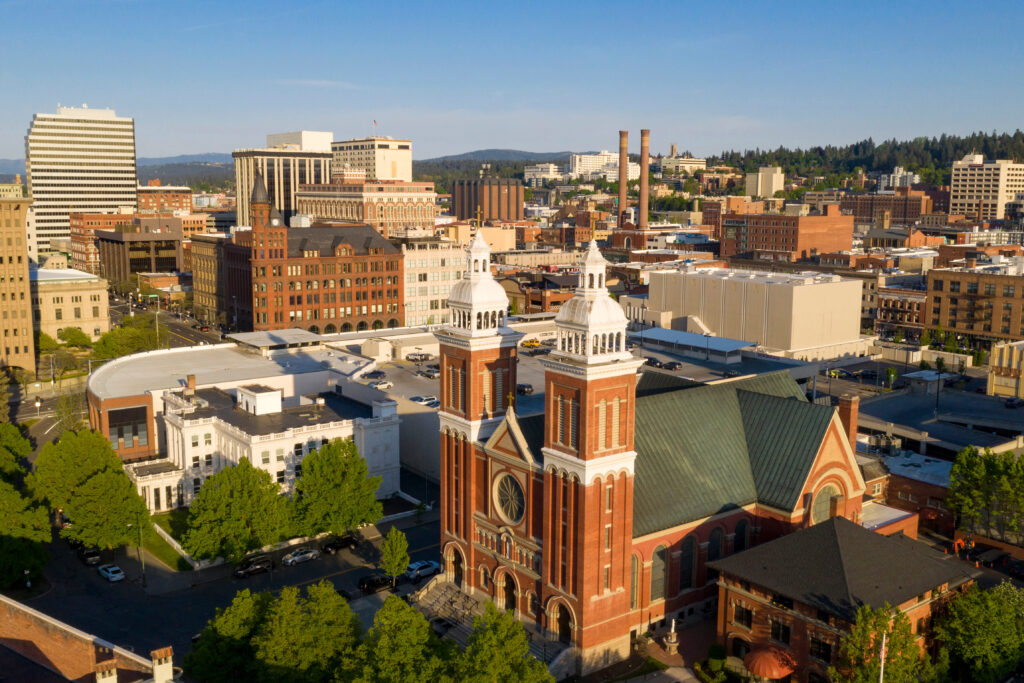
Spokane draws people looking for access to nature without the high costs of larger West Coast cities. Many newcomers say the city feels open and breathable. Housing remains more attainable, daily travel is manageable, and outdoor space is woven into everyday life. The city feels active without being exhausting, which appeals to people recalibrating their priorities.
What keeps people in Spokane is how balanced life feels. Seasons are distinct, community ties feel genuine, and growth feels steady. Families appreciate space and affordability, while remote workers value calm surroundings. Spokane does not try to compete with larger cities. It offers its own rhythm. For many, that rhythm feels sustainable and grounding.
30. Huntsville, Alabama
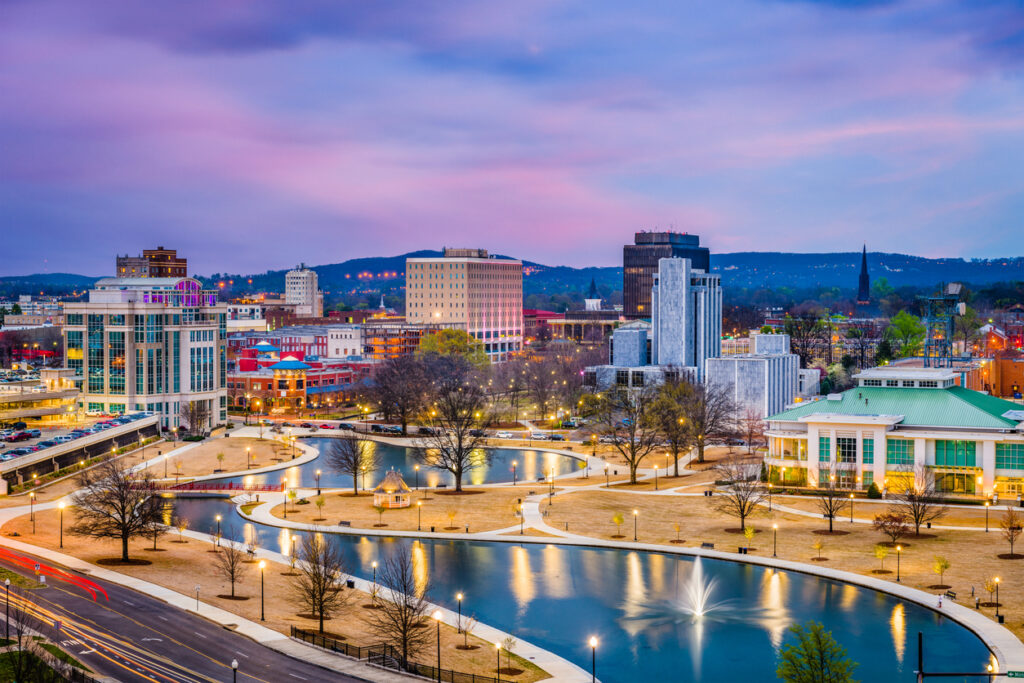
Huntsville attracts people who want growth without the constant strain found in bigger cities. Many arrive expecting a quiet town and discover a place quietly building momentum. Job opportunities in technology and aerospace continue to expand, yet daily life feels calm and manageable. Housing remains attainable, commutes are short, and neighborhoods feel orderly. People often say life here feels structured in a reassuring way, where routines fall into place without effort. The city feels focused on substance rather than spectacle.
What keeps people in Huntsville is confidence in the future. Families feel secure planning long term, professionals see steady career paths, and community investment feels visible. Schools, infrastructure, and public spaces reflect intention. Life here does not demand constant urgency to feel meaningful. Huntsville allows people to build patiently. For those leaving unstable or exhausting cities, that sense of steady direction becomes the reason they choose to stay.
31. Iowa City, Iowa
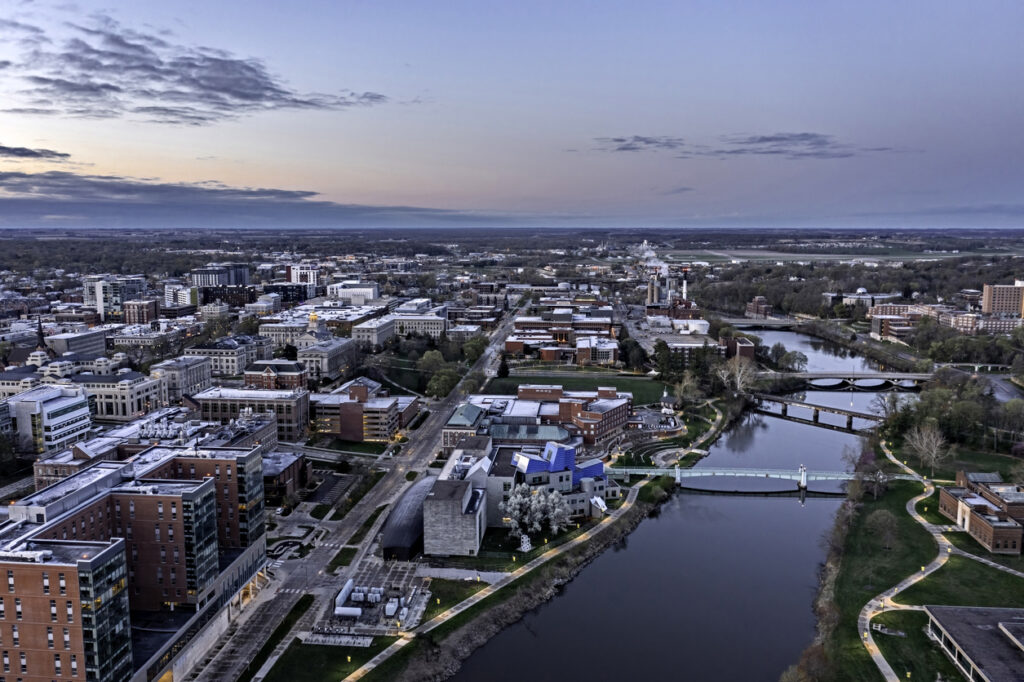
Iowa City appeals to people seeking calm anchored by purpose. The city feels thoughtful, shaped by education, healthcare, and a strong sense of community. New residents often say life feels organized without being rigid. Housing remains approachable, neighborhoods feel connected, and daily routines feel predictable in a comforting way. The presence of learning creates a culture that values curiosity and balance rather than constant competition.
What keeps people in Iowa City is how livable it feels day to day. Walkable streets, green spaces, and community events create ease. Families appreciate stability, while professionals value clarity and focus. Life here feels considered rather than rushed. For many leaving chaotic environments, Iowa City offers something rare. It provides structure without pressure and growth without exhaustion.
32. Asheville, North Carolina
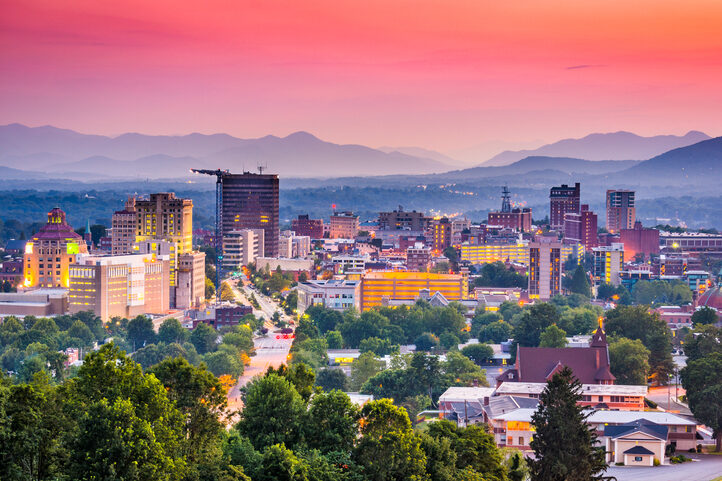
Asheville draws people who want creativity and calm to exist side by side. The city feels expressive and welcoming, especially to those leaving places that felt rigid or overwhelming. Daily life moves at a gentler pace, shaped by nature, local culture, and community connection. Housing has become more competitive, but many residents say the lifestyle still feels worth it. People often describe feeling more present and grounded here.
What keeps people in Asheville is atmosphere. Community feels personal, local businesses feel supported, and daily routines encourage mindfulness. Growth exists, but it has not erased character. Residents say they feel more like themselves here, less hurried and more connected. Asheville offers space to live intentionally. For many arriving after years of strain, that sense of alignment quietly confirms they have found the right place.


