
1. The Visionary Who Bruised Feelings

Growing up, many of us learned to admire brilliance without questioning what happened behind closed doors. Steve Jobs became a symbol of imagination, precision, and relentless drive, and his public story focused almost entirely on innovation. Inside Apple, the atmosphere was often tense and emotionally charged. Employees described meetings where ideas were challenged sharply and personally. Praise could vanish without warning, replaced by criticism that left people rattled. Silence became a defense mechanism. People learned to read moods quickly and adjust themselves just as fast. The pressure created urgency and focus, but it also created anxiety that lingered long after.
Jobs believed discomfort was part of excellence. He demanded absolute commitment and expected people to match his intensity without hesitation. Some employees felt sharpened by the environment, saying it pushed them beyond what they believed possible. Others remembered feeling diminished, embarrassed, or easily replaceable. Work became less about collaboration and more about endurance. The energy in the room often depended on his mood, and that unpredictability shaped how people spoke, worked, and stayed quiet. Staff learned routines carefully, timed conversations cautiously, and measured success by avoiding conflict while still delivering results each day under constant pressure inside the company culture
2. The Smile That Felt Distant

For years, audiences believed they knew Ellen DeGeneres through her daily talk show, where warmth and humor felt easy and familiar. She danced onto stages, shared giveaways, and spoke often about kindness as a guiding value. That image shaped how viewers understood her, almost like a trusted neighbor who happened to be famous. Behind the scenes, however, employees described a different atmosphere. Some said communication felt limited and carefully controlled. Others recalled moments where small mistakes were met with cold responses rather than understanding. The gap between expectation and experience left many quietly confused rather than openly angry.
What made the situation resonate was how personal the disappointment felt. People believed kindness was not just part of the brand but part of the person. When internal complaints surfaced publicly, fans struggled to reconcile the contrast. Ellen later acknowledged responsibility as a leader, explaining that she had not been aware of everything happening around her. For many, the moment reshaped how celebrity friendliness is interpreted, showing that public warmth does not always reflect private leadership styles.
3. Intensity Without A Safety Net

Christian Bale built his reputation on transformation and commitment, becoming known for disappearing completely into roles. Audiences admired the discipline required to change his body, voice, and mannerisms so completely. On set, that same intensity sometimes created strain. Crew members described an environment where pressure was constant and emotions ran close to the surface. Long hours and high expectations made mistakes feel heavier than they needed to be. When frustration surfaced publicly, it shifted how people viewed the cost of dedication.
What stayed with many observers was Bale’s response afterward. He acknowledged losing control and expressed regret rather than defensiveness. That admission mattered to people who had watched the incident unfold. Still, the moment raised questions about how far commitment should go before it begins to harm others. His career continued successfully, but the story added complexity to his image, reminding audiences that professionalism includes emotional restraint alongside artistic passion.
4. Rhythm Built On Control
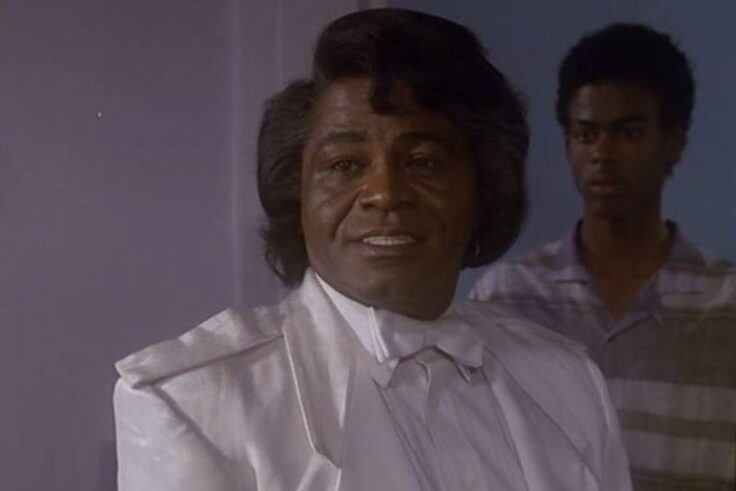
James Brown shaped the sound of modern music with energy, precision, and unforgettable rhythm. On stage, he commanded attention effortlessly, leading bands with sharp movements and clear authority. Off stage, many people experienced that authority as fear rather than inspiration. Band members described strict rules enforced through fines and public scolding. Personal relationships carried even heavier consequences, marked by control and volatility. The joy audiences felt while listening rarely matched the tension reported behind the scenes.
For fans, learning these stories complicated the celebration of his legacy. The music still moved people, but the behavior demanded acknowledgment. Remembering James Brown honestly requires holding admiration and discomfort together without smoothing either away. His influence remains undeniable, yet the personal cost paid by those closest to him became part of the history as well, shaping how people talk about power, talent, and accountability in creative spaces.
5. Laughter That Hid Control
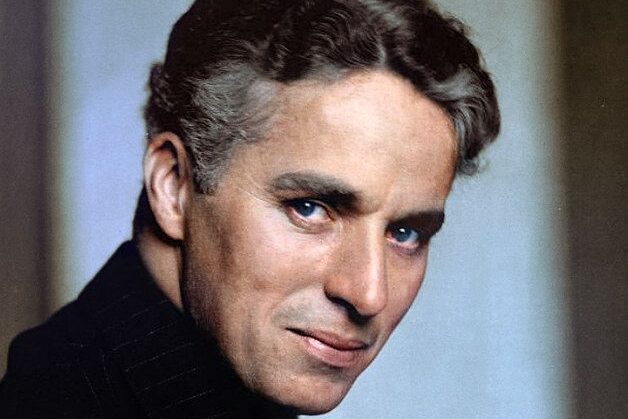
Charlie Chaplin made generations laugh without speaking, turning physical comedy into an art form. His characters felt gentle and vulnerable, inviting audiences to sympathize with small struggles. Away from the camera, colleagues described a man who demanded absolute control over his work and environment. Performers recalled relentless perfectionism that left little room for collaboration. Romantic relationships ended painfully, followed by public disputes that lingered for years. The contrast between his onscreen tenderness and private behavior unsettled those who worked closely with him.
Chaplin’s influence on cinema is unquestioned, but his personal conduct reshaped how people understood genius. The same drive that produced timeless films also strained human connections. As his legacy endured, stories from those around him added weight to the laughter. They revealed how brilliance can coexist with emotional distance, leaving behind work that feels warm while the process itself often felt anything but gentle.
6. The Host Who Held Power Tightly

David Letterman built his reputation on sharp humor and a relaxed late night style that felt effortless to viewers. He appeared approachable, self aware, and casually in control, which made the show feel like an inside joke shared with the audience. Behind the desk, though, staff members described a workplace shaped by emotional distance and hierarchy. Writers and producers often felt dismissed or belittled when ideas did not land well. Criticism could feel personal rather than constructive, and praise was rare enough to feel surprising. The environment rewarded toughness more than openness.
Over time, Letterman reflected publicly on how fame and power shaped his behavior. He acknowledged that he often failed people emotionally while focusing on professional success. That honesty arrived years later, after many relationships had already been strained. His legacy now includes both the brilliance of his work and the quiet recognition that talent does not excuse emotional negligence in leadership roles.
7. Discipline That Left Little Room

Madonna has always been praised for control, reinvention, and absolute confidence in her vision. Collaborators admired her work ethic and clarity, but many also described a rigid environment where flexibility felt unwelcome. Creative spaces often revolved around her expectations, leaving little room for shared exploration. Dancers and staff spoke of constant pressure to perform perfectly, with mistakes treated harshly rather than as part of growth. The intensity produced iconic performances but also emotional exhaustion.
Madonna’s leadership style reflected her belief in self mastery and discipline. For some, that structure felt empowering. For others, it felt unforgiving. The stories that emerged did not erase her influence but complicated it. They revealed how control can inspire greatness while simultaneously creating distance between people working toward the same goal.
8. Comedy That Cut Too Close
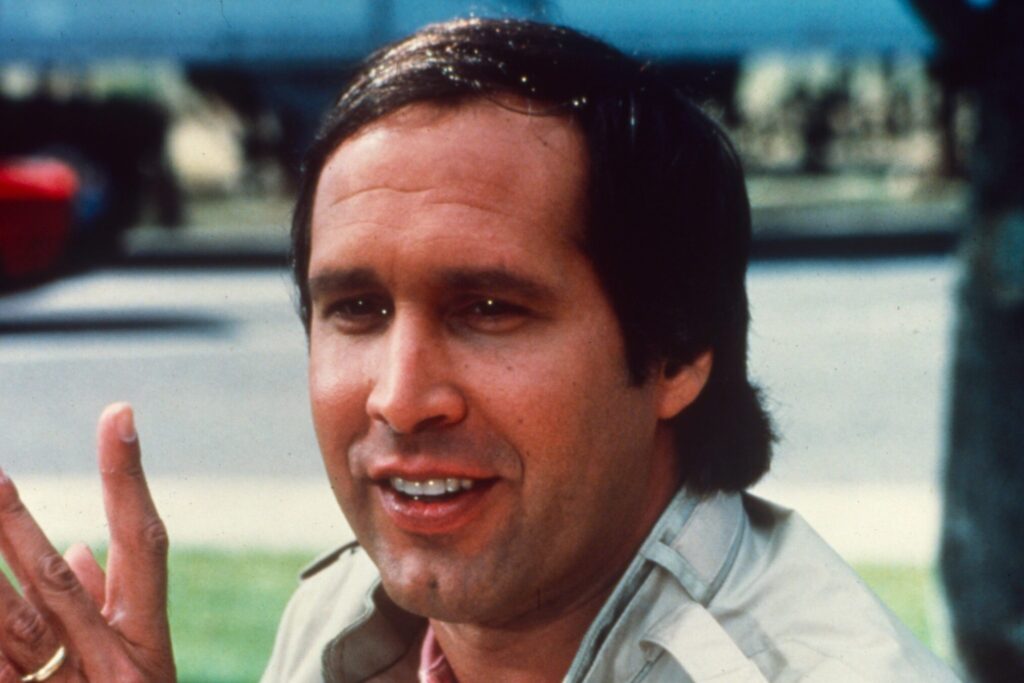
Chevy Chase became a household name through humor that felt confident and effortless. On screen, his sarcasm landed as charm, making audiences feel included in the joke. Off screen, coworkers often experienced that same sarcasm differently. Writers and cast members described an environment where jokes felt pointed and dismissive rather than playful. Humor sometimes came at someone else’s expense, leaving people tense instead of relaxed. The workplace reportedly felt competitive, with little patience for vulnerability or collaboration. Laughter existed, but it was not always shared equally.
Comedy depends on trust, and when trust weakens, creativity suffers quietly. Over time, stories about difficult behavior followed Chase more closely than his performances. Fans revisiting his work began to notice the edge behind the humor. The jokes still landed, but awareness changed how they felt. What once seemed carefree began to carry weight, shaped by the knowledge that laughter on screen did not always mean comfort behind it.
9. Stardom Without Softness

Mariah Carey is known for a voice that carries emotion, vulnerability, and power. Her music often feels intimate, inviting listeners into moments of heartbreak and triumph. Behind the scenes, some assistants and collaborators described interactions that felt distant and transactional. Expectations were high, and patience was reportedly thin. People spoke about feeling invisible once their usefulness ended, replaced quickly without acknowledgment. The warmth in the music did not always extend into daily working relationships.
Fame placed enormous pressure on Carey, and emotional distance became part of how she protected herself. Over time, she shared more openly about mental health and personal struggles, which softened public perception. Still, earlier experiences remained part of her story. They reflected how extraordinary success can narrow emotional availability, leaving talent intact while empathy becomes harder to access.
10. Control Over Collaboration

Orson Welles was hailed as a prodigy almost from the moment he appeared, and that early praise shaped how he moved through creative spaces. His confidence felt immovable, and on film sets it often translated into absolute authority. Crew members described environments where decisions flowed one way and questioning them felt risky. Ideas were expected to align with his vision immediately. Collaboration existed, but only within narrow boundaries he controlled closely. People learned quickly that harmony mattered less than obedience. The certainty that thrilled audiences also narrowed conversations behind the camera, leaving little room for shared exploration or gentle disagreement.
Outside the spotlight, that rigidity strained relationships over time. Colleagues spoke of frustration, not because Welles lacked brilliance, but because he resisted compromise. Creative tension replaced dialogue, and many partnerships faded before reaching their potential. As his career progressed, opportunities shifted, and isolation became more visible. The work remained influential, studied and admired across generations. Yet those who shared rooms with him remembered a man difficult to meet halfway. His legacy settled into something complex, marked by enduring innovation and the quieter absence of lasting professional bonds that shaped memories long after projects ended and conversations stopped completely for good
11. Authority Without Warmth

Anna Wintour built a reputation as the most powerful woman in fashion, admired for her sharp instincts and unwavering standards. Her presence alone could shift a room, and her approval carried enormous weight. Inside professional spaces, however, many described an atmosphere ruled by distance rather than inspiration. Staff members spoke about communication that felt clipped and impersonal. Feedback was often delivered without cushioning, leaving people anxious rather than motivated. Relationships rarely extended beyond work, and emotional connection was not encouraged. Success depended on endurance, precision, and emotional self control rather than mutual support or warmth.
Wintour’s leadership style reflected her belief in discipline and authority. Some thrived under that structure, finding clarity in strict expectations. Others felt diminished, describing a workplace where humanity felt secondary to output. Over time, her image became layered. She remained respected for shaping an industry, while also known for creating environments that felt intimidating rather than nurturing. Admiration and unease settled side by side, shaping how people spoke about power, influence, and emotional cost in creative leadership.
12. Perfection That Pressured Everyone

Stanley Kubrick was known for pushing cinema into new territory through obsessive attention to detail. His films were praised for precision, atmosphere, and control. On set, that same pursuit of perfection often became exhausting. Actors and crew described endless takes, emotional strain, and little regard for personal limits. Mistakes were corrected through repetition rather than reassurance. The process demanded total surrender to his vision, leaving people drained by the time scenes were complete.
Kubrick believed great art required sacrifice, and many collaborators paid that price. Some admired the results enough to justify the process. Others carried lasting frustration from experiences that felt punishing rather than collaborative. His films endured as masterpieces, but stories from behind the camera revealed a colder reality. The legacy that followed him included brilliance shaped by pressure, where achievement arrived alongside quiet resentment that never fully faded.
13. Humor Used As Armor

Bill Murray built a career on unpredictability and charm, becoming beloved for roles that felt loose and effortless. Working with him, however, often meant navigating inconsistency. Co stars and crew members described behavior that swung between playful and dismissive. Professional boundaries felt blurred, leaving people unsure which version of him would appear. Jokes sometimes landed as control rather than connection.
That unpredictability shaped his reputation behind the scenes. Some collaborators described moments of warmth and generosity. Others remembered tension, frustration, and emotional strain. Murray’s public image remained largely intact, but quieter stories complicated it. The humor audiences adored did not always translate into safe or respectful working relationships. Over time, the contrast became harder to ignore, leaving fans to reconsider how charm can sometimes mask discomfort rather than invite ease.
14. Talent That Dominated The Room
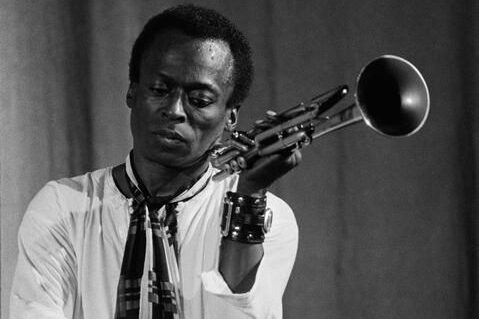
Miles Davis was admired for reshaping jazz again and again, earning respect for his instinct and originality. Being in his orbit, however, often meant enduring sharp edges. Band members described rehearsals filled with tension, where mistakes were met with anger rather than guidance. Davis ruled through intimidation, using fear as motivation. Young musicians felt pressure not only to perform flawlessly but to toughen emotionally. Creativity thrived under stress, yet comfort rarely existed. The room belonged to him, and everyone else adjusted accordingly, learning quickly that sensitivity was a liability rather than a strength in his presence.
Davis believed pressure forged greatness, and some musicians later credited him for shaping their careers. Others carried resentment and emotional scars long after leaving his band. His music remained influential, studied and celebrated worldwide. At the same time, personal memories painted a harsher picture of leadership built on dominance. Admiration for his art continued alongside discomfort about how that art was produced, leaving a legacy shaped by brilliance and bruised relationships.
15. Power That Felt Personal

Joan Crawford embodied Hollywood glamour, strength, and control, crafting an image that felt untouchable. Behind closed doors, people close to her described a far more rigid world. Expectations were strict, and affection often felt conditional. Emotional warmth depended on compliance, while mistakes were met with harsh reactions. Control extended beyond work into personal relationships, where fear replaced trust. Maintaining appearances mattered deeply, and discipline frequently crossed into cruelty, shaping an environment defined by tension rather than care.
Crawford protected her public persona with intensity, rarely allowing vulnerability to surface. Her career flourished under that strength, but personal bonds weakened quietly. As years passed, stories from those closest to her reshaped how she was remembered. Admiration for her resilience existed beside accounts of emotional harm. Her legacy settled into complexity, where fame and fear lived close together, neither fully erasing the other.
16. Anger That Ruled The Set
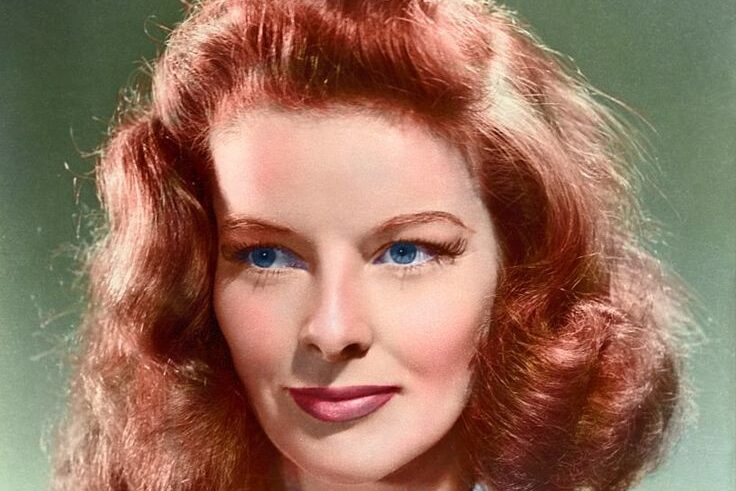
Katherine Hepburn was admired for intelligence, independence, and a sharp tongue that audiences found refreshing. On film sets, that sharpness often cut deeper. Co workers described an atmosphere where impatience ruled and criticism came quickly. Hepburn did not soften her words to protect feelings, and younger actors sometimes felt intimidated rather than guided. Authority came naturally to her, and she rarely questioned her right to assert it. The confidence that fueled her performances also shaped interactions that left little room for vulnerability or disagreement.
Those who admired her saw strength and honesty. Those who worked beside her often remembered tension. Hepburn believed professionalism mattered more than comfort, and she acted accordingly. Her legacy remained strong, but stories from behind the camera revealed how independence sometimes hardened into emotional distance that others were left to navigate quietly.
17. Genius With A Cruel Streak
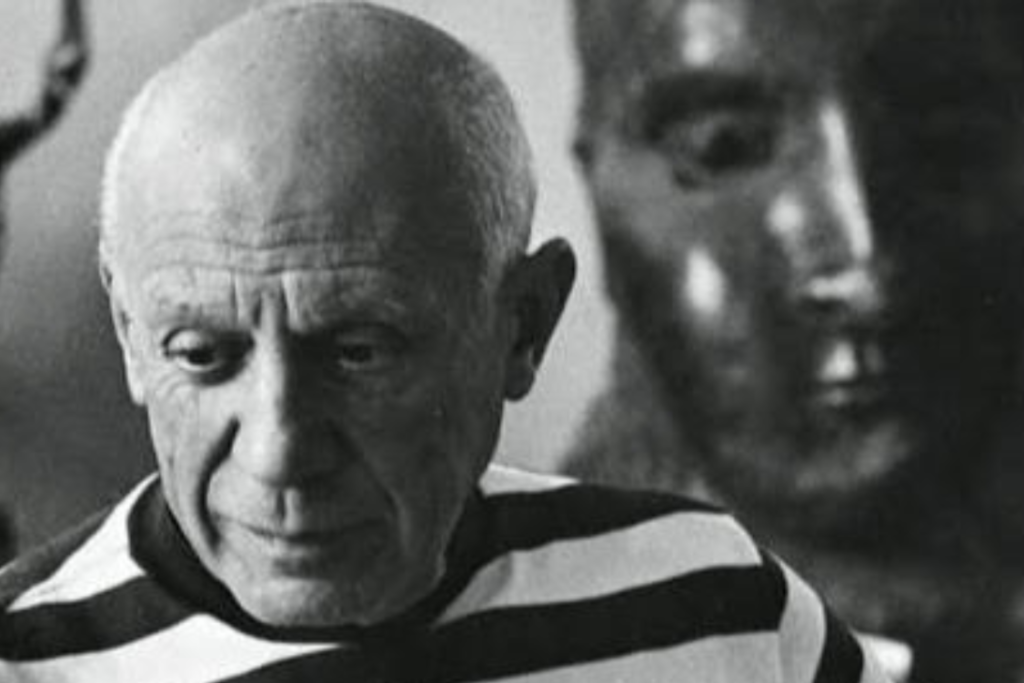
Pablo Picasso transformed modern art and challenged how people saw the world. In personal relationships, however, many experienced him as manipulative and emotionally harsh. Partners described cycles of control, idealization, and eventual dismissal. Affection often came with conditions, and admiration turned into pressure. Picasso demanded devotion while offering little emotional safety in return.
His creative power thrived alongside personal chaos. The same intensity that fueled his work often destabilized those closest to him. While museums celebrated his genius, personal accounts painted a more troubling picture. Art history honored his brilliance, but the emotional cost carried by those in his orbit remained part of the truth that followed him.
18. Leadership Without Mercy

Vince McMahon built a global wrestling empire through spectacle, control, and an unyielding grip on authority. Inside the organization, many described a culture shaped by fear rather than trust. Decisions flowed downward and questioning them was rarely welcomed. Employees felt pressure to prove loyalty constantly, often through endurance rather than skill. The environment rewarded those who could tolerate intensity and punished vulnerability. Creative freedom existed, but only within boundaries he set firmly. Power was personal, visible, and unquestioned, shaping how people spoke, worked, and protected themselves daily.
For some, that structure created opportunity and fame. For others, it created stress and silence. McMahon’s leadership style reflected a belief that toughness built success. The results were undeniable in scale and reach, but the personal cost remained part of the story. Those who worked under him often remembered not just the spotlight, but the strain of surviving beneath it.
19. Discipline Turned Intimidation

Gordon Ramsay became famous for excellence, precision, and a temper that felt inseparable from his brand. Many people first met him through television, where shouting and humiliation were framed as tough love. Inside professional kitchens, that intensity often felt heavier. Former staff described environments ruled by fear, where mistakes were corrected through volume rather than instruction. Learning happened quickly, but confidence eroded just as fast. Respect was earned through endurance, not encouragement. Long hours, sharp criticism, and public call outs created pressure that followed workers home, shaping how they viewed themselves and their craft.
Over time, Ramsay softened publicly, showing patience and mentorship that contrasted sharply with earlier behavior. Some former staff acknowledged growth, while others felt the damage had already been done. His story became a lesson in how discipline can easily cross into intimidation when empathy is absent. Excellence still emerged from those kitchens, but so did burnout. The success remained visible, while the emotional cost lingered quietly with those who learned under constant strain.
20. Volatility Behind The Music

Axl Rose rose to fame through raw emotion, intensity, and a voice that carried pain and power. On stage, that volatility electrified audiences. Behind the scenes, it often destabilized relationships. Band members described rehearsals shaped by unpredictability, where schedules shifted around moods rather than music. Tension hovered constantly, and collaboration became difficult when communication felt fragile. Creative energy thrived, but stability rarely followed. Those working closely learned to anticipate emotional shifts as carefully as musical cues.
As success grew, flexibility narrowed. Fame amplified unresolved anger, and patience became scarce. While fans experienced unforgettable performances, those nearby navigated uncertainty daily. Some relationships fractured beyond repair, leaving behind unfinished conversations and resentment. Rose’s talent remained undeniable, but the environment surrounding it reflected how unchecked emotion can strain trust. The music endured, while many personal connections quietly fell away.
21. Ego That Filled Every Space
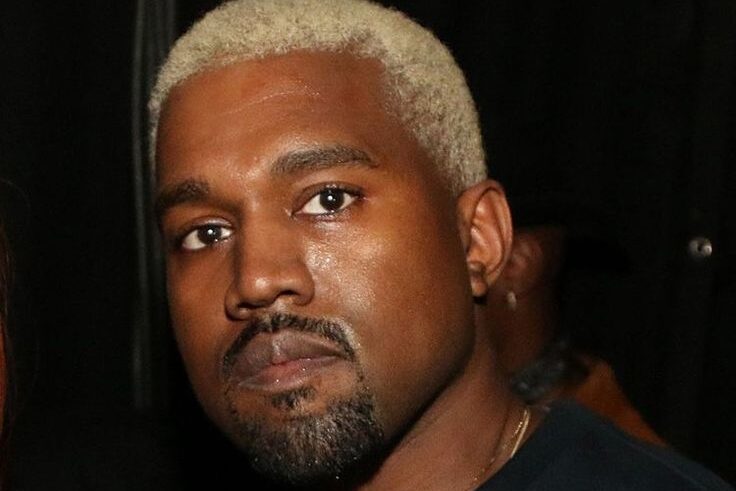
Kanye West emerged as one of the most influential artists of his generation, praised for creativity and fearlessness. Early collaborators often spoke about his passion and confidence, which initially felt energizing. Over time, that confidence hardened into dominance. Working with him reportedly meant navigating unpredictability, emotional swings, and an insistence on being right. Ideas from others were frequently dismissed, and disagreement felt personal rather than professional. Creative rooms became centered entirely around his mood and approval, leaving little space for balance or shared ownership of the work being made.
As fame expanded, patience narrowed. Relationships strained under the weight of ego and public outbursts. Some collaborators walked away quietly, others spoke openly about emotional exhaustion. His talent remained undeniable, but the environment surrounding it grew increasingly difficult. Admiration for the art often came with discomfort about the behavior behind it. Success magnified everything, including traits that once felt manageable but eventually overwhelmed those closest to him.
22. Beliefs That Created Distance

J.K. Rowling became beloved for creating a world that taught empathy, courage, and belonging. Readers felt seen and protected by her stories. Over time, public statements shifted how many perceived her. Former allies and fans described feeling dismissed and hurt by comments that seemed to lack compassion. Conversations that once felt open became rigid, with little room for listening or reflection. The warmth people associated with her work no longer felt present in her public interactions.
What made the change painful was the contrast. The author who wrote about chosen family and understanding now felt emotionally unreachable to some of her audience. Debate replaced connection. Admiration turned complicated, layered with disappointment. Her legacy remained powerful, but the relationship between creator and community fractured. The stories endured, while trust quietly weakened.
23. Temper That Followed Him
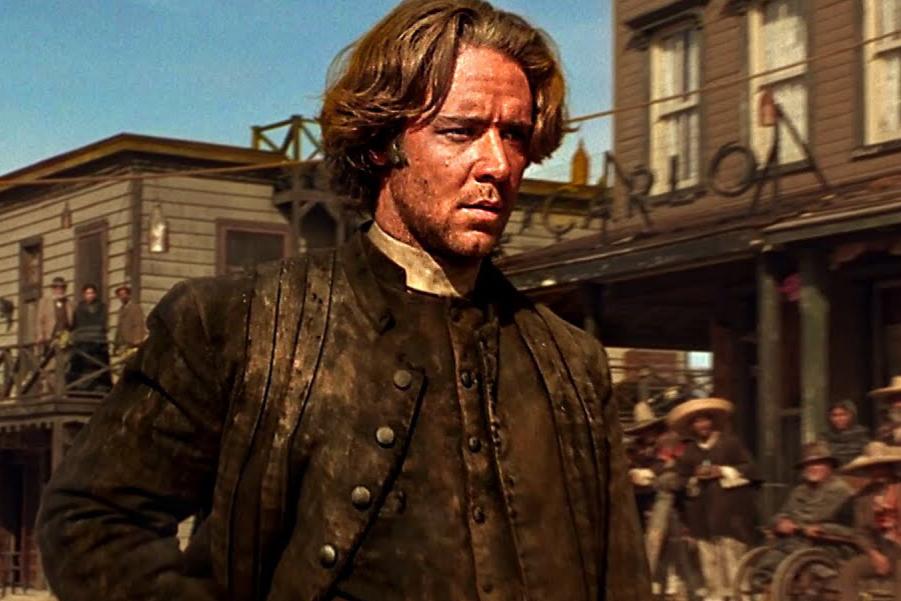
Russell Crowe earned respect for intense performances and physical commitment to roles. On set, that intensity often extended beyond acting. Crew members described a volatile presence where frustration surfaced quickly. Arguments became public, and patience wore thin during long shoots. Working around him required caution, as moods shifted without warning. Professional boundaries blurred when anger entered the room.
Crowe’s reputation grew alongside these stories. Some colleagues defended his passion, others avoided collaboration entirely. The work remained strong, but relationships suffered. Over time, his image settled into something mixed, admired for talent yet marked by difficulty. The performances lasted, while memories of tension stayed with those who experienced them firsthand.
24. Power Wrapped In Fear

Naomi Campbell rose to the top of the fashion world through discipline, presence, and undeniable impact. On runways and magazine covers, she represented confidence and control. Behind the scenes, however, people who worked closely with her often described an atmosphere shaped by intimidation. Assistants and staff recalled sudden outbursts and reactions that felt disproportionate to mistakes. Expectations were rigid, and errors were taken personally rather than professionally. Working around her required constant awareness, as moods could shift quickly. The authority she carried in public extended into private spaces, where fear sometimes replaced respect.
For some, that intensity was framed as high standards in a demanding industry. For others, it left lasting emotional strain. Campbell’s influence reshaped modeling and representation, earning her admiration that remains strong. At the same time, accounts of her behavior complicated that admiration. Success arrived alongside discomfort, and both became part of how her legacy was discussed within the industry and among those who experienced her leadership firsthand.
25. Charm That Turned Cold
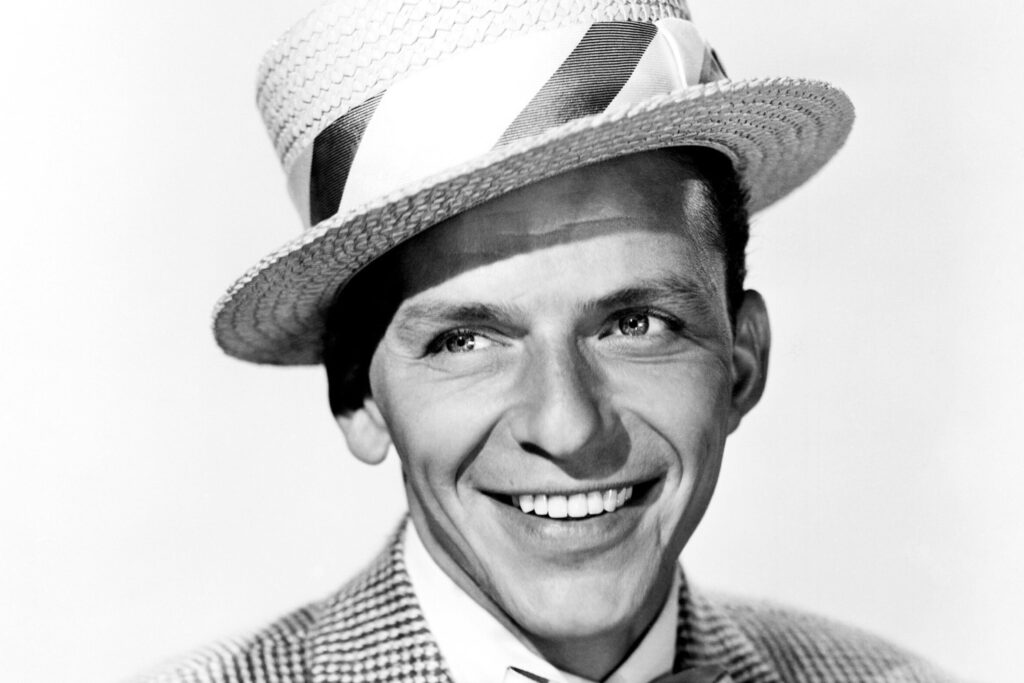
Frank Sinatra was known for warmth, charisma, and a voice that felt intimate even in crowded rooms. Fans experienced him as smooth and generous, someone who made connection feel effortless. Offstage, associates described a sharper reality. Loyalty was expected without question, and disapproval was often met with emotional punishment. Relationships revolved around power, with affection tied closely to obedience. Anger surfaced quickly when expectations were not met, leaving people cautious rather than relaxed around him.
Sinatra’s talent carried him through decades of admiration and success. His presence commanded rooms, but it also controlled them. While the music endured and the image remained iconic, personal relationships often fractured quietly. Admiration and fear lived side by side in the stories people shared later. The voice remained timeless, while memories of volatility stayed with those who knew him beyond the spotlight.
26. Control Disguised As Guidance

Oprah Winfrey built a reputation around empathy, healing, and personal growth, becoming a trusted voice for millions. Those who worked closely with her, however, sometimes described a more complicated dynamic. Decisions often felt final, and disagreement could be quietly discouraged. Expectations were high, and emotional boundaries blurred when loyalty was questioned. Some staff felt inspired, while others felt managed rather than supported. The power imbalance shaped how freely people spoke, creating an environment where approval mattered deeply and dissent felt risky.
Oprah’s influence reshaped media and culture in lasting ways. Her generosity and vision changed lives publicly. At the same time, private working relationships reflected how power can unintentionally silence others. Admiration remained strong, but stories from behind the scenes added nuance. Leadership, even when rooted in good intentions, carried weight that not everyone experienced gently.
27. Anger That Followed Success

Mel Gibson built his career on intensity. Early on, that fire translated into gripping performances and strong leadership on set. As his fame grew, that same intensity often tipped into volatility. Colleagues described working environments where moods shifted quickly and tempers flared without warning. Conversations could turn confrontational, making collaboration feel fragile. People learned to tread carefully, unsure whether they would encounter charm or anger. The pressure of success seemed to magnify unresolved emotions rather than soften them. Professional spaces became charged, shaped as much by personality as by talent.
Over time, public incidents reinforced stories already circulating quietly in the industry. Trust eroded, and relationships fractured. While his skill as an actor and director remained evident, the emotional cost became harder to ignore. The work endured, but the personal fallout followed closely behind, shaping how people remembered not just the performances, but the environment surrounding them.
28. Discipline That Felt Punishing

Andre Agassi was admired for focus, control, and relentless drive on the court. That discipline shaped his success, but it also carried into personal interactions. Those close to him described emotional rigidity and impatience that made vulnerability difficult. Expectations were high everywhere, not just during matches. Conversations often felt pressured, as though achievement mattered more than emotional presence. The pursuit of excellence left little room for rest or softness, even off the court.
Later in life, Agassi spoke openly about burnout and internal struggle. That honesty reframed earlier behavior as the result of deep conflict rather than arrogance. His achievements remained historic, but the emotional toll became clearer. Success arrived alongside strain that reshaped how people understood his intensity and the cost of sustaining it for so long.
29. Fame That Magnified Distance

Whitney Houston possessed a voice that felt effortless and emotionally rich, drawing people in instantly. Behind the scenes, fame brought isolation and instability. Those around her described emotional withdrawal and unpredictable moods. Pressure distorted relationships, making connection difficult to maintain. Love from fans did not translate into safety or peace. Private moments were often shaped by struggle rather than celebration.
Her brilliance remained undeniable, but the weight of expectation grew heavy. The contrast between public adoration and private pain became part of her story. Music endured as a source of comfort for millions, while personal relationships suffered quietly. Her life reflected how fame can amplify vulnerability instead of protecting against it.
30. Brilliance Without Gentleness

Albert Einstein is remembered as a symbol of curiosity, imagination, and intellectual revolution. In his personal life, however, family members described emotional distance and neglect. Relationships often took a back seat to work, and empathy did not come easily. Those closest to him felt overlooked, their needs secondary to his ideas. Admiration from the world contrasted sharply with absence at home.
Einstein’s discoveries changed how humanity understood the universe. At the same time, his private conduct left emotional gaps that could not be explained away by genius. Remembering him fully means accepting complexity. Great achievement did not guarantee kindness, and legacy carried both profound contribution and quiet absence.


