
1. Ellen DeGeneres And The Comfort Of Being Liked

Ellen DeGeneres built a career on ease. Her presence felt light, reassuring, and dependable, especially during periods when public life felt tense. Viewers believed in her warmth because it seemed consistent and accessible, like kindness practiced out loud. That familiarity created trust, and trust reduced skepticism. When stories emerged about her workplace environment, the reaction was not immediate anger but confusion. People hesitated because the image had felt steady for so long. Questioning it felt uncomfortable, almost disloyal, as if challenging something personal rather than public. Her likability shaped perception, allowing reassurance to soften scrutiny and delay deeper examination.
As accounts accumulated, the disconnect became harder to ignore. Reports described fear, hierarchy, and emotional distance beneath the cheerful exterior. Ellen addressed the criticism, yet acknowledgment did not fully bridge the gap between message and experience. Her story reflects how easily pleasantness becomes protection. When someone feels nice, accountability often feels unnecessary. Familiarity encourages grace, but it can also discourage hard questions. The lesson here is not about perfection, but about recognizing how charm and consistency can quietly insulate power from examination.
2. Bill Cosby And The Illusion Of Moral Authority
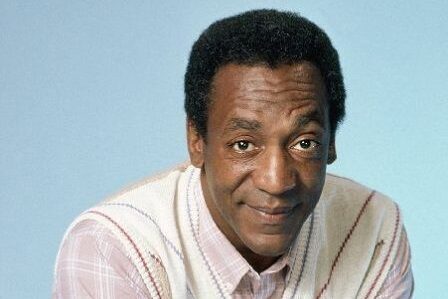
Bill Cosby was trusted not just as an entertainer, but as a moral figure. His work projected stability, wisdom, and responsibility, shaping how generations understood family and respectability. That image became deeply embedded, reinforced through repetition and routine. When early accusations surfaced, many people instinctively rejected them. The Cosby they knew felt incompatible with wrongdoing. Protecting that image felt easier than reconsidering decades of belief. Nostalgia blurred judgment, and admiration slowed the willingness to listen. His authority was cultural, not official, but it carried weight that discouraged doubt.
As more stories emerged, the role of trust itself became impossible to ignore. The delay in accountability revealed how strongly society protects figures who feel safe. Cosby’s case is not only about personal actions, but about collective hesitation. Reverence created silence, and silence prolonged harm. His legacy remains painful because it shows how moral authority can function as cover. When familiarity replaces scrutiny, justice often waits far longer than it should.
3. Steve Jobs And The Cost Of Admired Vision

Steve Jobs is remembered as a visionary whose ambition reshaped technology and culture. His intensity was often described as necessary, even admirable, tied closely to innovation and progress. Colleagues spoke of pressure, volatility, and emotional strain, yet those accounts rarely challenged the dominant narrative. Success overshadowed experience. As long as results impressed the world, behavior felt secondary. Genius became a justification rather than a question, allowing difficult patterns to persist without meaningful challenge.
Later reflections complicated the story. Jobs acknowledged regret, especially within his personal relationships, but reflection did not erase years of impact. His legacy raises uncomfortable questions about how much harm society tolerates in pursuit of greatness. Admiration for outcomes can eclipse concern for process. This story is not about denying achievement, but about recognizing cost. Vision without care often leaves quiet damage behind, and progress loses meaning when empathy is treated as optional.
4. Sean Penn And The Permission Of Intensity

Sean Penn cultivated an image rooted in seriousness and conviction. He appeared principled, emotionally engaged, and willing to confront difficult truths. That intensity earned respect, framing him as authentic rather than reckless. Over time, however, allegations of volatile and abusive behavior complicated that image. The contrast between advocacy and personal conduct created discomfort. Fans struggled to reconcile public moral certainty with private harm, especially when passion was used to explain aggression.
Penn’s story highlights how intensity can become permission. When strong emotions are praised, boundaries often soften. Repeated behavior begins to feel excusable rather than concerning. His presence on this list reflects how conviction can mask accountability. Feeling deeply does not equal acting ethically. When intensity is normalized without limits, harm becomes easier to overlook. This case illustrates how emotional force can protect itself by appearing principled, even when consequences tell a different story.
5. Jared Leto And The Unease Of Blurred Boundaries

Jared Leto’s appeal has long rested on commitment and immersion. Early admiration framed his behavior as dedication, even when it felt unconventional. Stories from collaborators gradually shifted that perception. Actions once described as artistic seriousness began to feel intrusive. The boundary between performance and personal space grew unclear, creating discomfort rather than intrigue. This change did not arrive suddenly, but through repetition that altered how audiences interpreted his intensity.
What defines this story is accumulation rather than certainty. Patterns of unease shape trust over time, even without definitive conclusions. Leto’s case reflects how admiration can dull caution. When intensity is praised, boundaries become negotiable. Eventually, discomfort becomes difficult to dismiss. His presence here speaks to the importance of paying attention to how behavior feels, not just how it is framed. Unease often signals something worth examining more closely.
6. James Corden And The Cost Of Forced Cheer

James Corden built his public appeal on friendliness, musical humor, and an image of approachability that felt harmless and fun. His late night persona leaned heavily on inclusion, playfulness, and the idea that everyone was welcome in on the joke. That image worked because it felt easy and unrehearsed. Over time, however, stories about off camera behavior began circulating, creating friction between perception and experience. Fans were not shocked so much as unsettled. The disconnect came from realizing that charm can be selective. Public warmth does not always extend to private interactions, especially when power is involved.
What made the shift notable was how quietly it happened. Accounts described impatience and entitlement rather than cruelty, yet repetition gave those impressions weight. Corden’s case reflects how likability can mask everyday disrespect. When someone is framed as fun, criticism feels petty, even when it is consistent. His story highlights how performance can overshadow conduct. Familiar cheer can make uncomfortable truths easier to dismiss, at least for a while.
7. Oprah Winfrey And The Protection Of Influence

Oprah Winfrey earned her reputation through empathy, storytelling, and cultural influence that reshaped media. Her voice felt trusted because it centered emotional openness and validation. Audiences believed in her discernment, often accepting recommendations and endorsements without question. That trust grew into something larger than admiration. It became authority. Over time, criticism emerged around the platforms she amplified and the people she elevated. These concerns did not erase her impact, but they complicated it. Influence, once established, tends to protect itself.
What places Oprah here is not intent, but effect. When power feels benevolent, scrutiny softens. Decisions are framed as growth rather than mistakes. Her story reflects how credibility can become insulation. Even well meaning leadership benefits from questioning. Influence shapes outcomes whether acknowledged or not. This entry asks readers to consider how trust, once earned, can quietly limit accountability when influence reaches a certain scale.
8. Kanye West And The Blur Of Genius And Harm
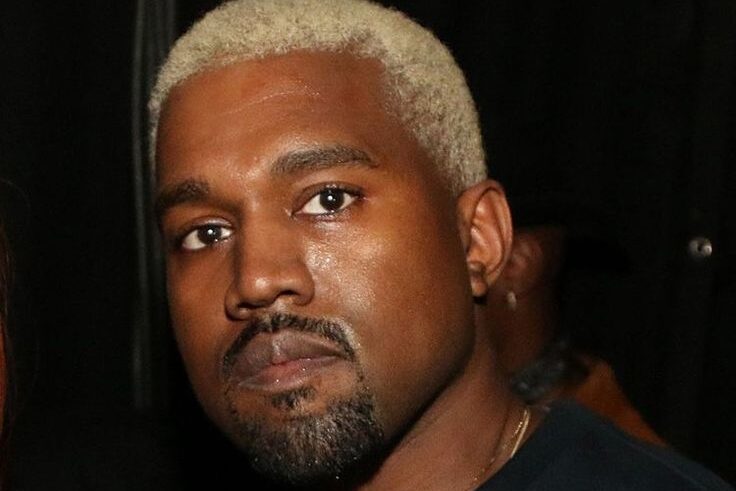
Kanye West’s career has always existed at the intersection of brilliance and volatility. Early admiration framed his confidence as vision and his outbursts as passion. Success reinforced the belief that disruption equaled honesty. Over time, behavior that once felt provocative began feeling harmful. Public statements caused real consequences, yet were often excused as artistic expression or personal struggle. That framing delayed meaningful accountability. Fans found themselves defending actions they would otherwise reject, simply because talent felt inseparable from identity.
As patterns continued, admiration grew conditional. Kanye’s story illustrates how genius narratives can excuse damage. When creativity is mythologized, boundaries weaken. Harm becomes background noise rather than a stopping point. His presence here reflects how difficult it is to challenge someone positioned as singular. The discomfort lies in realizing that talent does not cancel responsibility, no matter how influential the work may be.
9. John Lennon And The Untouched Icon

John Lennon remains a symbol of peace, imagination, and cultural rebellion. His music shaped generations, and his image as an advocate for love still resonates deeply. That symbolism often overshadows less flattering aspects of his personal history. Lennon spoke openly about violent and harmful behavior earlier in his life, yet public memory tends to soften those admissions. Legacy reframes confession as growth without fully addressing impact. The myth becomes easier to preserve than the full truth.
What makes Lennon’s story complicated is how honesty was absorbed without consequence. Acknowledgment did not lead to accountability, only reinterpretation. His place here reflects how icons benefit from selective remembrance. When someone represents an idea larger than themselves, flaws are minimized to protect meaning. This entry reminds readers that reflection without responsibility can still leave harm unexamined.
10. Roman Polanski And The Shelter Of Acclaim

Roman Polanski’s career has long been praised for artistic achievement and technical mastery. His work earned admiration that crossed borders and generations. That acclaim often dominated conversations about him, pushing uncomfortable truths to the margins. Over time, public debate shifted toward separating art from artist, a framing that allowed celebration to continue while harm remained unresolved. For many observers, this balance felt less like nuance and more like avoidance.
Polanski’s story reflects how prestige can shield wrongdoing. When success feels historic, accountability feels inconvenient. Support becomes framed as appreciation rather than endorsement. His presence on this list underscores how easily recognition can overpower responsibility. Acclaim creates distance, and distance dulls urgency. This entry closes the batch by showing how admiration, when left unchecked, can quietly rewrite priorities.
11. Marilyn Manson And The Cover Of Shock
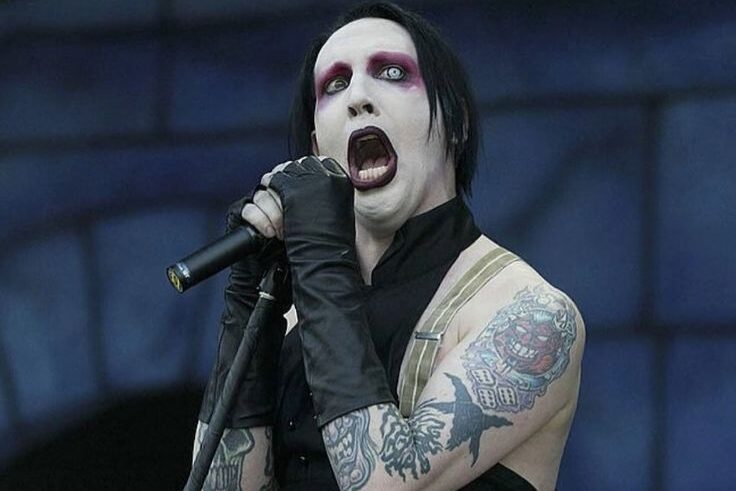
Marilyn Manson built his identity around provocation. Shock was not a side effect of his image but the point of it. Fans accepted discomfort as part of the experience, believing transgression was performance rather than behavior. That framing created distance between art and accountability. When allegations about abuse and manipulation surfaced, many people struggled to separate what was staged from what was real. The character had always been extreme, which made real harm easier to dismiss. Disbelief came less from loyalty and more from confusion about where spectacle ended.
What followed was a reexamination of how shock functions as cover. When someone builds a career on crossing lines, those lines stop feeling meaningful. Manson’s story reflects how transgression can normalize harm when audiences are conditioned to expect excess. Provocation became protection. The lesson here is about how performance can obscure responsibility. When everything is framed as art, accountability often arrives late, if it arrives at all.
12. Chris Brown And The Limits Of Redemption

Chris Brown entered public life as a young talent with widespread appeal. His early success positioned him as a prodigy, admired for skill and potential rather than maturity. When violence became part of his public record, the reaction was complicated by youth and fame. Apologies followed consequences, and consequences were followed by continued success. For some fans, talent became a reason to forgive repeatedly. For others, forgiveness felt imposed rather than earned. The cycle blurred the meaning of accountability.
Over time, repeated incidents shaped perception. Growth was promised often, while behavior raised recurring concerns. Brown’s story highlights how redemption can become a script rather than a process. When success continues uninterrupted, change feels optional. His place here reflects how easily society confuses visibility with improvement. Apology without transformation loses weight. This entry asks whether redemption still means anything when patterns persist and consequences remain inconsistent.
13. J.K. Rowling And The Authority Of Legacy

J.K. Rowling’s work shaped childhoods and built worlds that felt deeply personal to readers. Her legacy rested on imagination, empathy, and the idea of belonging. That connection created loyalty that extended beyond books into identity. When her public statements began causing harm, many fans felt torn. Criticism was met with defenses rooted in gratitude. Legacy became armor. The author felt inseparable from the comfort she created, making accountability emotionally complicated.
What places Rowling here is how influence reshapes conversation. Power earned through art can make critique feel like betrayal. Her story reflects how authority grows quietly and resists challenge once established. Impact does not disappear because intention feels sincere. This entry highlights how cultural legacy can delay responsibility. When creators shape meaning for millions, their words carry weight whether acknowledged or not.
14. Dr. Phil And The Business Of Exposure
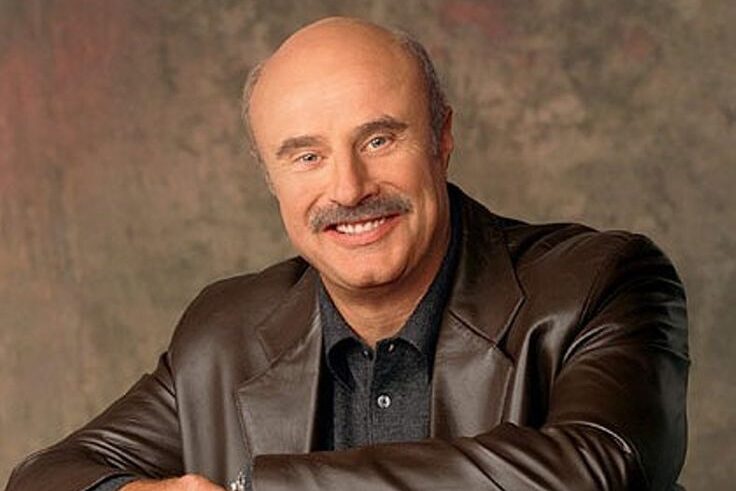
Dr. Phil built his platform on guidance and emotional clarity. Viewers trusted his authority because it was framed as help rather than spectacle. His tone suggested care, and his credentials implied responsibility. Over time, criticism emerged around how guests were treated and how vulnerable moments were broadcast. What felt supportive began to resemble exposure. Entertainment quietly overtook assistance.
The concern surrounding Dr. Phil centers on power imbalance. When advice is delivered publicly, consent becomes complicated. Vulnerability becomes content. His story reflects how authority in wellness spaces can slip into exploitation. Help offered at scale risks losing humanity. This entry considers how trust can be leveraged when audiences believe they are watching healing rather than performance.
15. Woody Allen And The Persistence Of Acceptance

Woody Allen’s career spans decades of acclaim and influence. His work was celebrated for intellect and intimacy, earning critical respect that often overshadowed personal controversy. Allegations surrounding him persisted alongside praise, creating a long standing tension between reputation and accountability. Support continued in professional circles even as public discomfort grew. For many observers, the separation of art and artist became routine rather than debated.
Allen’s story reflects how endurance protects power. Longevity normalizes controversy. When success stretches across generations, criticism feels disruptive rather than necessary. His presence here illustrates how acceptance can become habitual. Acclaim does not fade easily, even when trust does. This entry shows how familiarity, once established, can quietly outlast scrutiny.
16. Michael Jackson And The Weight Of Reverence

Michael Jackson occupied a space few entertainers ever reach. His music shaped childhoods, his image symbolized innocence, and his influence felt global and permanent. That reverence made questioning him feel almost taboo. Allegations followed him for years, yet admiration often softened reaction. Fans clung to the joy his work brought them, struggling to reconcile that with discomfort surrounding his personal life. For many, separating memory from reality felt impossible. The scale of his impact made scrutiny feel like loss rather than accountability.
What complicates Jackson’s story is how devotion functions as defense. Cultural importance created emotional resistance to hard questions. Even conversations about harm became polarized, framed as loyalty versus betrayal. His legacy shows how power rooted in affection can delay clarity. When someone represents joy, confronting pain connected to them becomes deeply unsettling. Reverence does not erase harm, but it can slow acknowledgment of it.
17. Joe Biden And The Comfort Of Familiar Power
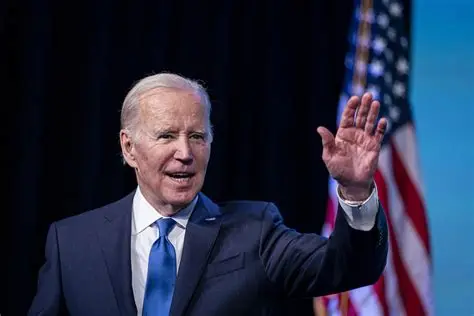
Joe Biden built his reputation on approachability and longevity, presenting himself as someone who understood government because he had lived inside it for decades. That familiarity made many people feel safe during moments of political exhaustion. Yet long careers come with long records. Biden supported policies that contributed to mass incarceration and expanded policing during earlier decades, positions he later softened but never fully reckoned with publicly. His image as empathetic often blurred scrutiny of those choices. Respect followed his tone rather than his track record, allowing past harm to fade behind reassurance and promises of normalcy.
Biden’s leadership style favors consensus and gradualism, which can steady institutions but also delay justice. Critics argue that caution preserved systems that needed disruption. Supporters defend patience as realism. Both can be true. What places Biden on this list is how easily experience becomes insulation. When leaders are framed as safe, their history feels less urgent to examine. Familiar power rarely invites hard questions.
18. R. Kelly And The Cost Of Looking Away

R. Kelly’s music dominated airwaves for decades, shaping popular culture and personal memory alike. His success was loud, consistent, and deeply embedded in everyday life. Even as allegations circulated, his influence remained strong. Fans separated sound from story, leaning on familiarity to justify distance from discomfort. The music felt too present to let go of easily. That separation created space where harm could continue largely unchecked.
Over time, ignoring patterns became impossible. His story reflects how collective avoidance functions. When success is profitable and familiar, accountability feels inconvenient. Silence grows from comfort. Kelly’s case illustrates how long society can look away when enjoyment outweighs empathy. It is a reminder that repeated warnings deserve attention, even when the truth disrupts what people love.
19. Johnny Depp And The Power Of Narrative

Johnny Depp cultivated an image rooted in eccentric charm and outsider appeal. Fans admired his unpredictability, viewing it as authenticity rather than instability. When his personal life became public, narratives quickly formed around personality rather than behavior. Loyalty shaped interpretation. Many people chose the version that felt most familiar, defending character over complexity. The story became about sides rather than substance.
What makes Depp’s case notable is how narrative can overpower nuance. Public sympathy shifted depending on presentation, not impact. His story highlights how storytelling itself becomes power. When image feels intimate, accountability feels optional. This entry reflects how fame allows perception to compete with reality, often blurring responsibility behind charisma and emotional allegiance.
20. Mark Wahlberg And The Quiet Of Time

Mark Wahlberg’s career arc is often described as a comeback story. Early violence and hate crimes were reframed as youthful mistakes, gradually fading from public focus as success followed. Time softened memory. Achievement replaced accountability. His image evolved into discipline and redemption, while harm receded into background context rather than central reckoning.
Wahlberg’s story reflects how time can function as erasure. When growth is visible, past actions feel distant, even unresolved. Society often rewards transformation without requiring repair. His presence here shows how easily progress is celebrated while impact remains unaddressed. The passage of years does not automatically equal closure, but it often convinces audiences that it does.
21. Kevin Spacey And The Shield Of Prestige

Kevin Spacey’s career was built on restraint, intelligence, and a sense of quiet authority. He played powerful figures convincingly enough that the line between performance and persona blurred. That prestige earned him trust within the industry and among audiences who associated him with seriousness rather than spectacle. When allegations surfaced, the initial response was confusion mixed with reluctance. His reputation felt incompatible with misconduct. Many people hesitated, not because the claims were unclear, but because the image felt solid and earned over time.
What followed revealed how prestige can function as protection. Acclaim slowed consequences and complicated conversations. Spacey’s case reflects how status reshapes reaction. When someone is framed as refined or important, accountability feels disruptive. The discomfort lies in recognizing how easily respect delays reckoning. Talent created distance between action and consequence, allowing influence to soften scrutiny longer than it should.
22. Elvis Presley And The Blind Spot Of Nostalgia
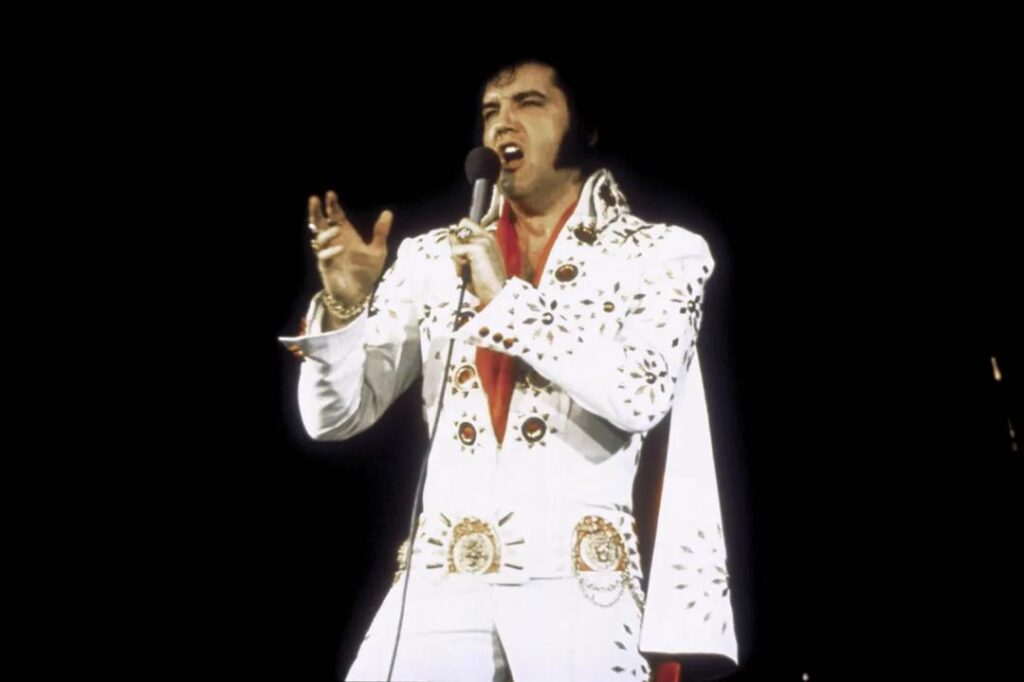
Elvis Presley remains a cultural symbol of charm, rebellion, and musical transformation. His image feels frozen in a romanticized era, preserved through sound and memory. That nostalgia often smooths over uncomfortable details about his personal life. Relationships that raise questions today were rarely examined critically at the time. Fans focused on the magic rather than the imbalance. History became curated, shaped more by affection than reflection.
Elvis’s story illustrates how nostalgia filters accountability. When someone represents joy and change, scrutiny feels like intrusion. The past is treated gently, even when it deserves examination. This entry reflects how time reshapes standards without revisiting harm. Memory becomes selective, preserving feeling over context. Cultural icons often benefit from distance, where admiration grows while questions fade quietly into the background.
23. Drake And The Comfort Of Popularity

Drake’s success rests on relatability. His music feels conversational, personal, and emotionally accessible. Fans see pieces of themselves in his lyrics, creating a sense of closeness that extends beyond entertainment. That popularity encourages defense. When behavior invites concern, loyalty often speaks louder than reflection. The connection feels personal, making criticism feel unnecessary or unfair.
What complicates Drake’s case is how familiarity softens scrutiny. Widespread appeal turns discomfort into debate rather than accountability. His story reflects how being liked at scale creates insulation. Popularity reframes questions as overreactions. This entry highlights how cultural dominance can dilute responsibility. When someone feels close to everyone, it becomes harder to hold them at a distance long enough to examine patterns honestly.
24. Harvey Weinstein And The Industry Of Silence
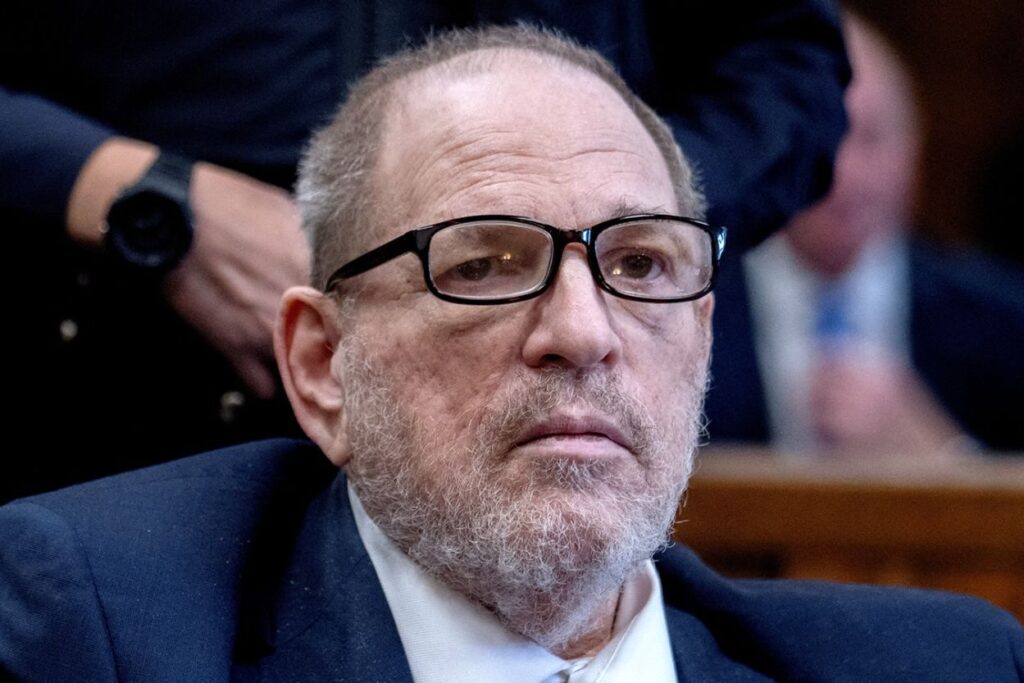
Harvey Weinstein was once considered untouchable within film circles. His influence shaped careers, awards, and opportunities. That power created an environment where silence felt safer than truth. Stories circulated quietly for years, but success and fear kept them contained. The industry benefited from his influence, making accountability inconvenient. Harm existed alongside acclaim, hidden in plain sight.
Weinstein’s story reflects how systems protect those who control access. Silence became a professional strategy rather than a moral failure. What makes his case defining is not just the behavior, but how many people knew and said nothing. It illustrates how power thrives on quiet cooperation. Accountability arrived only when silence finally broke, revealing how long it had been maintained.
25. Justin Bieber And The Excuse Of Youth

Justin Bieber entered fame unusually young, carrying global attention before maturity could catch up. His behavior was often explained through age, pressure, and exposure rather than consequence. Mistakes were reframed as growing pains. That narrative encouraged patience, even when patterns emerged. Fans felt protective, interpreting accountability as cruelty rather than correction.
As time passed, youth stopped explaining everything. Behavior still mattered. Bieber’s story reflects how early fame reshapes expectation. When someone grows up publicly, boundaries blur. Growth is assumed rather than demonstrated. This entry highlights how forgiveness can arrive automatically, without repair. Youth can explain behavior, but it should not erase responsibility when influence remains strong.
26. Mel Gibson And The Pattern People Excused

Mel Gibson built a career on intensity and grit, earning admiration for performances that felt raw and committed. His reputation leaned on talent and box office power, which created patience around his behavior. When recordings and reports of racist and abusive language surfaced, many people framed them as isolated lapses rather than signals. Success softened reaction. Fans focused on past work and influence, treating the controversy as distraction rather than warning. Familiarity made it easier to excuse behavior that would have ended other careers outright.
What defines Gibson’s story is repetition. Incidents stacked up, yet opportunities continued. The conversation often centered on forgiveness without repair. His case reflects how talent can outpace accountability. When admiration is strong enough, consequences become negotiable. The discomfort lies in recognizing how often patterns are dismissed as moments. Behavior does not exist in isolation. When it repeats, it asks to be examined rather than explained away.
27. Rihanna And The Silence Around Power
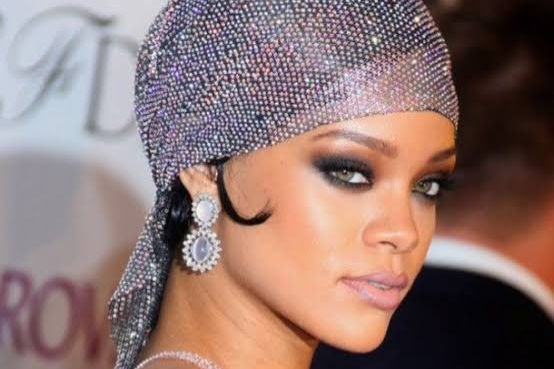
Rihanna is widely respected for resilience, independence, and creative control. Her influence reaches beyond music into culture and fashion, shaping how strength is perceived. That admiration sometimes narrows conversation around her personal relationships. When she reconciled with a partner who had harmed her, public discussion shifted toward celebration rather than concern. The narrative focused on choice and autonomy, sidelining questions about power, harm, and influence.
Her story reflects how empowerment language can quiet discomfort. When someone appears strong, vulnerability is often ignored. Fans hesitate to question decisions framed as personal growth. This entry is not about judgment, but about how celebrity reframes harm. Influence changes how stories are told. Silence can appear respectful while still avoiding complexity. Power does not erase impact, even when decisions are freely made.
28. Leonardo DiCaprio And The Pattern No One Questions

Leonardo DiCaprio’s career is marked by prestige, environmental advocacy, and consistent acclaim. His image suggests seriousness and responsibility, which invites trust. Yet his personal dating patterns have drawn quiet scrutiny for years. Relationships that follow a narrow age range became normalized through repetition. Because they were legal and private, many dismissed concerns as irrelevant or intrusive.
What places DiCaprio here is how predictability avoids critique. When behavior is consistent, it becomes background. Fans separate activism from personal conduct, allowing admiration to remain intact. His story highlights how legality can replace reflection. Power dynamics rarely feel urgent when success and respectability are present. Familiarity dulls curiosity. Patterns that deserve conversation often fade when the person involved is widely admired.
29. Britney Spears And The Cost Of Public Control
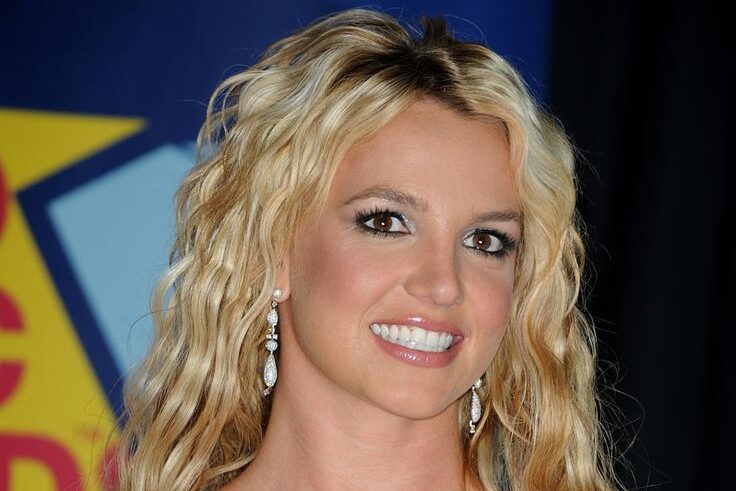
Britney Spears became famous before she had room to become herself. From her teens, her image, schedule, and behavior were controlled by managers, media expectations, and public appetite. When she struggled, those struggles were treated as entertainment rather than warning signs. The narrative quickly shifted from curiosity to containment. Decisions about her life were framed as protection, even when they removed autonomy. Fans watched from a distance, trusting systems that promised stability. Familiar authority replaced personal voice. What looked like care often functioned as control, and questioning it felt unnecessary because it was presented as responsible and socially acceptable behavior.
Over time, the consequences of that control became clearer. Legal restrictions limited her finances, choices, and sense of adulthood for years. Public sympathy arrived slowly, delayed by years of jokes and dismissal. Spears’ story reflects how vulnerability is often punished when it disrupts productivity. Success became justification for restraint. Her case forces reflection on how easily society accepts control when it is familiar and profitable. Harm did not appear suddenly. It accumulated quietly while audiences adjusted, trusted authority, and learned too late how normal confinement had become within entertainment systems that rewarded silence and discouraged sustained public questioning over time.
30. Donald Trump And The Normalization Of Conduct

Donald Trump’s rise depended less on change than on repetition. His behavior was visible, consistent, and unapologetic, which slowly reshaped expectations. Actions that once seemed disqualifying became familiar through constant exposure. Supporters framed this as honesty, while critics focused on erosion of norms. Over time, attention shifted from impact to personality. The spectacle became routine. Familiarity softened reaction, and outrage lost urgency. What mattered less was what happened and more how often it happened, until conduct itself felt like style rather than substance for audiences tired of constant confrontation and overwhelmed by nonstop political drama cycles across media spaces daily.
Trump’s place here reflects normalization rather than surprise. When behavior repeats without consequence, it resets boundaries. Power becomes harder to challenge when people expect disruption and stop responding to it. Exhaustion replaces scrutiny. This story is not about persuasion, but about tolerance. What is repeated often enough stops feeling urgent. Trump’s legacy demonstrates how familiarity can dull accountability, allowing conduct to persist not because it is accepted, but because resistance becomes tiring over time within systems that reward attention more than restraint and rarely impose lasting consequences for repetition when audiences disengage instead of demanding change from public leadership norms.


