
How Confident Advice About Adulthood Fell Apart

Growing up under the watchful guidance of the Baby Boomer generation, many of us were handed a definitive roadmap for success that seemed etched in stone. Our parents and mentors spoke with absolute certainty about the specific tools, skills, and social graces we would required to navigate the complexities of adult life effectively. They insisted that certain household items and traditional methods were the cornerstones of a respectable existence, often suggesting that without them, we would somehow be viewed as unprepared or perhaps even failing at the basic art of living. This advice was rooted in a world of physical ledgers and permanent fixtures, where permanence and tradition were the primary markers of a life well-lived and stable.
However, as the digital revolution accelerated and the global economy shifted, those once-essential pillars of adulthood began to crumble or disappear entirely. The rapid advancement of technology has rendered many physical objects obsolete, while changing social values have redefined what it means to be a successful and functioning member of modern society today. We find ourselves in a landscape that our predecessors could hardly have imagined, where convenience often trumps tradition and the “essentials” of the past now feel like unnecessary clutter. Looking back at these outdated expectations offers a fascinating glimpse into how much our world has transformed in just a few short decades while highlighting the amusing gap between their predictions and our current reality.
Formal Fine China Sets

The idea of owning a massive set of delicate porcelain that only saw the light of day during Christmas or Easter was once considered a primary milestone of reaching true maturity. Boomers truly believed that a complete set of fine china was an essential investment for any proper household because entertaining guests was viewed as a high-stakes performance of class and social standing. These sets were often expensive and required careful hand-washing, yet they remained tucked away in heavy wooden cabinets for the majority of the year. Many young couples even included these elaborate sets on their wedding registries during the nineteen seventies and eighties as a symbol of their transition into a serious and permanent domestic partnership.
In the modern era, the rigid formality that required such specific dinnerware has largely evaporated in favour of a much more relaxed and practical approach to hosting friends. Millennials and Gen Z generally prefer versatile and durable stoneware that can easily transition from a Tuesday night takeaway to a weekend dinner party without the fear of shattering a hundred-pound plate. We value our cupboard space far too much to dedicate entire shelves to items that serve no daily purpose and require such tedious maintenance. The shift towards minimalism and the rise of casual dining mean that the once-coveted china set has become a burdensome relic that most of us are more than happy to leave behind in the charity shop.
Physical Paper Maps
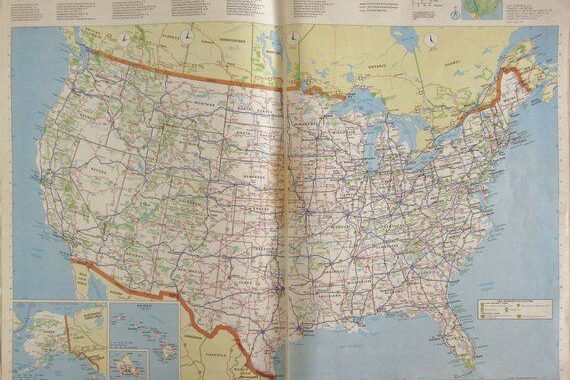
There was a time when the glove compartment of every family car was stuffed with a chaotic collection of folding paper maps that were notoriously difficult to refold correctly. Boomers often spent hours teaching their children how to read coordinates and trace routes along thin red lines because they believed that navigating the open road required a keen sense of geography and a physical guide. Being able to read a map was considered a fundamental survival skill for any adult who planned to travel beyond their local postcode. Many of us remember the tension of family holidays where the passenger acted as a stressed navigator while trying to squint at tiny print while the car sped down the motorway.
Today, the very concept of stopping at a petrol station to buy a regional road atlas feels like a scene from a historical period drama because our smartphones provide instant and accurate directions. With the introduction of GPS technology and apps like Google Maps in the mid-two thousands, the need for paper guides vanished almost overnight for the vast majority of travellers. We now expect real-time traffic updates and rerouting options that a static piece of paper could never possibly provide during a busy commute. While there is a certain nostalgic charm to the tactile nature of an old map, the sheer convenience and safety of digital navigation have made the physical version completely redundant for modern life.
Traditional Landline Telephones
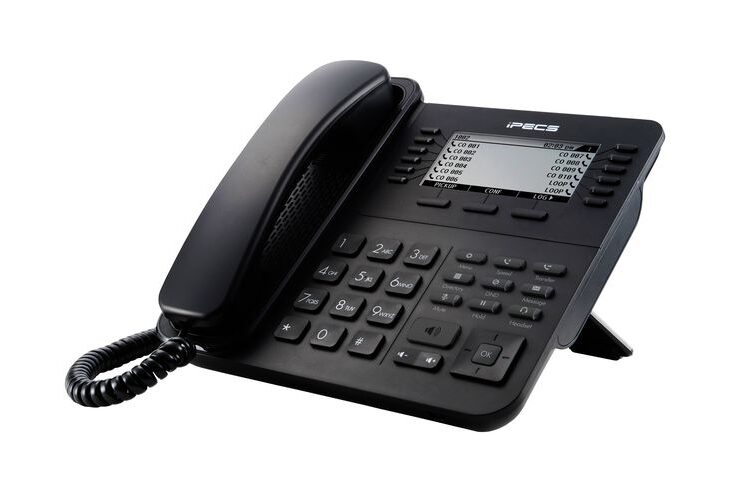
For decades, the landline was the undisputed heartbeat of the British home and served as the primary connection to the outside world for every family member. Boomers swore that a reliable home phone was a non-negotiable necessity for emergencies and professional calls because mobile technology was originally seen as an expensive and unreliable luxury for the elite. Growing up, many of us had to navigate the etiquette of calling a friend’s house and speaking to their parents first, which was a rite of passage in social communication. The physical cord tied us to a specific spot in the hallway or kitchen, creating a sense of place and presence that defined how we interacted with our social circles.
The landscape of communication has shifted so dramatically that many modern households no longer even bother to plug a handset into their wall sockets at all. The rise of affordable mobile contracts and the ubiquity of smartphones mean that we carry our primary point of contact in our pockets at all times. We no longer see the point of paying a monthly line rental fee for a service that mostly attracts telemarketers and automated scam calls during the dinner hour. For the younger generations, the idea of being tethered to a wall to have a private conversation seems absurdly restrictive when we can video call someone from across the globe while walking through a park.
Heavy Encyclopaedia Volumes

A shimmering row of leather-bound encyclopaedias was once the ultimate status symbol for any household that valued education and the pursuit of general knowledge. Boomers were convinced that investing in a full set of the Encyclopaedia Britannica was a gift to their children’s future because it provided a curated gateway to all human understanding. These heavy books were often sold by door-to-door salesmen who promised that having these facts at your fingertips would ensure academic success and intellectual superiority. We were taught to meticulously cite these volumes in our school essays and to treat the printed word as the absolute and final authority on any given subject.
The arrival of the internet and the launch of Wikipedia in the year two thousand and one essentially turned these expensive volumes into decorative paperweights almost instantly. Information now moves at such a blistering pace that a printed encyclopaedia is often out of date before the ink has even had a chance to dry on the page. Why would we dedicate several feet of shelf space to static information when we can access the entirety of human knowledge through a quick search on our phones? The democratisation of information has made the gatekept and expensive world of physical encyclopaedias feel incredibly elitist and frankly unnecessary for the modern student or curious adult.
Fabric Table Napkins
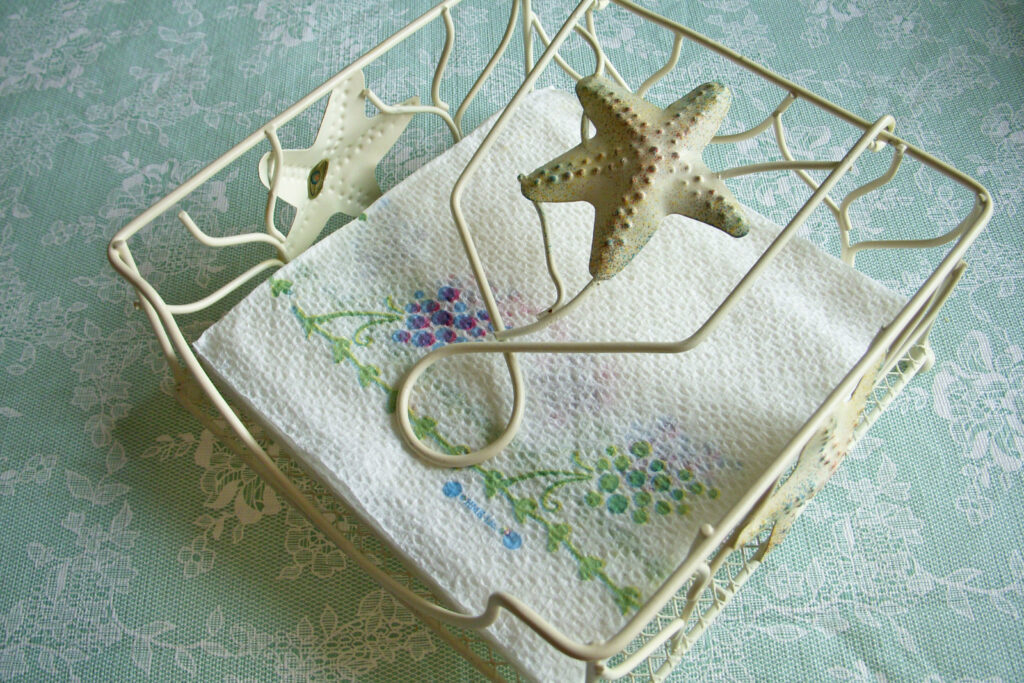
There was a persistent belief among the older generation that using paper towels or disposable tissues at the dinner table was a sign of poor breeding and a lack of domestic standards. Boomers insisted that a proper adult household must always be stocked with sets of ironed fabric napkins that matched the tablecloth or the season. These items represented a level of domestic polish and suggested that the host took great pride in the presentation of every meal regardless of how simple it was. Washing and starching these pieces of cloth was just another chore on the long list of tasks required to maintain a respectable and traditional home environment during the mid-twentieth century.
As our lives have become increasingly busy and focused on efficiency, the demand for high-maintenance linens has plummeted in favour of much more practical and eco-friendly alternatives. Most of us find the idea of generating more laundry just to wipe our mouths after a quick bowl of pasta to be an unnecessary drain on our time and resources. While some might save the cloth versions for a very special occasion, the daily use of fabric napkins has largely disappeared from the modern British lifestyle. We prefer the simplicity of high-quality recycled paper or simply being a bit more careful with our food because the ritual of ironing napkins feels like a relic of a bygone era.
Classic Cheque Books

The ritual of carefully writing out a cheque and balancing a physical stub was once considered a vital part of financial literacy and personal responsibility for every adult. Boomers relied on these paper documents for everything from paying the monthly rent to settling small debts with friends because they represented a secure and tangible record of a transaction. We were told that carrying a cheque book was a sign of being a “serious” person who managed their money with precision and care. There was a specific etiquette involved in the process, including the careful way one would sign their name to ensure it could not be easily forged or altered by others.
However, the rapid rise of online banking and the introduction of contactless payments have made the physical cheque book an incredibly rare sight in most retail settings today. Most of us haven’t touched a cheque in years because digital transfers are nearly instantaneous and far more secure than sending a piece of paper through the post. Apps on our phones allow us to track every penny we spend in real-time, which makes the old-fashioned method of balancing a chequebook feel slow and prone to human error. The financial world has moved into a space where speed and digital security are paramount, leaving the handwritten cheque as a nostalgic curiosity for the older generation.
Dedicated Alarm Clocks

In the decades before the smartphone became our constant companion, the bedside alarm clock was a ubiquitous fixture that every adult was expected to own and operate. Boomers swore by the reliability of these dedicated devices, often preferring the jarring buzz of a mechanical bell or the bright red glow of a digital display. They believed that having a separate tool for waking up was essential for maintaining a proper schedule and ensuring that one was never late for work or important appointments. Many of us can still recall the specific sound of those alarms, which often felt like a stressful and aggressive way to begin a brand-new morning.
Modern adults have almost entirely replaced these single-use gadgets with the versatile alarm functions built directly into their mobile phones or smart home devices. We now have the luxury of waking up to our favourite songs or gentle nature sounds that gradually increase in volume, which is a far more pleasant experience than the old alarms. Our phones also allow us to set multiple reminders and recurring schedules that automatically adjust for weekends or holidays without any manual intervention. The bedside table has been decluttered as the smartphone takes on yet another role, proving that the dedicated alarm clock is no longer a necessary component of a functional bedroom.
Print Yellow Pages

The arrival of a thick, yellow directory on the doorstep was once a major annual event that provided every household with a comprehensive list of local businesses and services. Boomers insisted that the Yellow Pages were an essential tool for any homeowner because you never knew when you might need to find a plumber or a local florist in a hurry. Finding a business that was “big in the book” was often seen as a mark of reliability and established success within the local community. We were taught to flip through the alphabetised categories to compare services, often relying on the size of an advertisement to judge the quality of a particular company.
In the age of instant search results and online reviews, the idea of leafing through a massive paper directory feels incredibly slow and hopelessly outdated for our modern needs. We now rely on Google and platforms like Trustpilot to find services, where we can see real-time ratings and photos from other customers before making a decision. The physical Yellow Pages have shrunk significantly in size over the years and are now frequently recycled the moment they arrive at the front door. Our ability to find exactly what we need in seconds using a search engine has made the printed business directory a redundant and environmentally wasteful relic of the past.
Fancy Silver Platters

Polishing the family silver was a chore that many Boomers remember with a mix of pride and frustration because it was a necessary part of maintaining a prestigious home. These heavy, ornate platters were seen as essential for serving, tea, hors d’oeuvres or the Sunday roast, adding a layer of ceremony to every gathering. Owning silver was considered a long-term investment and a way to pass down family wealth and history through the generations. The metallic sheen of a well-maintained tray was a visual signal that the household was well-managed and prepared for even the most distinguished of visitors at a moment’s notice.
The modern preference for low-maintenance living and clean, minimalist aesthetics has made the silver platter a largely forgotten item in the back of the kitchen cupboard. Most of us do not have the time or the inclination to spend a Saturday afternoon rubbing tarnish off a tray that we might only use once every five years. We prefer serving pieces made of wood, ceramic, or glass that look beautiful but can be popped into the dishwasher without a second thought. The formality that once required silver has been replaced by a desire for authenticity and ease, making the ritual of polishing silver feel like an unnecessary burden from a different century.
Desktop Address Books
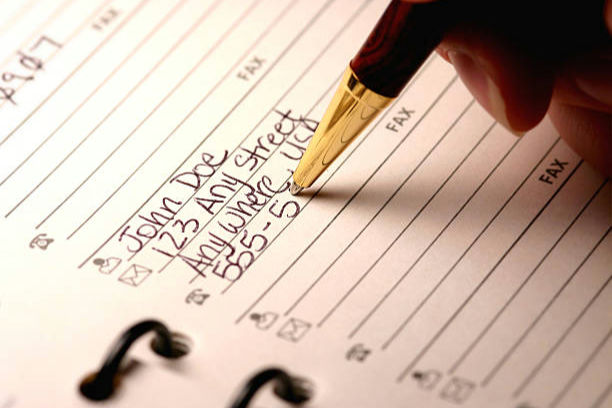
Before the era of digital contacts, a physical address book was the precious keeper of a person’s entire social and professional network across the country. Boomers carefully inscribed names, phone numbers, and home addresses in these small volumes, often using pencils so they could erase and update information when someone moved. These books were often kept near the telephone and were considered one of the most important items to grab in the event of an emergency. Losing your address book was a genuine disaster because it meant losing the only record of how to reach friends, family, and essential services like the family doctor.
Today, our contact lists are seamlessly synced across all our digital devices, ensuring that we never lose a number even if we lose our physical phone. We no longer have to worry about messy handwriting or running out of space under the letter ‘S’ because our digital directories are infinite and easily searchable. The convenience of being able to tap a name and instantly start a call or send an email has made the manual entry of data in a paper book seem incredibly tedious. While some people still keep a physical book for sentimental reasons, the practical necessity of the desktop address book has been entirely superseded by the efficiency of the cloud.
Heavy Personal Filing Cabinets

The sturdy metal filing cabinet was once the undisputed cornerstone of a well-organized adult life and a symbol of professional domesticity. Boomers firmly believed that every responsible citizen needed a dedicated, fireproof space to store physical copies of birth certificates, insurance policies, and decades of utility bills. These heavy pieces of furniture often sat in a corner of the home office or under a desk, filled with green hanging folders and meticulously typed labels. Having your “papers in order” was a phrase that carried significant weight, suggesting that you were a person of substance who was prepared for any legal or financial scrutiny that might come your way during the middle of the twentieth century.
In our current era, the physical filing cabinet has largely been replaced by secure cloud storage and digital folders that occupy no physical space at all. Most modern banks and utility providers have shifted toward paperless billing, meaning the constant stream of post that once filled these metal drawers has slowed to a mere trickle. We now prefer the ability to search for a specific document using keywords on our laptops rather than spending an afternoon thumbing through dusty paper files in a bulky cabinet. While a small fireproof box might still hold a few essential original documents, the need for a towering piece of office furniture to manage one’s personal life has become entirely obsolete for the minimalist modern adult.
Printed Photo Albums
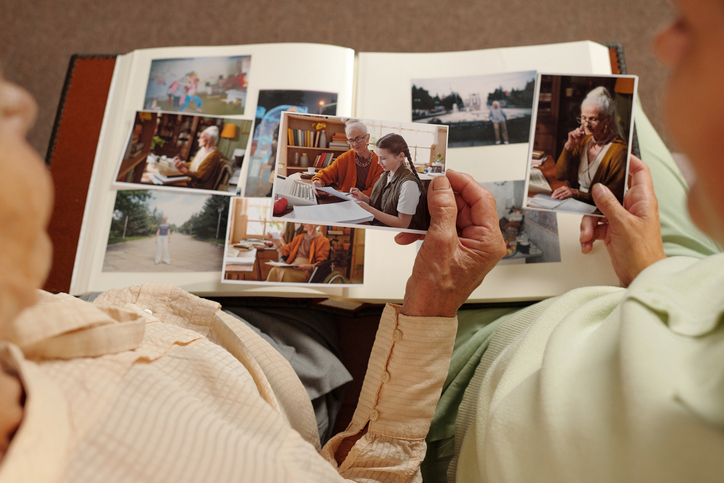
There was a time when the true chronicle of a family’s history lived within the heavy, plastic-covered pages of a physical photo album. Boomers spent countless hours selecting the best shots from a roll of film and carefully arranging them to tell the story of holidays, birthdays, and graduations. These albums were precious objects that were brought out during family gatherings to be shared and passed around the living room, often accompanied by long stories about the people in the pictures. The physical act of flipping through a book created a tangible connection to the past that was highly valued as a way to preserve memories for future generations to cherish and hold.
Today, we take more photographs in a single weekend than our parents might have taken in an entire year, but very few of them ever make it onto a printed page. Our memories are now stored in massive digital galleries on our phones or shared instantly with friends and family across the globe via social media platforms. We have replaced the bulky, fading album with high-resolution screens and digital frames that can cycle through thousands of images without taking up any shelf space. While there is still a niche market for high-end coffee table photo books, the everyday habit of maintaining a library of physical albums has vanished in favor of the convenience and infinite storage offered by the digital age.
Compact Disc Collections
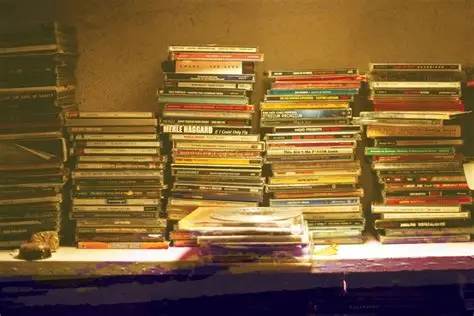
The transition from vinyl to compact discs was a major cultural shift that Boomers embraced with the promise of “perfect sound forever” and a more convenient format. Owning a massive wall of CDs was a way to display your personality and musical taste to anyone who visited your home, and spending a Saturday browsing the aisles of a local HMV was a cherished ritual. People invested significant amounts of money into high-fidelity CD players and storage towers that could hold hundreds of plastic jewel cases, believing this was the ultimate way to consume and collect music. A well-curated collection was a source of great pride and served as the soundtrack to many dinner parties and long drives.
The landscape of music consumption has been completely transformed by the rise of streaming services like Spotify and Apple Music, which offer millions of songs for a small monthly fee. The physical CD has become a cumbersome relic that requires a dedicated player that most of us no longer own or want in our living rooms. We now value the ability to carry our entire music library in our pockets and create endless playlists without ever having to handle a fragile piece of plastic. While vinyl has seen a niche resurgence for its aesthetic and tactile qualities, the compact disc has largely been relegated to car boot sales and the dusty corners of charity shops across the country.
Formal Dining Rooms

For a very long time, the formal dining room was considered an essential feature of a “proper” house and a primary indicator of middle-class success. Boomers often insisted on having a room that was strictly off-limits for everyday use, reserved only for the most important holidays or when “company” came over for a multi-course meal. This room was typically anchored by a large, expensive table and surrounded by chairs that were often more decorative than comfortable, creating a stiff and ceremonial atmosphere. The existence of this space was a nod to a traditional way of life where the act of eating was a formal social ritual governed by specific rules and expectations of decorum.
Modern home design and lifestyle preferences have moved sharply away from the idea of wasted space, leading many people to repurpose the formal dining room into something more functional. We now prefer open-plan living areas where the kitchen flows directly into the dining and lounge spaces, allowing for a more inclusive and relaxed way of entertaining. The “dining room” is now more likely to be a home office, a playroom for children, or an extension of the kitchen island where friends can sit and chat while the host prepares a meal. The rigid separation of living spaces has been abandoned in favor of a home that truly reflects how we live every day rather than how we wish to be perceived once a year.
Elaborate Travel Iron

When Boomers travelled, they often packed with the expectation that they needed to maintain a perfectly crisp and professional appearance at all times. A compact travel iron was considered an essential item in any suitcase because the idea of appearing in public with a wrinkled shirt or dress was seen as a sign of disarray. They believed that even on holiday, an adult should be prepared to press their clothes to meet a certain standard of grooming and respectability. Many hotel rooms in the past didn’t consistently provide irons, making it necessary to carry your own small, heavy appliance to ensure you always looked your absolute best for dinner or a business meeting.
The modern traveller has largely traded the heavy travel iron for much more practical solutions like portable steamers or simply choosing fabrics that are designed to be wrinkle-resistant. Our approach to travel fashion has become significantly more casual, and we are far less concerned with the rigid standards of pressing every garment to perfection while away from home. Most modern hotels now provide high-quality irons and boards as standard, or we simply use the “shower steam” trick to release any major creases from our clothes. The desire to travel light and avoid unnecessary chores has made the dedicated travel iron a redundant piece of luggage that most of us are more than happy to leave behind in the cupboard.
Rolodex Business Files
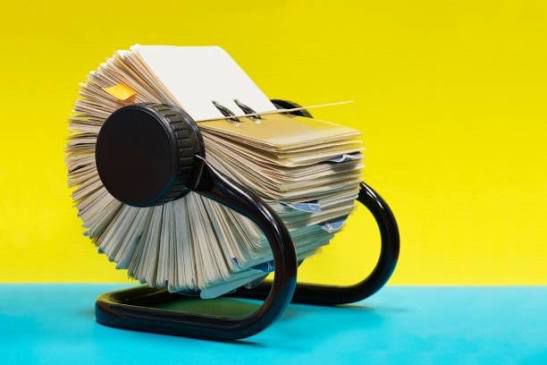
In the high-octane business world of the late twentieth century, the Rolodex was the ultimate tool for networking and professional organization. Boomers carefully maintained these rotating card files, which contained the contact details of every supplier, client, and colleague they had ever met during their careers. Flipping through a Rolodex was a tactile experience that suggested a person was well-connected and had their finger on the pulse of their industry. It was a common sight on the desk of any serious executive, often becoming a messy but invaluable repository of handwritten notes, stapled business cards, and updated phone numbers that were crucial for daily operations and career advancement.
The digital revolution has rendered the physical Rolodex entirely obsolete, as we now manage our professional networks through platforms like LinkedIn and integrated contact management systems. Our professional connections are no longer trapped on a piece of cardboard on a desk but are instead dynamic, searchable, and accessible from any device anywhere in the world. We no longer have to worry about losing a card or struggling to read someone’s hurried handwriting because digital profiles are updated automatically by the contacts themselves. The once-mighty Rolodex has transitioned from a vital business tool to a vintage decorative item that serves as a quaint reminder of a much slower and more manual era of professional communication.
Physical Recipe Boxes
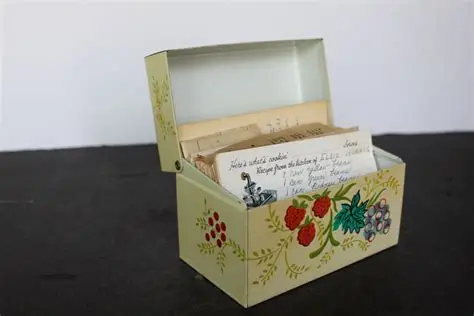
The kitchen of a Boomer household almost always featured a small wooden or tin box filled with handwritten recipe cards, often stained with splashes of tomato sauce or flour. These boxes were treated as family heirlooms, containing the secrets to grandmother’s Sunday roast or a neighbor’s famous chocolate cake. Boomers believed that building a personal library of physical recipes was a fundamental part of running a home and passing down cultural traditions to the next generation. Each card was a tiny piece of history, often written in the distinctive script of a loved one and kept safe behind a tabbed divider for quick access during meal preparation.
While the love of cooking remains as strong as ever, the way we access and store recipes has moved almost entirely into the digital realm. We are now more likely to follow a video tutorial on a tablet or search for a specific dish on a cooking app than we are to flip through a box of cards. The internet provides us with an infinite library of recipes from every corner of the globe, complete with user reviews, nutritional information, and step-by-step photos. We can save our favorites to digital folders or cloud-based apps that are easy to share with friends with just a single click. The physical recipe box has become more of a sentimental keepsake than a practical kitchen tool for the modern home cook.
Printed TV Guides
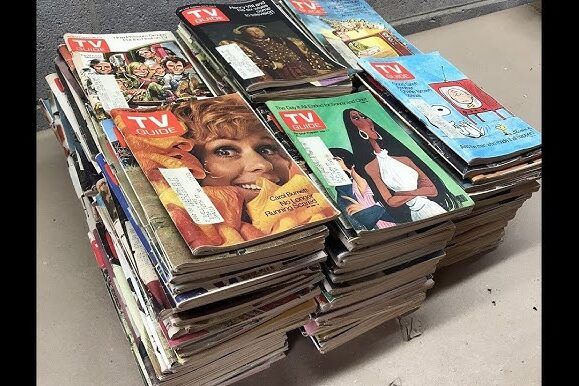
Every week, millions of households across Britain would pick up a copy of the TV Quick or the Radio Times to plan their viewing schedule for the days ahead. Boomers relied on these printed magazines to know when their favorite programmes were airing, often circling shows with a pen to ensure no one in the family missed a crucial episode. Because there were only a handful of channels and no way to “catch up” easily, the TV guide was an essential document for navigating the limited entertainment landscape of the time. It was a shared household resource that often sat on the coffee table, providing a glimpse into the week’s cultural highlights and evening entertainment.
The advent of the Electronic Programme Guide (EPG) built directly into our televisions and the explosion of on-demand streaming services have made the printed guide completely unnecessary. We no longer need to plan our lives around a broadcaster’s schedule because we can watch almost anything we want, whenever we want, at the touch of a button. Services like Netflix and iPlayer have replaced the need for a weekly magazine with personalized recommendations and instant access to entire series. The idea of waiting a week to see the next episode or needing a paper book to find out what is on television feels like a distant memory in our world of infinite, instant digital entertainment.
VCR and VHS Tapes
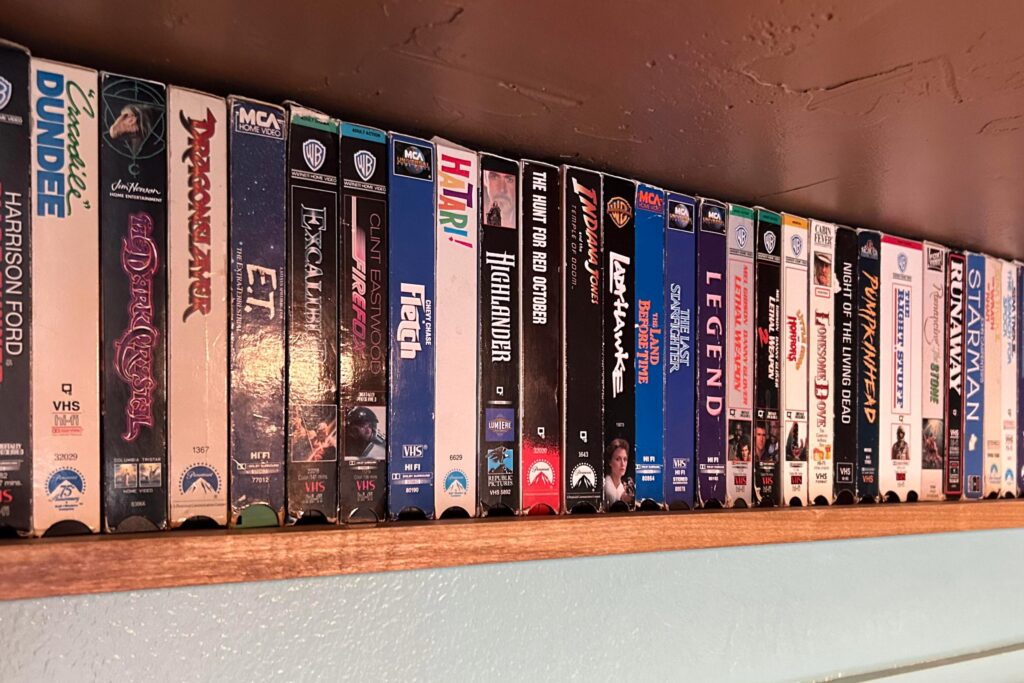
The introduction of the Video Home System (VHS) was a revolutionary moment that allowed Boomers to record their favorite shows and build a library of movies at home for the first time. They swore that having a VCR was a necessity for any modern family, leading to shelves groaning under the weight of bulky black plastic tapes with handwritten labels. We spent hours “programming” the VCR to record a late-night film or carefully taping over the tabs to ensure a precious home movie wasn’t accidentally deleted. The ritual of going to the local video rental shop on a Friday night was a highlight of the week, representing the pinnacle of home entertainment convenience.
Today, the VCR is a technological dinosaur that has been replaced several times over by DVDs, Blu-rays, and finally, the total dominance of digital streaming and cloud storage. The bulky tapes take up an enormous amount of space and offer a picture quality that looks blurry and dated on our modern high-definition screens. Most of us have long since cleared out our tape collections, perhaps keeping a few sentimental home movies that have been converted to digital formats for safekeeping. The convenience of being able to stream any movie in seconds has made the clunky, mechanical process of rewinding and storing physical tapes feel like an absurd amount of effort for a very low-quality reward.
Desktop Desktop Calendars
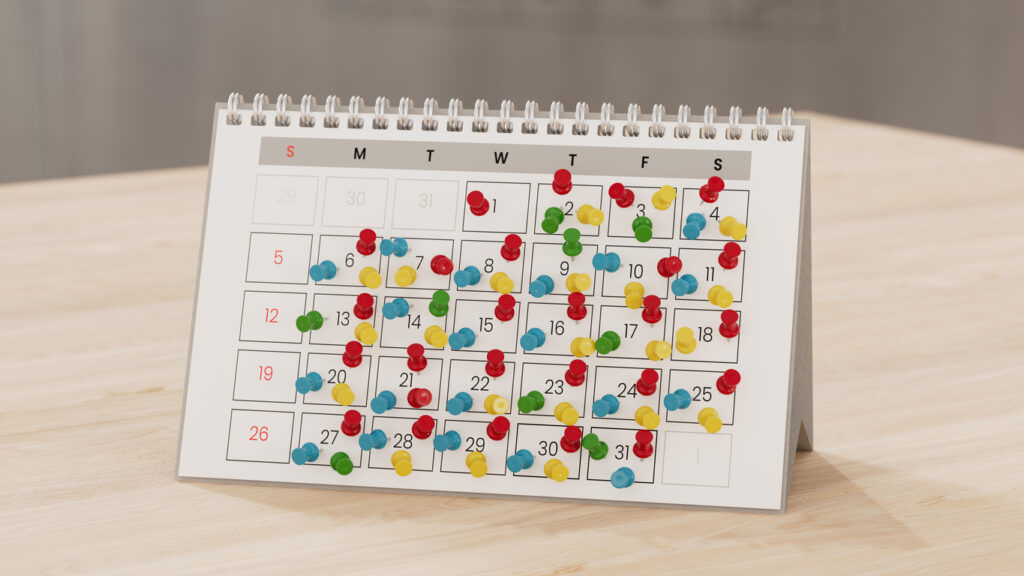
The large, paper desk blotter or the flip-style daily calendar was a fixture of the organized Boomer’s workspace, serving as the primary way to track appointments and deadlines. They believed that having a physical, visual representation of the month was essential for staying on top of a busy schedule and ensuring that nothing was forgotten. These calendars were often filled with scribbled notes, highlighted dates, and crossed-out events, serving as a chaotic but functional diary of a person’s professional and personal life. For many, the act of physically crossing off a day was a satisfying ritual that marked the passage of time and the completion of various tasks and responsibilities.
In the modern workplace, our schedules are managed through sophisticated digital calendars that sync across our phones, laptops, and smartwatches in real-time. These digital tools allow for instant notifications, shared meeting invites, and the ability to move appointments with a simple drag-and-drop motion that a paper calendar could never replicate. We no longer need to carry a physical diary or stay tethered to a desk calendar because our entire itinerary is always with us and can be updated by colleagues or family members instantly. The paper desk calendar has transitioned from a vital organizational tool to a purely decorative item, as we embrace the seamless efficiency of a fully integrated digital lifestyle.
The transition from these physical artifacts to digital solutions reflects a broader cultural move toward flexibility and the shedding of material burdens that no longer serve us. Reliance on the ways of the past can often hinder our ability to embrace the streamlined freedom of the future.
Like this story? Add your thoughts in the comments, thank you.


