
1. Carrying The World In Your Pocket
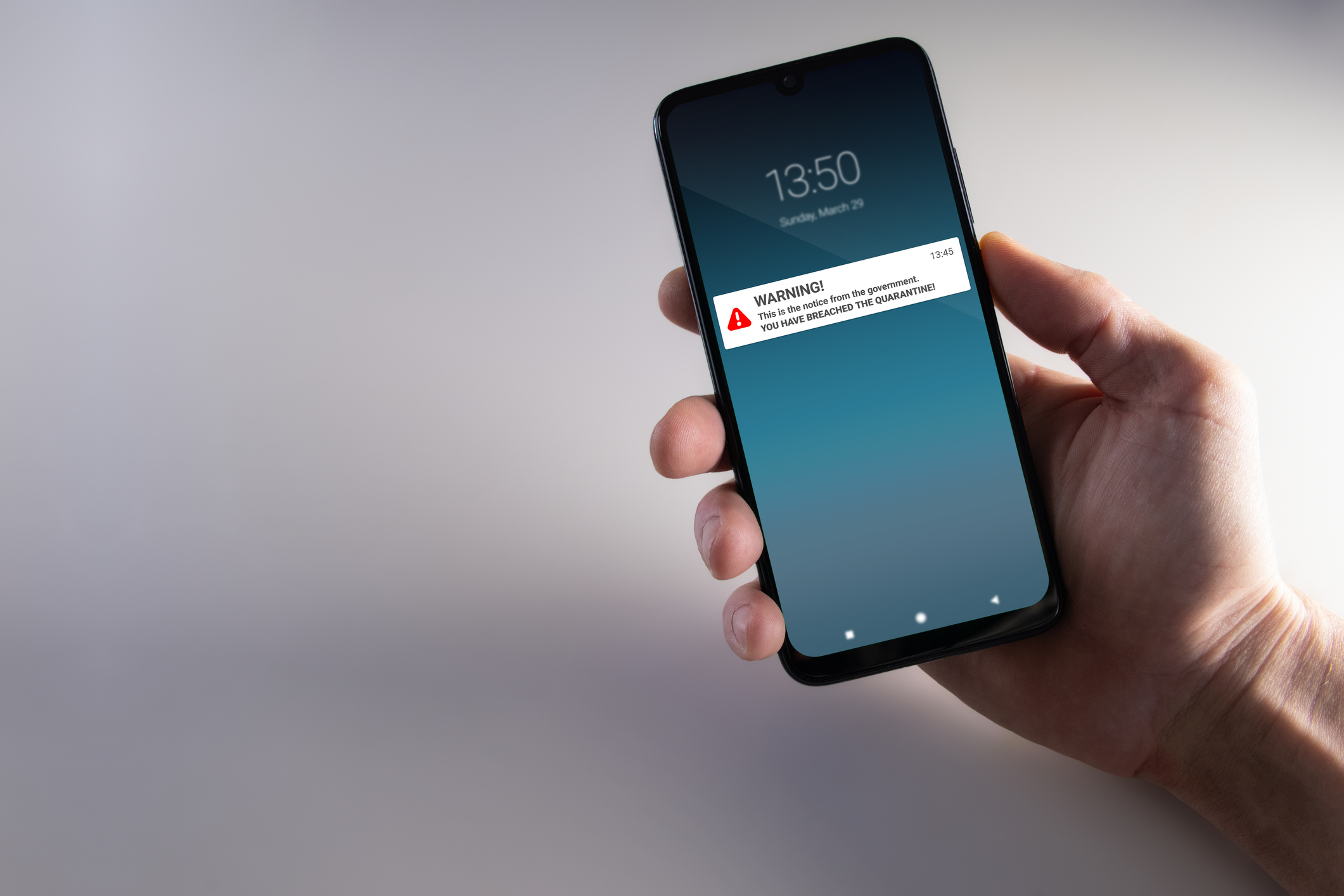
It is easy to forget how recently this became normal. Fifty years ago, daily life required preparation and patience because connection stayed in fixed places. Phones lived on walls, calendars stayed at home, and information waited for libraries or conversations. The idea that one small object could hold communication, memory, navigation, and entertainment would have sounded excessive. Yet slowly, the pocket phone became less about novelty and more about comfort. It removed friction from ordinary moments and stitched convenience into routines without ceremony.
Today, carrying a phone feels less like technology and more like habit. It reminds us of birthdays, guides us through traffic, captures passing moments, and fills quiet gaps while we wait. The convenience is not the device itself but the mental relief it brings. We no longer hold everything in our heads. We outsource remembering, planning, and finding our way. That shift did not arrive loudly. It arrived gently, until one day leaving the house without a phone felt like forgetting shoes.
2. Knowing Where You Are At All Times
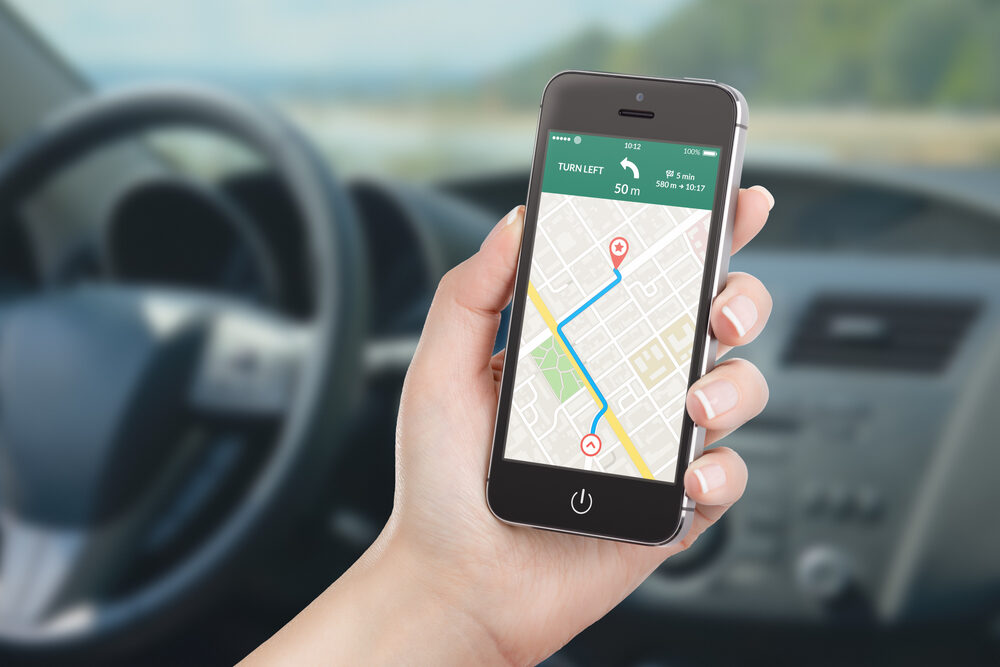
Getting lost once came with embarrassment and long delays. People relied on memory, printed maps, or directions scribbled on paper. A wrong turn could stretch a short trip into an afternoon problem. Planning mattered because mistakes cost time. Navigation required confidence, and not everyone had it. Travel demanded attention and a tolerance for uncertainty that shaped how far people were willing to go.
Now directions travel with us, adjusting calmly when we miss a turn. The convenience is not perfection but reassurance. Knowing you can recover removes anxiety from movement. People explore unfamiliar places with ease because guidance stays present. This changed how cities feel and how often we say yes to new routes. Getting somewhere no longer requires courage, only intention. The quiet voice guiding each step made distance feel smaller and the world more accessible without demanding bravery.
3. Paying Without Touching Cash
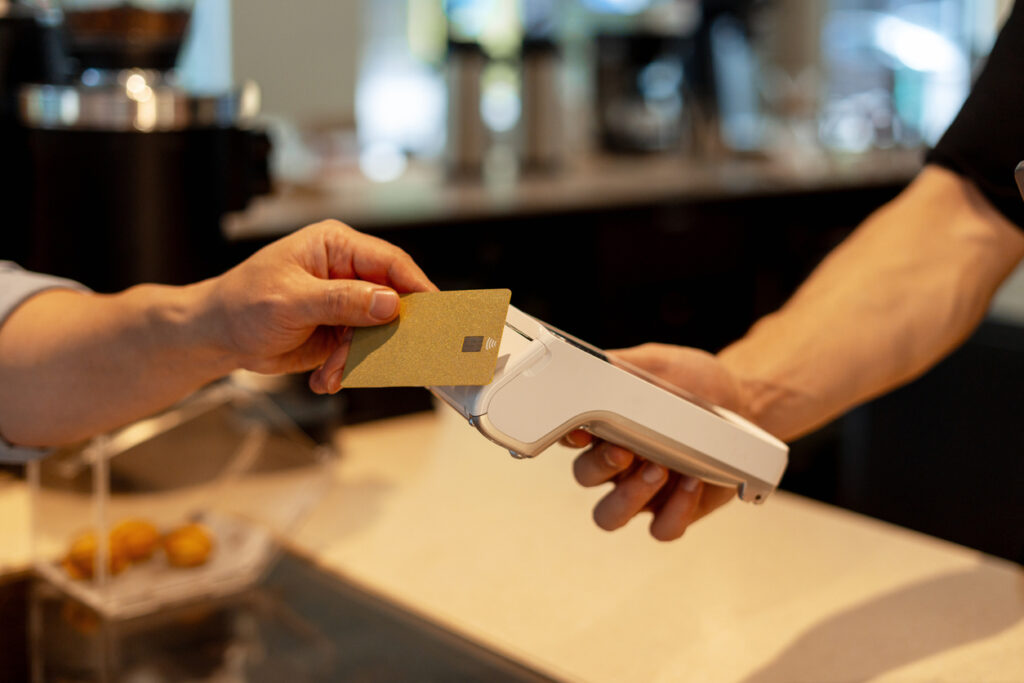
Cash once ruled everyday transactions, shaping how people planned errands and managed time. Wallets held bills and coins, lines moved slowly, and exact change mattered more than convenience. Forgetting cash meant postponing purchases or asking for help, which added friction to simple moments. Money felt physical and visible, demanding attention at every exchange and reminding people of limits in real time. Paying was an event, not a background step, and it often interrupted conversations, schedules, and small joys. That rhythm taught patience, but it also made daily life heavier than it needed to be for many households everywhere back then.
Digital payments changed that experience quietly and completely over time. Tapping a card or phone removed counting, waiting, and the mild anxiety of holding up a line. Transactions became smoother, faster, and easier to forget, which altered how money fit into daily routines. While spending can feel abstract now, the convenience brought relief to crowded days and tired minds. Paying no longer stops momentum or demands focus. It simply happens, letting people stay present in the moment. What once required preparation now requires almost nothing, and that ease has become one of modern life’s most unnoticed comforts.
4. Heating A Meal In Minutes
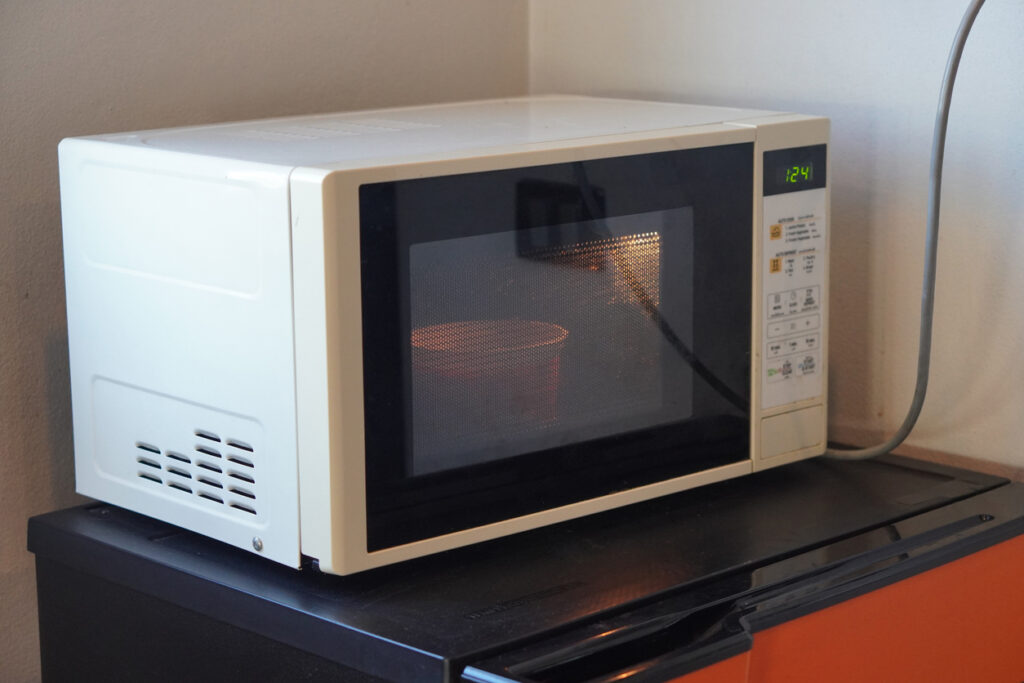
Preparing food once anchored the pace of the day and demanded attention. Heating leftovers required ovens to warm, pots to be watched, and time to be set aside. Meals happened when the kitchen allowed, not when hunger arrived. Even simple reheating carried a sense of effort and planning. Food was tied to routine, and warmth came slowly. That process gave meals meaning, but it also limited flexibility, especially for busy households or people living alone who had little energy left at the end of the day.
The microwave changed that rhythm almost without notice. Suddenly, warmth arrived in minutes, quietly fitting into breaks, late nights, and irregular schedules. The convenience was not just speed, but control. People could eat when they needed to, without rearranging everything else. This reshaped daily life in small ways, making nourishment easier and more forgiving. Cooking still matters, but reheating no longer demands ceremony. Food became something that supports life instead of slowing it down, and that shift settled in gently until it felt completely normal.
5. Watching Shows On Your Own Schedule

Television once required commitment and careful timing. Shows aired at specific hours, and missing an episode meant waiting months or accepting that it was gone. Families planned evenings around broadcasts, and watching together was often a matter of necessity rather than choice. Entertainment demanded attention at the right moment, shaping routines and quiet expectations. The schedule belonged to the network, not the viewer, and that structure defined how people relaxed after long days at work or school.
Streaming quietly reversed that relationship. Stories now wait patiently until the viewer is ready. The convenience lies in choice, pace, and comfort. People watch when energy allows, pause when life interrupts, and return without penalty. Entertainment stopped directing time and began adapting to it. This shift made rest feel personal rather than scheduled. While shared viewing still exists, control now sits with the individual, turning television into something that fits gently around life instead of asking life to bend around it.
6. Shopping Without Leaving Home

Shopping once meant planning routes, finding parking, and setting aside real time. Even small errands required effort, movement, and patience. People built lists carefully because forgetting something meant another trip. Stores dictated availability, and crowds often shaped the experience. Shopping was a task you prepared for, not something you slipped into between other moments. For many households, it took energy that already felt limited after long days, especially when errands stacked up and time felt short.
Ordering from home softened all of that. The convenience is not about avoiding effort, but about conserving it. A few taps replace traffic, lines, and heavy bags. Unexpected needs no longer derail plans, they simply arrive later. Shopping fits quietly into evenings or early mornings without demanding attention. Physical stores still matter, but the option to stay home changed how people manage energy. Life feels gentler when errands no longer compete with rest, and that relief settled in so gradually it became normal.
7. Seeing Loved Ones Across Distance
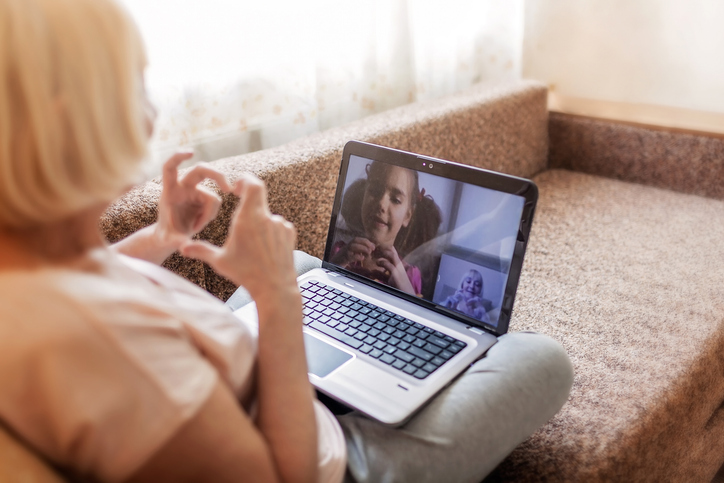
Distance once carried weight. Letters took time and phone calls required coordination, but faces waited for reunions. Missing someone meant living with absence until travel allowed relief. Everyday moments went unseen, and relationships relied heavily on memory and imagination to stay alive. Staying connected demanded patience, and closeness faded quietly between visits, especially across long distances or busy seasons of life.
Video calls changed that experience in a deeply human way. Faces now appear instantly, carrying smiles, reactions, and familiar expressions. The convenience is emotional rather than technical. Families stay present through ordinary moments instead of waiting for special occasions. While screens cannot replace touch, they soften separation and make absence feel less final. Seeing someone you care about, even briefly, brings reassurance that once did not exist. Distance still matters, but it no longer holds the same power over connection.
8. Finding Answers Immediately
Questions once stayed unanswered longer than we remember. People guessed, debated, or waited until someone knowledgeable happened to be nearby. Learning required books, libraries, or conversations that took time to arrange. Curiosity often slowed because access was limited, and many everyday questions simply faded away without resolution. Not knowing was common, and people learned to live with uncertainty as part of daily life.
Instant access to information changed that rhythm completely. The convenience lies in momentum. Curiosity no longer stalls or waits for the right moment. Everyday questions turn into quick discoveries, woven naturally into daily routines. While patience may have shortened, understanding expanded. Knowledge feels closer and more conversational. Learning no longer requires formal settings. It happens in passing moments, quietly empowering people to engage with the world more confidently and with less hesitation.
9. Carrying Music Everywhere

Music once stayed in rooms and shared spaces. Radios and record players filled homes, and listening happened at set times chosen by someone else. Songs belonged to households rather than individuals, and access depended on what was available. Music felt special but limited, tied to moments when the sound was turned on and stopped when the device was switched off. People waited for favorite songs, recorded them carefully, and accepted repetition as part of the experience. Sound was social, situational, and temporary, which shaped how memories attached to music across ordinary days and quiet personal meaning rarely entered the picture.
Portable listening slowly changed music into a constant companion. Small devices and headphones made sound personal, private, and portable. Songs followed moods, walks, commutes, and late nights, offering comfort without asking for attention. People began choosing what they heard and when they heard it, shaping daily routines through sound. Music blended into movement, work, and rest, becoming part of emotional regulation and memory making. What once lived in rooms now lives alongside us, gently shaping moments, marking time, and turning ordinary experiences into something familiar and deeply personal in ways that feel natural, comforting, and quietly enduring for everyday life.
10. Paying Bills Without Paper
Managing bills once demanded constant attention and careful organization. Envelopes arrived by mail, checks were written by hand, and stamps mattered more than convenience. Deadlines filled calendars, and missing one caused stress that lingered longer than it should. Keeping track of utilities and services required memory, discipline, and time, especially for households balancing many responsibilities at once. Financial tasks felt heavy because every step depended on remembering, following through, and physically completing the process without much room for error. This routine shaped how people thought about money and responsibility daily, often with anxiety tied to small unavoidable mistakes and delays.
Automation eased that burden quietly over time for many people. Once payments are set up, they happen in the background without constant reminders or manual effort. The convenience lies in relief rather than speed or novelty. Life already holds enough obligations competing for attention each day. Systems now remember due dates and amounts so people do not have to. Bills still exist, but they no longer demand daily vigilance, leaving more mental space for living, planning, and focusing on things that feel meaningful. This quiet shift reduced stress and supported steadier daily financial routines for households everywhere over time eventually.
11. Booking Travel From Your Couch

Planning a trip once required phone calls, brochures, and patience. People relied on travel agents, mailed forms, and limited options shaped by availability rather than preference. Comparing prices meant effort, and changes often came with long waits. Travel felt formal and distant, something you prepared for carefully because access was not immediate. The process itself created barriers, especially for people who did not live near agencies or who had little time to spare.
Booking travel from home changed that experience completely. Flights, hotels, and transport now sit side by side on a screen, waiting to be chosen. The convenience is control. People compare, decide, and confirm on their own time. Travel feels approachable rather than intimidating. Planning no longer requires permission or intermediaries. It begins with curiosity and ends with confirmation, making exploration feel possible even on ordinary days.
12. Reading Without Carrying Books

Reading once required planning ahead. Books added weight to bags, took up space, and demanded care during travel. Choosing what to read meant committing to a single physical object for the day or trip. Forgetting a book meant going without, and finishing early meant waiting. Reading happened in longer stretches because access was limited to what you carried. Stories felt precious, but opportunity was narrow. Many quiet moments passed without reading simply because the book was not nearby.
Digital reading changed that experience gently. Entire libraries now fit into slim devices that travel easily. The convenience lies in flexibility rather than replacement. People read during short waits, long commutes, and unexpected pauses without preparation. Switching between books feels natural, guided by mood or time. While paper still holds charm, portability opened reading to moments once overlooked. Stories now wait patiently, ready whenever curiosity appears.
13. Taking Photos Without Limits

Photography once demanded restraint and intention. Film was expensive, limited, and unforgiving. Every photo mattered because mistakes cost money and moments could not be redone. People saved film for birthdays, holidays, and events that felt worthy. Everyday life often went undocumented because the camera was not always ready. Capturing memories required careful judgment and planning.
Digital photography removed that pressure completely. Photos can be taken freely without fear of waste. The convenience is freedom. People capture ordinary moments, small joys, and imperfect scenes without hesitation. While not every image becomes meaningful, the act of trying matters. Memory keeping feels generous instead of restrictive. Moments stay with us simply because there is room for them now.
14. Learning Skills From Home

Learning once followed rigid paths that were hard to bend around real life. Classrooms had fixed schedules, locations mattered, and progress depended on keeping up with everyone else. If you missed a lesson or struggled, catching up felt uncomfortable. Many people postponed learning new skills because returning to a formal setting felt intimidating or unrealistic alongside work, family, and daily responsibilities. Education often belonged to specific life stages, usually early ones, and curiosity later in life was pushed aside by practicality and time constraints. Learning was valuable, but access felt narrow and demanding.
Learning from home quietly changed that relationship. Skills now arrive through videos, guides, and lessons that wait patiently instead of rushing you along. The convenience lies in flexibility and privacy. People learn at their own pace, repeat lessons without embarrassment, and pause when life intervenes. Education bends around daily routines instead of competing with them. Learning becomes something you return to gently, in short bursts or long stretches, until understanding settles. That shift made curiosity feel welcome again and allowed growth to continue without pressure.
15. Remembering Everything With Reminders
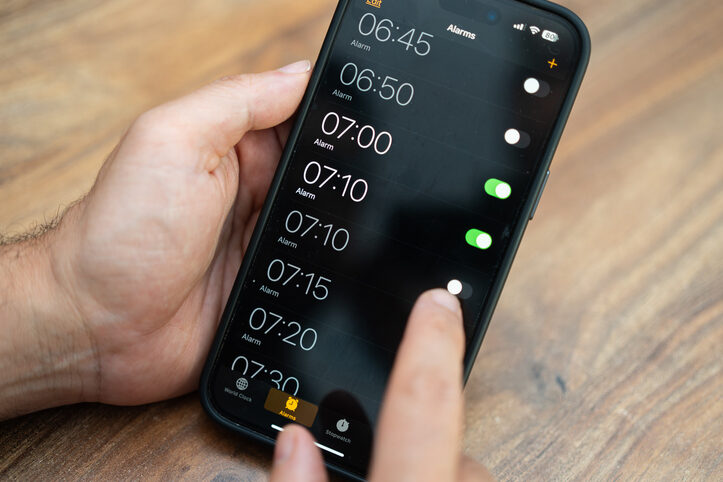
Forgetting once carried visible consequences. Missed appointments, unpaid bills, and overlooked tasks created stress that lingered longer than necessary. Staying organized depended heavily on memory, handwritten notes, or habits that easily failed during busy weeks. Life demanded constant mental effort just to keep track of responsibilities. Forgetfulness was often treated as carelessness, adding guilt to already crowded days. Managing schedules required attention that pulled focus away from living and enjoying ordinary moments.
Digital reminders softened that weight in subtle ways. Calendars, alerts, and notifications quietly support instead of punish. The convenience is forgiveness and reassurance. People rely on systems to remember so they can focus on conversations, work, and rest. Forgetfulness no longer defines capability or responsibility. Tasks still exist, but they no longer hover anxiously in the mind. This small shift reduced daily pressure and made routines feel steadier, kinder, and easier to manage over time.
16. Storing Memories Digitally

Memories once lived in physical places. Photo albums filled shelves, letters sat in boxes, and important documents stayed tucked away in drawers. Protecting them meant space, careful handling, and a bit of luck. Moves, floods, or simple misplacement could erase years of history. Looking back required effort, and sharing memories meant pulling things out one by one. The past felt fragile because it depended on objects staying intact and accessible.
Digital storage changed how memories survive. Photos, videos, and documents now live in quiet spaces online, ready whenever they are needed. The convenience lies in preservation. Memories travel safely through moves and time without fading or tearing. Sharing becomes simple, and revisiting the past feels gentle rather than risky. While nothing replaces holding a photo in your hands, knowing memories are backed up brings peace. The past stays close without demanding space, allowing people to keep more of their story intact.
17. Ordering Food Without Speaking

Ordering food once meant conversation and timing. You called, waited for someone to answer, spoke clearly, and hoped nothing was misunderstood on the other end. Background noise, rushed staff, or unclear menus often led to mistakes. Placing an order required energy, especially after a long day. Even simple meals demanded social effort, and for many people, that small interaction felt heavier than the hunger itself. Ordering food was part of going out or calling in, not something that blended quietly into daily life.
Silent ordering changed that experience in a gentle way. Menus now appear visually, choices are clear, and preferences are saved without repetition. The convenience lies in calm and control. People order at their own pace, adjust details easily, and avoid pressure. Meals arrive without conversation when energy feels low. While human connection still matters, having the option to order quietly fits modern rhythms and makes food more accessible on tired days.
18. Fixing Problems With Tutorials

Small problems once lingered far longer than they should have. Fixing anything around the house often required prior knowledge, a professional visit, or trial and error that felt risky. Many people avoided repairs altogether, choosing inconvenience over the fear of making things worse. Skills were passed down slowly or learned only through direct instruction, which meant everyday issues like leaky taps, loose shelves, or faulty appliances often stayed unresolved. The barrier was not willingness but access. Learning how to fix something felt like a separate skill set reserved for certain people, leaving others dependent and frustrated.
Online tutorials quietly changed that dynamic. Step by step guidance now waits patiently, ready whenever curiosity appears. The convenience lies in confidence and timing. People can pause, rewind, and try again without embarrassment. Learning how to fix small things becomes part of daily life rather than a rare event. While not every problem can be solved this way, many can. That shift encourages independence and reduces fear around trying. Everyday challenges feel manageable, and the act of learning feels supportive rather than intimidating.
19. Tracking Health Daily

Health awareness once happened in brief moments spaced far apart. Doctor visits marked the times when numbers mattered, and between appointments, people relied mostly on how they felt. Subtle changes often went unnoticed because there was no consistent feedback. Understanding patterns required memory and guesswork, and small warning signs were easy to miss. Health felt reactive rather than ongoing, shaped by appointments instead of daily attention.
Daily tracking changed that relationship quietly. Steps, sleep, heart rate, and movement now appear regularly, offering gentle insight without urgency. The convenience lies in noticing rather than diagnosing. People begin to see patterns and respond earlier. While devices do not replace medical care, they invite consistency and awareness. Health becomes an ongoing conversation instead of an occasional check. That steady visibility encourages care without fear and helps people feel more connected to their bodies over time.
20. Working From Anywhere

Work once belonged to specific places with rigid expectations. Offices defined hours, routines, and even identity. Opportunity depended heavily on location, and daily life bent around commuting, traffic, and fixed schedules. Work and home stayed separate, often creating strain as personal needs competed with professional demands. Flexibility was limited, and balance felt like something reserved for a few.
Remote work softened those boundaries over time. The convenience lies in flexibility rather than ease. People shape work around life instead of forcing life to revolve around work. Location matters less than contribution, and time becomes more personal. While challenges remain, freedom increased. Work fits into homes, travels, and quieter routines. That shift reshaped how people imagine careers, making balance feel possible and allowing work to coexist more gently with everyday living.
21. Backing Up Important Files
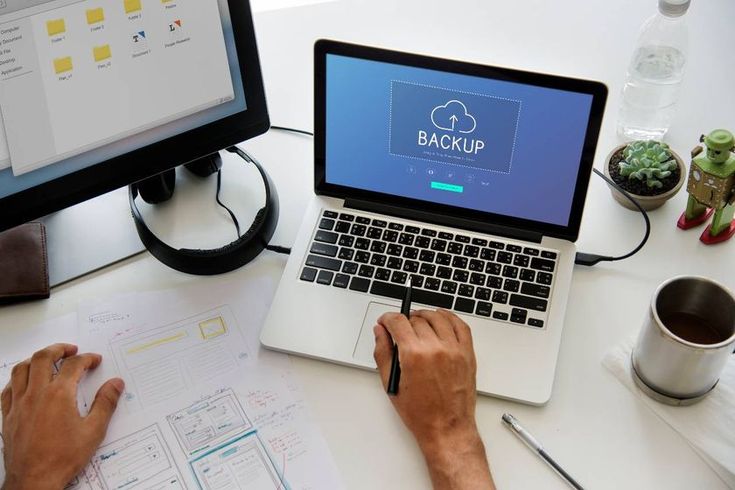
Losing work once felt permanent. Documents lived on single devices, papers sat in folders, and one mistake could erase hours or years of effort. A spilled drink, a faulty hard drive, or a misplaced folder could wipe out photos, writing, or records with no recovery. People worked carefully because loss carried weight. Saving files required discipline and memory, and even then, safety was never guaranteed. The fear of losing something important quietly followed many creative and professional efforts, shaping how people worked and stored their most valuable information.
Automatic backups changed that anxiety over time. Files now save themselves quietly in the background, often without being noticed. The convenience lies in reassurance. People create, edit, and experiment knowing recovery exists. Mistakes feel less final. While no system is perfect, the presence of backups reduces fear and hesitation. Work feels safer, creativity feels freer, and memories feel protected. That quiet safety net allows people to focus on what they are doing instead of worrying about what might disappear.
22. Shopping With Reviews
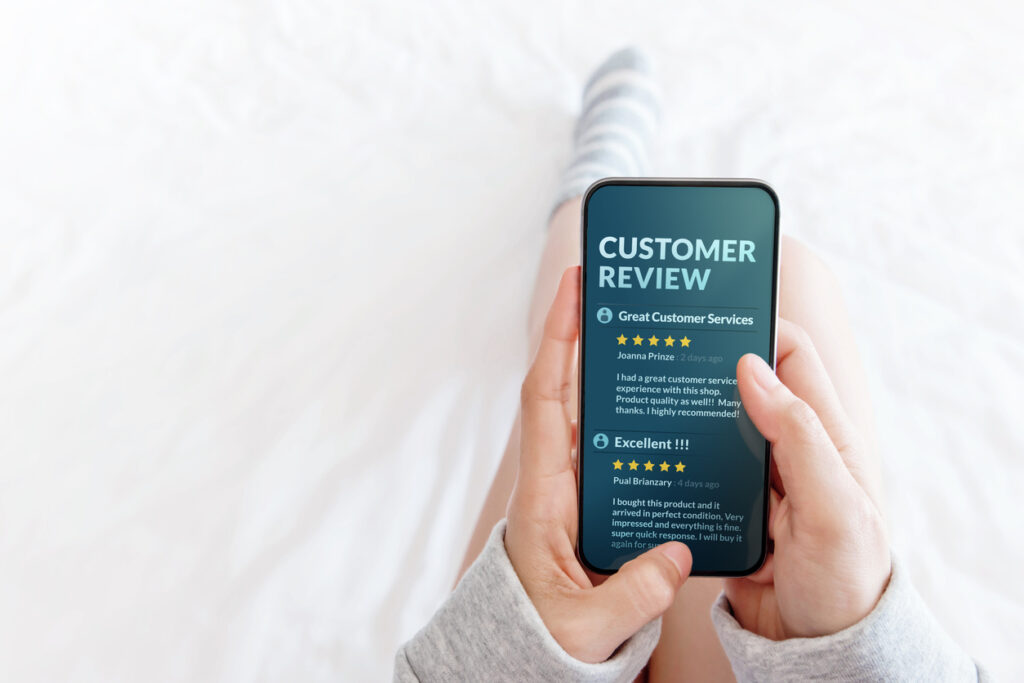
Shopping once relied heavily on instinct and limited information. People chose products based on packaging, advertisements, or advice from a small circle of friends and family. If something failed, the lesson came after money was spent and time was lost. Returns were often inconvenient, and disappointment felt personal. Buying unfamiliar brands required trust, and many people stuck to what they already knew to avoid regret. Decisions felt isolated, and mistakes were part of the learning process whether you wanted them or not. Shopping demanded confidence even when information was thin and outcomes were uncertain.
Reviews changed that experience by adding shared perspective. The convenience lies in collective insight. Shoppers now read about real experiences before committing. Patterns appear, warnings surface, and strengths become clear. Decisions feel supported rather than lonely. While opinions differ, they provide context that once did not exist. Buying becomes less about guessing and more about understanding. This shift reduces regret and builds confidence, allowing people to explore new options with less fear and more clarity in everyday choices.
23. Scheduling Without Phone Calls

Making plans once required patience and persistence. Phone calls went unanswered, messages were missed, and schedules clashed repeatedly. Coordinating a simple meeting could take days of back and forth. Interruptions were common, and planning often felt heavier than the event itself. Time was lost not in the activity, but in arranging it. For many people, scheduling became a quiet source of frustration woven into daily routines.
Digital scheduling eased that strain over time. Calendars sync automatically, availability shows clearly, and confirmations happen quietly. The convenience lies in respect for time and attention. People coordinate without interrupting each other’s day. Plans settle efficiently, and misunderstandings decrease. Scheduling becomes a background task rather than a hurdle. Time feels calmer when organization no longer demands constant communication and effort.
24. Banking Without Visiting A Branch

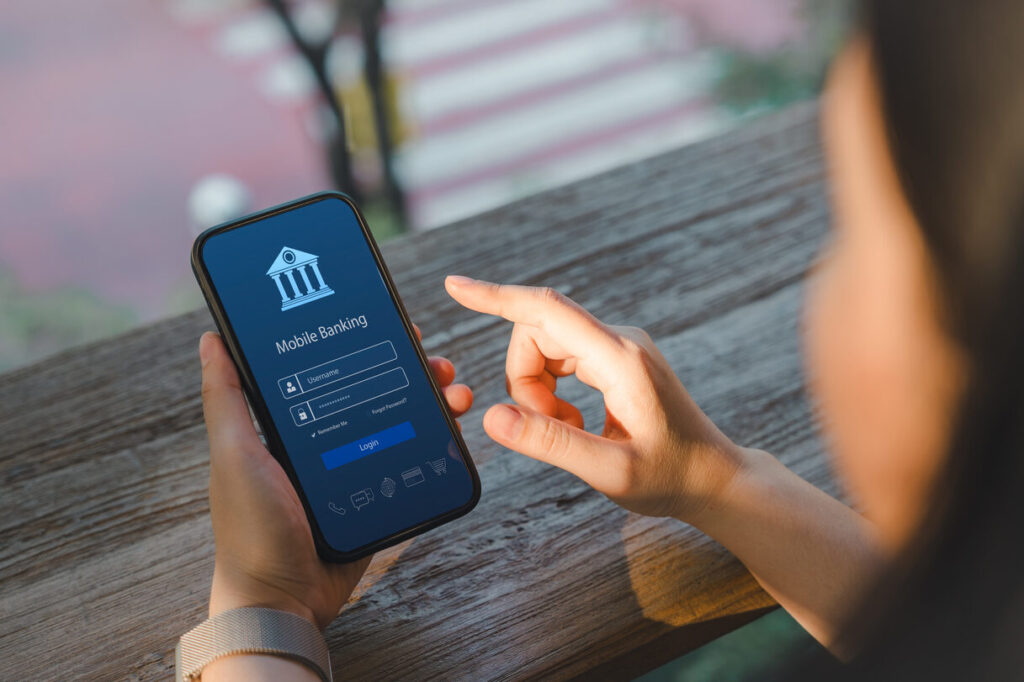
Banking once required physical presence and patience. Simple tasks like depositing money, transferring funds, or asking questions meant traveling to a branch during limited hours. Long lines were common, paperwork took time, and missing the closing hour meant returning another day. Managing money felt formal and distant, shaped by rigid systems that did not adapt easily to everyday life. For many people, banking became an errand that competed with work, family, and rest. Access existed, but it came with effort, scheduling, and quiet frustration that made even small financial tasks feel heavier than they needed to be.
Online banking changed that relationship gradually. Accounts are now accessible anytime, from almost anywhere, without waiting or travel. The convenience lies in autonomy and control. People check balances, pay bills, and move money on their own terms. Financial tasks slip into daily routines instead of interrupting them. While responsibility remains, the process feels lighter and more personal. Banking fits into life rather than forcing life to pause. That accessibility reshaped confidence around money and allowed people to manage finances with less stress and more ease.
25. Living With Quiet Comfort

None of these conveniences arrived loudly or all at once. They settled into daily life gradually, easing effort without demanding attention. Fifty years ago, ordinary tasks required planning, patience, and follow through. Today, many of those tasks happen quietly in the background. Life still carries responsibility, but the edges feel softer. Comfort became normal without us noticing when it happened.
That quiet ease shapes how we live now. We recover faster from mistakes, adapt more easily, and spend less energy on small logistics. These changes did not remove struggle, but they made everyday living gentler. Noticing that softness reminds us how far ordinary life has shifted. If this list stirred recognition, share it with someone who remembers when things took longer. Sometimes progress is best seen in the comforts we barely notice anymore.
26. Remembering Passwords For Everything
Managing accounts once required strong memory and careful notes. Passwords were few, often simple, and tied to limited services. Forgetting one meant calling support, waiting, or losing access entirely. As services grew, so did the mental load of remembering credentials. Security competed with convenience, and people reused passwords out of necessity. Accessing everyday tools quietly depended on recall rather than systems designed to help.
Password managers and autofill changed that balance. The convenience lies in relief and safety. People create stronger passwords without memorizing them. Access becomes smoother and more secure at the same time. Logging in no longer interrupts momentum. Security feels supportive instead of stressful. That quiet assistance protects digital life without demanding constant attention.
27. Sharing Files Instantly

Sharing files once required physical effort and patience. Documents were mailed, faxed, or handed over on disks that could be lost or damaged. Collaboration moved slowly because updates meant repeating the process again and again. Waiting was built into work, shaping deadlines and limiting how quickly ideas could move forward. Teams planned around delays, and distance made cooperation harder than it needed to be. Even simple changes took time to circulate, making progress feel heavier and more fragmented than it does today.
Instant file sharing changed that pace completely. Documents now move in seconds, arriving exactly where they are needed. The convenience lies in continuity and flow. People work together in real time, regardless of location. Feedback happens quickly, adjustments follow easily, and momentum stays intact. Sharing becomes effortless instead of procedural. That ease supports creativity, productivity, and connection, allowing work to feel smoother and more responsive than before.
28. Watching Security From Anywhere

Home security once depended on physical presence and routine. Checking on a house meant being there, asking neighbors, or hoping nothing went wrong while you were away. Cameras were rare, expensive, and limited in what they could show. Peace of mind relied heavily on trust and distance. When people traveled or worked late, worry lingered quietly because there was no simple way to look in and feel reassured. Safety felt abstract once you stepped outside your door.
Remote monitoring changed that feeling in a practical way. Cameras and alerts now stream directly to phones, offering real time awareness without effort. The convenience lies in reassurance rather than control. People check in briefly, confirm everything is fine, and move on with their day. Visibility replaces uncertainty. While systems still require care, knowing you can see your space anytime brings calm. Home feels closer even when you are far away.
29. Getting Help Without Visiting A Store
Solving problems once demanded physical effort and patience. Customer support meant traveling to a store, waiting in lines, or spending long periods on hold. Small issues often went unresolved because the process felt exhausting. Help existed, but accessing it required time many people did not have. Frustration built quietly as simple problems became lingering ones.
Online support softened that experience over time. Chat tools, email, and self help guides provide answers without travel or waiting rooms. The convenience lies in accessibility. Help fits into daily life instead of interrupting it. Problems feel manageable rather than overwhelming. Support becomes something you reach easily when needed, not something you prepare for. That shift reduced frustration and made solving issues feel lighter and more approachable.
30. Living With Everyday Ease

These conveniences did not arrive as loud changes. They settled into daily life gradually, easing effort without demanding attention. Fifty years ago, ordinary tasks required patience, memory, and planning. Today, many of those tasks resolve themselves quietly in the background. Life still brings responsibilities and challenges, but fewer small obstacles slow things down. Comfort became normal without announcing itself.
That quiet ease shapes how people live now. We recover faster from mistakes, adapt more easily, and spend less energy on logistics. Progress is not always dramatic or obvious. Sometimes it shows up as simplicity we barely notice. If this list felt familiar, share it with someone who remembers when life took more effort. Quiet improvements often tell the clearest story and invite reflection on how far everyday living has come.


