
The Everyday Products America Decided Were Too Dangerous
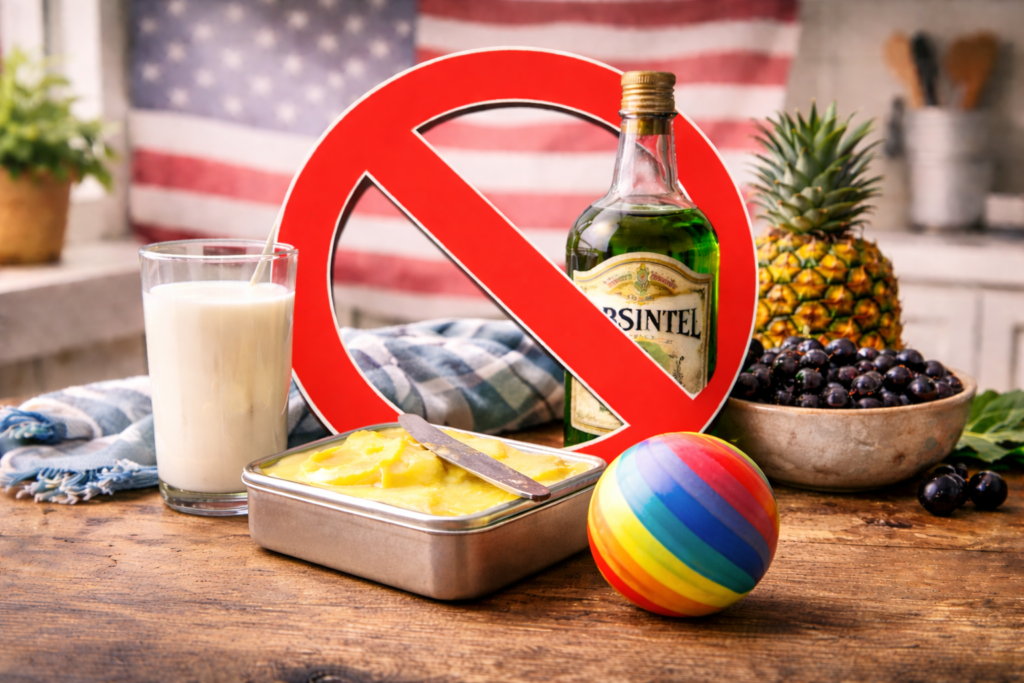
It is quite fascinating to look around our modern homes and realise that many of the comforts we take for granted were once viewed with extreme suspicion by the authorities. History shows us that legislation is often a reflection of the fears and social pressures of the era, which means that perfectly innocent items frequently found themselves on the wrong side of the law. Whether it was due to moral panics, economic protectionism, or genuine but perhaps misguided safety concerns, the journey of these everyday goods from contraband to kitchen staples tells a compelling story about the evolution of American society and its shifting values over the decades.
Understanding these historical prohibitions helps us appreciate the freedoms we enjoy today while also highlighting how quickly public perception can change. When we examine why a simple piece of fruit or a specific type of laundry detergent was once a criminalised commodity, we gain a deeper insight into the complex relationship between the government and the governed. This exploration is not just a quirky trip down memory lane because it serves as a reminder that the laws of today are often just as fluid as those of the past. It invites us to reflect on how our ancestors navigated a world where the most mundane choices could lead to a brush with the law.
Bold Hues Of Margarine

For many years during the late nineteenth and early twentieth centuries, the simple act of spreading yellow margarine on a piece of toast was actually against the law in several American states. This strange prohibition was primarily driven by the powerful dairy lobby which feared that the cheaper vegetable oil alternative would decimate their butter profits. To protect the farmers, legislators passed the Margarine Act of 1886 which imposed heavy taxes and required expensive licences for anyone wanting to sell the product. In places like New Hampshire and Vermont, the law went even further by requiring that margarine be dyed a vivid pink colour to ensure that consumers would never mistake it for the natural yellow of traditional cow butter.
The legal battle over the colour of margarine continued well into the middle of the twentieth century as households looked for more affordable ways to feed their families during times of economic hardship. Families often had to buy white margarine and manually knead in a capsule of yellow dye to make it look more appetising at the dinner table. It was not until 1967 that Wisconsin became the very last state to finally repeal its ban on pre-coloured yellow margarine which marked the end of an era of strange food censorship. This long struggle illustrates how economic interests can dictate the very appearance of the food we eat and how long it takes for common sense to prevail over protectionist policies.
Fragrant Slices Of Pineapple

While it seems impossible to imagine today, there was a time when the exotic pineapple was effectively restricted because of its association with wealth and status. During the colonial era and into the early days of the republic, the fruit was so incredibly rare and expensive that it became a symbol of the elite rather than a snack for the masses. Although there was never a formal federal ban on the fruit itself, the strict trade regulations and incredibly high tariffs meant that owning a pineapple was a luxury that few could afford legally without jumping through significant bureaucratic hoops. This created a secondary market where the fruit was often treated more like a piece of high-end art than a perishable food item.
As shipping technology improved and trade routes expanded, the legal barriers surrounding the importation of pineapples began to crumble but the cultural impact remained for decades. For a long time, the fruit was used as a centrepiece at lavish parties where it would be displayed but never actually eaten because of its immense value. Eventually, as cultivation increased in places like Hawaii and the Caribbean, the laws were relaxed to allow for the mass importation that we see today. This transition from a strictly regulated luxury to a common supermarket staple shows how global trade and changing legislation can democratise luxury items and make them accessible to every household across the nation regardless of their social standing.
Classic Wooden Pencils

The humble wooden pencil faced a surprising legal challenge during the early twentieth century because of concerns regarding the materials used in its production. Before the advent of modern safety standards, the paint used on many pencils contained high levels of lead which posed a significant health risk to school children who frequently chewed on them. This led to various local and state-level bans on certain types of painted writing implements as health officials scrambled to address the rising cases of heavy metal poisoning. The restrictions were not just about the lead core but specifically targeted the exterior coatings that gave pencils their iconic yellow look while hiding potentially dangerous chemicals underneath the surface.
Manufacturers eventually had to adapt to these strict new regulations by developing non-toxic alternatives and proving their safety to various government boards before they could be sold in bulk to schools. These early consumer protection laws paved the way for the rigorous safety standards we see in the stationery industry today and ensured that a basic tool for education would no longer be a hidden hazard. It is a striking example of how a very common object had to undergo a complete legal and chemical transformation to remain a part of everyday life. Today we use pencils without a second thought but their presence in our desks is the result of a hard-fought battle for better manufacturing transparency and public health safety.
Scented Laundry Detergents
In the early 1970s, the chemical makeup of many popular laundry detergents became a major legal battlefield across the United States due to environmental concerns. Many of the soaps that people used every day contained high levels of phosphates which were excellent for cleaning clothes but devastating for the nation’s waterways. These chemicals caused massive algae blooms that choked the life out of lakes and rivers which prompted several states and municipalities to pass strict bans on the sale of phosphate-heavy detergents. Families often found themselves crossing state lines just to buy their favourite brands because the legal versions available locally simply did not clean their whites as effectively as the old formulas.
The legal pressure from these environmental bans forced the soap industry to completely reinvent their products through massive research and development efforts. It took years of litigation and scientific advancement before the industry could produce phosphate-free alternatives that met both the legal requirements and the high expectations of consumers. This shift was a landmark moment in environmental law because it proved that the government could successfully intervene in the manufacturing of household goods to protect the natural ecosystem. Now we take biodegradable and eco-friendly soaps for granted but there was a time when your choice of laundry detergent could have been a violation of local environmental statutes and subject to significant fines.
Bouncing Rubber Balls

The history of children’s toys in America is filled with items that were eventually banned for safety reasons but the case of certain high-bounce rubber balls is particularly interesting. During the mid-twentieth century, some varieties of these balls were made with materials that were deemed highly flammable or contained small parts that posed a significant choking hazard. Local ordinances in several major cities actually prohibited the sale of these toys in corner shops and pharmacies because of the high number of emergency room visits they caused. It was a time when the novelty of new synthetic materials often outpaced the understanding of their long-term safety and the law had to move quickly to catch up.
Regulatory bodies eventually stepped in to create the Consumer Product Safety Commission in 1972 which brought a more uniform approach to banning dangerous toys across the entire country. This meant that the wild west of unregulated playthings was finally brought under control and many of the more dangerous iterations of the rubber ball were permanently removed from the shelves. While it may seem like overreach to some, these laws were essential in reducing childhood injuries and ensuring that toys were tested before they reached the hands of toddlers. The bouncing balls we see today are the result of decades of legal refinement and safety testing which reflects a broader societal commitment to protecting the most vulnerable members of our communities.
Authentic Absinthe Bottles
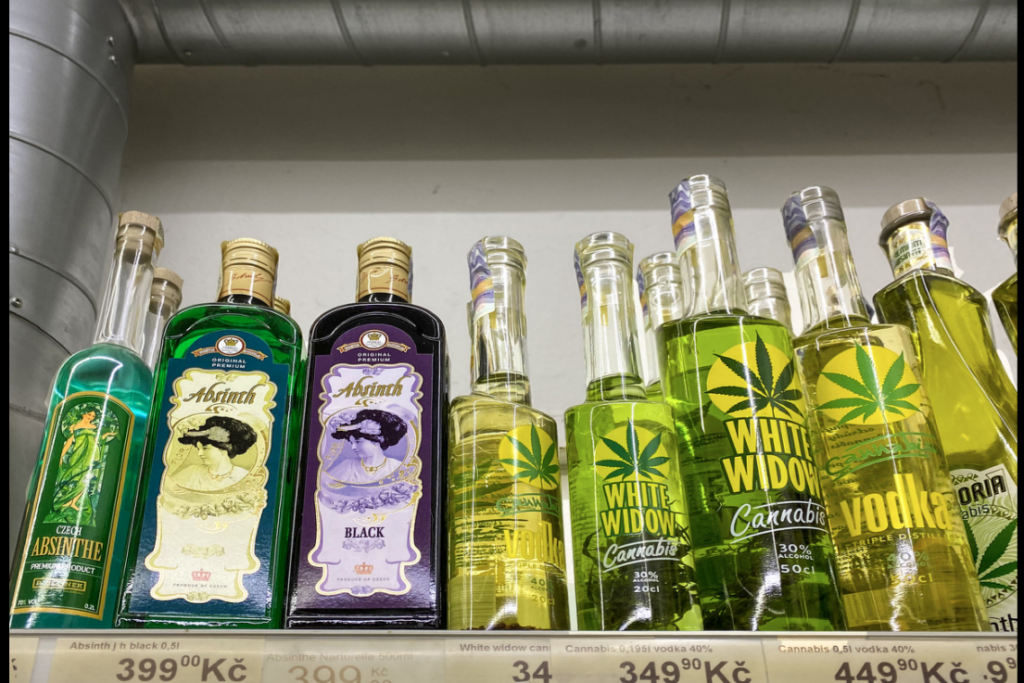
For nearly a century, the emerald-green spirit known as absinthe was completely illegal in the United States due to a series of misunderstandings about its chemical properties. In 1912, the government banned the beverage because it was believed to contain thujone which was thought to be a powerful hallucinogen that caused madness and violent behaviour. This ban was part of a larger global movement to prohibit the drink which was often blamed for various social ills and moral decay in urban centres. For decades, the only way for Americans to experience absinthe was to travel abroad or risk smuggling bottles back into the country which made it a legendary and mysterious prohibited item.
The ban remained in place until 2007 when modern scientific analysis finally proved that the levels of thujone in traditionally distilled absinthe were far too low to cause any psychoactive effects beyond those of standard alcohol. This revelation led the Alcohol and Tobacco Tax and Trade Bureau to clarify their regulations and allow the legal sale of absinthe as long as it met specific safety criteria. The return of absinthe to American bars and liquor stores marked the end of a long-standing legal myth and showed how modern science can eventually overturn outdated laws. It serves as a reminder that some prohibitions are based more on fear and hearsay than on actual physical danger or documented evidence of harm.
Fresh Blackcurrant Berries

Many Americans might be surprised to learn that for most of the twentieth century, it was a federal crime to grow blackcurrants in the United States. In 1911, the government passed a ban on the fruit because it was discovered to be a host for white pine blister rust which was a fungal disease that threatened the nation’s valuable timber industry. Because the timber lobby was so influential, the humble berry was sacrificed to protect the forests and the ban was strictly enforced for decades. This meant that an entire generation of Americans grew up without ever tasting a fresh blackcurrant or seeing them in their local grocery stores while they remained popular in Europe.
The federal ban was finally lifted in 1966 when the responsibility was handed over to individual states to decide whether they wanted to allow the cultivation of the berries or keep the restrictions. While many states have since legalised the fruit thanks to the development of disease-resistant varieties, some areas still maintain strict regulations to this day to protect their local pine populations. This peculiar legal history explains why blackcurrant remains a relatively obscure flavour in the United States compared to its massive popularity in the United Kingdom and other parts of the world. It is a classic example of how agricultural concerns can lead to the total erasure of a food item from the national palate for over half a century.
Traditional Light Bulbs
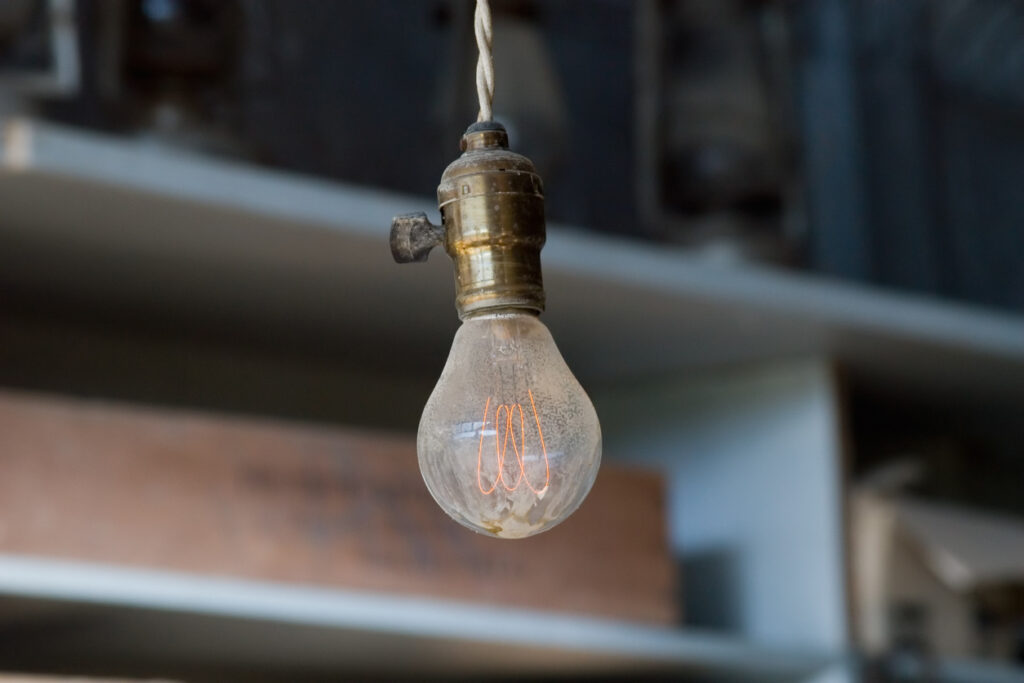
The transition away from traditional incandescent light bulbs is a more recent example of how an everyday item can become illegal due to changing energy policies. In 2007, the Energy Independence and Security Act was signed into law which set strict efficiency standards that most classic bulbs simply could not meet. While it was not an overnight ban, the law phased out the manufacture and importation of common 40 to 100-watt incandescent bulbs over several years. This forced consumers to switch to more efficient options like LEDs and CFLs which caused a fair amount of controversy and even led to people stockpiling the old-fashioned bulbs before they disappeared from the shops.
By 2023, the Department of Energy implemented even stricter rules that effectively ended the sale of nearly all traditional incandescent bulbs in the United States to reduce carbon emissions and lower energy costs. While the move was praised by environmentalists, it represented a significant shift in the legal landscape for a technology that had been a staple of American life since the time of Thomas Edison. This modern prohibition shows how the law is increasingly being used to drive technological innovation and encourage sustainable habits within the general population. It is a clear indication that even the most fundamental tools of our daily lives are subject to the evolving needs of the planet and the shifting priorities of the government.
Handcrafted Raw Milk

The sale of raw milk has been a contentious legal issue in the United States for over a century with many states maintaining strict bans on its distribution for human consumption. In 1987, the Food and Drug Administration issued a federal mandate requiring that all milk sold for human consumption across state lines must be pasteurised to prevent the spread of diseases like salmonella and E. coli. This was a response to numerous outbreaks of foodborne illnesses that were traced back to unpasteurised dairy products which prompted the government to step in and regulate the industry more heavily. For many small-scale farmers and enthusiasts of traditional foods, this ban felt like an unnecessary intrusion into their personal choices and agricultural practices.
Despite the federal restrictions, the legal status of raw milk remains a complex patchwork of state laws where some allow it to be sold in retail stores while others only allow it through farm-share programmes. The ongoing debate between advocates for food freedom and public health officials has led to various legal battles and even undercover stings to catch those selling the prohibited milk. This situation highlights the tension between the desire for natural products and the government’s responsibility to ensure the safety of the national food supply through scientific intervention. It remains one of the few items on this list where the legal status is still actively being fought over in courtrooms and state houses across the country today.
Imported Haggis Pudding
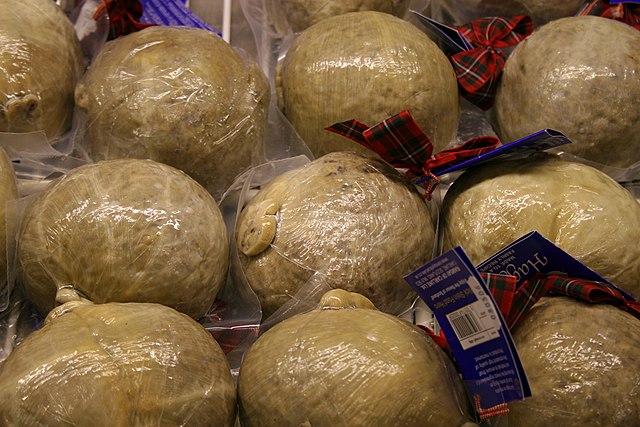
For fans of traditional Scottish cuisine, the United States has been a difficult place to live because of a long-standing ban on authentic haggis. Since 1971, the Department of Agriculture has prohibited the importation of any food product containing sheep lung which is a primary and essential ingredient in the traditional haggis recipe. This regulation was put in place due to concerns about the potential for respiratory diseases to be transmitted through the consumption of lung tissue and it has remained a point of contention between the US and the UK for decades. Because of this law, any haggis sold in America must be a modified version that lacks the traditional texture and flavour of the original dish.
The ban on sheep lung has become a symbol of the strict and often idiosyncratic nature of American food safety laws which can sometimes feel like a barrier to cultural exchange. While there have been numerous diplomatic efforts to have the ban lifted or modified, the government has remained firm in its stance to protect the public from perceived health risks. This means that a staple of Scottish heritage remains technically illegal in its purest form within American borders which forces chefs to get creative with their ingredients. It is a fascinating example of how a single organ can become the focus of international trade disputes and stay on the prohibited list for over fifty years despite the changing global food landscape.
Antique Glass Baby Bottles
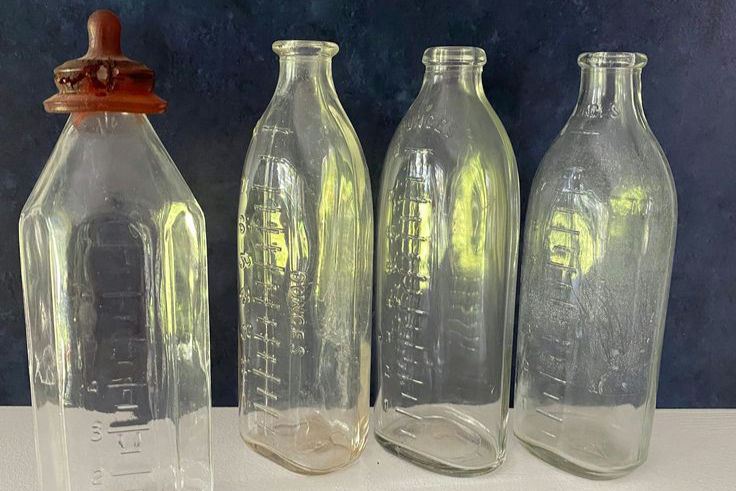
It is hard to believe that the very tools used to nourish the next generation were once at the centre of a massive public health outcry and subsequent legal crackdown. In the late Victorian era and into the early twentieth century, a popular style of baby bottle known as the “banjo” or “long-tube” bottle became a common sight in American nurseries. These bottles featured a long, flexible rubber tube that allowed babies to feed themselves without adult assistance, which made them a favourite for busy parents who needed a bit of extra help. However, the design was fundamentally flawed because the tubes were virtually impossible to clean properly, which allowed deadly bacteria to flourish in the dark and damp recesses of the rubber.
The devastating result was a surge in infant mortality rates as children succumbed to what was then known as “summer complaint” or chronic diarrhoea caused by these contaminated feeding systems. Because of the high death toll associated with these devices, they eventually earned the chilling nickname of “murder bottles” among the medical community. This prompted several states and cities to pass legislation that strictly banned the sale and use of long-tube bottles in a desperate bid to save lives. It was one of the earliest examples of the government stepping in to regulate the safety of childcare products and it fundamentally changed the way we think about hygiene and the vulnerability of infants to poorly designed household goods.
Scented Lavender Sprays
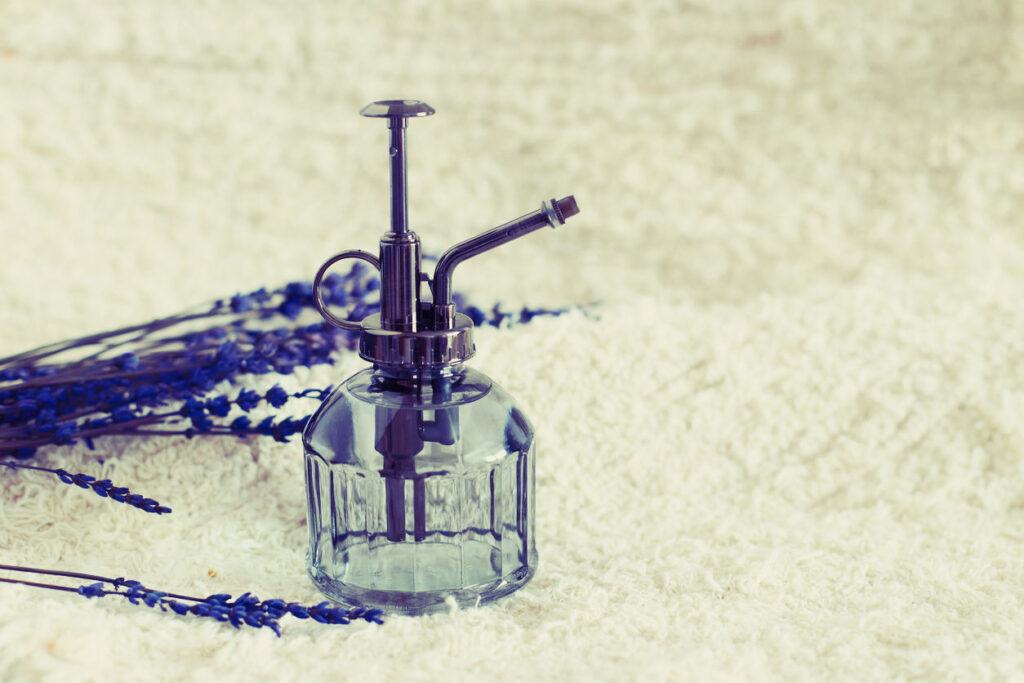
The history of fragrant oils and lavender sprays is surprisingly intertwined with early American medical regulations and the prevention of fraudulent health claims. During the late nineteenth century, there was a significant crackdown on “patent medicines” and aromatic preparations that claimed to have miraculous healing powers or the ability to ward off infectious diseases like cholera and yellow fever. Because many lavender-scented products were marketed as medicinal cures rather than simple home fragrances, they fell under the scrutiny of the newly forming food and drug laws. These regulations were designed to stop unscrupulous sellers from profiting off of public fear by selling scented water as a legitimate medical treatment during times of national crisis.
As the legal landscape became more formalised with the passage of the Pure Food and Drug Act in 1906, many of these aromatic sprays were effectively banned from the market until their manufacturers could prove their safety and remove any misleading health labels. This meant that the simple lavender spray we use today to freshen up a bedroom was once a highly regulated item that required specific government approval to be sold legally. It highlights a period in American history where the line between a cosmetic product and a pharmaceutical drug was very blurry and the law had to intervene to protect consumers from being misled by pleasant scents. Today we enjoy these fragrances freely but their ancestors were once the subject of intense legal debate over what constitutes a genuine medicine versus a simple household luxury.
High-Power Water Pistols

In the late 1980s and early 1990s, the toy industry saw a dramatic shift in the design of water pistols with the introduction of high-power pressurised blasters that could soak a target from a significant distance. While these toys were an instant hit with children across the country, they quickly ran into legal trouble in various municipalities because of their increasingly realistic appearance and the sheer force of the water they emitted. Some cities actually moved to ban certain models of these high-powered water guns because they were being used in ways that led to physical injuries or were mistaken for real firearms by law enforcement officers during tense situations. The legal debate was not just about the safety of the toy itself but also about the potential for social disruption and the blurring of lines between play and genuine aggression.
This period of legal scrutiny led to a major overhaul in how toy weapons were manufactured and marketed in the United States, which included the requirement for bright orange tips to distinguish them from actual weapons. Legislators worked closely with toy companies to ensure that the water pressure was regulated to prevent eye injuries while still allowing for a fun outdoor experience for kids. These laws were a direct response to a changing urban environment where the impact of a simple toy could have far-reaching consequences for public safety and police relations. It serves as a modern reminder that even the most innocent-seeming playthings can become the subject of intense legal regulation when they pose a risk to the well-being of the community or the order of the streets.
Simple Handheld Lasers

When handheld laser pointers first hit the consumer market in the late 1990s, they were seen as a sophisticated tool for lecturers and office workers, but they soon faced a wave of bans across several states. The problem arose when high-powered versions of these devices became easily accessible to the general public and were used to interfere with aircraft or temporarily blind drivers on the road. Because of the significant risk to public transport and safety, several local governments passed emergency ordinances to ban the sale and possession of certain classes of lasers to minors. The legal system had to react incredibly quickly to a technology that had evolved from a scientific curiosity into a potential weapon for mischief and genuine harm in the hands of the irresponsible.
The federal government eventually stepped in to regulate the power output of these devices through the Food and Drug Administration which effectively banned the sale of lasers above a certain wattage for general use. These regulations were essential in protecting pilots and motorists from dangerous glare while still allowing for the legitimate use of low-power lasers in classrooms and boardrooms. It is a fascinating case of how a high-tech tool can go from being a sought-after gadget to a restricted item almost overnight as the law catches up with the unintended consequences of innovation. We still see the effects of these laws today every time we buy a laser pointer and notice the strict safety warnings and power ratings printed on the side which ensure that a useful tool does not become a public hazard.
Traditional Hemp Fibres
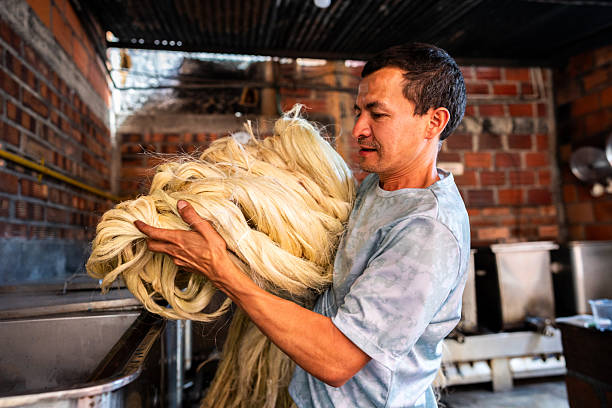
The legal history of hemp in the United States is perhaps one of the most famous examples of an everyday material being caught up in a broader cultural and legal storm. For centuries, hemp was an essential crop used for everything from rope and sails to paper and clothing, and it was even legally required to be grown by many colonial farmers to support the maritime industry. However, the Marihuana Tax Act of 1937 effectively made the cultivation of hemp illegal by imposing impossible tax burdens and bureaucratic hurdles on farmers across the country. This ban was driven by a mixture of concerns over the plant’s relation to marijuana and the lobbying efforts of industries that viewed hemp as a threat to their dominance in synthetic fibres and paper production.
For over eighty years, an incredibly versatile and sustainable material was essentially erased from the American landscape as the legal system failed to distinguish between industrial hemp and its psychoactive cousin. It was not until the 2018 Farm Bill that industrial hemp was finally removed from the list of controlled substances which allowed for its legal cultivation once again on a national scale. This reversal marked the end of a long and confusing legal era where a common plant was treated as a dangerous narcotic despite its hundreds of practical and non-intoxicating uses in everyday life. The return of hemp to American fields and products is a testament to the power of legislative reform and the growing recognition of the economic and environmental benefits of traditional materials that were once discarded by the law.
Imported French Cheeses
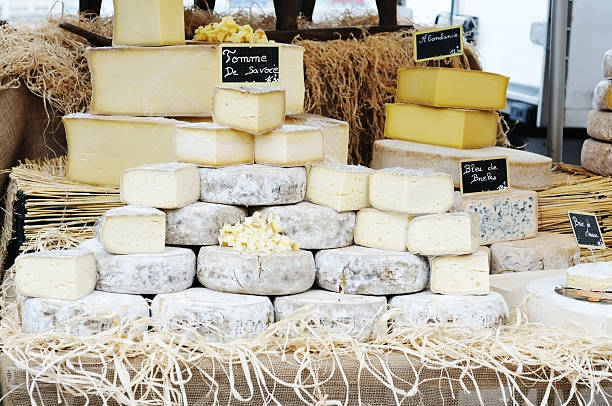
If you are a fan of traditional French brie or camembert, you might have noticed that the versions sold in the United States often taste slightly different from those found in Europe. This is because since the 1940s, the Food and Drug Administration has enforced a strict ban on the importation of young, raw-milk cheeses that have been aged for less than sixty days. The regulation was put in place to protect the public from potential pathogens like listeria and salmonella which can occasionally be found in unpasteurised dairy products that have not had enough time to cure. For many cheese connoisseurs, this law is seen as a barrier to experiencing the true depth and complexity of traditional European cheesemaking which has relied on raw milk for centuries without widespread health issues.
Because of this specific legal requirement, many of the world’s most famous cheeses are technically illegal to import in their authentic form, which forces French producers to create special pasteurised versions just for the American market. This creates a strange situation where a food item can be a celebrated part of a nation’s culinary heritage in one country while being treated as a biological hazard in another. The law remains a point of contention in international trade discussions as advocates for traditional foods argue that modern hygiene standards in dairies should allow for a more flexible approach to these regulations. It is a clear example of how national safety standards can create a unique culinary landscape that is isolated from global traditions and limits the choices available to consumers on the grocery shelf.
Classic Lead Paint
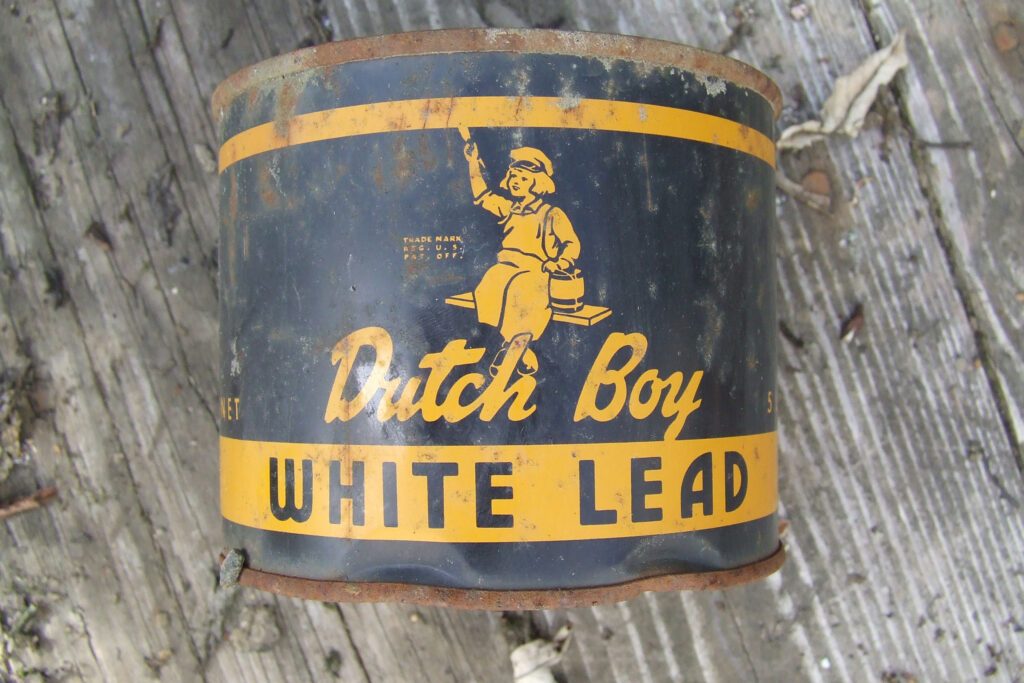
For much of the twentieth century, lead-based paint was the gold standard for American homes because of its incredible durability and its ability to resist moisture and wear. However, as the scientific community became more aware of the devastating neurological effects of lead poisoning, particularly in young children, the legal status of this everyday household item began to shift dramatically. In 1978, the federal government finally passed a nationwide ban on the sale of lead-based paint for residential use after years of mounting evidence showed that it was a major cause of developmental delays and health problems. This was a monumental legal move that required millions of homeowners and landlords to change the way they maintained their properties and managed the risks of existing paint layers.
The ban on lead paint represented a significant turning point in environmental and consumer safety law because it acknowledged that a product could be fundamentally dangerous even if it had been used safely by millions for decades. The transition to lead-free alternatives was not without its challenges as the industry had to develop new formulas that provided the same level of protection without the toxic side effects. Today, the legacy of this ban is seen in the strict disclosure requirements whenever a house is sold or rented which ensures that new residents are aware of any potential lead hazards. It is a powerful example of how the law can be used to permanently remove a hazardous material from our living spaces and create a healthier environment for future generations despite the initial economic costs to the manufacturing industry.
Traditional Saffron Spices
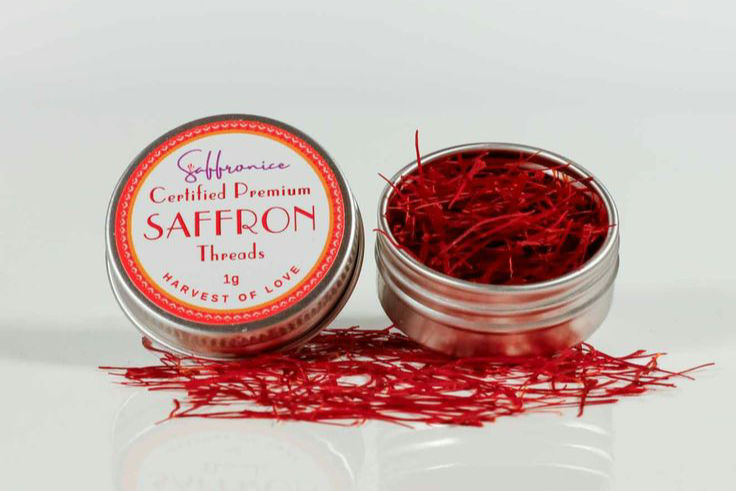
Saffron is well-known as the most expensive spice in the world, but for many years, certain types of saffron were actually illegal to import into the United States due to strict trade embargos. Because a significant portion of the world’s saffron is grown in Iran, the spice became a casualty of the complex geopolitical relationship between the two nations and was subject to various bans and restrictions over the decades. This meant that for long periods, the only way to get high-quality Iranian saffron was through clandestine channels or by paying exorbitant prices for smaller quantities smuggled in from third-party countries. For chefs and home cooks, the legal status of a simple flower stigma became a matter of international diplomacy and economic sanctions.
While some of these trade restrictions have been eased or modified in recent years, the legal history of saffron illustrates how even the most mundane kitchen ingredients can become pawns in larger political struggles. The fluctuating legality of the spice has led to a market filled with counterfeit products and lower-quality substitutes which has made it difficult for consumers to know if they are getting the genuine article. This highlights the vulnerability of our food supply to the whims of international law and shows how a single policy shift can make a common ingredient a prohibited luxury overnight. It is a reminder that the flavours we enjoy in our cooking are often determined by the shifting tides of global politics and the legal frameworks that govern international trade between nations.
Decorative Bird Feathers

The use of certain bird feathers in fashion and home decor was a major legal issue in the early twentieth century due to the devastating impact of the plumage trade on wild bird populations. During the “feather fever” of the late 1800s, millions of birds were killed every year to provide plumes for the millinery industry which led many species to the brink of extinction. In response to this ecological crisis, the federal government passed the Migratory Bird Treaty Act of 1918 which made it illegal to possess, sell, or transport the feathers of protected migratory birds without a specific permit. This law effectively banned a massive industry almost overnight and changed the way Americans thought about the ethics of fashion and the protection of the natural world.
Even today, it is technically illegal for a private citizen to pick up a feather from a protected bird like a hawk or an eagle while walking in the woods and keep it as a souvenir. These strict regulations are still in place to prevent the creation of a commercial market that could lead to the renewed poaching of rare species for their decorative value. This legal framework has been incredibly successful in allowing many bird populations to recover and thrive after being nearly wiped out by the demands of the fashion world. It is a striking example of how a very common natural item can be placed under permanent legal protection to ensure the survival of biodiversity and to prevent the commercial exploitation of the environment for the sake of human vanity.
Vintage Pinball Machines

For several decades in the middle of the twentieth century, pinball machines were actually illegal in many major American cities, including New York and Chicago. The ban was championed by politicians who viewed pinball as a form of gambling that corrupted the youth and was often linked to organised crime activities. In New York City, Mayor Fiorello La Guardia famously led a crusade against the machines which resulted in thousands of them being smashed with sledgehammers and dumped into the East River. For many years, playing a simple game of pinball was a subversive act that could only be done in secret backrooms or in jurisdictions where the law was less strictly enforced.
The legal status of pinball began to change in the 1970s when the industry introduced the “flipper” which transformed the game from one of pure luck into a game of skill. This technological shift allowed lawyers to argue in court that pinball was a legitimate form of entertainment rather than a gambling device, leading to the repeal of bans in major cities across the nation. New York City finally lifted its ban in 1976 after a legendary demonstration by a skilled player who proved he could control the ball with precision. This strange chapter in legal history shows how a common arcade game had to fight for its right to exist and how the definition of “skill” versus “chance” can determine whether a hobby is a fun pastime or a criminal offence.
The history of these everyday items reminds us that our daily lives are shaped by a complex web of laws that can change at any moment. It is quite striking to think about how much we depend on the consistency of modern manufacturing and the stability of trade routes to keep our cupboards full. Relying on a single factory or a narrow set of regulations can leave us vulnerable to sudden changes in availability or legal status.
Like this story? Add your thoughts in the comments, thank you.


