
1. The Godfather Made Moviegoing Feel Like A Ceremony
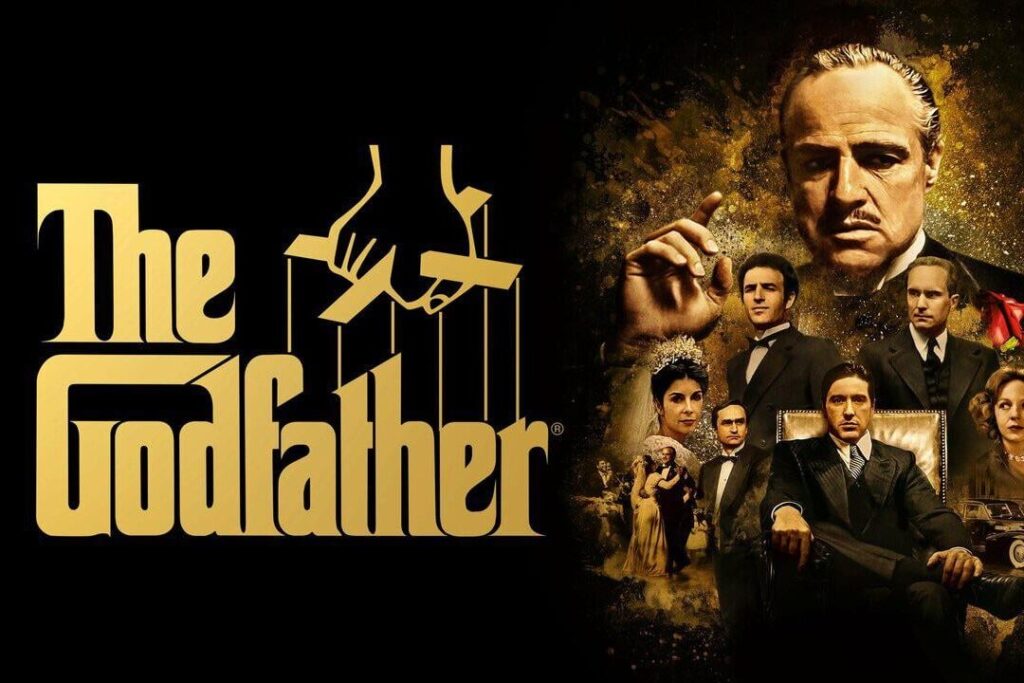
When The Godfather premiered in 1972, going to the movies felt closer to attending an important occasion than casual entertainment. People planned their evenings around it, dressed with intention, and arrived early knowing they were committing real time and attention. The packed theaters carried a low, respectful hum before the lights dimmed, and once the film began, the room settled into focused silence. Watching it among strangers heightened everything, from the quiet tension of family meetings to the weight of each decision unfolding on screen.
The film rewarded patience. It moved deliberately, trusting viewers to follow moral shifts and emotional undercurrents without rushing them along. After the credits rolled, people stayed seated, talking softly as if they had just witnessed something personal. Many returned for repeat viewings, noticing new details each time and bringing others along. Seeing The Godfather in a theater was not about quick thrills. It was about giving a story space to breathe while sharing that experience with a room full of people willing to do the same.
2. Jaws Turned Fear Into A Group Experience
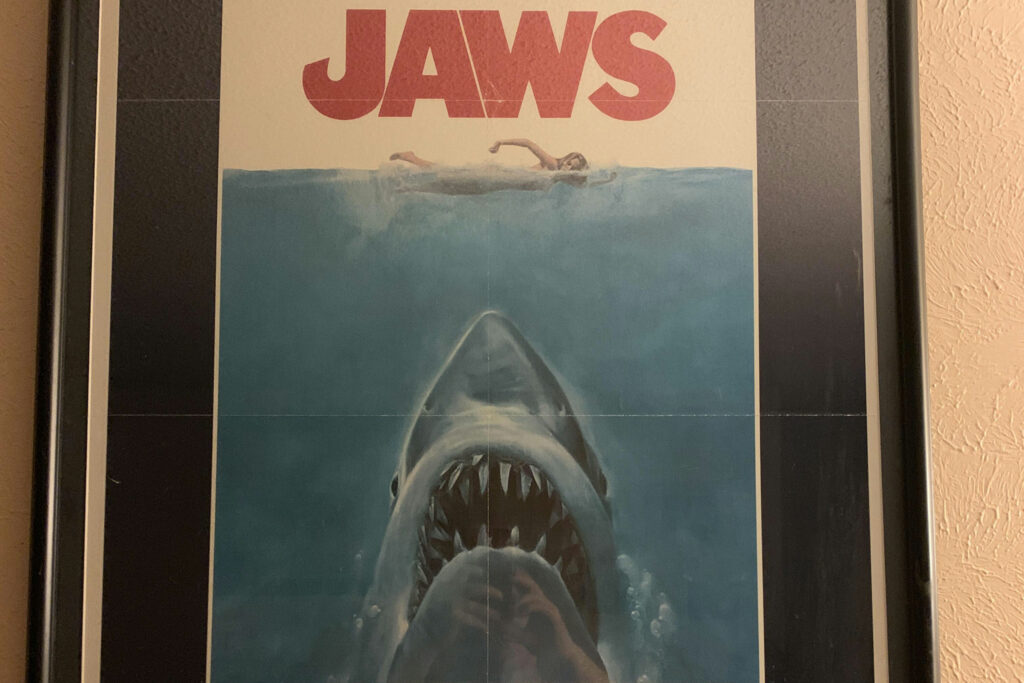
Jaws changed the feeling inside movie theaters almost instantly. From the moment the music began, tension spread across the room like a shared instinct. People leaned forward, gripped armrests, and reacted together without thinking. Gasps, laughter, and sudden silence bounced between rows, making fear feel oddly collective instead of isolating. Watching Jaws was less about the shark itself and more about sensing how everyone around you responded at the same time.
Once the movie ended, the experience carried outside. Conversations replayed favorite moments, and beach trips were suddenly questioned. Friends urged friends to see it so they could feel what everyone else had felt inside that dark room. The theater became a place where fear was safely shared and talked through afterward. Jaws showed how powerful moviegoing could be when emotions moved through a crowd together instead of staying locked inside individual seats.
3. Star Wars Felt Like Discovering A New Childhood
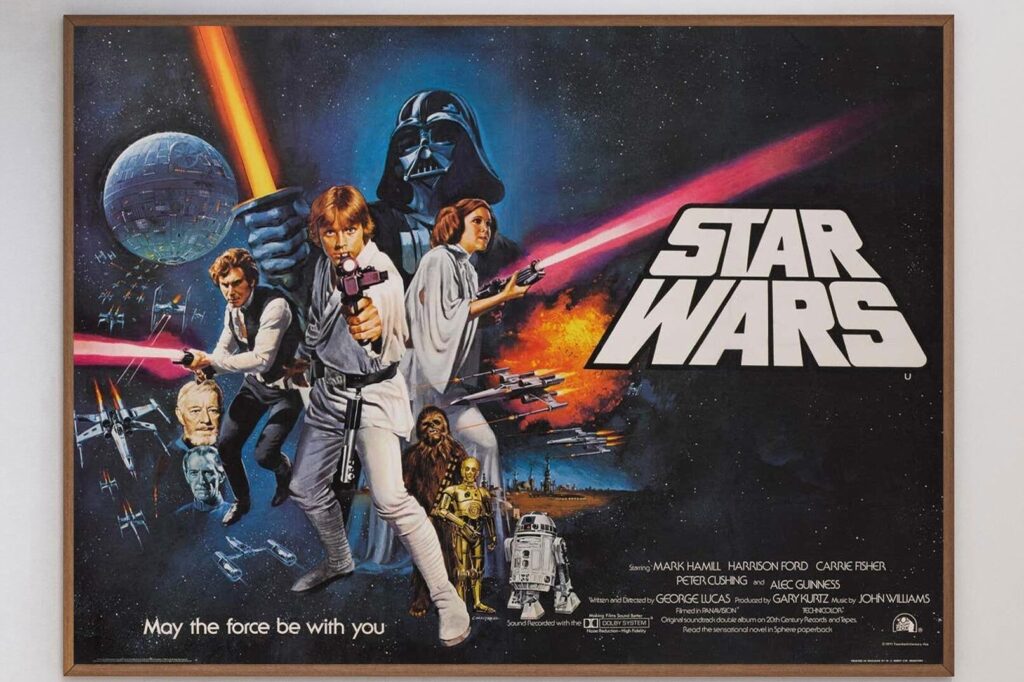
When Star Wars first appeared, it felt like the movies had suddenly remembered how to be fun without apology. Audiences walked in curious and walked out buzzing with energy, smiling and talking all at once. Theaters filled with laughter, excitement, and wide eyed attention that crossed age lines easily. Children watched in awe, adults leaned back into wonder, and everyone seemed comfortable enjoying the spectacle together.
What turned it into an event was how quickly people wanted to return. Repeat viewings became common, not out of habit but joy. Lines grew longer as word spread, and seeing Star Wars became something you planned around rather than stumbled into. Friends compared favorite moments, sounds echoed in everyday conversation, and the theater felt like a shared playground of imagination that people were eager to revisit again and again.
4. Rocky Made Audiences Root Together
Rocky arrived quietly and built its power slowly. Audiences watched an ordinary man move through small routines and stubborn hope, and something shifted in the room as people began to care. By the final fight, cheers rose naturally, not because they were expected, but because viewers felt invested. Sitting in a theater made that support feel collective, like encouragement offered from every seat at once.
The connection came from recognition. People saw their own struggles in early mornings, setbacks, and persistence that did not always look graceful. Leaving the theater felt energizing without being unrealistic. Conversations focused on effort, chances, and the simple idea of trying again. Watching Rocky together turned moviegoing into a shared emotional release that lingered quietly as people headed home.
5. Taxi Driver Left The Theater Uncomfortably Quiet
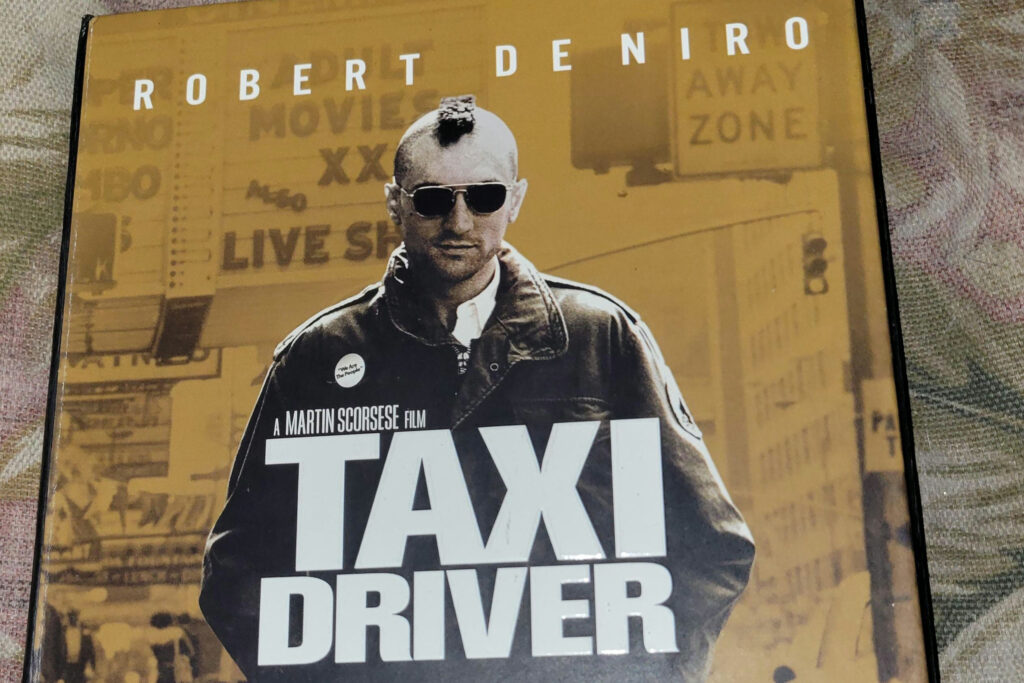
Taxi Driver created a moviegoing experience defined by stillness. Instead of applause or chatter, it left theaters subdued. Audiences sat with what they had seen, unsure how to respond, feeling the weight of the story settle slowly. Being surrounded by others somehow made the isolation on screen feel sharper, as if the crowd amplified the discomfort rather than easing it.
That tension carried into the exit. People stood, walked out, and spoke carefully, if at all. Watching the film together forced viewers to confront unsettling emotions in a shared space, without relief or distraction. The theater became a place for reflection rather than escape, where silence said more than conversation. Taxi Driver lingered in that quiet, leaving audiences to process what they had absorbed on their own terms.
6. Close Encounters Invited Audiences To Sit With Wonder

Close Encounters of the Third Kind offered a very different energy inside movie theaters. Instead of loud reactions, it encouraged stillness. Audiences leaned forward, listening closely, watching lights and sounds unfold with quiet attention. The atmosphere felt almost reverent, as if people sensed they were meant to observe rather than react. Seeing it in a theater made the mystery feel shared, with curiosity spreading gently across rows as viewers waited together for answers that never arrived too quickly.
The film trusted patience. It allowed moments to stretch, letting uncertainty linger without explanation. Afterward, conversations stayed soft and thoughtful, focused on interpretation rather than plot. People replayed scenes in their heads, debating meaning without urgency. Moviegoing became an act of collective wondering, where not knowing felt acceptable. Close Encounters turned the theater into a space for curiosity and contemplation, where the experience mattered more than resolution.
7. Saturday Night Fever Brought The Outside World Inside
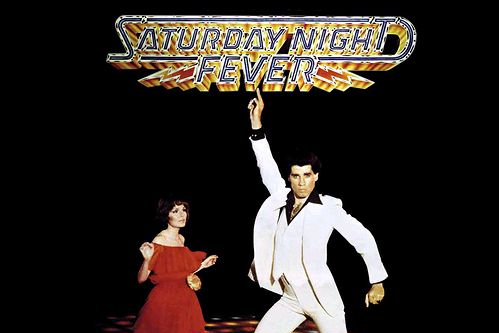
Saturday Night Fever entered theaters with energy that felt instantly familiar. Music pulsed through the room, and audiences responded physically, tapping feet and nodding along. The story of weekend escape and weekday frustration resonated strongly, especially with viewers who recognized that rhythm in their own lives. Watching it in a crowded theater made the experience feel alive, as if the screen and audience were moving together.
The impact did not stay contained. Fashion choices changed. Music played louder at home. Conversations picked up its themes naturally. Seeing the film felt like participating in a cultural moment rather than simply watching one unfold. Moviegoing became social again, tied closely to real life and personal identity. Saturday Night Fever made theaters feel connected to the streets outside, blurring the line between screen and everyday experience.
8. Alien Turned Silence Into Suspense

Alien transformed quiet into something threatening. Inside the theater, even small sounds felt amplified, every pause heavy with anticipation. Audiences leaned back and forward together, bracing for what might come next. Fear moved through the room without needing constant action, relying instead on atmosphere and suggestion. Watching it with others intensified every reaction, making suspense feel communal rather than private.
The film revealed little and hinted at much, forcing imagination to do the work. That restraint made the experience sharper. Gasps felt louder. Stillness felt longer. Moviegoing became physical, with tension sitting in shoulders and breath. Alien showed how powerful shared suspense could be, turning a darkened room into a place where fear was built slowly and felt collectively.
9. Chinatown Asked Audiences To Pay Attention
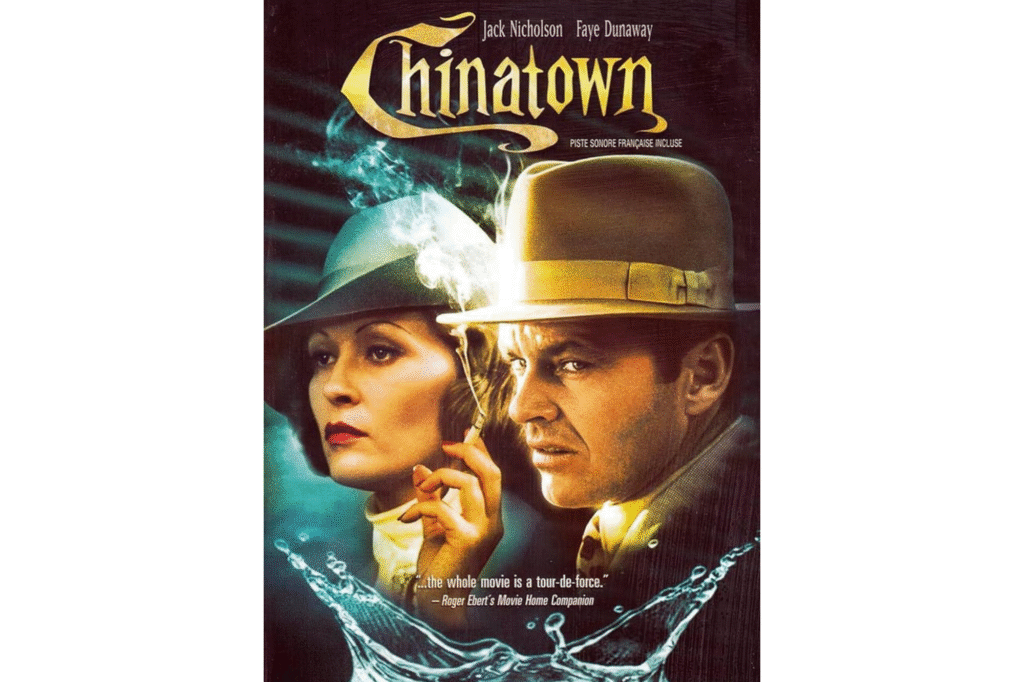
Chinatown demanded focus from the moment it began. Audiences leaned into dialogue, watched expressions closely, and followed details carefully. The theater atmosphere felt concentrated, almost quiet with effort, as viewers worked to keep up with the unfolding mystery. Watching it among others heightened that focus, as if everyone understood the importance of staying engaged.
The story resisted easy answers, and that complexity carried into post movie discussions. People debated motives, endings, and meaning rather than action scenes. Moviegoing became an intellectual exercise shared across rows of seats. Chinatown treated its audience with respect, assuming curiosity and patience. Seeing it in a theater reinforced the idea that movies could challenge thinking as much as entertain, and that audiences were willing to meet that challenge together.
10. Kramer Vs Kramer Made The Theater Feel Personal
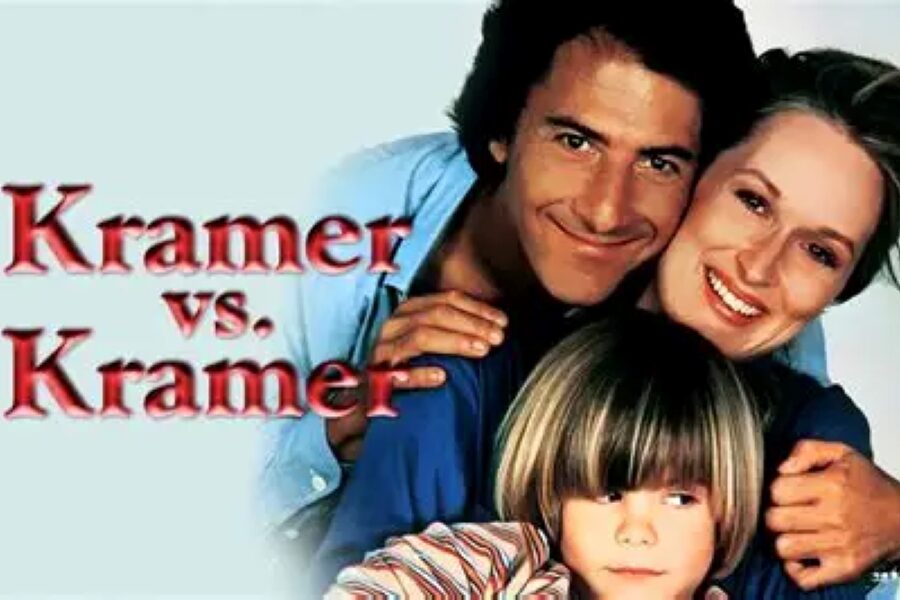
Kramer Vs Kramer brought everyday emotional conflict into the theater without spectacle. Audiences recognized the arguments, silences, and exhaustion playing out on screen. Watching it with others created a quiet empathy in the room, as if shared understanding replaced outward reaction. The story unfolded gently, inviting viewers to sit with discomfort rather than escape it.
The effect lingered. People left theaters thoughtful, often subdued, carrying the emotions with them rather than shaking them off. Conversations, when they happened, were careful and personal. Moviegoing became intimate, even in a crowded space. Kramer Vs Kramer showed how deeply human stories could resonate when experienced collectively, making the theater feel less like entertainment and more like shared reflection.
11. Apocalypse Now Turned The Theater Into A Journey

Apocalypse Now did not feel like a movie you simply watched. Sitting in a theater, it felt more like being carried somewhere unfamiliar and unsettling. The sound filled the room, the imagery lingered, and audiences stayed unusually quiet as the story unfolded. People leaned back, then forward, absorbing the chaos and confusion together. Seeing it with others made the experience heavier, as if the room itself shared the weight of the journey being shown on screen.
The film moved in a way that resisted comfort. Scenes stretched, emotions shifted, and meaning felt slippery. Afterward, people exited slowly, conversations starting cautiously. Some focused on the spectacle, others on the unease it left behind. Moviegoing became immersive, almost exhausting, but intentionally so. Apocalypse Now turned the theater into a place where viewers did not just observe a story, but endured it collectively, carrying pieces of it with them into the night.
12. One Flew Over The Cuckoo’s Nest Changed The Mood In The Room
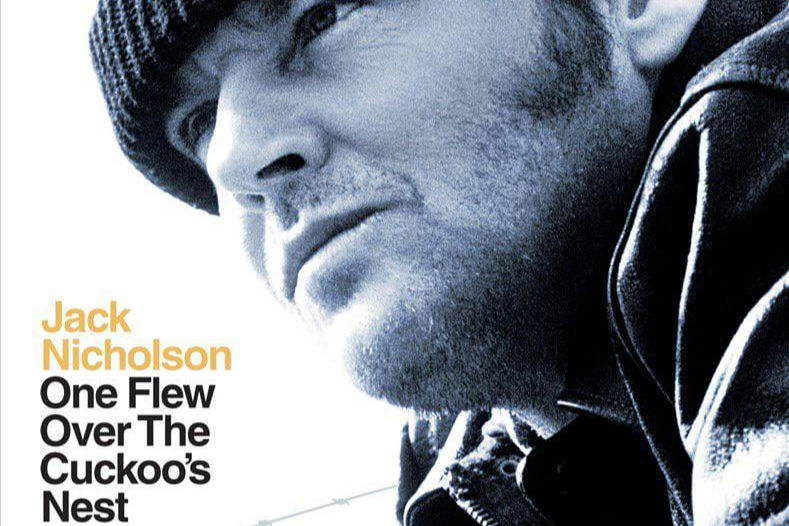
One Flew Over The Cuckoo’s Nest settled into theaters with an ease that felt almost deceptive. Early scenes drew relaxed laughter, and audiences seemed comfortable sharing those moments together. The humor felt natural, loosening the room and creating a sense of trust between the film and its viewers. Sitting among others made those lighter moments warmer, like everyone was settling into the same rhythm without effort. The performances felt close and familiar, and the story unfolded in a way that invited people to lean in rather than brace themselves.
As the film continued, the atmosphere shifted gradually. Laughter grew quieter, replaced by attention and unease. Watching that change happen collectively made it more powerful, as if the room itself was adjusting its emotional posture. People shifted in their seats, sensing the weight of what was happening without needing to talk about it. When the film ended, reactions stayed contained and thoughtful. Moviegoing became an emotional exchange, shared silently among strangers who had just experienced something difficult together.
13. Superman Made Belief Feel Effortless

Superman entered theaters with a tone that felt openly hopeful. Audiences settled in easily, ready to enjoy a story that did not demand cynicism. Watching it in a crowded room made belief feel shared and uncomplicated. Smiles spread quickly, laughter came easily, and moments of awe were met with collective enthusiasm. The theater felt lighter, as if everyone had agreed to lean into the optimism rather than question it.
The experience carried a sense of comfort. People responded openly, clapping, laughing, and relaxing into the story. Children watched with wide eyes, adults leaned into nostalgia, and the atmosphere felt welcoming across generations. Leaving the theater felt energizing, with conversations replaying favorite scenes and moments of wonder. Moviegoing became a space where belief did not need justification, only participation, and sharing that feeling with others made it feel natural rather than forced.
14. The Exorcist Pushed Audiences To Their Limit
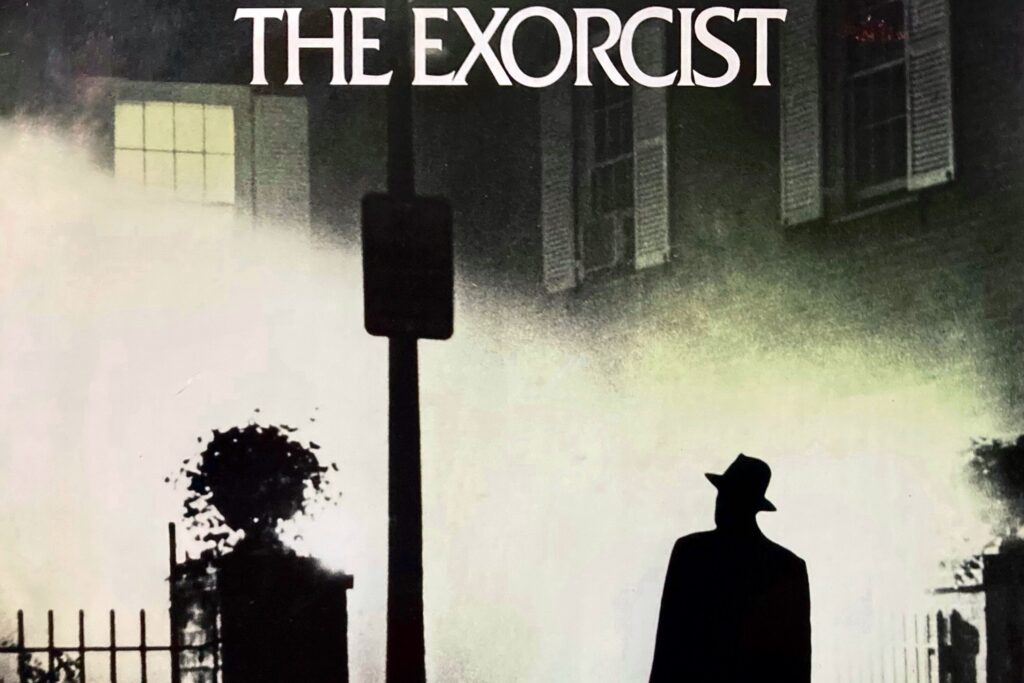
The Exorcist created tension before the story even unfolded. Audiences arrived aware that they were about to experience something unsettling, and that expectation hung heavily in the theater. Once the film began, reactions rippled through the room, from sharp gasps to rigid silence. Watching it among others intensified every moment, as fear seemed to move from seat to seat without pause.
People held their breath together, some averting their eyes, others staring straight ahead. The shared discomfort was impossible to escape, yet oddly grounding. Knowing others were experiencing the same dread made it bearable. After the film ended, people stood slowly, conversations muted and careful. Moviegoing turned into a test of endurance faced collectively. The Exorcist relied on that shared atmosphere, using the presence of others to deepen its emotional and psychological impact inside the theater.
15. Grease Turned The Theater Into A Social Space
Grease brought warmth and energy into theaters almost immediately. Music filled the room, and audiences responded with smiles, laughter, and subtle movement. Watching it with others felt relaxed and communal, like being part of a group that already knew the rhythms and welcomed them back. The story unfolded with ease, and reactions came freely without self consciousness.
The experience felt social rather than intense. People tapped their feet, mouthed lyrics, and shared knowing looks during familiar scenes. Afterward, the mood stayed light. Conversations were playful, songs lingered, and enjoyment carried beyond the theater doors. Moviegoing became something easy to share, less about immersion and more about connection. Grease showed how films could turn theaters into friendly gathering places, where enjoyment spread naturally through sound, memory, and shared enthusiasm.
16. Halloween Made Silence Feel Unsafe
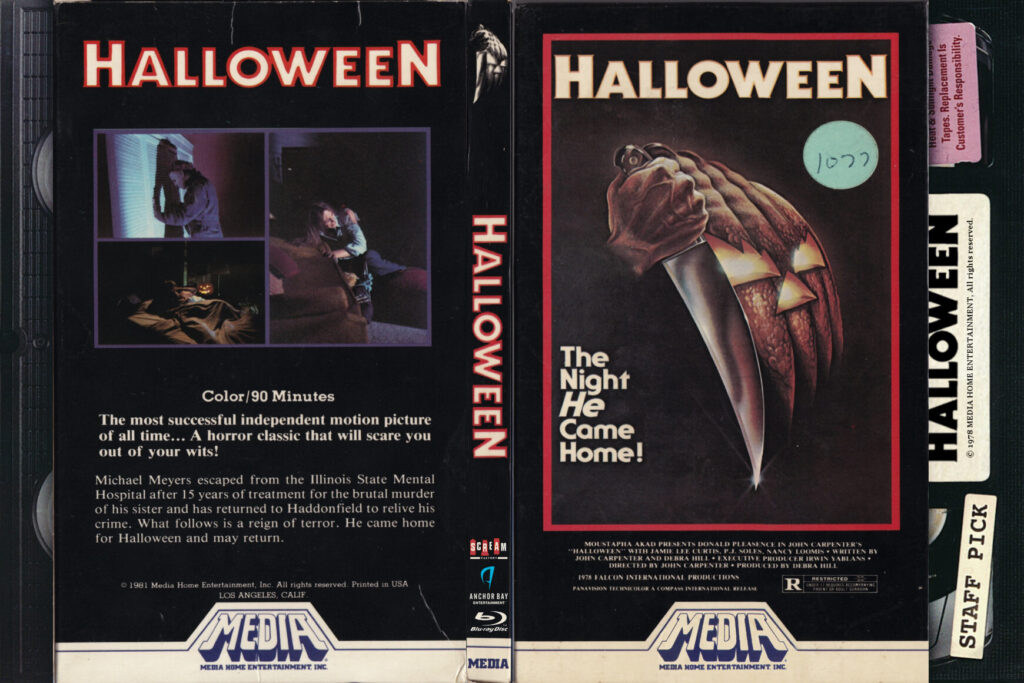
Halloween changed the emotional temperature inside movie theaters by teaching audiences to listen for what they could not see. From the opening moments, the room grew tense, not loud. People sat still, tracking footsteps, shadows, and pauses. Watching it with others sharpened that tension, because every quiet moment felt shared. When someone gasped or shifted in their seat, the reaction spread instantly. Fear moved subtly, built from waiting rather than action, and the theater seemed to hold its breath collectively.
The experience lingered because it relied on anticipation. Viewers found themselves watching corners of the screen, bracing for something that might not come right away. Afterward, conversations focused on moments of suspense rather than spectacle. People left theaters alert, glancing behind them, aware of how deeply the film had gotten under their skin. Moviegoing became about shared unease, proving that fear could be amplified simply by sitting quietly together in the dark.
17. The Sting Made Cleverness A Crowd Pleasure

The Sting arrived with confidence and charm that played especially well in packed theaters. Audiences leaned into the story, enjoying the rhythm of its twists and turns. Laughter came easily, not from loud jokes, but from recognition and surprise. Watching it with others made the cleverness feel communal, as if everyone was in on the same secret and waiting for the reveal together.
As the plot unfolded, reactions synced naturally. Smiles spread when plans clicked into place. Gasps followed reversals. The shared enjoyment came from being mentally engaged without feeling strained. After the film ended, conversations buzzed with favorite moments and clever details people caught or missed. Moviegoing became playful and satisfying, centered on shared attention and delight rather than spectacle, and the theater felt like a room full of people enjoying being fooled together.
18. Network Turned Conversation Into Confrontation
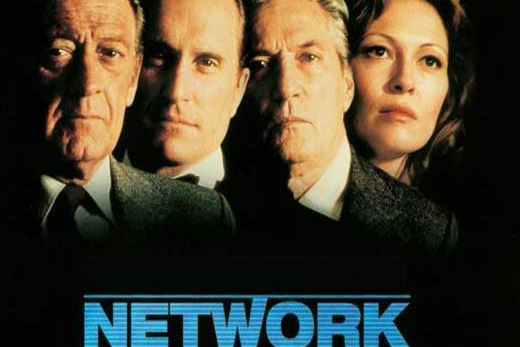
Network entered theaters sounding uncomfortably familiar. Audiences listened closely, recognizing sharp dialogue that felt pulled from everyday frustrations. The room often stayed quiet, not from boredom, but attention. Watching it with others heightened that awareness, as lines landed heavily and reactions felt restrained. People shifted in their seats, sensing that the film was speaking directly to something current and unresolved.
The experience encouraged reflection more than reaction. Afterward, discussions felt pointed and thoughtful, centered on media, power, and responsibility. Moviegoing became confrontational in a quiet way, pushing viewers to examine systems they were already part of. Seeing Network in a theater made its ideas harder to dismiss, because they were absorbed collectively. The shared setting turned private concerns into public ones, even without applause or obvious release.
19. Deliverance Made The Room Uneasy
Deliverance settled over the theater slowly, creating discomfort that audiences could feel almost immediately. People watched closely, sensing early on that the story would not offer relief or easy reassurance. Sitting among others sharpened that unease, as reactions stayed restrained and focused. The tension came from atmosphere rather than surprise, with long stretches where silence carried more weight than sound. Watching it in a crowded room made the vulnerability on screen feel more exposed, as if the collective presence heightened the sense of danger rather than easing it.
As the film progressed, the stillness deepened. Viewers absorbed the fear, moral strain, and loss of control without distraction. When moments of violence arrived, they landed heavily, amplified by the quiet around them. Leaving the theater felt subdued, with conversations cautious or delayed. Moviegoing became an experience of endurance, where sharing the space did not soften the impact but made the unease harder to shake once the lights came back on.
20. All The President’s Men Made Attention Feel Necessary

All The President’s Men unfolded with a seriousness that demanded focus from the moment it began. Audiences leaned forward, listening carefully to dialogue and tracking details as the investigation slowly took shape. Watching it in a theater made the process feel immediate, as though everyone in the room was quietly following the same trail of information. The absence of spectacle kept attention fixed, and reactions showed through silence rather than sound.
The shared setting intensified the experience. Each discovery felt heavier because it was absorbed collectively, without distraction or release. After the film ended, discussions centered on truth, responsibility, and persistence. Moviegoing felt purposeful, grounded in real stakes rather than escape. Seeing the story unfold among others reinforced how powerful careful attention could be when a film trusted its audience to stay engaged and think alongside it.
21. Dog Day Afternoon Made The Crowd Feel Complicit
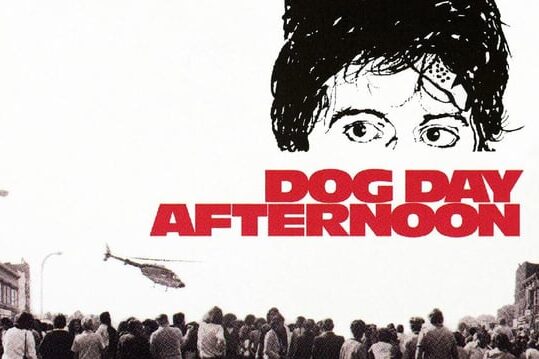
Dog Day Afternoon pulled audiences into its tension almost immediately. Watching it in a theater felt less like observing a crime and more like being stuck inside it with everyone else. People listened closely to every line of dialogue, reacting to shifts in tone and mood as if they mattered personally. The cramped setting on screen mirrored the packed theater, making emotions feel confined and intense. Laughter came unexpectedly, breaking tension briefly before snapping back into unease.
As the story unfolded, the crowd’s attention never drifted. Viewers followed the moral turns carefully, unsure who to root for but unwilling to disengage. Sitting among others heightened that uncertainty, as reactions stayed quiet but charged. Afterward, conversations felt conflicted, circling around motives and consequences. Moviegoing became participatory in a subtle way, with the audience emotionally invested and aware of its own reactions throughout the experience.
22. The French Connection Made Grit Feel Immediate

The French Connection brought a raw energy into theaters that felt almost documentary in its closeness. Audiences leaned forward, tracking movement and dialogue with sharp attention. The pacing felt unpredictable, keeping viewers alert rather than comfortable. Watching it with others amplified that urgency, as the room stayed focused and quiet, following each chase and confrontation carefully.
The famous action sequences landed harder in a shared space, not because of spectacle, but realism. People reacted with tense silence instead of cheers, absorbing the danger rather than celebrating it. After the film ended, discussions focused on authenticity and intensity. Moviegoing became about immersion, where the audience felt pulled into a rough, unpolished world that refused to soften itself for comfort.
23. Barry Lyndon Turned Stillness Into Spectacle

Barry Lyndon required audiences to adjust their pace the moment it began. Inside the theater, people settled into a slower rhythm, recognizing that the film was asking for patience rather than reaction. The visuals held attention quietly, with carefully composed frames that encouraged viewers to observe rather than anticipate. Watching it with others made that stillness feel deliberate. No one rushed the moments. The silence felt shared, almost respectful, as if the audience collectively understood the tone being set and allowed the film to unfold on its own terms.
The experience felt formal without being distant. Scenes moved with calm precision, inviting contemplation instead of excitement. Sitting in a crowded theater reinforced that approach, as the collective stillness supported the film’s measured pace. Conversations afterward focused on imagery, mood, and atmosphere rather than plot. Moviegoing became an act of attention and restraint, where shared patience allowed the film’s quiet beauty to settle fully into the room.
24. The Conversation Made Listening Feel Uncomfortable
The Conversation changed how audiences used their attention inside a movie theater. Instead of watching for action, people listened. The room felt unusually quiet, as if everyone understood that missing a sound or a fragment of dialogue mattered. Sitting among others sharpened that focus, turning background noise, pauses, and repetition into sources of tension. Viewers leaned slightly forward, following the story through overheard words rather than visible events. The experience felt intimate and unsettling at the same time, especially in a crowded space where silence became part of the story.
The film offered little reassurance as it unfolded. Information came slowly and often felt incomplete, forcing viewers to sit with uncertainty. That shared concentration made the experience heavier, as suspicion and doubt lingered without release. After the lights came up, conversations were careful and analytical, focused on meaning rather than emotion. Moviegoing became an exercise in attention, where listening closely felt demanding, and the presence of others made that discomfort more pronounced and difficult to ignore.
25. American Graffiti Made Nostalgia Feel Shared

American Graffiti welcomed audiences into theaters with an immediate sense of warmth. Music filled the room almost constantly, and viewers responded with smiles, recognition, and quiet laughter. Watching it with others turned familiar songs and moments into something communal, even for those who had not lived through the time being portrayed. The atmosphere felt relaxed and open, encouraging connection rather than intense focus. Sitting together made the experience feel like flipping through a shared memory rather than revisiting something alone.
The film moved gently from scene to scene, and the audience followed with ease. Reactions spread softly through the room as songs played and moments landed. Afterward, conversations drifted naturally toward personal stories, favorite tracks, and remembered feelings. Moviegoing became social and reflective without effort. American Graffiti showed how nostalgia could feel welcoming when shared, shaped by music, familiar rhythms, and the comfort of experiencing those moments together.
26. Monty Python And The Holy Grail Made Laughter Collective
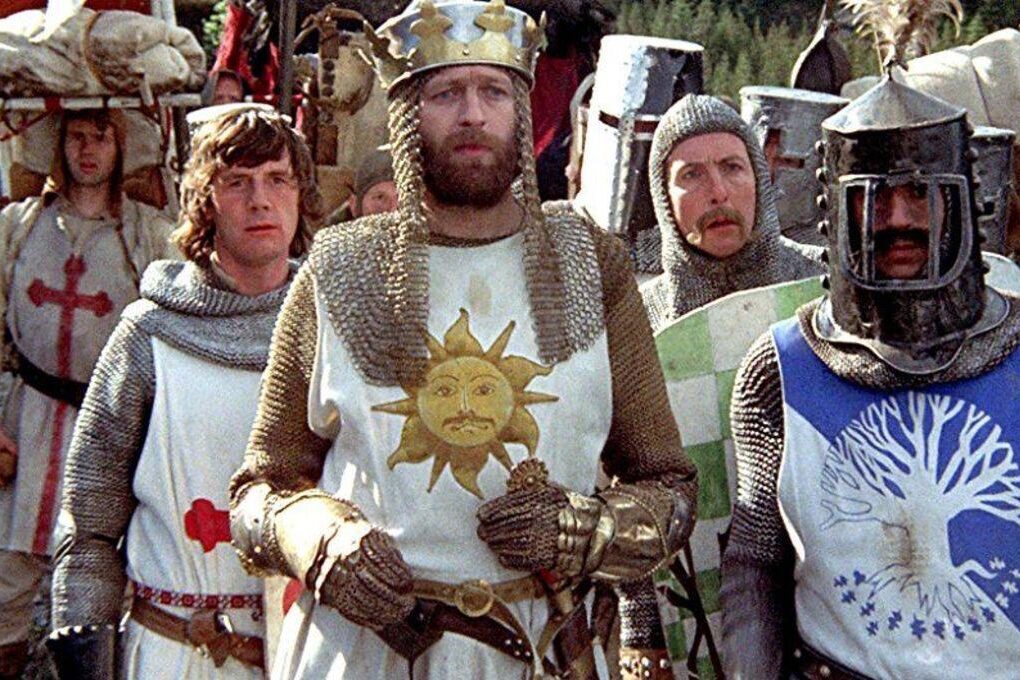
Monty Python And The Holy Grail turned theaters into places where laughter felt uncontrollable and shared. From the opening scenes, audiences reacted loudly, feeding off one another’s amusement. Jokes landed harder in a crowd, not because they were explained, but because reactions bounced across the room. Watching it with others made the absurdity feel sharper, as if the humor depended on collective recognition rather than quiet appreciation. The unpredictability kept viewers alert, waiting for the next unexpected turn.
The experience felt loose and communal. People laughed freely, sometimes missing lines because the room had not settled yet. That lack of restraint became part of the enjoyment. Afterward, quotes followed people out of the theater, repeated casually in conversation. Moviegoing became playful and social, where laughter was not contained but encouraged. Seeing Monty Python And The Holy Grail with others transformed comedy into a shared rhythm that lingered well beyond the screening.
27. The Deer Hunter Made The Room Sit Still

The Deer Hunter entered theaters with a gravity that audiences felt almost immediately. People settled into their seats knowing this was not a film to watch casually. Long stretches of quiet held the room in place, and reactions stayed restrained, shaped by attention rather than impulse. Sitting among others, viewers absorbed the slow pacing and emotional weight together, sensing that the story required patience. The theater felt heavier as scenes unfolded, with silence becoming part of the experience rather than an absence of reaction.
As the film continued, that weight deepened. Viewers shifted uneasily, aware of the emotional toll being portrayed on screen. No one rushed to respond, and moments lingered longer than expected. When the lights eventually came up, people stood slowly, conversations delayed or muted. Moviegoing became about endurance and presence, where sharing the space with others made the seriousness harder to ignore and impossible to dismiss.
28. Paper Moon Made Small Moments Matter
Paper Moon brought a gentle ease into theaters that audiences welcomed. Watching it in a crowded room felt relaxed, as if everyone settled into the same quiet rhythm. The humor was soft, the emotions understated, and reactions came through smiles rather than noise. Sitting among others allowed viewers to appreciate the simplicity without distraction, sharing moments that felt personal but not private.
The relationship at the center carried the story forward, and the audience followed attentively. Laughter surfaced naturally, never forced, and silence felt comfortable rather than tense. Afterward, people spoke warmly about performances and details they noticed. Moviegoing became intimate without being heavy, shaped by shared attention to small gestures and subtle emotion that felt richer because they were experienced together.
29. The Towering Inferno Turned Danger Into Spectacle
The Towering Inferno filled theaters with anticipation from its opening scenes. Audiences leaned forward as tension built, reacting together as danger escalated. Gasps spread quickly, and murmurs followed moments of uncertainty. Watching it in a packed room made every decision feel urgent, as if the crowd itself was invested in each outcome. The spectacle worked because reactions were shared, creating a sense of collective concern.
As the story unfolded, attention never drifted. People tracked characters closely, responding in sync to moments of relief and suspense. The experience felt energetic without being chaotic. After the screening, conversations replayed scenes and close calls, fueled by the excitement of having felt it all together. Moviegoing became about shared adrenaline, where danger on screen felt more gripping because it was faced as a group.
30. Annie Hall Made The Theater Feel Like A Conversation
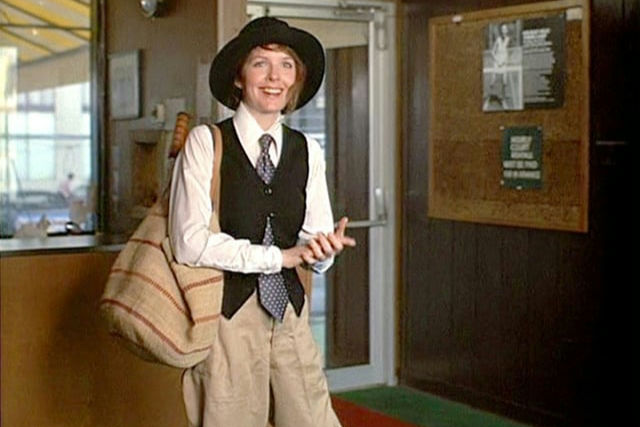
Annie Hall brought a different tone into movie theaters, one that felt reflective and informal. Audiences listened closely, responding to humor rooted in observation rather than punchlines. Watching it with others made the jokes land through recognition, with laughter spreading gently instead of erupting. The atmosphere felt attentive and relaxed, as if everyone was leaning into the same thoughtful exchange.
The film encouraged subtle reactions. Smiles, nods, and quiet laughter carried the experience. Sitting in a crowd did not overwhelm its intimacy but supported it. Afterward, conversations flowed easily, often echoing the film’s rhythm and themes. Moviegoing felt personal without being isolated, closing the decade with a reminder that shared spaces could still feel quiet, thoughtful, and deeply human.


