
1. The Blue Whale Panic

For a while, the internet felt like one long warning sign. Parents whispered, teachers emailed, and group chats buzzed about something called the Blue Whale Challenge. It was described as a secret online game pulling teenagers into a dark spiral of dares, ending in tragedy. The fear spread faster than details ever did. People shared posts because staying silent felt irresponsible. It became one of those stories everyone seemed to know someone affected by, even if no one could quite point to where it started. In that moment, the internet felt less like entertainment and more like a neighborhood rumor mill powered by panic and concern.
Over time, the story began to soften at the edges. Journalists struggled to find real cases linked directly to the game. Schools quietly stopped sending alerts. What remained was an uncomfortable truth about how fear travels online. The concern for young people was real and valid, but the shape it took was borrowed from hearsay. Looking back, the panic says more about our instinct to protect than our ability to verify. It reminds us how quickly good intentions can turn into unquestioned belief when emotion takes the lead.
2. Facebook Listening Through Phones
Almost everyone remembers the first time it happened. You talked about something casually, maybe shoes or a vacation, and suddenly an ad appeared that felt too specific to be coincidence. It sparked a shared suspicion that Facebook must be listening through phone microphones. The idea spread quietly at first, then loudly. Screenshots became proof. People nodded along because it felt invasive in a familiar way. The explanation made sense emotionally. Being overheard felt more personal than being tracked, and the internet leaned into that discomfort without asking many questions.
As time passed, the fear lost its sharp edge, replaced by a more unsettling understanding. Ads were not reacting to conversations but to patterns. Searches, locations, likes, and pauses told a story louder than words. The truth lacked drama but carried weight. It meant privacy was not stolen in secret but traded slowly and willingly. The myth lasted because it gave people something concrete to blame. Accepting the real explanation required admitting how much of ourselves we had already handed over without much resistance. But we still believe they’re listening, now more than ever.
3. The Momo Scare

Momo did not arrive gently. One image, unsettling and strange, seemed to appear everywhere overnight. Posts claimed this figure was contacting children online, urging them toward harmful behavior. Parents panicked, and with good reason. The warnings felt urgent and protective, the kind you pass along immediately because hesitation feels dangerous. The face alone did half the work. It lingered in the mind and made the story feel real before facts ever entered the room. Fear filled in the gaps where evidence should have been.
Eventually, the noise faded. Investigations found no widespread threat, no secret messages lurking behind children’s videos. The image came from an unrelated art piece, detached from the story built around it. What remained was a lesson in how visuals overpower logic online. The concern for children was genuine, but the narrative was borrowed from imagination. It showed how quickly fear can wrap itself around an image and become truth through repetition. Momo was less a monster and more a mirror reflecting how panic spreads when protection meets uncertainty.
4. Gmail Was About To Charge Everyone

Every few years, the same message seemed to resurface, dressed slightly differently but carrying the same threat. Gmail would no longer be free. Accounts would be deleted unless users acted fast. People forwarded it with urgency, convinced they were helping. Email felt essential by then. Losing it meant losing memories, contacts, and pieces of daily life. The message tapped into that anxiety perfectly. It sounded official enough to pass, especially when shared by someone you trusted.
What kept the story alive was confusion rather than deception. Updates about storage limits and business accounts blurred into something scarier. Few people stopped to check details because forwarding felt safer than questioning. Over time, nothing happened. Gmail stayed free. The warnings quietly disappeared, only to return again later. It became part of internet folklore, less about truth and more about habit. The story shows how easily fear attaches itself to services we rely on daily, and how repetition can make even the flimsiest claims feel established.
5. Only Ten Percent Of The Brain

The idea sounded hopeful and a little magical. Humans only use ten percent of their brains, leaving vast potential untouched. The internet loved this claim. It showed up in motivational posts, comments, and casual conversations. It suggested greatness was not about effort but awakening something already there. People shared it because it felt encouraging. Who would not want to believe that brilliance was waiting quietly inside them, unused and ready.
The truth was far less poetic. Brain scans showed activity everywhere, all the time. The myth likely began as a metaphor that lost its footing. Still, it survived because it felt kinder than reality. Accepting that we already use our brains fully means growth comes from work, not revelation. The story lingered because it softened responsibility. Letting it go required maturity. In the end, the myth says less about science and more about how deeply people want permission to believe they are unfinished in a hopeful way.
6. PayPal Closing Accounts Emails

The emails looked convincing enough to raise alarms. PayPal would shut down your account unless you verified details immediately. Screenshots spread through group chats as warnings. People believed it because the threat felt familiar. Companies do suspend accounts. The fear was practical and immediate. Sharing the warning felt responsible, like holding a door open for someone else before it slammed shut.
Eventually, the pattern became clear. These emails were traps, not official notices. The realization came slowly, often after damage was done. What made the story stick was how easily trust could be imitated online. Logos, language, and urgency worked together seamlessly. The myth lived because people wanted to protect one another, not because they were careless. It showed how goodwill can be exploited and how caution online sometimes needs to be louder than fear. The lesson settled quietly, leaving people a little more skeptical than before.
7. Coca Cola Melting Teeth Overnight

Photos did most of the talking. A tooth left in Coke overnight, reduced to ruin. The message was simple and alarming. Soda was dangerous in a way people had not imagined. The images circulated in classrooms, chats, and health posts. They stuck because they shocked. No one paused to ask how realistic the experiment was. The visual made the argument feel settled before discussion even began.
Over time, dentists explained the exaggeration. Teeth are strong. Damage from soda happens gradually, not instantly. The myth survived because it made a health warning unforgettable. Fear tends to travel faster than nuance. Even after understanding the truth, many people still remembered the image. It became a shorthand for unhealthy habits rather than a scientific claim. The story shows how easily education turns into spectacle online, and how spectacle often outlives accuracy.
8. Aliens Confirmed At Area 51
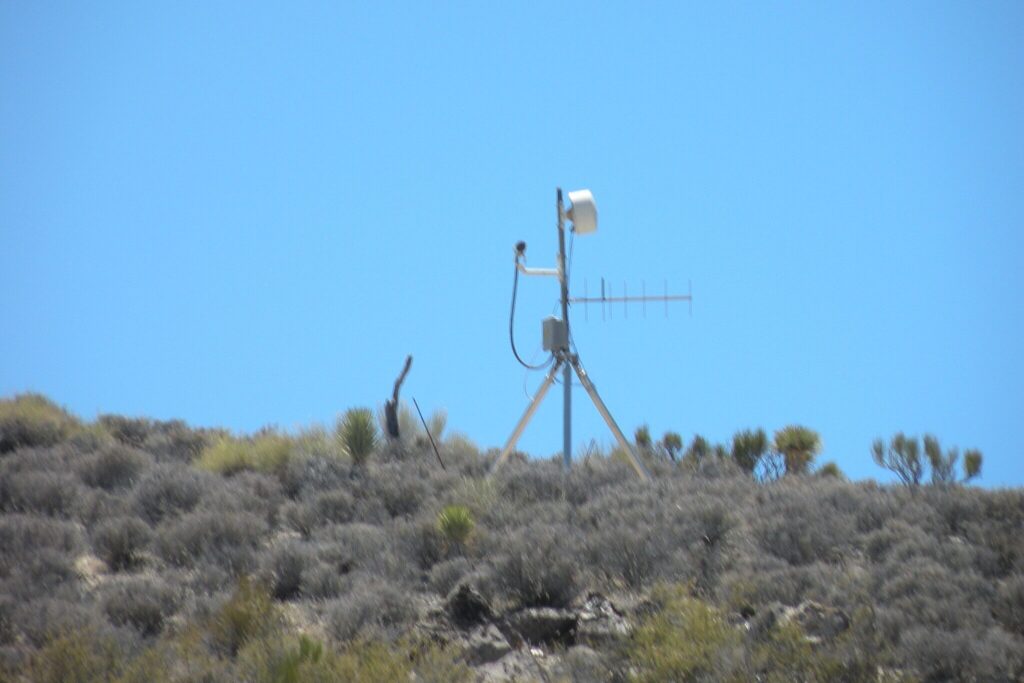
For a brief stretch online, it felt like something enormous had finally been admitted. Posts claimed the government had confirmed the existence of aliens at Area 51. Screenshots of documents, headlines without context, and excited captions filled timelines. People shared them with a mix of shock and satisfaction, especially those who had always suspected secrets were being kept. The story gained traction because it felt like long delayed proof. Years of speculation suddenly seemed justified, and the internet treated it like a revelation instead of a question.
What actually happened was quieter and far less dramatic. Reports discussed unidentified objects, not extraterrestrial beings. That distinction disappeared as the story traveled. Once excitement took hold, clarification struggled to catch up. Many people remembered the thrill more than the correction. The myth stayed alive because it fulfilled curiosity and confirmed suspicion. Even after explanations spread, the idea lingered in conversations and jokes. It showed how easily nuance is lost when mystery feels more satisfying than careful reading, especially online where belief often arrives before understanding.
9. Pink Slime In Fast Food

Images of bright pink meat began circulating with claims that it was commonly used in fast food burgers. The reaction was immediate and visceral. People felt disgusted and betrayed, convinced they had been misled about what they were eating. The story spread quickly because it matched existing distrust toward large food companies. Visuals did the heavy lifting. Once seen, they were hard to forget, and explanations felt unnecessary to those already convinced.
Later details revealed that the images were misleading and often disconnected from current practices. Still, the damage was done. The phrase pink slime became shorthand for secrecy and low quality food. Context never traveled as far as outrage. Many people held onto the belief even after clarifications appeared. The story endured because it appealed to emotion rather than evidence. Once something feels wrong, it becomes part of memory. This moment showed how first impressions online often settle permanently, even when the full story arrives calmly afterward.
10. Netflix Password Panic
At one point, it felt like everyone was bracing for the same bad news. Posts warned that Netflix would suddenly shut out anyone sharing a password, no grace period, no warning. The language was urgent and absolute, which made it easy to believe. Shared accounts had become part of everyday life, something siblings, friends, and families relied on without thinking. Screenshots spread faster than explanations, and speculation filled the silence. The fear was not really about rules. It was about losing something familiar that had quietly settled into routines after long days and tired evenings.
Eventually, the panic cooled when reality unfolded more slowly. Netflix did make changes, but not in the dramatic overnight way people expected. The rollout was uneven and confusing, but far less catastrophic than predicted. What lingered was the emotional reaction, not the facts. The story became another reminder of how anticipation turns into exaggeration online. When people expect bad news, imagination finishes the sentence early. Many remembered the worry more than the outcome, which says a lot about how the internet rehearses disasters long before they ever actually arrive.
11. Toilet Paper Shortage Explanations

When shelves emptied during the early pandemic days, confusion filled the gap where answers should have been. Posts claimed toilet paper factories had shut down, causing a massive shortage. It sounded reasonable in a moment when everything else felt unstable. Photos of empty aisles felt like confirmation. Fear fed more fear, and the explanation spread quickly. Blaming broken systems felt easier than admitting how anxiety had pushed people to buy more than usual. The internet repeated the claim until it felt settled, even as production quietly continued without interruption.
Eventually, the truth surfaced and stayed. There was no production failure. The shortage came from behavior, not supply. People bought in bulk because everyone else was doing the same. Once buying slowed, shelves recovered. Looking back, the moment reads like a study in shared stress. The internet did not just document the situation, it amplified it. Rumors offered comfort because they explained chaos. The reality was less flattering. Sometimes the issue is not broken infrastructure, but human reactions moving together too quickly when fear takes the lead.
12. The Facebook Copyright Status
For years, people copied and pasted the same message onto their Facebook pages, claiming it protected their photos and posts from being used. The wording sounded legal and firm, which made it reassuring. Sharing the status felt like taking back control in a space that often felt confusing. Few people questioned it because it came from friends, not corporations. The message spread quietly, passed along like a digital charm meant to ward off unseen threats.
The truth was far simpler and less empowering. Posting the status changed nothing. Users had already agreed to platform terms when signing up. Still, the ritual continued. It showed how much people wanted reassurance about ownership online. Legal language feels distant and cold, while copying a message feels personal and active. Even after explanations circulated, the status kept returning. It became less about belief and more about comfort. Sometimes people do not need something to be true. They just need it to feel protective in a space where control already feels fragile.
13. Microwaves Destroy Nutrients

The warning felt confident and final. Microwaves, according to countless posts, destroyed nutrients and made food unhealthy. The advice spread easily because it framed convenience as danger. Microwaves already felt artificial to some people, and the claim fit existing suspicion. Health conversations online often favor extremes, and this one landed firmly on the cautionary side. People shared it because it sounded responsible, especially when paired with images of fresh food and natural cooking methods.
Later, nutrition experts explained that microwaves often preserve nutrients because they cook food faster and with less water. The correction never traveled as far as the fear. The myth lingered because it aligned with a familiar narrative that modern tools are harmful. The truth was quieter and less dramatic. Microwaves were simply tools, not villains. The story shows how easily health advice becomes moralized online. Once fear attaches itself to a habit, it can be hard to separate fact from feeling, even when evidence speaks calmly and clearly.
14. WhatsApp Gold Invitations

Messages began circulating about a secret version of WhatsApp called WhatsApp Gold. It promised extra features and early access, but only for selected users. All you had to do was click a link. The invitation felt flattering and exclusive, which made people curious. Friends shared it so others would not miss out. The excitement carried the message forward faster than caution ever could.
In reality, there was no upgraded version waiting behind the link. The messages led to scams and security risks. Awareness came slowly, often after problems appeared. What made the story effective was not deception alone, but emotion. People like feeling chosen. The internet knows this well. The episode became a reminder that excitement can override skepticism, especially when something feels limited or special. Over time, users learned to pause before clicking. The myth faded, leaving behind a quiet lesson about how easily trust can be borrowed when curiosity is encouraged.
15. Apple Slowing Older Phones
The claim spread quickly and stuck hard. Apple was slowing older phones on purpose to push upgrades. It felt believable to anyone already frustrated with battery life and performance drops. Screenshots and personal stories filled comment sections. The idea confirmed existing distrust of large tech companies. Once the suspicion took hold, every lagging phone became evidence.
Later explanations revealed a more complicated reality. Performance was managed to prevent unexpected shutdowns caused by aging batteries. The explanation arrived late and sounded technical, which did not help. Many people had already decided how they felt. The story showed how silence creates space for speculation. When companies explain after the fact, the internet fills in motives first. Even when facts arrive, emotion often stays. The episode became a lesson in communication and trust, reminding users how easily frustration turns into belief when clarity comes too slowly.
16. The Bermuda Triangle Mystery
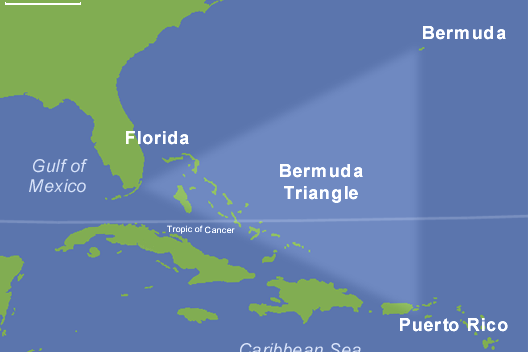
For years, the Bermuda Triangle lived online as a place where logic simply stopped working. Stories circulated about planes vanishing midair and ships disappearing without a trace. Maps and dramatic retellings made the area feel cursed, as if stepping into it meant accepting danger. The internet revived the legend with renewed energy, bundling old incidents together until they felt constant and connected. People shared these stories because mystery feels exciting. It invites imagination and gives the ordinary world a hint of danger that feels just out of reach.
Over time, calmer explanations surfaced, though they never traveled as far. Shipping routes through the region are heavily used, and accidents there are not unusually frequent. Many reported disappearances were mislocated or exaggerated. What lingered was not evidence but atmosphere. The Bermuda Triangle survived because wonder lasts longer than correction. It became less about facts and more about the feeling of mystery itself. The story reminds us that when something sounds strange enough, the internet does not ask how often it happens, only how fascinating it feels to believe.
17. WiFi Signals Causing Serious Illness

For years, posts circulated claiming WiFi signals caused serious illnesses, including cancer and neurological damage. Screenshots of routers, diagrams of waves, and personal stories filled comment sections. The fear felt believable because WiFi was invisible and everywhere. People worried about sleeping near routers or letting children use devices too often. The idea spread quietly at first, then loudly, especially in parenting groups and wellness spaces. It framed modern life as something slowly harming us without warning, which made the story stick.
Over time, the panic softened as understanding grew. Scientific explanations pointed out that WiFi uses low energy radio waves that do not damage DNA. Nothing about everyday exposure matched the alarming claims. Still, the fear lingered in corners of the internet because it tapped into discomfort with constant connectivity. The story mattered because it showed how easily unfamiliar technology becomes a target. When something cannot be seen or felt, imagination fills the space. WiFi became less about convenience and more about suspicion, proving how fear often follows innovation online.


