
1. Gary, Indiana
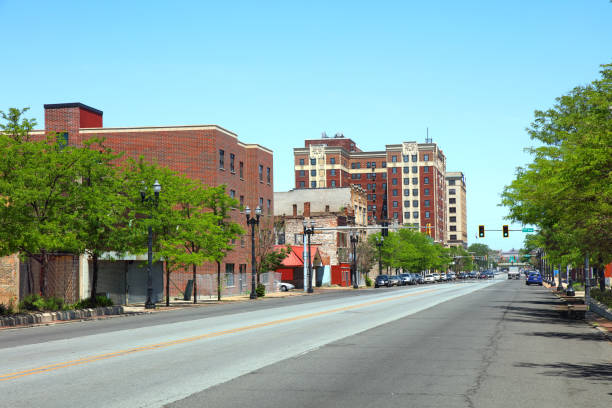
Gary was founded by U.S. Steel in 1906 and thrived as a major industrial hub for decades until the steel industry began to decline in the late 1970s. This economic shift caused the population to plummet and left behind thousands of empty buildings that now dominate the landscape. Visitors are often stunned by the sight of massive, crumbling landmarks like the Methodist Church which stand as hollow shells of their former glory. Today, nearly one-third of the city’s homes are abandoned because the manufacturing base that supported them vanished almost entirely.
To combat this extreme blight, the city launched a famous “Dollar House” programme to sell derelict properties for just one dollar to residents who could afford to fix them. While the price tag is symbolic, the actual cost of repairs often exceeds the home’s market value due to structural decay and stripped wiring. The local community remains resilient despite facing high poverty rates and a lack of investment in essential infrastructure. It is a sobering look at what happens when a town relies solely on one giant corporation for its survival.
2. Port Arthur, Texas
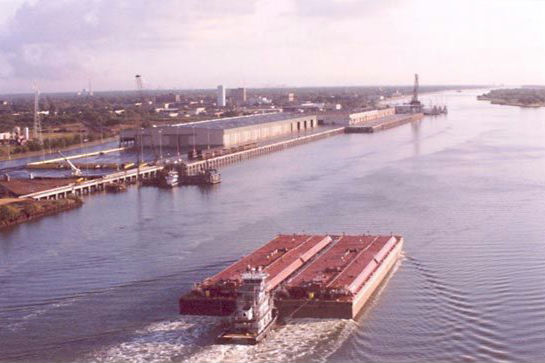
Port Arthur is a coastal city that sits in the shadow of some of the world’s largest oil refineries, yet it remains one of the poorest areas in Texas. The town has been battered by a series of catastrophic hurricanes, including Harvey in 2017, which left much of the downtown area in ruins. You will see grand brick buildings and historic homes boarded up because the cost of constant rebuilding in a flood zone is simply too high. It is jarring to see multi-billion dollar energy plants surrounded by neighbourhoods that look like they have been forgotten.
Because of the high environmental risks and economic stagnation, many property owners have walked away from their homes, leading to a surplus of vacant land. The city has struggled to sell these properties even at auction for nominal sums because the threat of future storms and industrial pollution deters new buyers. Residents feel trapped between the high-paying refinery jobs and the reality of living in a “sacrifice zone” where the air quality and safety are constant concerns. It is a community fighting to survive against both economic and natural forces.
3. Detroit, Michigan

Detroit is the most famous example of urban decay in America, having lost over sixty per cent of its population since its peak as the global car capital. The collapse of the domestic auto industry led to the city filing for bankruptcy in 2013, a move that shocked the nation. While the downtown core is currently seeing a revival, the outer neighbourhoods are still filled with thousands of abandoned structures and vast empty lots. You can find entire blocks where nature has reclaimed the land, leaving lone houses standing in fields of tall grass.
The city’s land bank has famously offered thousands of homes for as little as one thousand dollars, with some programmes selling properties for even less to clear titles. However, these homes are often stripped of pipes and wiring, requiring tens of thousands of pounds in restoration before they are even liveable. It is heartbreaking to see the architectural craftsmanship of the 1920s left to rot because there is no longer a workforce to fill them. Detroit remains a city of extreme contrasts where new wealth and old ruins exist in the same zip code.
4. Flint, Michigan
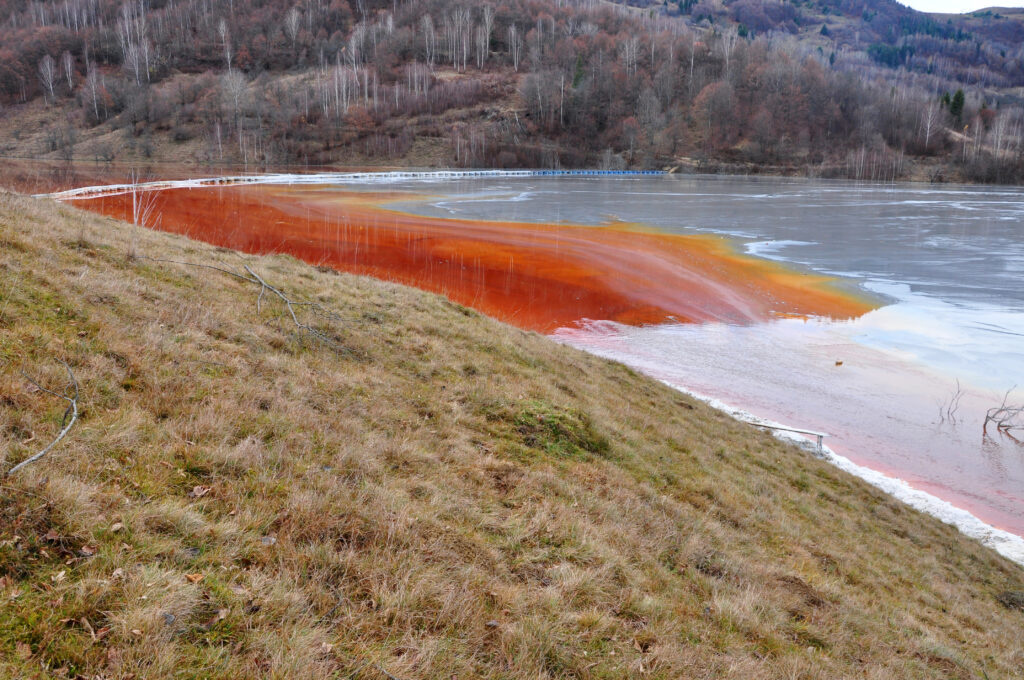
Flint gained global notoriety for its lead-contaminated water crisis in 2014, but the city’s economic troubles began much earlier when General Motors downsized its operations. The loss of tens of thousands of manufacturing jobs in the 1980s and 1990s gutted the local economy and led to widespread property abandonment. Visitors are often struck by the silence of the residential streets where many houses are boarded with plywood and overgrown with weeds. The physical decay is a direct result of a community being systematically abandoned by the industry that built it.
The housing market in Flint is so depressed that many homes have no resale value, leading to programmes where houses are sold for nominal amounts to encourage occupancy. Unfortunately, the cost of replacing lead pipes and fixing structural issues makes these “deals” a financial burden for most low-income residents. There is a deep sense of betrayal in the community as they struggle to access clean water and basic services in the wake of the crisis. Flint serves as a grim reminder of the long-term consequences of corporate and government neglect in industrial heartlands.
5. Youngstown, Ohio
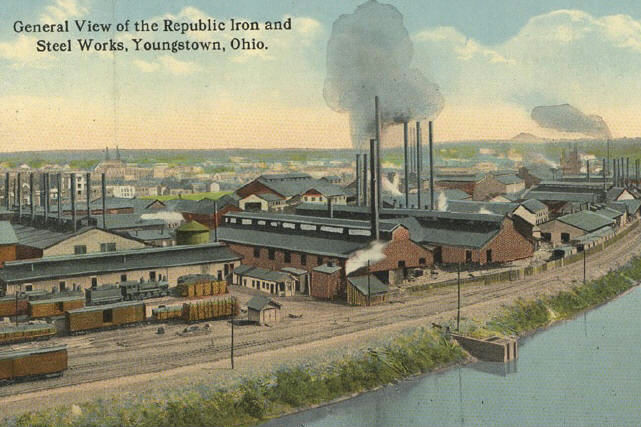
Youngstown became a symbol of industrial collapse on “Black Monday” in 1977 when the steel mills shut down and thousands of workers lost their livelihoods in an instant. This sudden economic shock caused a population exodus that hasn’t stopped, leaving the city to manage a footprint far larger than its current needs. You will notice that the city has started a “right-sizing” initiative to demolish thousands of empty homes and turn the land back into green space. It is a melancholic sight to see working streetlights illuminating empty lots where families once lived.
The city has used land bank schemes to sell vacant properties for tiny sums, often to neighbours who want to create larger gardens or community spaces. Despite these efforts, the lack of new industry means that there are few reasons for young people to stay or for new families to move in. The people who remain are fiercely loyal, but they are living in a city that is literally shrinking around them. It is a slow and painful process of reinventing a town that was once a powerhouse of American steel production.
6. Reading, Pennsylvania
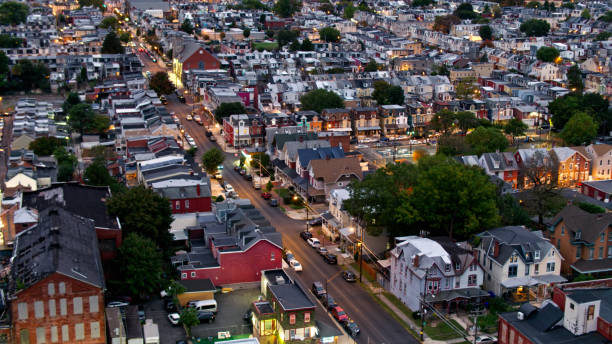
Reading frequently ranks as one of the poorest cities in the United States, which is a shock to visitors who see its grand Victorian architecture and historic charm. The city flourished during the era of the Reading Railroad, but the decline of the coal and textile industries left a vacuum that has never been filled. Today, many of the large historic homes have been subdivided into cramped apartments that are in desperate need of repair. The gap between the city’s wealthy past and its impoverished present is visible on almost every corner.
Property values in the most distressed areas are among the lowest in the country, with foreclosed homes occasionally being sold for almost nothing to clear back taxes. However, high unemployment and a lack of local business investment make it difficult for residents to maintain these properties. There is a palpable sense of frustration among locals who remember a time when the downtown area was a thriving shopping destination for the whole region. Reading is a town that feels like it is waiting for an economic miracle that hasn’t yet arrived.
7. St. Louis, Missouri
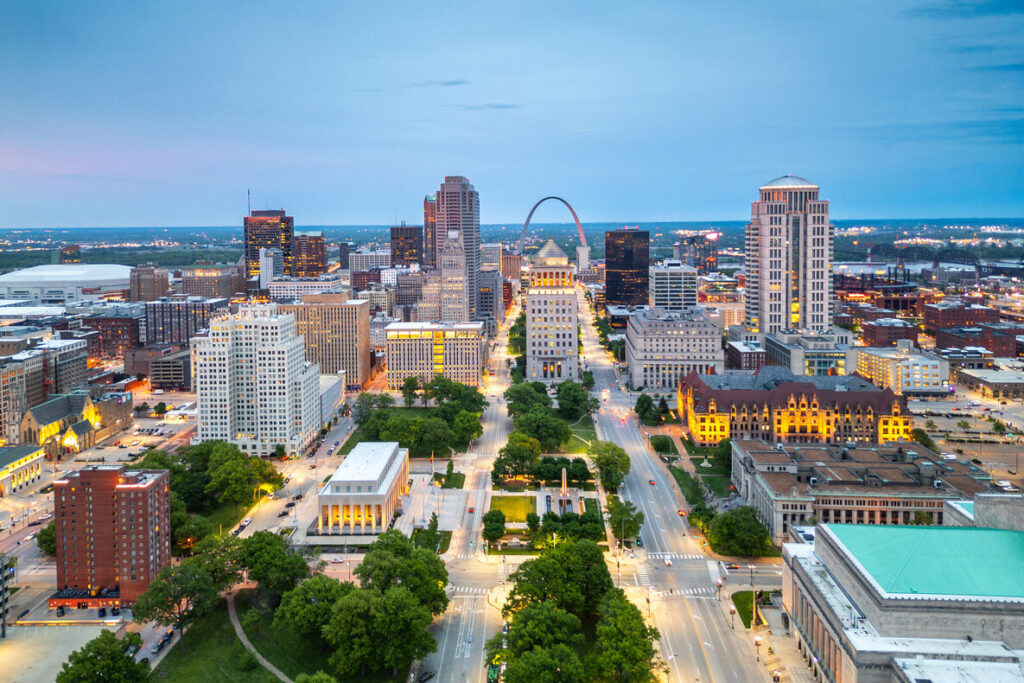
St. Louis is a city with a rich history that is currently struggling with extreme urban decay, particularly in its northern neighbourhoods. The area is famous for “brick mining,” where abandoned historic homes are stripped of their valuable red bricks by thieves, leaving only skeletal frames behind. This has created a landscape that looks like a war zone, with crumbling structures and empty lots dotting the residential blocks. The city has lost more than half its population since the 1950s, leading to a massive surplus of unmaintained property.
To save its architectural heritage, the city sells thousands of properties for nominal amounts, sometimes as low as a dollar, through its Land Reutilization Authority. While these historic buildings are beautiful, the cost of bringing them up to code can be hundreds of thousands of pounds. This creates a barrier that keeps the homes empty and allows the rot to spread throughout the community. St. Louis remains a deeply divided city where the physical landscape reflects decades of systemic economic and social issues.
8. Camden, New Jersey
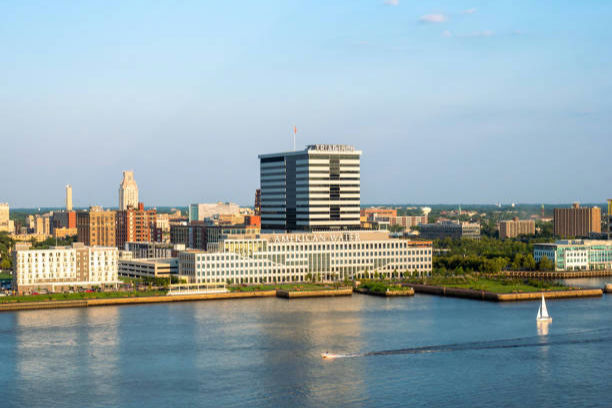
Camden has long been known as one of the most dangerous and poorest cities in America, having suffered significantly when its major factories closed down. Companies like Campbell’s Soup once provided a stable foundation, but their departure left the city with a decimated tax base and crumbling infrastructure. Visitors are often shocked by the contrast between the modern developments on the waterfront and the extreme poverty found just blocks away. The city is filled with boarded-up row houses and vacant lots that have become symbols of urban disinvestment.
While there have been initiatives to sell abandoned homes for very little money to encourage homeownership, the lack of basic amenities like grocery stores makes it a difficult sell. Many of these properties are in such poor condition that they are eventually slated for demolition rather than repair. The local residents are incredibly tough and have worked to improve their own neighbourhoods through community gardens and local activism. However, the shadow of the old industrial plants still looms over the city’s slow and difficult path to recovery.
9. Scranton, Pennsylvania
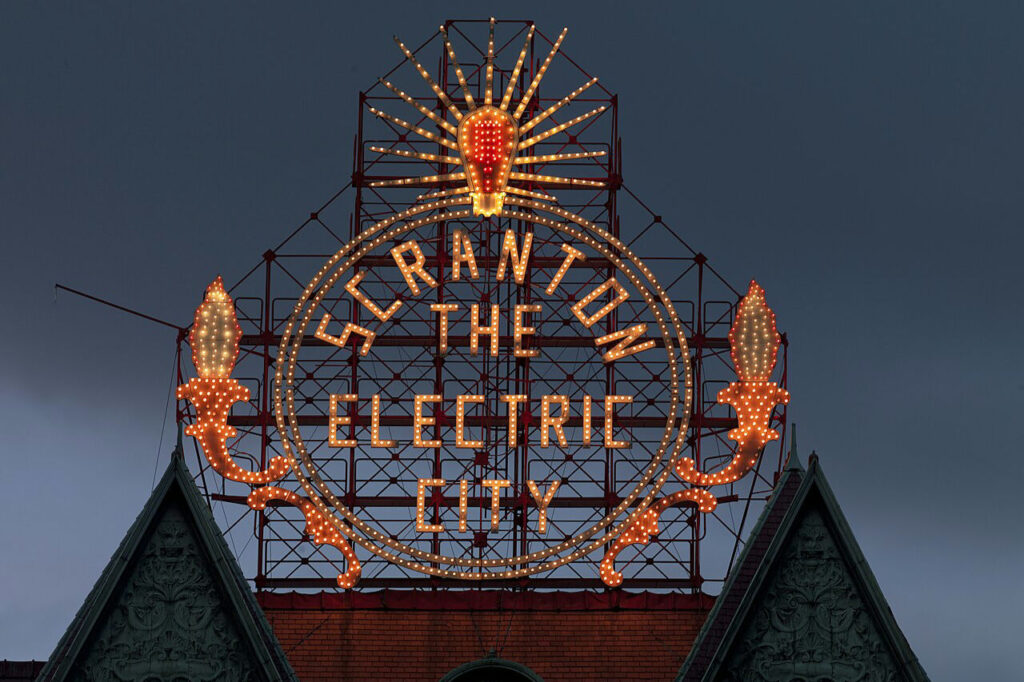
Scranton was once a thriving coal and railway hub known as the “Electric City,” but the collapse of the anthracite industry left it in a long economic decline. Today, the city struggles with a shrinking budget and high taxes, which has made it difficult to maintain the grand old buildings in the downtown area. Visitors see a town that feels stuck in the mid-twentieth century, with empty storefronts and ageing infrastructure that hints at a more prosperous past. The loss of stable industrial jobs has forced many residents to look for work elsewhere.
The property market in Scranton is very depressed, and the city has attempted to sell off delinquent properties for nominal fees to get them back on the tax rolls. Many of these are large Victorian houses that are expensive to heat and maintain, making them a risky investment for new buyers. There is a strong sense of local pride, but the reality of a stagnant economy makes it hard for the town to move forward. Scranton remains a place where the history of American industry is visible in every rusted rail and crumbling brick wall.
10. Birmingham, Alabama
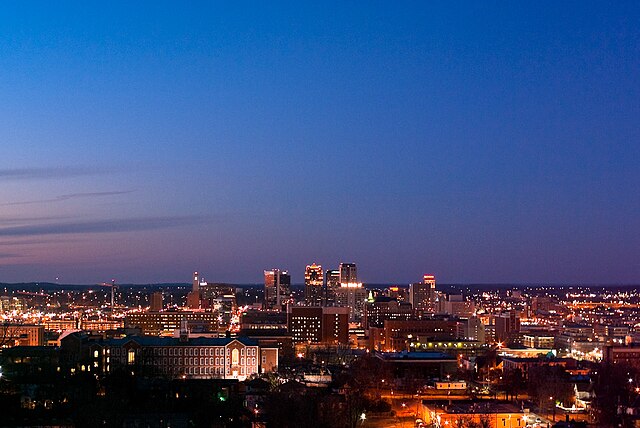
The city’s land bank holds thousands of abandoned properties that are offered for small sums to encourage redevelopment and community use. However, the lack of investment in these neighbourhoods means that many of the houses remain empty and continue to decay. Residents are working to transform their community through small-scale projects, but the scale of the industrial ruin is a constant hurdle. Birmingham is a city trying to find a new identity that isn’t defined by the furnaces that once powered its growth.
11. Hartford, Connecticut
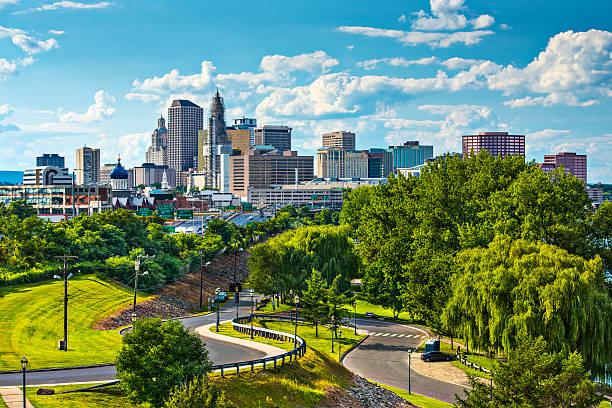
Hartford is known as the insurance capital of the world, but it also has one of the highest poverty rates in the United States for a city of its size. While the downtown area is filled with shiny corporate skyscrapers, the surrounding neighbourhoods are filled with historic brownstones that are falling apart. This extreme wealth gap is a shock to many who expect the city to be more prosperous given the billions of dollars flowing through its insurance firms. The middle-class exodus to the suburbs left the city centre with a crumbling tax base.
The local government has sold properties for nominal amounts at tax auctions, but these historic homes often require massive investments to be safe for habitation. Many residents feel that the large corporations have ignored the local community, leading to a sense of abandonment in the residential blocks. You will see beautiful architecture being lost to time because the people who live there cannot afford the repairs and the city lacks the funds to help. Hartford is a stark example of how corporate success does not always benefit the local population living nearby.
12. Erie, Pennsylvania

Erie was a major manufacturing and shipping hub on the Great Lakes until companies like General Electric began to scale back their operations. The loss of these high-paying jobs has caused a steady decline in the population and left the city with thousands of vacant homes and factories. Visitors who come for the lake views are often surprised by the level of industrial decay found just a few streets away from the water. The town is currently struggling to pivot to a new economy as its manufacturing legacy continues to fade away.
The city created a land bank to manage the surplus of blighted properties, with some being sold for very little to anyone willing to renovate them. However, the high cost of maintenance and the brutal winters make these properties a difficult investment for most people. Many of the homes are historic structures from the 1920s that are being lost to neglect and weather damage. The local community is resilient, but the shadow of the closed factories still defines the economic reality for most families in the area.
13. Cleveland, Ohio

Cleveland is a major cultural centre that is also dealing with some of the worst urban blight in the American Midwest. The collapse of the oil and steel industries led to a massive population loss, leaving entire neighbourhoods filled with abandoned homes and empty lots. You can drive through parts of the city where most of the houses on a block have been demolished, leaving a landscape of urban prairies. It is a haunting experience to see a major city with so much empty space in its residential core.
In response, the city has sold houses for as little as one dollar to buyers who can prove they have the funds for a total renovation. These homes are often historic gems with beautiful woodwork, but they have been stripped of everything valuable by vandals. The cost of restoration is often higher than the eventual value of the home, which keeps many properties empty for years. The local people are passionate about their city, but the economic challenges of rebuilding after industrial collapse are massive and persistent.
14. Newark, New Jersey
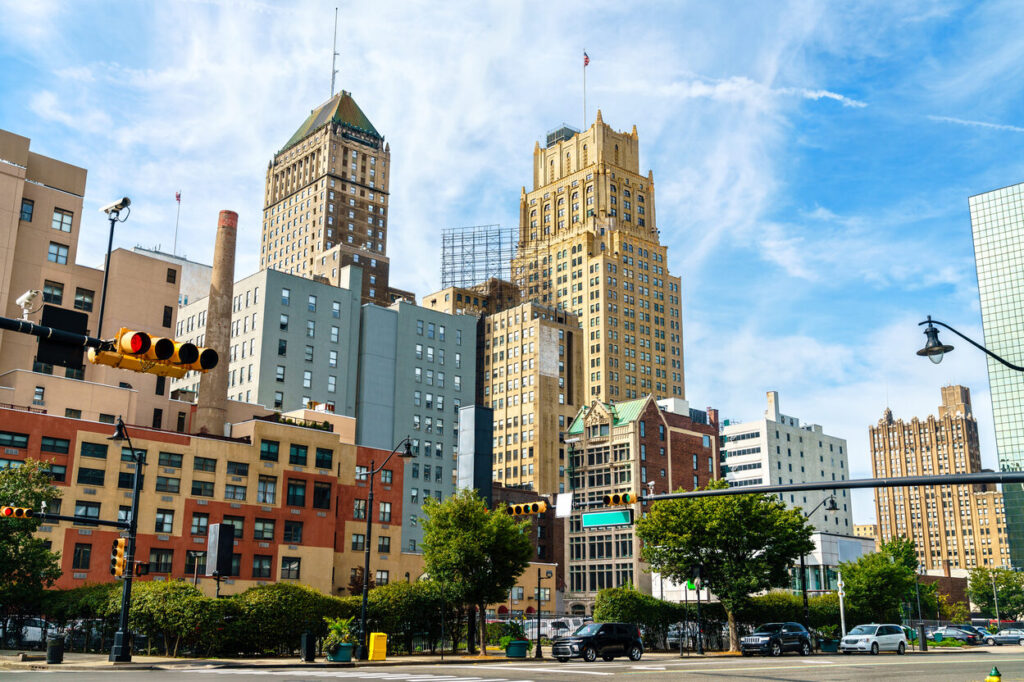
Newark has spent decades trying to recover from the civil unrest of the 1960s and the departure of its manufacturing base. While the port remains busy, the residential neighbourhoods still show deep scars from decades of disinvestment and neglect. Visitors see a city of contrasts, with new developments sitting right next to abandoned tenements that have been empty for forty years. The loss of industrial jobs left a high unemployment rate that has made it difficult for residents to maintain the city’s ageing housing stock.
Newark has used homesteading programmes to sell city-owned properties for nominal fees to residents who agree to live in them for a set number of years. This is an attempt to build local wealth, but the high cost of construction and repairs often prevents low-income families from participating. You will see grand old buildings that are gutted and boarded up, standing as reminders of a time when the city was a manufacturing powerhouse. Newark is a city with a lot of energy and pride, but the path to full recovery is still long and difficult.
15. Milwaukee, Wisconsin
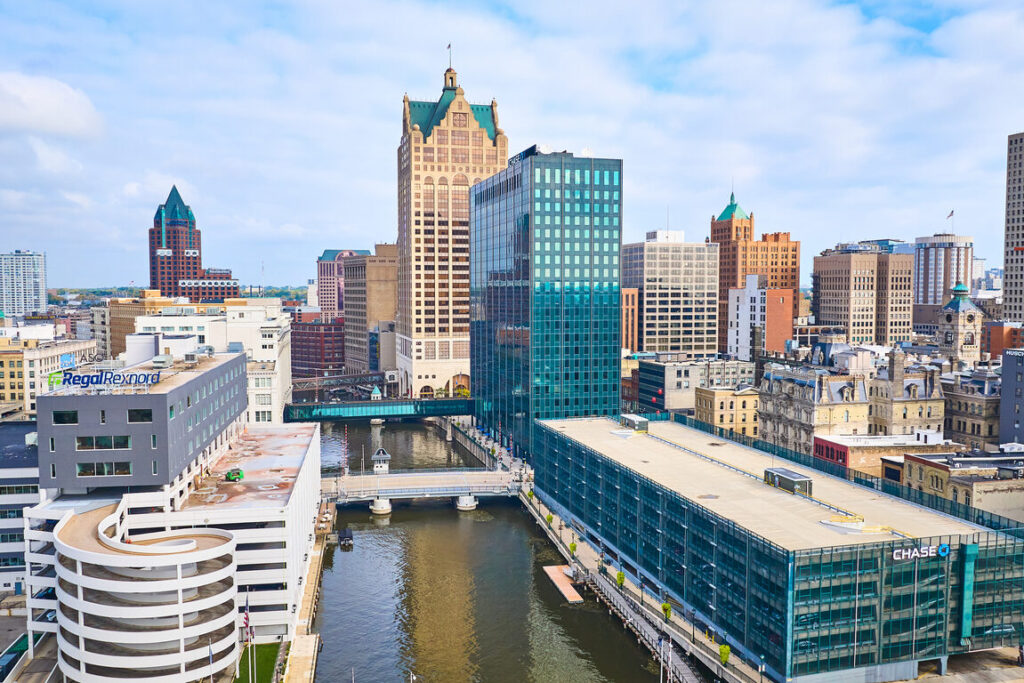
Milwaukee was once the “Machine Shop of the World,” but the loss of its heavy industry has led to high rates of poverty and segregation in its urban core. The city is famous for its “cream city” brick architecture, yet many of these beautiful buildings are now abandoned or in a state of serious disrepair. Visitors are often surprised by the sharp divide between the revitalised downtown area and the struggling neighbourhoods just a few miles away. The transition to a service economy has left many blue-collar workers without stable employment.
The city has sold foreclosed homes for as little as one dollar to encourage people to move into distressed neighbourhoods and help stabilise the community. However, these houses often require new roofs, plumbing, and electrical systems, which can cost more than the house is worth once finished. Many of these properties sit empty for years because the financial risk for individual buyers is simply too high. Milwaukee is a town with a rich heritage and a strong community spirit, but it is still grappling with the legacy of its industrial decline.
The heavy reliance on a single factory or industry has historically proven to be a dangerous gamble for these communities because it leaves them without a safety net when the world moves on. This collective history serves as a poignant reminder that true economic stability requires a diverse and adaptable foundation to survive the test of time.
Like this story? Add your thoughts in the comments, thank you.


